How Stefano Domenicali Rebuilt Lamborghini, Then Left for Formula 1
He doubled sales, launched the Urus, and laid the blueprint every Lamborghini since has followed.
Nearly every major product and strategic decision Lamborghini has made since Domenicali's departure traces back to the blueprint he drew.
A third model line built from scratch
More than 700 new hires brought a new production line at Sant'Agata, new carbon fiber manufacturing capabilities, and the organizational depth to build a third model at volume.
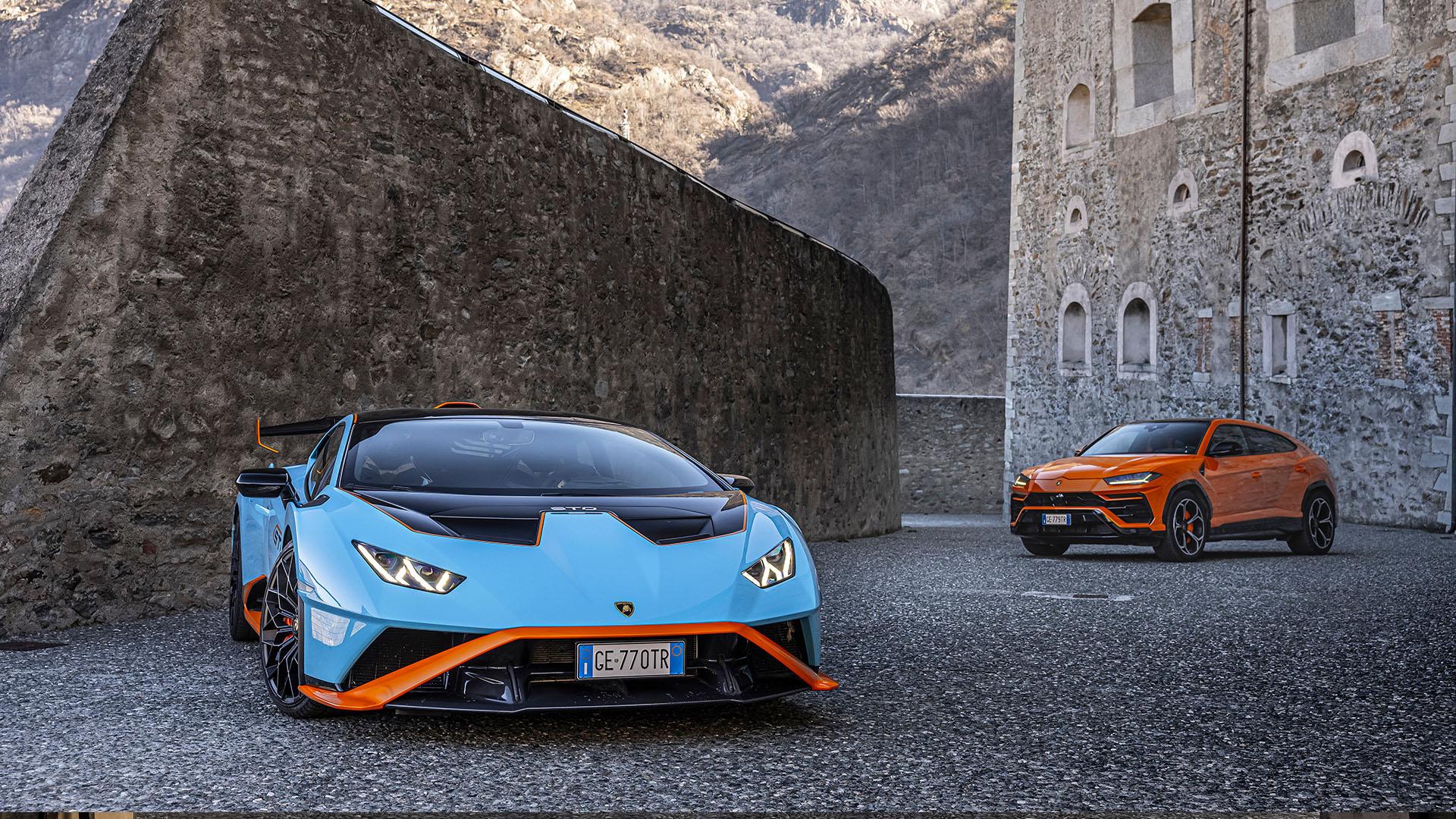
SUV revenue funding supercar ambition
Urus revenue gave Lamborghini the ability to invest in naturally aspirated V12 flagships and hybrid technology simultaneously, rather than choosing one over the other.
A successor inherits strength
Stephan Winkelmann returned to the CEO role and inherited a company in vastly stronger shape, with the Urus generating strong revenue and the hybrid transition already mapped out under the Direzione Cor Tauri strategy.
A heritage brand's modern framework
Domenicali established the strategic framework Lamborghini continues to follow: use SUV volume to fund supercar ambition, embrace hybridization without abandoning high-revving combustion engines, and expand the workforce to support both.
A multi-segment competitor on stage
Future leadership will face tightening emissions regulations and shifting tariff landscapes, but they will face them with a company Domenicali rebuilt from a two-model boutique into a genuine competitor across multiple segments.
Domenicali before the departure
Stefano Domenicali stepped down as Chairman and CEO of Automobili Lamborghini effective January 2021, leaving behind a company that bore little resemblance to the one he inherited.
From 3,500 to more than 10,000
By 2023, Lamborghini was delivering more than 10,000 cars annually, with the Urus accounting for roughly 6,000 of those units, as Road & Track reported.
Full order books, creative confidence
A full order book and an expanding buyer demographic gave Lamborghini the confidence to take creative risks with limited editions and niche variants that would have been commercially reckless a decade earlier.
The foundation was solid enough for someone else to build on
The expanding lineup of special editions and Ad Personam configurations exists because the customer base Domenicali grew became large enough to support them.