Lamborghini's First NFT Sends Carbon Fiber to Space, Then Pairs It with Digital Art
Five fragments orbited Earth for seven months before becoming the physical keys to a new kind of collectible.
Lamborghini's Space Time Memory collection pairs carbon fiber that spent seven months aboard the International Space Station with individually numbered digital artworks, setting it apart from the wave of purely digital collectibles that flooded the market in early 2022.
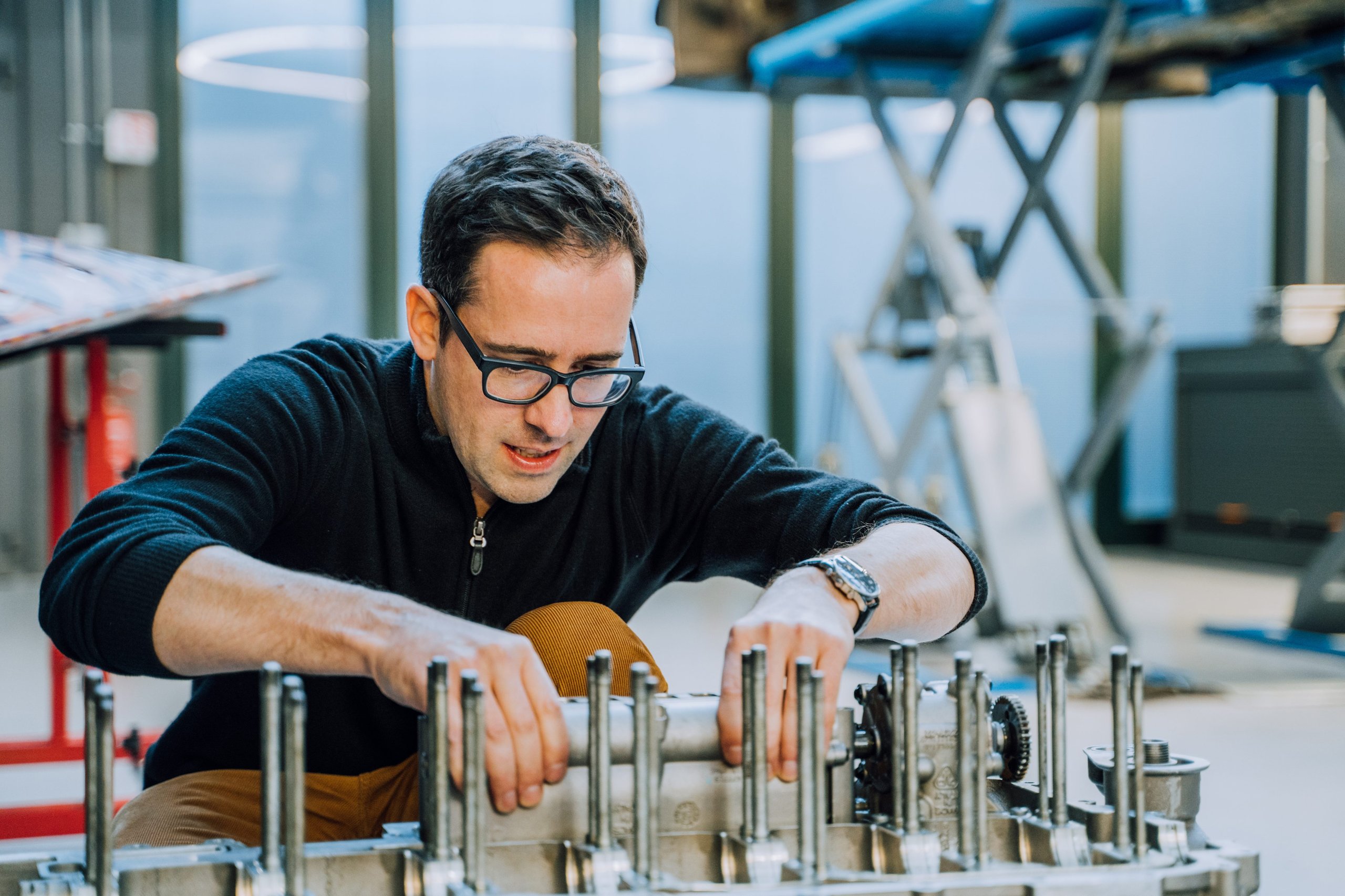
Fabian Oefner at work in the studio
Swiss artist Fabian Oefner proposed the NFT concept to Lamborghini after learning about its carbon fiber space research, making Space Time Memory an artist-driven collaboration rather than a corporate brainstorm.
The creative process behind Space Time Memory
Oefner's established method involves photographing real automotive parts in isolation and compositing them into impossible scenes, and his relationship with Lamborghini spans nearly a decade.
Oefner on the stakes for collectors
Long-term value depends on factors Lamborghini cannot control, including the durability of the NFT market, whether digital art retains cultural relevance, and how future collectors weigh physical provenance against digital ownership.
Disassembling supercars to build the artwork
Each of the five pairs consists of one physical Lamborghini Space Key, engraved with a unique QR code, and one individually numbered digital artwork accessible by scanning it.
Scrutinizing components under dramatic light
Oefner has spent years pulling supercars apart to understand how they photograph, giving the resulting artwork a different kind of authenticity than a brand-commissioned illustration.
The artist's lens on Lamborghini's digital future
The Space Key concept insists that digital ownership should begin with something you can hold in your hand, reflecting Sant'Agata's broader conviction that collectibility, whether physical or digital, must be rooted in real provenance.