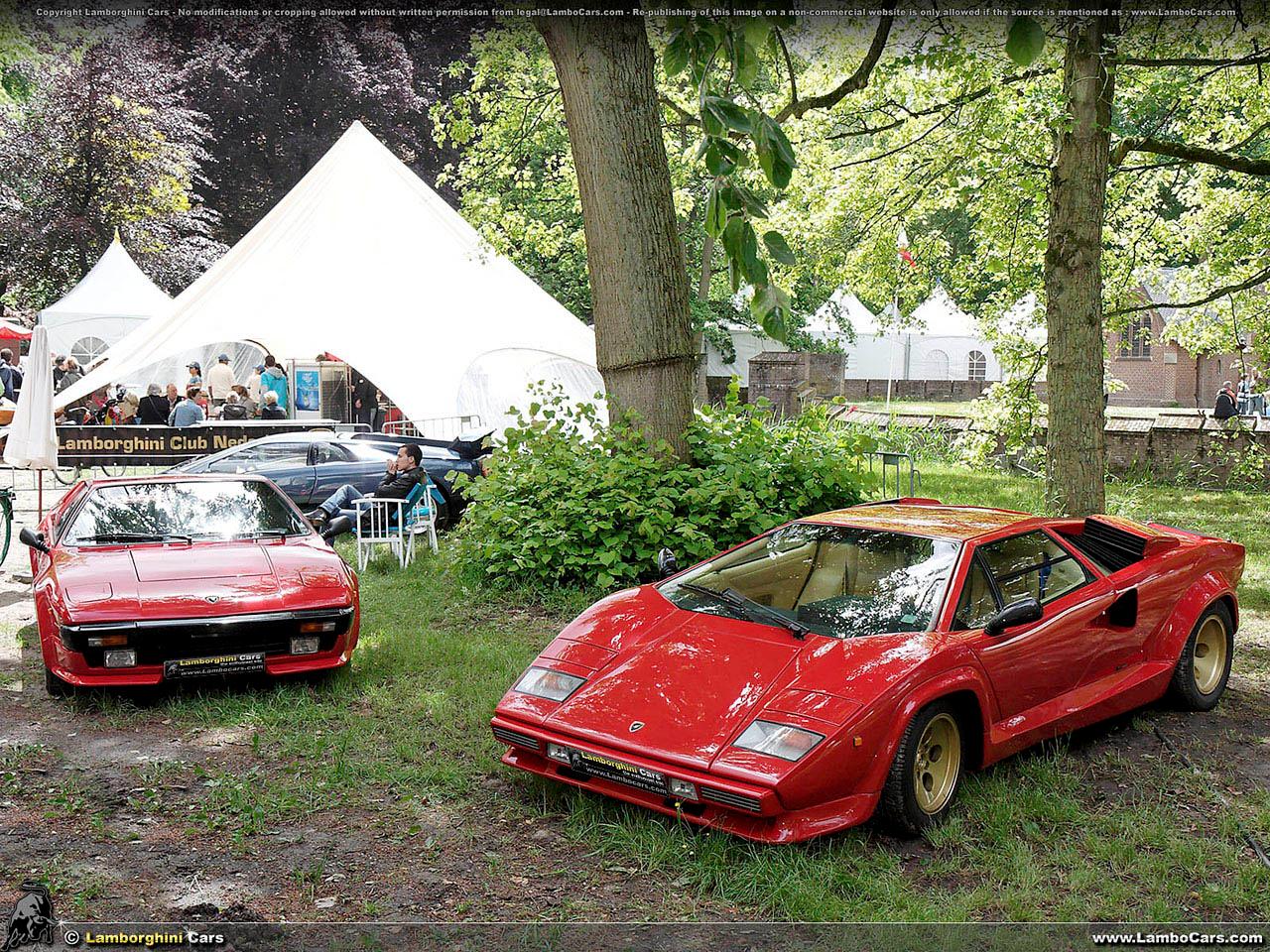
The Lamborghini Urraco at 50: A Misunderstood V8 Coupé That Changed Sant'Agata Forever
In October 1970, a compact 2+2 broke cover at the Turin Motor Show and quietly redefined what a Lamborghini could be.
For a company defined by its V12 flagships, the Urraco represented something genuinely radical: a deliberate step downmarket, powered by a new V8, aimed at buyers who wanted a Lamborghini but could not justify a Miura.
Ferruccio's target: a mid-engine exotic priced to fight the Dino and the 911
Ferruccio Lamborghini saw an opening in the early 1970s market: a proper mid-engine exotic with rear seats, a Lamborghini badge, and a production system designed to bring costs down enough to fight on price against Ferrari's Dino 246 and the Porsche 911.
Paolo Stanzani's engineering laboratory in a 4.25-meter body
The Urraco was the first production vehicle to use independent MacPherson strut suspension on both front and rear axles, a philosophical commitment to suspension geometry that Lamborghini carried forward for decades.
Proof of concept: from 776 Urracos to every non-V12 Lamborghini that followed
The Urraco's most important contribution was proof that Lamborghini could and should compete below the V12 flagship, a principle that directly influenced the Jalpa, the Gallardo, the Huracán, and now the Temerario.