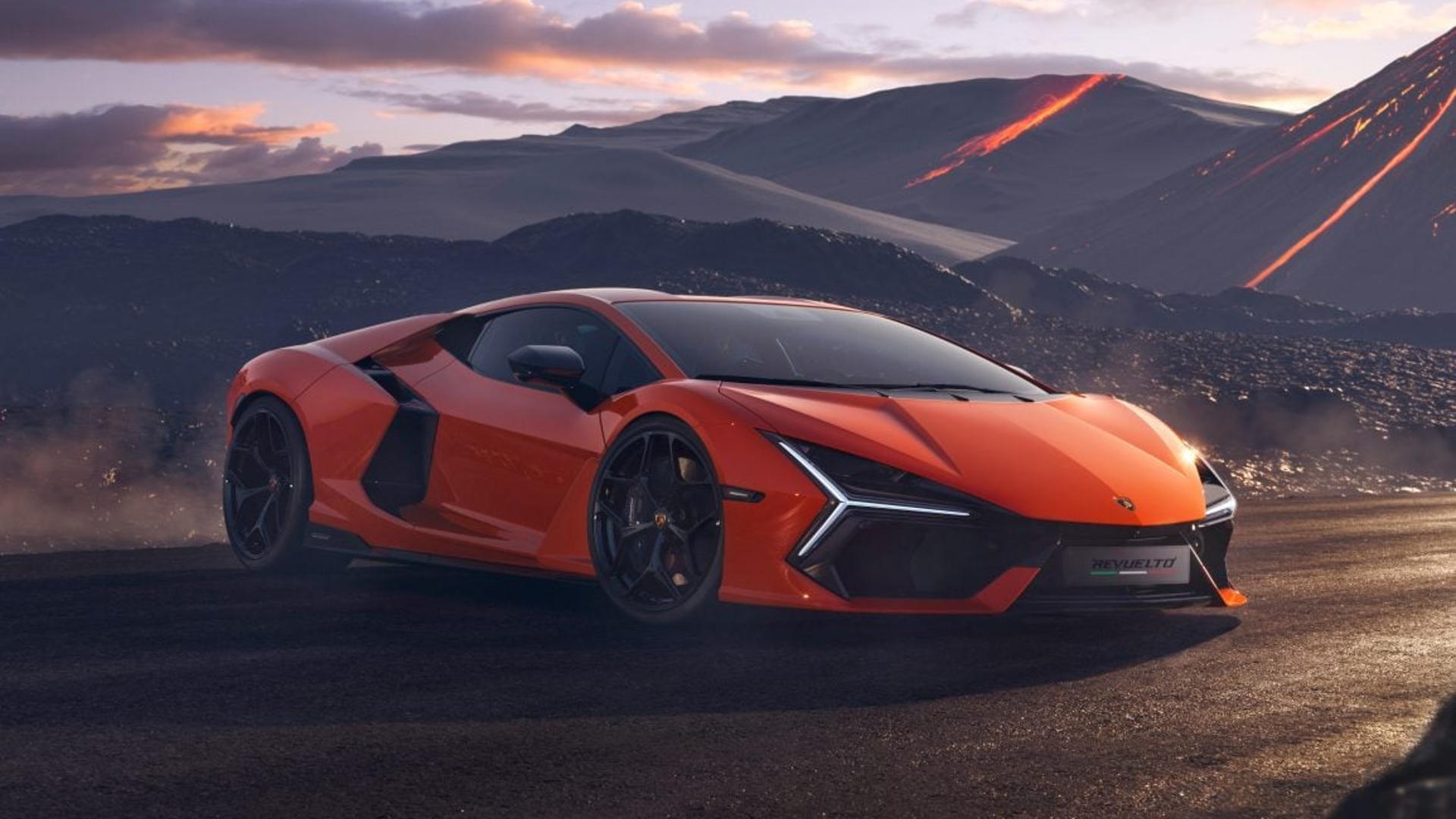
€150 Million and 172,000 Square Meters: Inside the Factory Lamborghini Rebuilt for the Revuelto
Three electric motors, a lithium-ion battery, and a brand-new gearbox forced Lamborghini to reinvent its production line.
Building a V12 supercar that also contains three electric motors, a lithium-ion battery pack, and an 8-speed dual-clutch gearbox that never existed in any previous Lamborghini requires something closer to reinvention.
The cost of hybridizing a V12 assembly line
Packaging lithium-ion cells into a mid-engine supercar built around a carbon fiber monofuselage introduces thermal, structural, and safety validation steps that the Aventador line never needed to address.
Artisan craft survives added complexity
One-off Opera Unica commissions, which involve hand-painted exterior treatments and bespoke interior details, continue to appear at regional showcases despite the Revuelto's added production complexity.
Six decades at the same address
Sixty years after Ferruccio Lamborghini opened the factory doors, the company retooled the same Sant'Agata Bolognese site to build a fundamentally different kind of car without relocating or outsourcing core production.
One roof, every critical process
Lamborghini, owned by the Volkswagen Group through Audi, chose to invest €150 million in a single Italian site rather than distributing production across the group's global network — a decision that treats the factory itself as a commercial asset.
The question electrification forced
Manifattura Lamborghini Next Level is the industrial answer to whether Lamborghini can add batteries and motors without losing what makes the cars feel handmade, exclusive, and unmistakably Italian.
Skilled hands on every car
Lamborghini's identity depends on the idea that each car passes through skilled human hands, particularly in the leather-trimmed interior, the carbon fiber layup, and the final paint inspection.
Infrastructure built for what comes next
Any future derivative or limited edition built on either the Revuelto or Temerario platform will flow through infrastructure that now exists because of the Revuelto investment.
Rivals faced the same dilemma
McLaren built the Artura around a new carbon fiber architecture at its Woking Technology Centre but encountered well-documented production delays that constrained early deliveries.
The factory behind the 1,001 horsepower
The Revuelto's headline numbers do not exist without factory floors being poured, new assembly stations being commissioned, and technicians learning to route high-voltage cables alongside naturally aspirated intake runners.