Classic Lamborghinis Now Get Their Own Wall Street-Style Market Index
Polo Storico and HAGI launch the LPS Index, bringing financial-grade price tracking to the heritage Lamborghini market.
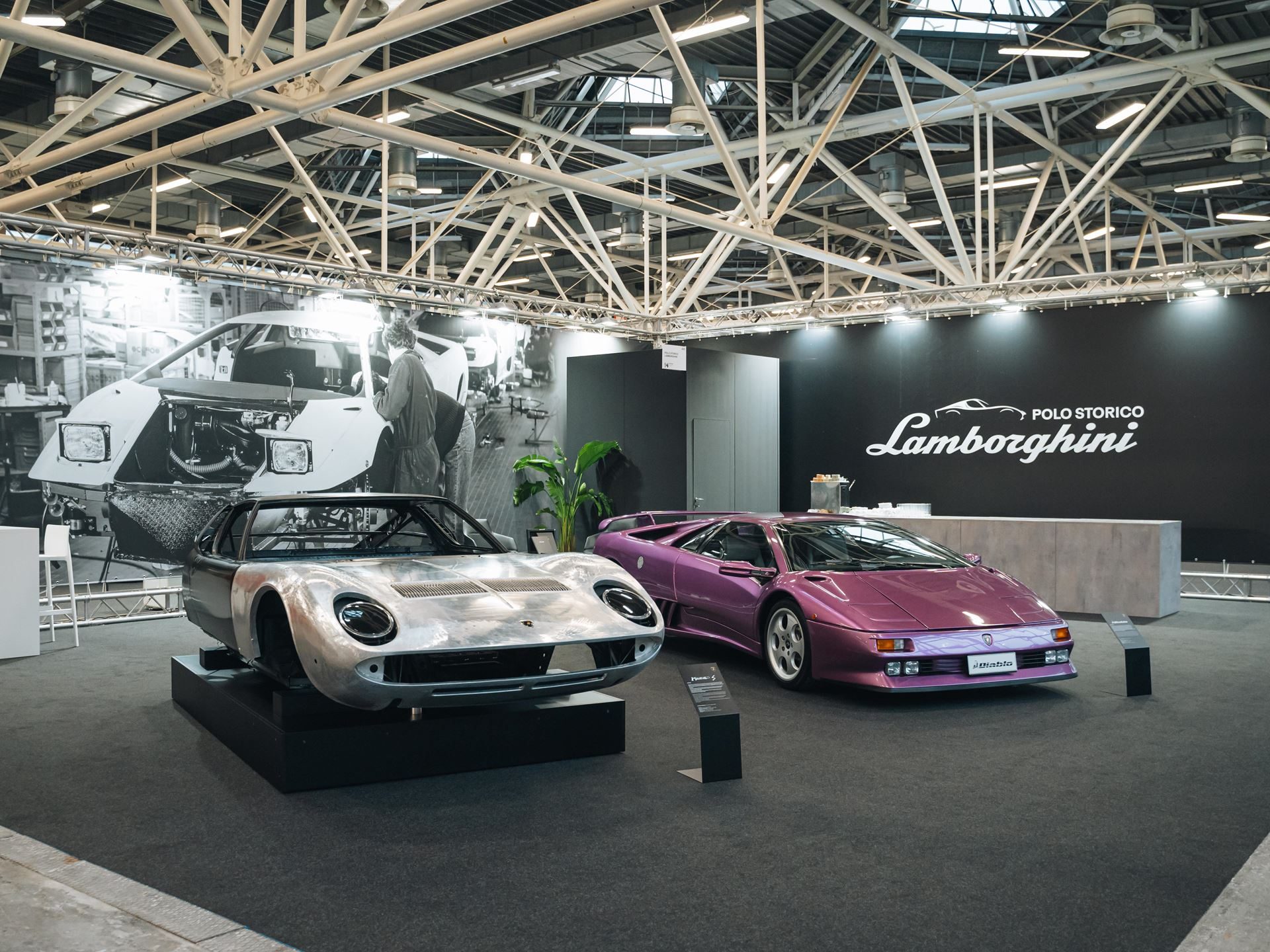
Lamborghini Polo Storico has signed a collaboration agreement with Historic Automobile Group International to create the HAGI LPS Index, a monthly gauge measuring price development across the historic Lamborghini market from the 350 GT through the Diablo.
Monthly tracking replaces auction guesswork
Owners of classic Lamborghinis such as the Countach LP400 or the Diablo SE30 can now track whether the broader market is rising, flattening, or softening on a monthly basis rather than relying on anecdotal auction results.
Tenfold appreciation from 2000 to 2017
A back test of the index revealed that prices for classic Lamborghini models increased tenfold from 2000 to 2017, a period fueled by low interest rates, growing wealth in emerging markets, and a generational shift among buyers.
Factory records behind every certification
Polo Storico houses detailed build records that go beyond chassis numbers to include engine, gearbox, axle, and body codes, along with original paint color, trim, wheel specification, and optional equipment.
An edge over Ferrari Classiche and Porsche Classic
Neither Ferrari Classiche nor Porsche Classic co-brands a publicly tracked price index with an independent analytics firm, giving the LPS Index a data-driven claim in the investment conversation that Lamborghini's competitors do not currently match.
Certification meets market transparency
Factory-backed certification from Polo Storico, combined with a publicly tracked market index, creates a level of institutional support that reduces some of the uncertainty inherent in collector car ownership.
Heritage cars pitched as an investable asset class
Polo Storico is making a deliberate case that its heritage cars belong in the same conversation as tracked, investable asset classes by formalizing transaction data through an independent research partner.
Testing resilience after a market plateau
The index uses a starting baseline of 100 as of December 31, 2017, a point many analysts considered a plateau for certain classic car segments, so steady or rising readings from there would suggest classic Lamborghinis retained their strength even as some other marques cooled.
Originality records drive premiums
A certified car with a clean originality record commands a premium that an undocumented example cannot, and that level of documentation directly supports the transparent market the LPS Index is designed to track.
Spare parts strategy guided by market data
The collaboration feeds market intelligence back to Polo Storico, allowing the department to plan spare parts production more strategically; in 2018 alone it created more than 200 new spare part code numbers.
Could newer models join the index?
The HAGI LPS Index currently covers models up to the Diablo, but gated-manual Murciélagos are already commanding strong premiums in the secondary market, making early-2000s production a logical candidate for future inclusion.