How Barwell's 2020 Oulton Park Sweep Built Lamborghini's GT3 Dynasty
A British GT 1-2 lockout on August 2, 2020, launched a championship season and proved the Huracán GT3 Evo's customer racing formula.
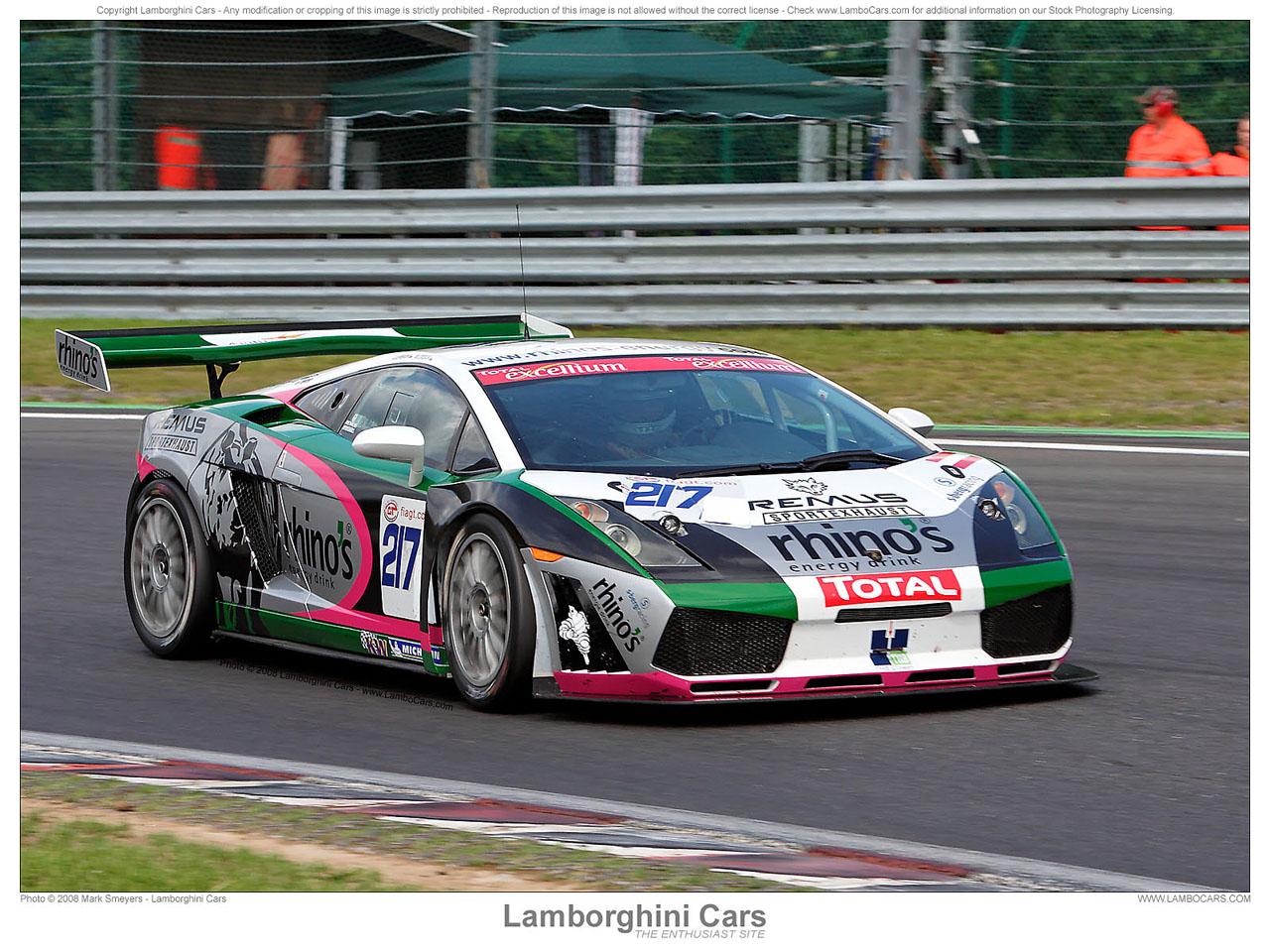
Phil Keen and Adam Balon qualified on pole and led every racing lap of the one-hour event in their Barwell Motorsport Lamborghini Huracán GT3 Evo at Oulton Park.
The Huracán GT3 Evo's decade-long benchmark
The Huracán GT3 platform earned its reputation because privateer teams could run it hard, season after season, without the car becoming a liability.
Squadra Corse's customer racing model
Squadra Corse supplies the car and factory driver support, but day-to-day engineering, logistics, and race strategy fall to the customer team.
A decade with the naturally aspirated V10
Teams that spent a decade learning the naturally aspirated V10's power delivery, throttle response, and thermal characteristics now face a complete recalibration with the switch to forced induction.
Engineering targets shaped by the Huracán era
The Huracán GT3 Evo's competitive record, built through seasons like 2020, directly informs the expectations and engineering targets for the Temerario GT3.
Three Huracáns inside the top five
A late safety car preserved the result under caution: a Barwell 1-2, with WPI Motorsport's Michael Igoe and Lamborghini factory driver Dennis Lind completing the day in fifth to put three Huracáns inside the top five.
Reliability as a competitive advantage
A GT3 car that wins at Daytona means nothing to a gentleman driver if it costs a fortune in unscheduled repairs or demands factory-engineer involvement at every round.
Genuine privateer versus embedded factory support
Lamborghini's British GT success through Barwell looks more like genuine customer racing, where the team owns the outcomes, unlike rival programs that embed manufacturer engineers so deeply the privateer label becomes cosmetic.
The Temerario GT3's powertrain shift
The Temerario GT3 strips the road car's hybrid components entirely, running a modified version of the twin-turbo V8 alone as GT3 regulations require.
The foundation for what comes next
Barwell's consistency across the Huracán era — multiple championships, dozens of podiums, and a working relationship with Squadra Corse — became the template for how Lamborghini wants its customer racing program to function globally.