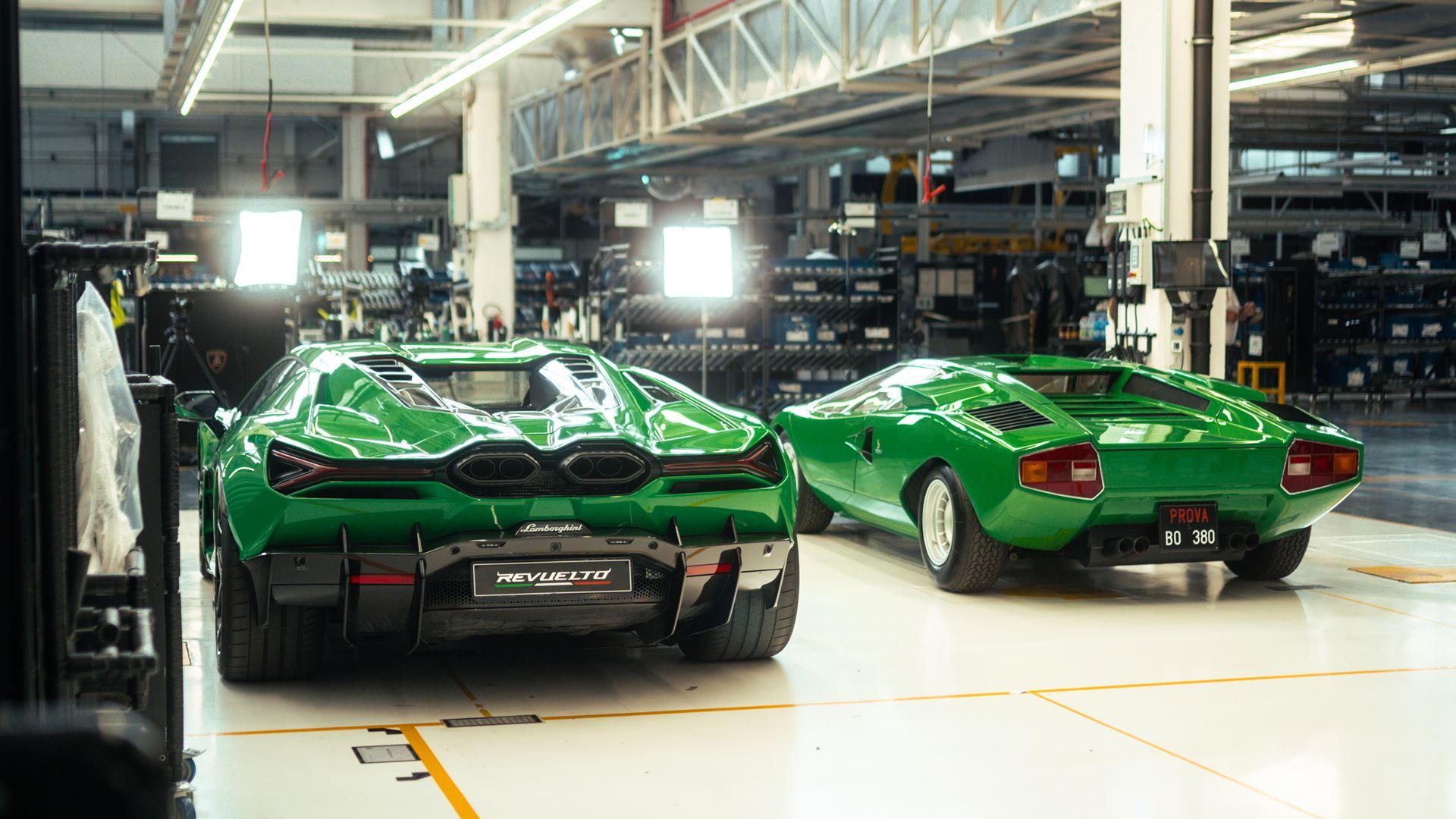
Lamborghini's Factory Won a European Energy Award — Here's Why It Matters
The same plant that builds V12 supercars reached carbon neutrality through purpose-built infrastructure.
Lamborghini's trigeneration and district heating systems were instrumental in achieving CO2 neutral certification for its factory in 2015, making it the first company in the world to do so through the DNV GL Carbon Neutrality program.
The COGEN Europe Recognition Award 2019
Automobili Lamborghini and CPL CONCORDIA won the COGEN Europe Recognition Award 2019 in the Market Development for Organizations category, presented at a gala ceremony in Madrid and judged by industry professionals, policymakers, and researchers.
Italy's first automotive district heating system
Lamborghini holds the distinction of being the first automotive company in Italy to implement a district heating system, routing hot water through six kilometers of underground pipes from a biogas cogeneration plant to the factory.
What carbon neutrality actually required
Lamborghini's 2015 certification combined on-site trigeneration, external biogas district heating, and supplementary measures including an oak forest planted near the factory for carbon offsetting and biodiversity research.
A head start over supercar rivals
Lamborghini's 2015 factory carbon neutrality certification predates comparable announcements from most direct competitors, and its trigeneration and district heating infrastructure was already generating measurable savings before the broader industry treated factory sustainability as a competitive differentiator.
Energy infrastructure meets the electrification roadmap
Lamborghini's Direzione Cor Tauri electrification roadmap, which led to the Revuelto's V12 hybrid powertrain and the Urus SE's plug-in system, required a factory capable of supporting more complex, energy-intensive manufacturing processes.
Hardware over paperwork
Lamborghini's philosophy of solving problems with hardware rather than paperwork runs from the trigeneration plants themselves to the underground pipes carrying biogas heat six kilometers to the factory floor.
Built into the factory, not offset on a spreadsheet
Lamborghini chose to build its energy solution into the factory itself rather than purchasing grid electricity and offsetting the emissions through carbon credits.
The Sant'Agata Bolognese factory's energy infrastructure
The two trigeneration plants have a combined installed power of 2.4 MW, producing approximately 20,000 MWhe annually — enough, Lamborghini says, to supply the yearly energy needs of every home in the town of Sant'Agata Bolognese.
Uncompromising performance, quieter engineering ambitions
Lamborghini's cars remain uncompromising in performance, but the manufacturing operation behind them runs on a different, quieter set of engineering ambitions — eliminating roughly 3,440 tons of CO2 annually through its combined energy systems.
Scale advantage, real investment
Lamborghini's smaller production volume of roughly 10,000 vehicles per year makes factory carbon neutrality more achievable in absolute terms, but the company invested in sophisticated on-site energy infrastructure rather than simply purchasing carbon offsets.
Infrastructure that now builds hybrid supercars
Lamborghini invested in factory sustainability infrastructure years before it became an industry expectation, and that infrastructure now supports the manufacturing of the hybrid supercars rolling out of Sant'Agata Bolognese.