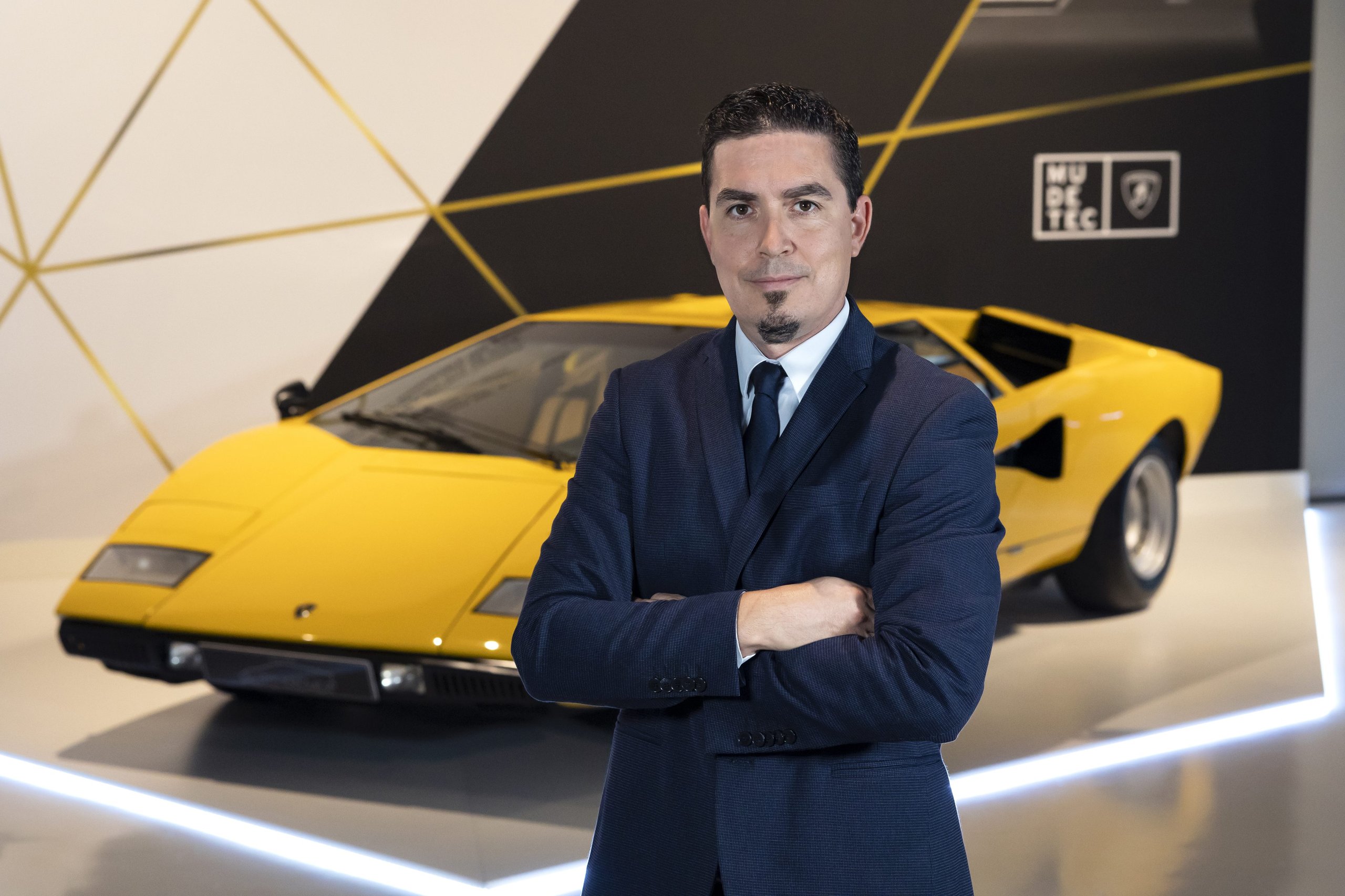
How Lamborghini's Procurement Chief Kept the Factory Running Through Three Global Crises
Silvano Michieli's supply chain strategy delivered record results through a pandemic, a chip shortage, and a war.
Silvano Michieli, Chief Procurement Officer at Automobili Lamborghini, is responsible for ensuring that every carbon fiber panel, every semiconductor, and every meter of wiring arrives at Sant'Agata Bolognese on time and to specification.
Wiring harnesses from a war zone
Lamborghini supported its supplier Leoni in duplicating wiring-harness production outside Ukraine rather than abandoning the partnership, helping protect the Huracán's final production run with deliveries continuing through 2025.
The Volkswagen Group advantage
Hybrid battery management systems, power electronics, and advanced driver-assistance architectures all benefit from shared development across Porsche, Audi, Bentley, and Lamborghini within the Volkswagen Group.
Bespoke parts demand bespoke suppliers
A carbon fiber body panel for a Huracán STO demands a supplier with specific layup expertise and autoclave capacity that a mass-market parts manufacturer would never maintain.
Deliberate scarcity, global dependence
Lamborghini's future, from the Temerario's hybrid V8 to whatever fully electric model eventually follows, depends on global supply chains functioning reliably.
Partnership over transaction
Lamborghini's new procurement model, forged under pressure, treats key suppliers as strategic partners with shared visibility into production planning and co-developed contingency protocols.
Loyalty over short-term savings
Lamborghini chose to absorb the overhead of redundant production lines rather than switch to a cheaper alternative, revealing how the company values long-term supplier loyalty.
Ten thousand cars versus ten million
A company building ten thousand cars competes for the same semiconductors, aluminum alloys, and specialty polymers as companies building ten million, and in that contest volume buyers win — unless group-level leverage changes the equation.