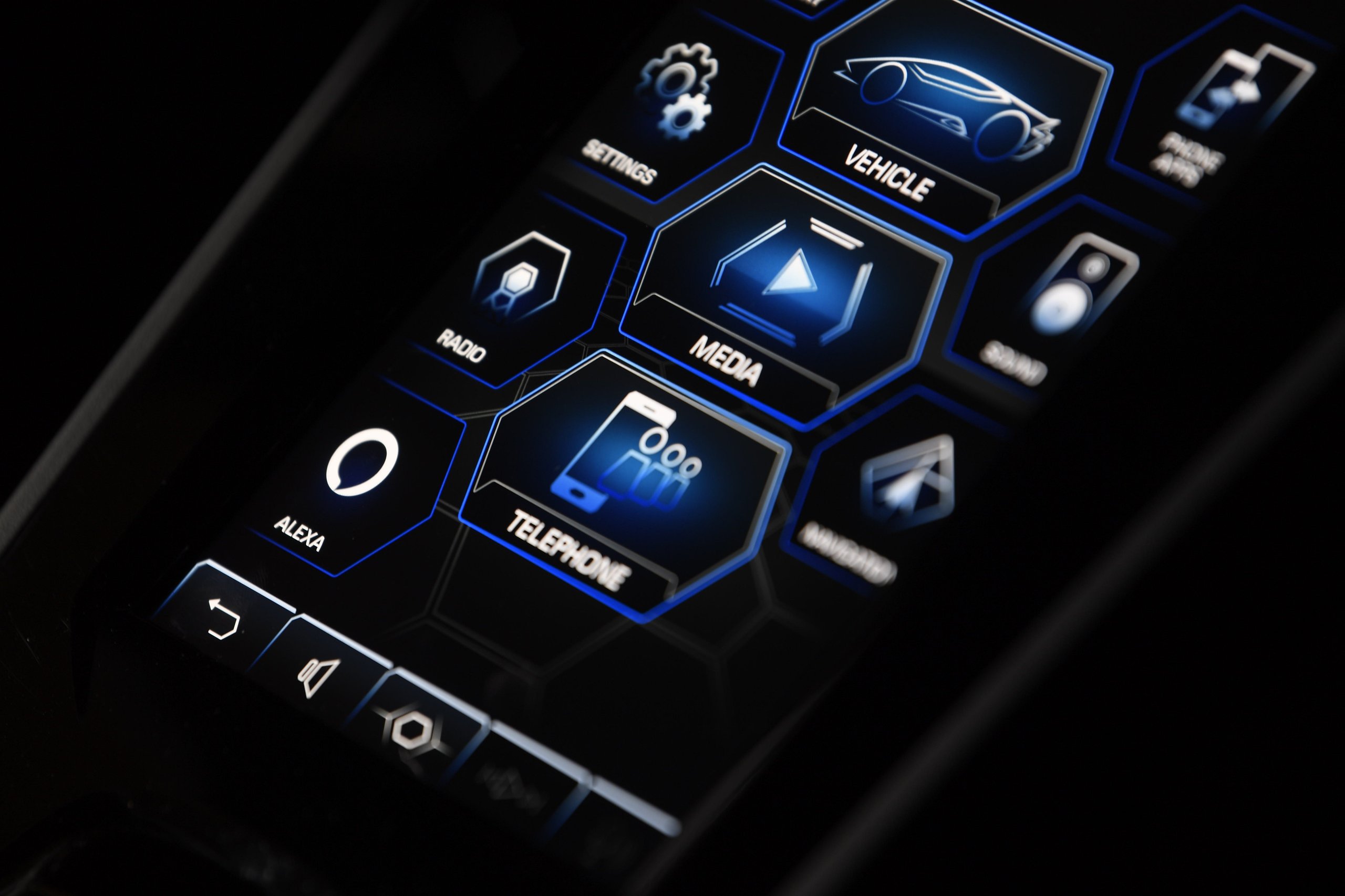
Lamborghini Brought Alexa to CES 2020, But the Real Story Is What It Revealed About Supercar Cockpits
The Huracán EVO's Amazon integration was a genuine first — and a test of how far a supercar maker should lean into cloud-connected convenience.
Lamborghini claimed a genuine first at CES 2020: no other automaker offered full in-car control of core vehicle functions through Amazon Alexa.
Owner reliability: a mixed picture
Forum discussion among Huracán EVO owners paints a mixed picture of the infotainment system's reliability, with multiple owners describing touchscreen bugs, connectivity glitches, and inconsistent responsiveness.
Why Lamborghini chose Amazon over going it alone
Partnering with Amazon's infrastructure rather than building a proprietary ecosystem from scratch was a pragmatic choice for a manufacturer with a relatively small engineering budget compared to volume producers.
The trade-off against rivals like Ferrari and McLaren
Adopting Alexa gives Lamborghini access to Amazon's vast skill library and continuous cloud improvements, yet it also means the in-car experience partially depends on a third party's development priorities.
The purist tension: instrument panel versus connected living space
Adding a cloud-connected AI assistant to the cockpit does not diminish the V10's wail or the chassis dynamics, but it shifts the character of the cabin from pure instrument panel toward something closer to a connected living space.
A generational leap: the Temerario's triple-display architecture
The Temerario's digital ecosystem features a triple-display HMI architecture with a 12.3-inch instrument panel, an 8.4-inch central screen, and a 9.1-inch passenger display, all governed by a single processing unit.
Hands-on-wheel convenience: what Alexa actually controlled
Voice commands let drivers adjust climate control, interior lighting, and seat heating without lifting a hand from the wheel.
Supercar cockpit first, smart device second
Carbon fiber trim and the red engine start button frame the screen, reinforcing the hierarchy that this is still a supercar cockpit first and a smart device second.
Deeper than the competition's integration
Unlike other automakers who integrated Alexa primarily for cloud-based services like music and weather, Lamborghini's approach extended the voice assistant into actual vehicle system control.
Used-market reality check
The Alexa feature's usefulness on a used Huracán EVO depends heavily on the underlying infotainment system's condition — if the touchscreen is glitchy, it becomes one more thing to troubleshoot.
The question the Huracán EVO posed — and the Temerario must answer
The Huracán EVO's Alexa experiment looks like a learning exercise, a first attempt at answering how much digital connectivity belongs in a supercar cockpit — and the Temerario will need to answer it.