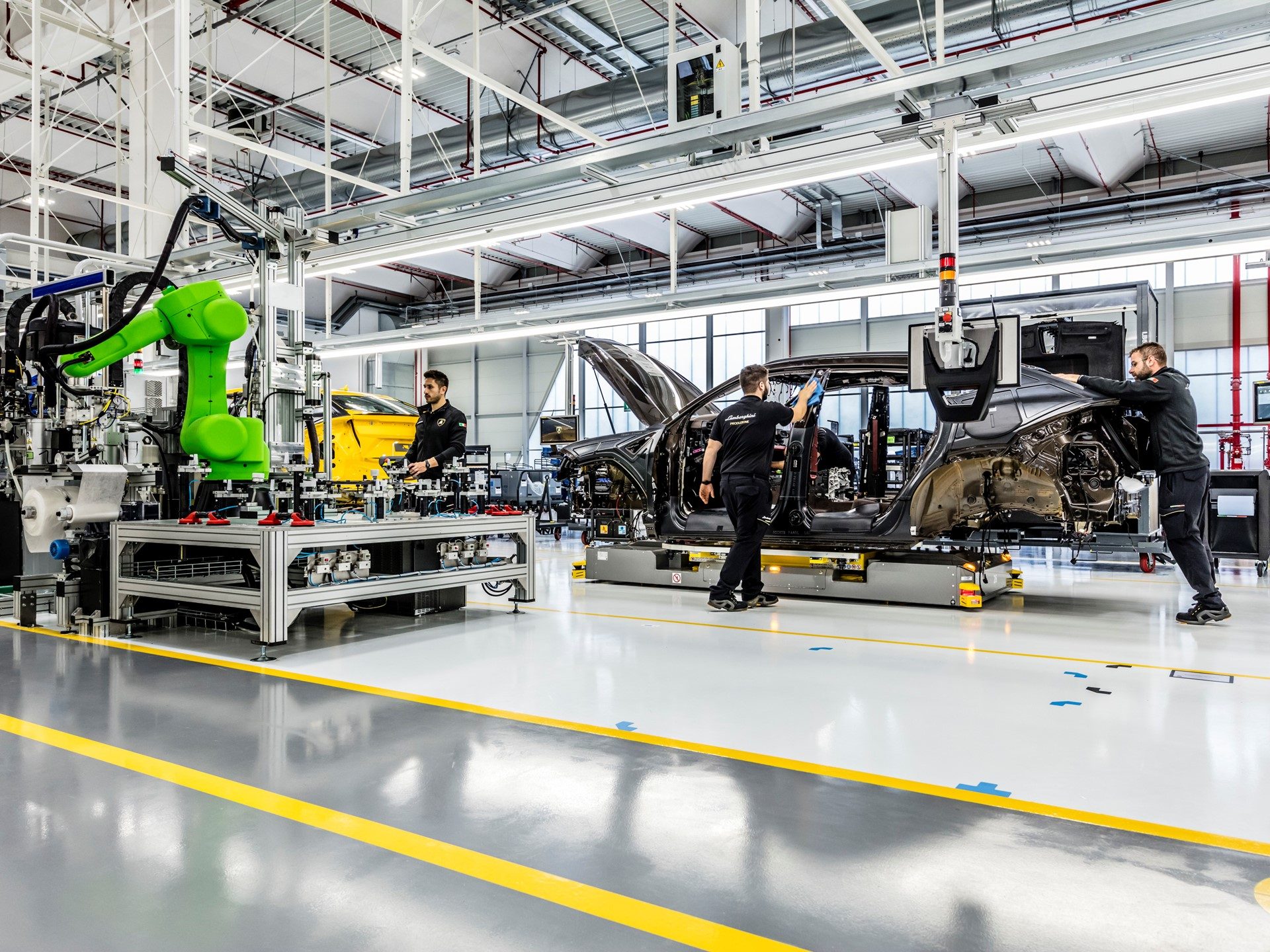
How Lamborghini's People Strategy Builds Better Cars
Seven consecutive years as Italy's Top Employer is not a publicity stunt — it is an externally verified commitment.
In January 2020, Automobili Lamborghini earned the Top Employer Italia certification for the seventh consecutive year, awarded by the Top Employers Institute after a rigorous audit of the company's HR practices.
The Urus effect on hiring
The Urus Super SUV drove Lamborghini to double its volumes, turnover, and physical space, requiring over 100 new hires in 2019 alone — specialists like composite engineers, paint technicians, and powertrain calibration experts.
Equal pay and enhanced parental leave
Lamborghini confirmed a policy of equal pay for male and female employees holding equivalent qualifications and responsibilities, and introduced enhanced parental leave benefits including an increased supplementary allowance for new mothers.
A certification streak that kept extending
Lamborghini went on to earn the same recognition every year since 2020, achieving its eleventh consecutive Top Employer Italia certification by 2024 and extending the streak to thirteen years by 2026.
The hands that define the standard
The people assembling carbon fiber monocoques, calibrating hybrid powertrain software, and stitching Alcantara interiors are the ones who determine whether a car meets the standard its badge promises.
Why HR awards matter to enthusiasts
For enthusiasts, this kind of corporate story can feel distant from the roar of a V12 or the snap of a dual-clutch gearbox, but the connection to build quality and innovation is more direct than it appears.
Motor Valley's quiet talent war
Ferrari, Ducati, Pagani, Dallara, and Maserati all operate within a short drive of Sant'Agata Bolognese, and Lamborghini's employer certification serves as a recruiting weapon in that fiercely competitive talent pool.
Reverse mentoring across generations
Sixty percent of the workforce fell between ages 21 and 39, so a pilot reverse mentoring program paired junior employees with senior professionals, letting younger staff share digital fluency while veterans contributed institutional knowledge and craft expertise.
Direzione Cor Tauri and 500 new hires
The 2024 certification coincided with approvals for Lamborghini's Direzione Cor Tauri program, its largest-ever R&D investment, which includes a plan to hire at least 500 new employees by 2026 as the company pursues electrification.