Three Tenths of a Second: The Silverstone Hat Trick
How one race proved Lamborghini's GT3 program was for real
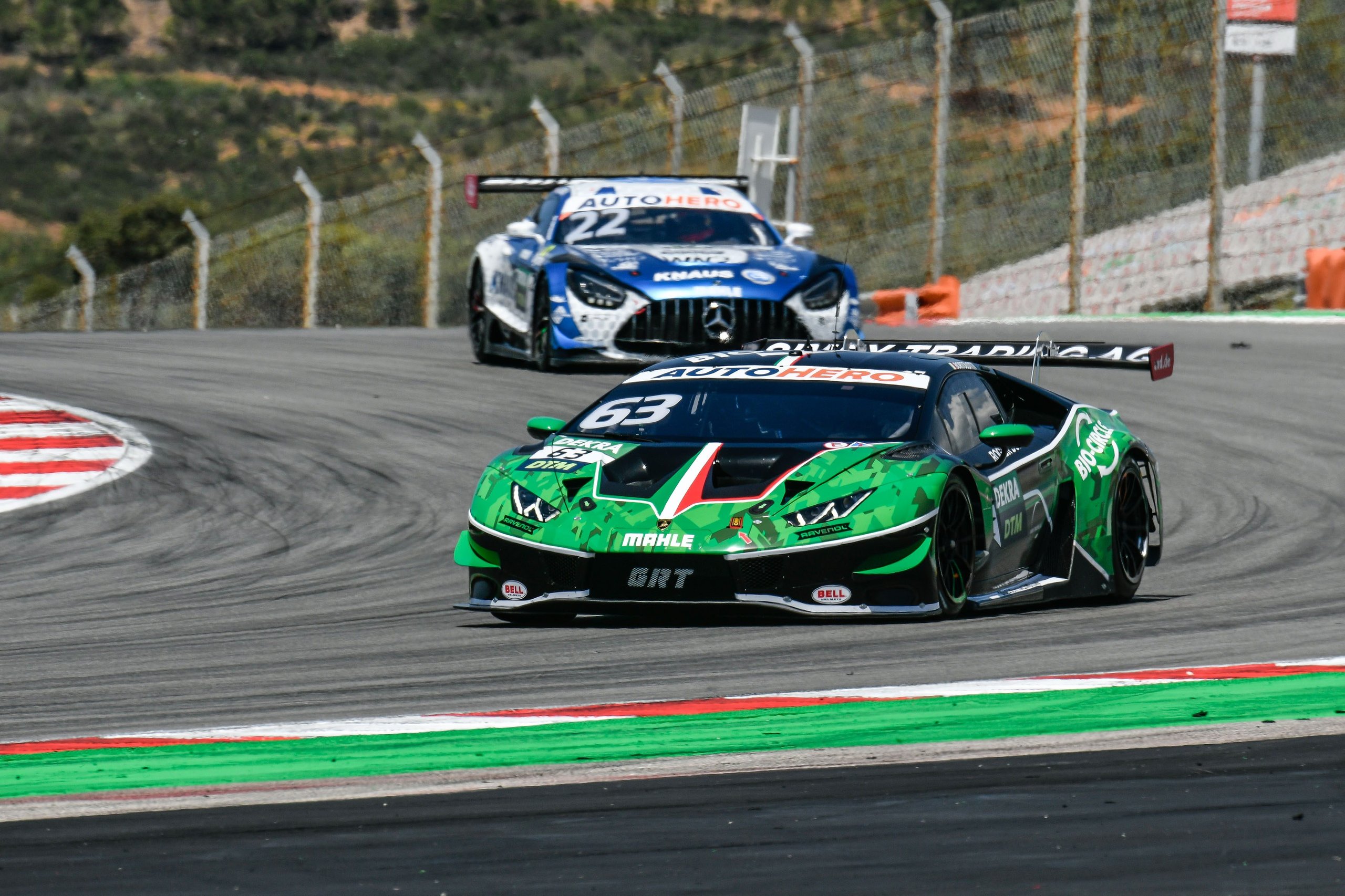
Christian Engelhart's defensive final stint at Silverstone, holding off two Mercedes-AMG GTs to protect a three-tenths margin, was the kind of performance that transforms a promising racing program into a feared one.
The engineering beneath the bodywork
The Huracán GT3 places its naturally aspirated 5.2-liter V10 behind the driver in a mid-engine layout, built around an aluminum and carbon fiber hybrid chassis co-developed with Dallara.
Track credibility changes the showroom conversation
Lamborghini's ability to match and in this stretch outpace Ferrari and Porsche GT3 programs, with a relatively newer motorsport operation, speaks to how seriously Sant'Agata treats the engineering transfer between track and road.
The privateer base that sustains a GT3 program
In a 55-car field packed with factory-backed machinery, consistent top-20 finishes from multiple Lamborghini customer entries indicated a healthy and competitive privateer base, exactly the foundation a sustained GT3 program requires.
From the Huracán's V10 to the Temerario's hybrid V8
The transition from the Huracán's naturally aspirated V10 to the Temerario's twin-turbocharged V8 hybrid architecture will fundamentally change how customer teams approach setup, tire strategy, and power delivery.
Three circuits, three wins, one championship lead
Silverstone was the Huracán GT3's third consecutive Blancpain GT Series victory after wins at Monza and Brands Hatch, placing Mirko Bortolotti, Andrea Caldarelli, and Christian Engelhart at the top of the championship standings.
The road to Spa started here
Lamborghini achieved its first overall victory at the 24 Hours of Spa with the Huracán GT3 EVO2, widely reported as the brand's 191st win in the GT3 era, a triumph whose seeds were planted in seasons exactly like this one.
Race-car DNA in the dealer showroom
The road-going Huracán shares its V10 architecture, its aluminum-carbon construction philosophy, and its fundamental layout with the GT3 car that won three consecutive races in one of the world's toughest GT championships.