Why Lamborghini Chose a Supercapacitor Over Batteries for the Sián's V12 Hybrid
All 63 units sold before anyone saw the car unveiled.
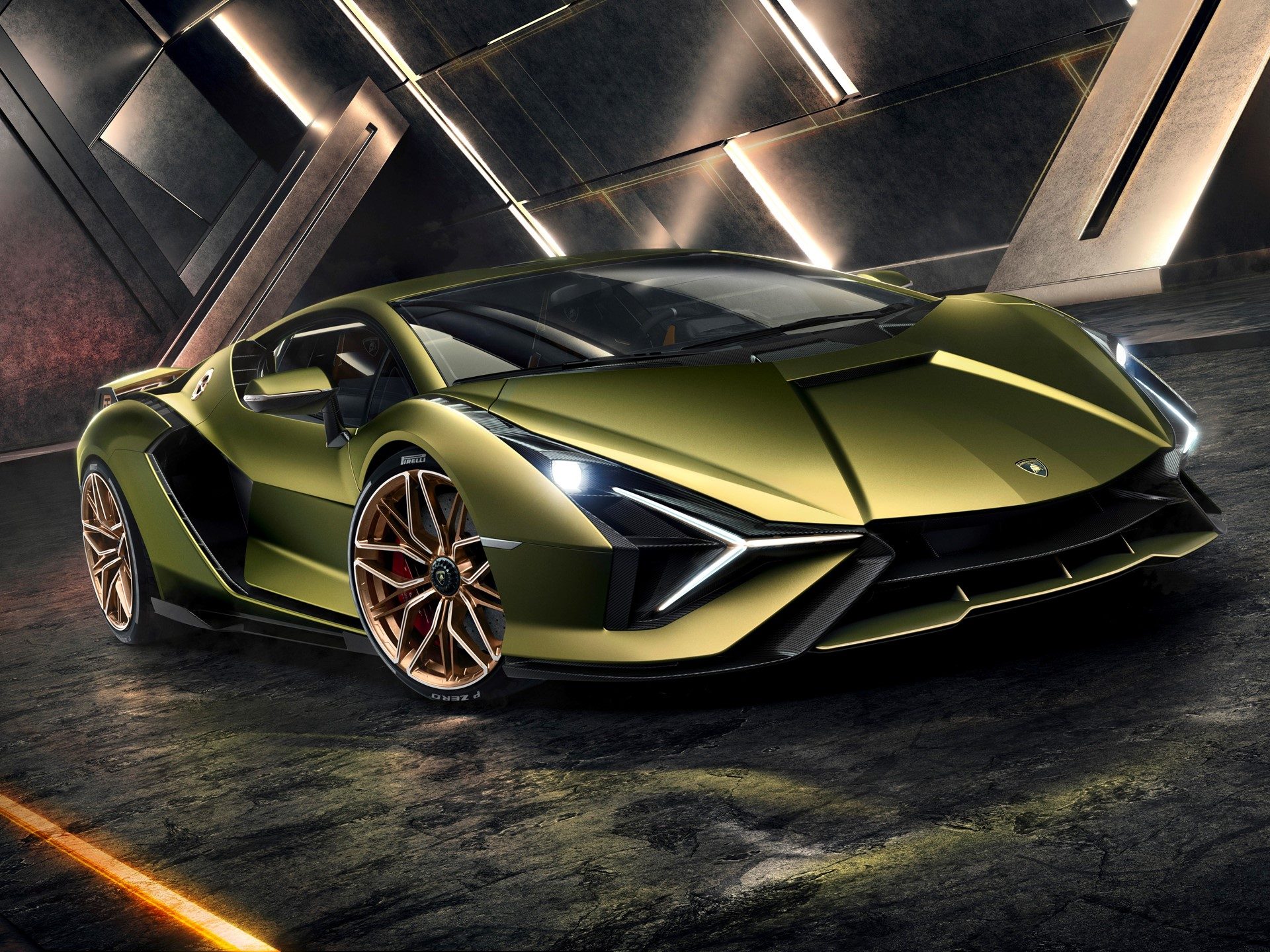
Lamborghini pulled the cover off the Sián FKP 37 at the Frankfurt Motor Show on September 3, 2019, and every one of the 63 units had already been sold.
The supercapacitor advantage
Lamborghini rejected lithium-ion batteries entirely, choosing a supercapacitor that is three times more powerful than a battery of the same weight and three times lighter than a battery producing the same power.
Feeding the V12, not replacing it
The e-motor is integrated directly into the gearbox, filling the torque gap during gear changes and eliminating the momentary hesitation that the Aventador's ISR transmission was occasionally criticized for.
A different answer than Ferrari's SF90
Sant'Agata accepted minimal electric range in exchange for a near-zero weight penalty, instant energy recovery, and a system that enhances the combustion engine's delivery rather than occasionally substituting for it.
Past and future in one design
The Sián's Y-shaped headlights originated in the Terzo Millennio electric concept, while its profile carries the Gandini line from the Countach, placing the car precisely at the intersection of Lamborghini's history and its electrified future.
Blueprint for the Revuelto
The Revuelto carries a bigger battery and more electric power, but its underlying philosophy — that hybrid components should enhance the combustion engine rather than apologize for it — traces directly back to the Sián.
Symmetric power flow
Lamborghini's supercapacitor fully recharges every time the vehicle brakes, returning the system to full capacity before the next acceleration — something a lithium-ion battery cannot match.
The performance payoff
Traction force improves by up to 20% in higher gears at lower speeds, and the 70 to 120 km/h acceleration time drops by 1.2 seconds compared to the Aventador SVJ.
Efficiency was never the point
The Sián's combined fuel consumption of 19.2 l/100km confirms that Lamborghini was not trying to build the most efficient hybrid — it was trying to build one that made the V12 experience more intense.
A turning point no one has replicated
For the 63 coupe owners and 19 roadster owners, the Sián represents a genuine technological turning point, powered by a system that no other manufacturer has replicated in production.