Qualifying Breakthrough, Race-Day Heartbreak at Fuji
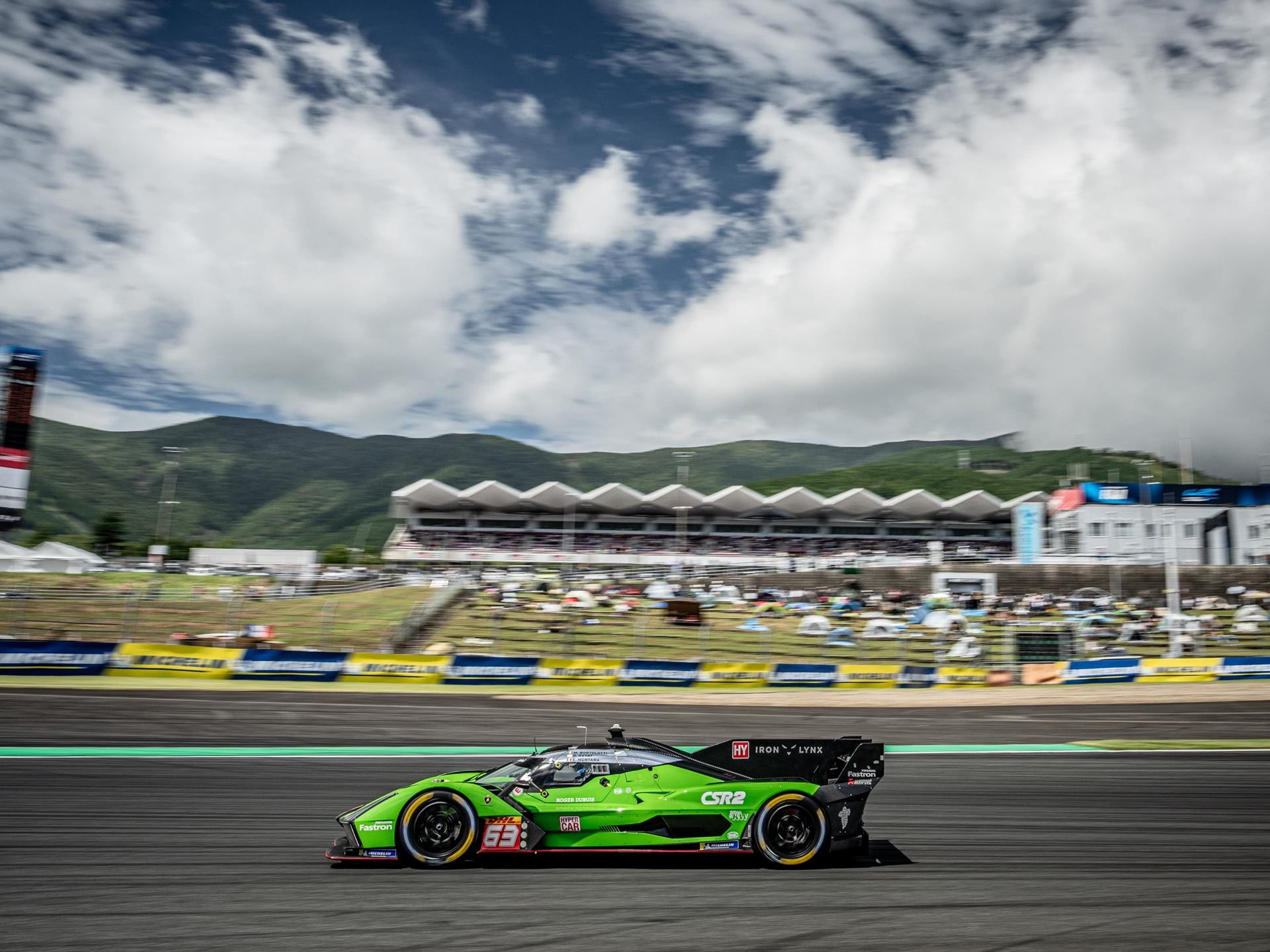
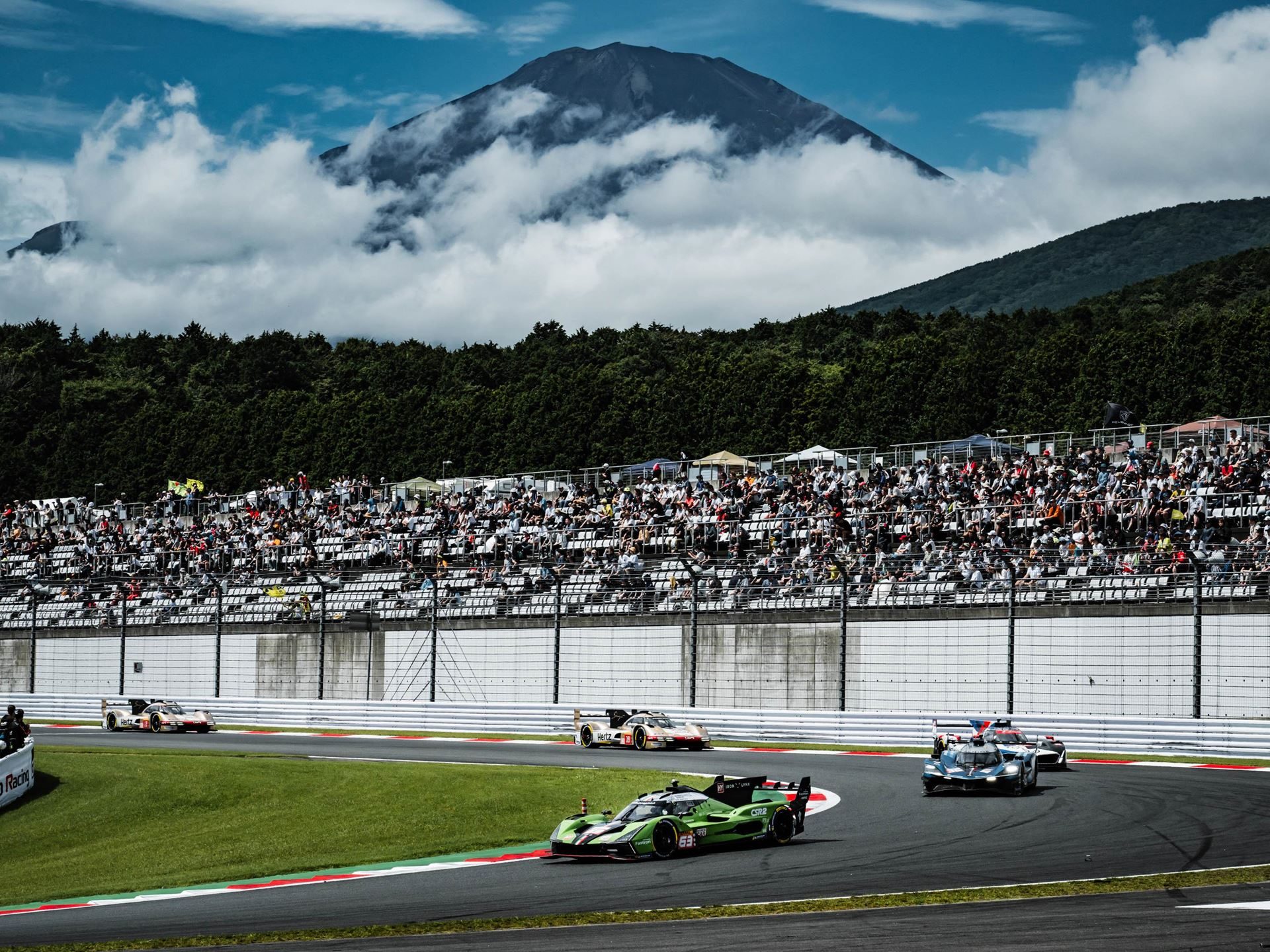
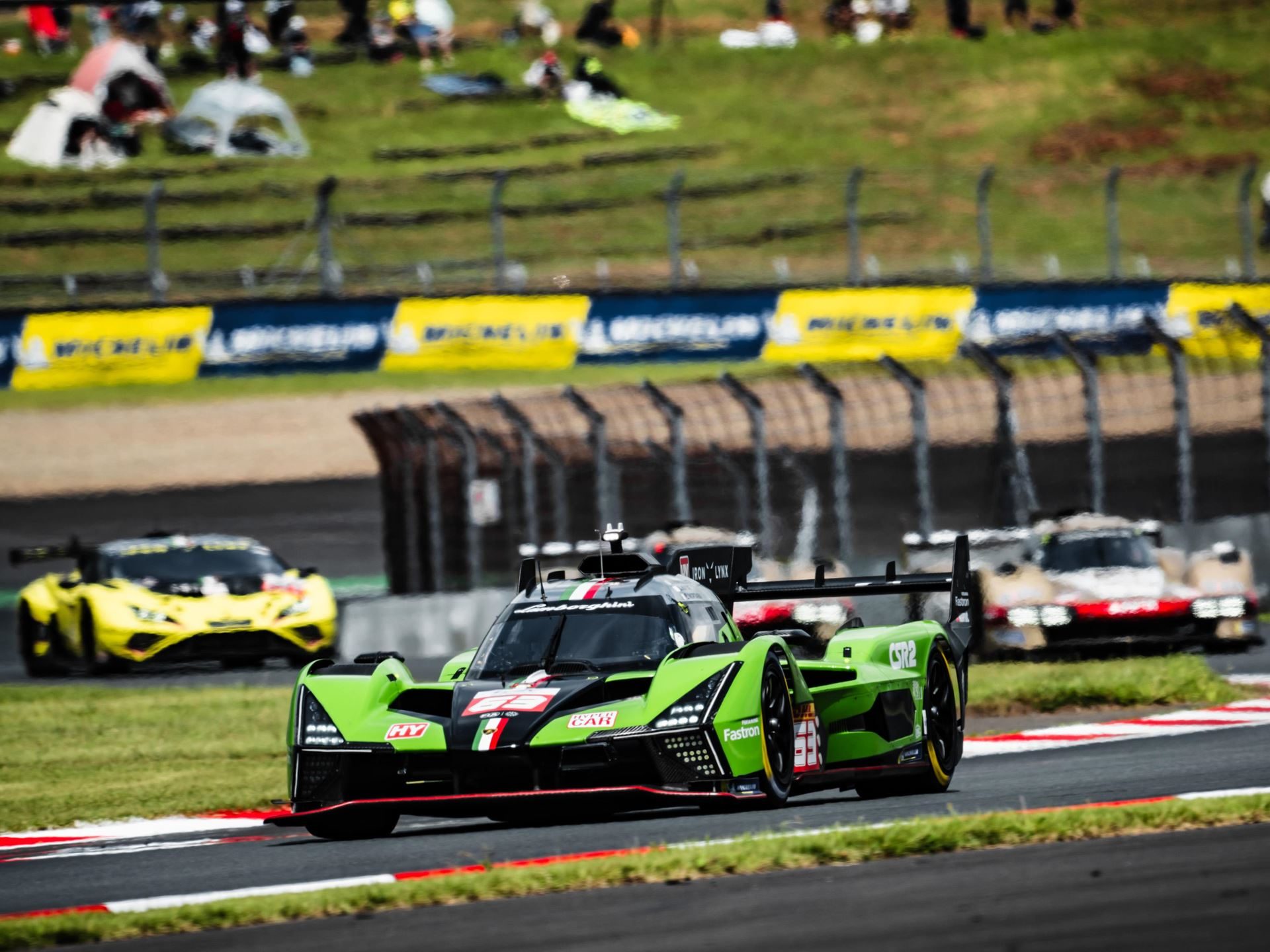
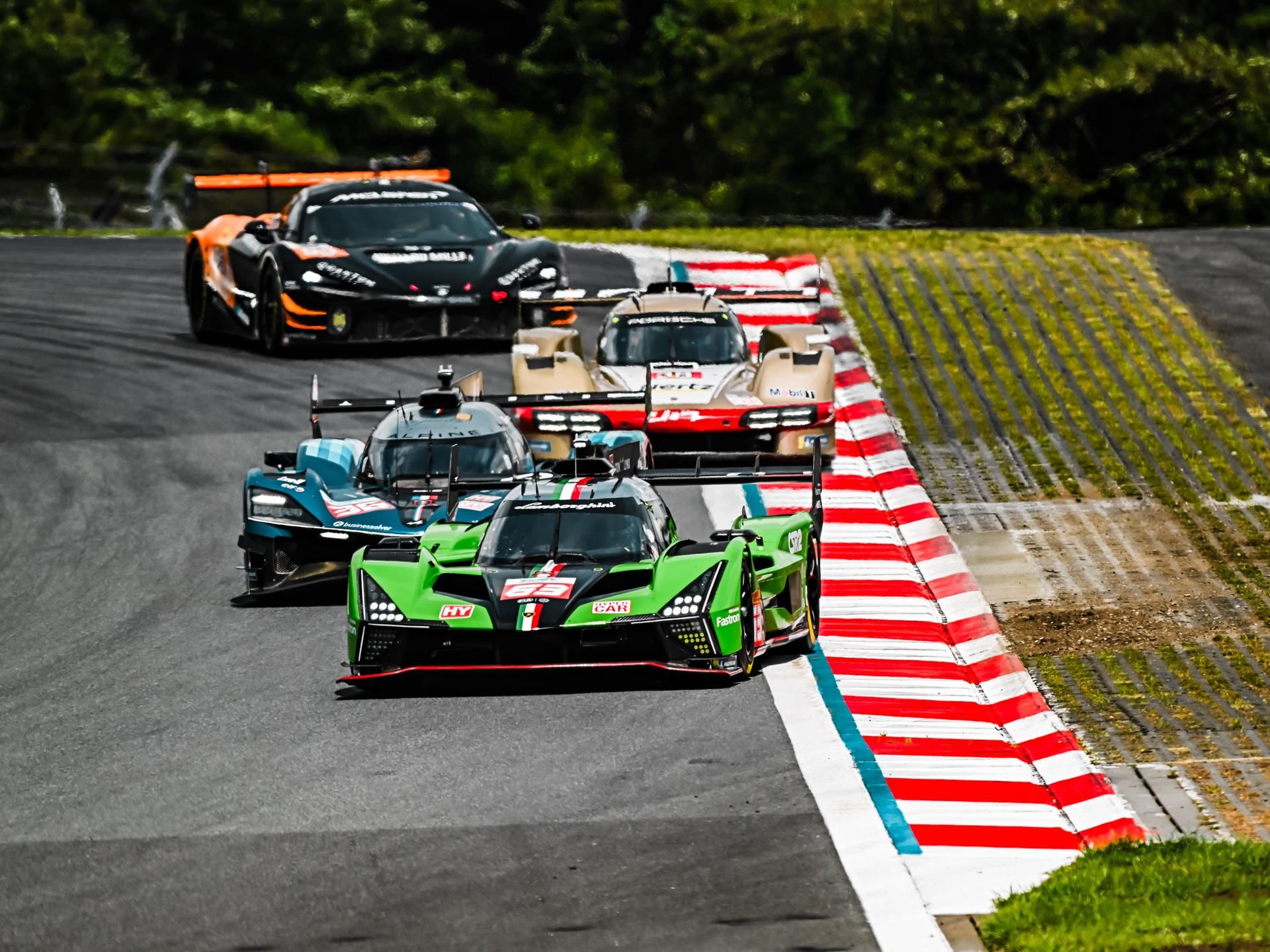
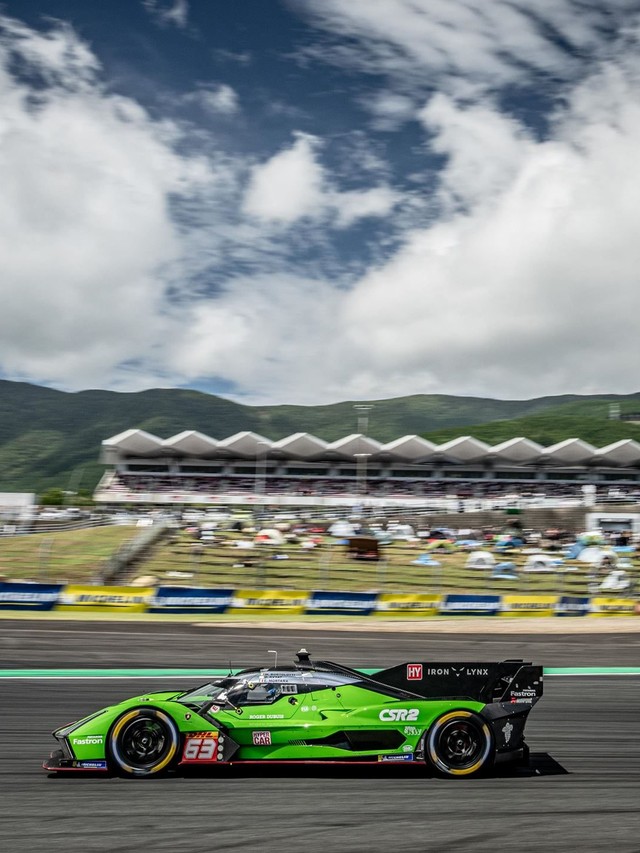
The Lamborghini SC63‘s weekend at the 6 Hours of Fuji compressed the entire arc of a young racing program into a single event: a qualifying milestone, a tantalizing flash of race-leading pace, and then a mechanical failure that left the car silent on the side of the track with a quarter of the distance still to run. That pattern of promise undercut by fragility has defined the SC63’s debut WEC season, and Fuji delivered its sharpest version yet.
The #63 entry, shared by Edoardo Mortara, Daniil Kvyat, and Mirko Bortolotti, reached the top-10 Hyperpole shootout for the first time in the program’s existence at this penultimate round of the FIA World Endurance Championship. During the race, the car briefly held the overall lead through the pit-stop cycle. Then, with just over 90 minutes remaining, a drivetrain failure with Kvyat at the wheel brought everything to a halt. Lamborghini confirmed the nature of the failure as drivetrain-related but offered no further mechanical diagnosis.
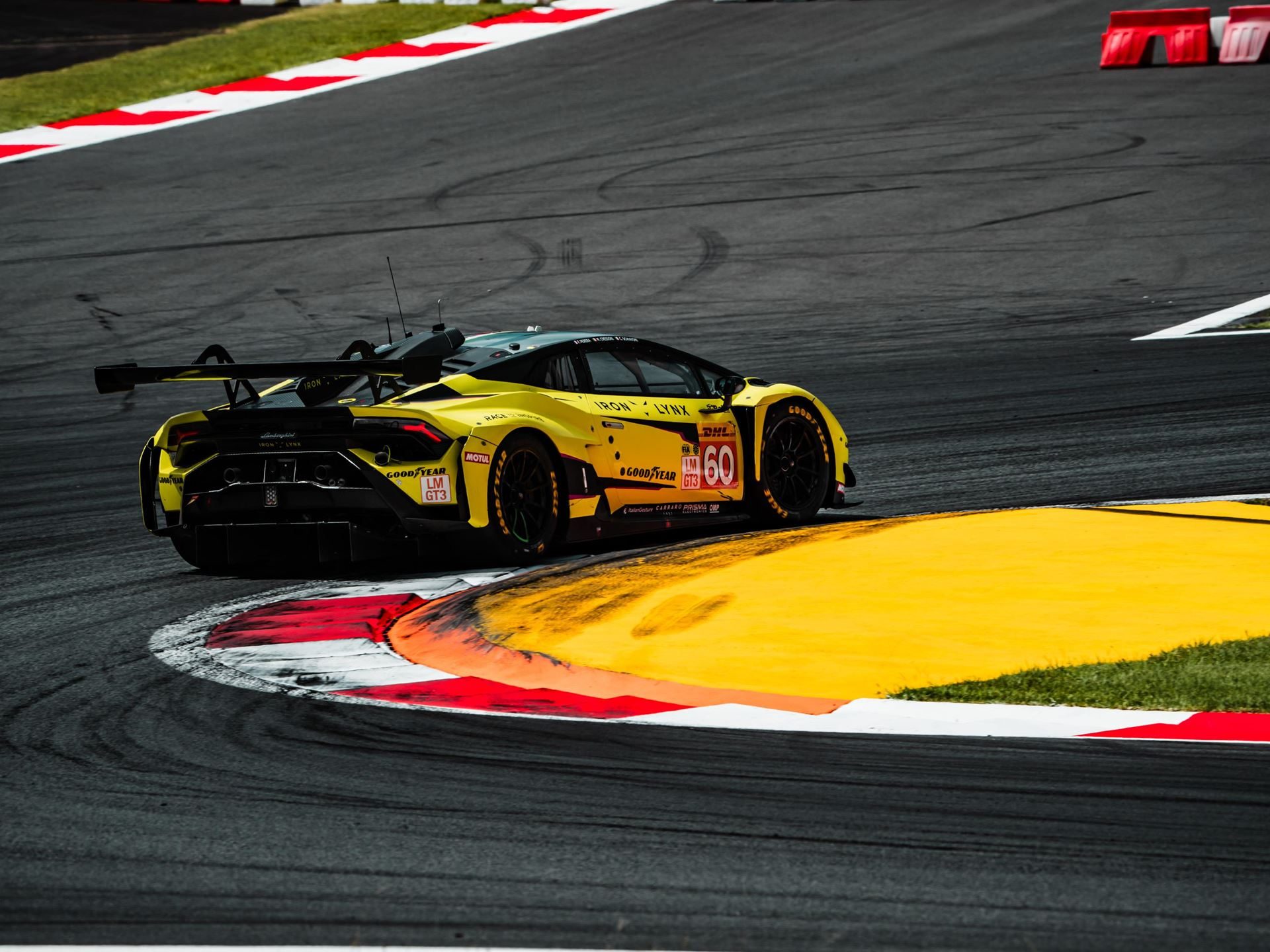
On the LMGT3 side, the #85 Iron Dames crew of Sarah Bovy, Rahel Frey, and Michelle Gatting ran inside podium contention for much of the race in their Lamborghini Huracán GT3 EVO2 before a virtual safety car period cost them track position. They finished fifth. The #60 Huracán GT3 entry rounded out the Lamborghini effort in 13th.
How Kvyat Put the SC63 Into Hyperpole
Qualifying produced the weekend’s headline moment and the clearest evidence yet that the SC63 is finding genuine single-lap speed. Kvyat posted a 1m29.721 in the initial session, fast enough to advance into the Hyperpole shootout for the first time. In the 10-minute grid-setting session that followed, he improved to a 1m29.582, the SC63’s quickest lap of the entire weekend, good for ninth on the grid.
Lamborghini says that ninth-place start left the car just 0.681 seconds off pole position, the smallest qualifying deficit to the front of the field all season. The Hypercar class features factory efforts from manufacturers with significantly larger budgets and longer development histories, so splitting less than seven tenths from the fastest qualifier on a circuit as technically demanding as Fuji represented a tangible step in the SC63’s competitive trajectory.
Anyone who follows endurance racing closely will recognize the tension embedded in that result. Qualifying rewards a single fast lap. A six-hour race rewards everything else, and it is in that gap between one-lap pace and sustained race-distance performance that the SC63’s story keeps unraveling.

A Brief Lead, Then Silence
Mortara took the opening stint and, according to Lamborghini’s account, dropped through the Hypercar order early on. The second stint proved more competitive, and it was during the pit-stop cycle that the SC63 found itself, briefly, at the head of the field. Leading a WEC race, even through pit-window timing rather than outright pace, is a visibility milestone for any program still establishing itself, and it underlined the progress the team had made in overall pace across the weekend.
Kvyat took over and was running in the middle of the Hypercar pack when the drivetrain failed in the final sector. The car stopped on track with roughly a quarter of the race distance still remaining. For the Iron Lynx crew, the retirement erased what would have been one of their most competitive race weekends. Kvyat acknowledged as much, noting that qualifying was encouraging and that pace in the race hovered around the top 10 before the stoppage. Mortara pointed to the alternative strategy the team employed, saying it was working reasonably well before the mechanical issue intervened.
The frustration is sharpened by the fact that the speed was real. This was not a weekend where the SC63 circulated at the back hoping for attrition. It qualified inside the top 10, led the race on track, and ran competitively until the hardware gave out. That combination makes the retirement harder to absorb, because it suggests the car’s ceiling is rising faster than its floor.

Iron Dames Run Strong Before Timing Luck Turns
While the SC63’s story ended prematurely, the LMGT3 class offered a more complete picture of Lamborghini’s racing competitiveness at Fuji. Bovy qualified the #85 Iron Dames Huracán GT3 EVO2 fourth on the grid, under four tenths off pole, and the car ran inside the top three for significant stretches. Frey took the class lead at one point with an overtake at the final corner.
The turning point came when the #85 pitted shortly before a virtual safety car period was triggered. That timing cost Gatting track position in the closing stints. A spirited drive brought the car home fifth, just missing fourth after a late-race scrap with a Corvette entry. The margins in LMGT3 remain razor-thin, and the Iron Dames’ pace at Fuji confirmed the Huracán GT3 EVO2 can run with the class leaders on any given weekend.
The #60 Huracán GT3, crewed by Matteo Cressoni, Franck Perera, and Claudio Schiavoni, finished 13th after a strategy sequence that briefly brought them into points contention before they slipped back following the final stop. Taken together, the GT3 results reinforced a point the SC63’s retirement only sharpened: Lamborghini’s endurance racing credibility rests, for now, on the proven reliability of the Huracán platform rather than the raw potential of its prototype.

What Fuji Tells Us About the SC63 Program
Fuji delivered a weekend that resists easy summary but ultimately reinforces the central tension of the SC63’s debut campaign: the car is getting faster, and it still cannot finish races. The qualifying performance was genuine progress, a first Hyperpole appearance and the tightest gap to pole all season. The race showed flashes of competitive running, including that brief spell leading the field. And then the drivetrain stopped working.
What Lamborghini did not provide is any indication of whether the Fuji failure traces to a known weakness or something new. The specific mechanical root cause remains undisclosed. For anyone tracking the SC63’s development, that unanswered question matters more than the qualifying lap time, because sustained race-distance reliability is what separates a fast car from a finishing car in endurance competition.
The season finale at the Bahrain International Circuit, scheduled for the weekend of October 31 through November 2, will close out the SC63’s first WEC campaign. Mortara suggested the team would use the seven-week break to investigate the Fuji failure and improve the car. Whether Bahrain offers a cleaner run will say a great deal about where the program truly stands. At Fuji, the SC63 proved it belongs in the conversation. The question heading to the desert is whether it can stay in the conversation long enough to see a checkered flag.

Gallery