A Supercar Brand Walks Into a Tech Conference
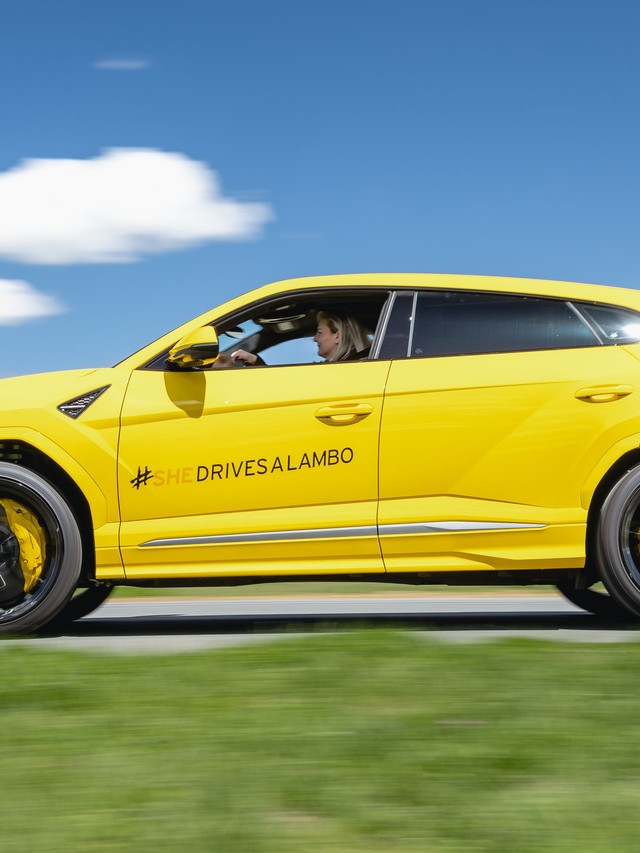
Lamborghini rolled a yellow Urus onto the Dreamforce 2018 stage in San Francisco and introduced Lamborghini Unica, a dedicated owner app built in collaboration with Salesforce. The setting was deliberate: rather than unveiling the platform at a motor show or a private client gathering in Sant’Agata Bolognese, the company chose the world’s largest customer-experience conference, signaling that its ambitions for Unica stretch well beyond a simple vehicle-status widget.
Available exclusively to verified Lamborghini owners, Unica is designed to extend the brand’s world into a phone screen. Lamborghini says the app lets customers manage their vehicles, receive exclusive previews of upcoming models, track real-time production updates (the Urus was the launch example), and access invitations to brand events worldwide. Federico Foschini, Lamborghini’s Chief Commercial Officer, framed the initiative in characteristically Italian terms: “Experiential excellence is also in the detail, and we chose Salesforce to build outstanding digital experiences for our customers that hold true to our brand.”
The interesting question is not whether a luxury automaker should build an owner app. Every serious competitor already does or soon will. It is whether Lamborghini can make the digital experience feel as exclusive and visceral as the cars themselves. That tension between ambition and execution runs through everything Unica promises.
Why Lamborghini Built Unica Now
By late 2018, Lamborghini was in the middle of a dramatic commercial expansion. The Urus was ramping up production, transforming the company from a boutique supercar maker into a brand delivering thousands of vehicles per year. With a broader, wealthier, and often younger customer base arriving, the old model of relying solely on dealer relationships and invitation-only events for brand engagement was no longer sufficient.
Unica addresses that gap directly. Lamborghini says the app delivers personalized service across digital touchpoints, which in practical terms means owners can see private virtual previews of models like the Aventador SVJ before the general public, receive real-time photographs of their own car progressing through the Sant’Agata production line, and browse a curated calendar of Lamborghini experiences. For a buyer who just placed a six-figure deposit on an Urus and faces months of waiting, watching your specific car take shape on the factory floor is a clever way to sustain excitement and justify patience.
The broader strategy is straightforward: keep owners inside the Lamborghini ecosystem between purchases. A typical supercar owner might buy a new Lamborghini every three to five years. Unica fills that interval with content, access, and a persistent sense of belonging to a club that most people will never enter. Whether the app delivers on that promise, though, depends on the details.
What the App Actually Does (and What Remains Vague)
Lamborghini confirmed several core features at launch. Owners get exclusive access to news, event invitations, and early previews of new and limited-edition models. The production-tracking feature, showing real-time images of a customer’s car being assembled, is the standout for anyone who appreciates manufacturing craft.
One source indicates the app also integrates with Lamborghini Connect, a connected-car platform that would allow remote vehicle management: checking fuel level, monitoring mileage, locking and unlocking the car, and potentially controlling cabin temperature or starting the engine remotely. Lamborghini’s official launch material did not elaborate on these connected-car functions in detail, so the full scope of remote management at launch remains somewhat unclear.
Access itself is gated. Based on available reporting, owners need an invitation code from their dealer or Lamborghini Customer Care, along with their vehicle identification number and proof of ownership. Unica is not a marketing app for aspirational fans. It is a private channel for people who already own the cars, and that distinction matters because it means the content and features can be genuinely privileged rather than watered down for a mass audience. The exclusivity is intentional, but as owners would soon discover, it also introduced friction.
The Salesforce Partnership: More Than a Logo on the Stage
Choosing Salesforce as the technology partner reveals something about Lamborghini’s longer-term thinking. According to Salesforce, the Unica app is built on Heroku (part of the Salesforce Lightning Platform) and powered by Salesforce Community Cloud, with Marketing Cloud positioned as the backbone for Lamborghini’s ongoing customer communications.
For readers who do not spend their weekdays evaluating enterprise software, the practical implication is this: Lamborghini did not build a simple standalone app. It invested in a scalable CRM infrastructure that can personalize communications, track owner preferences, coordinate dealer interactions, and evolve over time. The same platform that Salesforce deploys for Fortune 500 companies is now managing the relationship between Sant’Agata and the person who just took delivery of a Performante.
That investment signals seriousness. But whether a robust back-end translates into a seamless owner experience is a separate question, and one where early returns from the real world paint a more complicated picture.
Owner Reality: Connectivity Frustrations and Growing Pains
The promise of Unica is polished. The execution, based on owner feedback across app store reviews and enthusiast forums, is mixed. Multiple owners report persistent connectivity problems, particularly with the Urus. Some describe being unable to connect the app to their vehicle for months, receiving repeated “try again later” messages when entering their PIN. Others cite frustrating loops between dealer support and Lamborghini’s customer care team, with neither side resolving the issue.
Forum discussion on Lamborghini-Talk captures the sentiment bluntly. Owners who can get the app working appreciate the news feed and early model previews. Those who cannot connect their vehicle to the platform compare it unfavorably to the connected-car features available on far less expensive vehicles. The complaint is not that Lamborghini tried to build a digital experience; the complaint is that a brand charging well into six figures for a car should deliver an app that works reliably on the first attempt.
This is a practical buyer takeaway worth noting: if you are taking delivery of a new Lamborghini and plan to use Unica’s connected features, ask your dealer to walk through the setup process before you leave the showroom. The invitation-code process and initial vehicle pairing appear to be the most common friction points, and sorting them out in person saves weeks of back-and-forth emails. Here lies the core tension of Unica: the concept is sound, the exclusivity is genuine, but the gap between the Dreamforce stage presentation and the parking-lot reality can be wide.
How Unica Stacks Up Against Rival Digital Ecosystems
Lamborghini is not operating in a vacuum. Ferrari offers the MyFerrari app, which provides similar connected-vehicle features, event access, and brand content for its owners. Porsche Connect delivers remote vehicle management, navigation integration, and over-the-air updates across the Porsche range. McLaren and Bentley maintain their own digital owner platforms with varying degrees of sophistication.
What separates these ecosystems is less about feature checklists and more about execution and exclusivity. Lamborghini’s decision to gate Unica behind ownership verification and dealer-issued codes creates a genuinely private space, which aligns with the brand’s identity more naturally than a publicly downloadable app ever could. The production-tracking feature, showing your car being built in real time, is a detail that few competitors match with the same emotional specificity.
The risk is that exclusivity without reliability breeds frustration rather than loyalty. Ferrari and Porsche benefit from larger software development resources within their respective parent organizations (Stellantis and Volkswagen Group at the time, though Lamborghini also sat under VW Group). For Lamborghini, the Salesforce partnership needs to deliver the ongoing iteration and bug-fixing pace that a premium digital product demands.
Unica’s long-term significance depends less on its launch-day feature set and more on whether Lamborghini treats it as a living product. A connected-car app that works beautifully reinforces the ownership experience. One that stalls at the login screen does the opposite. The Dreamforce debut proved Lamborghini understands what digital luxury ownership should look like. The harder work is making it feel that way every time an owner opens the app.
Gallery


