The 20,000th Urus: A Viola Mithras Milestone Bound for Azerbaijan
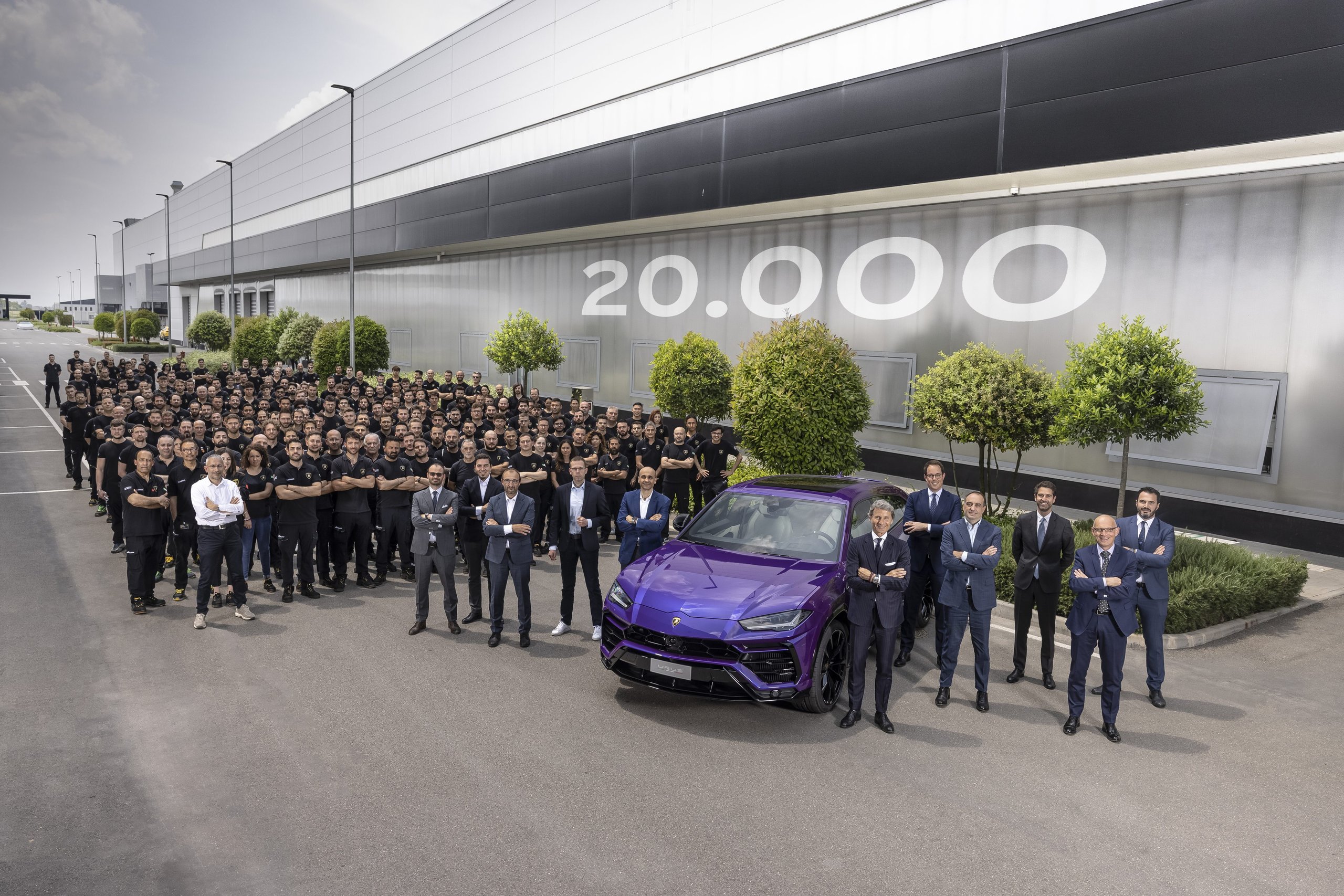
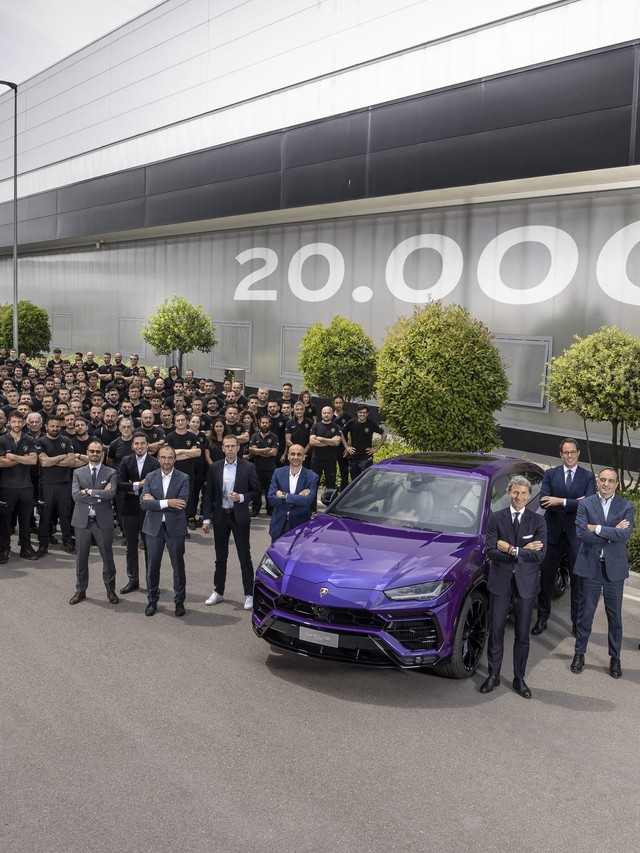
The 20,000th Lamborghini Urus rolled off the Sant’Agata Bolognese production line today, finished in Viola Mithras with black calipers and a panoramic roof, destined for a customer in Azerbaijan. Four years from market debut to 20,000 units represents a pace of production that would be unremarkable for a mainstream automaker but is staggering for a company that, in 2017, delivered 3,815 cars across its entire lineup. Lamborghini says the Urus is its fastest-selling model in the company’s history, and the numbers support that claim without much ambiguity.
The Gallardo needed a full decade to become the most-produced Lamborghini ever, eventually reaching roughly 14,000 units over its entire lifecycle. The Urus eclipsed that total in under four years. Following its December 2017 reveal, the car toured 114 cities in four months during a spring 2018 launch roadshow, and Lamborghini reports that over 70% of initial orders came from customers entirely new to the brand. That figure is the one that matters most for understanding what the Urus actually did to Sant’Agata Bolognese, because it reveals a vehicle that did not simply sell well. It fundamentally reshaped who buys a Lamborghini, how many they build, and what the company can afford to do next.
From Niche Supercar Maker to Global Powerhouse
The Urus did not simply add a model to the range. It restructured the company. Lamborghini credits the SUV with doubling overall sales volumes and doubling the physical footprint of its headquarters, which expanded from 80,000 to 160,000 square meters. More than 500 permanent employees were hired between 2015 and 2018 to support the project, and a dedicated paintshop opened in 2019.
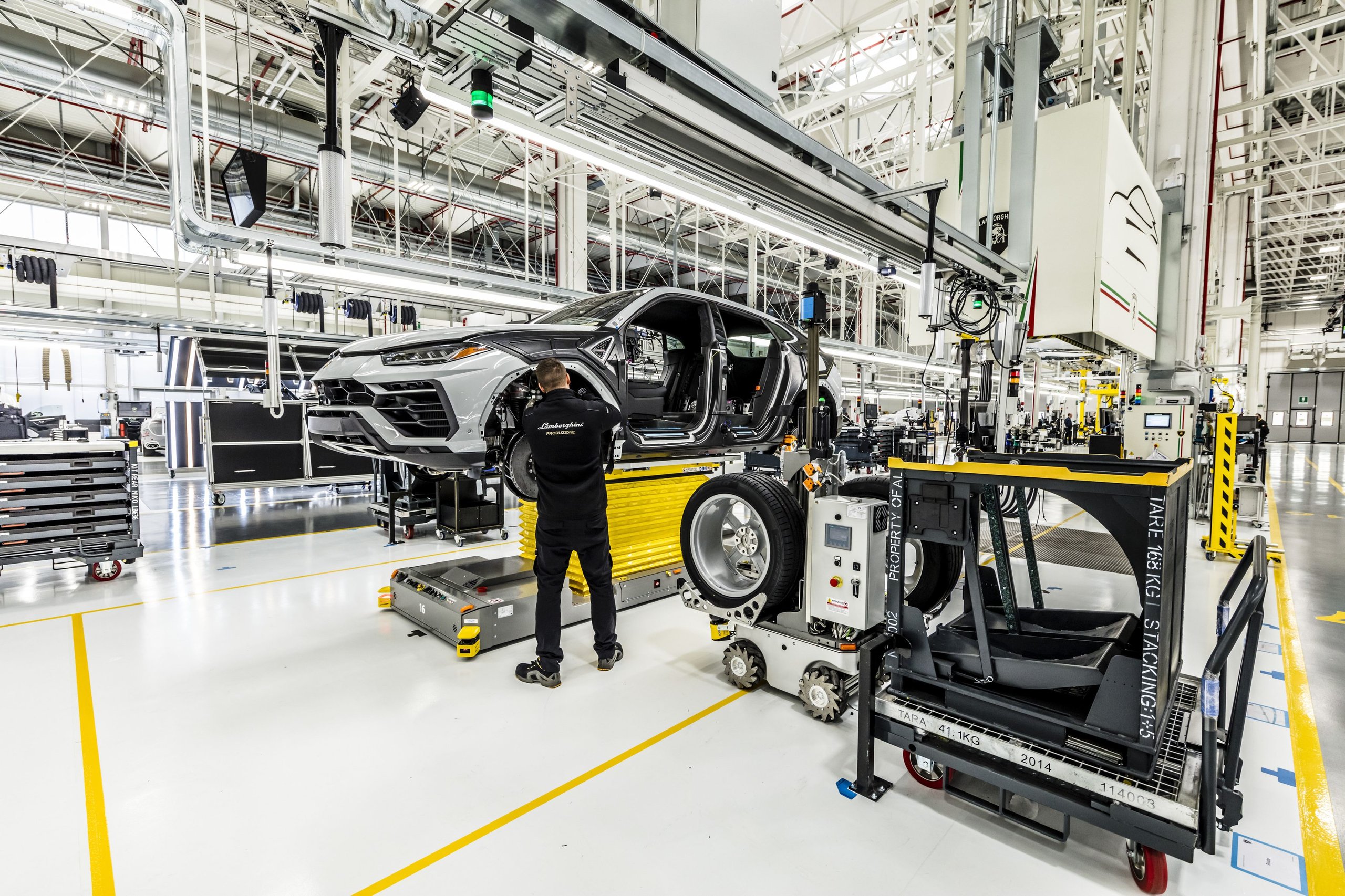
Some of that growth involved adopting what Lamborghini calls “Manufacturing 4.0,” a production philosophy that integrates more advanced tooling and line-worker support systems than the brand’s traditional hand-assembly approach for supercars. Scaling to SUV volumes while maintaining the craftsmanship buyers expect from a car wearing the Raging Bull is a genuine tension. Walk the line at Sant’Agata and you still see technicians performing hands-on inspections at multiple stages, but the infrastructure around them looks nothing like it did a decade ago.
The financial ripple effect extends well beyond the Urus itself. The revenue this model generates funds Lamborghini’s broader electrification roadmap. CEO Stephan Winkelmann described the Urus as creating the “critical mass” needed to reinvest in the company’s future, and the evidence is visible in the Revuelto and the upcoming Temerario, both of which rely on hybrid architectures that require enormous R&D budgets. Without the Urus’s commercial engine, those programs would look very different. In that sense, every milestone Urus that rolls off the line is also a down payment on the next generation of Lamborghini supercars.

A Lamborghini Urus body shell undergoes precision assembly on the advanced production line at the factory.
Every Terrain, Every Continent: The Urus as Lifestyle Vehicle
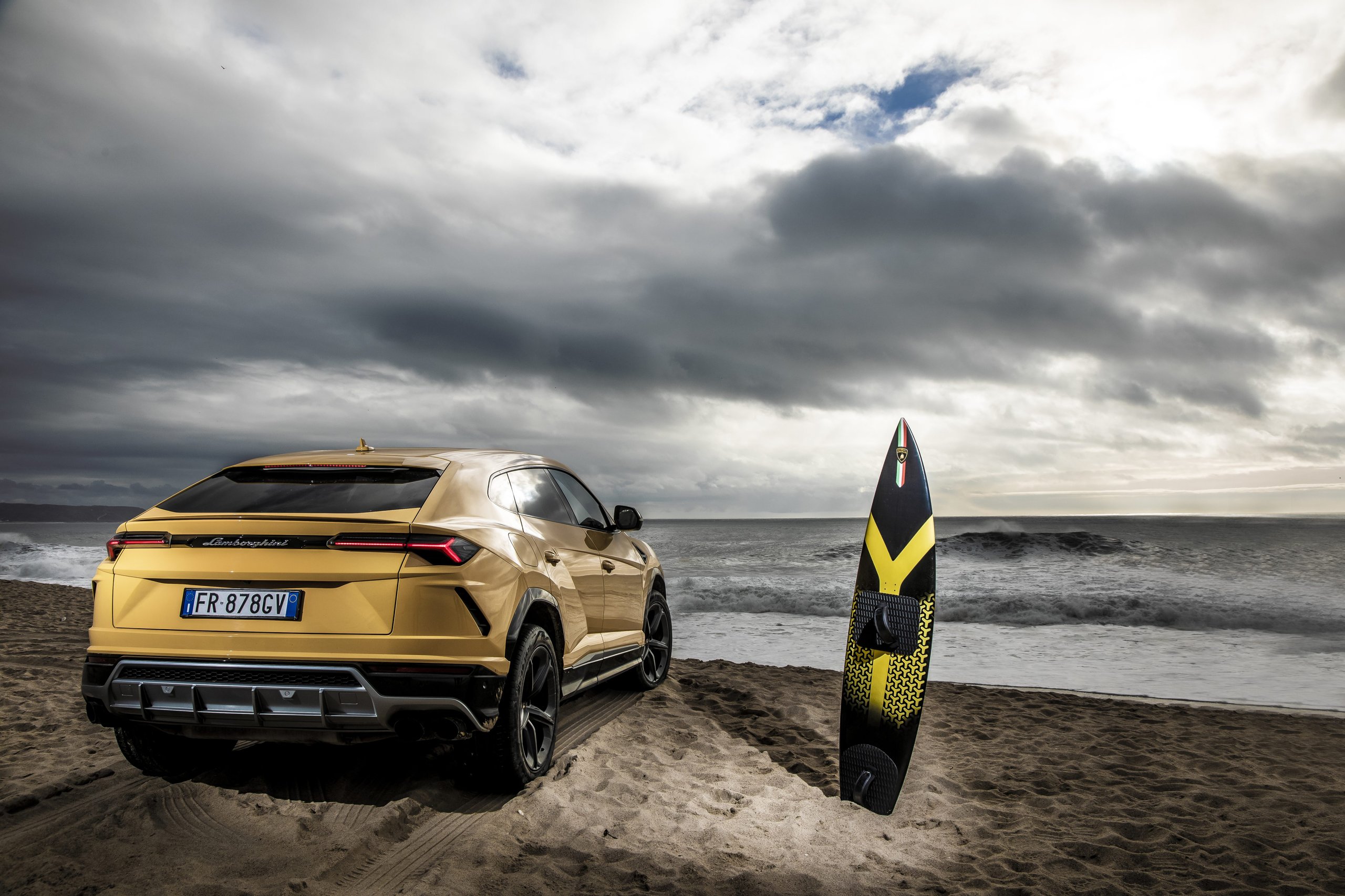
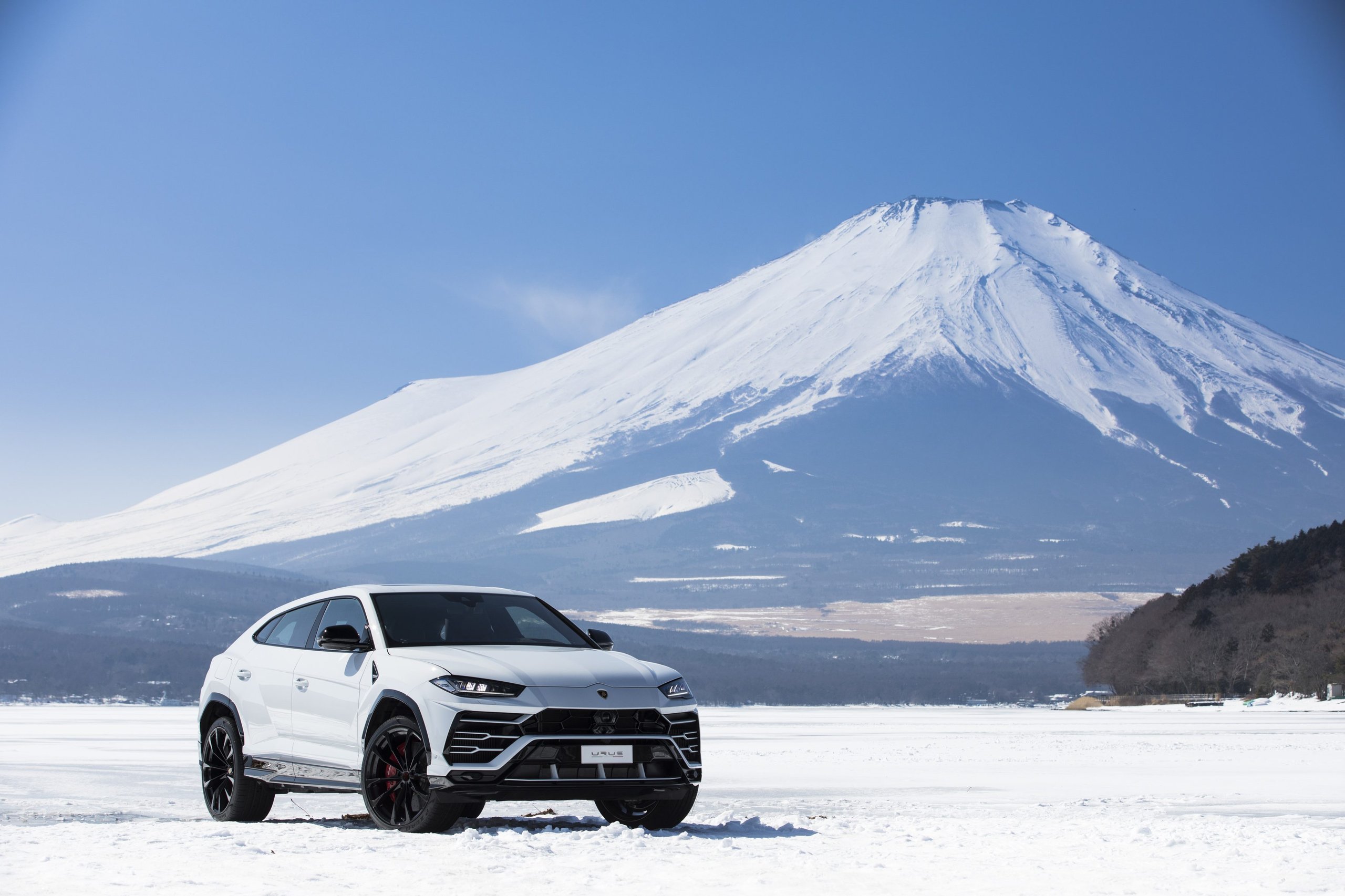
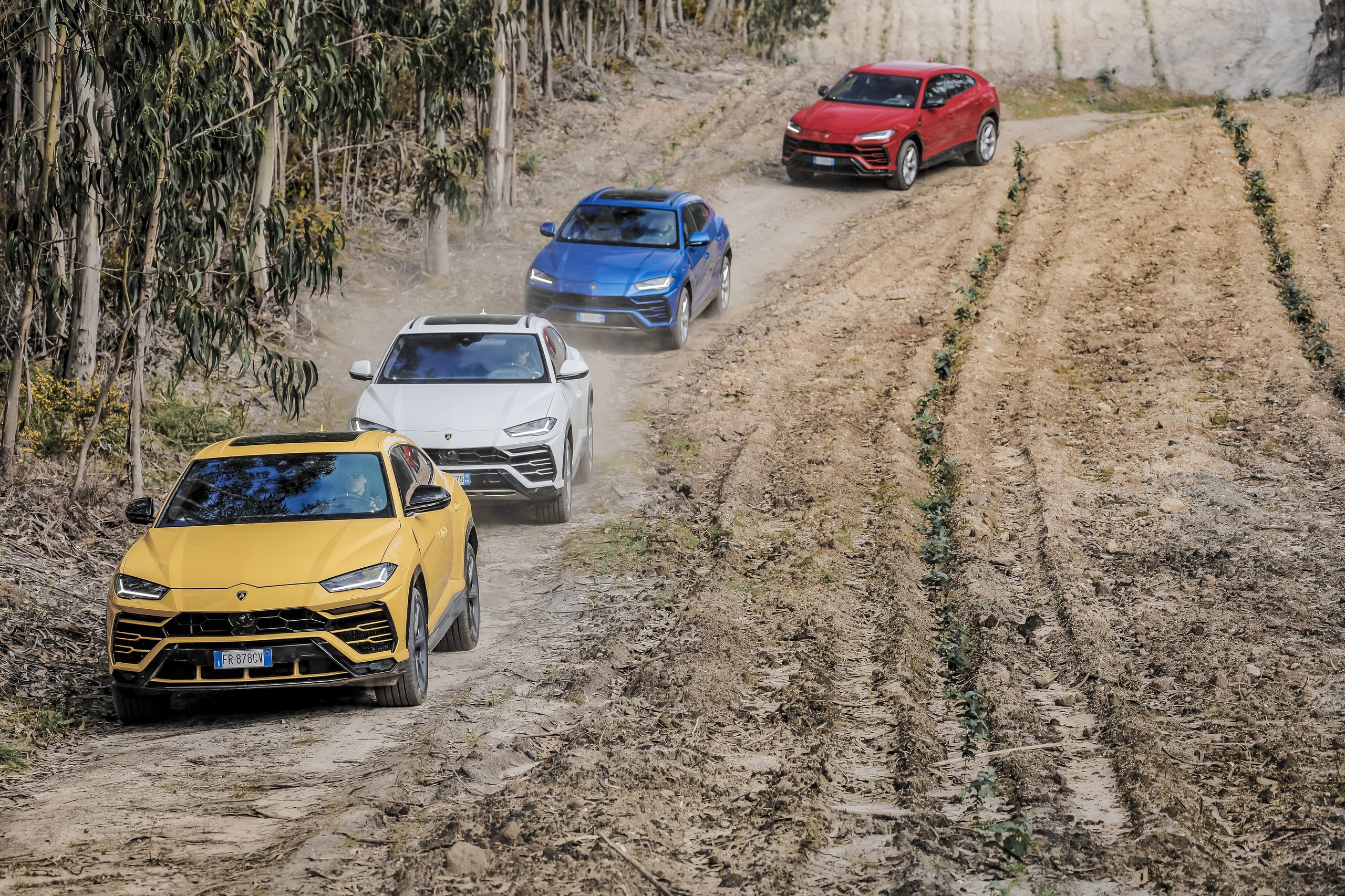
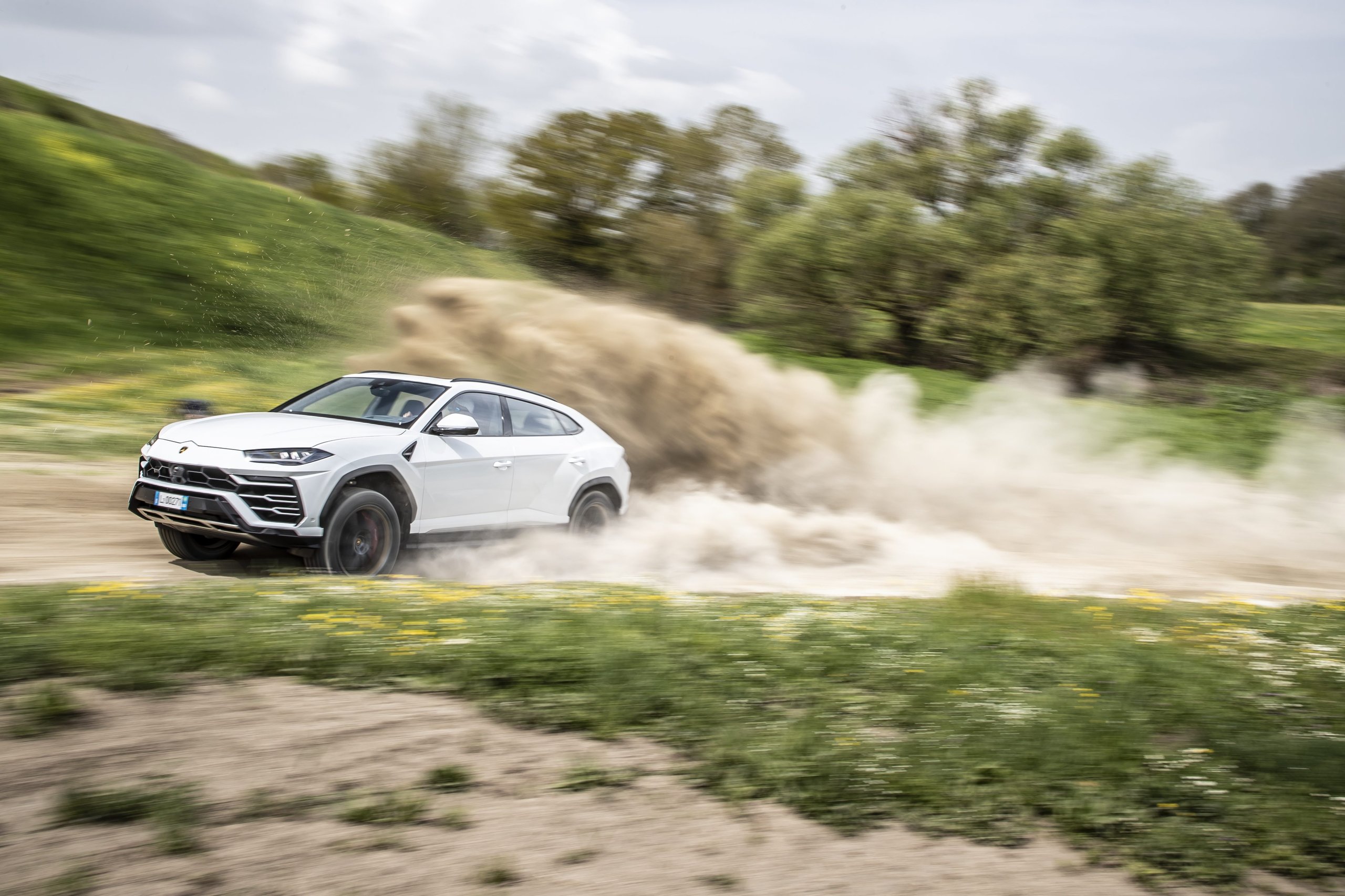
Lamborghini built the Urus around six driving modes (Strada, Sport, Corsa, plus dedicated off-road, sand, and snow settings), and the company’s global event program reads like it was designed to test every one of them on camera. The SUV set a high-speed ice-driving record on Russia’s Lake Baikal, scaled India’s Umling La pass at 19,300 feet (described as the world’s highest driveable road), traversed 6,500 km across Japan, and explored Icelandic rockscapes. A fleet demonstrated sand capability on Portugal’s Nazare beach alongside champion windsurfer Alessandro Marciano.
These events are marketing, obviously. But they also serve the same strategic purpose as the 20,000-unit milestone itself: proving that the Urus belongs in places no previous Lamborghini could go, and reaching people who never considered the brand before. That 70% new-customer figure means the SUV functions as a gateway into the Lamborghini ecosystem, and lifestyle experiences on ice, sand, and mountain passes reinforce the idea that this is a vehicle you actually use rather than garage. Lamborghini says the global fleet of Urus models has collectively covered more than 360 million kilometers, which suggests owners took the message seriously.

The yellow Lamborghini Urus stands proudly at Umling La, the world's highest motorable pass, under a vibrant blue sky.
The Supercar Soul in an SUV Body
Underneath the lifestyle positioning sits a genuinely fast machine. The Urus runs a 4.0-liter twin-turbo V8 producing 650 HP at 6,000 rpm and 850 Nm of torque from 2,250 rpm, paired with an 8-speed ZF automatic and permanent all-wheel drive with rear-wheel steering. Acceleration to 100 km/h takes 3.6 seconds, top speed sits at 305 km/h, and Lamborghini claims a weight-to-power ratio of 3.38 kg/HP, which it positions as best-in-class.
Purists pointed out early on that the Urus rides on the Volkswagen Group’s MLB Evo platform, shared with the Audi Q7, Bentley Bentayga, and Porsche Cayenne. As CarBuzz noted at the time, critics called it “a re-badged Audi RS Q8.” The sales trajectory suggests most buyers either disagree or simply do not care. Forum discussion among owners tends to be positive, with multiple Lamborghini-Talk members describing the Urus as an “amazing all-round vehicle” and praising its reliability on the shared platform. The Urus S and Performante variants pushed output further to 666 PS, and the newer Urus SE plug-in hybrid raises the combined figure to 810 PS with an electric motor contributing 192 PS alongside a 628 PS petrol engine. Each evolution reinforces the same thesis: the Urus keeps growing because Lamborghini keeps investing in it, and they can afford to invest because it keeps growing.

The vibrant purple Lamborghini Urus glides past a modern building, showcasing its dynamic presence in motion.
Personalization and the New Lamborghini Customer
When 70% of your buyers are new to the brand, personalization becomes a retention tool as much as a revenue line. Lamborghini says the most popular Ad Personam exterior colors on the Urus are Grigio Telesto, Blu Cepheus, and Viola Pasifae, with special capsule collections like Graphite (featuring Nero Noctis Matt) and Pearl (Arancio Borealis) drawing additional interest. The variety visible in official convoy imagery, where fleets of Urus models rarely feature two identical specs, suggests the Ad Personam program plays a meaningful role in how buyers connect with the vehicle.
The Viola Mithras of the 20,000th unit is itself an Ad Personam choice, a fitting detail for a milestone car headed to a market that barely appeared on Lamborghini’s radar a decade ago. For prospective buyers, the practical takeaway is straightforward: the Urus’s customization depth rivals what Lamborghini offers on its supercars, and the breadth of available finishes continues to expand. That depth matters strategically, too. A first-time Lamborghini customer who spends hours configuring a bespoke Urus is far more likely to return for a second car than one who simply picks a color off the lot.

A vibrant fleet of Lamborghini Urus SUVs lines up in front of a charming mountain resort, showcasing diverse color options.
Competitive Landscape and What Comes Next
Ferrari’s Purosangue arrived with a naturally aspirated V12 and a deliberate production cap, positioning it as a rarer, more exotic alternative rather than a direct volume competitor. Porsche pioneered the luxury-brand-builds-an-SUV playbook with the Cayenne two decades ago, and the Bentley Bentayga occupies the ultra-luxury lane. The Urus carved out its own niche by combining supercar-adjacent performance numbers with genuine daily usability and a production volume that sits between Porsche’s mass-market approach and Ferrari’s intentional scarcity.
Since 2020, Lamborghini has also shifted Urus body transport from trucks to rail, cutting CO2 emissions on that logistics chain by 85%. It is a small detail in the broader picture, but it signals that the company recognizes high-volume production carries environmental scrutiny that a 500-unit-per-year supercar simply does not.
Whether the Urus dilutes or strengthens the Lamborghini brand remains the perennial debate among enthusiasts. The 20,000-unit answer from the market is unambiguous. With the Urus SE adding hybrid capability and the factory already doubled in size, Lamborghini now operates at a scale that would be unrecognizable to anyone who visited Sant’Agata Bolognese before 2018. The supercars that follow, the Revuelto, the Temerario, and whatever comes after, exist in part because this SUV made them financially possible. That is the real story behind the Viola Mithras car rolling off the line today: not just a production record, but the engine that rebuilt an entire company.

The vibrant orange Lamborghini Urus stands boldly within the breathtaking, icy embrace of a frozen cave.
Gallery