The 2026 Super Trofeo Europe Season: What’s New
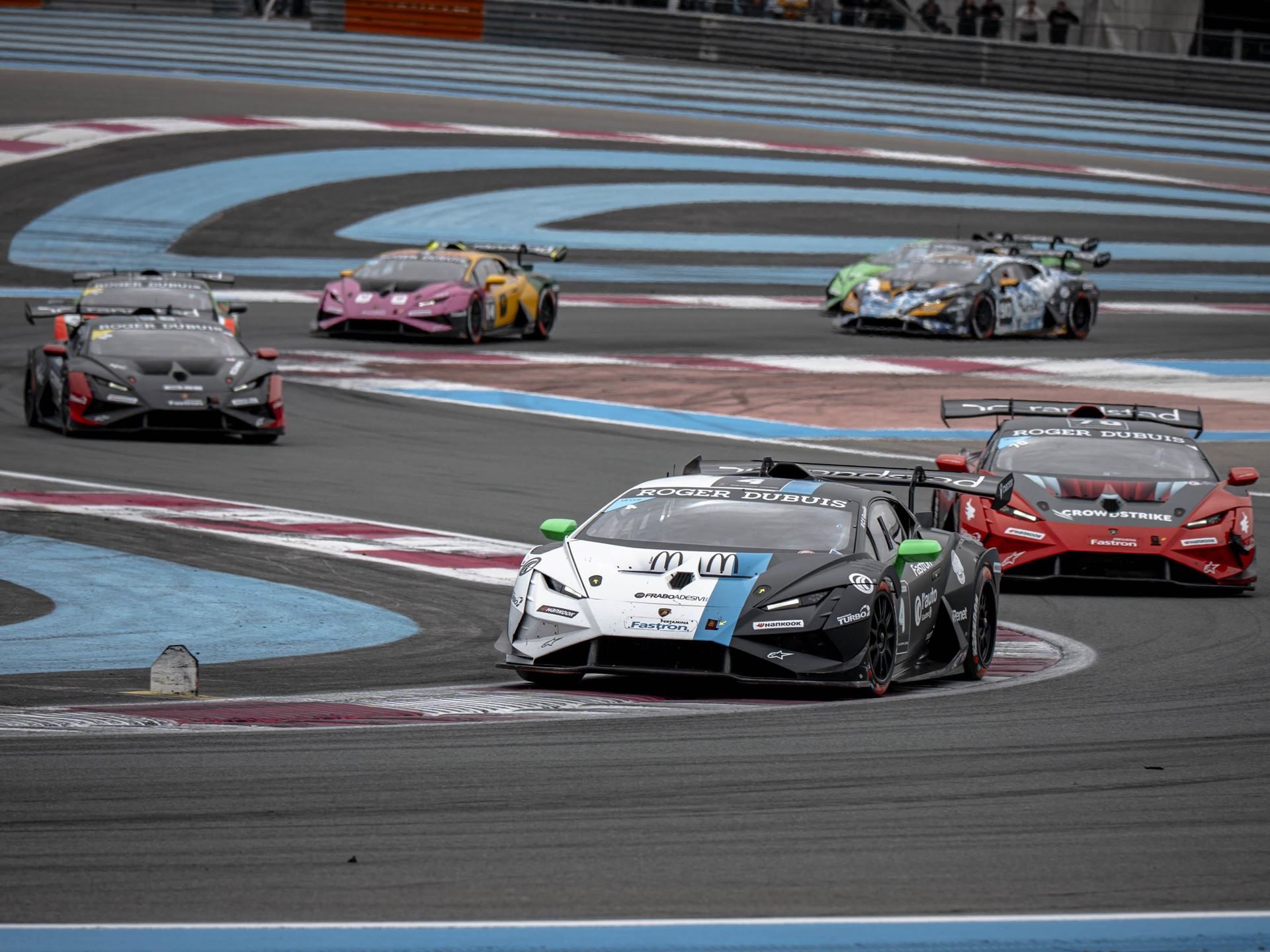
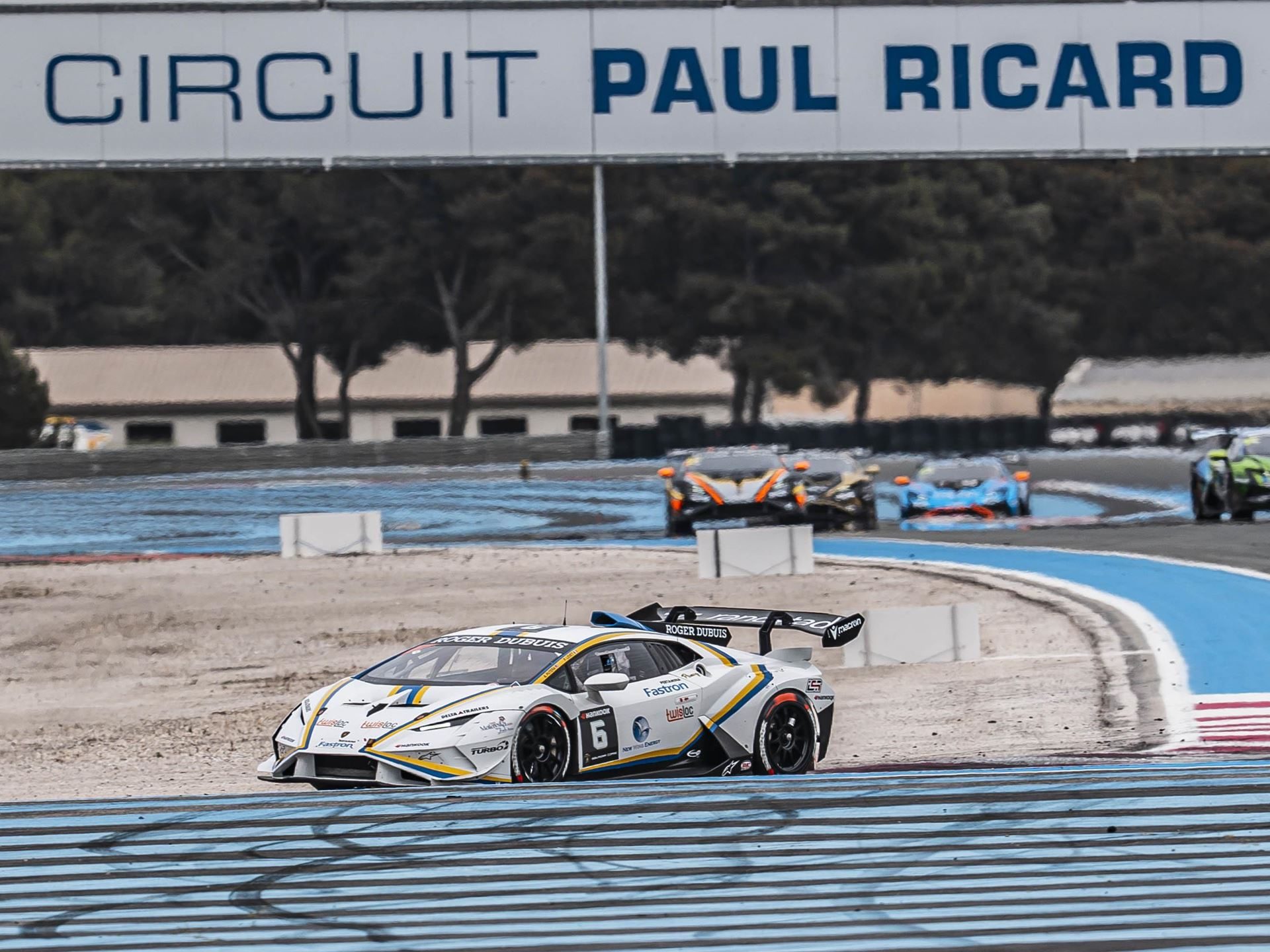
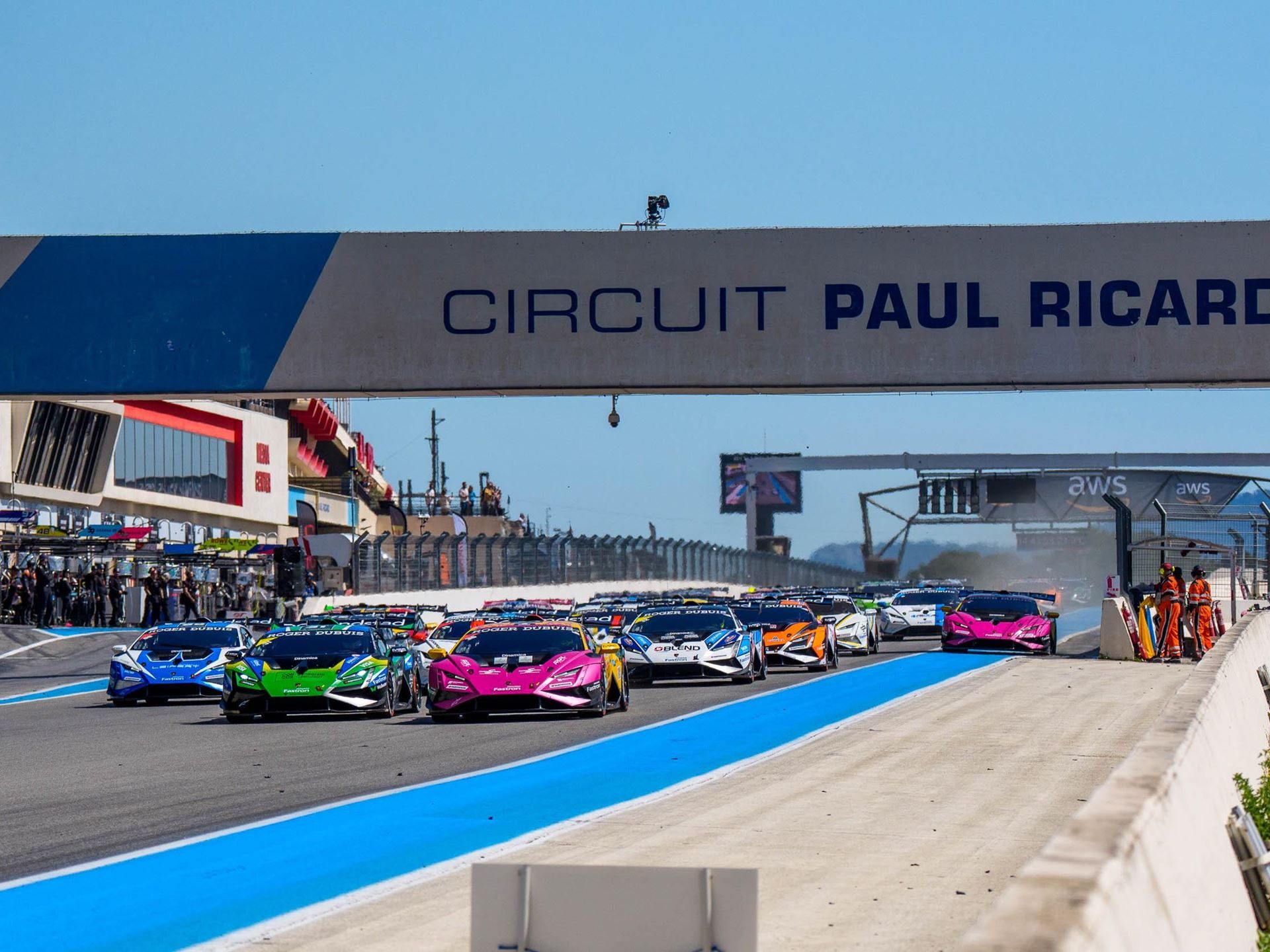
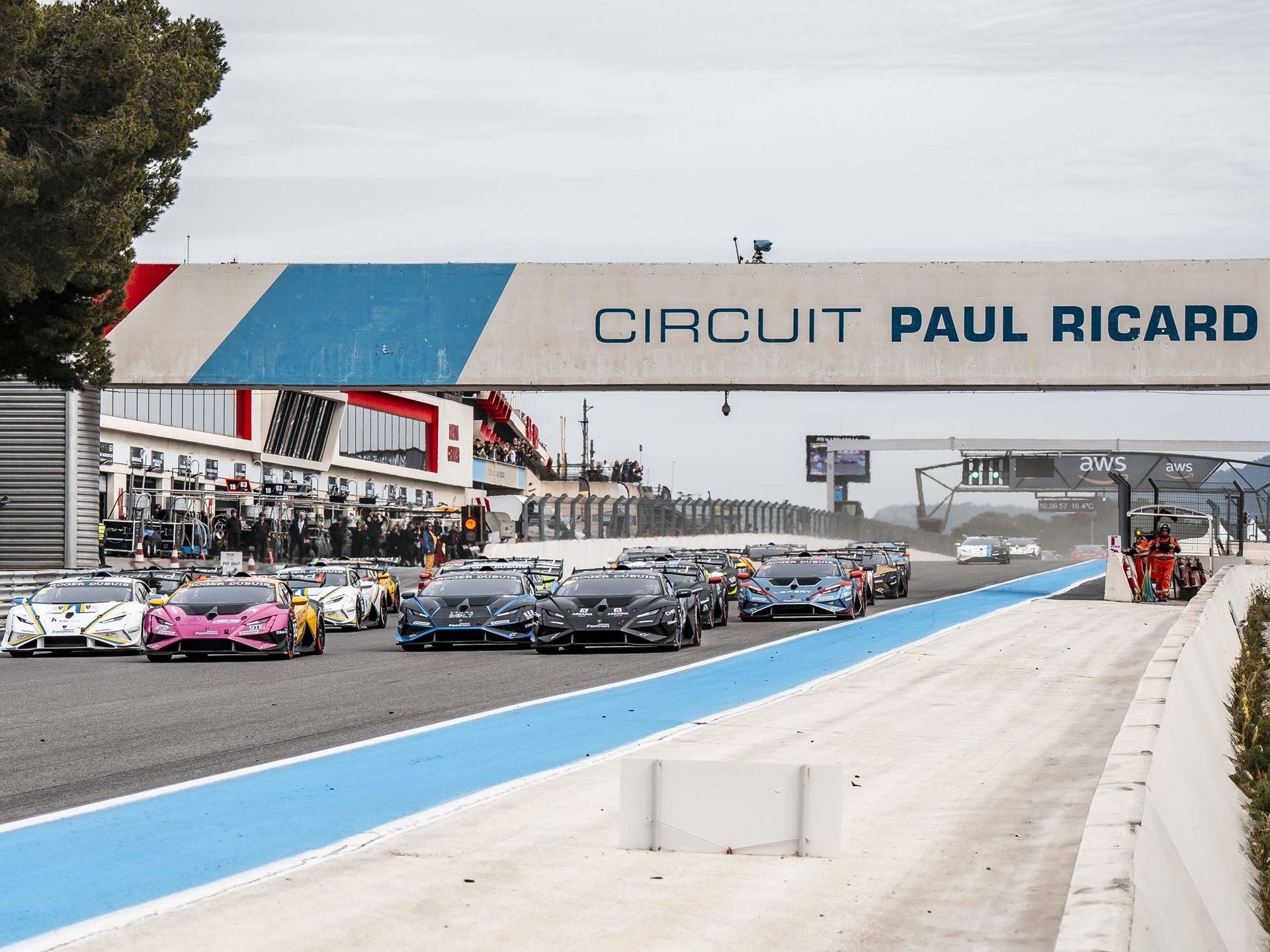
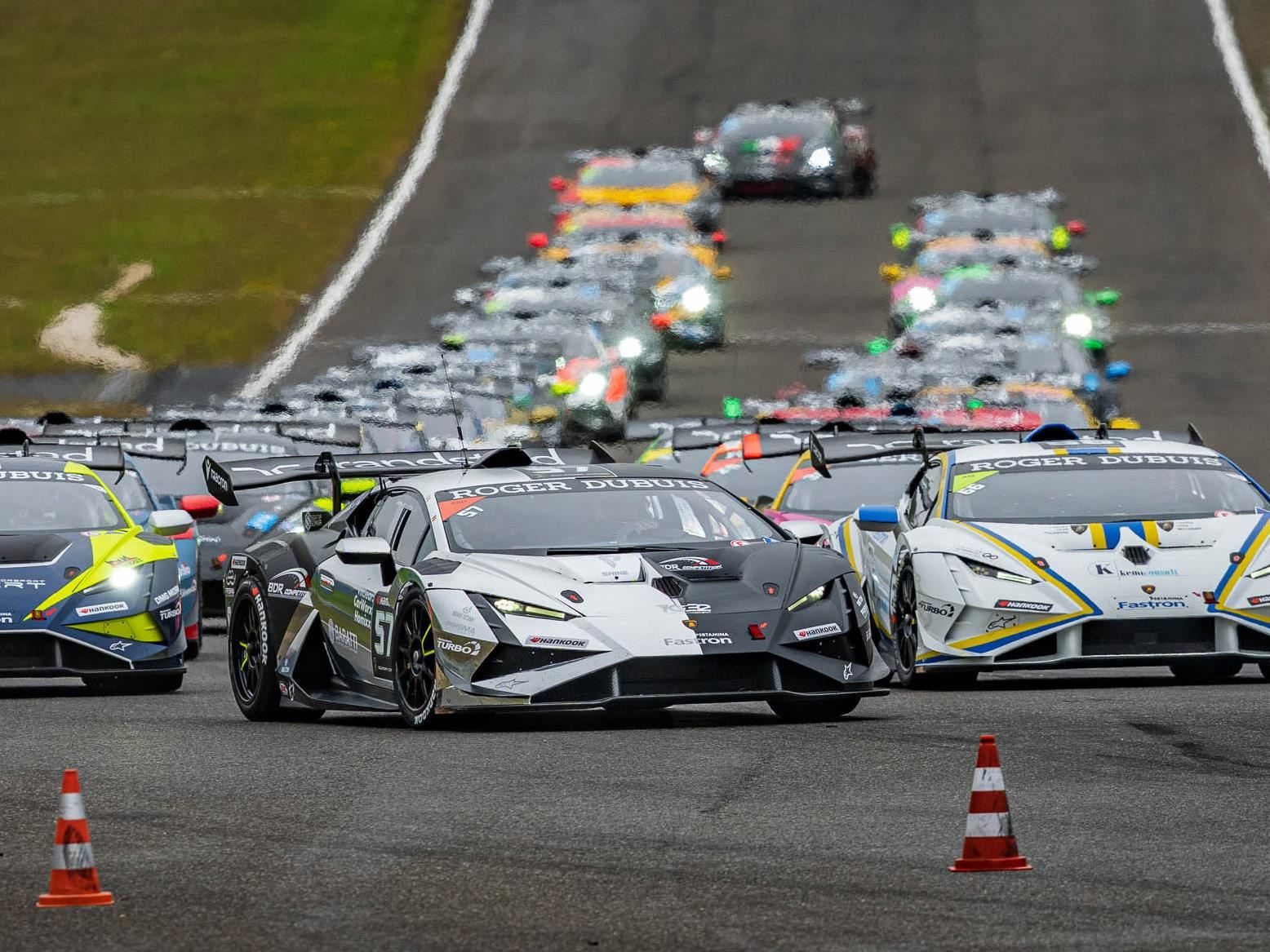
- 30 cars, 44 drivers from 20 nationalities, and 12 teams line up at Circuit Paul Ricard this weekend (April 10-12) for the opening round of the 2026 Lamborghini Super Trofeo Europe season.
- 12 races across six double-header weekends make up the calendar, with eight of the races running as support events for GT World Challenge Europe.
- The season culminates at Monza with both Round 6 and the Lamborghini World Finals, where European competitors face off against their North American and Asian counterparts.
The 18th edition of Lamborghini’s longest-running one-make championship returns to a venue that first appeared on the Super Trofeo Europe calendar in the inaugural 2009 edition. Circuit Paul Ricard’s 15-turn, high-speed layout near Le Castellet has long served as the opening act, and Lamborghini says this year’s grid is among the most internationally diverse yet.
The driver roster includes a healthy mix of returning talent and fresh blood. Former Pro class champion Kevin Gilardoni (2021) returns to full-time action with DL Racing, while Marzio Moretti rejoins after two seasons racing at GT3 level in International GT Open and GT World Challenge Europe. Jerzy Spinkiewicz, whose 2025 Pro title campaign was derailed by injury, is back with UNIQ Racing. On the other side of the experience spectrum, 15 rookie drivers will make their Super Trofeo debuts, including all-Danish, all-Swedish, and all-Finnish driver pairings spread across DC Motorsport and Leipert Motorsport.
For fans who want to follow the action, both races will be live streamed on the Lamborghini Squadra Corse YouTube channel.
Super Trofeo vs. GT3: The Huracán’s Dual Racing Roles
One thing that often confuses newcomers to Lamborghini’s motorsport ecosystem is the distinction between the Huracán Super Trofeo EVO2 and the Huracán GT3 EVO2. Both are built by Squadra Corse. Both share the same basic Huracán silhouette. But they serve fundamentally different purposes, and understanding the gap between them is key to appreciating what the Super Trofeo series actually is.
The Super Trofeo EVO2 is a dedicated one-make race car. It competes exclusively against identical machinery in Lamborghini’s own championship, meaning the emphasis falls squarely on driver skill, team strategy, and setup rather than manufacturer-versus-manufacturer engineering wars. According to one source, a Huracán Super Trofeo model uses a rear-wheel drive configuration paired with a 6-speed sequential gearbox electrically actuated by Marelli, a setup that rewards precise throttle application and punishes lazy driving habits. One report indicates a dry weight of 1,270 kg (2,800 lb), giving the car a reported weight-to-power ratio of 2.05 kg/CV.
Think of the Super Trofeo as Lamborghini’s controlled laboratory.
For aspiring racers and gentleman drivers, this distinction matters enormously. The Super Trofeo series functions as a training ground where competitors can develop their racecraft in identical cars before potentially stepping up to the complexity and cost of GT3 competition. Moretti’s career arc illustrates this perfectly: he won races in Super Trofeo, graduated to GT3, and has now returned to the one-make series.

Engineering Purity: The Huracán Super Trofeo EVO2’s V10 Heart
At the core of every car on the 2026 grid sits a 5.2-liter V10 naturally aspirated engine producing 620 horsepower. In an era when forced induction and hybrid powertrains dominate headlines (and increasingly, race paddocks), the Super Trofeo EVO2 remains a deliberately analog machine. There is no turbo lag to manage, no battery deployment strategy to optimize. Just ten cylinders, direct injection, and maximum power achieved at 8,250 RPM.
That engine is managed by a Motec control unit, according to available reporting, and the car is equipped with 12-position racing ABS and 9-position traction control. These are adjustable aids, not crutches. Drivers and engineers dial them in based on track conditions, tire wear, and driving style, which means the car rewards teams that invest in understanding their setup rather than simply relying on electronics to paper over mistakes.
One source describes the chassis as a hybrid carbon/aluminum construction fitted with an FIA-compliant roll cage weighing 95 lbs. Brembo/PFC brakes handle stopping duties, while the car uses specified Pirelli front and rear tires. The reported 42/58 front-to-rear weight distribution is characteristic of a mid-engine, rear-drive layout optimized for traction out of slow corners.
Driving a Super Trofeo EVO2 is experiencing the purest expression of that powertrain, stripped of road-car compromises like sound insulation, air conditioning, and compliance-tuned suspension. One Reddit user who sat in a Super Trofeo at Dubai Autodrome described the experience as “definitely leagues more hardcore than even an STO,” noting the claustrophobia of the racing seat and roll cage.

The Super Trofeo Ladder: From Amateurs to Aspiring Pros
The four-class structure of the Super Trofeo Europe championship is one of those details that competitors rarely bother explaining but that tells you everything about who this series is actually for. Pro, Pro-Am, Am, and Lamborghini Cup all race on track simultaneously but compete for separate titles. The result is a grid where a seasoned professional like Gilardoni can push flat out while a wealthy enthusiast in the Lamborghini Cup class fights their own equally intense battle further down the order.
Lamborghini says each race weekend features two one-hour practice sessions, two 20-minute qualifying sessions, and two 50-minute races. Every race includes a mandatory pit stop between the 20th and 30th minute. Solo driver entries must remain stationary for a minimum of 63 seconds, while two-driver cars have a 60-second minimum. That three-second difference is a deliberate balancing mechanism: solo drivers get slightly more pit time to compensate for the fatigue disadvantage of driving the entire race alone.
The practical takeaway for anyone considering the series? The Super Trofeo is one of the most accessible entry points into professional-level GT racing with a factory-backed Italian supercar. These cars demand commitment, both financial and logistical. But for the driver who wants to race a naturally aspirated V10 Lamborghini on circuits like Spa-Francorchamps, the Nürburgring, and Monza, there is simply no equivalent program from Ferrari Challenge or Porsche’s single-make series that offers this specific combination of powertrain character and factory support.

Full 2026 Calendar and How to Watch
The 2026 Lamborghini Super Trofeo Europe calendar reads like a greatest-hits tour of European motorsport venues. After Paul Ricard, the series moves through five more rounds before the season finale:
| Round | Circuit | Dates |
|---|---|---|
| 1 | Paul Ricard | April 10-12 |
| 2 | Imola | May 9-10 |
| 3 | Spa-Francorchamps | June 25-27 |
| 4 | Nürburgring | August 28-30 |
| 5 | Barcelona | October 2-4 |
| 6 | Monza | October 21-23 |
| World Finals | Monza | October 24-25 |
Lamborghini says eight of the 12 races will run on the GT World Challenge Europe support bill, which means Super Trofeo competitors share the paddock (and the audience) with the top tier of international GT3 racing. For teams and drivers eyeing a future in GT3, that proximity is invaluable. For spectators, it means a weekend ticket gets you both the one-make spectacle and multi-manufacturer GT3 action.
The Monza double-header is worth highlighting: Round 6 runs October 21-23, and the World Finals follow immediately on October 24-25 at the same venue. That back-to-back format means the European championship will be decided just days before drivers from the North American and Asian series arrive for the global showdown. Races are live streamed on the Lamborghini Squadra Corse YouTube channel, making this one of the more accessible top-level racing series to follow from anywhere in the world.

Gallery