Lamborghini’s Huracán STO Takes to Two Wheels with Ducati
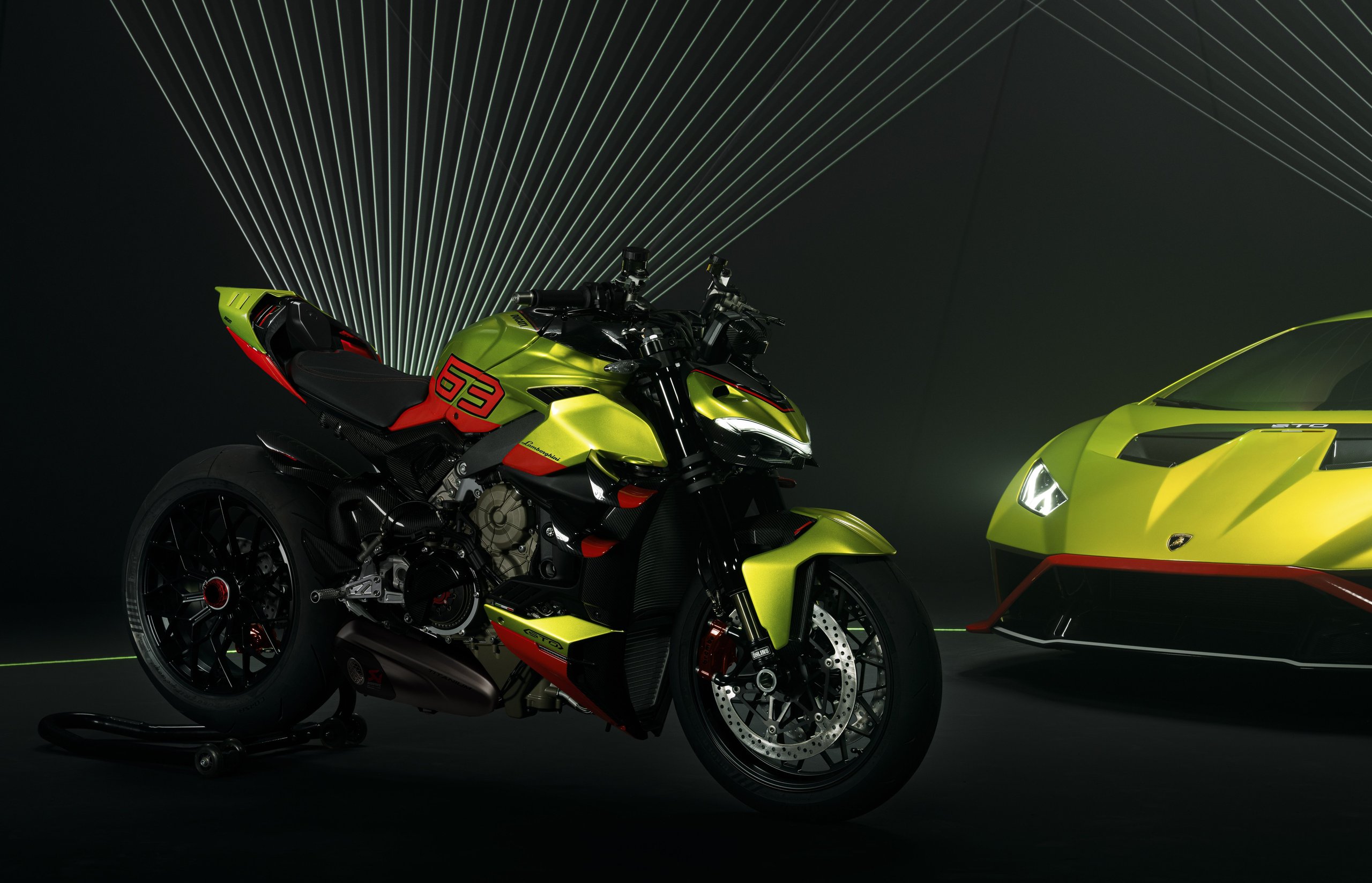
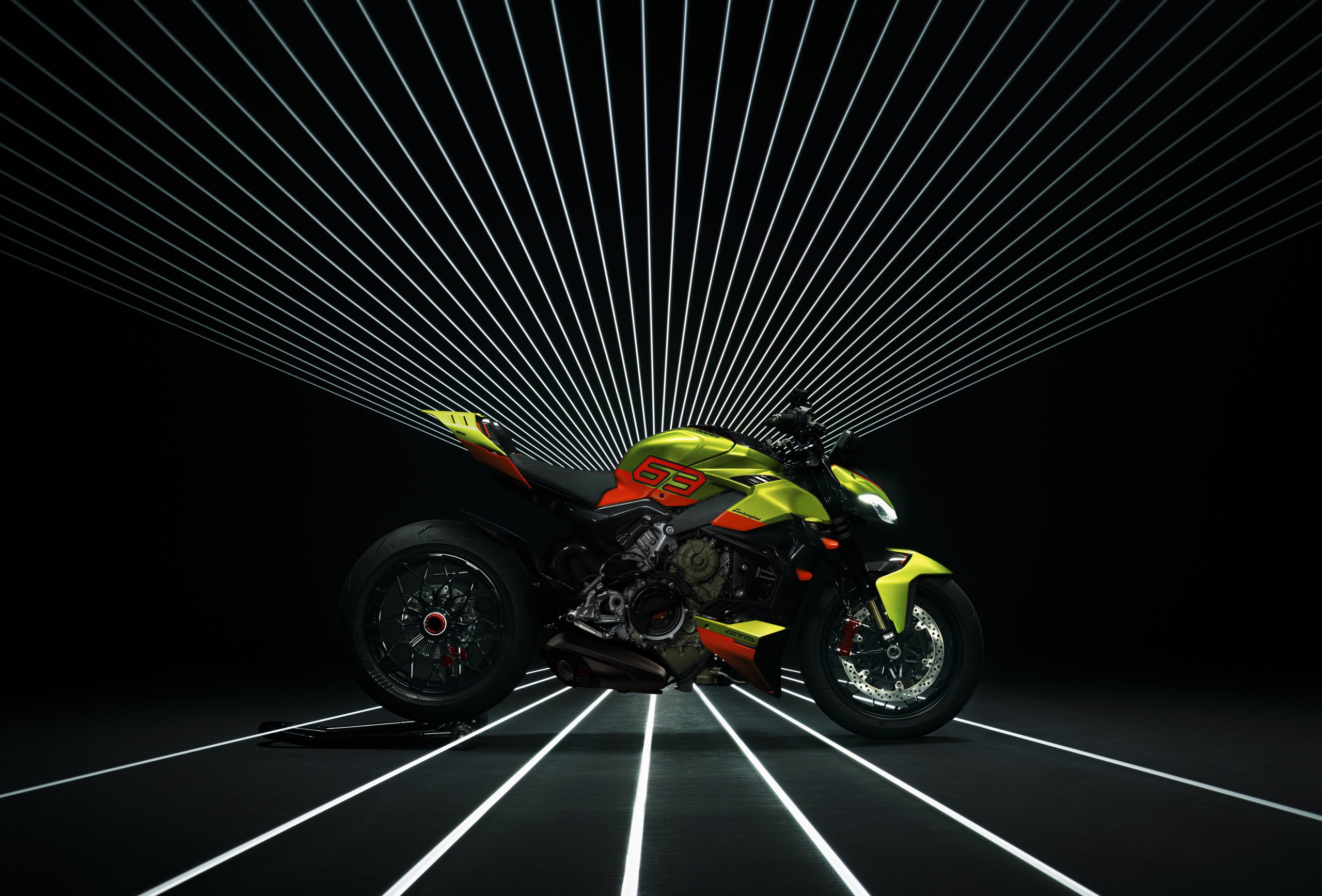
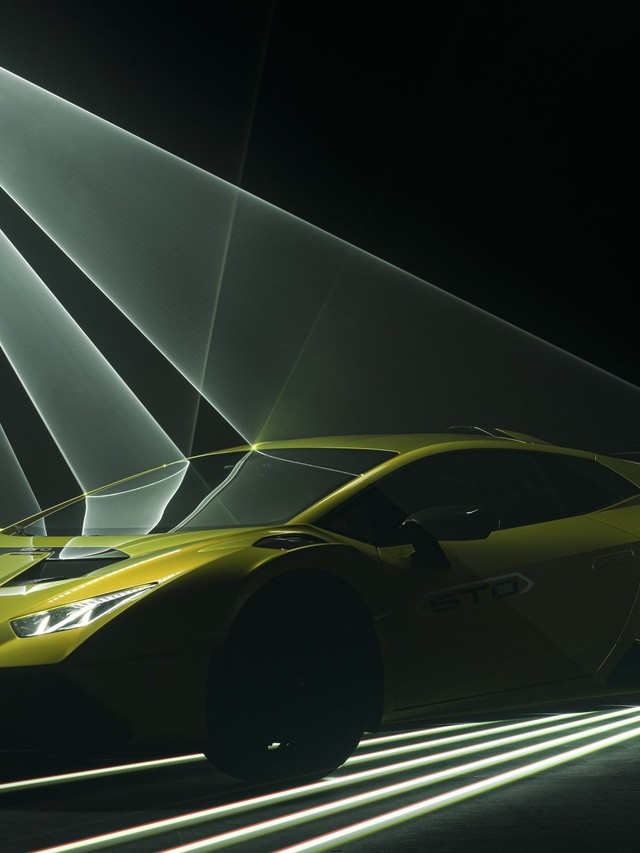
At the San Marino Grand Prix, Ducati rolled a Verde Citrea motorcycle alongside the Huracán STO that inspired it and let the visual argument do the talking. The Streetfighter V4 Lamborghini is limited to 630 numbered units, with an additional 63 reserved exclusively for existing Lamborghini customers, and it represents the second formal collaboration between the two Motor Valley neighbors. Their first, in 2020, paired the Diavel 1260 with the Sián’s futuristic lines and reportedly sold out quickly.
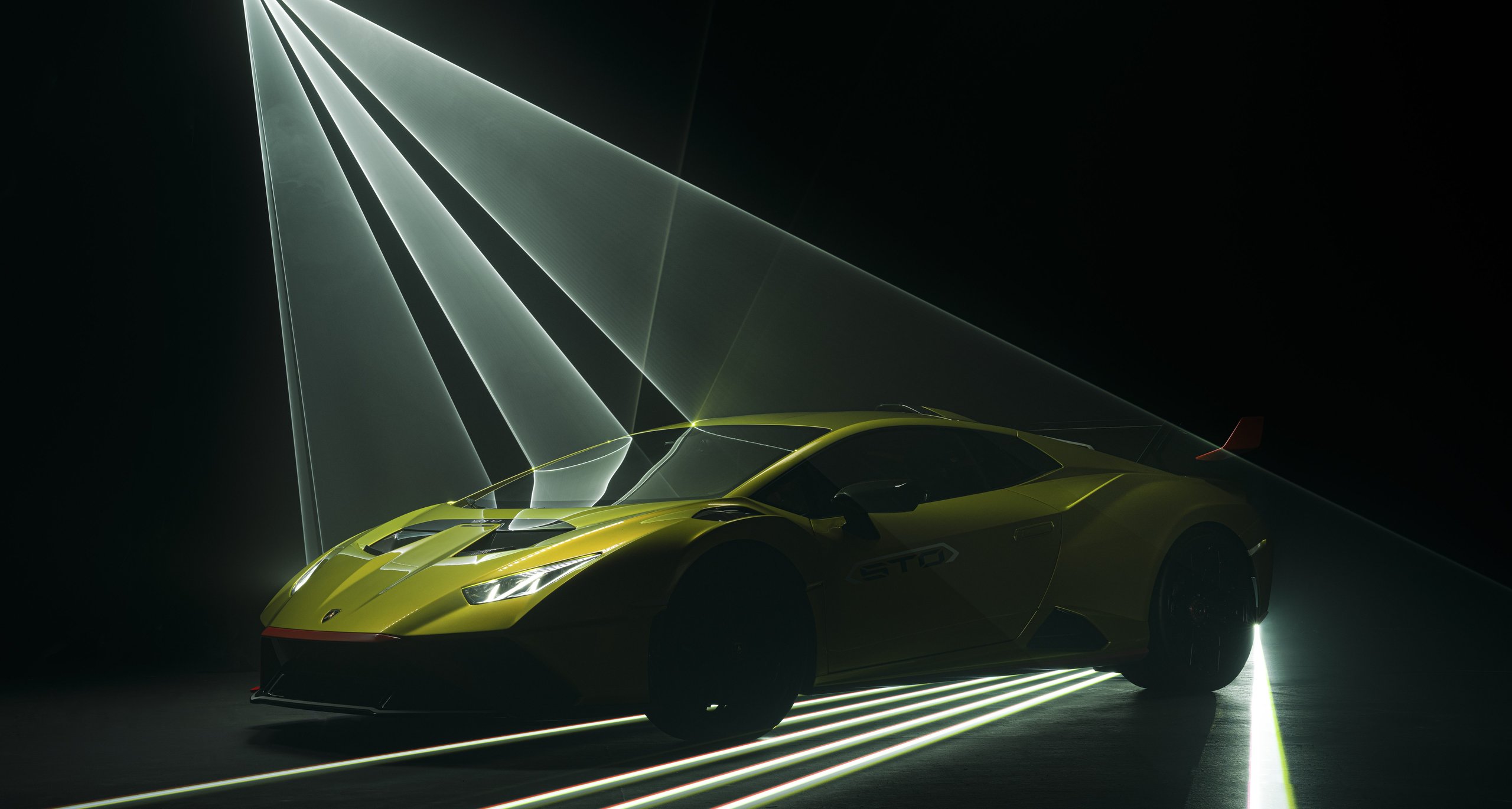
This time the reference point is far more aggressive. Where the Sián brought hybrid grand touring character, the Huracán STO is Lamborghini’s road-legal distillation of its Super Trofeo and GT3 race cars, and it lends its track-focused identity, its exact paint codes, and specific aerodynamic cues to a naked streetfighter rather than a cruiser. That shift tells you where both brands want to push the conversation: toward performance credibility, not lifestyle polish. Every design decision on this motorcycle traces back to the same question, whether the STO’s stripped-back, circuit-bred philosophy can survive the translation from four wheels to two.

Two men pose with the Ducati Streetfighter V4 Lamborghini and a matching Lamborghini Huracán STO at an outdoor event.
Completing the Dream Garage: Why This Matters to Lamborghini Owners
Lamborghini’s brand extension playbook looks different from its competitors’. Ferrari licenses its name to theme parks and fashion lines. McLaren collaborates with eyewear and luggage brands. Lamborghini, through its shared corporate family with Ducati under the Volkswagen Group umbrella, can do something neither rival can replicate: build a genuine high-performance vehicle that carries its design DNA, not just a badge on someone else’s product.
That distinction matters for the collector audience this bike targets. The 63-unit Speciale Clienti allocation, available only to Huracán STO owners, lets buyers match the motorcycle’s livery and rims to their specific car through Ducati’s customization program. Brake caliper colors and seat details pull from the STO’s own palette: yellow, red, black, and California orange. The result is a matched set, a car and motorcycle sharing paint codes, design language, and production numbering. For collectors who already think in terms of curated garages rather than individual purchases, the pitch is clear: your STO now has a two-wheeled counterpart designed from the ground up to sit beside it.
Lamborghini’s founding year, 1963, drives the math behind the production numbers. The number 63 appears on the livery and defines the owner-exclusive allocation, while 63 multiplied by ten produces the 630-unit general run. Each bike ships with a certificate of authenticity and a numbered metal plate on the central tank cover. For this buyer base, provenance documentation is part of the product.

The Ducati Streetfighter V4 Lamborghini's fuel tank showcases both Ducati and Lamborghini branding with a limited edition plaque.
Decoding the Design: How STO DNA Transformed the Streetfighter V4
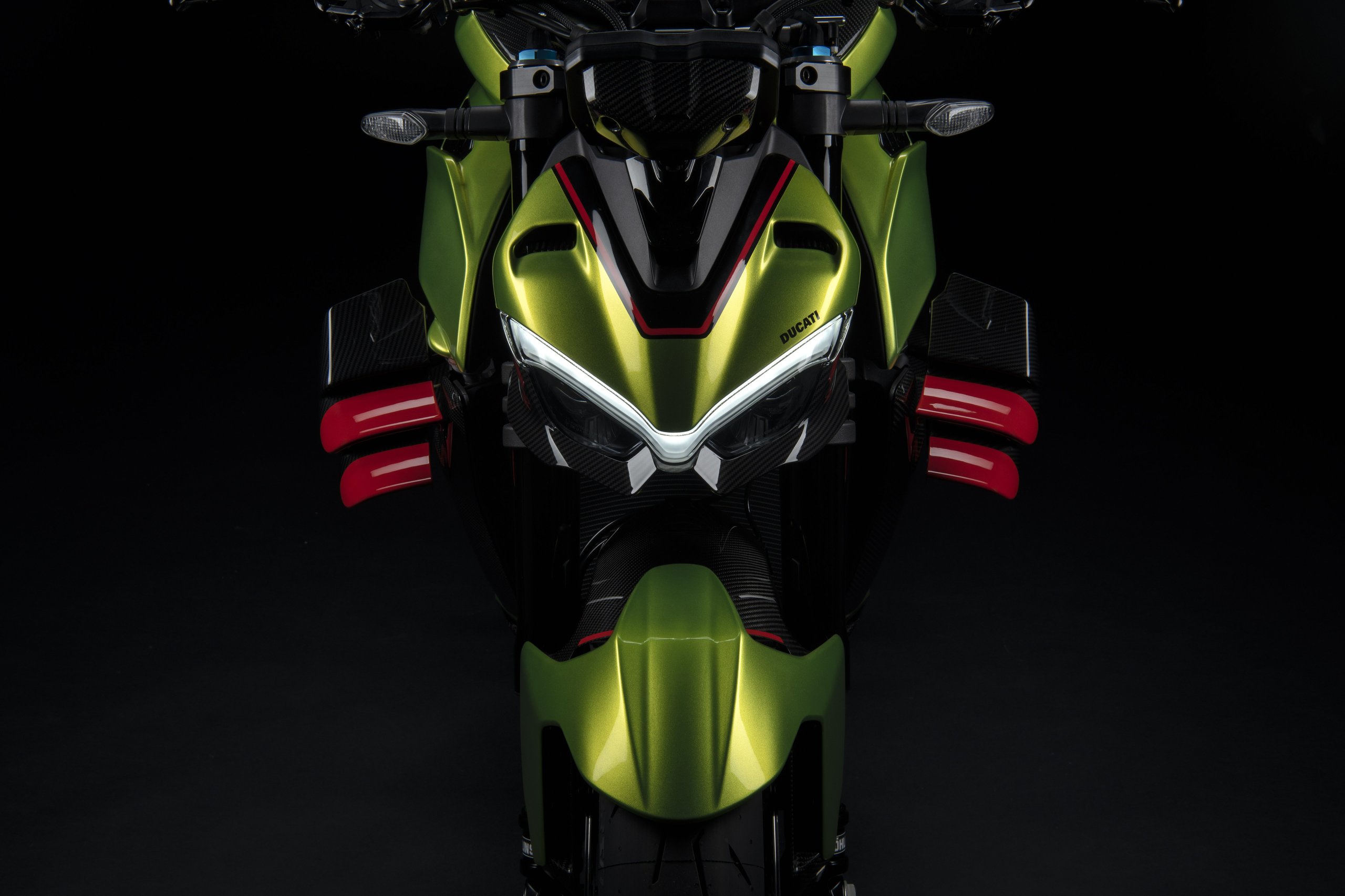
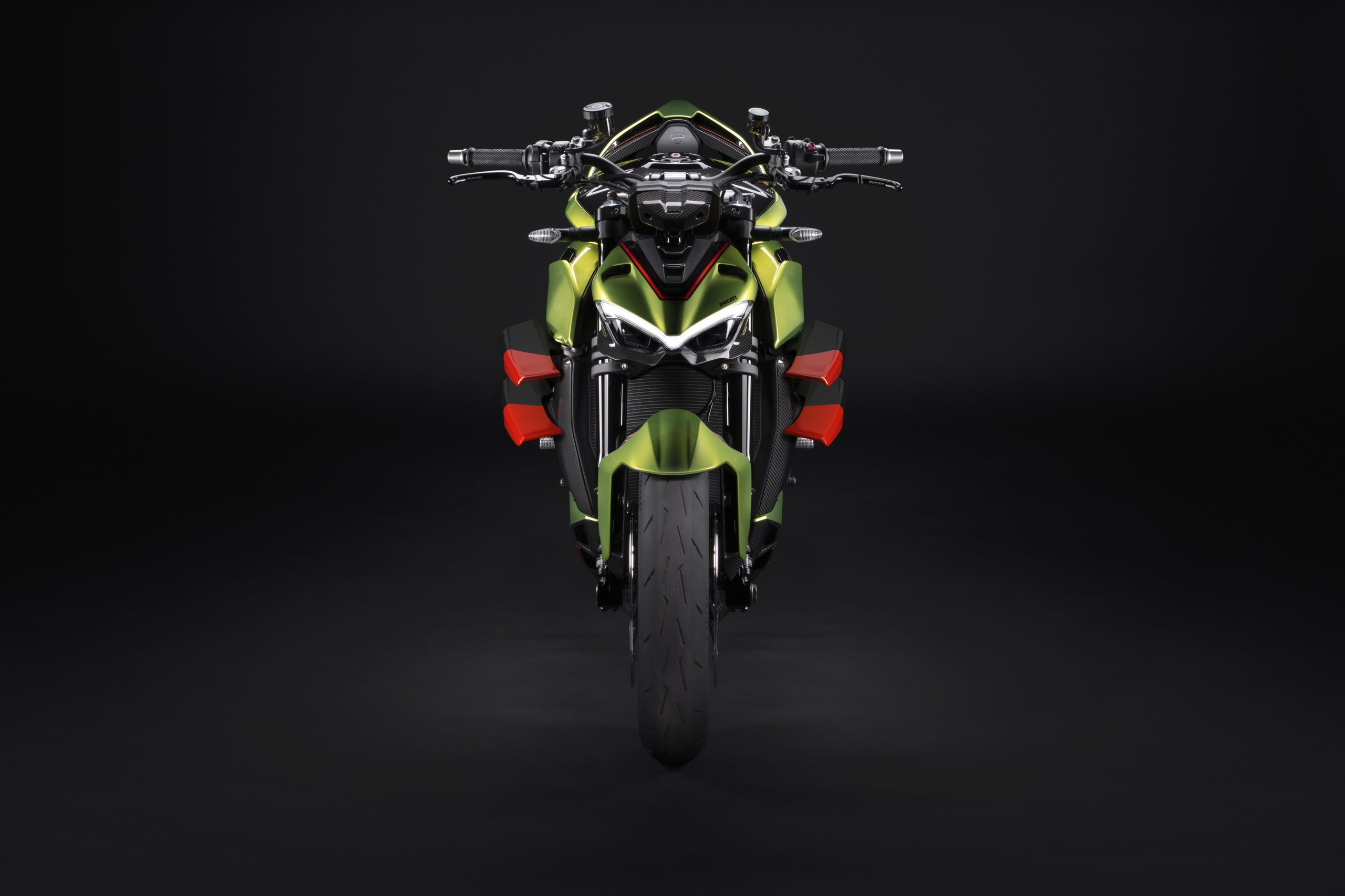
Lamborghini’s Centro Stile worked directly with Ducati’s Style Center on the bodywork, and the translation from four wheels to two is more literal than you might expect. The front fender draws its shape from the STO’s signature “cofango,” that single-piece component integrating the car’s hood, fenders, and front bumper with its large air ducts. On the motorcycle, the same visual language appears in the fender’s sculpted venting.
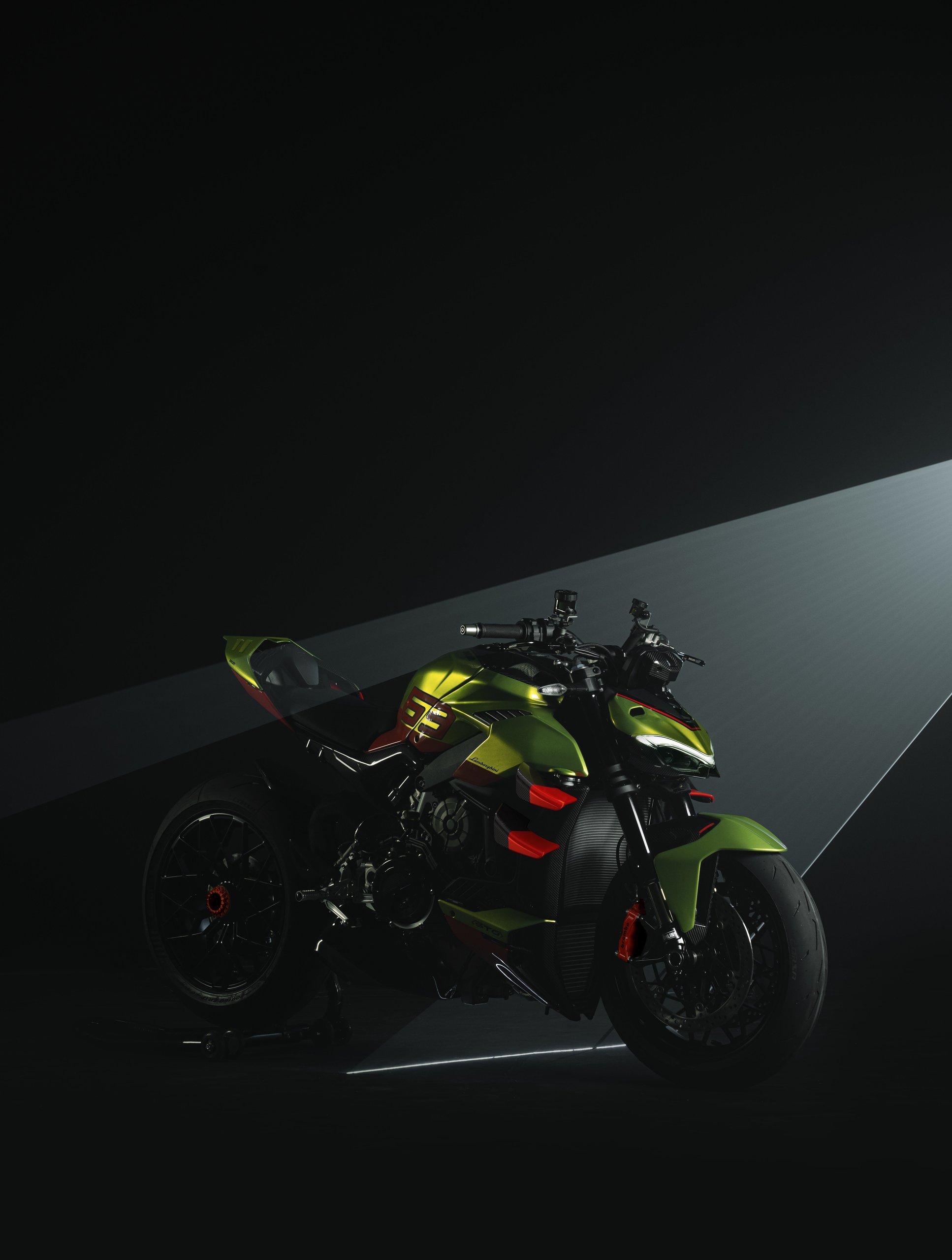
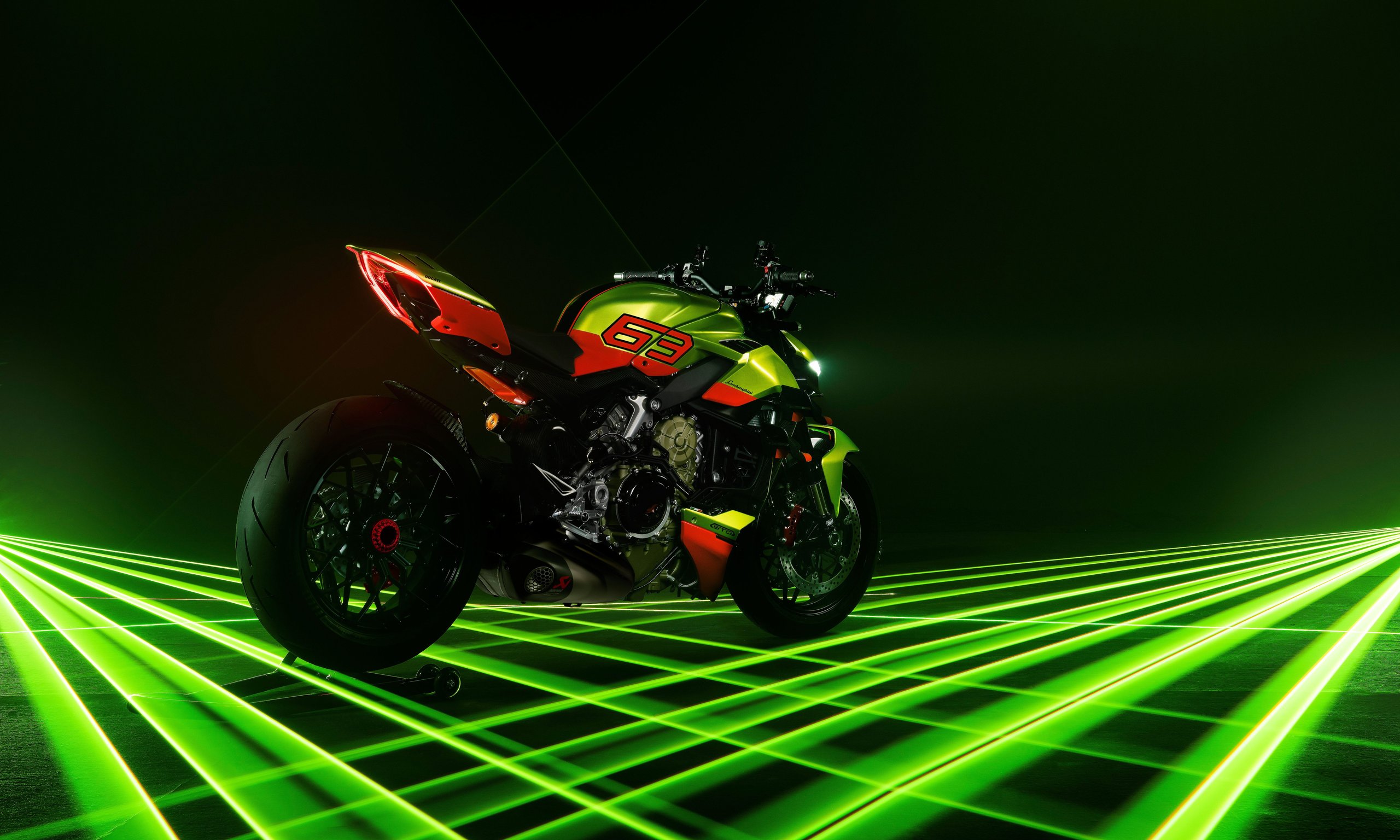
Grille extractors and air intakes on the tank cover, toe cap, and tail piece explicitly echo the STO’s rear brake cooling ducts, front fender vents, and hood extraction vents. The colors are not approximations: the base Verde Citrea green and contrasting Arancio Dac orange are the same formulations used on the car. The STO logo sits on the livery alongside the 63 graphic, and the seat finish mirrors the Huracán STO’s interior treatment with matching accent stitching.
Carbon fiber covers a significant portion of the superstructure. The toe cap, radiator cover, wings, tank cover, and tail all use carbon fiber that Lamborghini says matches the grade found on its super sports cars. Specially made forged wheels, finished with a titanium clamping nut on the rear, complete the visual package, while the model name and progressive production number appear on an aluminum insert in the ignition key. It is a small detail, but it signals how thoroughly the two design teams coordinated every touchpoint to sustain the STO connection.

The Ducati Streetfighter V4 Lamborghini's side fairing proudly displays the '63' graphic and carbon fiber.
Beyond the Badge: Lamborghini’s Strategic Rationale for Two-Wheeled Ambitions
The cynical read on any automotive brand collaboration is that it amounts to a paint job and a markup. The more interesting question is what Lamborghini gains strategically. With the Huracán nearing the end of its production life and the Temerario representing a fundamentally different engineering direction (hybrid, turbocharged, smaller displacement), projects like this keep the naturally aspirated V10 era alive in the cultural conversation. Every Streetfighter V4 Lamborghini parked at a track day or motorcycle meet reinforces the STO’s legend at a moment when Lamborghini’s product lineup is pivoting away from the formula that built it.
Lamborghini also faces a challenge that Ferrari and McLaren do not: explaining to younger, broader audiences why its brand commands the premiums it does. The Diavel 1260 Lamborghini reportedly sold out, suggesting genuine demand rather than a vanity exercise. If the Streetfighter V4 Lamborghini follows the same trajectory, it validates a repeatable model for cross-brand activation within the VW Group ecosystem. Ducati gets a halo product; Lamborghini gets cultural reach into a passionate, overlapping enthusiast community without diluting its core automotive identity.
Multiple enthusiasts on forums and social media describe the Streetfighter V4 Lamborghini’s visual presence as striking in person, with the Verde Citrea finish and carbon detailing drawing attention that standard Ducati liveries do not. Whether that translates to long-term collector value remains an open question, but the precedent from other limited Lamborghini collaborations suggests strong residual demand when production numbers stay genuinely low.

The Ducati Streetfighter V4 Lamborghini, a limited-edition motorcycle, is showcased in a striking studio setting.
The Collector’s Angle: Exclusivity, Customization, and Unanswered Questions
For prospective buyers weighing this against other limited-edition motorcycles, a few practical realities stand out. The 630-unit run is small by mainstream standards but large enough that finding one on the secondary market should eventually be possible. The 63-unit Speciale Clienti allocation is the true collector play; those bikes, matched to specific Huracán STOs, will carry provenance that generic numbered editions cannot replicate. Owners of the Speciale Clienti version can also complete their kit with a matching helmet, jacket, and limited-edition riding leathers in their bike’s specific colorway.
Neither Lamborghini nor Ducati has disclosed pricing. One Reddit discussion references a figure around $84,000 for the standard edition, though that number remains unconfirmed by either manufacturer. What the official material does confirm is the full scope of customization for the 63 owner-exclusive units and the certificate of authenticity program for all 630 bikes. For anyone considering this as an investment piece, the absence of confirmed pricing is worth noting: the secondary market for the Diavel 1260 Lamborghini suggests these collaborations appreciate quickly once the allocation sells through, but past performance guarantees nothing.
Delivery timelines also remain unannounced. Buyers interested in the Speciale Clienti program will want to engage their Lamborghini dealer early, since the qualification requirement (Huracán STO ownership) and the 63-unit cap create a natural bottleneck.

This exclusive Ducati by Automobili Lamborghini racing jacket combines style and safety for riders.
Under the Bodywork: The Streetfighter V4 Lamborghini’s Mechanical Core
Beneath the Lamborghini-designed bodywork sits Ducati’s 1103 cc Desmosedici Stradale engine, producing 208 hp. The dry clutch, shared with Ducati’s MotoGP and Superbike machines, adds a mechanical character (and a distinctive rattle at idle) that separates this from the standard Streetfighter V4 S’s wet-clutch setup. Lamborghini says the technical base is the 2023 Panigale V4 S, which means the bike inherits Ducati’s “Fight Formula” approach of stripping a superbike’s fairing to create a more aggressive, upright naked machine.
The performance story deserves honest framing. Mechanical upgrades over a standard Streetfighter V4 S center on the dry clutch and the forged wheels with their titanium rear clamping nut, both of which reduce rotating mass. Carbon fiber bodywork saves additional weight. But engine output remains the same 208 hp, and the electronics package carries over from the Panigale V4 S platform. Buyers are paying primarily for the design collaboration, the exclusivity, and the provenance, not for a fundamentally different riding experience. That calculus makes perfect sense for the collector this bike targets, but anyone expecting a performance leap over the standard V4 S should calibrate expectations accordingly.
What the Streetfighter V4 Lamborghini does offer, and what no amount of aftermarket modification can replicate, is a factory-integrated design collaboration between two of Italy’s most storied performance brands, executed with the kind of material and color fidelity that only works when both design studios share the same corporate family and, in this case, the same stretch of Emilia-Romagna highway.

A close-up reveals the Ducati Streetfighter V4 Lamborghini's fuel tank with prominent branding and carbon fiber details.
Gallery