The 105th Anniversary: Reaffirming Lamborghini’s Foundational Spirit
Automobili Lamborghini is marking what would be the 105th birthday of its founder, Ferruccio Lamborghini, born April 28, 1916, in Renazzo di Cento, a small hamlet in the province of Ferrara. The occasion is more than a calendar footnote. It provides a useful lens for understanding why Lamborghini, as a company, continues to make choices that look eccentric or confrontational from the outside but feel entirely logical when you trace them back to the man who started it all.
Ferruccio founded the company in 1963 and sold it roughly a decade later, between 1973 and 1974. He passed away on February 20, 1993. By any conventional measure, his direct involvement was brief. Yet every significant engineering and design decision Lamborghini makes today, from the supercapacitor architecture of the Sian to the Urus redefining what an SUV can be, carries the fingerprints of a personality that refused to accept “good enough” as a standard. The question worth asking on an anniversary like this is not simply who Ferruccio was, but why his temperament still matters to the cars rolling out of Sant’Agata Bolognese right now.

Ferruccio Lamborghini, the visionary founder, captured in a thoughtful moment.
From Farmstead Mechanic to Industrialist
Ferruccio was the eldest son of farmers Antonio and Evelina Lamborghini, and tradition dictated he would inherit the family land. He wanted nothing to do with it. By Lamborghini’s own account, he preferred the farmstead workshop to the fields from a very young age, eventually securing a position at one of the best mechanical workshops in Bologna. That early stubbornness, the refusal to follow a prescribed path, became the template for everything that followed.
When World War II broke out, Ferruccio was drafted and assigned to the 50th Mixed Maneuver Motor Fleet stationed in Rhodes, maintaining every type of military vehicle on the island. According to some reports, he served in the Italian Air Force’s transport divisions, and after 1944 he reportedly became a British prisoner of war assigned to their motoring department. The details vary depending on the source, but the throughline is consistent: Ferruccio fixed anything with an engine, regardless of whose flag flew over the motor pool. He repaired vehicles for Italian, German, and British forces, and, as he would later admit with characteristic candor, occasionally broke them.
After the war he opened a small mechanical repair shop in Rhodes before returning to Italy in 1946. Back in Cento, he observed the crisis facing local agriculture and spotted an opportunity nobody else was pursuing: building affordable tractors for small landowners using repurposed military vehicle components. His first conversion was a Morris truck fitted with a fuel vaporizer of his own design. He presented it on February 3, 1948, during the feast of Cento’s patron saint, and sold eleven units. That modest success convinced him to go all in. He took on bank debt using everything he owned as collateral, including, with his father’s blessing, the family farm, to purchase a lot of 1,000 Morris engines. The willingness to stake everything on a mechanical conviction was not youthful recklessness. It was the same instinct that would later produce the Miura.

Ferruccio Lamborghini oversees production, ensuring precision and quality in the factory.
The Birth of the Bull: How ‘Tamugno’ Became a Brand
By the early 1960s, Ferruccio Lamborghini was recognized as one of Italy’s most important industrialists, with successful businesses spanning tractors, oil burners, and hydraulic equipment. His ambition to produce supercars that could directly compete with Ferrari is well documented, and the origin story involving a problematic Ferrari clutch remains one of the great founding myths of the automotive world. Whether every detail of that confrontation with Enzo is precisely accurate matters less than what it reveals: Ferruccio believed he could build a better grand touring car, and he was willing to bet his reputation on it.
When the time came to create a logo for the new car company, Ferruccio contacted graphic designer Paolo Rambaldi. Asked what personal characteristics he felt he possessed, Ferruccio replied in dialect: “I’m tamugno, like a bull.” The word translates roughly to hard, strong, stubborn. Combined with his Taurus zodiac sign, it produced the now iconic charging bull emblem. The logo was not a marketing exercise. It was a self-portrait.
That distinction matters because it explains something about Lamborghini that competitors often struggle to replicate. Ferrari’s prancing horse carries the weight of motorsport heritage. Porsche’s crest speaks to Stuttgart’s civic identity. The Lamborghini bull is personal, representing one man’s refusal to be told what he could and could not do. His tractors previously wore a simple silver triangle bearing the letters FLC (Ferruccio Lamborghini Cento). The bull was a deliberate escalation, a declaration that the cars would carry the same confrontational energy as the man behind them.

Ferruccio Lamborghini shares a moment of triumph or camaraderie with a peace sign.
Miura and Countach: Engineering Audacity as Company Policy
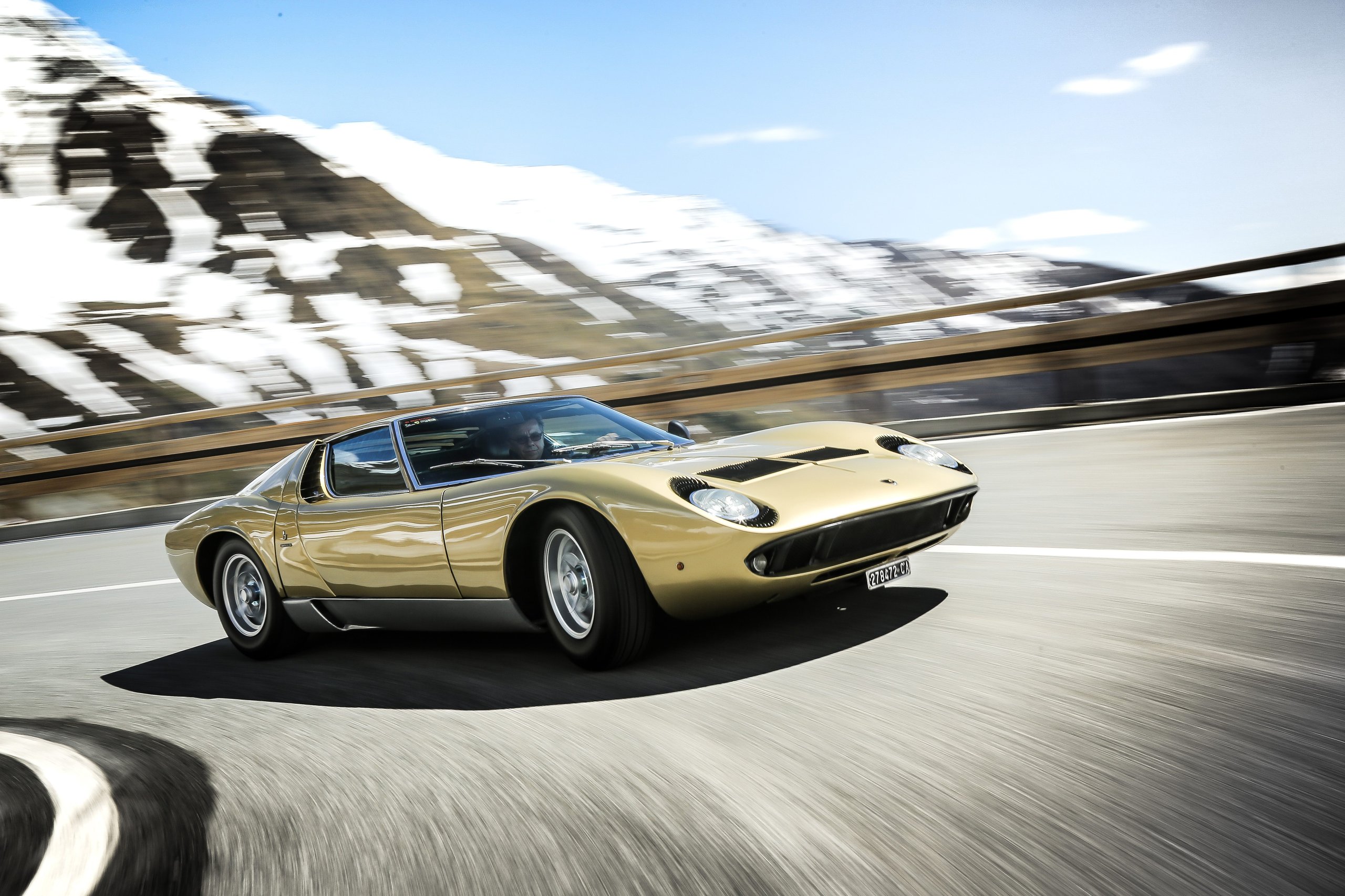
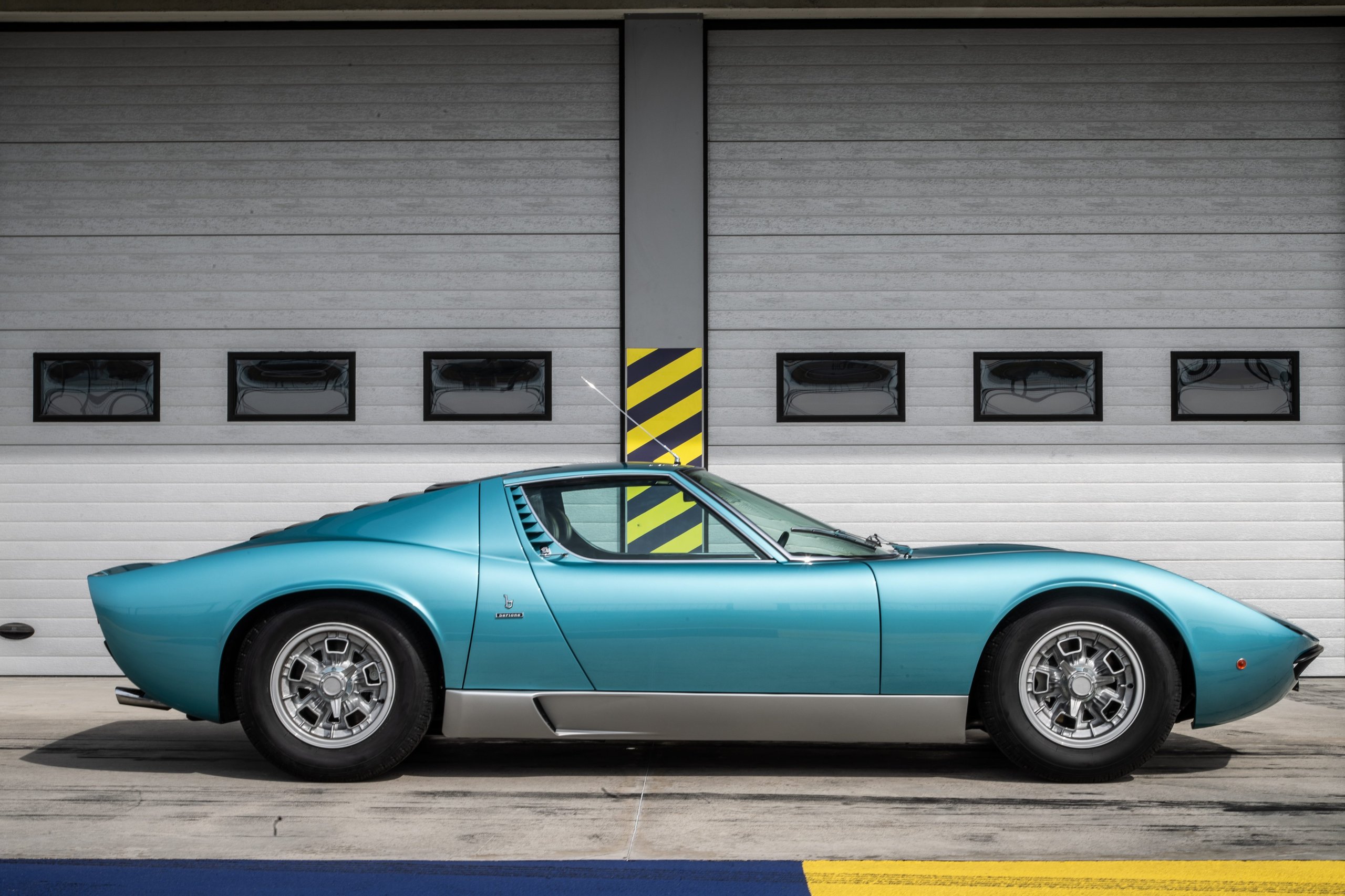
Ferruccio surrounded himself with brilliant young engineers, and the results were staggering. The 1966 Miura, with its transverse mid-mounted V12, forced journalists to coin a new word to describe it: supercar. Lamborghini says it rewrote the history of grand touring, and for once the corporate language barely qualifies as exaggeration. Road & Track detailed how Giampaolo Dallara engineered the Miura at just 27 years old, a fact that speaks volumes about Ferruccio’s willingness to trust talent over seniority.
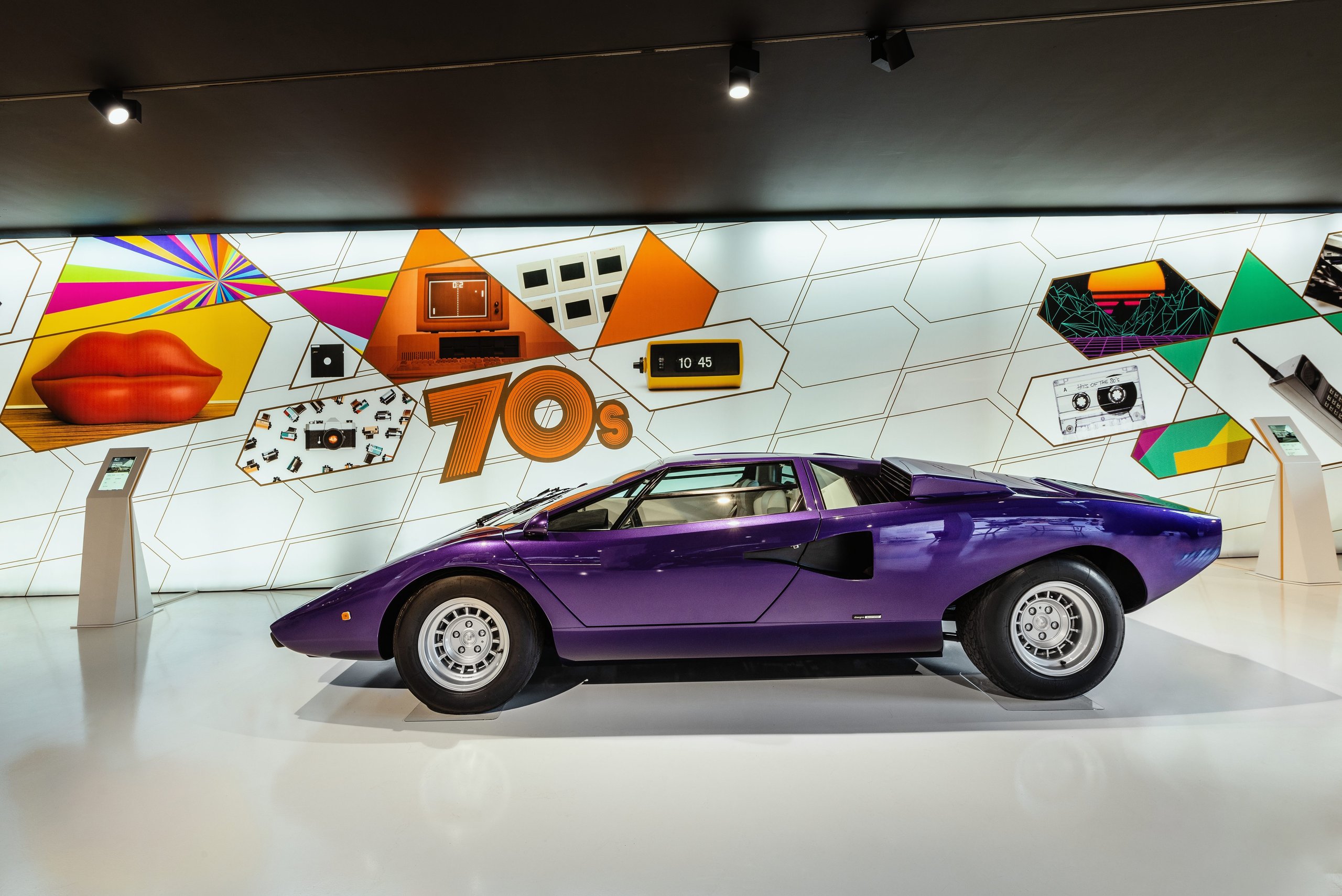
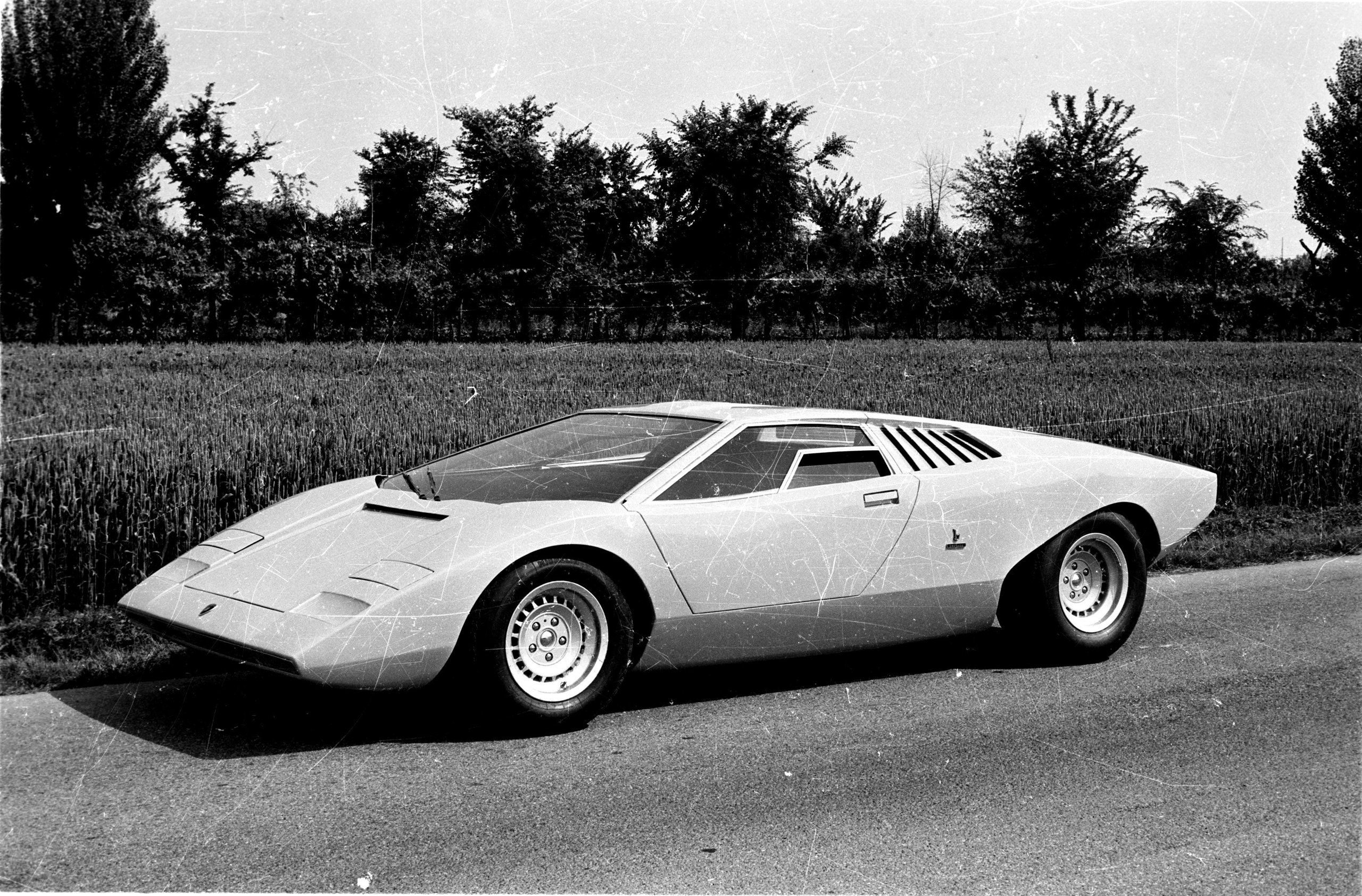
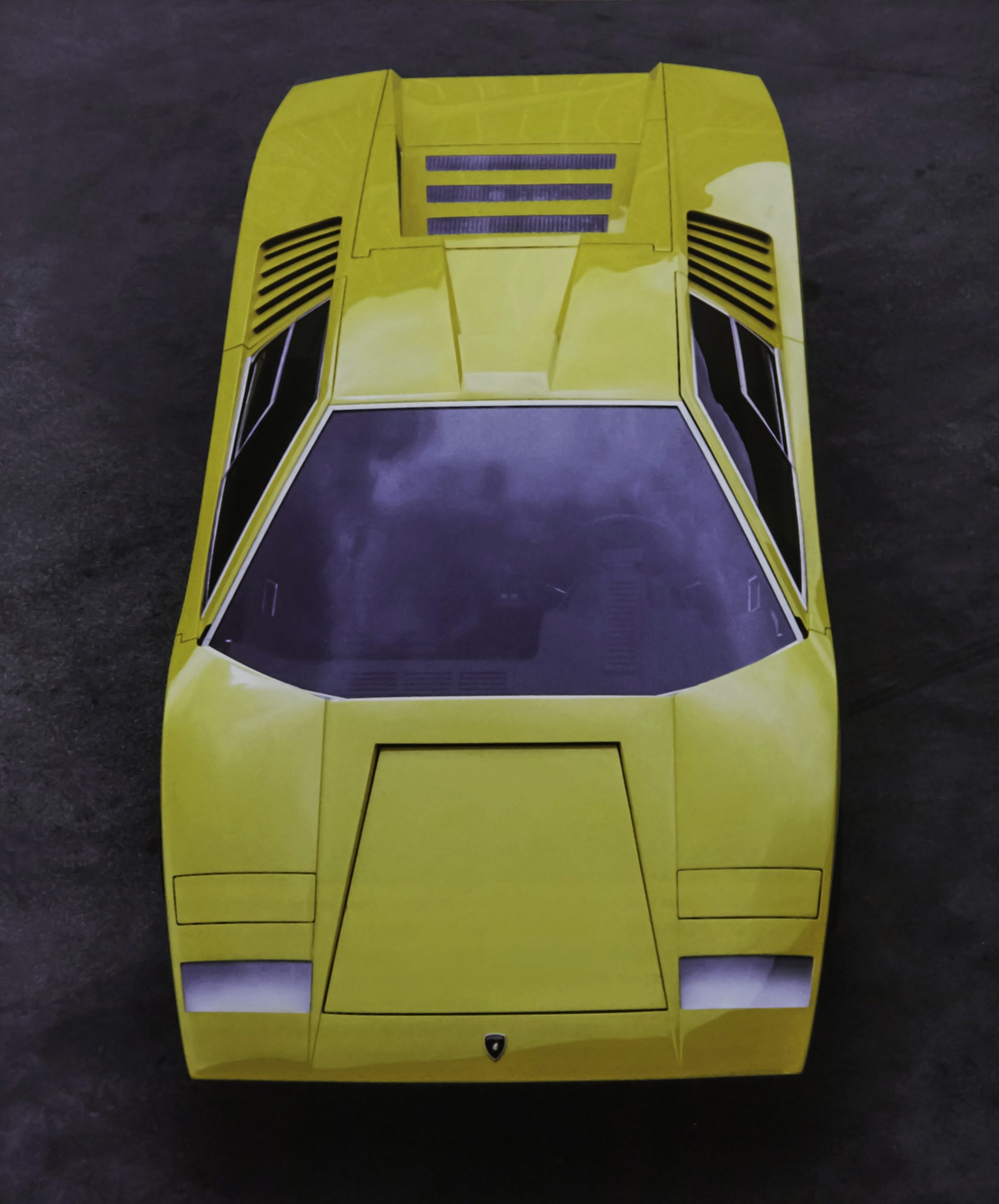
The Countach prototype followed in 1971, its radical wedge profile penned by Marcello Gandini at Bertone. So far ahead of its time was the design that the production car remained current until 1990. Over 17 years and 1,999 units, it defined what a supercar looked like for an entire generation. One source suggests the Countach was the last car Ferruccio was directly involved in designing before selling the company. If true, it is a remarkable final act: a car so visionary it outlasted his ownership by nearly two decades.
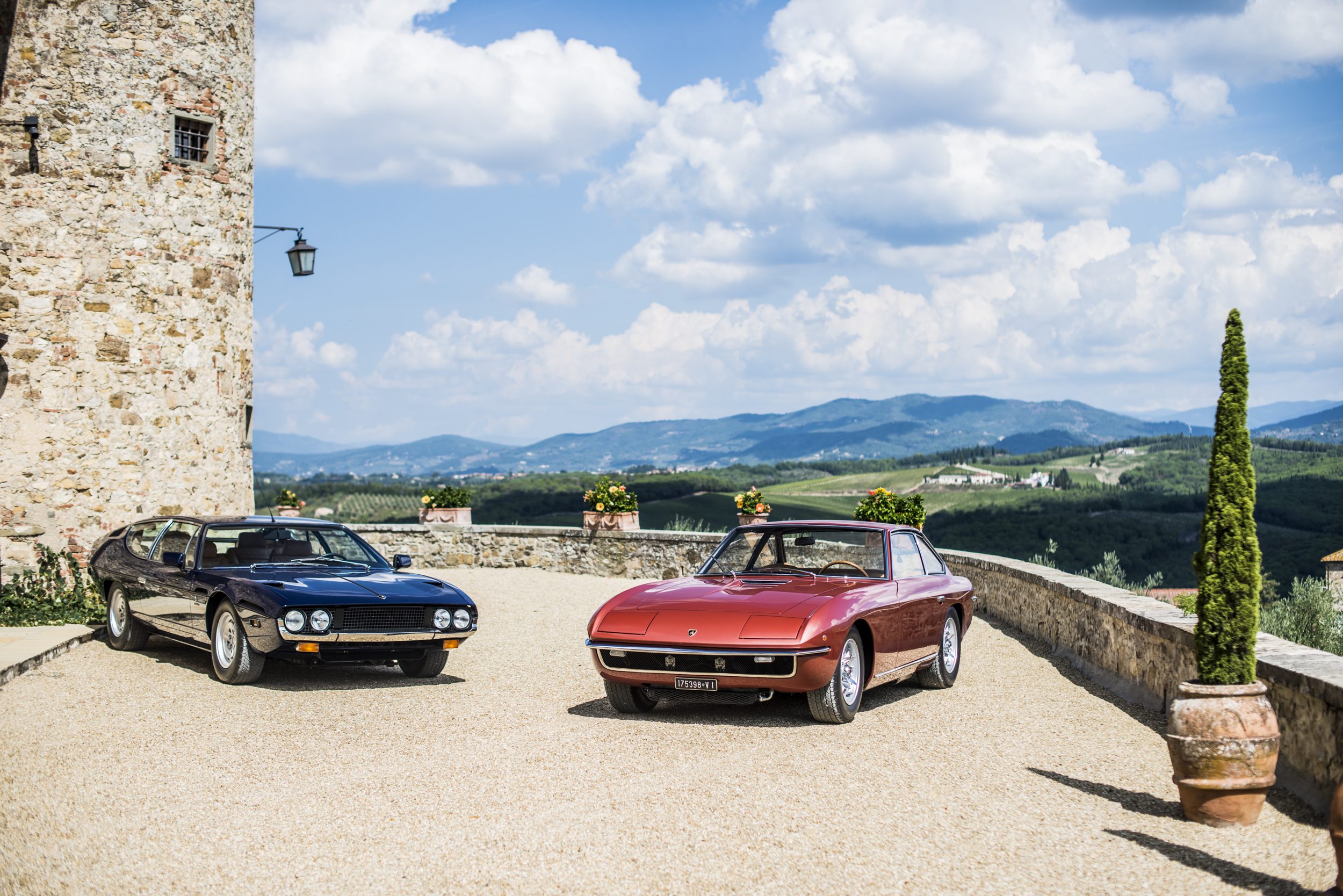
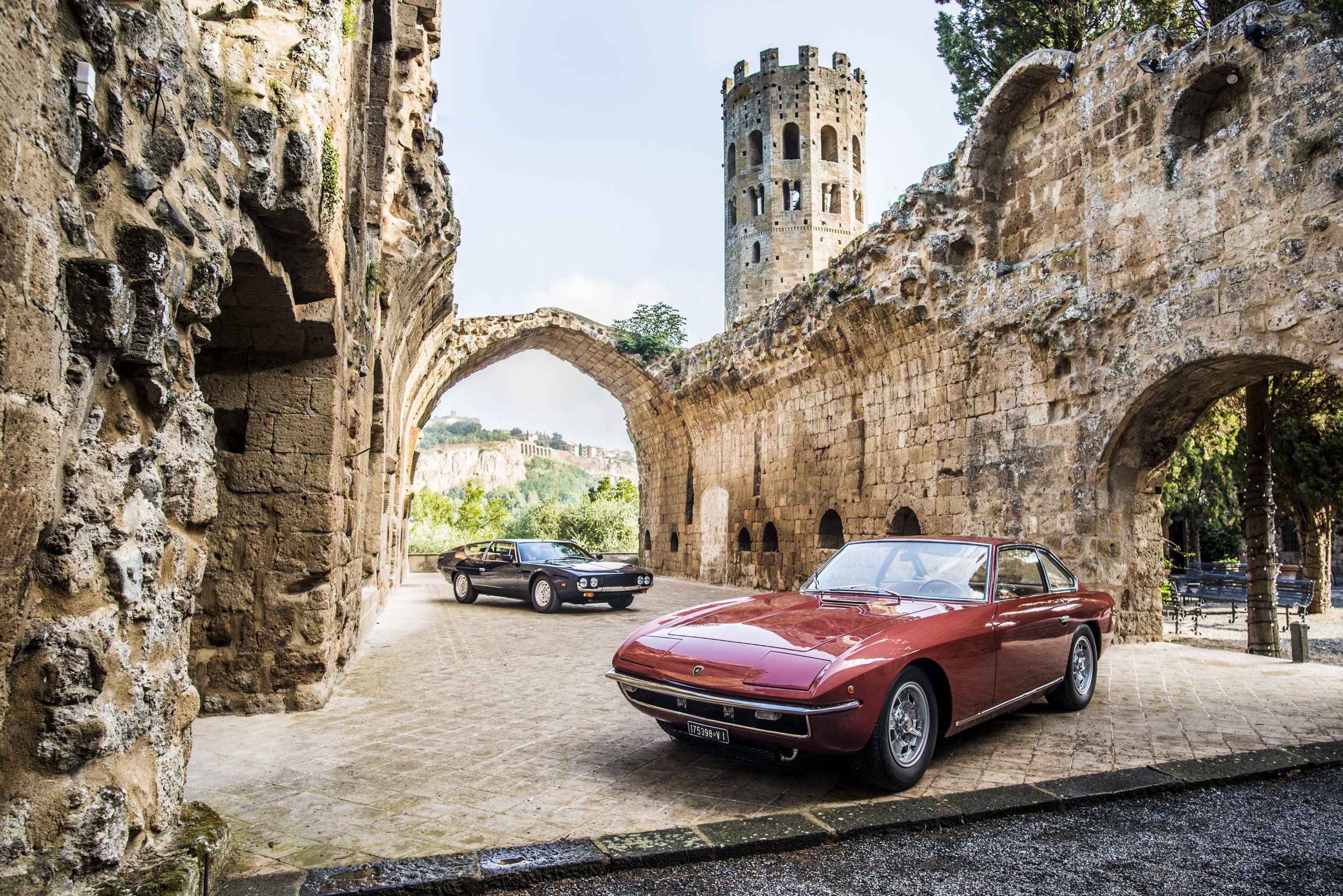
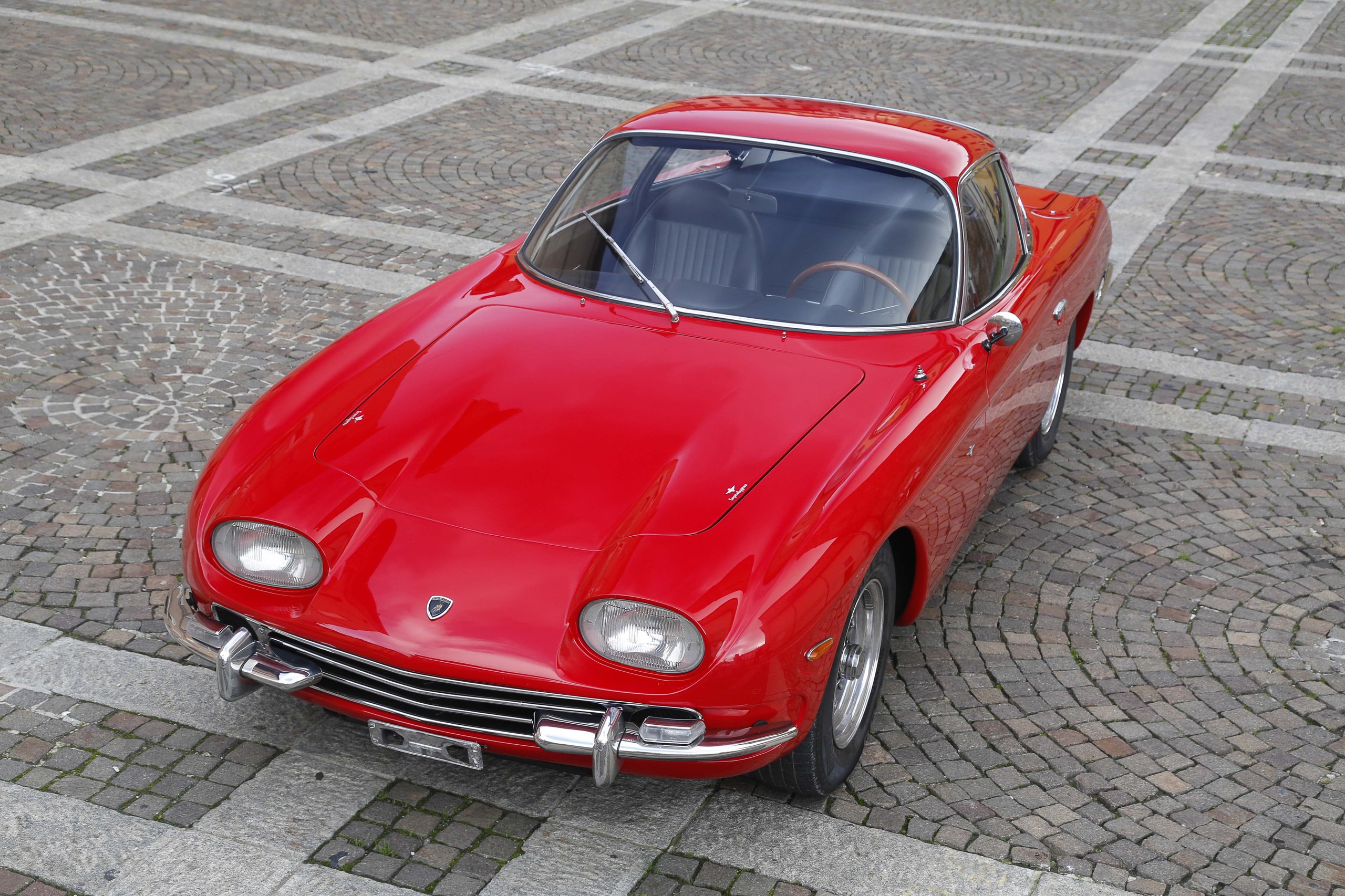
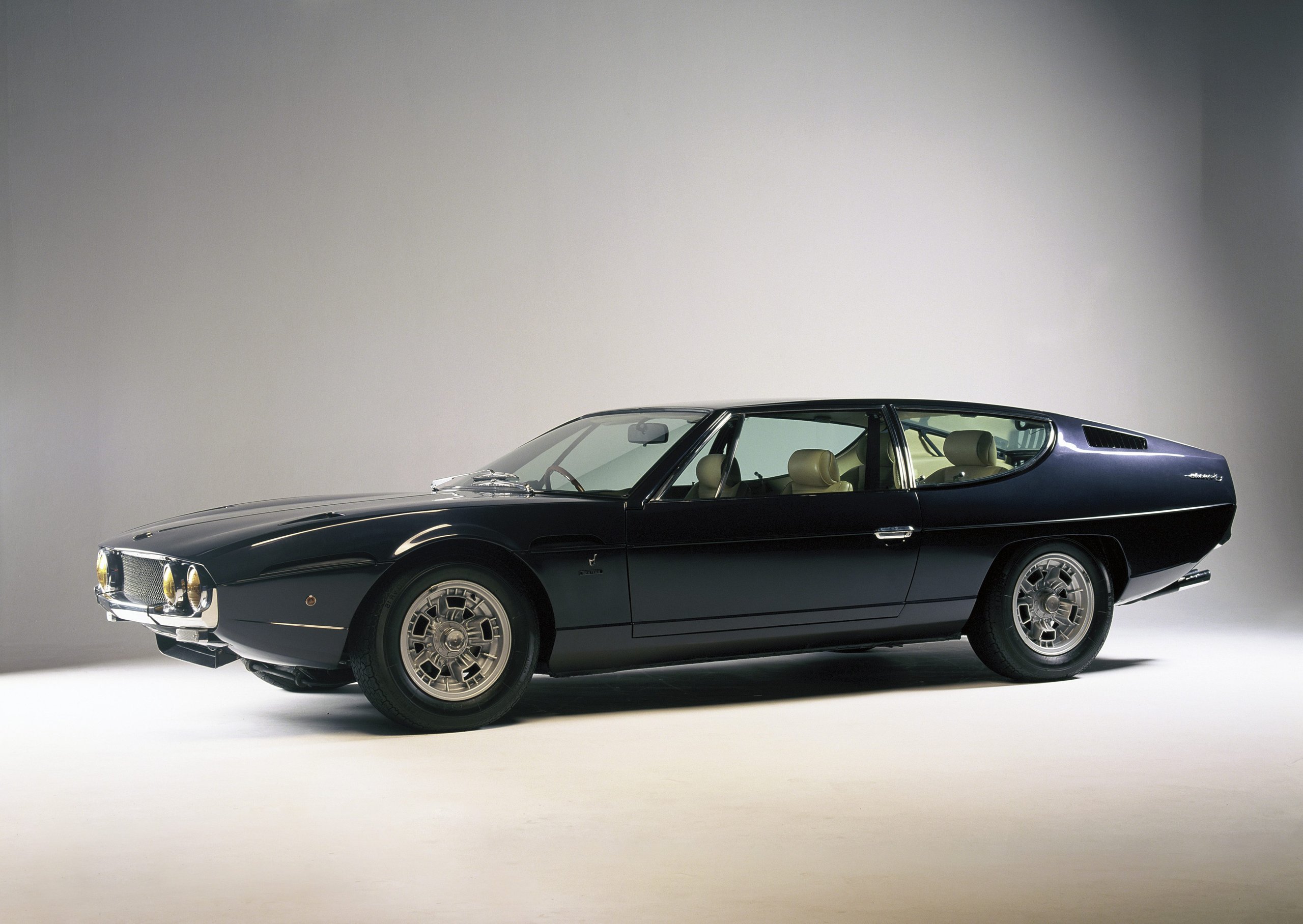
Collectors and enthusiasts still gravitate toward these Ferruccio-era models with particular intensity. Multiple owners on enthusiast forums describe the early cars, from the 350 GT through the Espada and Jarama, as carrying a distinct character that reflects Ferruccio’s personal taste for grand touring refinement paired with mechanical ambition. The Ferruccio Lamborghini Museum in Funo di Argelato, housed in the old oil burner company and curated by his son Tonino’s collection, draws visitors specifically interested in this founding era.

The groundbreaking Lamborghini Countach LP500 Concept showcases its revolutionary design with open scissor doors.
Ferruccio’s Legacy in the Hybrid Era
Ferruccio sold his company decades ago, but the pattern he established, solve problems nobody asked you to solve, do it with more ambition than the market expects, continues to dictate strategy at Sant’Agata Bolognese. The Diablo became Lamborghini’s first super sports car available with four-wheel drive. The Urus debuted in 2018 and created a market segment that did not previously exist. The Sian arrived in 2020 as the first hybrid Lamborghini, a V12 model using supercapacitors rather than conventional lithium-ion batteries for electric power storage and release.
None of those decisions emerged from a vacuum. Ferruccio did not build tractors because it was fashionable; he built them because Italian farmers needed affordable machinery and surplus military parts were available. He did not enter the car business to compete on equal terms with Ferrari; he entered because he believed the existing product was not good enough and he could do better. The supercapacitor choice for the Sian follows the same logic: conventional hybrid architecture already existed, so Lamborghini pursued a different solution.
For buyers and collectors watching the brand navigate its hybrid transition, the practical takeaway is straightforward: Lamborghini’s track record suggests it will not simply adopt whatever technology competitors standardize. The company will look for an angle that feels distinctly its own, and the confidence to pursue that angle traces directly to a farmer’s son from Cento who mortgaged his family’s land to buy a thousand surplus engines.

The Lamborghini assembly line in black and white, featuring Miura chassis and rows of powerful V12 engines.
The Ferrari Rivalry as Founding Principle
The story of Ferruccio confronting Enzo Ferrari over a faulty clutch, only to be dismissed as a tractor maker, is probably the most retold anecdote in supercar history. Multiple independent sources corroborate the broad strokes: Ferruccio owned Ferraris, grew frustrated with their shortcomings, and decided to build something better. The precise words exchanged vary by telling. What does not vary is the outcome.
Ferruccio’s challenge to Ferrari established a competitive dynamic that still shapes both companies. Ferrari built its identity around motorsport pedigree and exclusivity. Lamborghini, from its very first day, built its identity around the idea that an outsider with enough mechanical talent and sheer stubbornness could beat the establishment at its own game. That founding tension explains why Lamborghini owners tend to describe their cars differently than Ferrari owners do. Forum discussion across enthusiast communities often frames Lamborghini ownership as an act of individuality, a deliberate choice to stand apart from the more conventional supercar hierarchy.
On his 105th birthday, Ferruccio Lamborghini’s most enduring contribution is not any single car. It is the conviction, embedded in the company’s culture, that the best response to being told you cannot do something is to do it louder, faster, and with a bull on the hood.

The elegant Lamborghini 350 GT, a testament to early grand touring luxury, rests on a track.
Gallery