Why Shared Engine Internals Matter for Customer Teams
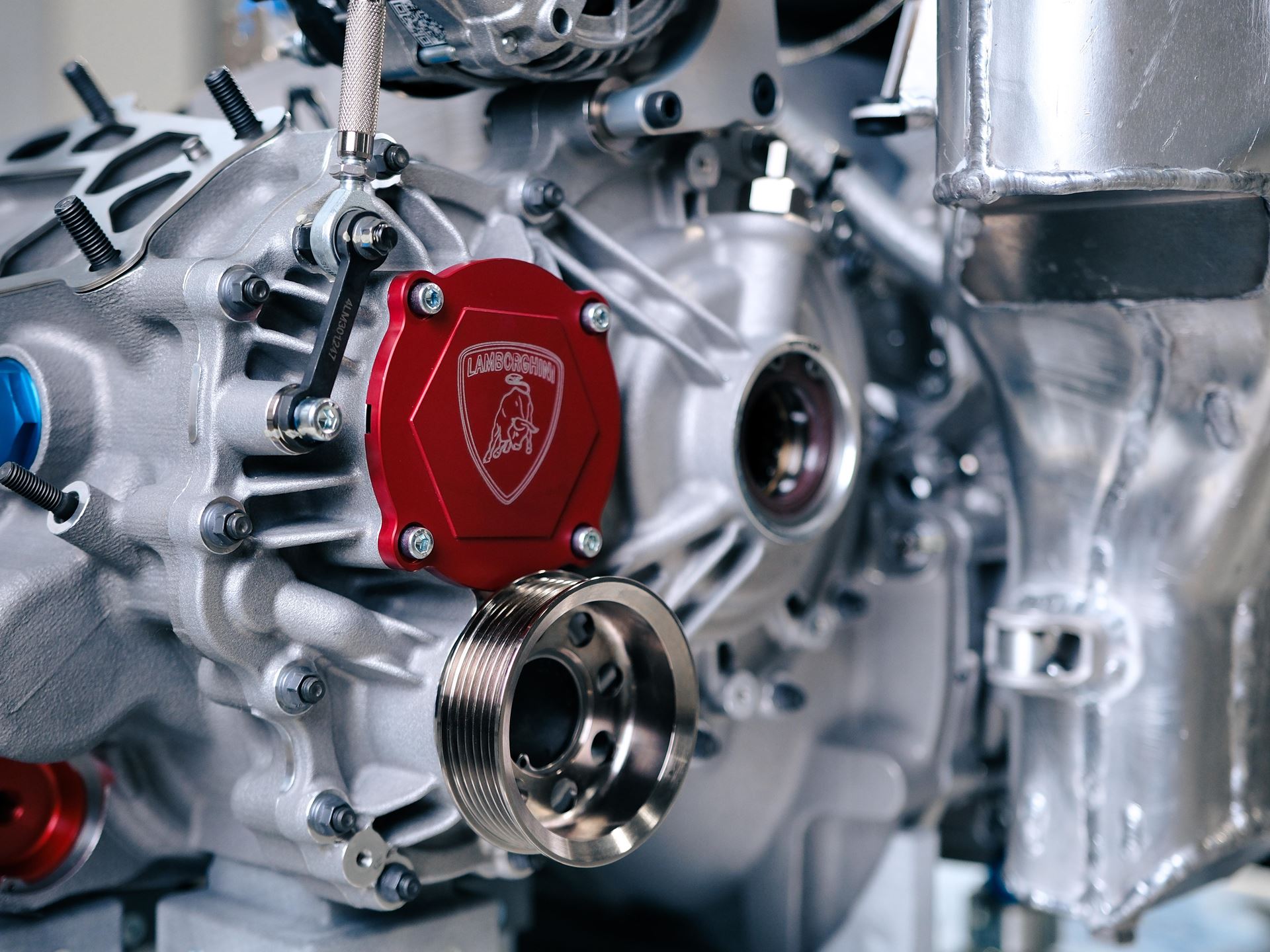
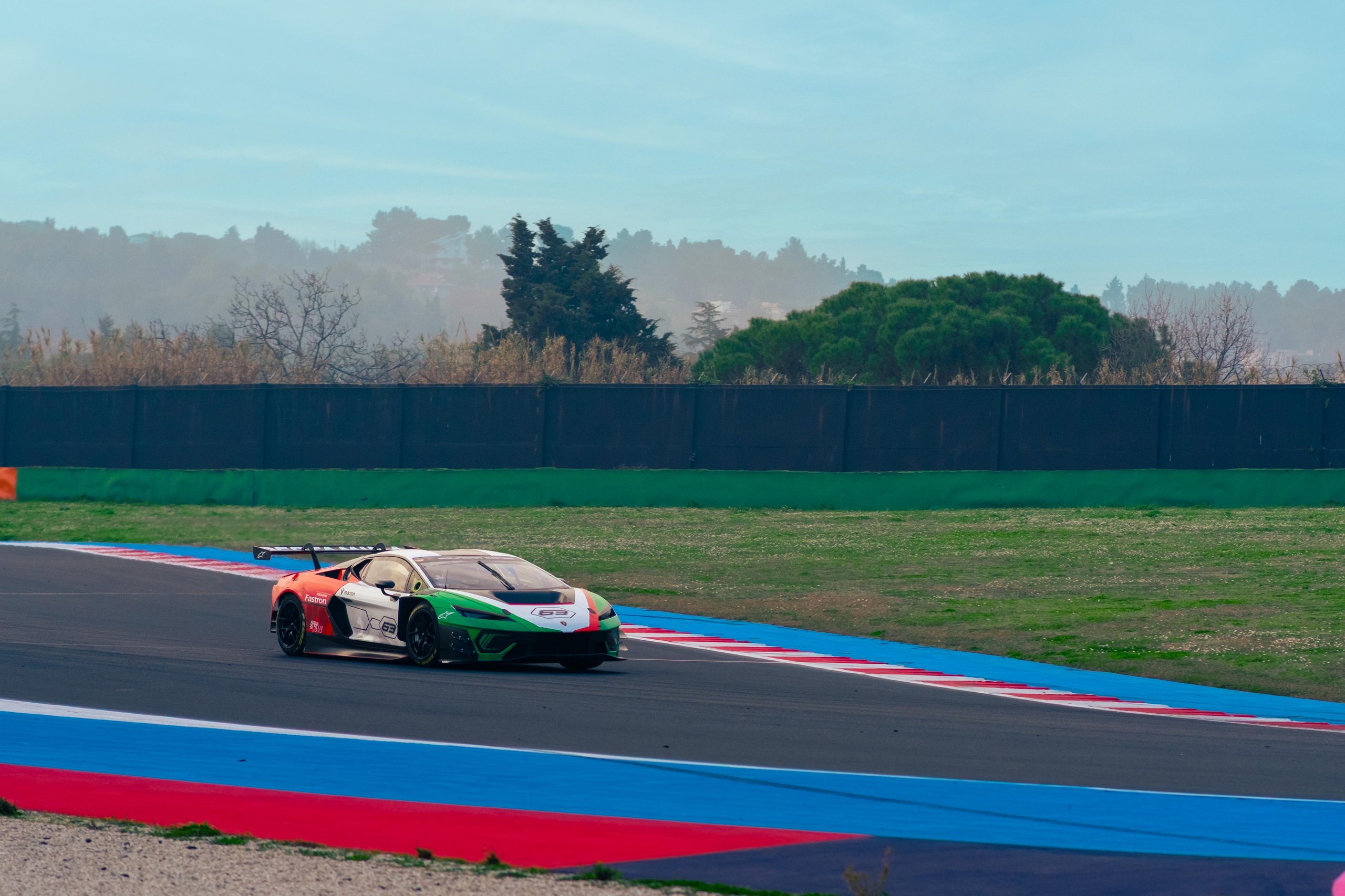
The most significant detail about the new Temerario GT3 isn’t its 550 horsepower output or its 2026 debut timing. It’s that Lamborghini says the engine internals are identical to the road car. This seemingly technical footnote represents a fundamental shift in how customer racing teams will operate their programs.
Think about it from a team owner’s perspective. When your GT3 car shares pistons, connecting rods, and crankshaft with a production engine that dealers stock parts for, your operational costs drop dramatically. Compare that to purpose-built race engines that require specialized components with six-week lead times and five-figure price tags. The Temerario GT3 uses smaller turbochargers than the road car, but the expensive bits inside remain the same.
According to Lamborghini, the road car’s V8 alone produces 800 horsepower without hybrid assistance. The race version makes 550 horsepower, suggesting significant headroom in the design. For privateer teams running on tight budgets, this overbuilt foundation means longer rebuild intervals and more predictable maintenance costs.
This approach also solves a logistics nightmare that has plagued customer teams for years. When an engine expires during a race weekend, having commonality with road car components means potential parts availability through the dealer network, not just the factory race department. While teams will still rely primarily on Squadra Corse support, the shared architecture provides a safety net that pure race engines can’t match.

The Turbo Advantage in Racing Traffic
The switch from the Huracán’s naturally aspirated V10 to a twin-turbo V8 addresses a specific weakness that customer teams have complained about for years: power loss in traffic. When you’re following another GT3 car closely through a long straight, the disturbed air reduces the efficiency of a naturally aspirated engine.
This isn’t just theory. Watch any GT3 endurance race and you’ll see naturally aspirated cars struggle to complete passes even with superior corner exit speed. Now Lamborghini joins the turbocharged club.
The GT3 uses smaller turbochargers than the road car, a detail that reveals smart engineering priorities. It’s a textbook example of choosing the right tool for the job rather than chasing headline numbers.
Marco Mapelli, Lamborghini’s factory driver and test driver since 2017, acknowledges the character change: “The new twin-turbo V8 delivers strong torque and offers very interesting characteristics, even if we say goodbye to the iconic sound of the naturally aspirated V10.” That’s diplomatic speak for “it’s faster but sounds different.” For teams focused on winning races rather than winning sound contests, it’s an easy trade.
From Anti-Racing Roots to In-House Production
The Temerario GT3 is the first competition car entirely designed, developed and produced in-house by Lamborghini, a milestone that would have horrified the company’s founder. Ferruccio Lamborghini famously did not believe motorsport was an appropriate promotional tool in the 1960s. His philosophy was simple: let Ferrari burn money at race tracks while Lamborghini focused on profitable supercars.
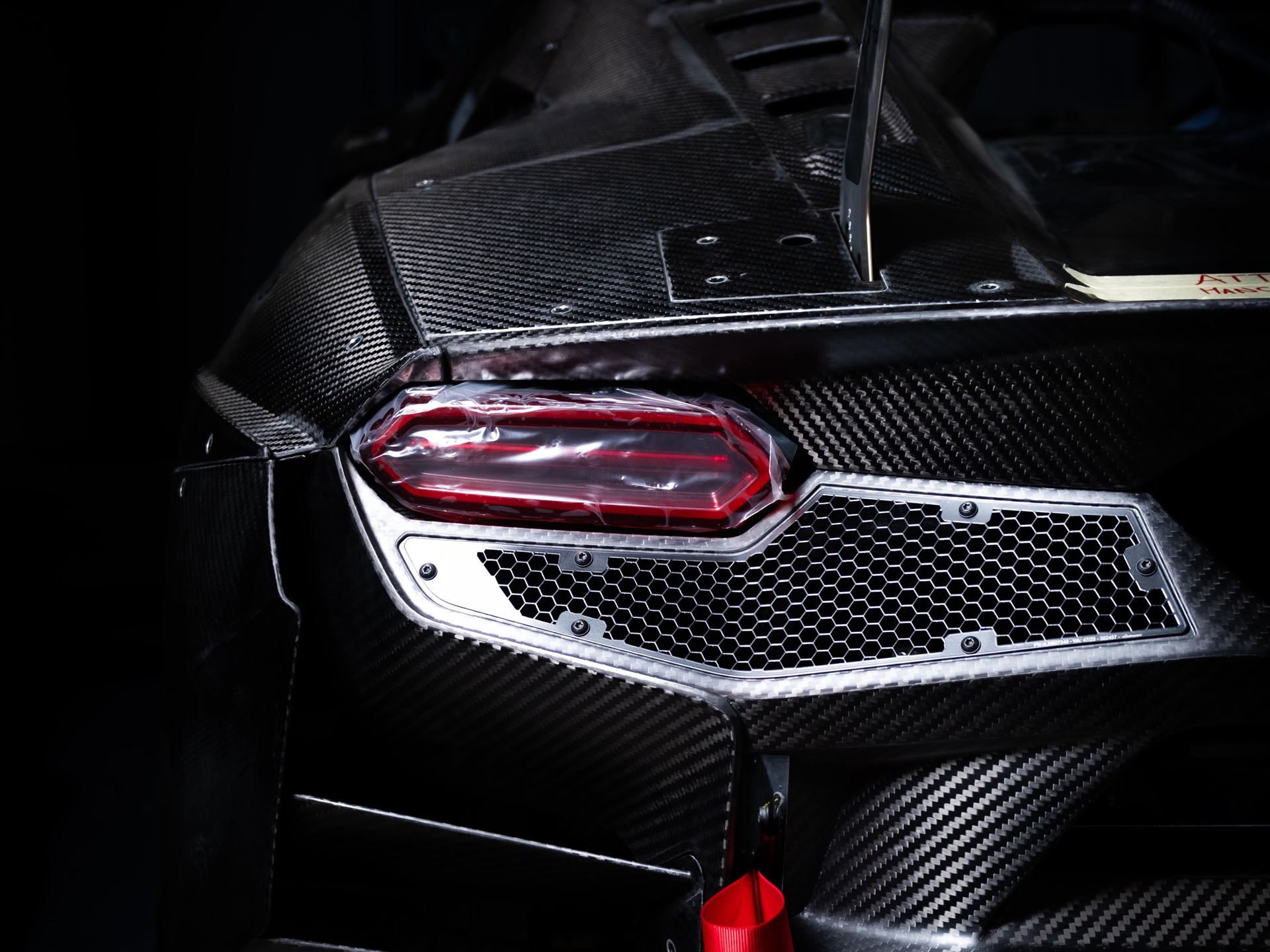
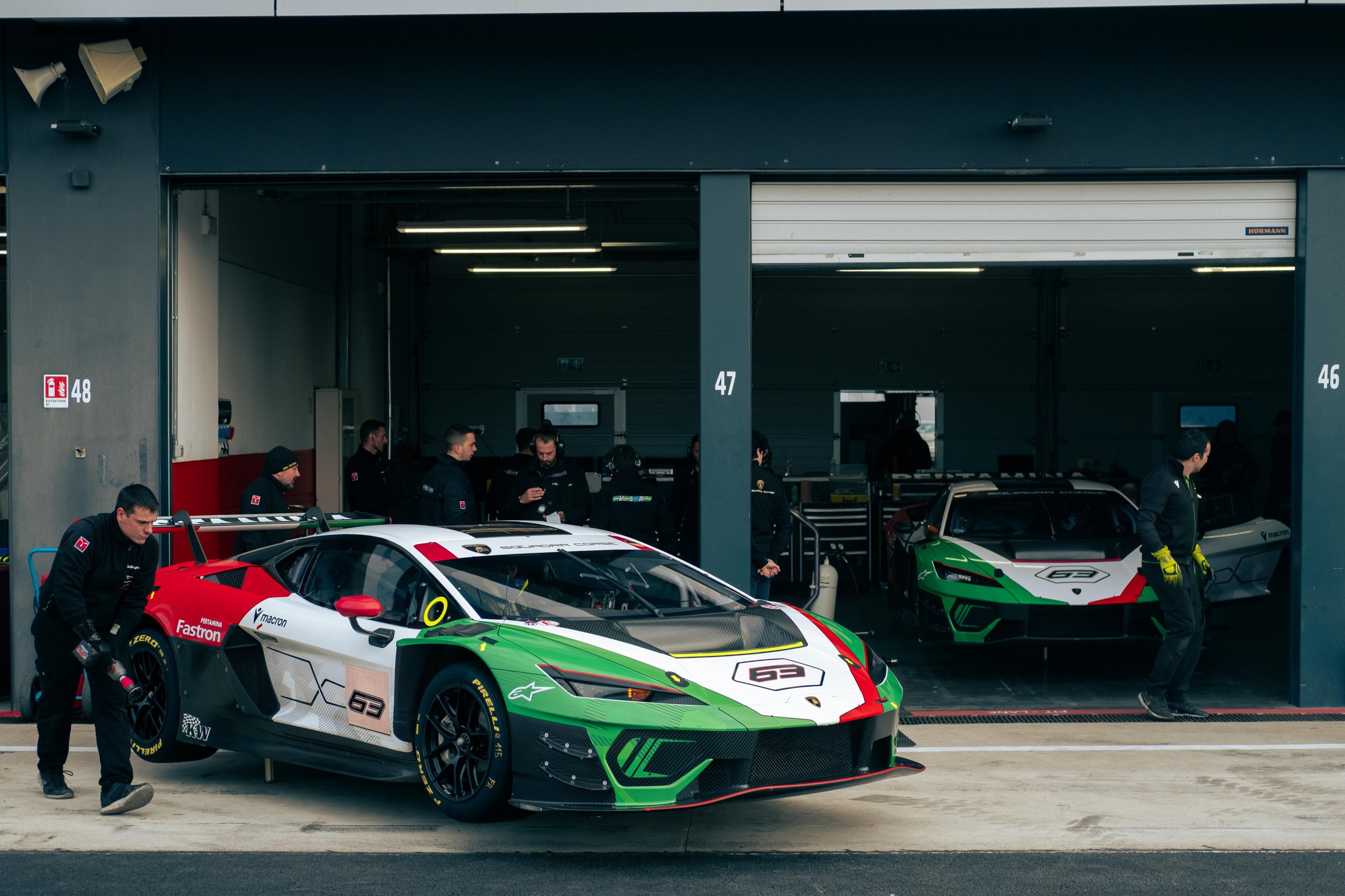
Sixty years later, that anti-racing DNA has completely reversed. Lamborghini has established five modular assembly bays dedicated to race car production at Sant’Agata Bolognese, separate from road car production. These aren’t just modified production lines but purpose-built facilities where specialized technicians hand-assemble each GT3 car from the ground up.
The transformation accelerated after Squadra Corse’s formation in 2013. Early racing Lamborghinis relied heavily on Audi Sport expertise and Reiter Engineering for development. The Huracán GT3 began shifting that balance, with later EVO and EVO2 versions gaining technical independence. Lamborghini states the Huracán GT3 achieved more than 200 race victories and 99 championship titles, validation that convinced management to go all-in with the Temerario.
This isn’t just corporate pride. Full in-house production means Lamborghini controls every aspect of the customer experience, from initial orders through race weekend support. When a team needs parts, modifications, or technical guidance, they deal directly with the people who designed and built the car. Compare that to programs where the manufacturer, engineering partner, and parts supplier are three different companies with conflicting priorities.

Technical Improvements Over the Huracán GT3
Beyond the headline powertrain change, the Temerario GT3 addresses specific complaints from a decade of Huracán racing. The car features six-way adjustable dampers, replacing the four-way units that limited setup options for teams juggling multiple driver skill levels. Those extra adjustment parameters matter when you’re trying to dial in a car for both a platinum-rated professional and a bronze-rated gentleman driver.
The car uses a six-speed racing gearbox, but the real improvement comes in what Lamborghini calls a “wider aero window.” In plain English, that means the car remains stable across a broader range of speeds and attitudes, making it more forgiving for amateur drivers who comprise the majority of GT3 customers. The Huracán earned a reputation as a knife-edge performer: devastatingly quick in the right hands but punishing for less experienced drivers.
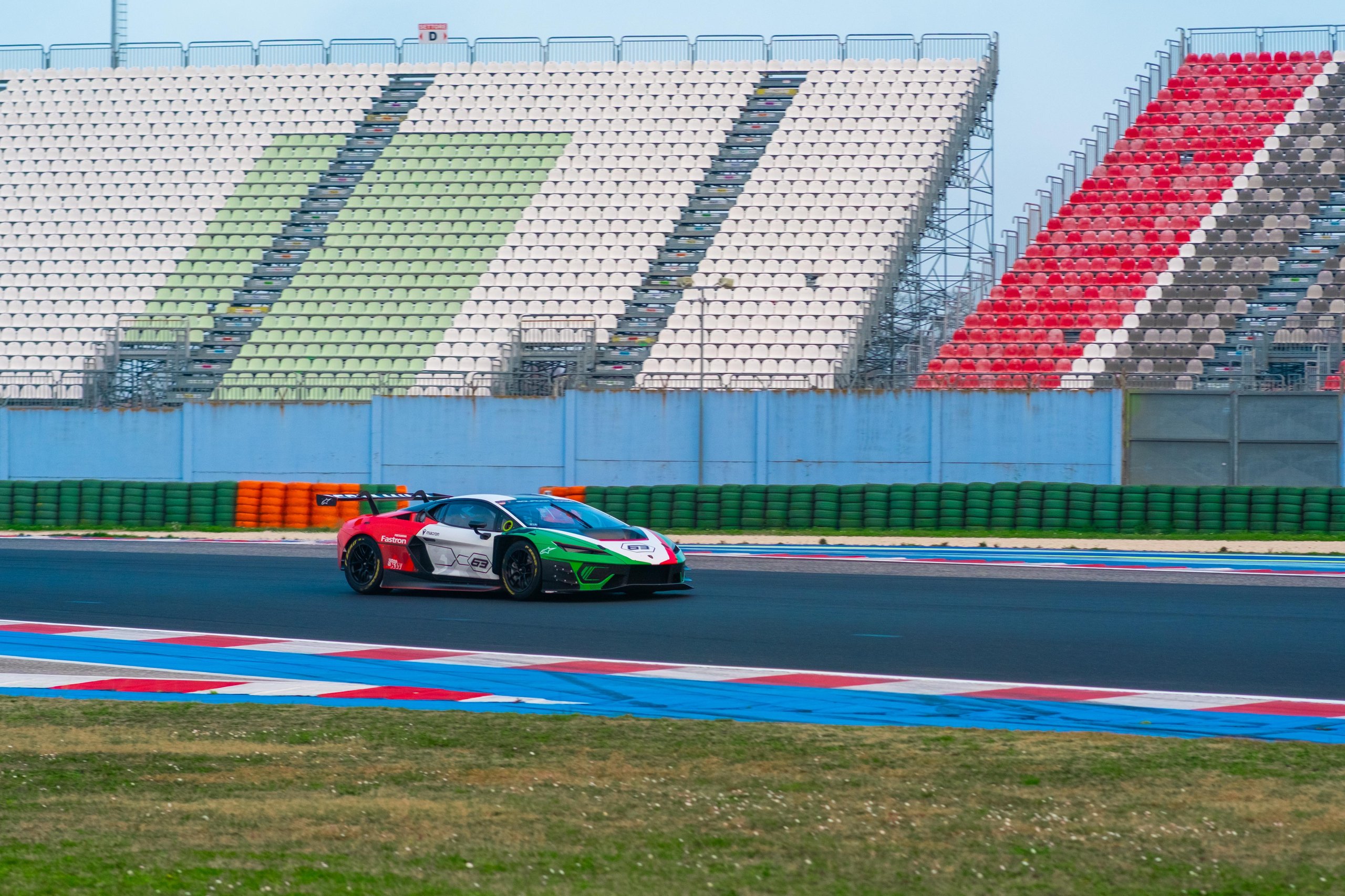
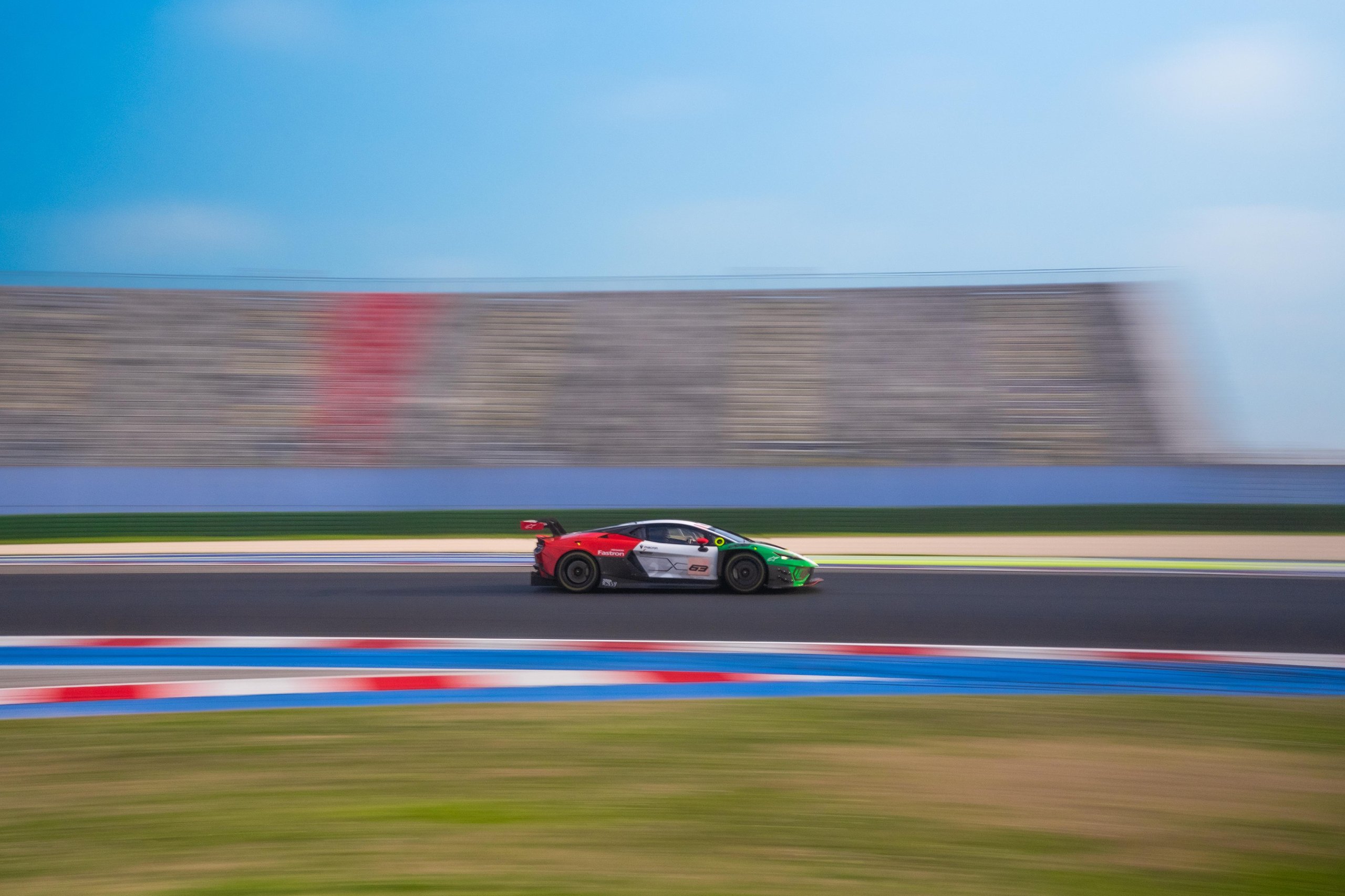
Lamborghini reports completing 15,000 kilometers of testing before the car’s public debut, with factory driver Mapelli noting the car “showed strong reliability and very clear sensitivity to setup changes” from initial tests. That’s code for “it does what you expect when you turn the knobs,” a characteristic that sounds basic but proves surprisingly elusive in complex race cars.
The parallel development with the road car also enabled smarter packaging decisions. Service items are more accessible, quick-change subframes speed up damage repairs, and the cooling system was designed from the start for 24-hour racing rather than retrofitted from a road car layout. These aren’t revolutionary features individually, but together they represent the difference between a converted road car and a purpose-built racer that happens to share some parts.

The Dedicated Race Car Facility
While competitors farm out race car production to specialist partners, Lamborghini has invested in bringing everything in-house. The five modular assembly bays at Sant’Agata can switch between GT3 and Super Trofeo configurations, operated by technicians who work exclusively on race cars. This isn’t a corner of the main factory with some extra tools but a dedicated facility with its own processes and quality controls.
The strategic value becomes clear when you consider customer support. When every Temerario GT3 is built by the same hands in the same facility, consistency improves dramatically. Problems that surface in one car can be immediately addressed across the fleet. Updates and improvements flow directly from racing experience back to the production line without the telephone game of external suppliers.
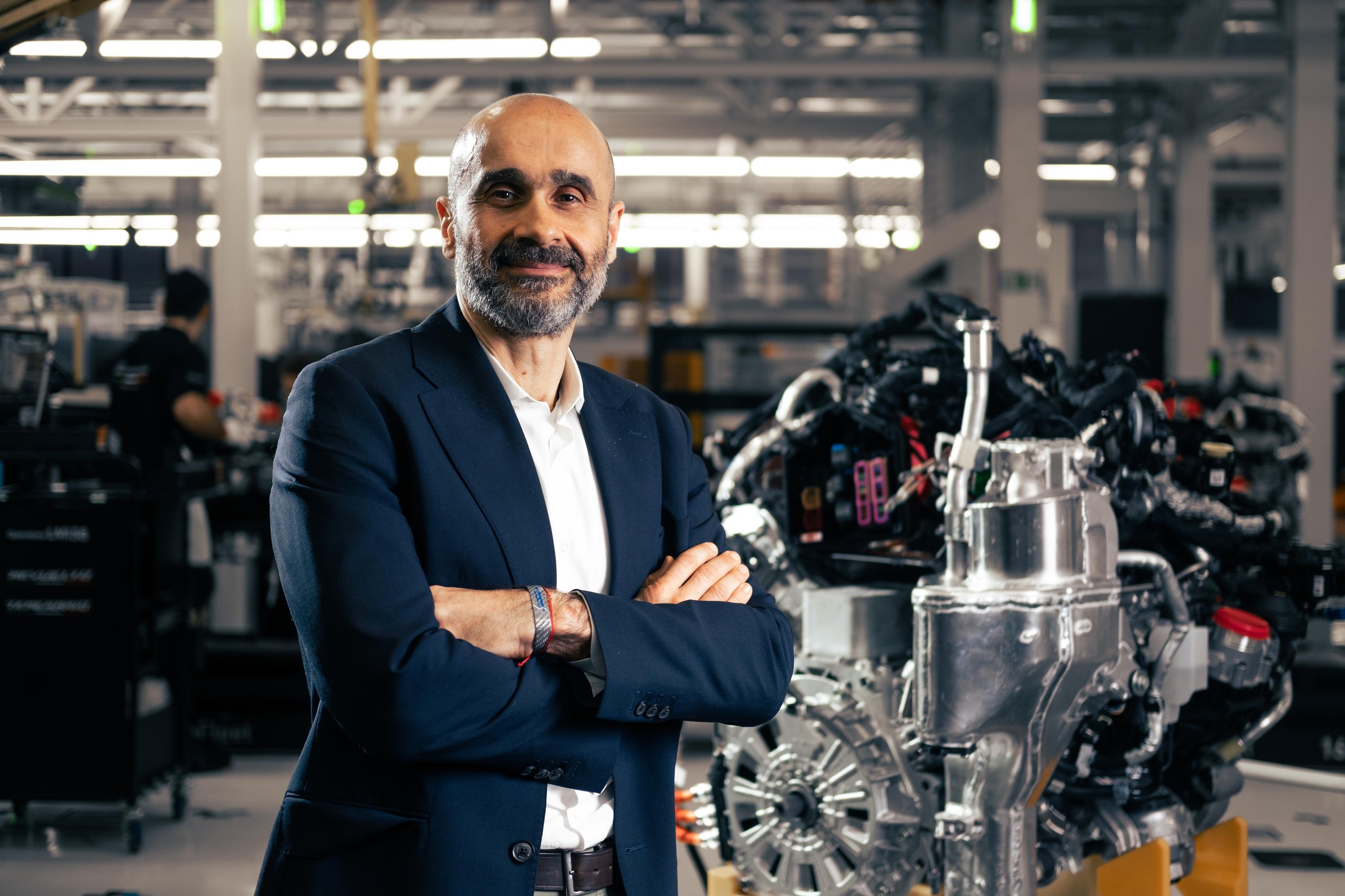
Ranieri Niccoli, Head of Production, frames it as a quality decision: “With a dedicated assembly area, we now control 100 percent of the quality process.” That’s corporate speak, but the practical impact for teams is significant. When you’re investing north of half a million dollars in a race car (based on typical GT3 pricing), knowing it was hand-built by specialists rather than modified on a production line provides confidence.
The facility also enables Lamborghini to offer more comprehensive arrive-and-drive programs. With production, engineering, and race support under one roof, the company can provide turnkey solutions for customers who want to go racing without building their own infrastructure. That’s a growing market segment as wealthy enthusiasts seek authentic racing experiences without the complexity of running a full team operation.
What’s Still Unknown: Pricing and Competition
For all the technical details Lamborghini has shared, several critical pieces remain frustratingly absent. The company hasn’t announced pricing for the new car.
The competitive landscape also remains murky. The car will debut at the 2026 12 Hours of Sebring, but one source reports the car will not be ready for the 2026 24 Hours of Daytona just weeks earlier. That suggests teams will have minimal testing before their first race, a challenging proposition for a completely new platform.
Balance of Performance (BoP) represents another unknown. Early adopters are essentially betting on favorable treatment from series organizers.
Perhaps most importantly, Lamborghini hasn’t revealed which teams have committed to the new car. Strong launch partners can make or break a new platform’s reputation. The Huracán succeeded partly because established teams like Grasser Racing and Paul Miller Racing provided immediate credibility. Without knowing who’s signed up for the Temerario, potential customers are buying into promise rather than proven results. Still, for teams seeking a genuine technical partnership with increasing manufacturer support across global GT3 racing, Lamborghini’s all-in commitment with the Temerario GT3 sends a clear message: this isn’t a marketing exercise anymore.