Two Promotions, Two Junior Winners, One Clear Message
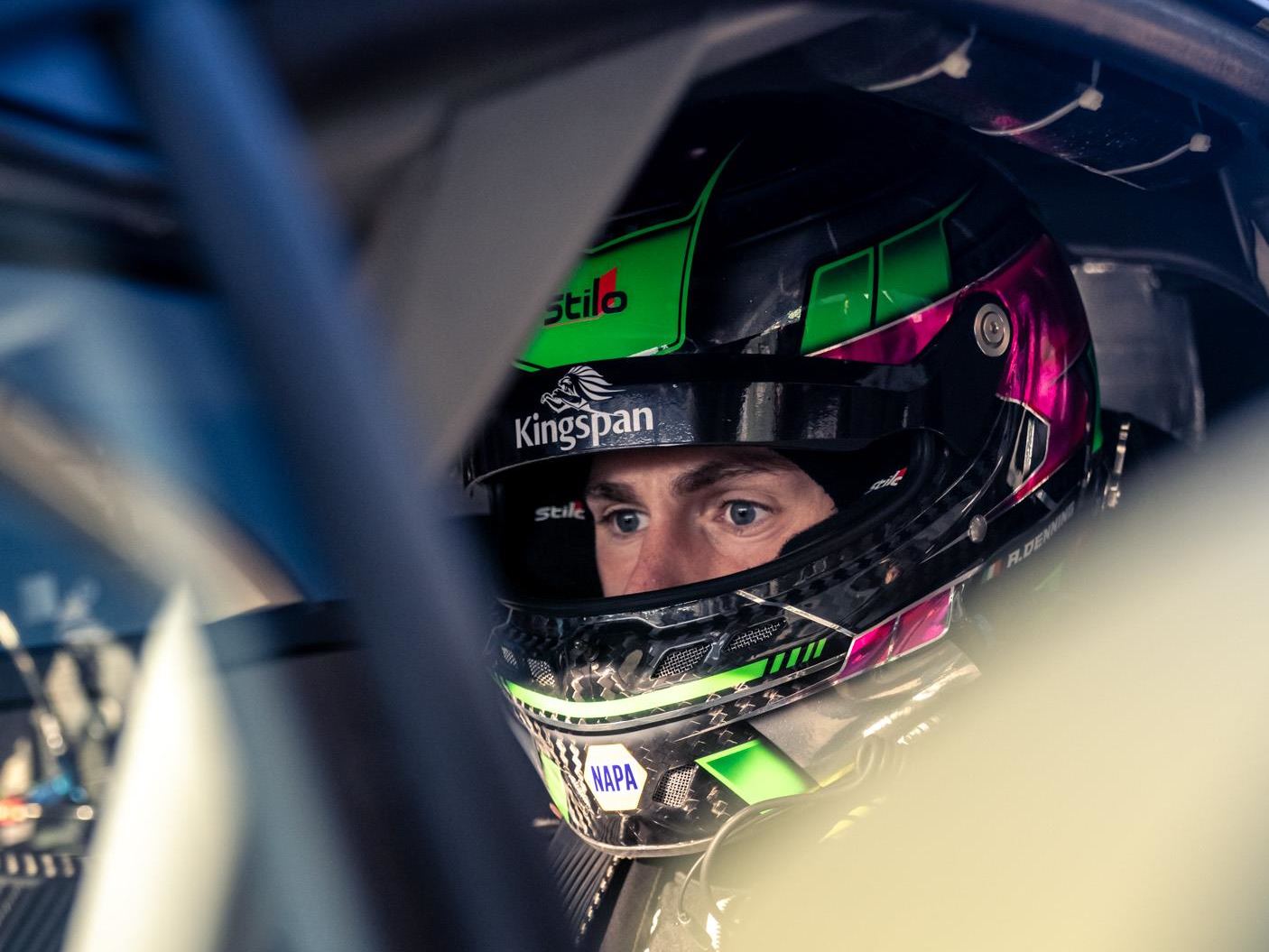
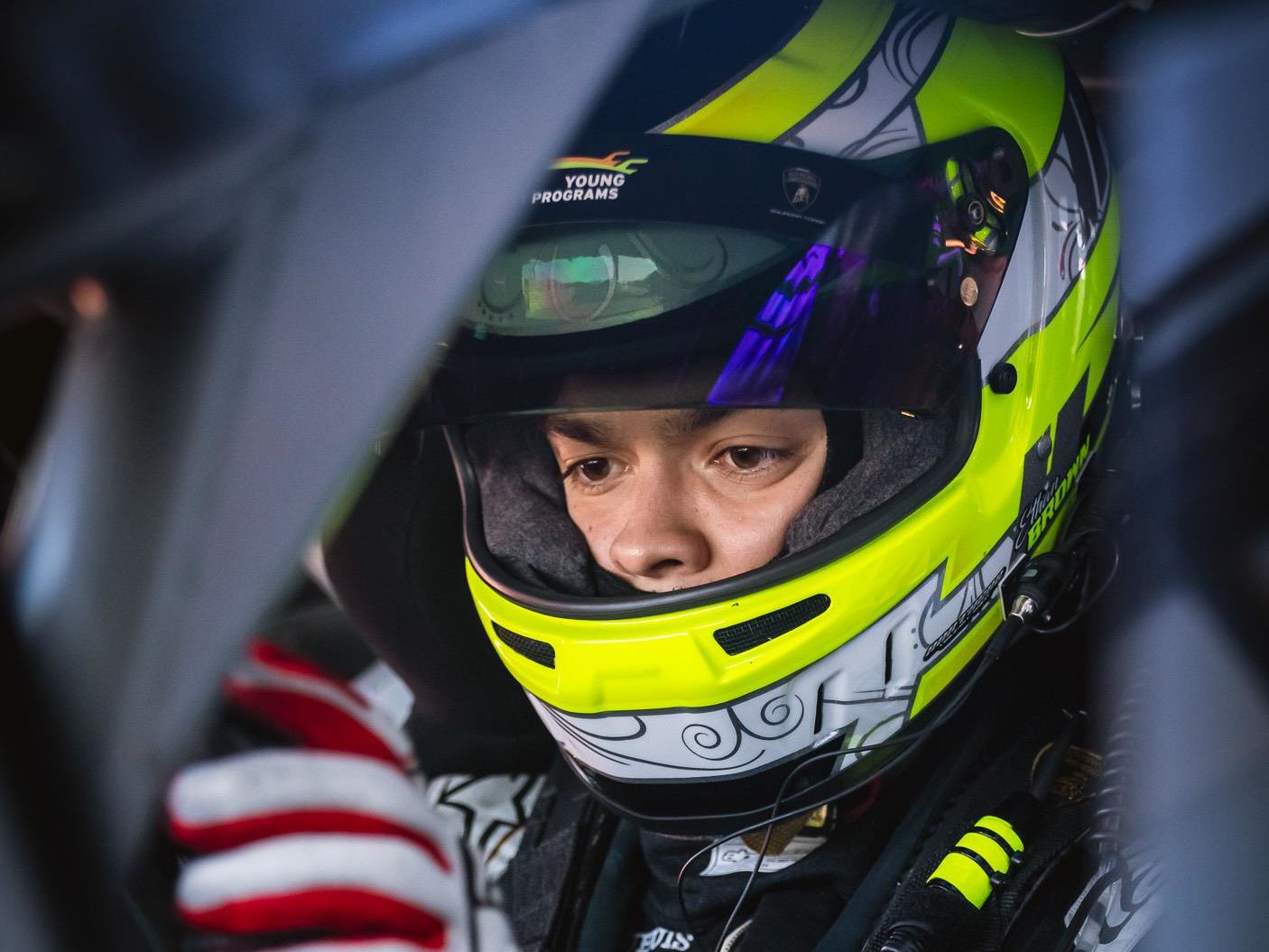
Lamborghini’s motorsport talent system just produced its latest graduating class, and the results tell you everything about how Squadra Corse intends to build its racing future. Maximilian Paul and Mattia Michelotto have been promoted from the Young Professional Driver ranks to full factory driver status for 2026, while Hugo Cook and Colin Queen were named winners of the GT3 and Super Trofeo Junior Driver shootouts, respectively. All four announcements came together, and that’s not a coincidence.
What makes this genuinely interesting, rather than just another manufacturer press cycle, is the visibility of the pathway. Both are now factory drivers after progressing through Lamborghini’s development structure, including the Young Professional ranks. They’ll be piloting the new Lamborghini Temerario GT3 across national and international championships. Cook and Queen, meanwhile, won their respective junior driver shootouts.
For anyone following GT racing or considering the Lamborghini customer racing ecosystem, this is worth paying attention to. Lamborghini says the promotions reflect its focus on developing young drivers through the Young Driver Programs. Whether you’re a team owner evaluating manufacturer partnerships or a young driver weighing your options, the message is clear: Lamborghini wants you to see the receipts.
The Lamborghini Ladder: How the Young Driver Programs Actually Work
Most major manufacturers in GT racing run some form of driver development scheme, but few publicize the mechanics as openly as Lamborghini did with this announcement. Over the course of the year, Squadra Corse’s technical staff assessed a total of 20 drivers: 16 from the Super Trofeo ranks and four from GT3 programs. The evaluations, according to Lamborghini, covered performance, progression, consistency, technical feedback, physical fitness, and professionalism both at and away from the track. Drivers were supported throughout by Young Driver Program partners Scuola Federale ACI.
The end-of-season shootout at Misano Adriatico in November provided the final assessment. For the GT3 Junior category, the simulation was notably granular. Lamborghini says the process included a 19-lap practice session (15 timed, with the first 10 on fresh tires), followed by a technical debrief, then a 17-lap qualifying simulation (15 timed), another engineering debrief, and finally a 24-lap race simulation run on the same set of tires used in qualifying. That last detail matters: it tests not just raw pace but tire management and consistency over a stint, precisely the skills that separate good GT3 drivers from great ones.
Few competitors in the reporting landscape have bothered to explain what the shootout actually involves, which is a shame, because it reveals how seriously Lamborghini takes the selection process. This isn’t a single hot-lap contest. It’s a compressed race weekend designed to expose every dimension of a driver’s ability under controlled conditions.

Maximilian Paul: A Family Operation Goes Factory
Paul’s story is one of the more compelling narratives in the current GT3 paddock. The 25-year-old from Dresden hasn’t just been racing Lamborghinis; he’s been running a team while doing it. For the past two seasons, he balanced driving campaigns in both DTM and GT World Challenge Europe with his family’s Paul Motorsport operation, a dual role that demands a level of organizational maturity well beyond his years.
The results have backed up the ambition. Lamborghini highlights his maiden DTM race victory at the Nurburgring in 2023 with Grasser Racing Team, achieved in changeable conditions, the kind of race that rewards adaptability over raw pace. He has also secured victories in International GT Open racing with Oregon Team. On the team management side, Paul Motorsport won a race in ADAC GT Masters at Zandvoort last year, and Paul earned his family team its first DTM podium at the same circuit.
More recently, Paul secured a podium finish in the Pro-Am class at the 2025 Nurburgring 24 Hours. The transition to factory status formalizes what the paddock already knew: Paul is one of the most complete young drivers in GT racing, capable of delivering results while simultaneously building a business around the car.
It’s worth noting that running a family team while competing as a driver is genuinely rare at this level. Most factory driver candidates are focused exclusively on their own seat time. That Paul managed both, and impressed Squadra Corse enough to earn promotion, suggests Lamborghini values more than just lap times in its evaluations.

Mattia Michelotto: The Super Trofeo Graduate
Michelotto’s path to factory status reads like the textbook case for how Lamborghini’s ladder is supposed to work. He first gained recognition in the Super Trofeo Europe championship as a teenager in 2021, and his maiden season delivered an emphatic statement: a dominant victory at the Lamborghini World Finals at Misano, where he and teammate Karol Basz secured maximum points with two pole positions and two race victories.
From there, the trajectory was steady. In 2023, Michelotto was a Super Trofeo Europe championship contender, finishing second alongside VSR teammate Gilles Stadsbader. Lamborghini also notes he placed second in the Italian GT Championship Sprint Cup that same year. The breakthrough title came in 2025, when he clinched the Italian GT Championship Sprint Cup Pro-Am crown with Ignazio Zanon.
His progression from Super Trofeo Europe in 2021 to factory driver for 2026 is precisely the career arc Lamborghini designed its programs to produce.

The Next Generation: Hugo Cook and Colin Queen Step Onto the Ladder
While Paul and Michelotto represent the system’s output, Cook and Queen represent its intake, and both bring credible credentials to the junior ranks.
Hugo Cook, the GT3 Junior Driver winner, competed in the British GT Championship with Barwell Motorsport and finished second in the drivers’ standings. Lamborghini says he took a win alongside teammate Rob Collard at Oulton Park and also contested the GT World Challenge Europe Sprint Cup with Barwell, partnering with current Lamborghini Factory Driver Sandy Mitchell. That last detail is significant: Cook has already been embedded alongside a factory driver in competitive environments, which should accelerate his development.
Colin Queen’s story is arguably even more striking. In his first season of GT racing, the American competed in the Lamborghini Super Trofeo North America championship and finished third at the World Finals. He picked up three podiums in the regular season at Laguna Seca, Watkins Glen, and Misano. For a debut campaign, that’s a strong return, particularly given the caliber of the Super Trofeo field, which included his teammate and 2024 shootout winner Enzo Geraci.
The shootout field itself was international. Queen competed against drivers from the North American, Asian, and European Super Trofeo series, including competitors from Macau, Ireland, Singapore, South Africa, and Italy. That geographic breadth reflects the global scope of Lamborghini’s one-make championships and the talent pool they draw from.

The Temerario GT3: New Machinery for a New Era
Both Paul and Michelotto will be racing the new Lamborghini Temerario GT3, which represents a fundamental shift for the brand’s GT3 program. Motorsport.com reports the Temerario GT3 as Lamborghini’s new in-house GT3 car.
According to reports, the Temerario GT3 is built around a 4.0-liter twin-turbo V8. The hybrid system from the road car has been removed to comply with GT3 regulations, and the chassis is an adapted aluminum spaceframe from the production Temerario, extensively lightened for racing. Based on available reporting, the car features new 6-way adjustable KW dampers and carbon composite bodywork.
For teams and drivers who built their programs around the Huracan’s characteristics, this transition means adapting to an entirely new powerband, different weight distribution, and the complexities of turbo management in wheel-to-wheel racing. Pairing that new machinery with freshly promoted factory drivers is a deliberate strategic choice: Paul and Michelotto will learn the Temerario GT3 without the baggage of years of muscle memory from its predecessor, while bringing enough experience to provide meaningful development feedback.
Here’s the practical takeaway for anyone in the Lamborghini customer racing world: the Temerario GT3 is not just a new car, it’s a reset. Teams will be watching how the factory drivers perform with it closely, because their data and feedback will shape the setup packages and support that trickle down to customer entries. The quality of Lamborghini’s factory driver roster directly affects the quality of the product every customer team receives.
How Lamborghini’s Driver Development Compares
Every major GT3 manufacturer runs some version of a young driver program, but the structures vary considerably.
What distinguishes Lamborghini’s approach is the direct, visible connection between its one-make Super Trofeo series and its factory GT3 roster. The Super Trofeo operates across three continental championships (Europe, North America, and Asia) plus the annual World Finals, creating a broad scouting base. Michelotto’s career is the clearest proof of concept: from Super Trofeo Europe in 2021 to factory driver for 2026, with Lamborghini’s Young Driver Programs including assessments throughout.
The transparency of the assessment criteria is also notable. By publicly detailing the shootout format, the number of drivers evaluated, and the specific competencies measured, Lamborghini is essentially publishing the rubric. That’s useful information for any aspiring driver or team manager trying to understand what it takes to progress. Whether the program’s output matches or exceeds rival manufacturer systems is difficult to quantify, but the pipeline is clearly producing results, and the brand is not shy about showcasing it.

What Comes Next for Squadra Corse’s Talent Pool
Several critical questions remain unanswered despite the detailed announcement.
For Cook and Queen, the path forward is similarly undefined in terms of specifics. The Junior Driver title gives them a foothold in Lamborghini’s system, but the exact support, whether that means funded seats, engineering resources, or simply priority access to factory data, hasn’t been detailed publicly. If the trajectories of Paul and Michelotto are any guide, both juniors can expect increasing levels of responsibility and opportunity over the next two to three seasons.
Rouven Mohr, Interim Head of Motorsport at Automobili Lamborghini, framed the promotions as validation of the program’s long-term approach. The broader context is that Lamborghini has added Paul and Michelotto to its factory roster as it introduces the Temerario GT3, a coordinated generational shift that positions the brand for the next competitive cycle. Whether the Temerario GT3 proves as successful as the Huracan it replaces will depend in no small part on the drivers now tasked with developing and racing it. On paper, at least, Squadra Corse has given itself a strong hand to play.
Gallery