Lamborghini Bundang Opens Its Doors With the Urus SE as Centerpiece
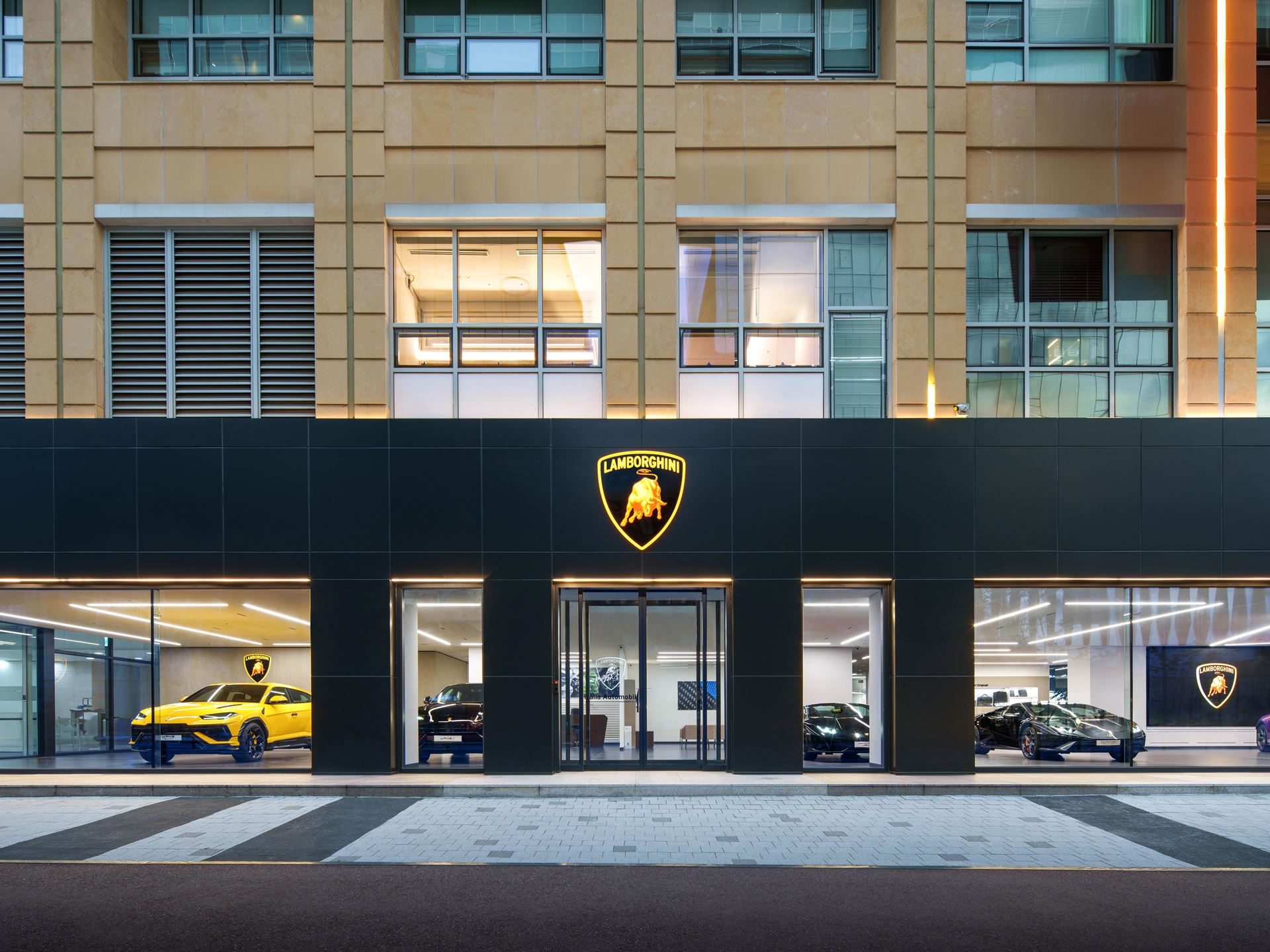
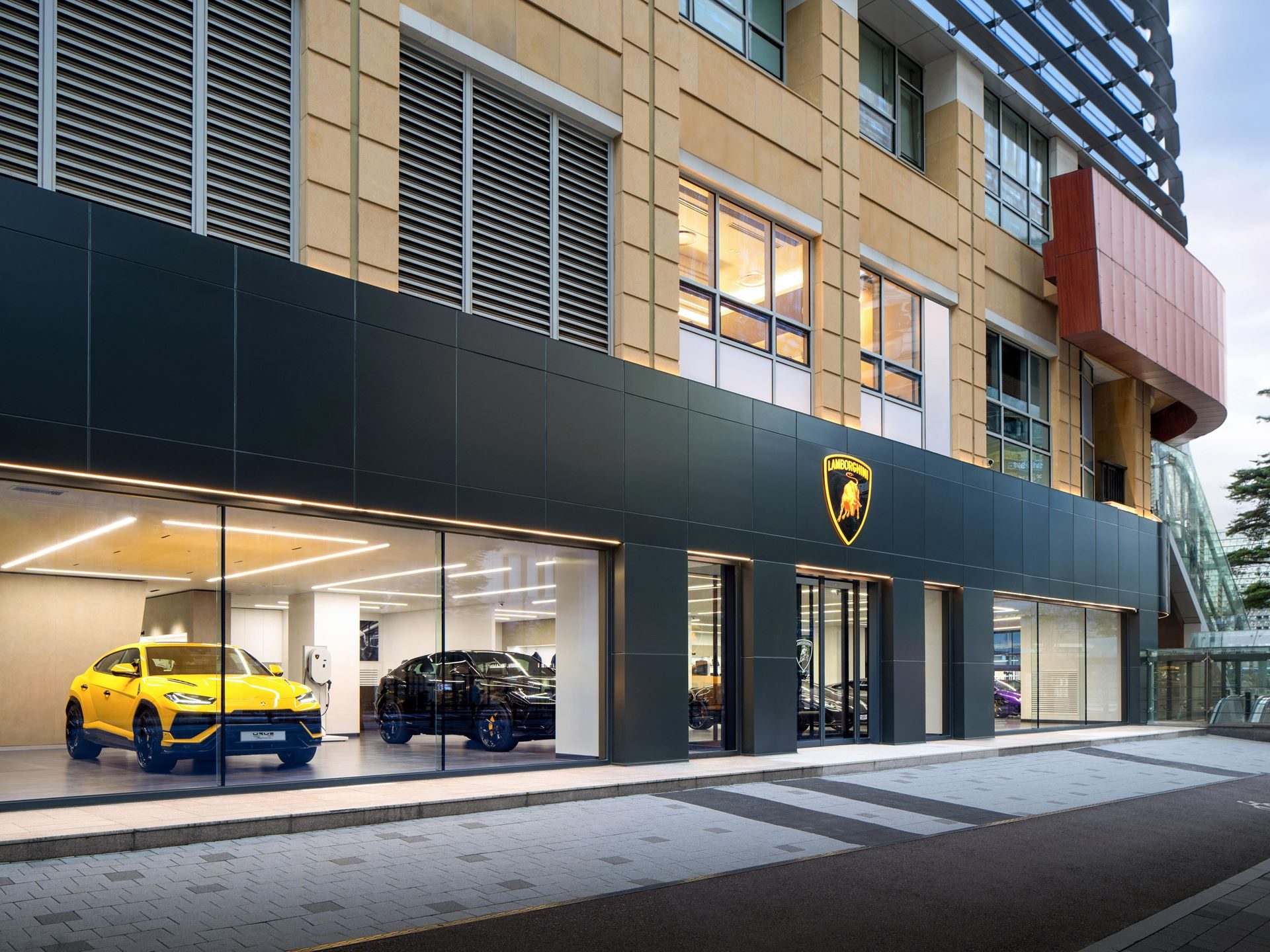
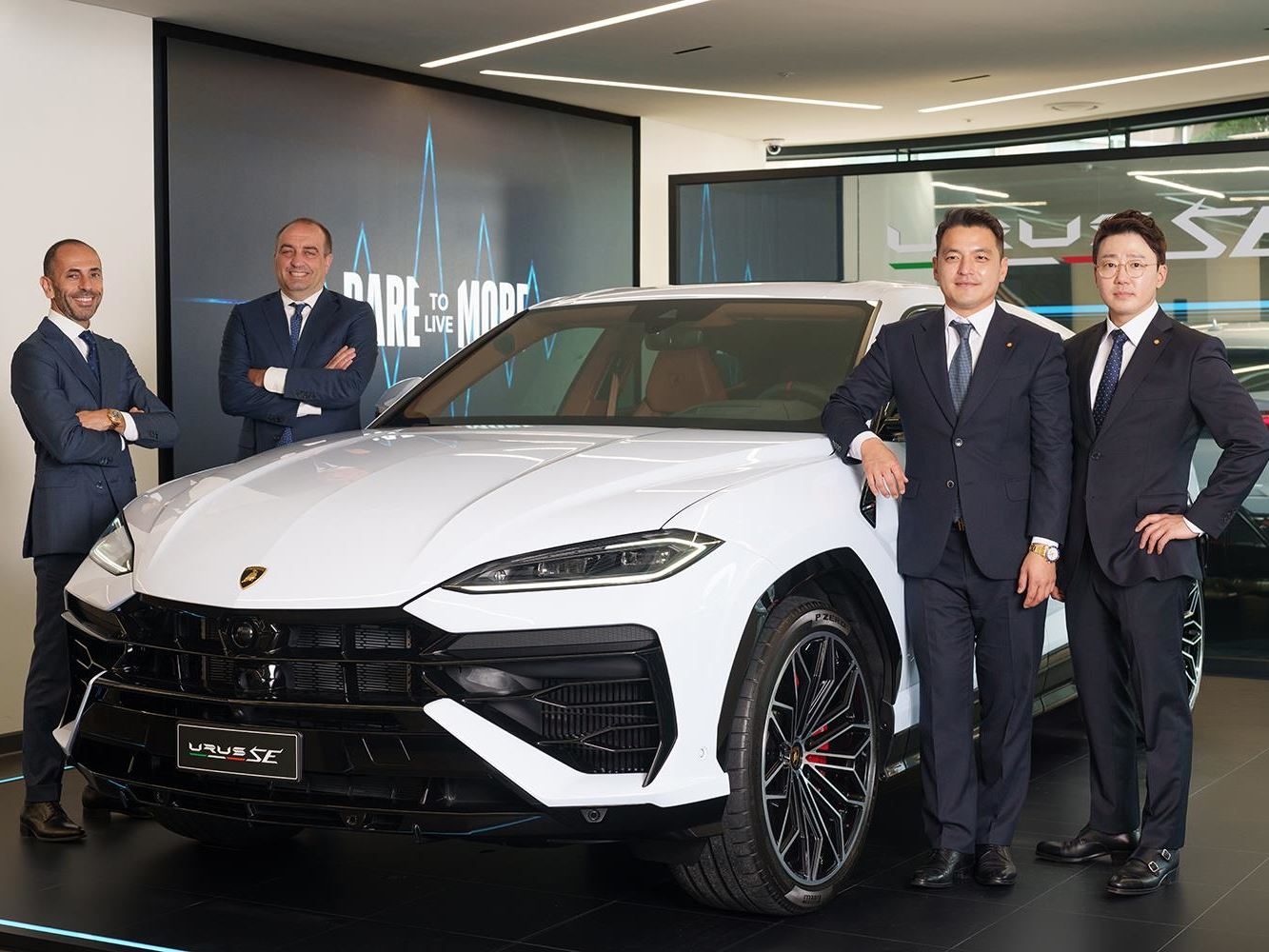
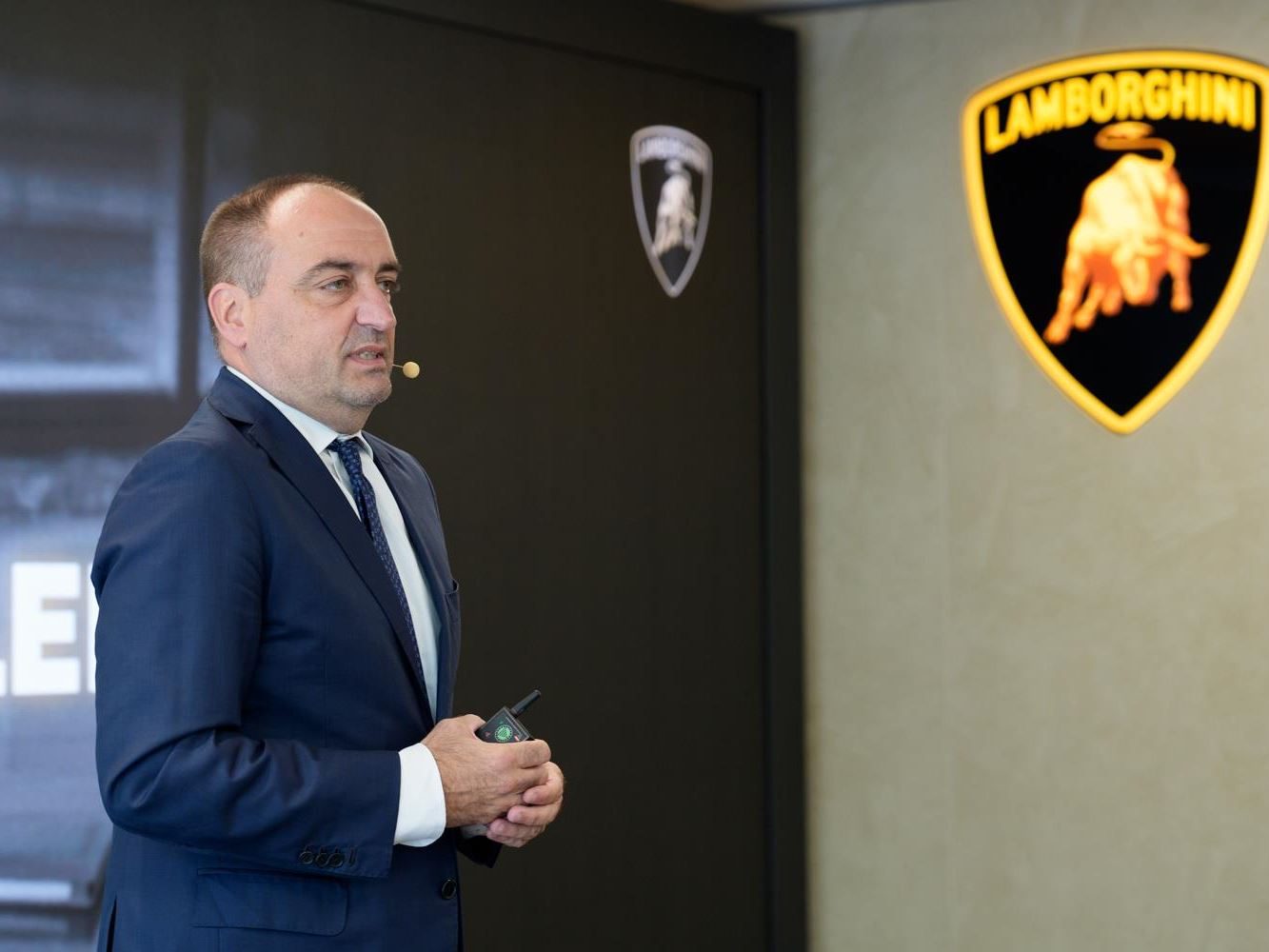
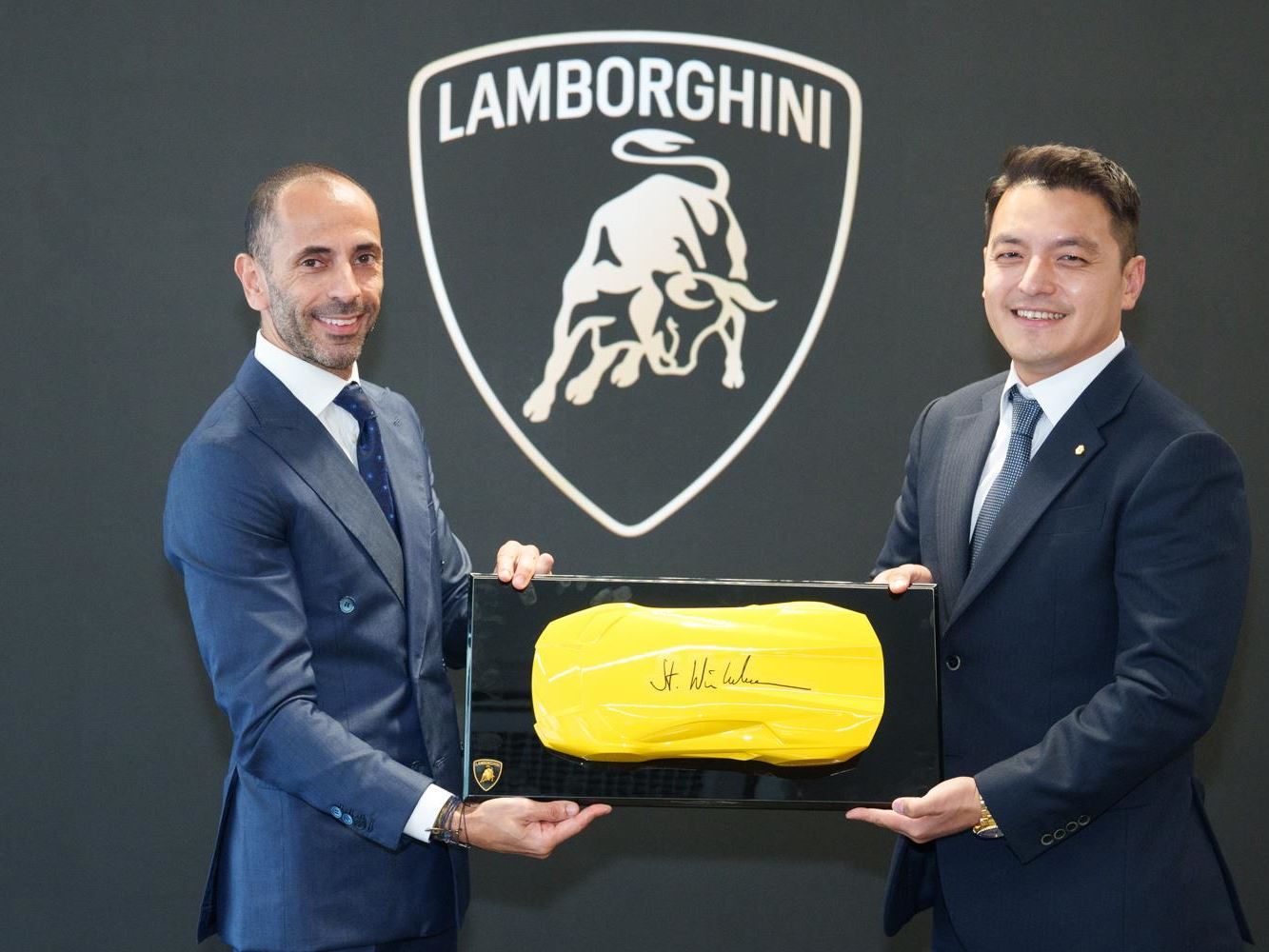
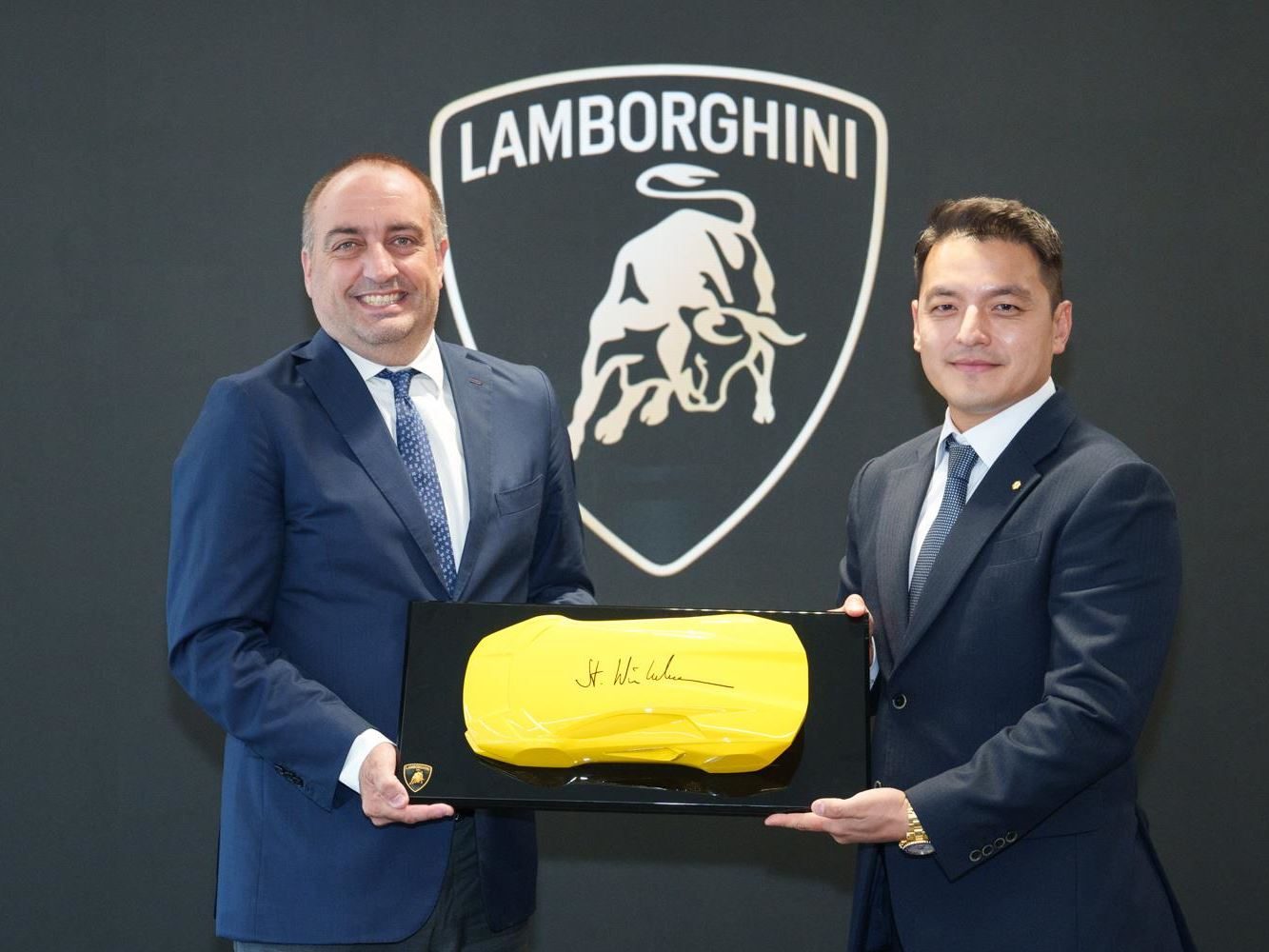
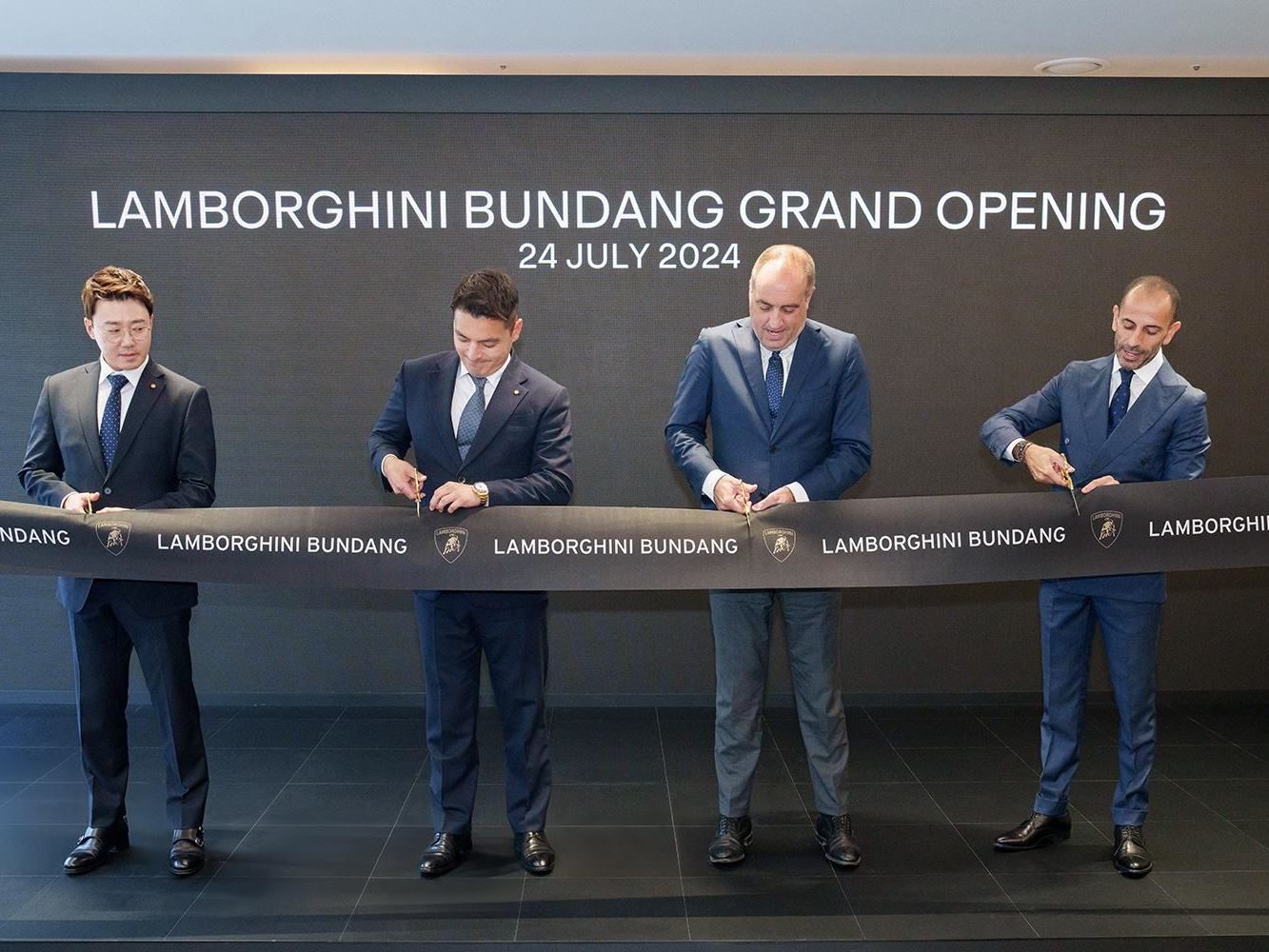
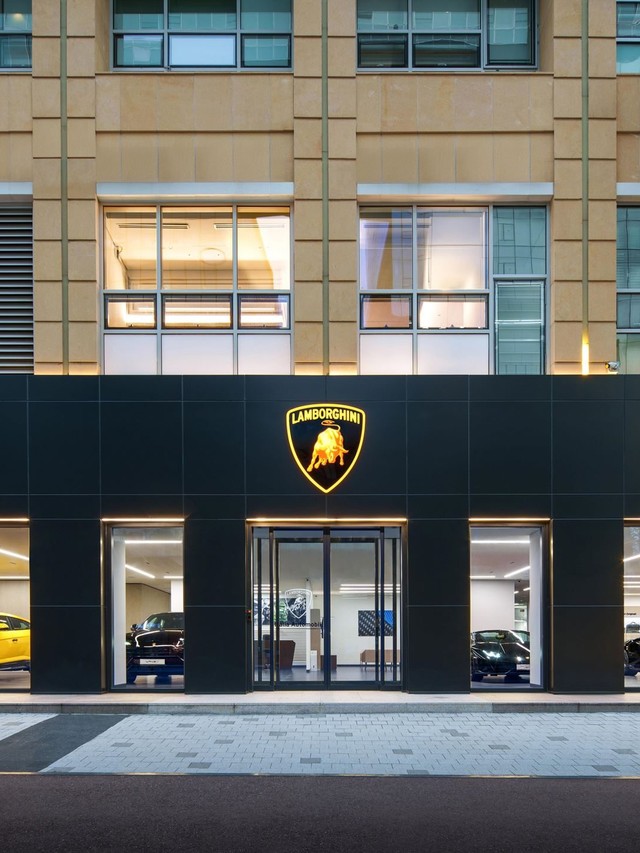
On July 25, 2024, Lamborghini cut the ribbon on a new showroom in Bundang, South Korea, placing a white Urus SE at the center of the floor and roughly 100 guests around it. The facility, operated in partnership with Italia Automobili, sits near Pangyo Techno Valley, a district Lamborghini’s own materials describe as a concentration point for major Korean IT and technology headquarters. Federico Foschini, the brand’s Chief Marketing and Sales Officer, and Francesco Scardaoni, Region Director for Asia-Pacific, both attended the ceremony.
The choice to anchor the evening around the Urus SE rather than a Revuelto or Huracán tells you where Lamborghini sees the commercial energy in this market. The Urus remains the company’s best-selling model worldwide, and the SE variant is its first plug-in hybrid SUV. Placing that car on the pedestal at a dealership grand opening, in a neighborhood defined by tech-sector purchasing power, is Lamborghini drawing a deliberate line between its hybridization roadmap and the buyers it expects to fund it. Every detail of this launch, from the location to the showroom’s Ad Personam studio to the car on the floor, reinforces a single bet: that South Korea’s tech corridor is fertile ground for the electrified Lamborghini era.

Why Bundang, and Why Now
Lamborghini positions South Korea as its seventh-largest market globally and third in the Asia-Pacific region. Those rankings come directly from the company, and while independent verification of exact placement is scarce, the broader trend is visible to anyone watching luxury registrations in Seoul and its satellite cities. Bundang, the largest and most populous district of Seongnam according to Lamborghini’s own description, sits southeast of Seoul and is easily accessible from the Gangnam district. The Bundang-Pangyo corridor is home to a dense cluster of IT companies, and the brand explicitly ties the area’s purchasing power to that tech presence.
Pangyo Techno Valley functions as South Korea’s answer to Silicon Valley, a place where young wealth is generated quickly and where the appetite for performance vehicles intersects with enthusiasm for advanced technology. A plug-in hybrid SUV from Sant’Agata fits that profile more neatly than a naturally aspirated V12 might, at least on paper. Francesco Scardaoni described the market growth in South Korea as “strong and rapid” and called the Bundang appointment a natural progression. Whether this translates into measurable sales volume for the new location remains to be seen, but Lamborghini is clearly betting that the tech corridor justifies a dedicated retail presence rather than relying solely on its existing Korean operation. The location itself is the argument: put the hybrid where the tech money lives.
The Urus SE and Direzione Cor Tauri: Selling the Hybrid Transition in Person
According to Lamborghini, 2024 marks the second phase of its Direzione Cor Tauri electrification strategy, with a second hybrid model joining the lineup. The Revuelto, a V12 plug-in hybrid supercar, opened that chapter. The Urus SE continues it in the segment that actually moves volume.
Lamborghini describes the Urus SE as the most powerful version of its best-selling model. Specific output figures and emissions data were not finalized at the time of the opening; the company noted that the vehicle was not yet offered for sale and that type-approval testing was still underway. That caveat is worth flagging for prospective buyers: if you walked into Lamborghini Bundang on opening night, you could admire the car and spec one in the Ad Personam studio, but you could not drive it home.
The strategic logic, though, is unmistakable. Showcasing a plug-in hybrid at a dealership opening rather than a motor show or private event puts the car where purchase decisions actually happen. Buyers in the Bundang-Pangyo area, many of whom work in industries that think in terms of efficiency and innovation, get to see and touch physical evidence that Lamborghini’s hybrid pivot produces something tangible, not just a concept sketch or a press conference slide. Whether the SE ultimately delivers on the promise of combining plug-in efficiency with Lamborghini-grade performance is a question that will be answered once independent reviews and real-world ownership data accumulate. For now, the car’s role at this opening is less about specifications and more about signaling: the hybrid future is no longer a corporate strategy deck. It is sitting on a showroom floor in South Korea’s tech heartland.

Inside the Ad Personam Studio: Where the Real Selling Happens
The Bundang showroom spans 540.62 square meters of ground-floor space, and Lamborghini made a point of calling out its dedicated Ad Personam room. This is the customization studio where buyers configure exterior colors, interior trims, upholstery, and materials using Lamborghini’s Car Configurator, with physical samples of leather, Alcantara, and carbon fiber available for inspection by touch and, as the company puts it, by smell.
Ad Personam is not new to the Lamborghini network, but its inclusion in a market-expansion showroom signals how central personalization has become to the brand’s retail strategy, particularly as it courts a new generation of tech-industry buyers. For clients spending well into six figures on a vehicle, the ability to sit in a quiet room, handle actual material swatches, and see how a particular shade of stitching looks against carbon-fiber trim is a meaningful part of the purchase. It also tends to drive higher transaction values, because once you start touching options, you start adding them. Experienced Lamborghini buyers know this ritual well: the configurator is where a base spec quietly becomes a heavily optioned build.
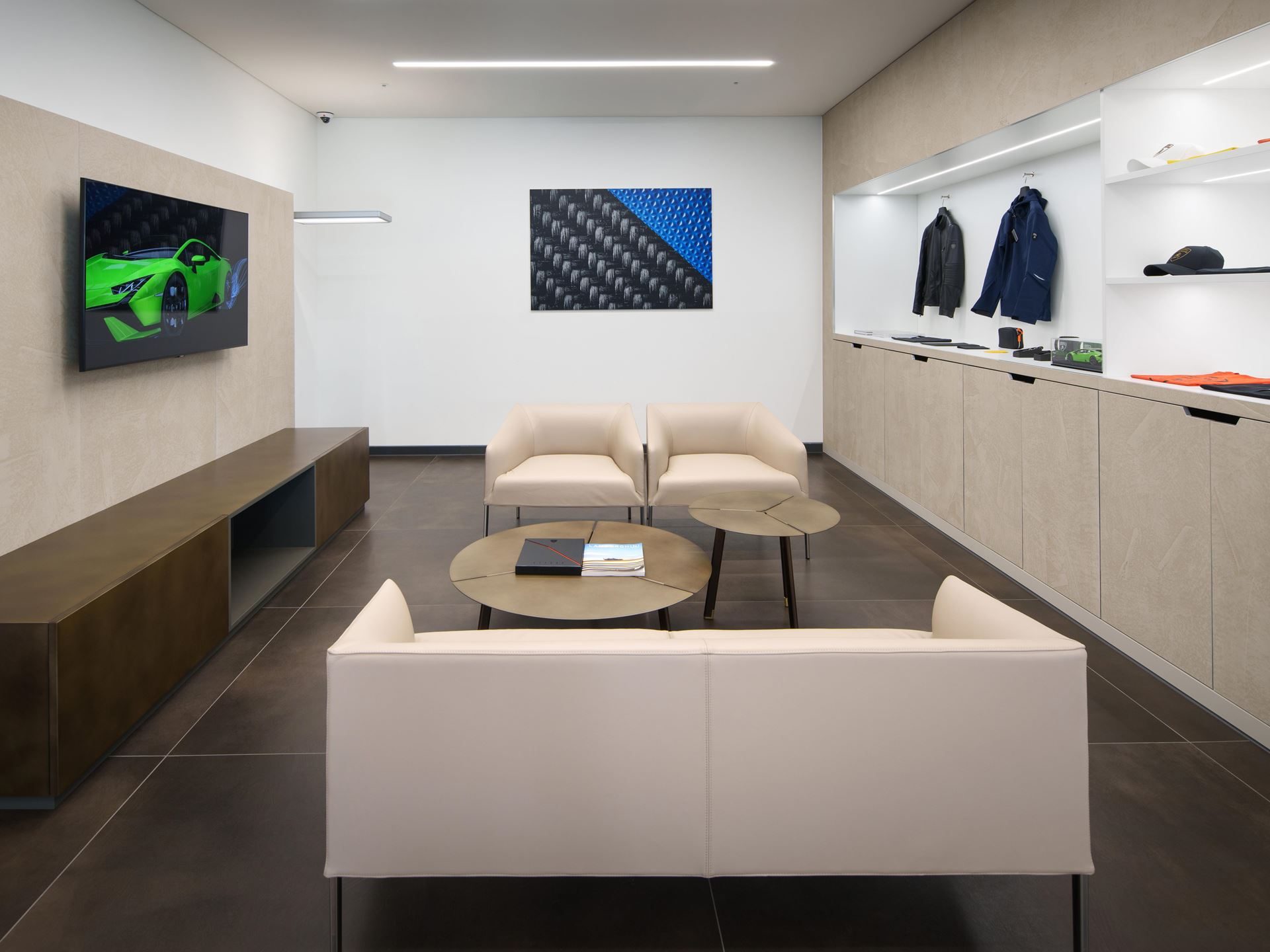
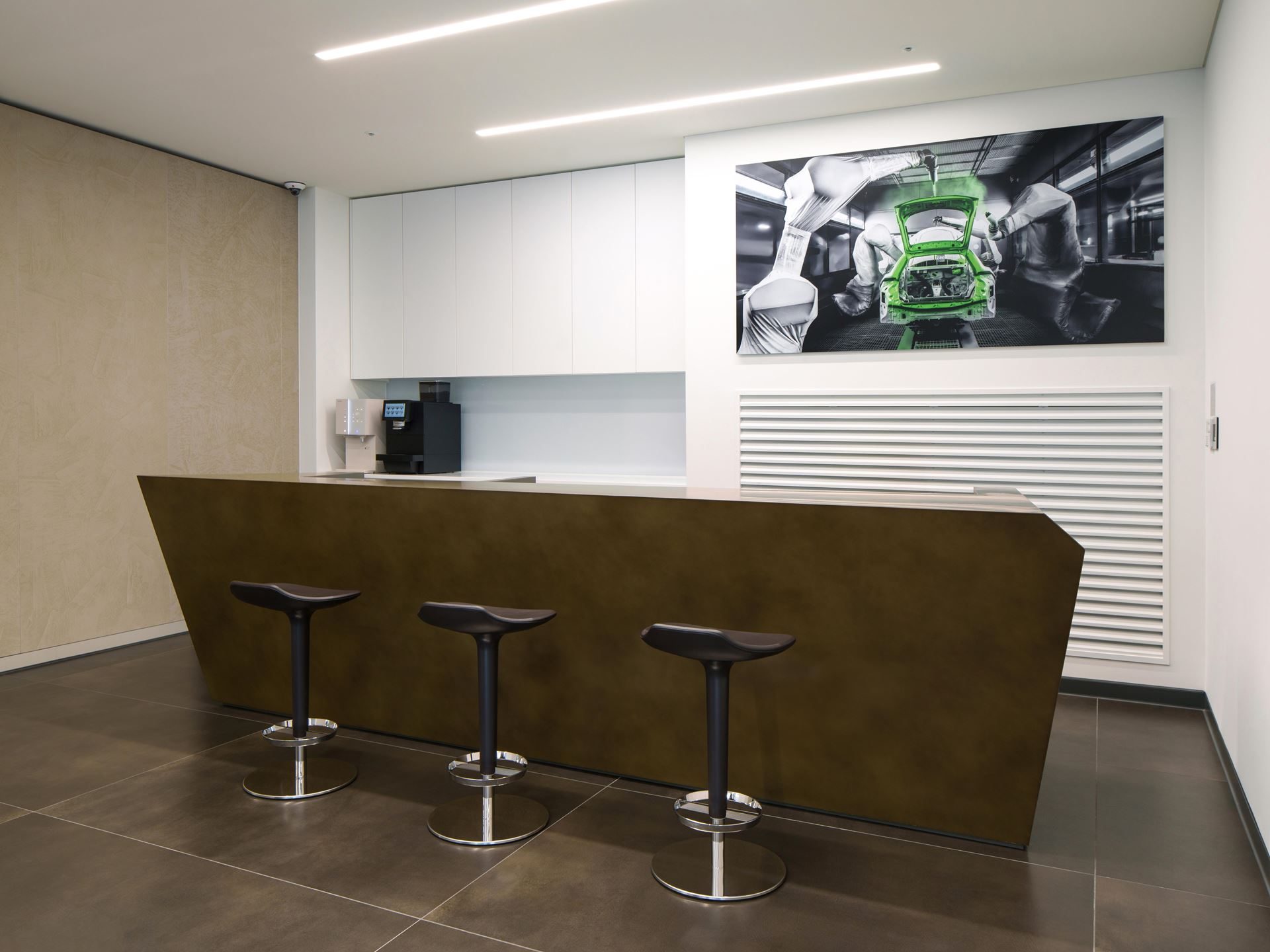
Beyond the Ad Personam room, the showroom includes a lounge area with modern seating and a display screen, a bar-style hospitality space, and sections for Lamborghini’s Collezione fashion line and Accessori Originali accessories. The overall effect, visible in photos from the opening, is a facility designed to keep clients comfortable and engaged far longer than a quick test-drive appointment would require. In a market where Lamborghini is asking buyers to embrace a new powertrain philosophy, that extended dwell time matters. The longer a prospective owner sits with the hybrid Urus SE configuration on screen and the material samples in hand, the more natural the transition feels.

Competitive Context: What Lamborghini Is Really Defending in Korea
A new showroom in an affluent tech district is, on its own, a fairly routine piece of luxury-brand expansion. What makes Lamborghini Bundang interesting from a competitive standpoint is timing. Every major European performance brand is pushing into South Korea with increasing urgency, and every one of them is simultaneously navigating a powertrain transition. Ferrari, Porsche, and McLaren all maintain or are expanding Korean retail presences, and all are introducing electrified models into markets where buyers are both tech-literate and status-conscious.
Lamborghini’s advantage in this particular corridor is the Urus. No other brand in the segment offers a plug-in hybrid super-SUV with the same combination of visual drama and performance positioning. The Urus SE, once it clears type approval and reaches Korean buyers, will compete against electrified SUVs from rivals, but it arrives with the benefit of the Urus nameplate already being Lamborghini’s volume leader. That brand recognition, paired with a dedicated Ad Personam experience in a location chosen for its proximity to high-income tech professionals, gives Lamborghini a specific retail thesis: put the car where the money is, let buyers configure it in person, and let the hybrid powertrain speak to an audience that values innovation.
Whether that thesis converts to market-share gains depends on execution, pricing (which Lamborghini has not disclosed for the Korean market), and how quickly the Urus SE actually becomes available for delivery. For now, Lamborghini Bundang is a statement of intent, and a well-located one at that.

What This Means for Lamborghini Buyers and Enthusiasts
If you are a current or prospective Lamborghini owner in the Seoul Capital Area, the practical takeaway is straightforward: the brand now operates a facility in Bundang with a full Ad Personam studio, which means you can spec a car without traveling to the existing Seoul location. For buyers who value the tactile customization process, proximity matters. Configuring a Lamborghini online is one thing; sitting across from a specialist while handling carbon-fiber samples and debating stitching patterns is another experience entirely.
The Urus SE’s presence at the opening also signals where Lamborghini expects Korean demand to concentrate. The Revuelto and the forthcoming Temerario will draw their own audiences, but the Urus is the car that fills order books. Framing the Bundang launch around the SE variant, rather than a halo supercar, suggests the company sees the hybrid SUV as the entry point for new clients in the tech corridor.
Lamborghini has not announced specific sales targets or delivery timelines for the Bundang showroom. What the opening does confirm is that the company considers South Korea important enough to invest in a second retail point, staffed and equipped for the full personalization experience, at a moment when its entire lineup is shifting toward electrification. For enthusiasts watching from outside Korea, the broader signal is worth noting: Lamborghini’s Direzione Cor Tauri strategy is now being built out at the retail level, one showroom at a time, in the markets where the brand sees the strongest growth potential. Bundang is not just a pin on a map. It is where Lamborghini has chosen to prove that its hybrid future can sell.

Gallery