A Ducati Executive Takes the Wheel of Lamborghini’s Global Marketing
Francesco Milicia, who spent the better part of two decades building Ducati’s commercial operation across three continents, will become Automobili Lamborghini’s Marketing Director on September 1, 2026. He succeeds Christian Mastro, who moved to the role of CEO of Automobili Lamborghini America.
The appointment is more interesting than the typical corporate reshuffling. Lamborghini did not recruit from a rival automaker, a luxury conglomerate, or a tech firm. It pulled a senior executive from Ducati, the Bologna motorcycle manufacturer that sits under the same Volkswagen Group umbrella, and one who already knows his way around the bull badge. In his previous capacity as Ducati’s vice president of global sales and after sales, Milicia was directly involved in the Ducati Streetfighter V4 Lamborghini collaboration. Reports indicate all 693 units of that limited motorcycle sold out within hours. The man Lamborghini chose to shape its brand message already proved he could sell a product wearing the Lamborghini name.
Federico Foschini, Lamborghini’s Chief Marketing & Sales Officer, pointed to Milicia’s managerial experience and international vision as key assets. Milicia described joining the company as “an honour and a privilege,” citing admiration for the brand’s capacity for innovation and audacity. Standard executive language, perhaps, but the underlying logic of the hire deserves closer attention, because it reveals how Lamborghini intends to protect its emotional identity through the most significant powertrain transition in its history.
From Operations in Bologna to Boardrooms Across Asia
Milicia’s career arc reads like deliberate preparation for exactly this kind of role. He holds a Mechanical Engineering degree from the University of Bologna and an MBA, supplemented by executive programs at INSEAD, CEIBS, and the London Business School. That combination of technical grounding and business training matters when you consider what Lamborghini’s marketing director actually needs to do right now: translate complex hybrid powertrain stories into emotional buyer experiences.
His professional path started at Ducati in operations, on the factory floor. Between 2005 and 2012, he held various managerial positions in China within a multinational group, gaining firsthand exposure to the dynamics of Asian luxury markets. He returned to Ducati in late 2012 as Managing Director of Ducati Motor Thailand, overseeing a vertical production process. By 2015, he sat on Ducati’s Board of Management as Purchasing Director. Three years later, he took global responsibility for Ducati’s sales and after-sales activities.
That trajectory produced a leader who worked his way from nuts-and-bolts manufacturing through supply chain management and into the customer-facing side of a premium brand. Lamborghini buyers care deeply about the ownership experience beyond the showroom, from Ad Personam configuration to Esperienza driving events and Squadra Corse track programs. Milicia’s experience running after-sales globally at Ducati suggests he understands that the relationship between brand and buyer does not end at delivery, a sensibility that becomes even more critical when the product itself is changing beneath the bodywork.

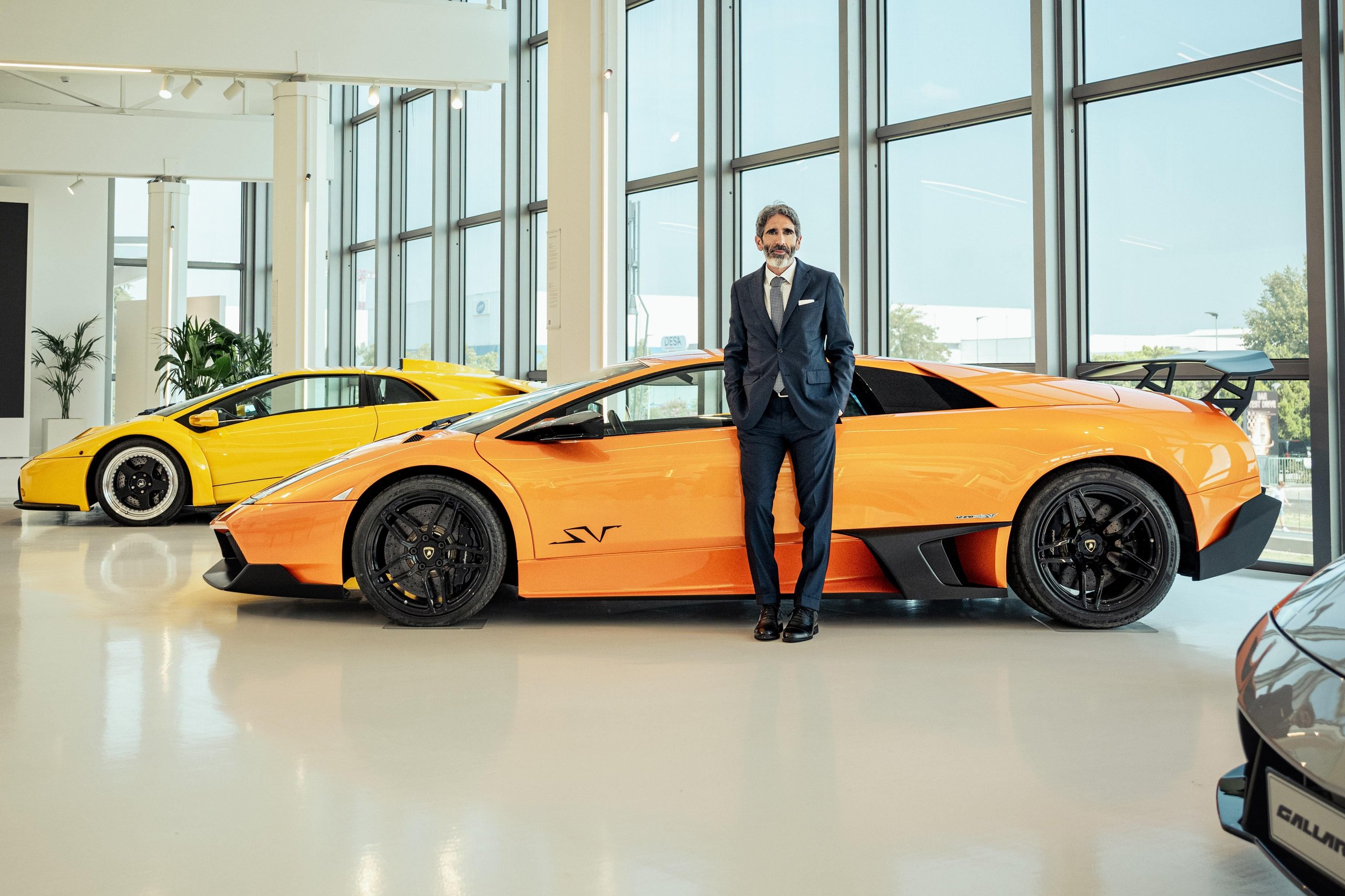
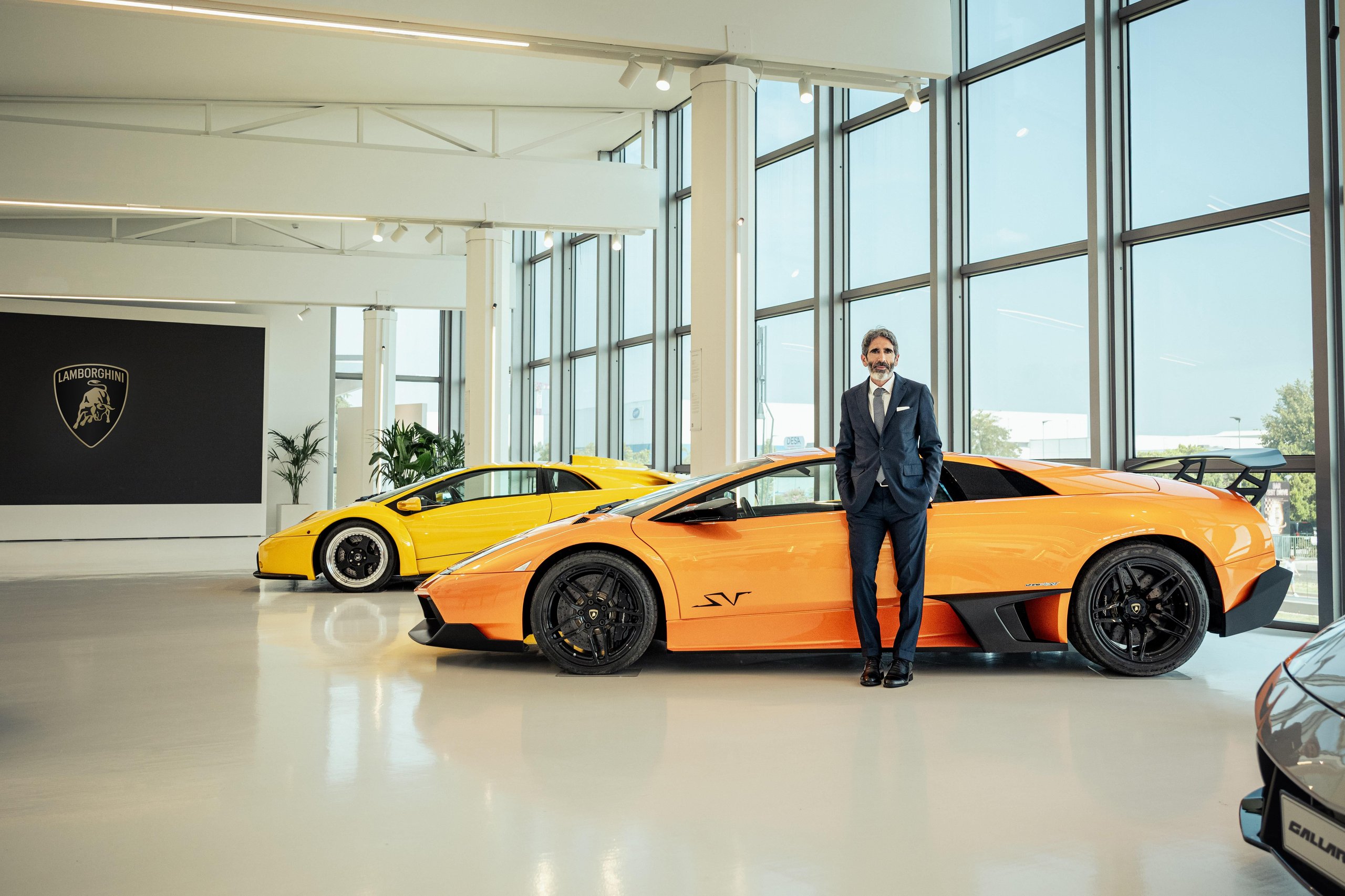
Francesco Milicia, Marketing Director, sits in a showroom with a classic yellow Lamborghini Diablo in the background. Image: Automobili Lamborghini.
Selling the Hybrid Era Without Losing the Soul
The timing of this appointment carries its own message. Lamborghini’s lineup is now fully hybridized: the Revuelto V12 HPEV, the Urus SE plug-in hybrid Super SUV, and the Temerario V8 HPEV. Each demands a different marketing conversation than the naturally aspirated machines that preceded them. The Revuelto still screams with a 6.5-liter V12, but it also carries three electric motors. The Temerario revs its twin-turbo V8 to 10,000 rpm, a figure that sounds like pure Lamborghini theater, yet it too relies on electrification for its total system output. Communicating that duality to enthusiasts who remain skeptical of hybridization is a genuine challenge, and it is precisely the challenge Milicia’s background equips him to face.
Ducati navigated a comparable tension. The motorcycle brand built its identity on raw, visceral performance, on Desmodromic valve trains and MotoGP pedigree. When Ducati diversified its product range to reach a broader customer base while maintaining premium pricing, it managed to expand without diluting its core identity. Milicia was at the commercial helm during that period. Whether he can apply the same discipline at Lamborghini, keeping the marketing visceral and emotionally honest while explaining why a hybrid V12 flagship is genuinely better than its predecessor, will define his tenure.
For prospective buyers sitting on Revuelto or Temerario allocation lists, this appointment is unlikely to change anything about their cars. The practical takeaway is subtler: Lamborghini is investing in marketing leadership that understands how to protect a performance brand’s emotional credibility during a technology transition. If the campaigns and owner experiences that follow feel more connected, more experiential, and less like corporate brochure language, Milicia’s Ducati playbook will be the reason.

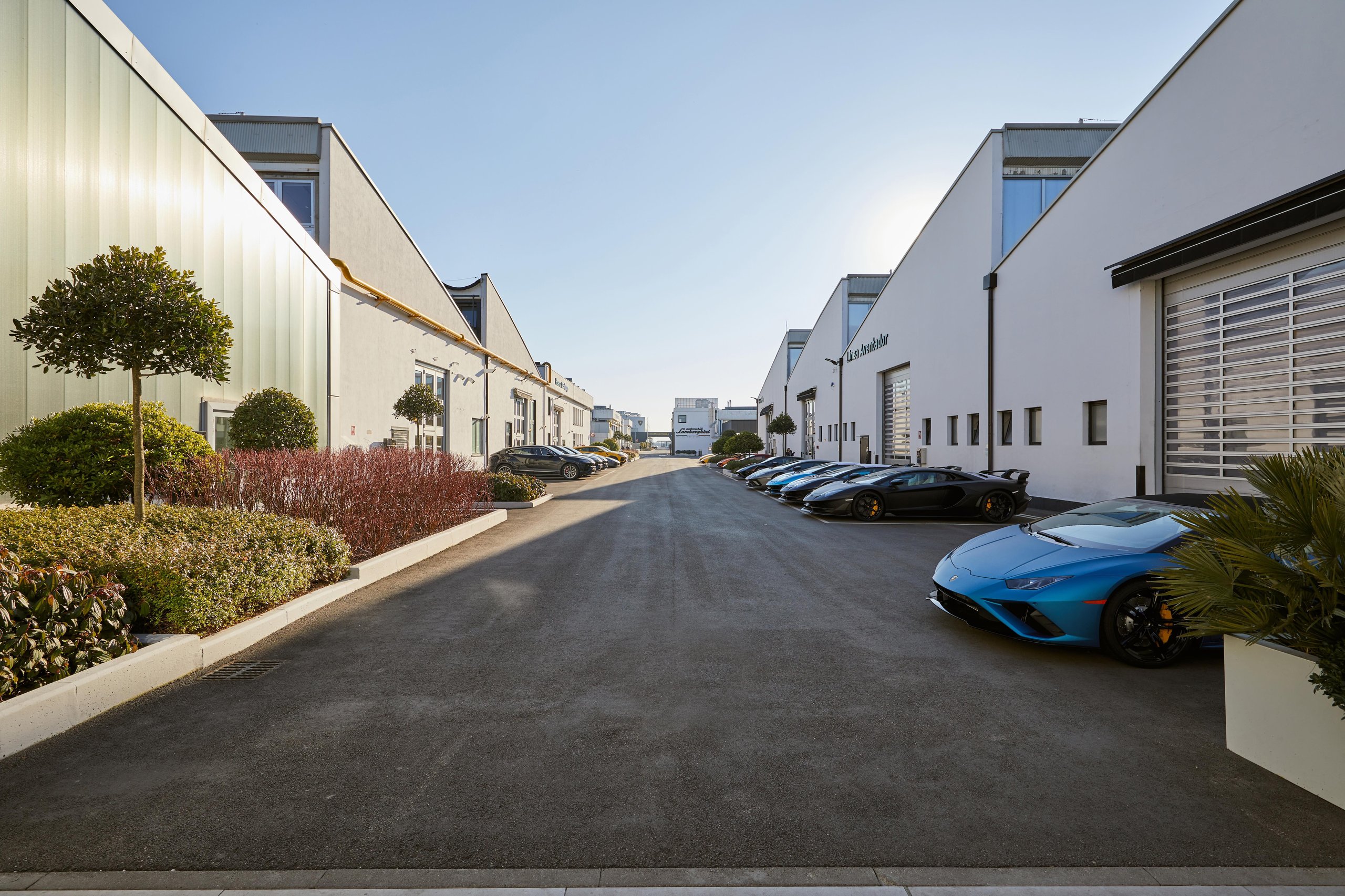
An aerial view captures the expansive Lamborghini factory building, a hub of automotive innovation and design. Image: Automobili Lamborghini.
The Profile That Reveals the Strategy
Recruiting from within the Volkswagen Group is not accidental. The transfer of talent between Ducati and Lamborghini reflects a deliberate strategy to cross-pollinate expertise among the group’s performance brands. The Ducati Streetfighter V4 Lamborghini collaboration, inspired by the Sian FKP 37 and marking the second such partnership between the two companies, demonstrated that the brands share more than a parent company. They share a customer sensibility: buyers who respond to exclusivity, Italian craftsmanship, and engineering theater.
Lamborghini’s move to install a commercially proven operator from a sister brand, someone who already understands the group’s infrastructure and has demonstrated he can sell limited-edition collaborations at speed, looks like a pragmatic play. The company is not searching for a new brand identity. It wants someone who can amplify the existing one across digital channels, owner communities, and markets where the brand is still growing.
What specific campaigns or strategic shifts will follow remains unknown. Lamborghini has not outlined a public marketing roadmap tied to this appointment. The confirmed mandate, translating the brand’s vision and values into strategies that strengthen its customer connection, is deliberately broad. The more telling signal is the profile of the person they chose to execute it: an engineer by training, a commercial leader by experience, and someone who already proved he could move product bearing the Lamborghini crest. In a period when every supercar maker must reconcile electrification with emotional authenticity, that profile says more about Lamborghini’s intentions than any press release could.

The iconic Lamborghini shield logo proudly displayed on the exterior of a modern company building. Image: Automobili Lamborghini.
Gallery