E-Bikes at the Museo: Lamborghini and Italtechnology Make It Official
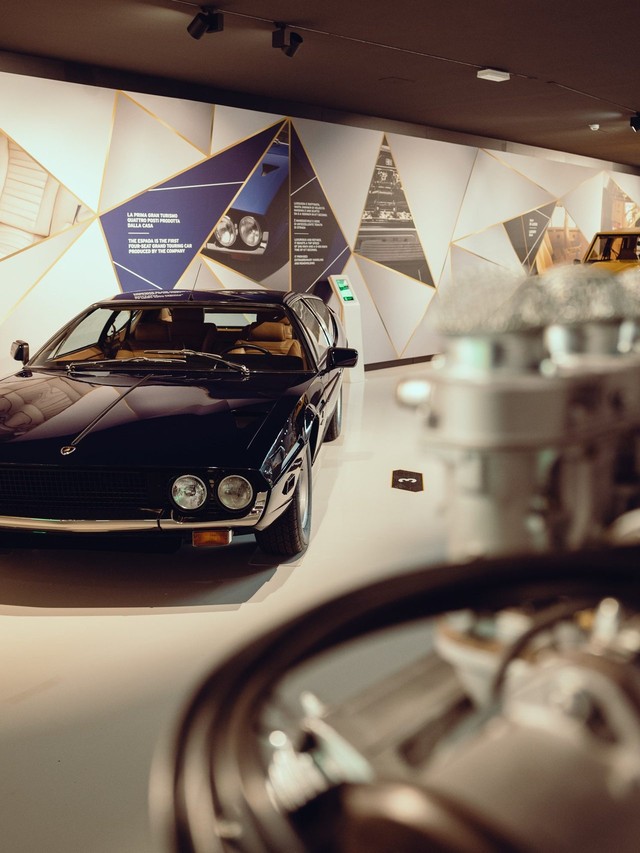
Automobili Lamborghini chose its own museum in Sant’Agata Bolognese to present something conspicuously lacking a V12: a range of electric bicycles developed in partnership with Italian engineering firm Italtechnology. The April 2018 launch, staged among the company’s heritage collection with executives and press in attendance, introduced two initial models. One is an MTB built for off-road riding, the other a road-oriented speed bike designed to reach the maximum assisted velocity permitted by regulation.
Conceived, designed, and built entirely in Italy, the E-Bikes represent over five years of research and carry four international patents, according to Lamborghini. Italtechnology handled engineering and manufacturing; Lamborghini contributed its name, its design language, and access to its bespoke customization ecosystem. The bikes were expected to become available online and through selected specialized retailers worldwide starting in May, though pricing was not disclosed at launch.
That last detail, the customization ecosystem, is the thread that separates this venture from the usual supercar-brand licensing exercise. The real story is not that Lamborghini put its shield on a bicycle. It is that it opened its Ad Personam program to a product with pedals.
Why an E-Bike? The Strategic Logic Behind the Raging Bull on Two Wheels
Supercar companies have a long and occasionally embarrassing history of lending their names to everything from luggage to laptops, so healthy skepticism is warranted. Lamborghini states the E-Bikes target an exclusive and demanding clientele, which is corporate language for “these will not be cheap.” Forum discussion on Reddit’s r/ebikes reflects that skepticism directly: multiple users questioned whether the branding justified the premium over functionally comparable bikes at a fraction of the cost, and one thread noted proprietary components that most local bike shops would struggle to service.
The strategic logic, though, is not really about selling bicycles in volume. Lamborghini’s core car business was already pivoting toward lifestyle positioning with the Urus, a vehicle designed to bring the brand into the daily routines of wealthy buyers who might only drive a Huracán on weekends. E-Bikes extend that same philosophy into urban micromobility, a space where affluent buyers increasingly want branded, premium products. Ferrari, by contrast, kept its brand extensions narrower for years, focusing on apparel and theme parks rather than personal mobility hardware. Lamborghini’s willingness to put real engineering claims behind a two-wheeled product, patents, a five-year development timeline, Italian manufacturing, suggests a more aggressive diversification posture. And the clearest proof of seriousness is the decision to wrap these bikes in the same bespoke program that defines the supercar ownership experience.
Ad Personam on a Bicycle: Why the Paint Matters More Than the Motor
The most revealing detail in the entire announcement is not a spec. It is the confirmation that the E-Bikes will be available through Lamborghini’s Ad Personam program, using the same paint palette reserved for its super sports cars.
For anyone who has configured a Lamborghini online or sat in the Ad Personam studio in Sant’Agata, the significance is immediate. Ad Personam is the mechanism through which Lamborghini owners express individual taste at considerable expense, choosing from hundreds of exterior colors, interior trims, and stitching patterns. Extending that program to a bicycle tells buyers, and the market, that Lamborghini views these E-Bikes as part of the ownership ecosystem, not a detached licensing product gathering dust in an airport gift shop.
A buyer who specced a Huracán in Verde Mantis or Viola Parsifae could, in theory, match their E-Bike to their car. That sounds frivolous until you consider that Lamborghini owners routinely spend five figures on bespoke paint alone. The Ad Personam extension signals that these bikes function as accessories to an existing ownership experience rather than standalone consumer electronics. It is the single decision that gives the entire venture its credibility, tying a two-wheeled product to the same culture of personalization that defines Sant’Agata’s most profitable customer relationships.
Real Engineering or Badge Job? What the Patents Suggest
Four international patents underpin the E-Bike range, though Lamborghini and Italtechnology did not detail what those patents cover at launch. According to one source, Italtechnology’s technical portfolio includes a patented eight-speed rotary sequential gearbox and an integrated brushless motor assembly, features that would genuinely differentiate these bikes from commodity e-bike platforms if they perform as described.
Whether those innovations translate into a meaningfully better ride than a high-end Specialized or Trek remains untested in any independent review tied to this launch. The claimed R&D timeline and patent count suggest Italtechnology invested in proprietary technology rather than simply repackaging off-the-shelf components with a Lamborghini decal. Without independent performance validation or published specifications beyond broad category descriptions, however, the engineering case rests entirely on the manufacturers’ word.
Lamborghini collectors will note that this is not entirely new territory. One report mentions earlier partnerships with bicycle manufacturers on high-end racing bikes, though those efforts remained niche. The Italtechnology venture appears more structured, with a dedicated product line and retail strategy rather than a limited co-branded run. Paired with the Ad Personam integration, the patent claims suggest a company trying to build a genuine product rather than simply monetize a logo.
What This Means for the Brand and for Buyers Watching
Based on available reporting, the Crosser model (the MTB variant) later carried a price north of $19,000, placing it firmly in the ultra-premium e-bike segment alongside brands like Porsche’s own branded bicycles and various carbon-fiber exotica from specialist manufacturers.
For Lamborghini enthusiasts, the real takeaway is directional. Sant’Agata was already broadening its definition of what a Lamborghini product could be, and the E-Bike launch was an early, concrete signal of that ambition. The Ad Personam integration, the Italian manufacturing commitment, and the patent claims all point to a company that wanted this to feel like a genuine extension of its engineering culture rather than a quick licensing payday. Whether the market agreed is a separate question: enthusiast forums remained divided on whether any e-bike, regardless of patents or paint, deserves a Lamborghini price premium.
For buyers considering one, the practical advice is straightforward. Verify parts availability and service support in your region before committing. Proprietary drivetrains are wonderful until something breaks and your local bike shop cannot source a replacement. The Ad Personam paint, on the other hand, is the kind of detail that holds residual value in the collector ecosystem, particularly if matched to a specific car in the same owner’s garage. That matching possibility is ultimately what makes this venture more than a footnote: it anchors the E-Bike to the same philosophy of individual expression that has defined Lamborghini ownership for decades.
Gallery


