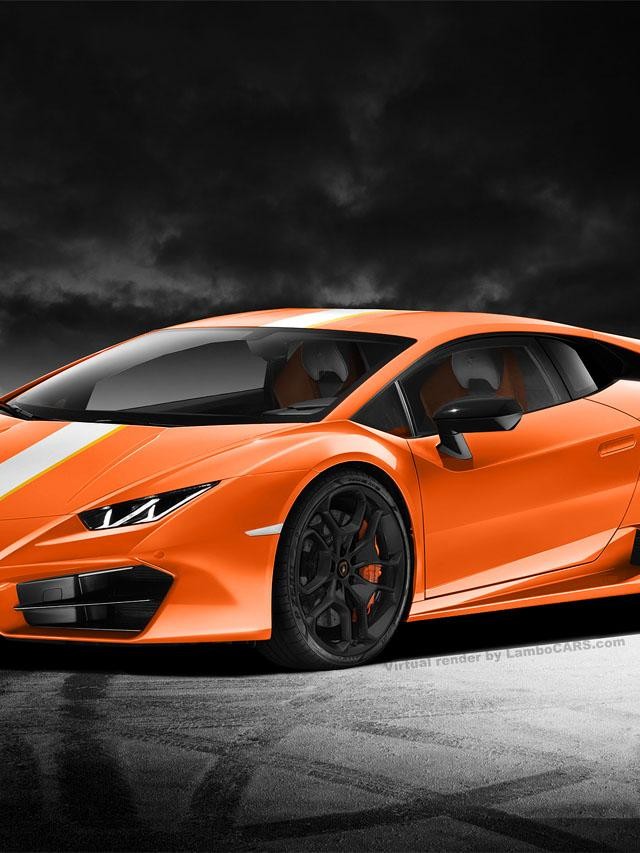
Grasser Racing’s No. 63 Opens the 2018 Blancpain Season With a Statement
When Lamborghini Squadra Corse factory drivers Mirko Bortolotti and Christian Engelhart put the No. 63 Grasser Racing Team Huracán GT3 on top of the Blancpain GT Series Sprint Cup at Zolder in April 2018, they did more than win a race. They announced that Lamborghini’s GT3 program had graduated from promising contender to genuine force, one capable of defending a championship and building something that would outlast any single car.
The Huracán GT3, reigning champion of the SRO-organized series, started Race 1 from the front row with Engelhart behind the wheel. A clean pit stop handed the lead to Bortolotti, who controlled the race to the checkered flag. The No. 63 finished ahead of two WRT Team Audi R8 LMS entries, a result that carried weight given Audi’s deep investment in GT3 customer racing. Grasser Racing’s second Huracán GT3, the No. 19, crewed by factory driver Andrea Caldarelli and GT3 Junior Driver Ezequiel Perez Compaq, came home sixth. A solid result in isolation, but one that confirmed the team could field two competitive cars on the same weekend.
Race 2: A Penalty, a Podium, and the Weekend’s Real Takeaway
Bortolotti put the No. 63 on pole for Race 2, and the car led early. Then a pit lane infraction by a mechanic triggered a drive-through penalty, dropping the car to eighth at the finish. Races are lost in pit lane as often as they are lost on track, and this was a frustrating reminder.
The No. 19 picked up the slack. Caldarelli and Perez Compaq drove the second Grasser entry to a third-place podium finish, salvaging strong championship points for the team. Across two races, the Huracán GT3 produced a win, a podium, a sixth, and an eighth. Against a stacked GT3 grid at a season opener, that consistency mattered more than any single result.
The pit stop penalty in Race 2 cost a near-certain second victory. The speed was clearly there. Grasser Racing’s operational execution simply let the car down once, and even then, the second entry covered the gap. Teams that can absorb a bad break and still collect points across both cars tend to be the ones standing on the championship stage at season’s end. That resilience pointed to something deeper than raw pace: it pointed to the maturity of Lamborghini’s entire customer racing structure.
Why This Victory Mattered Beyond the Trophy
Winning a Blancpain Sprint Cup race is valuable. Winning the season opener as the defending champion, against factory-backed Audi machinery, carries a different kind of significance. It validated Lamborghini’s decision to build its GT3 program around the Huracán platform and to invest in dedicated customer racing infrastructure through Squadra Corse.
The model is straightforward in principle: Squadra Corse develops and sells the race car, provides engineering support, and embeds factory drivers with customer teams. The strategic payoff, though, is layered. Every Huracán GT3 victory reinforces the brand’s credibility among the wealthy amateur and semi-professional drivers who buy these cars and fund the programs. GT3 racing is, in many ways, a showroom for the brand’s most committed enthusiasts.
The Huracán GT3 replaced the Gallardo FL2 race car, and the transition was anything but guaranteed to succeed. The Gallardo platform earned respect on track, but the Huracán GT3 needed to prove itself against a generation of GT3 competitors that included the Audi R8 LMS, Mercedes-AMG GT3, Ferrari 488 GT3, and Porsche 911 GT3 R. Results like Zolder confirmed that the platform belonged at the front of that field, and more importantly, that the organizational infrastructure behind it could sustain that competitiveness.
Beating Audi on Track: What the Competitive Context Reveals
Finishing ahead of two WRT Audi R8 LMS cars in Race 1 deserves specific attention. WRT (W Racing Team) was one of the most formidable operations in GT3 racing, and the Audi R8 LMS shared a similar mid-engine, naturally aspirated philosophy with the Huracán GT3. Both cars ran V10 engines. Both relied on rear-mid layouts optimized for mechanical grip and driver confidence.
The difference, from Lamborghini’s perspective, was scale. Audi’s GT3 customer base was enormous, backed by the full resources of Audi Sport. Lamborghini’s Squadra Corse operation, while professional and growing, operated at a different level. Beating Audi’s best customer team on pure pace and pit strategy demonstrated that Lamborghini’s engineering could punch above its weight in a category where budget and support infrastructure often determine outcomes.
For buyers considering a GT3 program, results like this carry real commercial weight. A customer team evaluating which manufacturer to partner with looks at competitiveness, reliability, and factory support. Zolder gave Lamborghini a strong data point on all three, reinforcing the thesis that a smaller, sharply focused operation could build lasting credibility against better-resourced rivals.
The Factory Driver Model: Bortolotti, Engelhart, and Squadra Corse’s Philosophy
Bortolotti and Engelhart represented a specific Squadra Corse philosophy: embed elite factory talent within customer teams to elevate results and attract new entrants to the program. Bortolotti, an Italian with deep experience in GT and single-seater categories, brought raw pace. Engelhart, a German with meticulous technical feedback skills, complemented him perfectly.
Caldarelli and Perez Compaq in the No. 19 car illustrated the program’s depth. Caldarelli was an established factory driver; Perez Compaq carried the GT3 Junior Driver designation, meaning Lamborghini was actively developing the next generation of talent within its customer racing structure. This pipeline matters because manufacturers that invest in junior programs tend to retain driver loyalty and attract new teams who want access to proven talent.
Giorgio Sanna, noted as the head of Lamborghini Squadra Corse, built this structure deliberately. The results at Zolder reflected years of organizational investment, not just a fast car on a good weekend. That distinction is central to understanding why this particular victory resonated beyond the immediate championship standings.
From Zolder 2018 to the Temerario GT3: A Platform Legacy
Looking back at this result through the lens of Lamborghini’s current motorsport trajectory adds a layer that most race reports from the period missed entirely. The Huracán GT3 EVO, an evolution of the car that won at Zolder, went on to claim further success in the Blancpain series. One report indicates the EVO secured the 2019 overall Blancpain championship, extending the platform’s competitive relevance well beyond a single strong weekend.
Lamborghini’s GT3 program now faces its most significant transition since the Gallardo-to-Huracán handover. The Temerario GT3, the first competition car derived from the Temerario road model, represents a fundamental shift: a move from the naturally aspirated V10 that defined the Huracán’s character to a twin-turbocharged V8 hybrid architecture. According to one report, it will be the first competition car entirely designed, developed, and built at the Sant’Agata Bolognese factory.
For customer teams and drivers who built their programs around the Huracán’s characteristics, this transition means adapting to an entirely new powerband, different weight distribution, and the complexities of turbo management in wheel-to-wheel racing. Whether the Temerario GT3 can replicate the Huracán’s dominance remains an open question. But the foundation of engineering credibility and customer infrastructure that wins like Zolder 2018 established is exactly what gives Lamborghini a realistic shot at making the transition work.
The next Blancpain round after Zolder was scheduled for April 21-22 at Monza, featuring the Endurance Cup race alongside the first European round of the Lamborghini Super Trofeo one-make series. That pairing of professional GT3 competition with the brand’s own spec series illustrated the full scope of Lamborghini’s motorsport ecosystem, a structure that began producing results like Zolder and continues to underpin the company’s racing ambitions today.
Gallery


