Lamborghini Hits Milan Fashion Week with Its Fall/Winter 2017/18 Collection
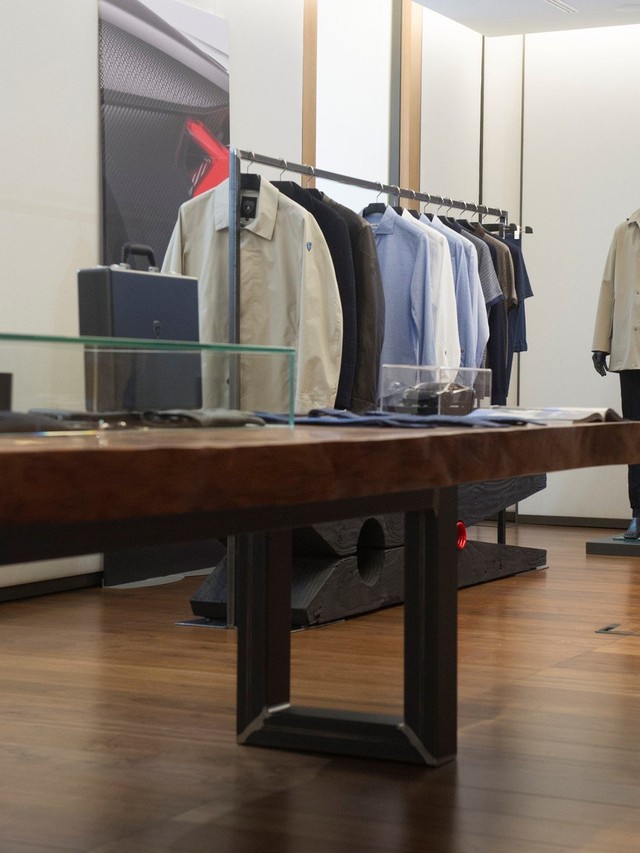
Collezione Automobili Lamborghini staged its Fall/Winter 2017/18 ready-to-wear collection at the Mandarin Oriental Milan during Milan Men’s Fashion Week, presenting five distinct apparel lines alongside debut collaborations with Bolognese leather house Hettabretz and artisan shoemaker Enzo Bonafè. Italian furniture maker Riva 1920 contributed a display environment anchored by a table crafted from 50,000-year-old Kauri wood. The setting was deliberate: Lamborghini chose one of Milan’s most refined hotel venues rather than a conventional showroom, signaling that this collection was meant to stand on its own merits in the fashion world rather than ride on the coattails of a car launch.
The broader message matters more than any single garment. Lamborghini is telling its audience, and the luxury market at large, that the brand’s design vocabulary extends beyond carbon fiber body panels and naturally aspirated exhaust notes. Whether that translation succeeds depends on how faithfully automotive design cues survive the journey from Sant’Agata Bolognese to a clothing rack, and whether the collaborations carry genuine craft or merely borrowed prestige.
Beyond the Engine: Lamborghini’s Vision for a Full-Throttle Lifestyle
Every major supercar manufacturer now operates some version of a lifestyle division. Ferrari runs a sprawling fashion line with its own creative director and standalone boutiques. Porsche Design sells everything from sunglasses to kitchen appliances. Lamborghini’s approach with Collezione Automobili occupies a different lane: rather than building a separate fashion identity, the company extracts specific design motifs from its cars and plants them directly into the apparel. The “Y” headlight graphic, hexagonal grille patterns, and model-specific colorways all appear across the collection as deliberate references, not generic branding exercises.
Boris Puddu, who led Lamborghini’s Collection and Licenses division at the time, reportedly emphasized that the line was intended as a standalone fashion brand extending the company’s DNA, not simply merchandising tied to car sales. That distinction is worth taking seriously. A polo shirt with a discreet hexagonal knit pattern asks a different question of the buyer than a T-shirt with a giant raging bull logo. The former invites someone into a design language; the latter sells a bumper sticker you can wear. For Lamborghini owners, this kind of brand extension can feel like either a natural complement to the garage or an unwelcome dilution. The answer usually depends on execution, and execution in this collection hinges on whether the automotive design cues read as thoughtful translation or as a marketing department’s mood board.
Decoding the Design: How Supercar DNA Infiltrates the Runway
The collection spans five lines: Classic, Casual, Casual Vintage, Pilota Ufficiale, and the new Event Suit. Each targets a different occasion, but all share a common design thread pulled from specific car models.
The Casual line draws most directly from the current production range. Prints of archival technical drawings referencing the Huracán appear on denim-effect sweatshirts, T-shirts, and scarves. The matte blue blu grifo color, originally developed for the Huracán Avio special edition, colors sweatshirts and cotton piquet polo shirts. Graphics featuring tire prints and 3D relief printing pay tribute to the Aventador. These are not abstract nods; a buyer who knows the cars will recognize the source material.
The Casual Vintage line reaches further back, offering vintage-effect polo shirts and sweatshirts with flock prints inspired by the Miura and Countach. For a brand whose heritage models now command seven-figure auction prices, putting those silhouettes on casual wear is a calculated move, connecting younger buyers to a lineage they may never own in metal but can still appreciate.
Pilota Ufficiale channels motorsport, incorporating the “Y” headlight motif through fabric inserts in a palette of black, grey, white, and amber gold. The Event Suit line introduces something less expected: a two-button black blazer with a tailored cut in tricot, paired with black jeans featuring gold stitching. It reads as Lamborghini’s attempt to dress the owner who wants to signal affiliation at a social event without wearing a race jacket.
Across all five lines, the recurring design vocabulary is the “Y” motif from Lamborghini’s headlight signatures and the hexagonal geometry that defines the cars’ front fascias and air intakes. Rather than scattering random car imagery across fabric, the collection treats a handful of specific design elements as a transferable language. Whether that language translates elegantly to a blazer lapel or a polo collar is a question best answered in person, but the intent is more disciplined than the typical automotive merchandise effort.
The Art of Collaboration: Hettabretz, Enzo Bonafè, and the Pursuit of Exclusivity
The collaborations revealed alongside the mainline collection tell a more interesting story about where Lamborghini sees its brand ceiling. Hettabretz, a Bologna-based fashion house specializing in leather outerwear, produced a limited edition of three outerwear pieces for men and women, each numbered to thirty units. The pieces feature hexagonal lines reminiscent of the cars, combining fine kangaroo leather with carbon fiber imagery, and the linings are orange silk carrying an embroidered green, white, and red “Y” symbol. Thirty numbered units of a kangaroo leather jacket with carbon fiber detailing is not a mass-market play. It is a collector’s item that happens to be wearable.
Enzo Bonafè, also from the Bologna area, contributed a capsule collection of men’s footwear. The headline piece is a button-up calfskin ankle boot available in brown and black, requiring 17 craftsmen and 350 separate production steps. The boot features hexagonal decorations, an orange kid leather footbed, the Lamborghini crest, and a hand signature from Enzo Bonafè himself. Both Lamborghini and Enzo Bonafè were founded in 1963, and both operate in the greater Bologna region, so the geographic and temporal symmetry is genuine rather than manufactured.
What makes these collaborations strategically significant is the partner selection. Lamborghini did not approach a global fashion conglomerate or a streetwear label chasing hype. Hettabretz and Enzo Bonafè are small-scale Italian artisans whose reputations rest on materials and handwork, not brand awareness. That mirrors how Lamborghini positions its own cars: as products defined by Italian craftsmanship and engineering obsession rather than pure volume. The limited-edition numbering and artisan signatures reinforce scarcity in a way that echoes the Ad Personam customization program Lamborghini offers on its vehicles.
Lamborghini also confirmed ongoing collaborations for fragrances with Intertrade Group, running shoes with Mizuno, and carbon fiber luggage with TecknoMonster. These partnerships broaden the lifestyle ecosystem, though they operate at a different scale and price point than the Hettabretz and Enzo Bonafè pieces.
What This Means for Lamborghini’s Competitive Luxury Position
Ferrari’s lifestyle division generates meaningful revenue and operates with increasing independence from the car business. Porsche Design functions almost as a separate consumer brand. Lamborghini’s approach with Collezione Automobili occupies a more focused position: smaller in scale, more tightly tethered to specific automotive design cues, and more reliant on artisan collaborators than on fashion-industry infrastructure.
That narrower scope carries both advantages and limitations. On the positive side, it keeps the connection between the cars and the clothing tangible. A buyer who recognizes blu grifo from the Huracán Avio, or who understands why the hexagonal pattern matters, gets something that feels like insider knowledge rather than generic luxury branding. On the other hand, the collection’s reach is inherently limited by the same exclusivity that gives it credibility. Thirty numbered Hettabretz jackets will not move the needle on Lamborghini’s balance sheet.
The real competitive question is whether Lamborghini’s lifestyle division needs to compete with Ferrari’s on volume, or whether it serves a different purpose entirely. For a brand that builds far fewer cars per year, the fashion line functions less as a profit center and more as a brand reinforcement tool. It gives owners and aspirational fans a way to participate in the design language without a six-figure commitment, and it gives Lamborghini a presence in luxury retail environments where the cars themselves cannot go.
Owners who have spent time in Lamborghini’s flagship store in Sant’Agata Bolognese, or who have browsed the lifestyle sections at official dealerships, know that the quality of these pieces tends to be genuinely high. The materials and construction typically justify the pricing relative to comparable luxury fashion, even if the brand premium is undeniable. The collection was made available through the flagship store, all official Lamborghini dealers worldwide, and select multibrand retailers across Asia and the Middle East.
Where the Lamborghini Lifestyle Goes from Here
Lamborghini did not announce pricing for the Fall/Winter 2017/18 collection at the Milan presentation. That omission is standard for fashion-week debuts, where the focus is on design narrative rather than retail specifics. The mainline pieces, including polos, sweatshirts, and T-shirts, typically fall within the premium-casual price range, while the limited-edition Hettabretz outerwear and Enzo Bonafè footwear command prices commensurate with their artisan production and scarcity.
The deeper takeaway for LamboCars readers is strategic. This collection, presented in January 2017, arrived at a moment when Lamborghini was preparing to expand its automotive lineup dramatically with the Urus SUV. Building a credible lifestyle brand before that expansion gave Lamborghini a broader identity to offer the wave of new buyers the Urus would attract. Owners who came to Lamborghini through an SUV rather than a mid-engine V10 still needed a way to connect with the brand’s design heritage, and a Casual Vintage sweatshirt featuring a Miura silhouette accomplishes that more elegantly than a lanyard.
The Riva 1920 display at the Mandarin Oriental, featuring solid wood furniture in a carbonized cedar finish inspired by ancient Japanese techniques, underscored a final point about Lamborghini’s ambitions. The company was not simply selling clothes. It was curating an environment, a complete aesthetic proposition extending from the garage to the living room to the wardrobe. Whether that proposition resonates depends on the individual buyer’s appetite for brand immersion. But the craft behind the collaborations, and the specificity of the automotive design references, suggest Lamborghini took this collection more seriously than the typical car-brand merchandise effort deserves.
Gallery


