The Exhibition: Art Meets Industry at Sant’Agata
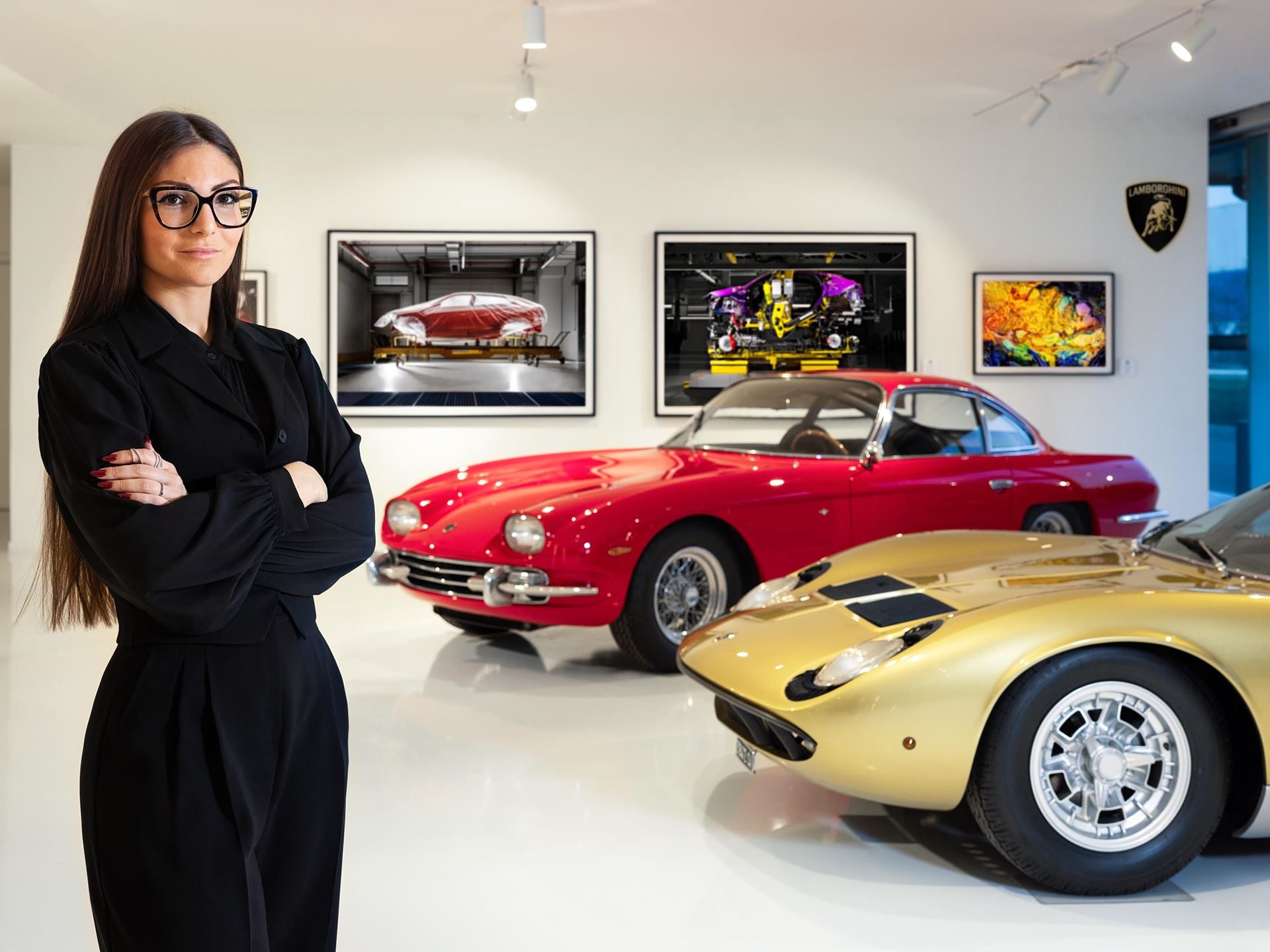
Most supercar manufacturers treat their museums as shrines to speed. Lamborghini, characteristically, decided to make its factory the subject of an art exhibition instead. “The Industrial Perspective,” a monographic photography show by Italian artist Lucrezia Roda, opened at the Automobili Lamborghini Museum on World Art Day, April 15, and it offers a view into Lamborghini’s world of production in Sant’Agata Bolognese.
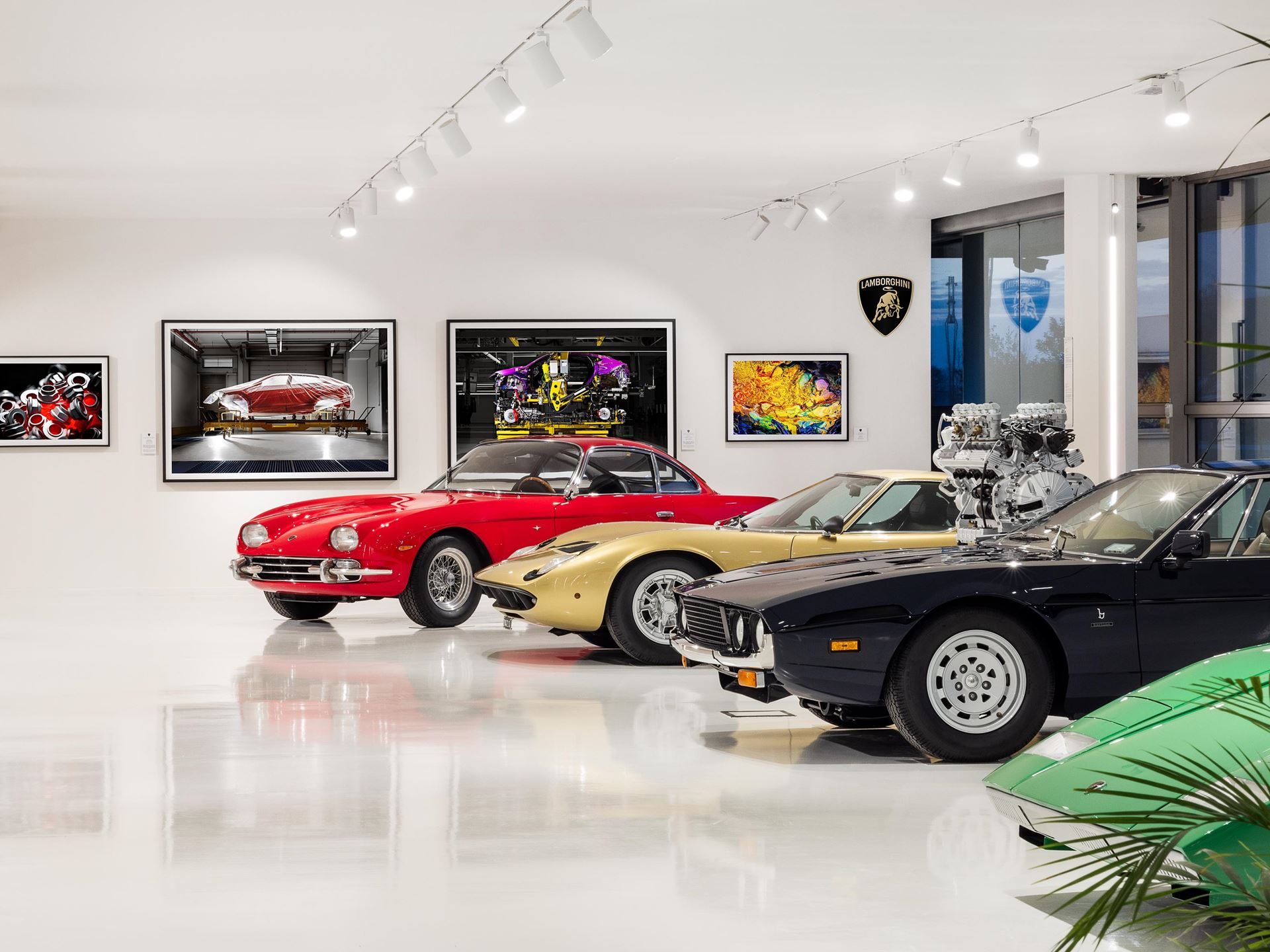
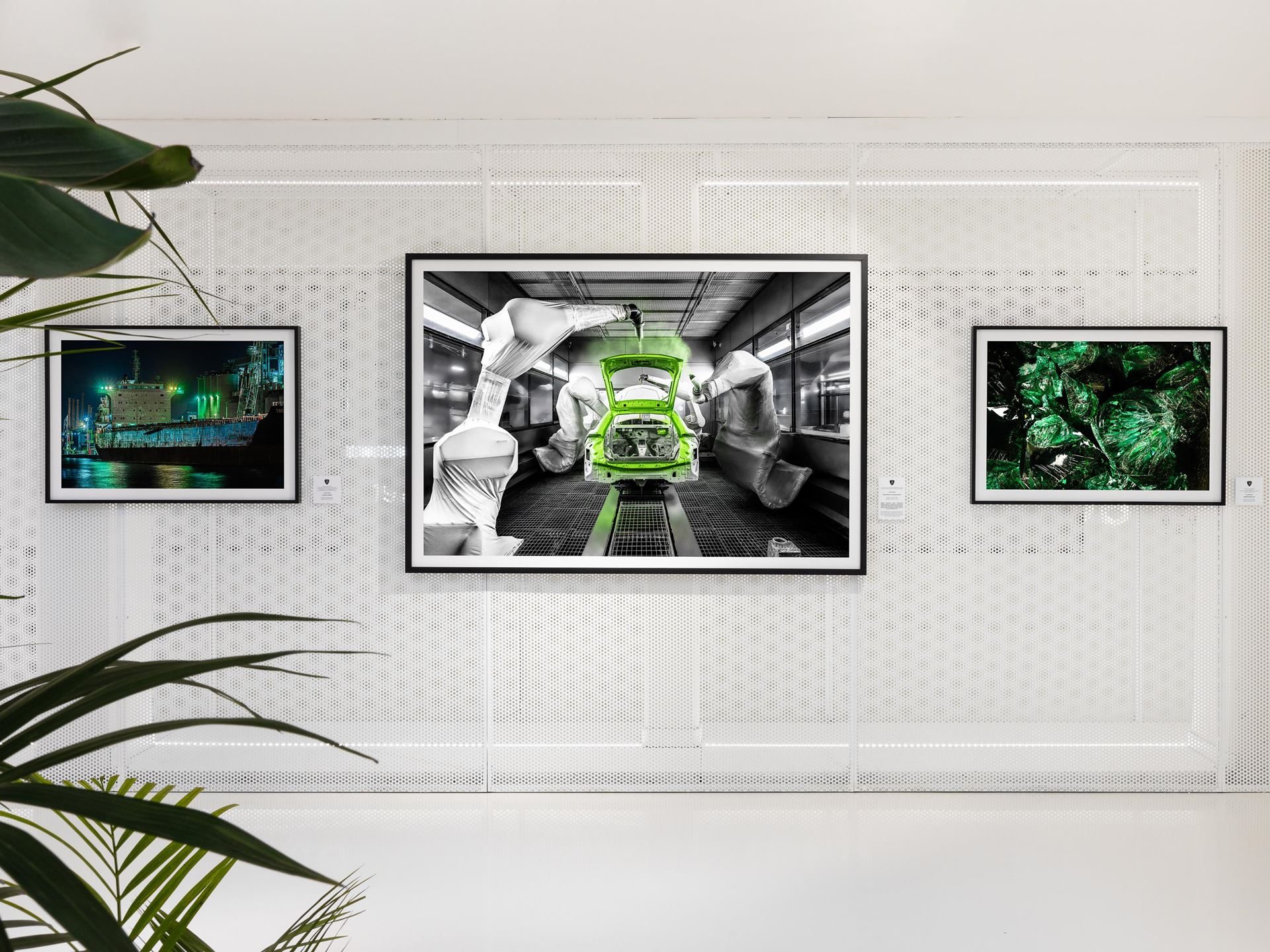
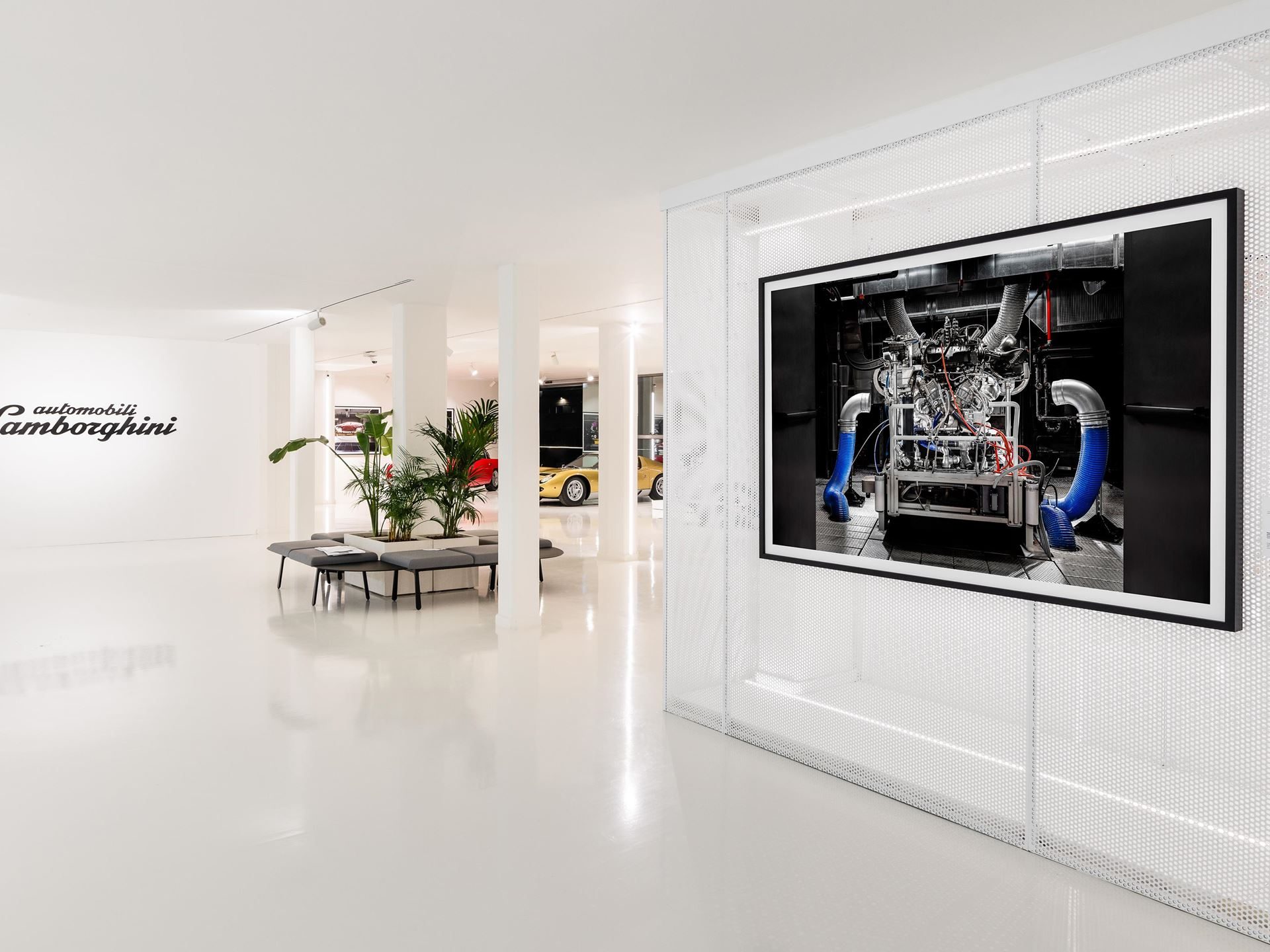
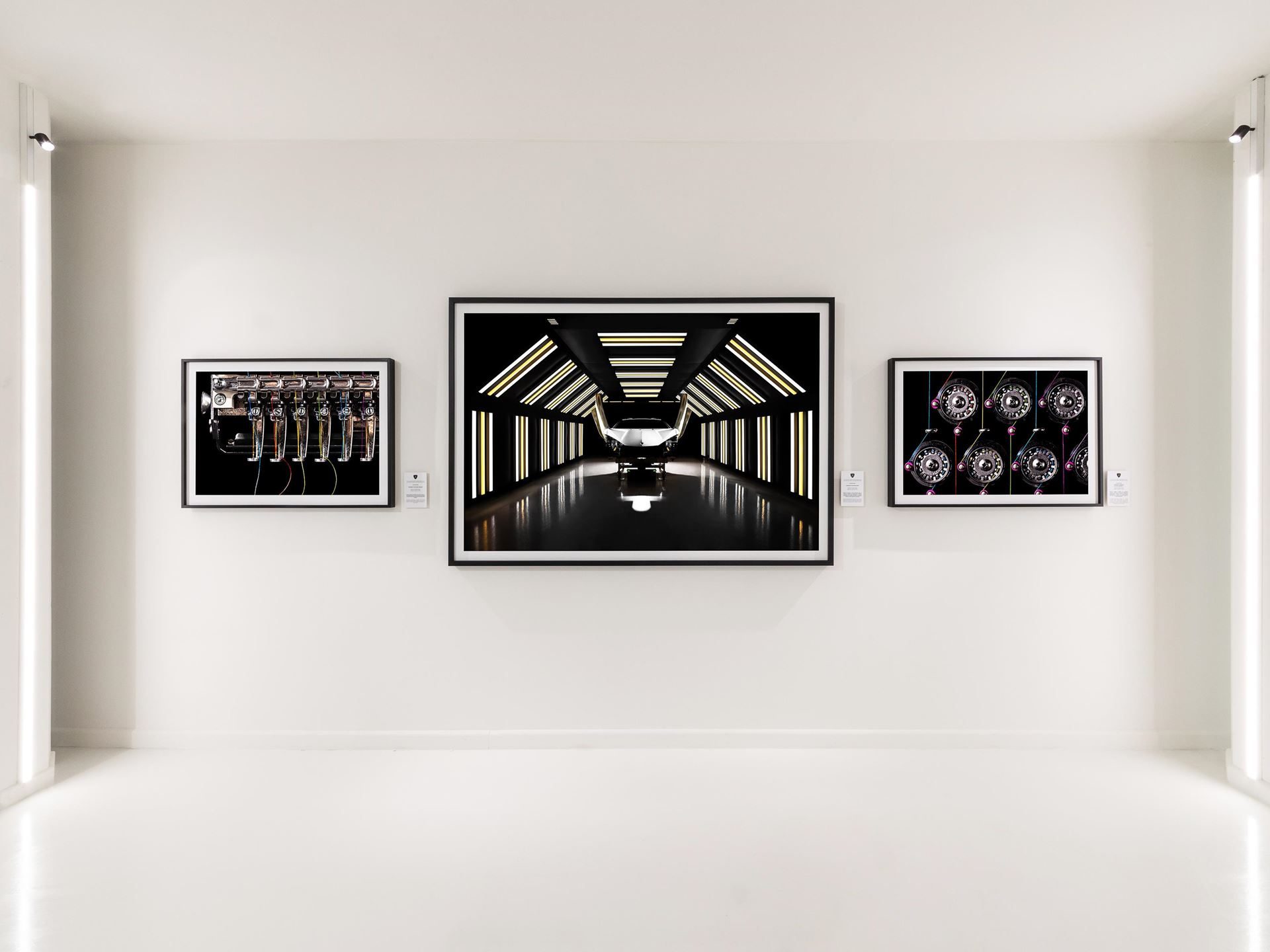
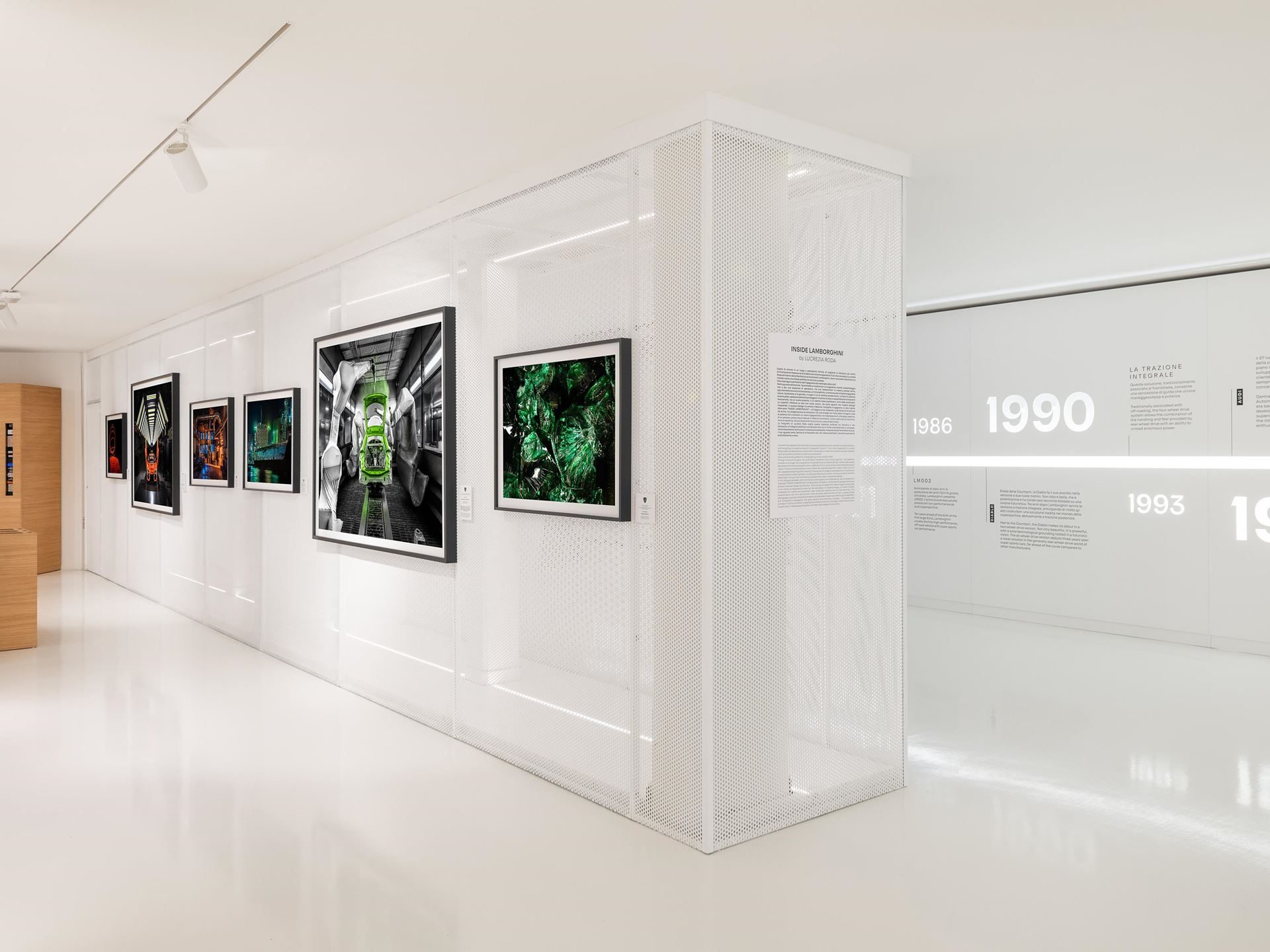
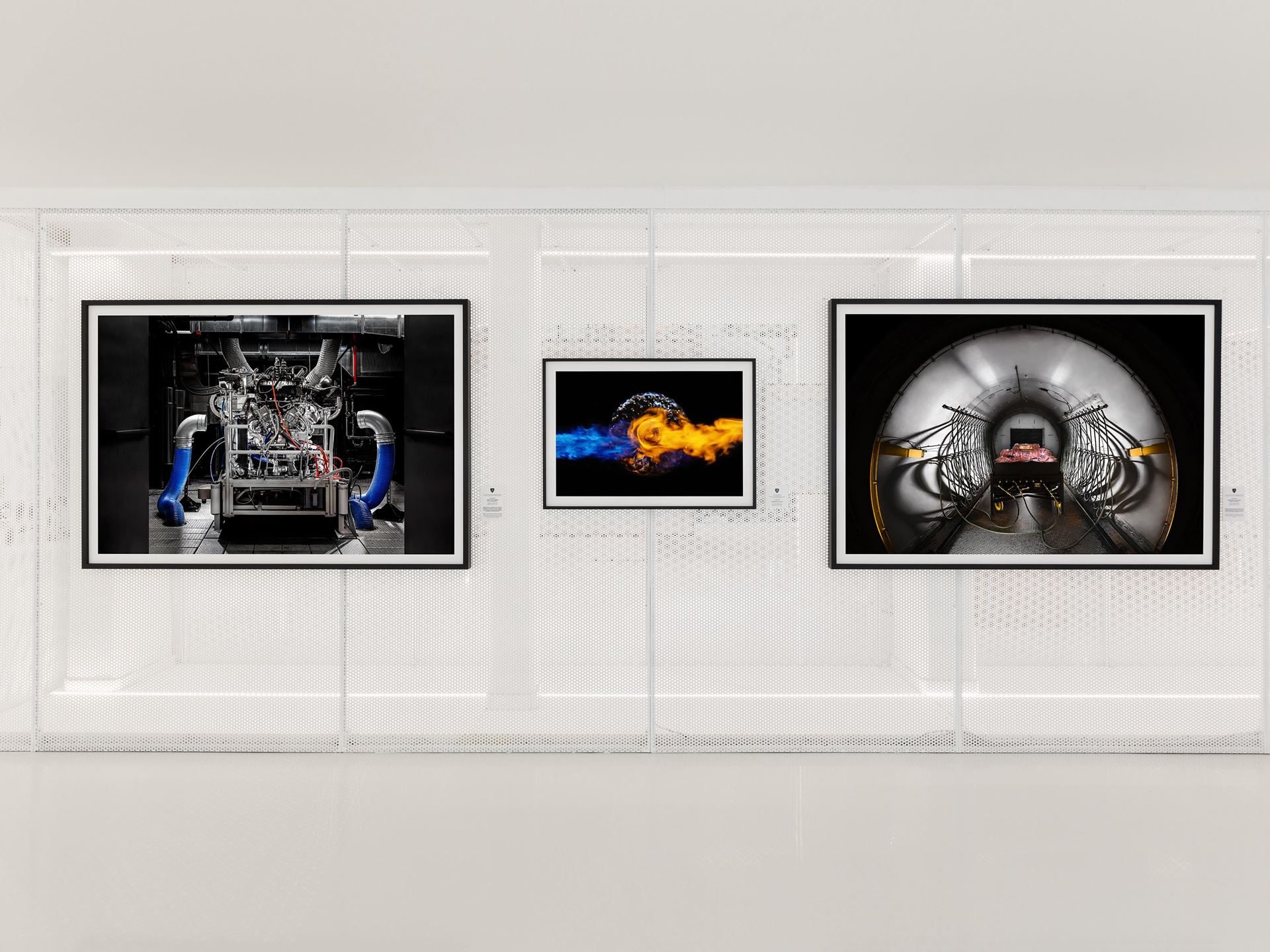
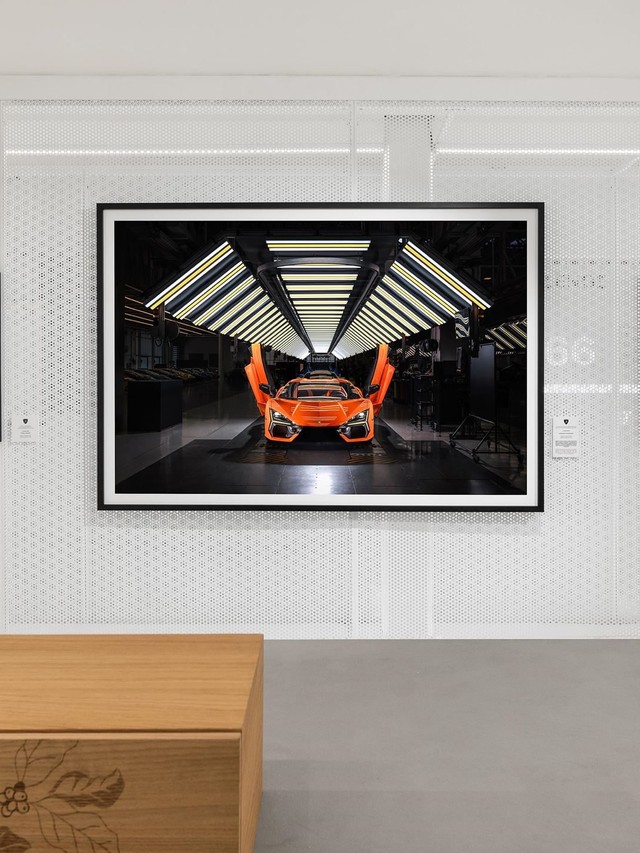
The juxtaposition is deliberate. Photographs of robotic arms, assembly tunnels, engine test rigs, and raw materials hang on the same walls that frame the finished products those processes create.
What sets this apart from other automotive museums is the emphasis on aesthetics within manufacturing. Lamborghini’s museum already functions as a brand experience, but this exhibition pivots the lens inward, asking visitors to appreciate the choreography of production rather than just the finished car. For a company whose Centro Stile design studio treats every surface as a statement, turning the factory floor into gallery-worthy subject matter feels like a natural extension of the brand’s identity rather than a marketing stretch.
Lucrezia Roda’s Vision: Capturing Lamborghini’s Industrial Soul
Lucrezia Roda, born in 1992, came to industrial photography from an unusual direction: theater. Her background in documenting stage productions informs the way she approaches factory environments, treating each space as a set piece with its own lighting, drama, and narrative arc. That theatrical sensibility runs through every frame in the exhibition.
“My gaze moves in a balance between order and chaos, between the precision of the production system and the unpredictable expressiveness of the industrial spaces. Photographing Lamborghini has meant entering a dimension in which production becomes vision.”
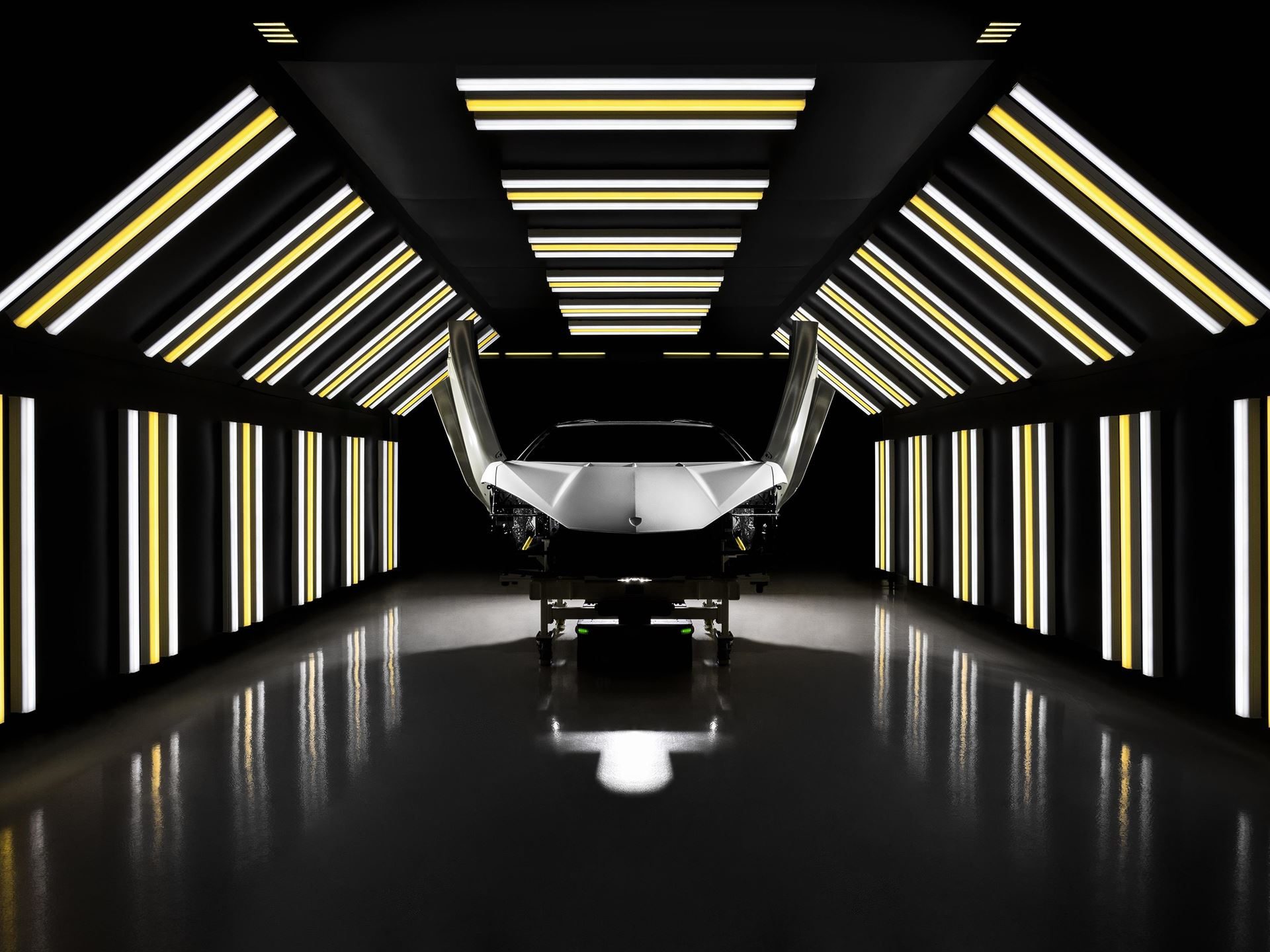
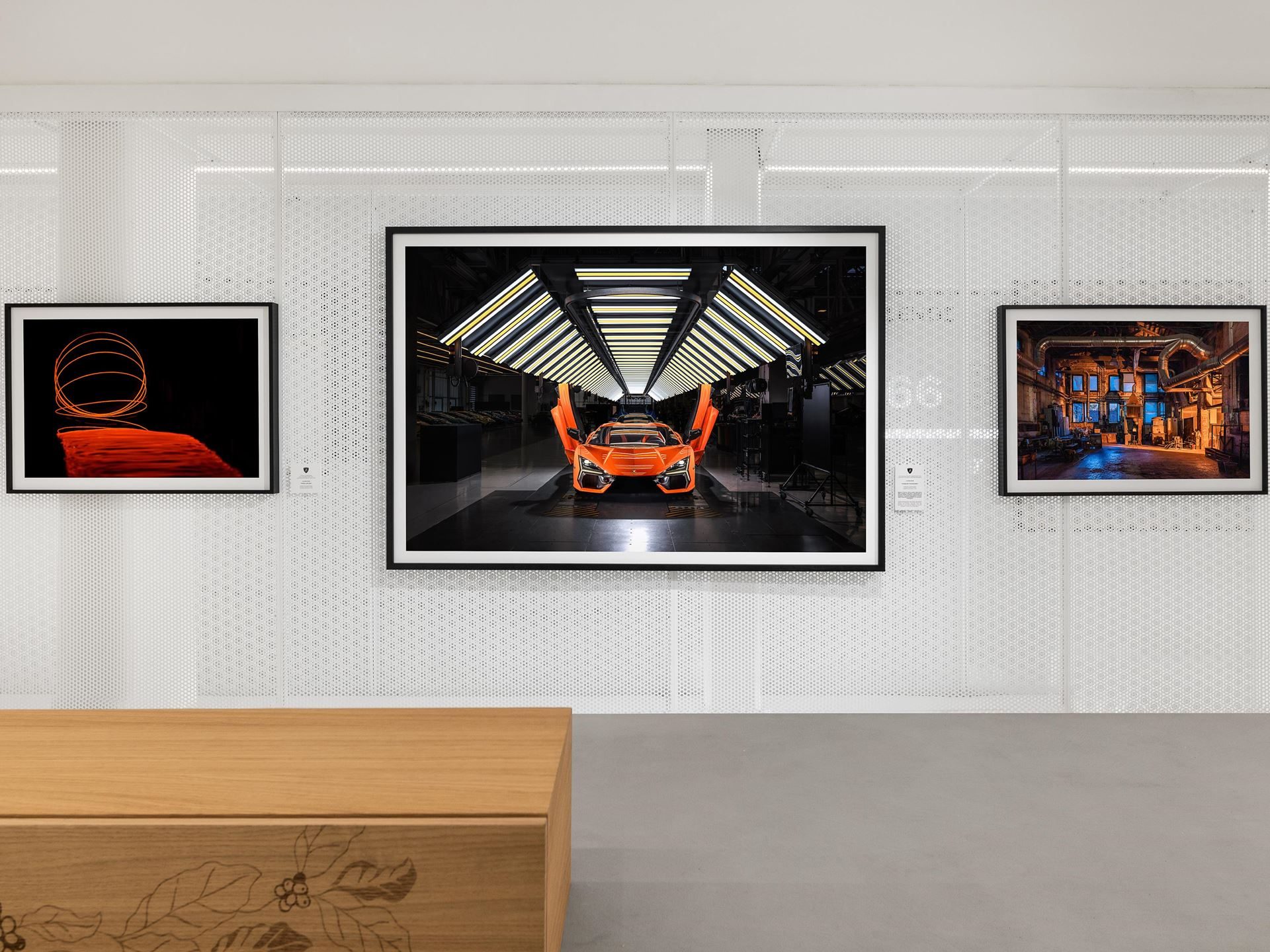
Her compositions rely on sharp, directional lighting, strong chromatic contrasts, and a rigorous sense of geometry. The effect is closer to still-life painting than documentary photography. An engine on a dynamometer test bench becomes a portrait. A chassis gliding through an automated assembly tunnel, its scissor doors splayed open under vertical columns of amber light, looks more like a scene from a science fiction film than a step in a production schedule.
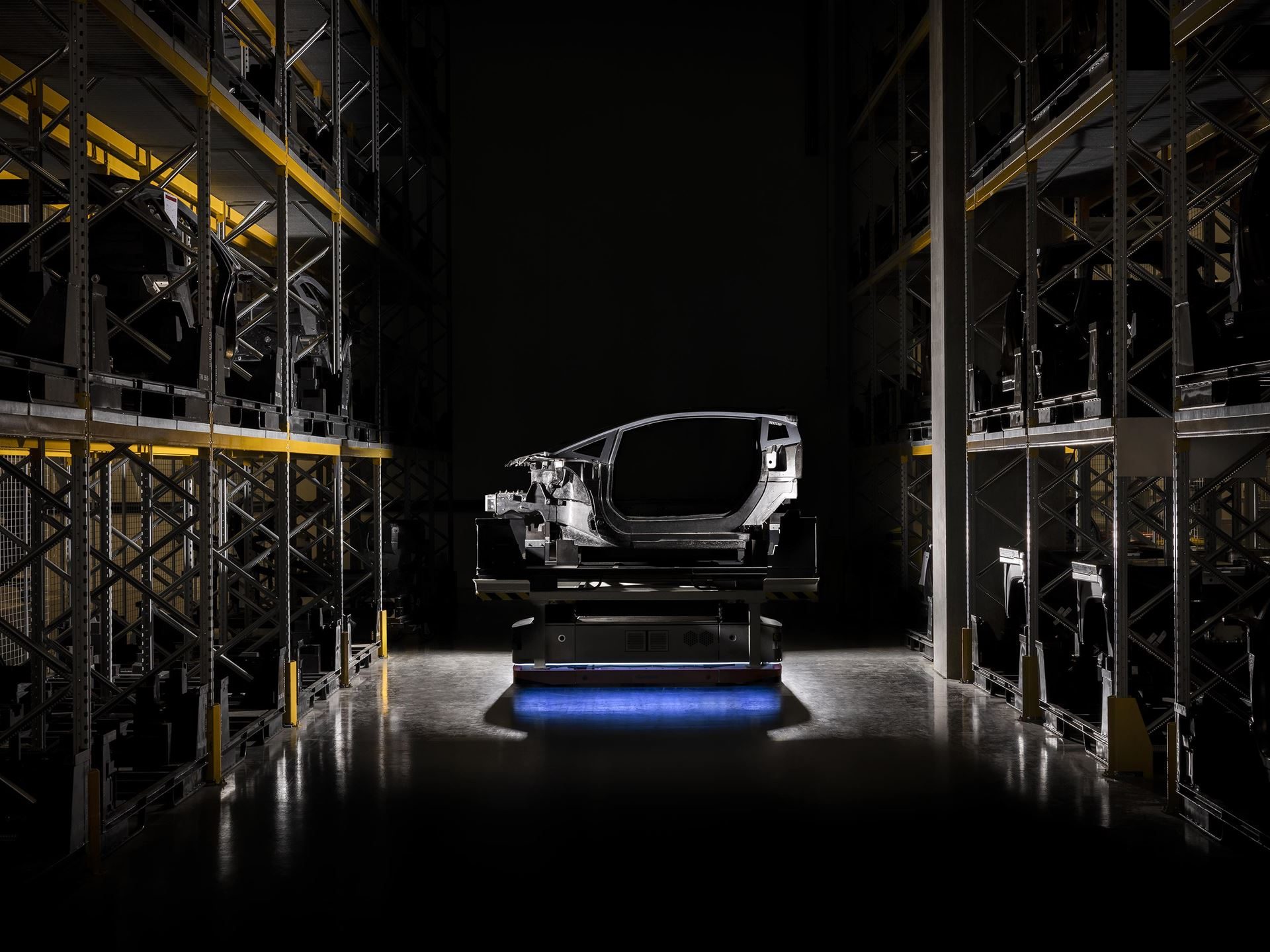
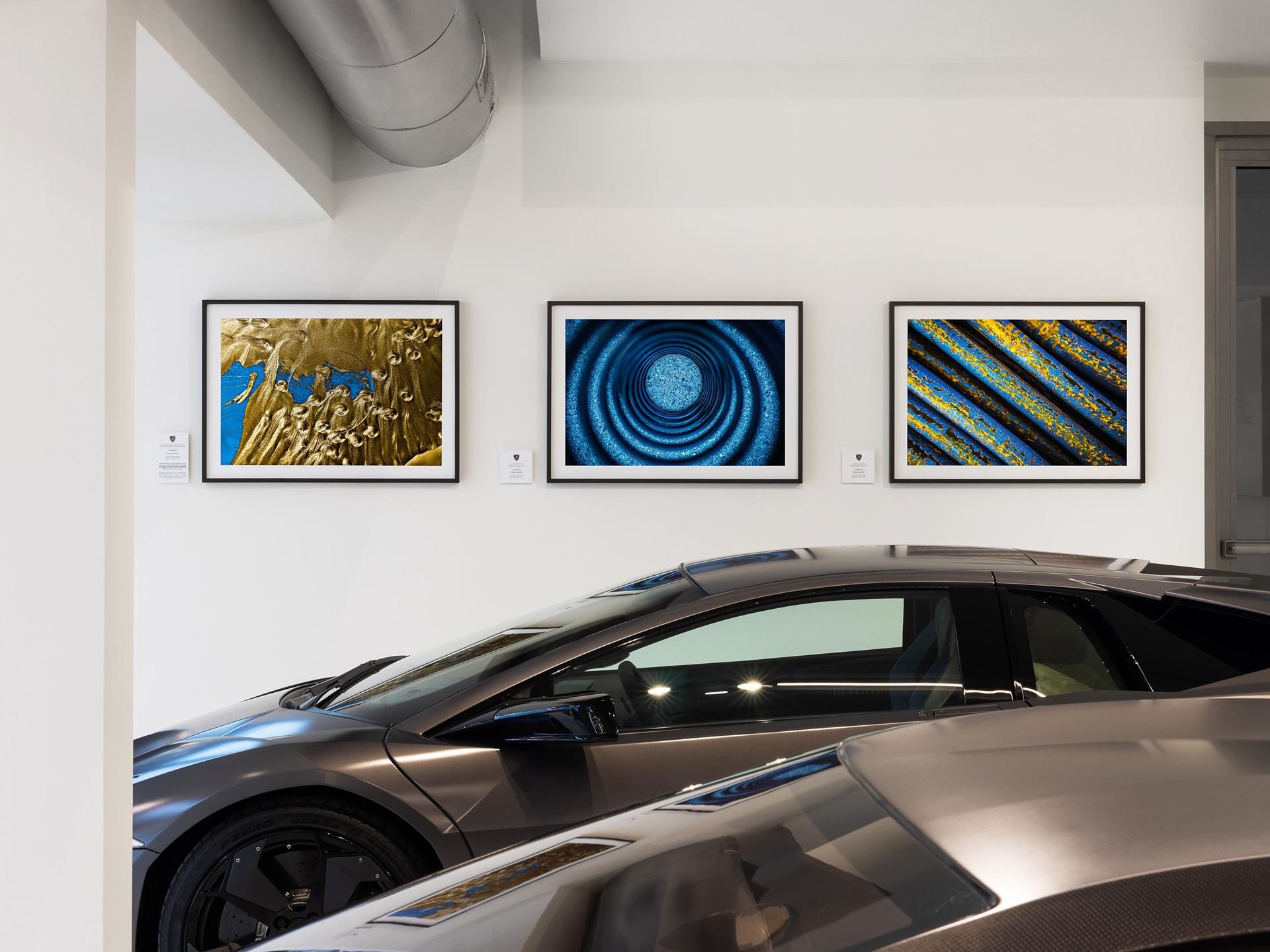
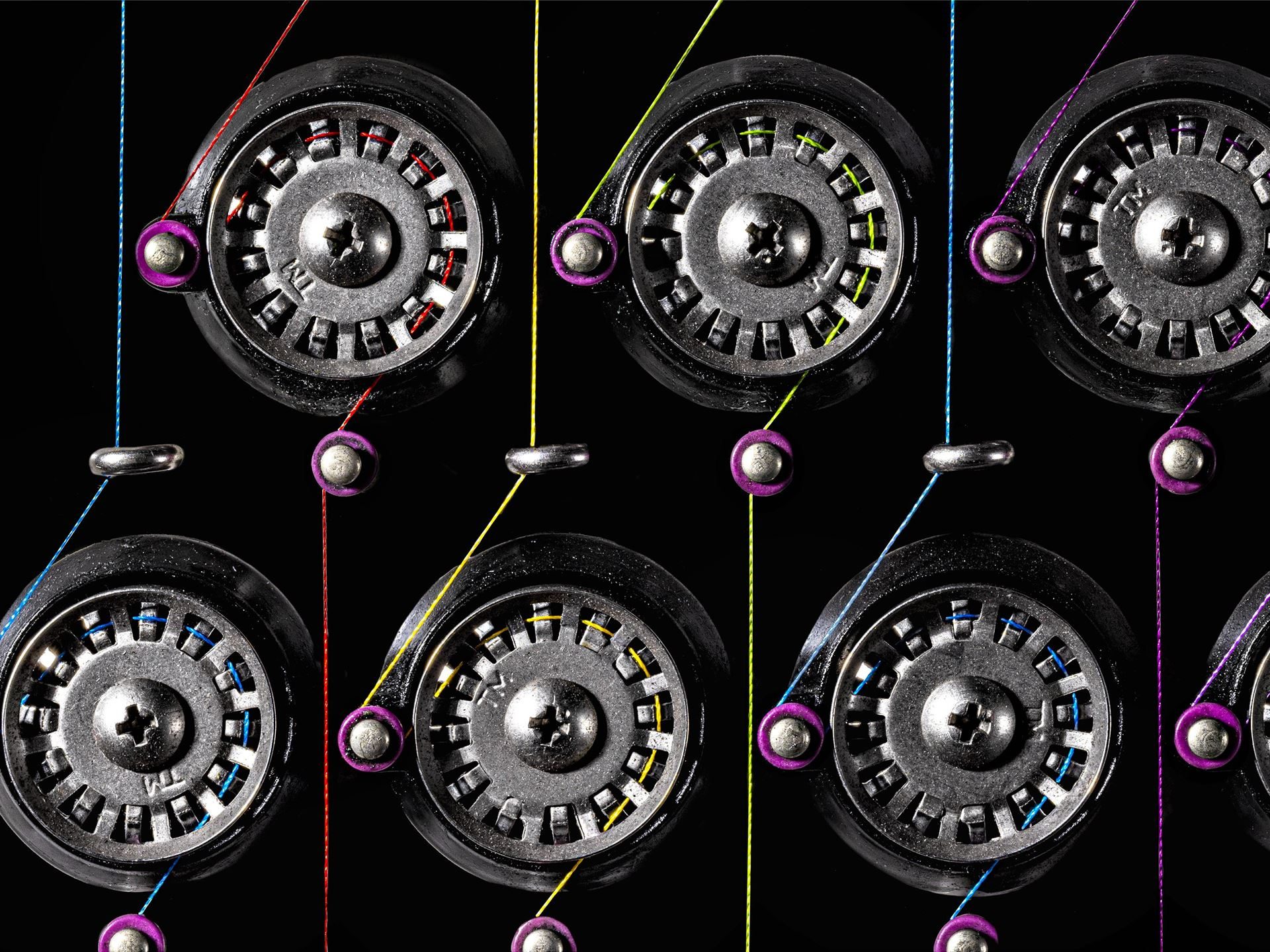
The show also includes photographs taken at other Italian industrial companies, and the curatorial logic connects these broader images to the Lamborghini-specific work through color and form. Threads on spools, fabric cutouts arranged like abstract maps, the blue glow of automated guided vehicles navigating warehouse corridors: all are placed in conversation with the factory images, drawing out visual rhymes between different manufacturing worlds. Roda’s point, articulated through sequencing rather than wall text, is that industrial production carries its own beauty regardless of the product at the end of the line. The fact that Lamborghini’s product happens to be a supercar simply raises the dramatic stakes.

From Factory Floor to Fine Art: Connecting Engineering and Aesthetics
The exhibition’s strength, and the reason it warrants attention beyond the usual press-release cycle, lies in the specific industrial content Roda chose to photograph. For Lamborghini enthusiasts accustomed to polished hero shots of finished cars, these images offer a genuinely different perspective on where the brand’s obsession with detail actually begins.
Roda’s industrial photographs emphasize materials, textures, forms, lights, and atmospheres across the manufacturing environments she depicts. These images serve a curatorial purpose, linking Lamborghini’s production universe to the wider world of Italian manufacturing craftsmanship. The visual narrative connects these different industrial spheres through what Lamborghini describes as chromatic and semantic associations.
For anyone who appreciates the Ad Personam customization program or the work that goes into selecting materials for a bespoke interior, these photographs offer a different entry point into the same fixation with detail. The factory, in Roda’s telling, is where that fixation takes root.

The Automobili Lamborghini Museum: A Growing Cultural Hub
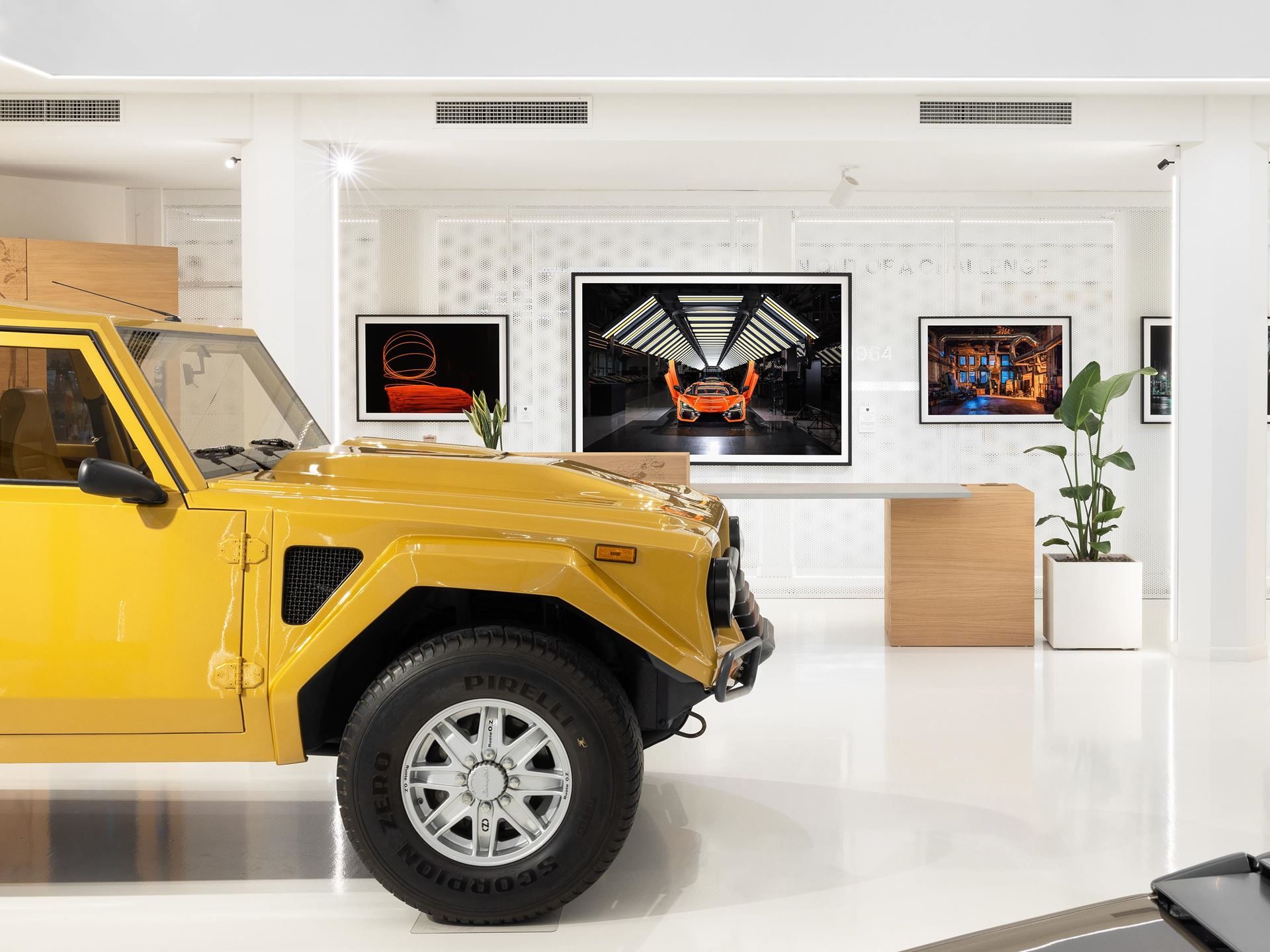
One of the exhibition’s quiet pleasures is the way Roda’s photographs interact with the museum’s permanent car collection.
Lamborghini says the exhibition features its “most iconic cars,” though the company does not provide a complete list of which models are on display alongside the photographs. What the photographs and installation images confirm is that the curatorial team placed real thought into which cars sit near which images, creating visual dialogues between finished product and production process.
Christian Mastro, Marketing Director of Automobili Lamborghini, framed the exhibition as a reflection of values the brand considers central to its identity. “Automobili Lamborghini has always stood for vision, innovation and creativity,” Mastro stated, adding that the museum serves as “the ideal space to showcase this connection with the world of art.” The phrasing is corporate, but the exhibition itself is more interesting than the quote suggests.
The timing reflects a museum that increasingly sees itself as more than a car showroom. In 2024, the Automobili Lamborghini Museum drew a record 172,000 visitors, a 26% jump over the previous year. The record 2024 visitor year also included the “Dreamaway” exhibition, which featured artworks inspired by Lamborghini’s heritage. “The Industrial Perspective” follows the success of the museum’s 2024 Dreamaway exhibition and 60th anniversary celebrations with a different kind of cultural programming. Where “Dreamaway” presented art inspired by Lamborghini’s heritage, “The Industrial Perspective” focuses on factory imagery and industrial environments. The progression suggests the museum is a constantly evolving space that expands the brand’s story through art, design, and innovation, and the museum attracted 172,000 visitors in 2024.

Planning Your Visit: Experience ‘The Industrial Perspective’
Lamborghini’s own press materials do not specify an exact closing date for the exhibition, so visitors are advised to check current information before planning a trip.
Lamborghini does not disclose ticket pricing for the museum in its press materials. The museum maintains public visiting hours, operating daily from 9:30 AM to 6:00 PM between October and April, and from 9:30 AM to 7:00 PM between May and September. Reservations and inquiries can be directed to visit@lamborghini.com.
“The Industrial Perspective” is a quieter kind of Lamborghini event than a new model reveal or a racing debut. What it does offer is a rare, curated look at the spaces where those things originate, presented through the eye of a photographer who treats an assembly line with the same compositional rigor she once brought to the theater. For a brand that sells the idea that every detail matters, letting an artist prove that claim on the factory floor is a more convincing argument than any press release could make.

Gallery