The Strategic Value of Presidential Recognition
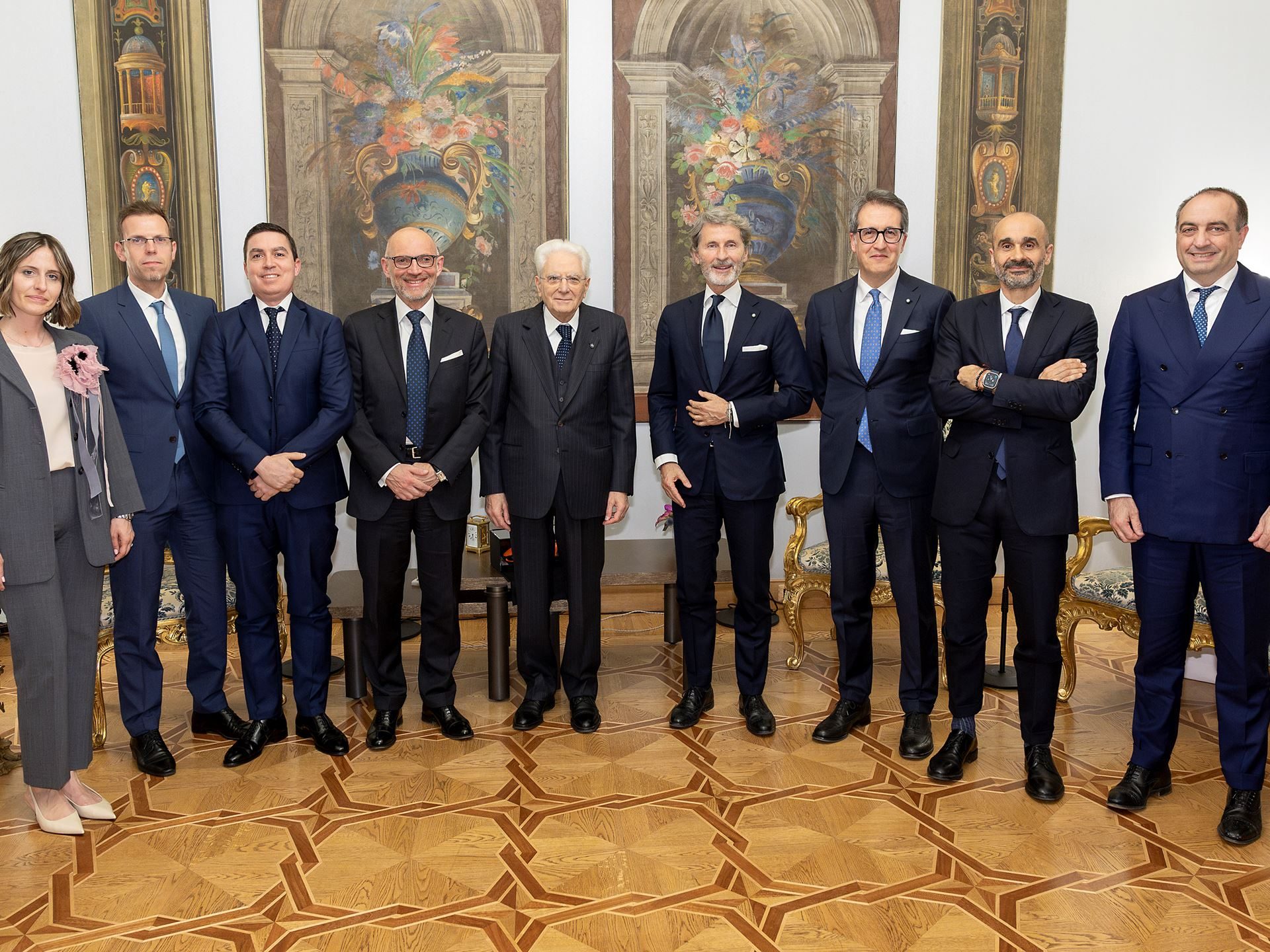
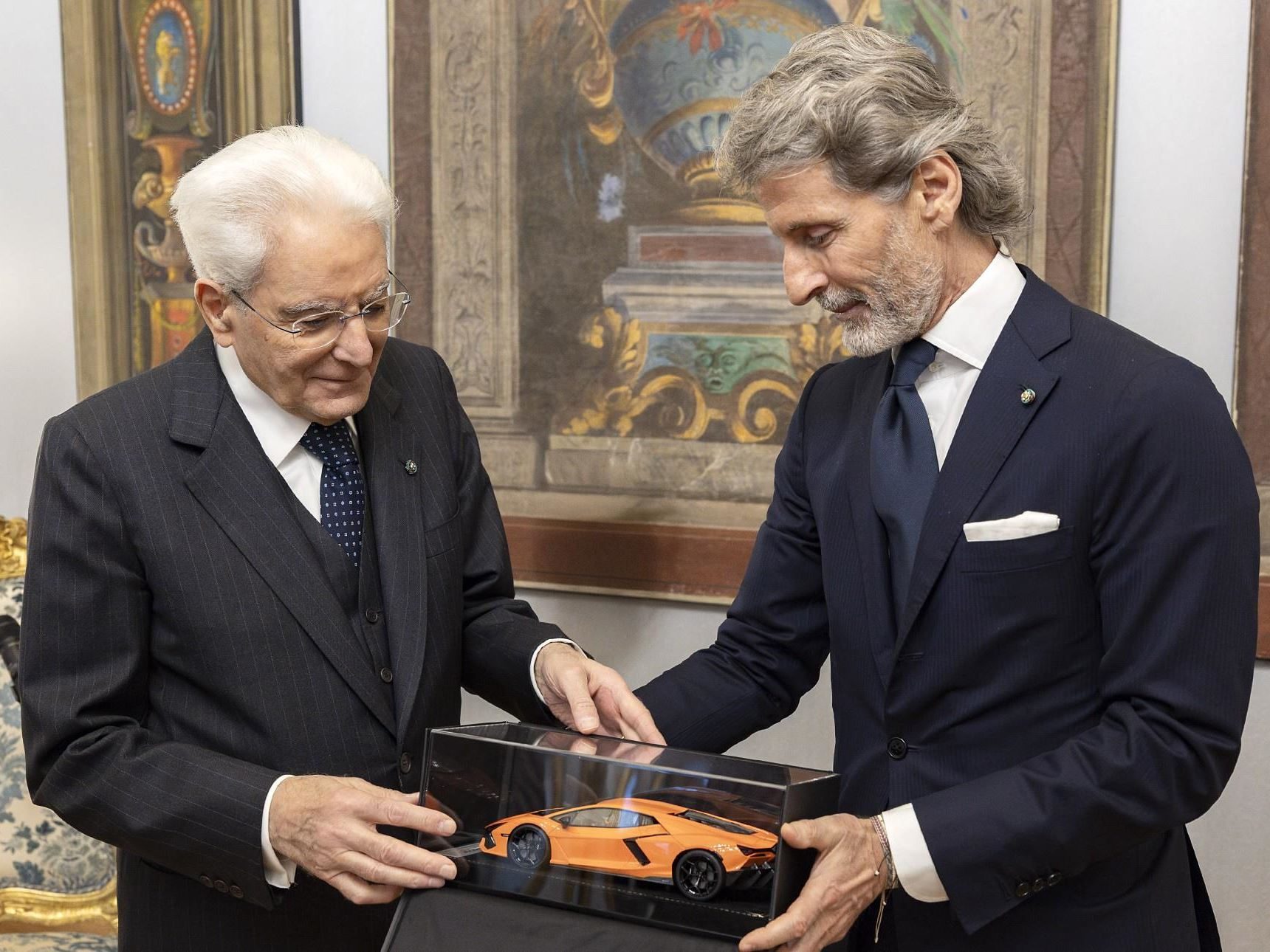
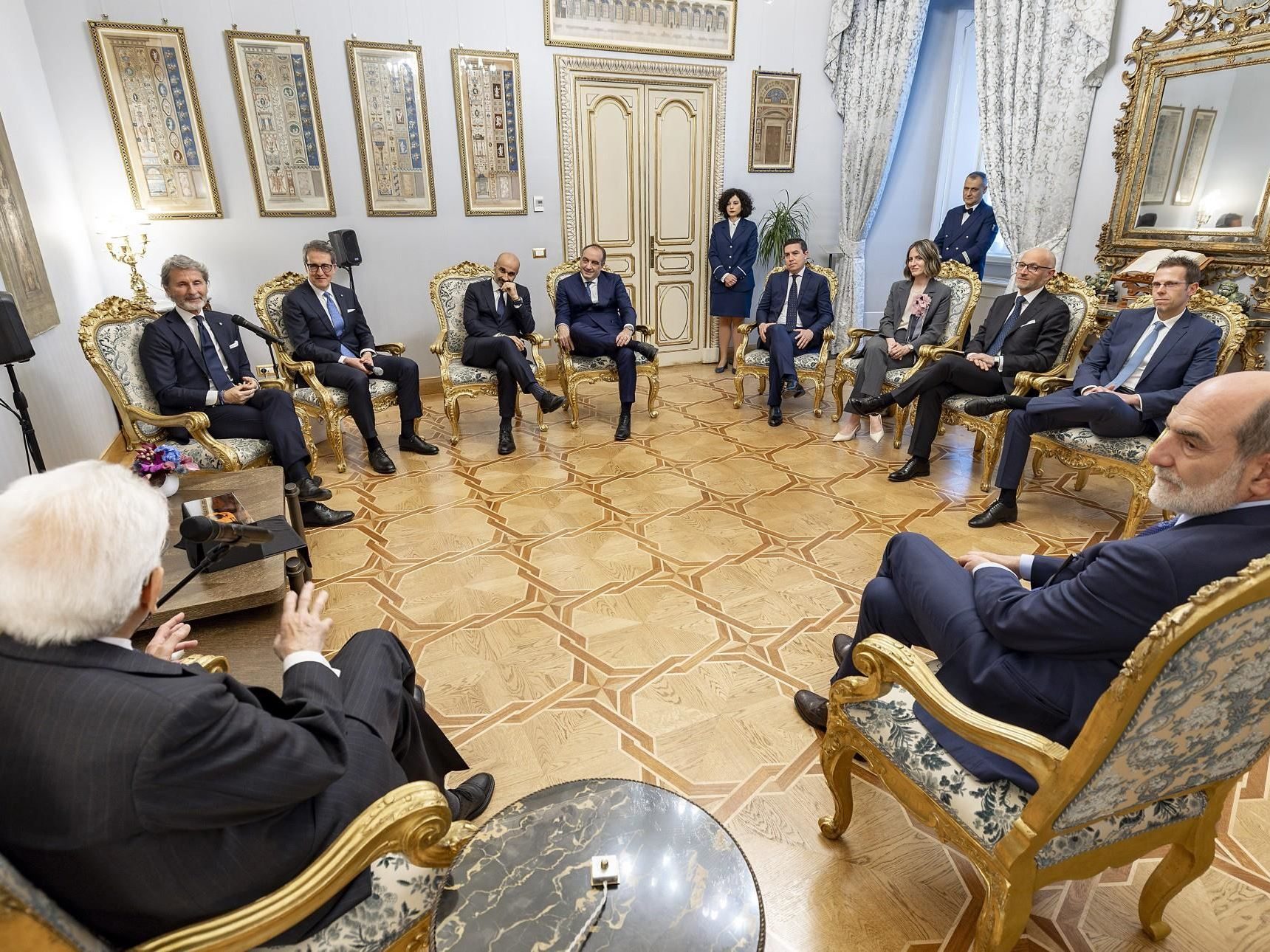
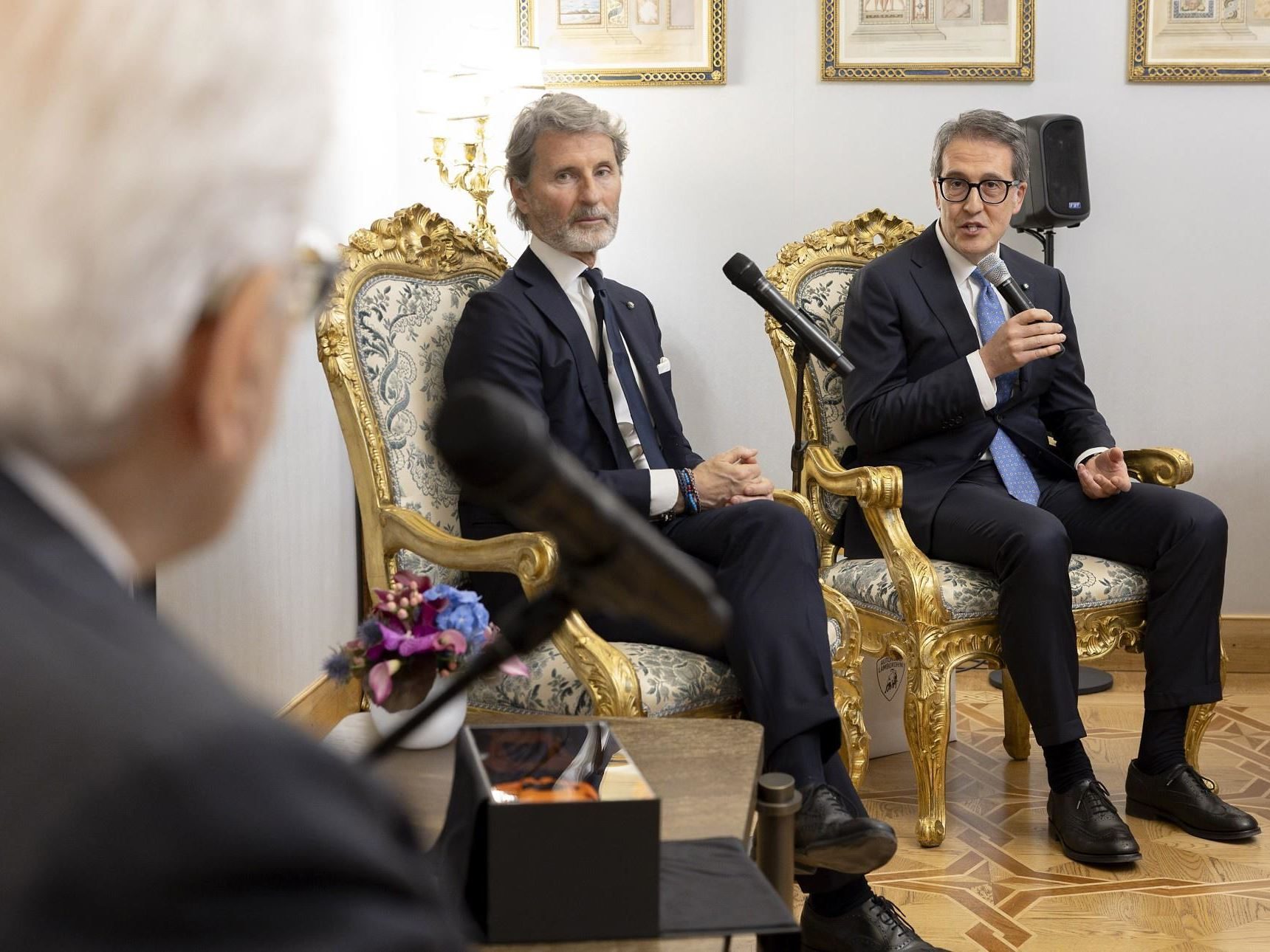
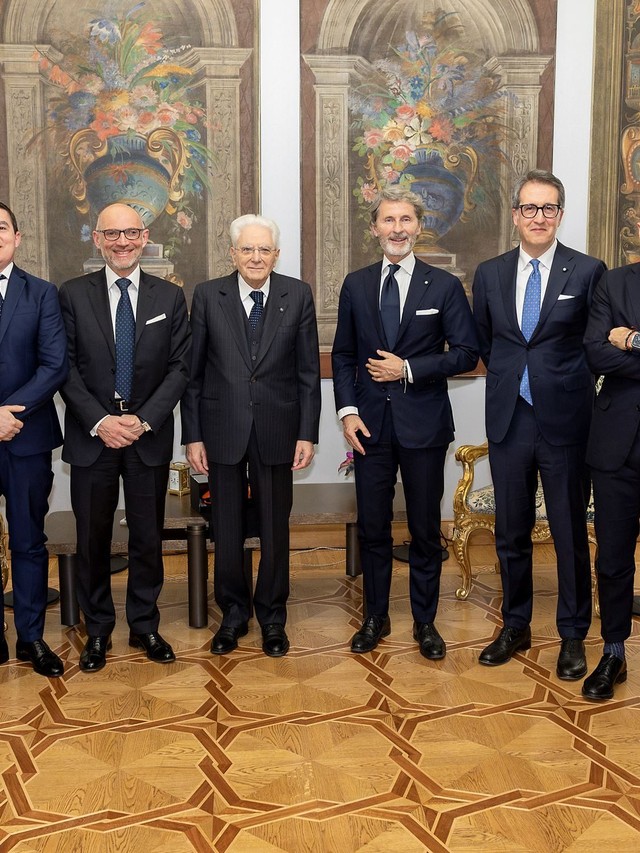
When the President of the Italian Republic invites your leadership team to the Quirinale Palace, it signals something well beyond a polite handshake. On April 14, 2025, a delegation from Automobili Lamborghini led by Chairman and CEO Stephan Winkelmann sat down with President Sergio Mattarella in Rome, one day before Italy’s official Made in Italy Day.
Lamborghini says the meeting aimed to highlight the company’s achievements, its role as a representative of Italian excellence, and its status as a global ambassador for “Made in Italy.” Strip away the diplomatic language and you find a luxury automaker actively courting the kind of institutional endorsement that money cannot buy. In the ultra-luxury segment, brand prestige compounds over decades, and a presidential audience in one of Europe’s most storied government buildings adds a layer of legitimacy that no marketing campaign replicates.
Winkelmann called it “a great honour,” noting the visit held “special symbolic value” ahead of Made in Italy Day. Lamborghini’s approach is different: less racing dynasty, more industrial champion. The Quirinale visit was a very public way of staking that claim, and every detail the delegation chose to present reinforced it.
Lamborghini’s Hybrid Future and Direzione Cor Tauri
The delegation used the Quirinale visit to walk President Mattarella through the company’s transformation over the past five years, and the centerpiece of that story is electrification. Lamborghini claims to have fully overhauled its product range, which is now entirely hybrid. Delivered in corporate prose, that sentence actually represents one of the most aggressive pivots in supercar history.
Consider where the lineup stands. The Revuelto replaced the Aventador with a V12 hybrid powertrain. The Temerario, successor to the beloved Huracán, pairs a twin-turbo V8 with plug-in hybrid technology. Even the Urus SE now carries a hybrid system. For a brand whose identity was forged in the furnace of naturally aspirated V10s and V12s, that is a seismic shift completed in remarkably short order.
The engine behind this transformation is the Direzione Cor Tauri roadmap, launched in 2021. Lamborghini describes it as the largest investment in the company’s history. The naturally aspirated era is over.
Critically, the hybrid pivot did not cost Lamborghini its commercial momentum. The company achieved record sales of 10,112 cars in 2023, with over 6,000 of those being Urus SUVs, and now maintains a global network of 186 dealerships spanning 56 countries. Lamborghini reports record-breaking performance across revenue, employment, and brand value during this period. Presenting those numbers to a head of state was not just a courtesy; it was proof that the brand’s industrial ambitions and its commercial success are reinforcing each other.

Social Responsibility: DESI, Feelosophy, and Brand Impact
This is where the Quirinale visit gets genuinely interesting for anyone who follows Lamborghini beyond the spec sheets. The delegation highlighted two programs that rarely surface in supercar coverage, and both speak directly to the brand’s argument that it is more than a car company.
The DESI (Dual Education System Italy) program, launched by Lamborghini in partnership with local schools and institutions, celebrated its tenth anniversary at the meeting. Lamborghini says the program trained over 200 students and boasts one of the highest employment placement rates in the industry. It is workforce development for a company that needs skilled technicians capable of assembling some of the most complex hybrid powertrains on the planet. The Revuelto alone combines a V12, three electric motors, and an eight-speed dual-clutch gearbox. You do not build that with untrained hands.
Most coverage skips over these details. That is a mistake. The quality of the people assembling your car directly affects the quality of the car itself. Presenting these initiatives to President Mattarella was Lamborghini’s way of framing workforce investment as a national contribution, not just a corporate one.

Competitive Landscape: Lamborghini vs. Rivals
Every major supercar manufacturer wraps itself in a national flag to some degree. What Lamborghini did at the Quirinale was play a slightly different game: positioning itself not just as an Italian sports car company, but as a pillar of Italian industry and social development.
According to an analysis cited on a Lamborghini enthusiast forum, the brand contributed significantly to Audi Group’s profits in the first half of 2025, despite representing a small percentage of overall vehicle sales. That financial punch gives Lamborghini leverage within the Volkswagen Group and reinforces its argument that a relatively small Italian operation can deliver outsized returns.
Lamborghini leaning into its role as an Italian institutional champion, complete with presidential endorsement, is a calculated move to strengthen that perception at the highest level. The Quirinale meeting reinforced that narrative publicly.
The Enduring Power of ‘Made in Italy’
A refreshed logo, a fully hybridized lineup, record sales, a presidential audience: these are not disconnected events. They are chapters in a single story about a company repositioning itself for the next decade while holding firmly to its geographic and cultural roots.
Lamborghini describes itself as an industrial company that blends tradition and innovation, projecting Italian excellence globally while maintaining strong local roots. The company emphasizes that its connection to Italy is a source of responsibility and commitment. Delivered in a press release, those words scan as boilerplate. Delivered in the Quirinale Palace to the President of the Republic, they carry considerably more force.
When the next generation of Lamborghinis arrives, each one will carry the engineering legacy of Sant’Agata Bolognese and, apparently, a quiet endorsement from the highest office in the Italian Republic.

Gallery