The 10-Year Milestone: What Polo Storico Is and Why It Matters
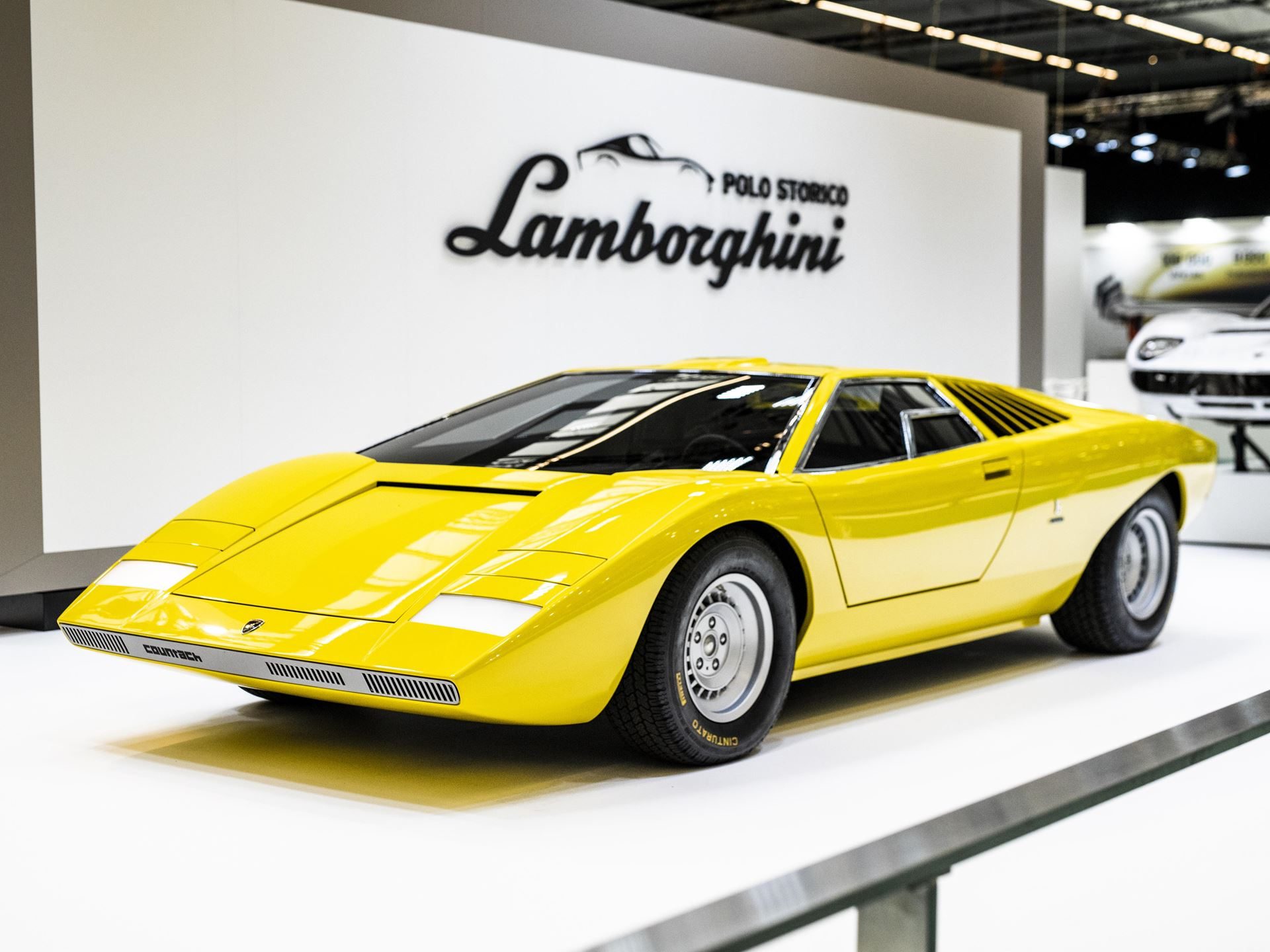
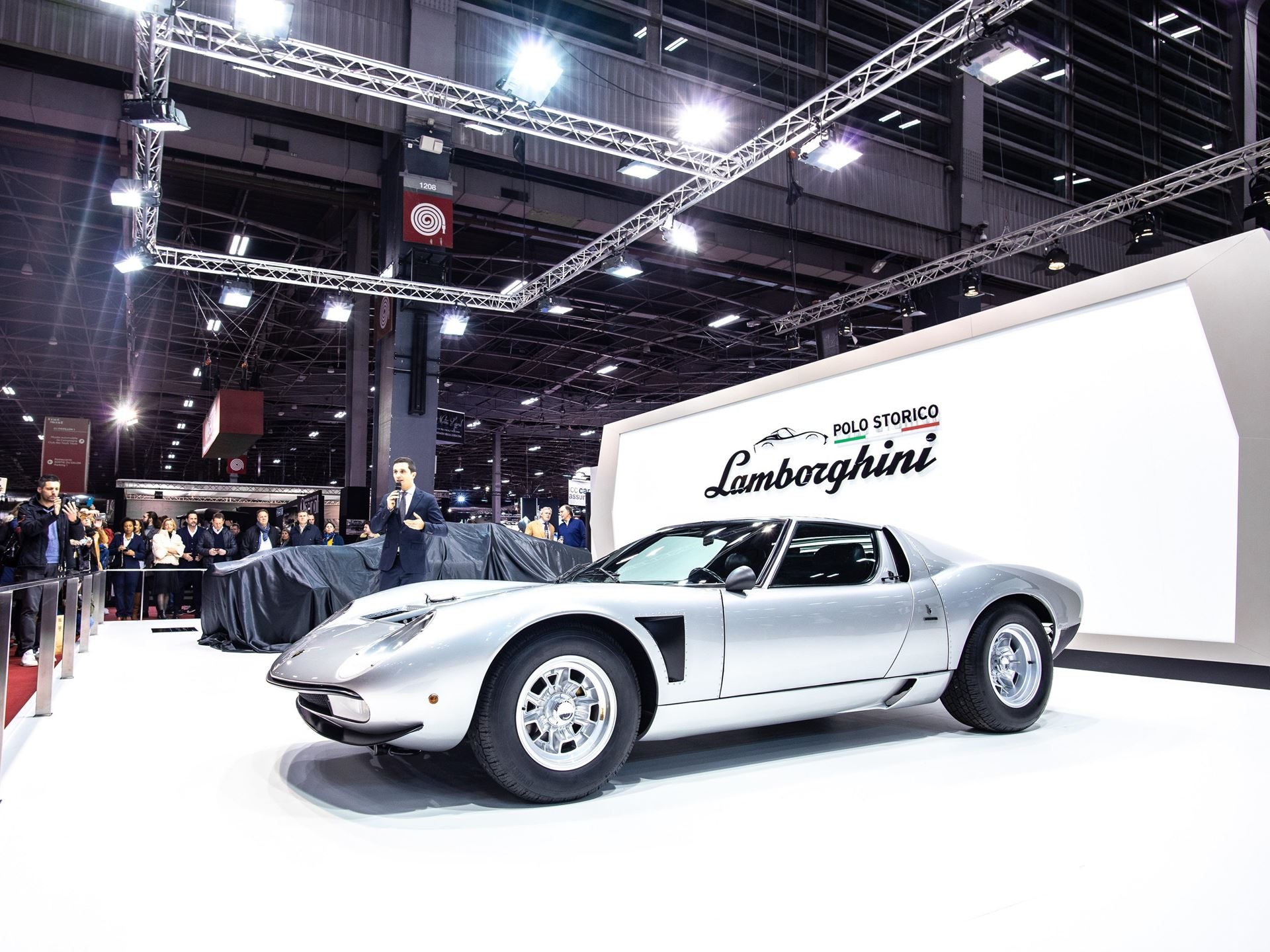
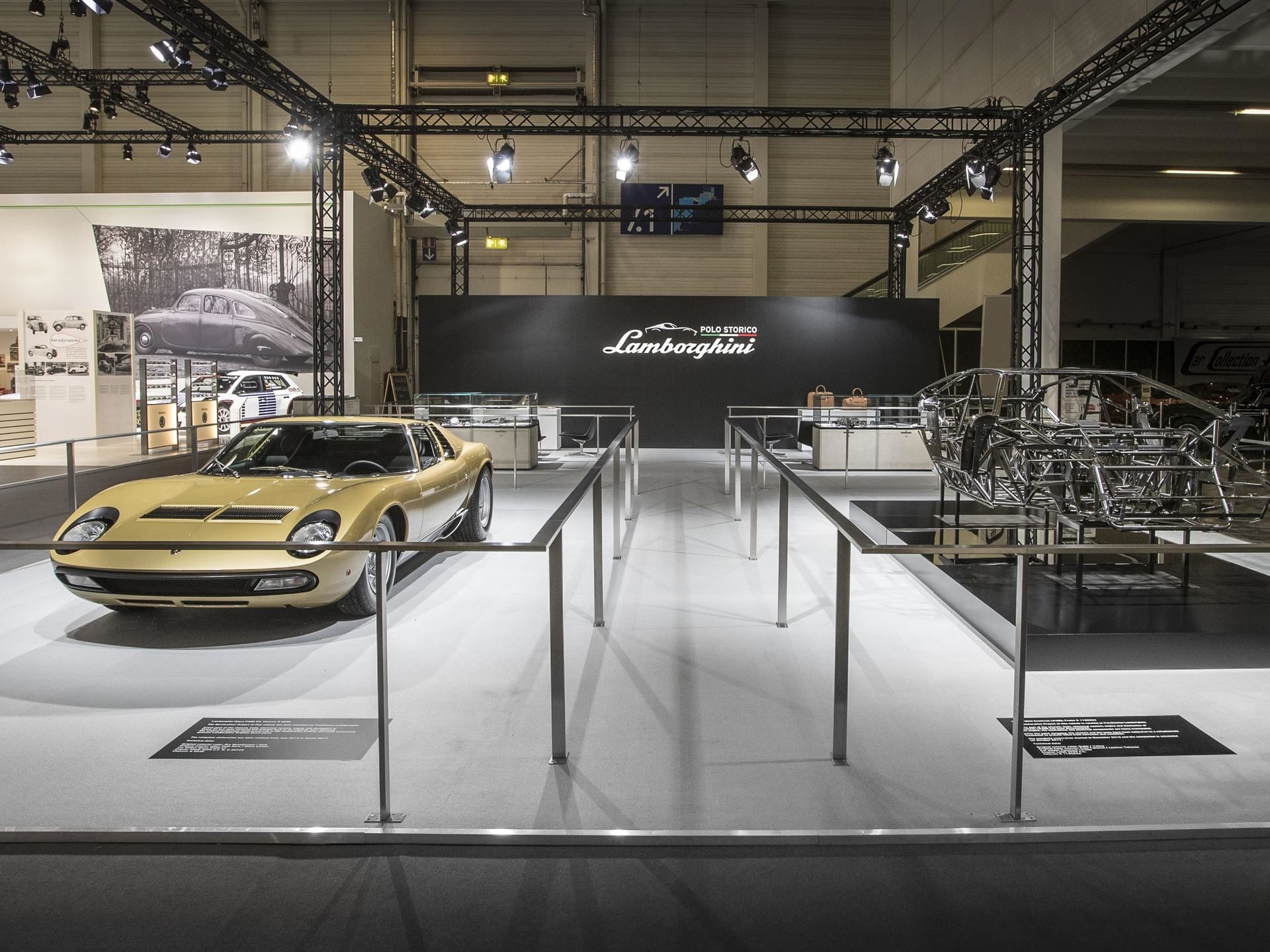
Lamborghini Polo Storico, the heritage department based at Sant’Agata Bolognese, turns ten in 2025. The anniversary itself is less interesting than what the department proved it could do during that decade: fully reconstruct a car that no longer existed. The 1971 Countach LP 500 prototype, destroyed in crash testing over fifty years ago, was rebuilt from scratch using archive documents, historical photographs, and firsthand accounts. Lamborghini says the project consumed over 25,000 hours of work before its completion in 2021.
That feat frames everything Polo Storico does differently. The department handles restoration and certification, but it also reconstructed the Countach LP 500 from nothing but paper and memory. That reconstruction is the department’s calling card.
The program covers historic Lamborghini cars from the 350 GT to the latest versions of the Diablo.

The Committee of the Wise: Polo Storico’s Structural Advantage
Lamborghini founded Polo Storico in 2015. The program includes a notable structural feature: the Comitato dei Saggi, or Committee of the Wise. This advisory body consists of former Lamborghini employees who played an operational role in the company’s history. They provide firsthand verification of technical details that no archive document can fully capture, supporting Polo Storico in solving technical challenges and reconstructing data that is not always available in the official records.
That continuity between the people who built the cars originally and the team now preserving them gives Polo Storico a direct line to institutional knowledge that written archives alone cannot supply.
Lamborghini says the department completed more than 40 restorations and issued over 200 certifications in its first decade. The Miura SV #5030, for example, required 2,000 hours of work over 20 months using exclusively original spare parts. Polo Storico also works with key local suppliers, many of whom are historical partners from the original production runs of these cars, selected in line with the department’s values.

Archive, Restoration, Certification, Spare Parts: The Work of Preservation
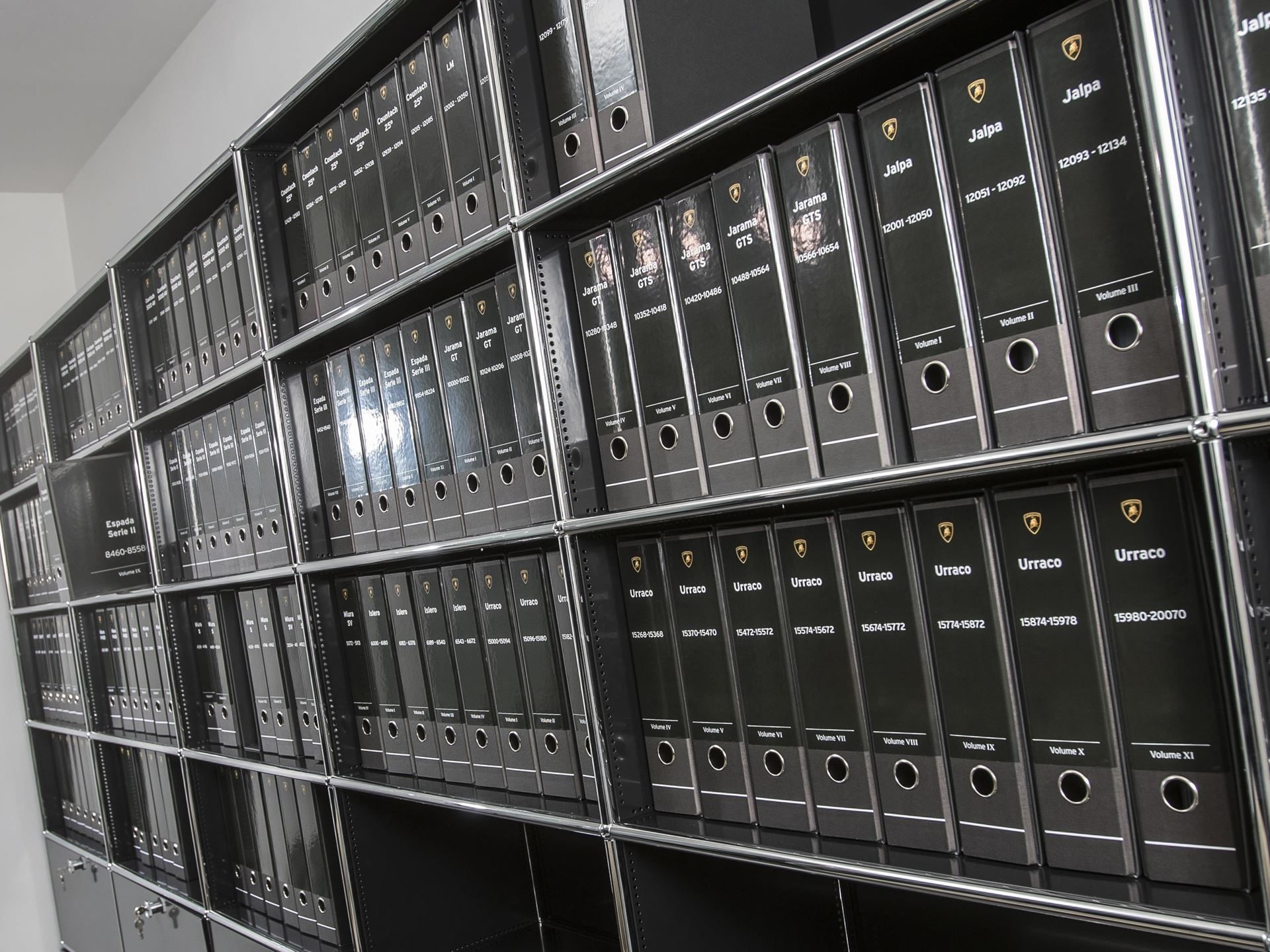
Polo Storico organizes its work across four interconnected activities. The Archive preserves design sketches, production records, technical drawings, type-approval documents, and original company publications. The department reports digitizing over 30,000 historical documents, centralizing records that were previously scattered across multiple departments.
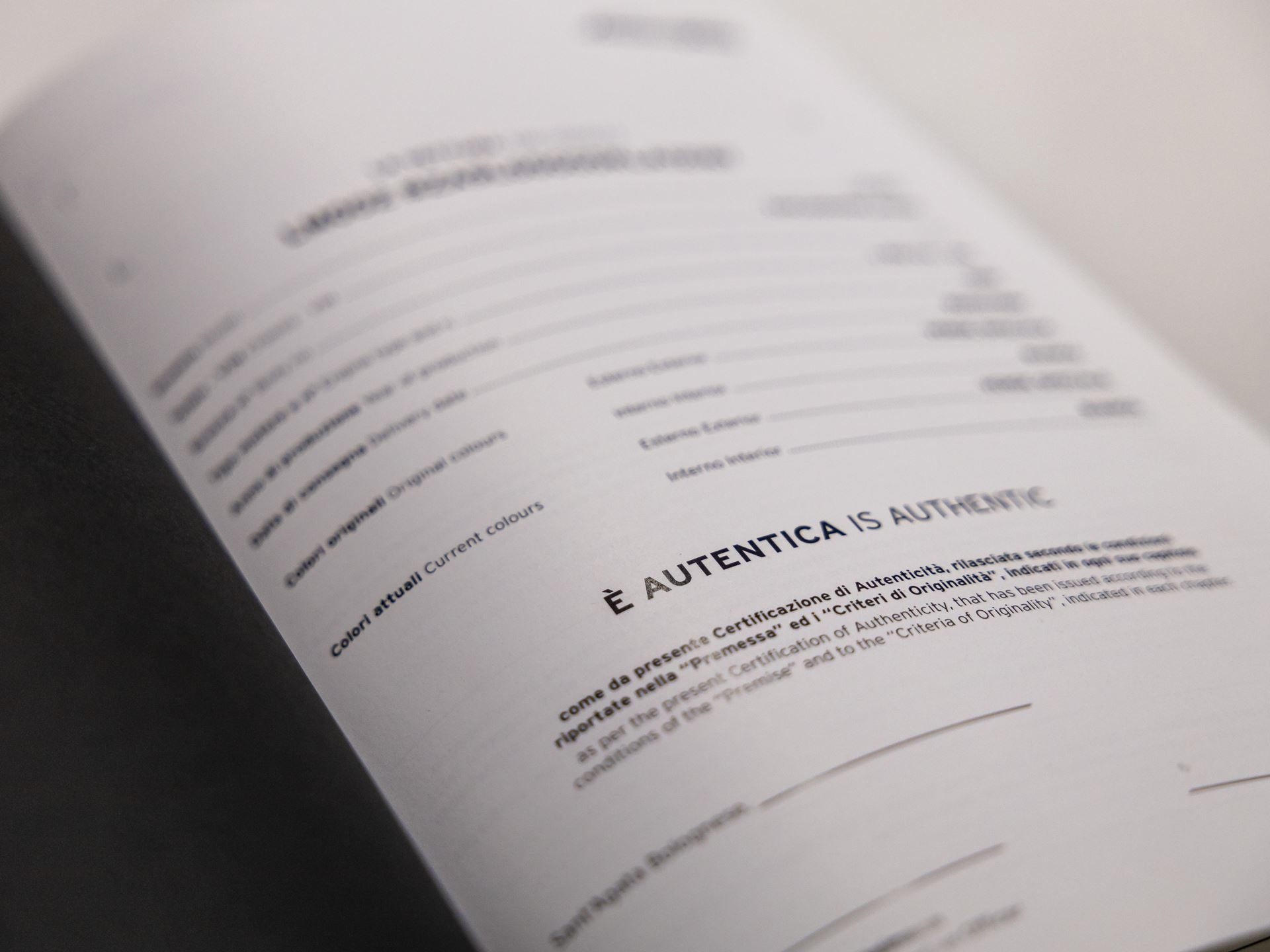
Certification subjects a historic Lamborghini to rigorous analysis against original factory specifications, covering mechanical parts, interior materials, paintwork, and any modifications made after leaving the factory. Significant hours can go into a single certification, which concludes with a detailed technical report. Certifications are signed off by an internal committee comprising representatives from legal, type-approval, R&D, aftersales, and the chairman’s office.
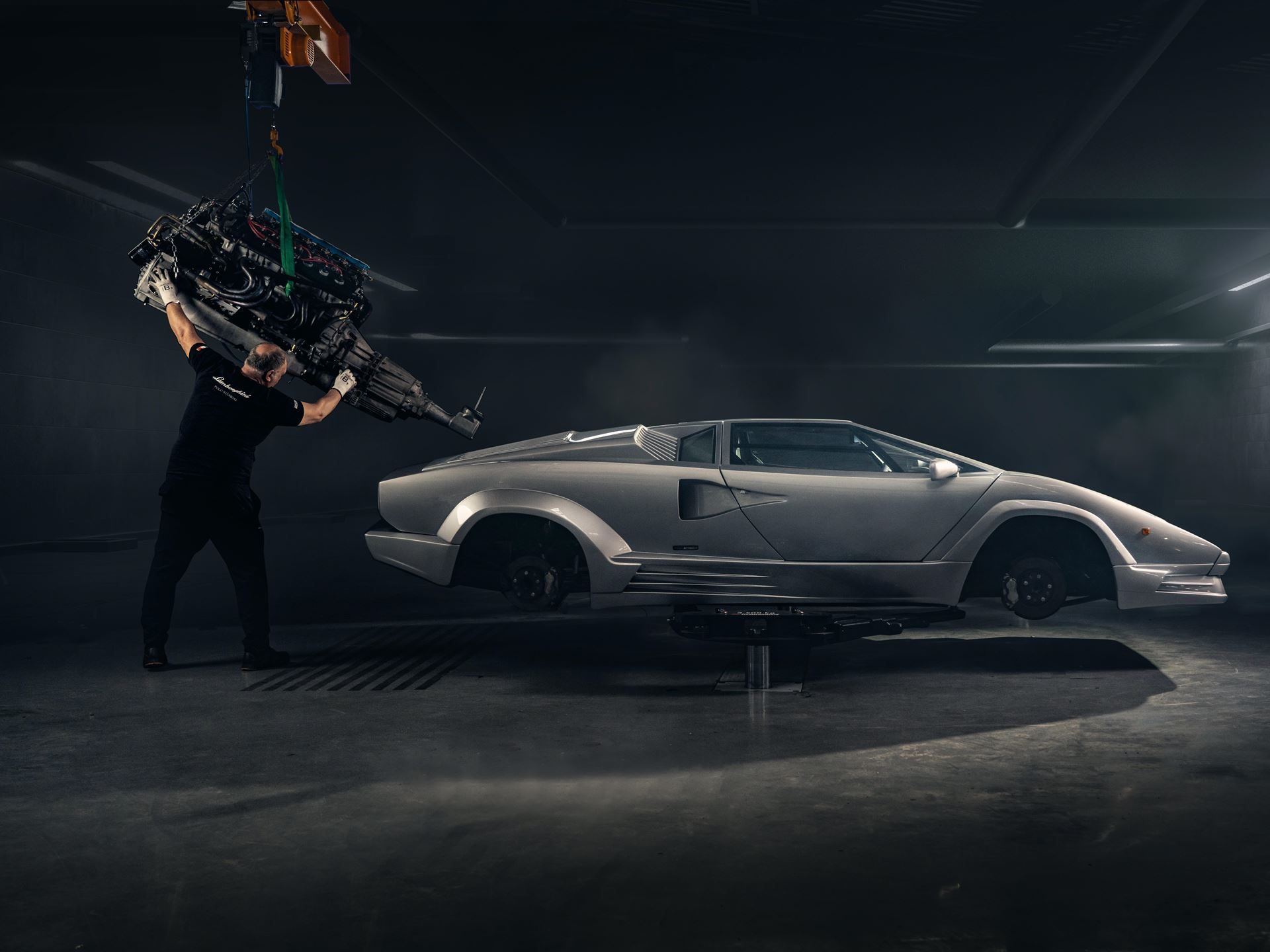
Restoration projects aim to return every car to its original condition, respecting its historical, technical, and aesthetic identity. Each begins with archival research and proceeds through thousands of hours of skilled labor. The Original Spare Parts department manufactures new components to original specifications for models from the 350 GT to the Diablo, producing replacements when parts are no longer available.

Beyond the Miura: Unsung Heroes of Lamborghini’s Heritage
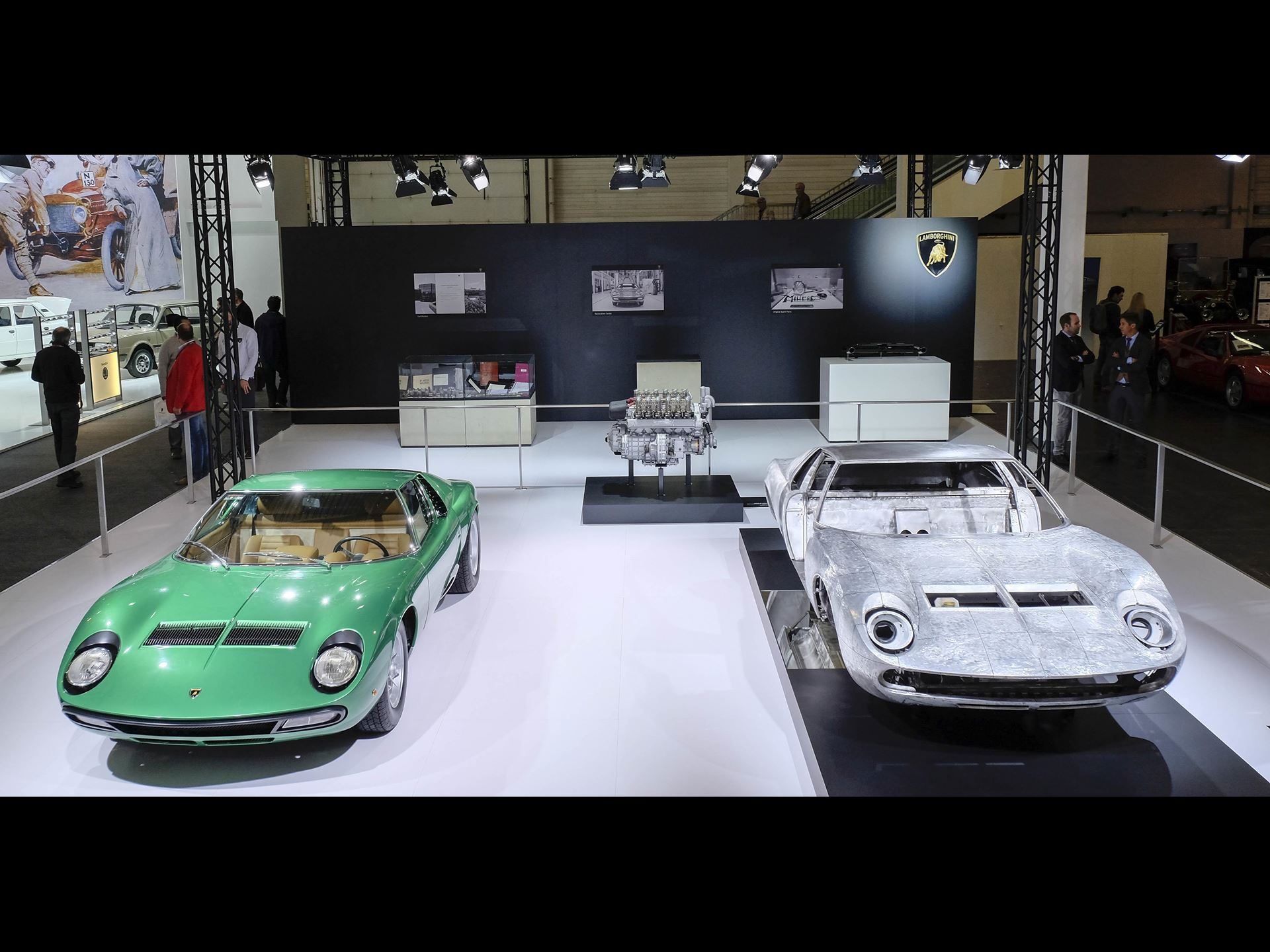
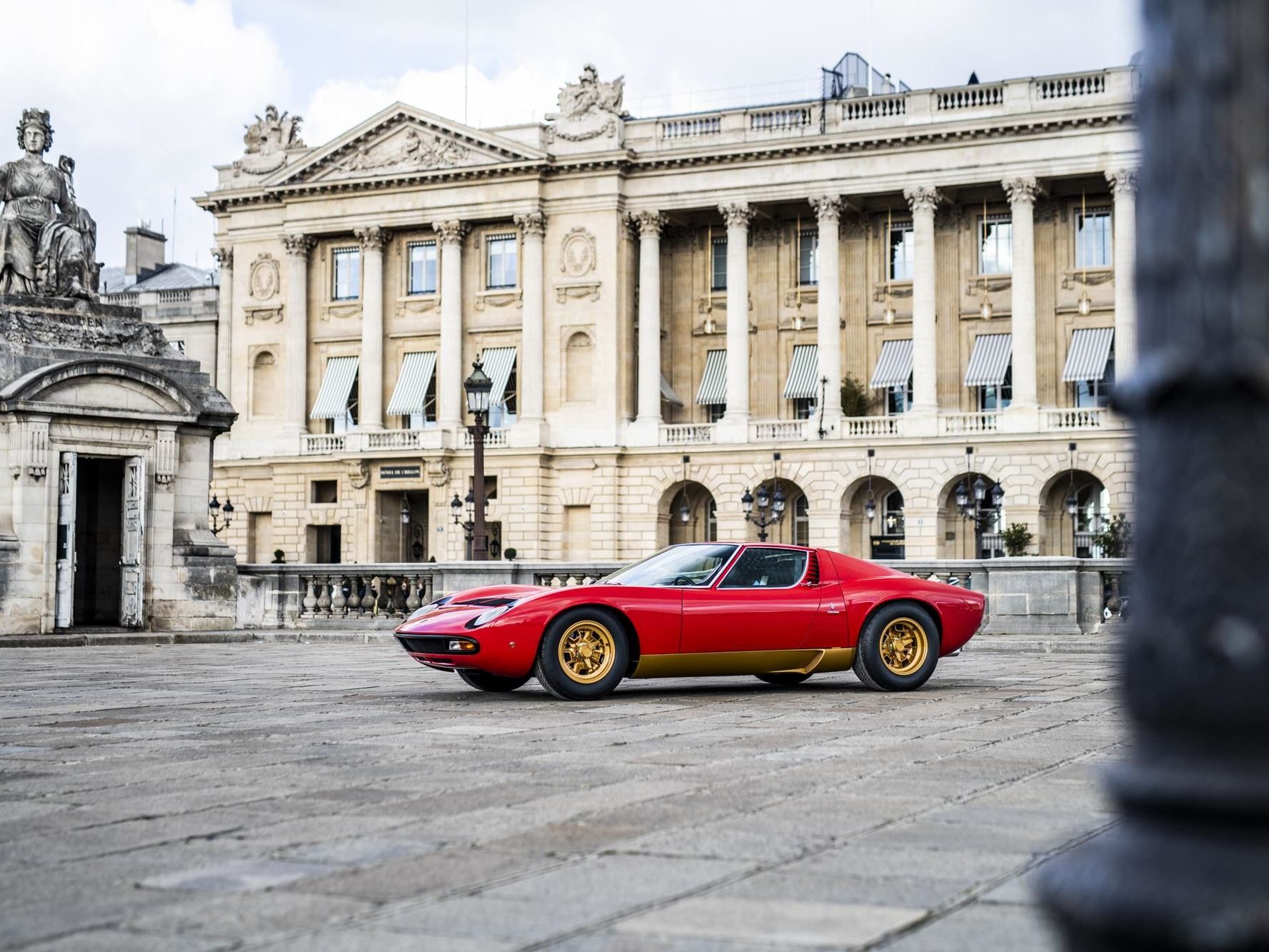
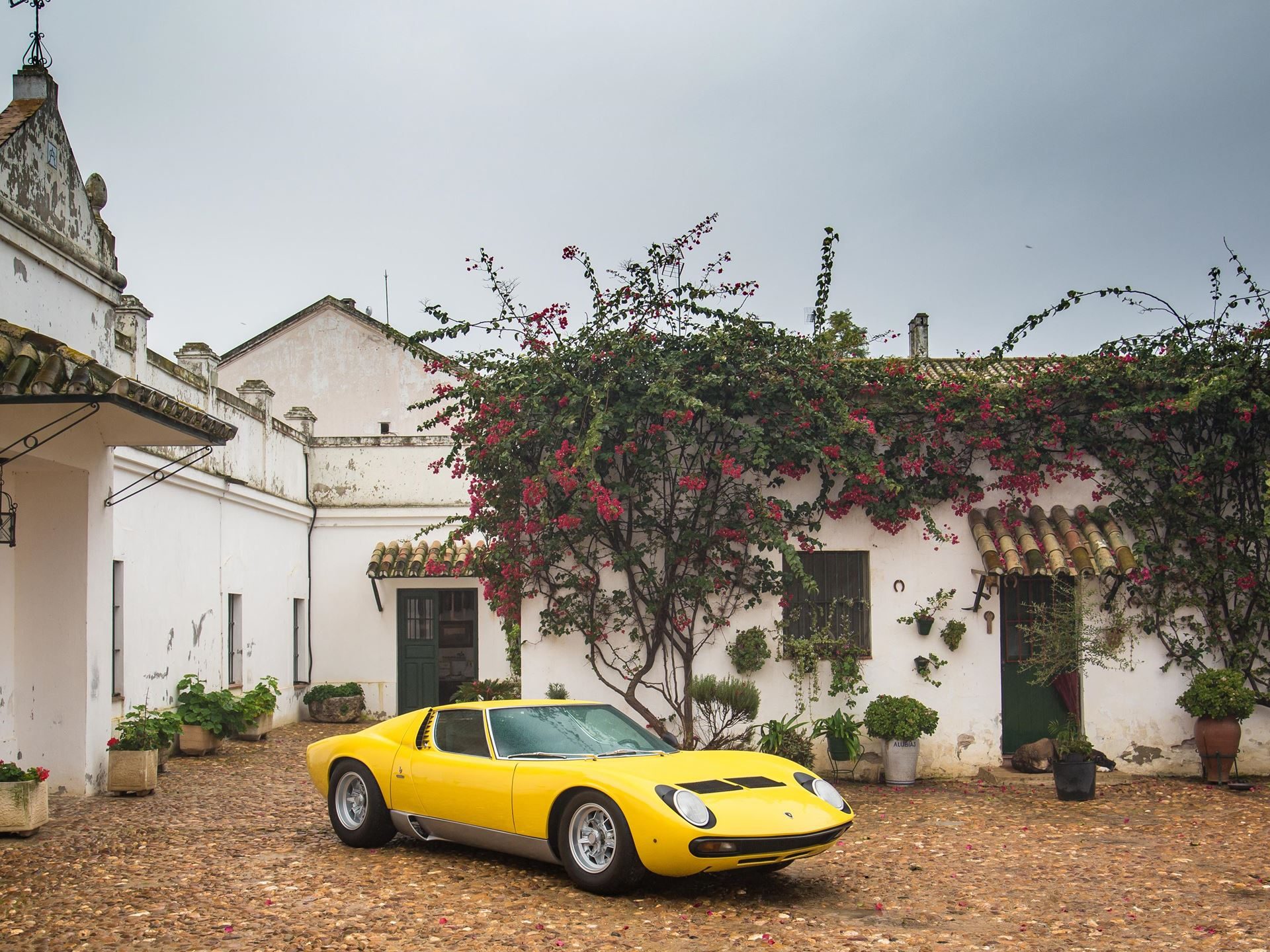
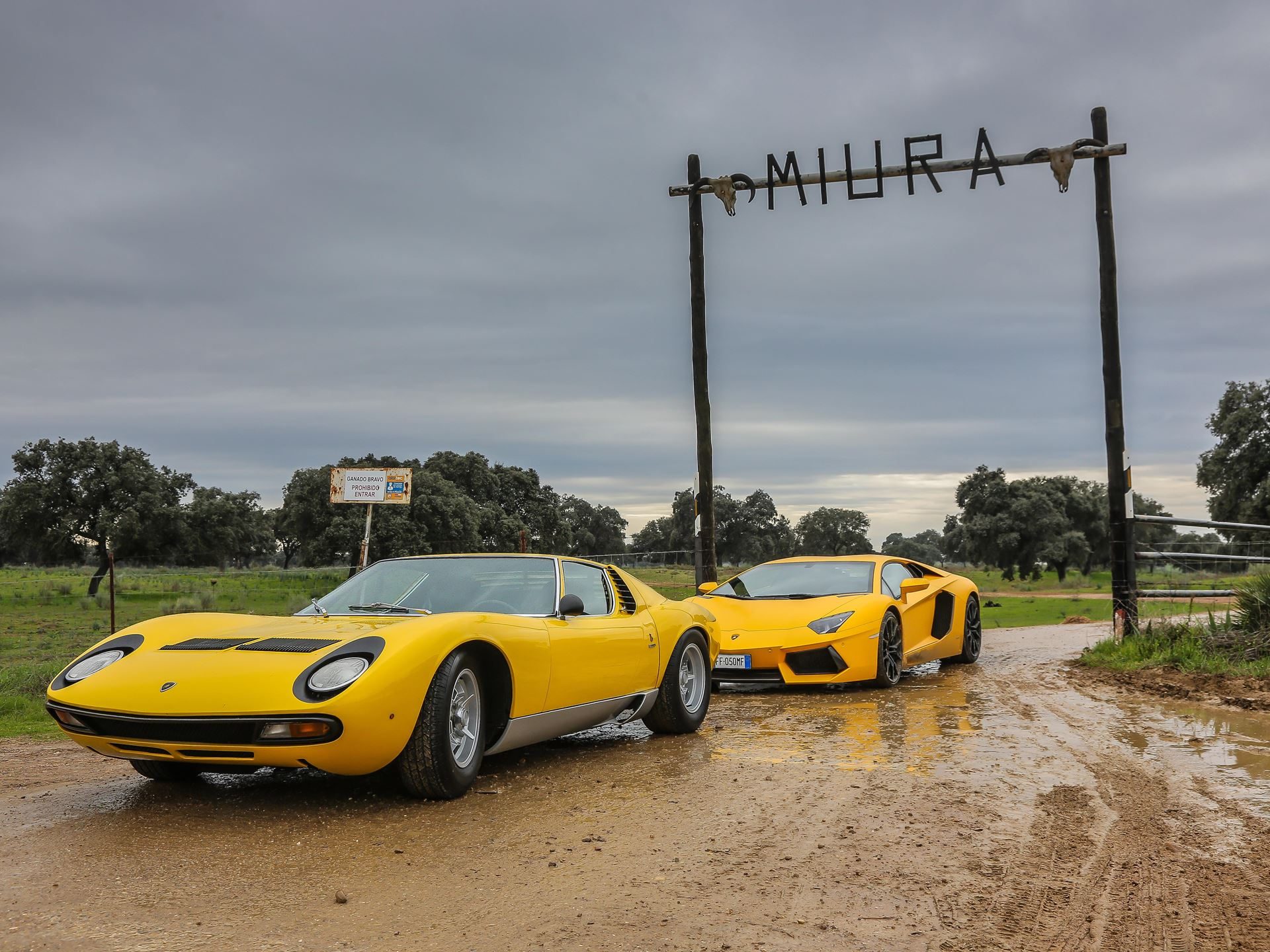
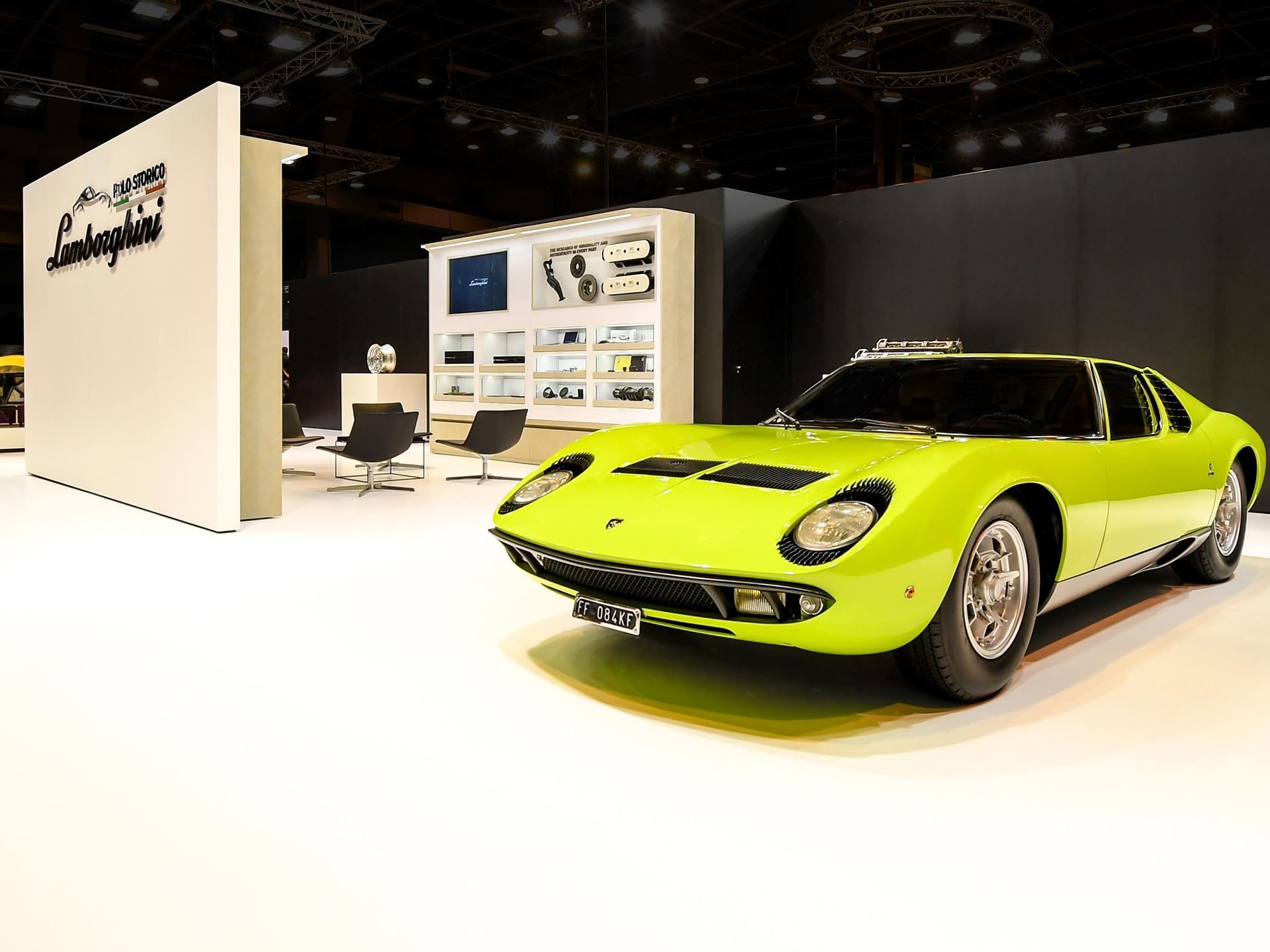
Most Polo Storico coverage gravitates toward the Miura and Countach, and understandably so. The department’s public restoration list reads like a Miura registry: SV #4846 (the first project presented to the public by Polo Storico, restored and shown at the Amelia Island Concours d’Elegance before winning Best in Class at Salon Privé), P400 #3165 (restored for Giampaolo Dallara’s 80th birthday over 3,000 hours), SV #3673 (Best in Class at Pebble Beach), and P400 S #4797, which belonged to the Italian singer Little Tony and wore one of only seven Azzurro Mexico paint jobs. Polo Storico also certified Miura P400 #3586 as the car used in the original shooting of The Italian Job film, resolving a long-standing mystery through archival materials and eyewitness accounts.
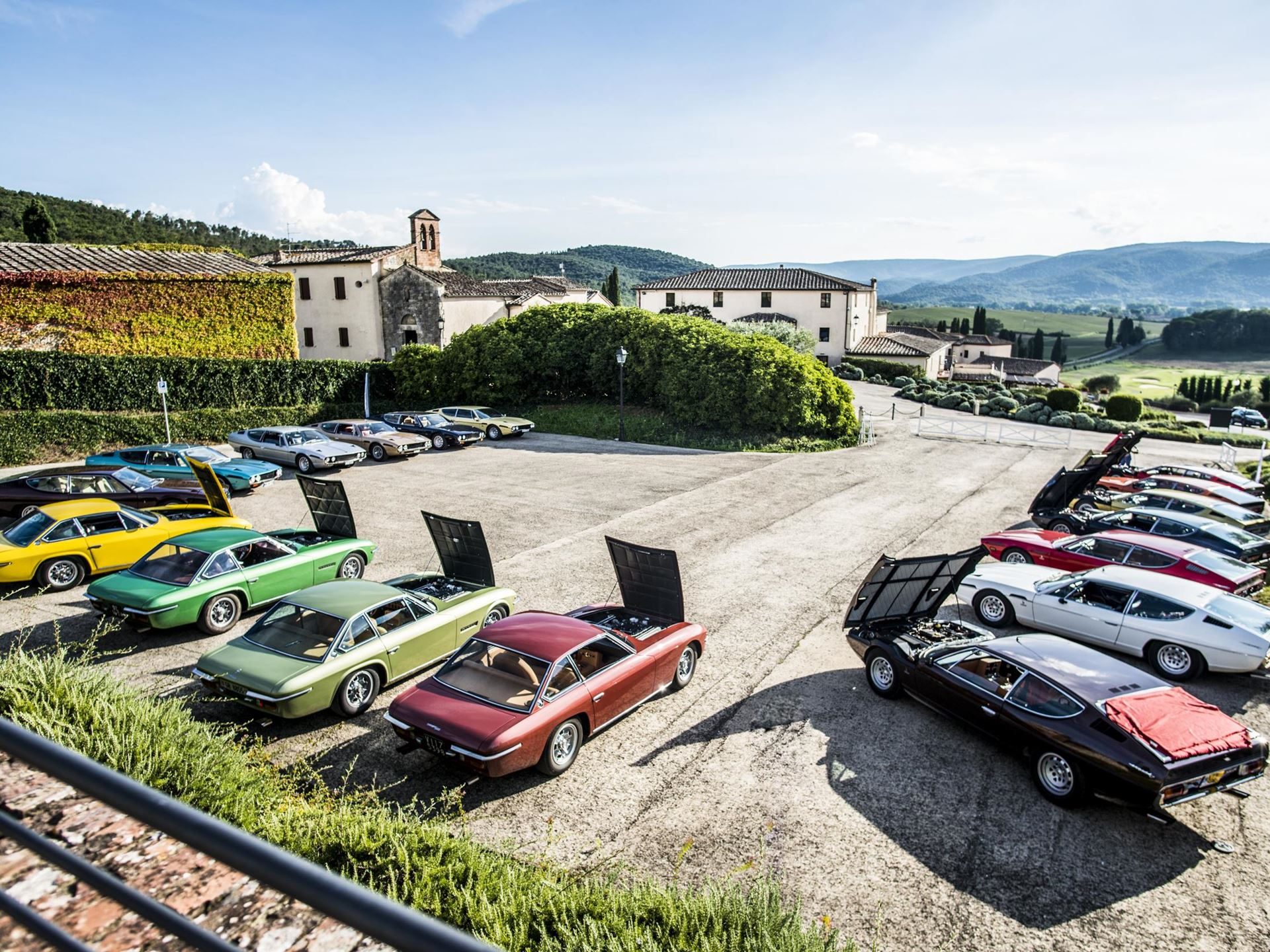
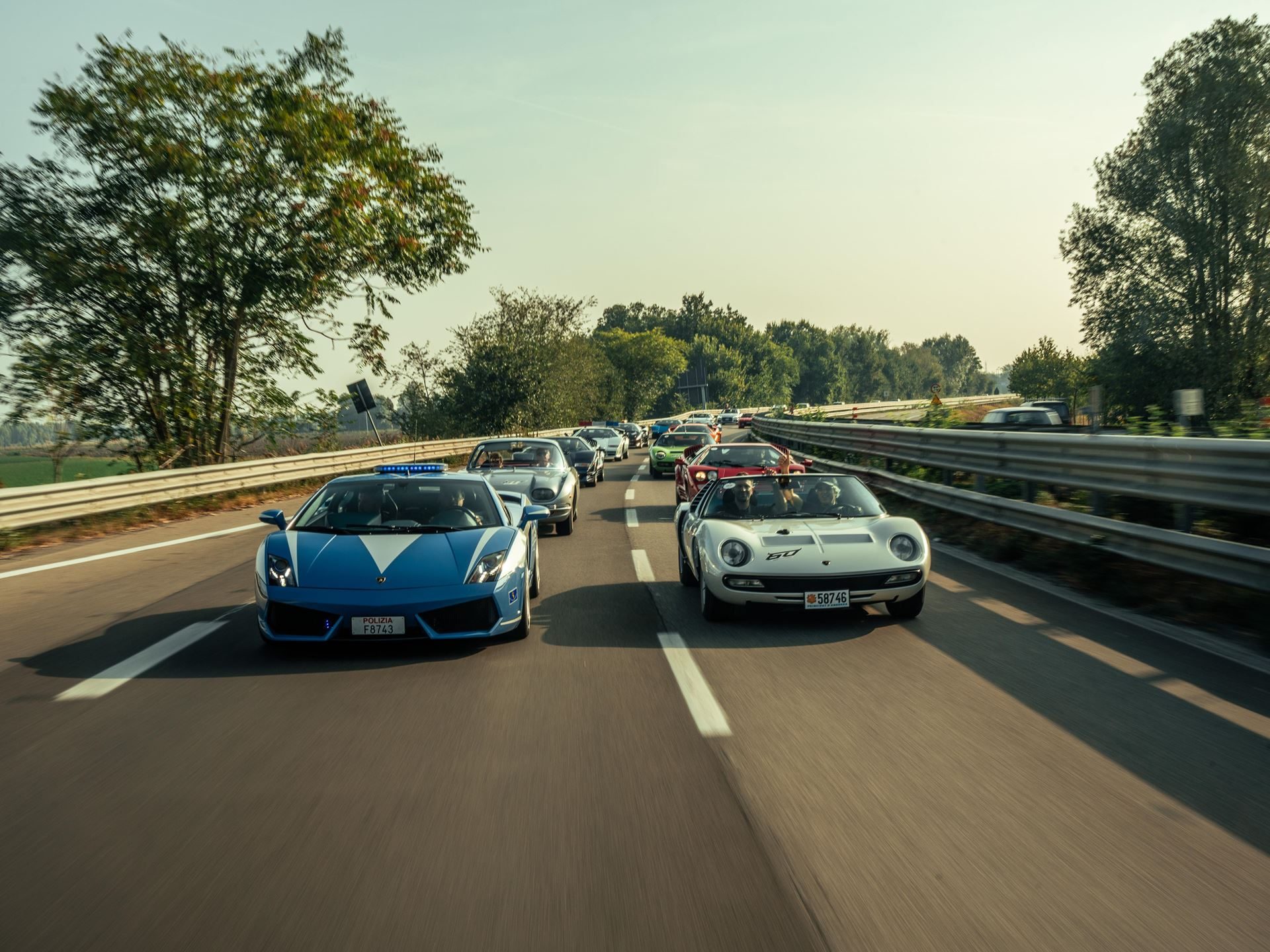
The department’s scope, though, extends well past the headline models. The 350 GT #0121, one of the very first Lamborghinis produced, required 1,150 hours on body and interior work plus 780 hours for mechanical and electrical checks. Polo Storico organized a tour celebrating 50 years of the Espada and Islero in September 2018 and staged an Espada Series 3 on the Abbey Road crosswalk in London the following month. The Marzal concept car returned to the road at the 2018 Grand Prix de Monaco Historique with Prince Albert II of Monaco driving. These are the Lamborghinis that most enthusiasts forget exist, and Polo Storico applies the same archival rigor to them as it does to any of its headline restorations.

The Uncertifiable Lamborghini: Transparency in Authenticity
Polo Storico’s approach to failed certifications is worth noting. Should a car not meet certification standards due to technical or historical discrepancies, the customer receives a full report detailing every nonconformity found, with no additional charge beyond logistics costs. The car cannot be certified.
This matters because the classic car market is full of vehicles with undisclosed modifications, incorrect components, or repainted bodies passed off as original. The detailed nonconformity report gives the owner a full account of every discrepancy found.
Lamborghini does not publish data on what percentage of submitted cars fail certification, and Lamborghini itself provides no official pricing in the provided materials. What the source material confirms is that many collectors choose not to disclose the work carried out on their cars, meaning the public restoration list represents only a fraction of Polo Storico’s actual output.

Polo Storico’s Role in Future Lamborghini Design & Technology
The department’s future workload will expand substantially. As Stephan Winkelmann, Chairman and CEO of Automobili Lamborghini, noted, every Lamborghini falls within Polo Storico’s remit twenty years after the end of production. With the increase in production volumes and the high degree of customization of more recent cars, the amount of work required will grow accordingly. Polo Storico faces a growing number of cars as more models reach eligibility.

Celebrating a Decade: Upcoming Events for Enthusiasts
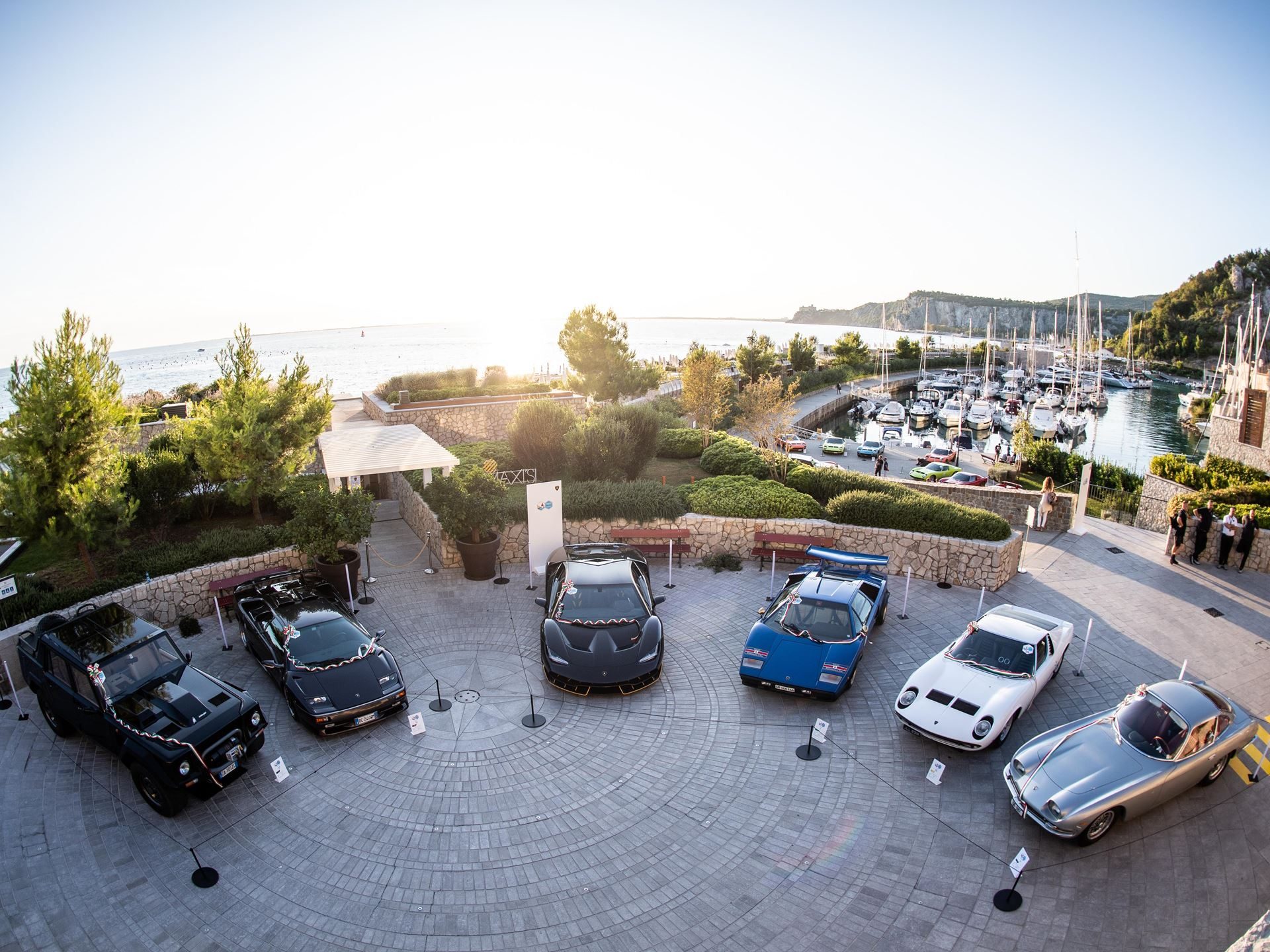
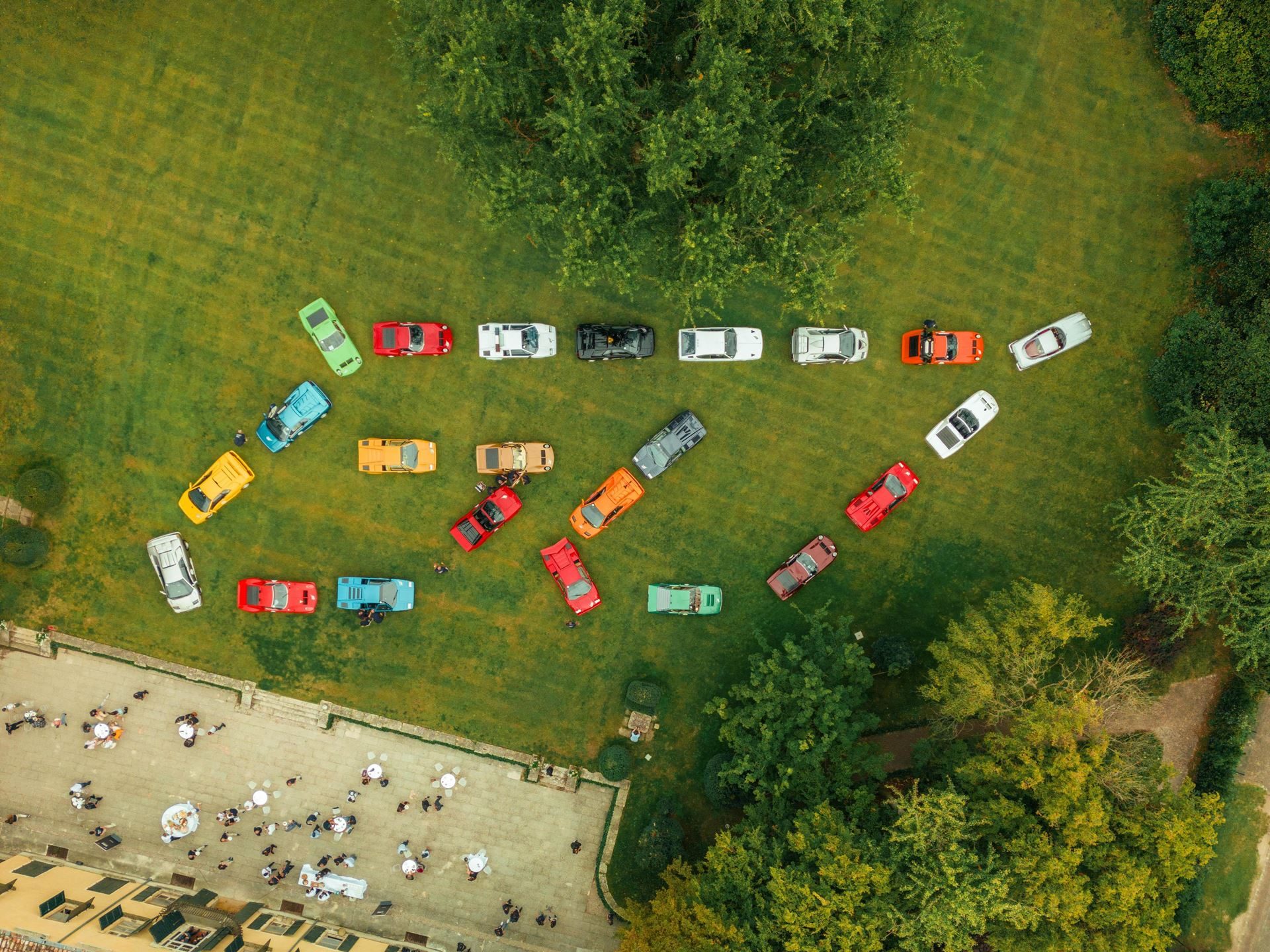
Polo Storico kicked off its tenth anniversary celebrations in St. Moritz in February 2025. The schedule continues with the first edition of the Anantara Concorso d’Eleganza in Rome from April 24 to 27, followed by a leading role at Pebble Beach in California from August 16 to 18, where Polo Storico will occupy an exclusive area inside Villa Lamborghini. Polo Storico will also attend Lamborghini Days events in Germany and Japan during the anniversary year, with the Auto e Moto d’Epoca show in Bologna from October 23 to 26 serving as the closing celebration.
Gallery