Two Debuts, One Anniversary: Lamborghini at Auto Shanghai 2015
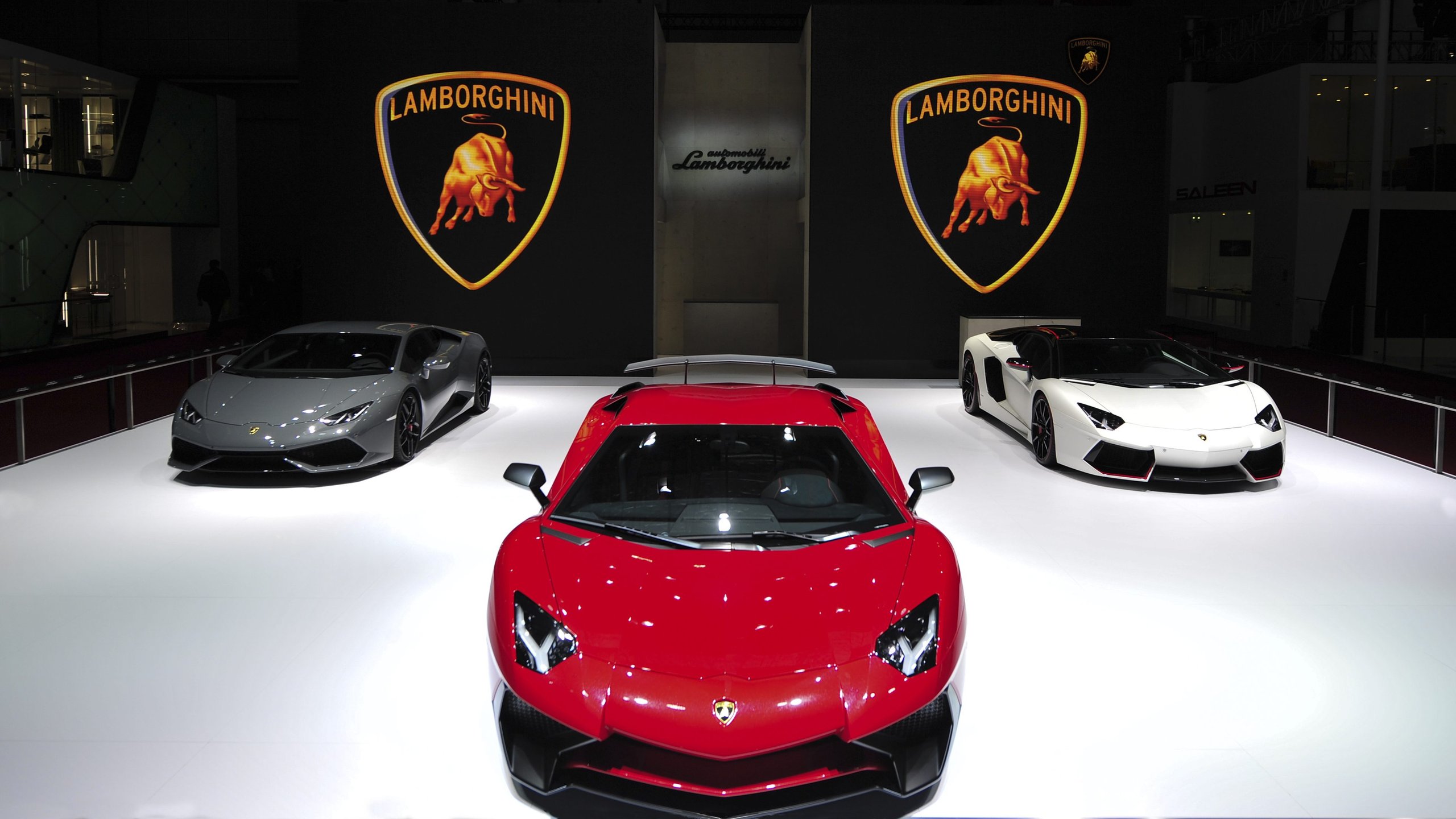
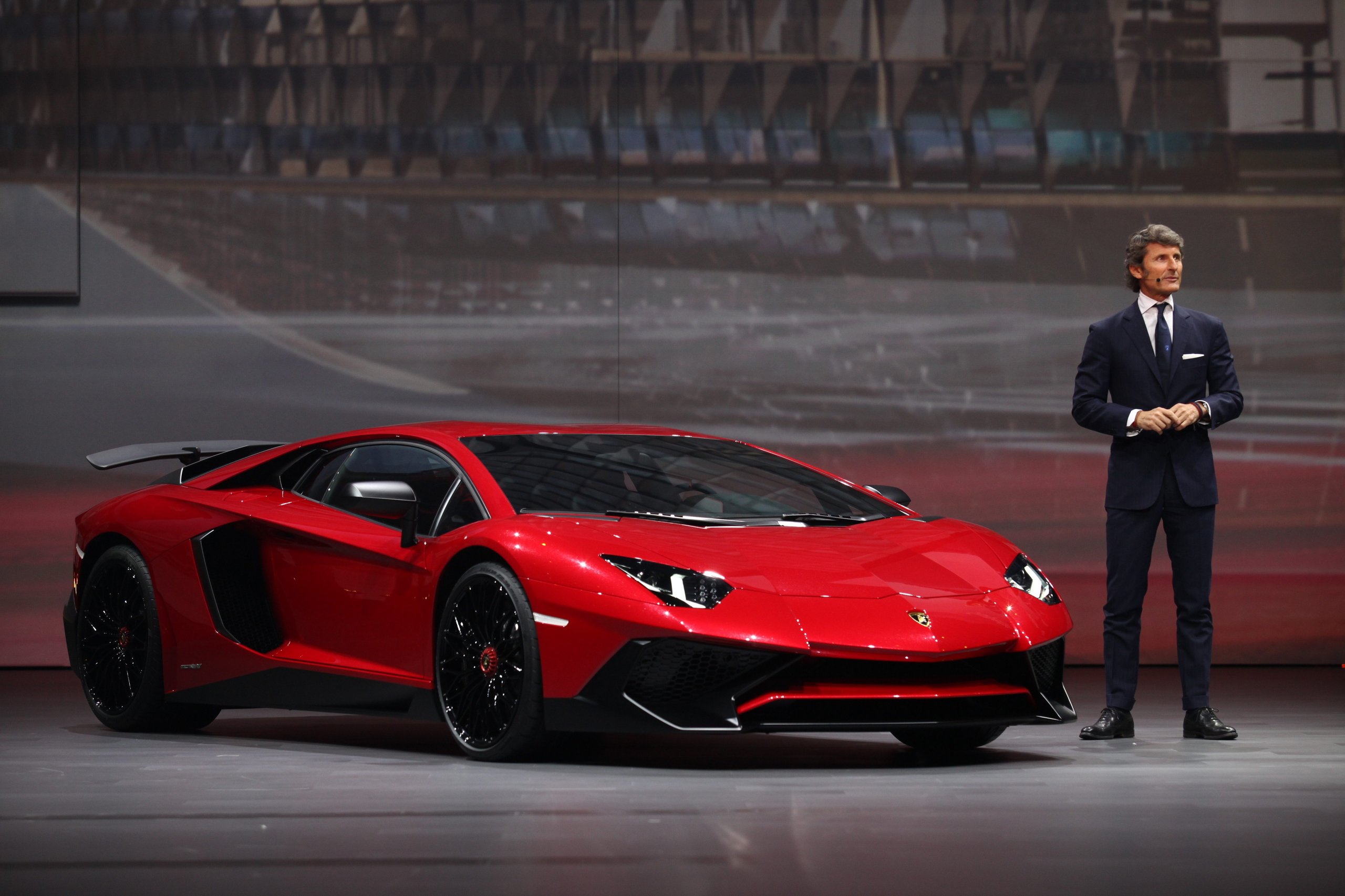
Lamborghini arrived at Auto Shanghai 2015 with a pair of Chinese debuts and a round number worth celebrating. The Huracán LP 610-4, successor to the best-selling Gallardo, shared Hall 6.1 with the Aventador LP 700-4 Pirelli Edition, a special variant honoring the decades-long bond between Sant’Agata and the Milanese tire maker. Together, the two cars framed a single argument: that China, ten years after Lamborghini formally entered the market, had become essential to the brand’s global ambitions.
Lamborghini says China remains one of its most important markets worldwide. The phrasing is diplomatic, but the commercial reality is blunt: by 2015, one report indicated China ranked as Lamborghini’s second-largest market globally, trailing only the United States. Bringing both the core V10 model and a collector-oriented V12 variant to the same stage was less a product launch than a strategic declaration.
A Decade of Building the Brand East of Milan
When Lamborghini established its Chinese operations in 2005, the country’s supercar market barely registered on the global radar. Ferrari and Porsche were already present, but the audience for cars costing several hundred thousand dollars was small and concentrated in a handful of coastal cities. Over the following ten years, the speed and scale of China’s wealth creation transformed that picture, and Lamborghini built a dealer network and customer-experience infrastructure to match.
According to one report, the brand’s primary buyers in China by 2015 were entrepreneurs and businesspeople aged 30 to 40, a demographic that more closely mirrored the European owner profile than the younger, under-25 cohort that had characterized early Chinese sales. That shift mattered commercially. Older buyers tend to purchase more than one car, engage with personalization programs like Ad Personam, and become long-term brand advocates. For Lamborghini, the maturing of the Chinese market meant more predictable revenue and deeper loyalty rather than flashy one-off purchases.
Ferrari and McLaren competed aggressively for the same wallets, while Porsche, with its broader lineup including the Cayenne and Panamera, captured attention from the same wealth demographic at a different price tier. Lamborghini’s advantage was its theatrical visual identity. In a market where conspicuous design carries significant cultural currency, few brands match the sheer presence of a Huracán or Aventador parked outside a Shanghai hotel.
The Huracán LP 610-4: Gallardo’s Successor Finds Its Largest New Audience
Unveiled globally at the 2014 Geneva Motor Show, the Huracán LP 610-4 carried particular weight at its China debut the following spring. The Gallardo had been Lamborghini’s volume car for over a decade, and its successor needed to sustain that commercial momentum in every major market. Lamborghini positioned the Huracán as a car that preserved the Gallardo’s accessible supercar formula while advancing the technology substantially.
A naturally aspirated 5.2-liter V10, with one source noting output of 602 bhp, drove all four wheels through a seven-speed dual-clutch gearbox. Autoblog timed the 0-60 mph sprint at 2.5 seconds, a figure that made the Huracán competitive with anything in its price bracket. Chinese buyers who might cross-shop a Ferrari 458 Italia or a McLaren 650S found in the Huracán a combination of all-weather traction, dramatic styling, and a naturally aspirated engine note that turbocharged rivals could not replicate.
Equally important in China was the car’s breadth of personalization. Lamborghini’s Ad Personam program allowed buyers to specify exterior colors, interior trims, and stitching patterns to an almost bespoke degree. In a market where individuality carries social weight, that configurability became a genuine competitive differentiator, tying the Huracán directly to the maturing buyer profile Lamborghini had cultivated over the previous decade.
Aventador LP 700-4 Pirelli Edition: More Than a Tire Partnership
Special editions in the supercar world can feel cynical: a new stripe, a badge, a press event, and a markup. The Aventador LP 700-4 Pirelli Edition aimed higher. Lamborghini and Pirelli share a relationship that predates the Countach, and the Pirelli Edition commemorated that ongoing collaboration with design cues and material choices referencing both companies’ Italian heritage.
For the Chinese market specifically, a limited-production Aventador carried a different kind of appeal. Scarcity matters enormously to collectors in China, where the social cachet of owning something unavailable to others can outweigh raw performance metrics. Displayed alongside the volume-oriented Huracán, the Pirelli Edition reinforced Lamborghini’s positioning at the very top of the supercar hierarchy, giving the brand a halo product that deepened the anniversary narrative.
Buyers considering the Pirelli Edition were not comparing lap times against a standard Aventador. They were buying provenance, exclusivity, and a tangible connection to two of Italy’s most storied performance brands, a proposition few competitors could match with their own special-edition programs at the time.
What Shanghai 2015 Signaled for Lamborghini’s Future in Asia
Viewed from a decade’s further distance, Auto Shanghai 2015 reads as a strategic inflection point rather than a routine show appearance. Lamborghini used the anniversary and dual debut to declare that China would remain central to its global planning, not merely as a sales region but as a market whose preferences would influence product development.
The Huracán went on to become one of Lamborghini’s most commercially successful models ever, spawning the Performante, STO, Tecnica, and Sterrato variants over a production run that stretched to 2024. Much of that success was built on the foundation laid at events like Shanghai 2015, where the car first met the buyers who would drive its volume numbers across Asia.
For LamboCars readers watching from other markets, the practical takeaway is worth noting: Lamborghini’s willingness to invest in China a decade ago directly shaped the model diversity and production confidence that benefited every owner worldwide. The Huracán’s long, varied life cycle would not have been commercially viable without strong Asian demand supporting it. When Lamborghini brings the Temerario to its next major Chinese debut, the playbook will look familiar, because it was written in Shanghai.
Gallery