The Two Letters That Changed Everything
Lamborghini published a full retrospective tracing its Super Veloce lineage from the 1971 Miura SV through to the newly revealed Revuelto SV, framing the badge as a 55-year thread connecting every generation of its flagship V12. The timing is deliberate. With the Revuelto SV debuting at Monterey Car Week in August 2026, the company is making a pointed argument: the SV designation belongs exclusively to the most extreme, most limited expression of whatever V12 sits at the top of the range.
What makes this worth examining beyond the expected marketing polish is the formula it reveals. Every SV model followed the same logic: take the existing V12 flagship, strip weight, add power, sharpen the aerodynamics, then build far fewer of them. The Miura SV started with 150 units. The Murciélago LP 670-4 SV allowed 350 coupes and 50 roadsters. The Aventador SV was capped at 600. And the Revuelto SV will be limited to 1,963 units, a production number that references Lamborghini’s founding year.
For collectors and enthusiasts tracking the brand, SV cars occupy a specific tier. They sit above the standard model but below the one-off or ultra-limited specials like the Sesto Elemento or Fenomeno 1. That middle ground, where the car is rare enough to appreciate but numerous enough to actually drive, is precisely where the most passionate Lamborghini buyers want to be.
Where the SV Formula Began: Miura and Diablo
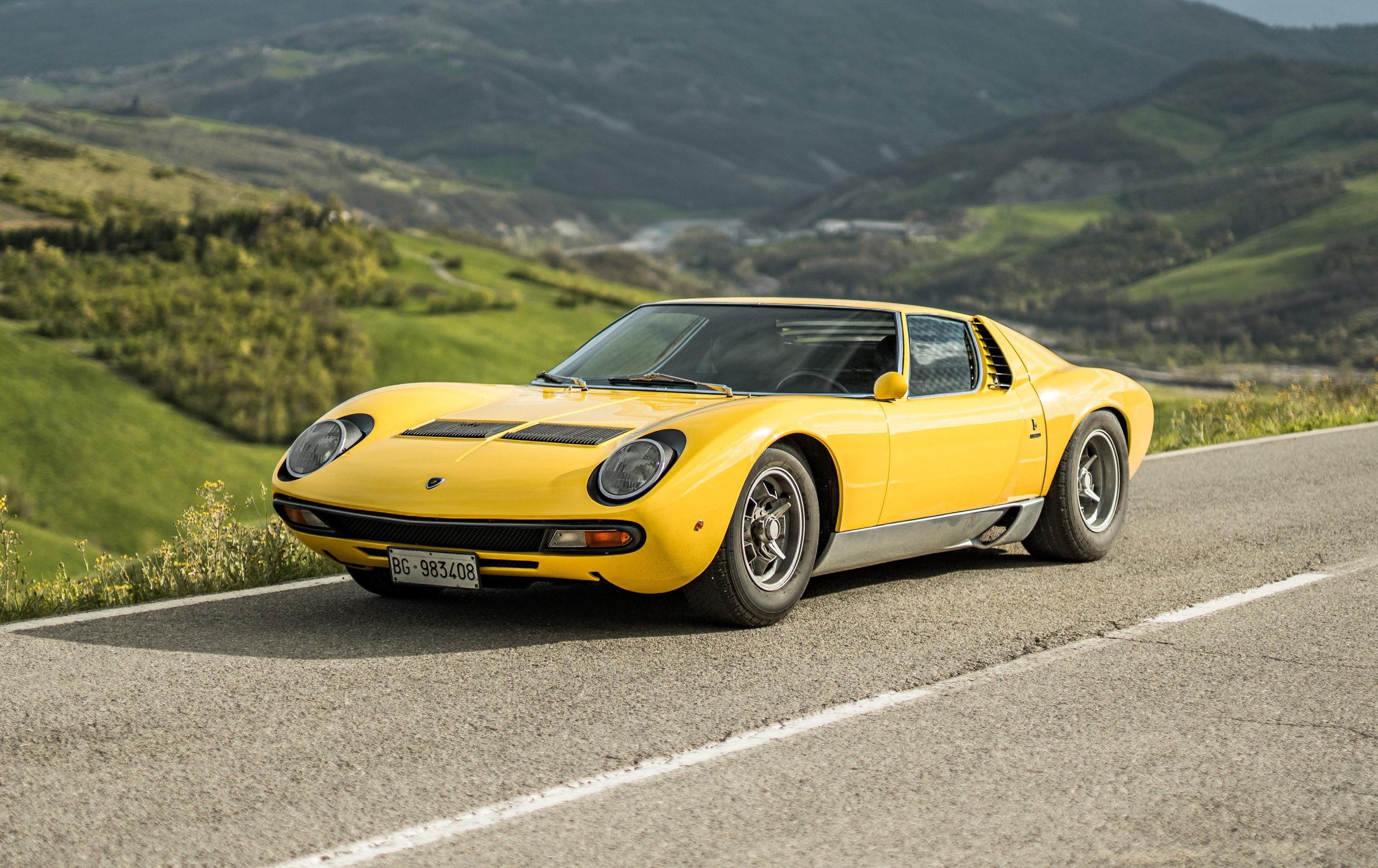
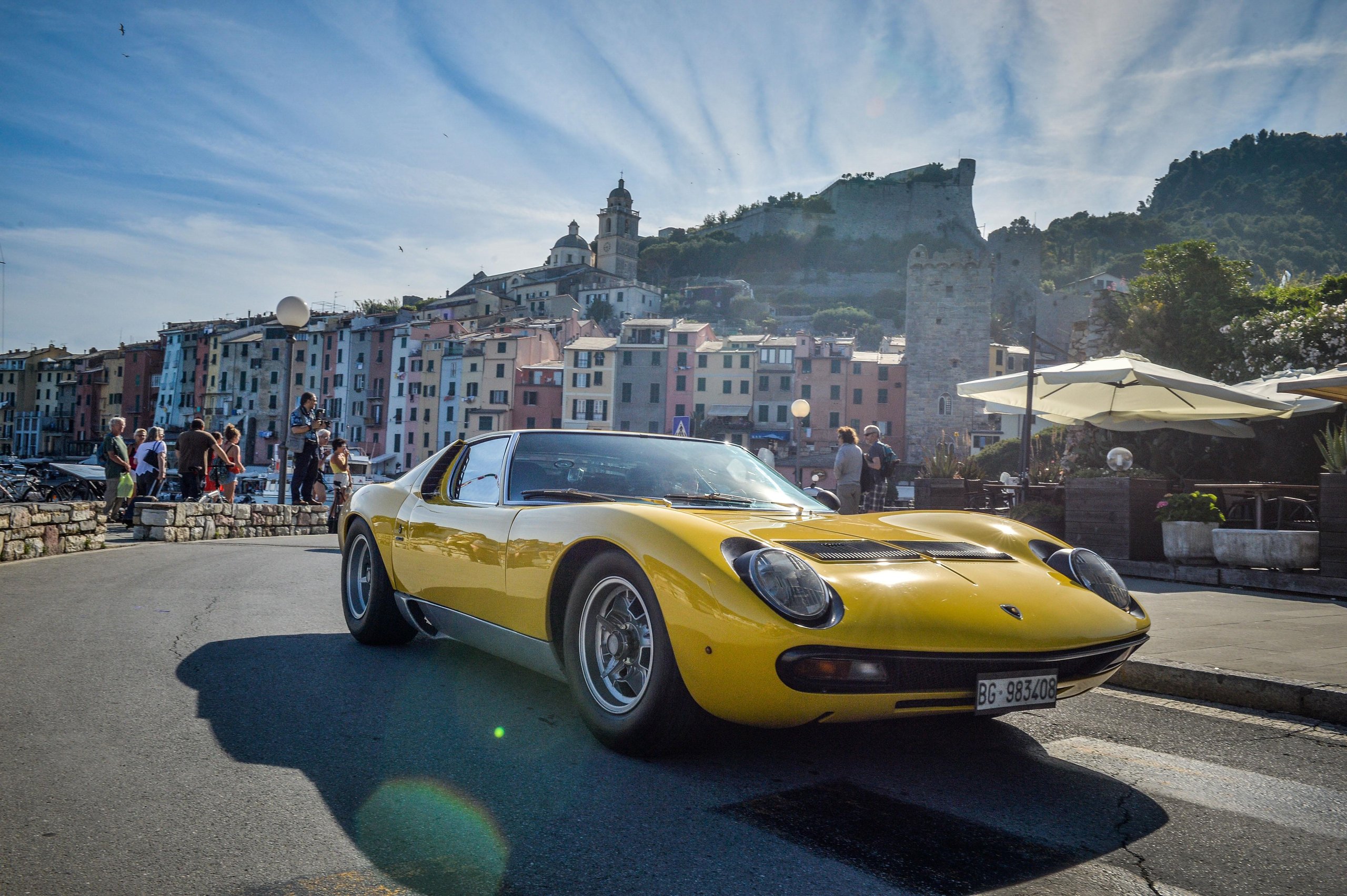
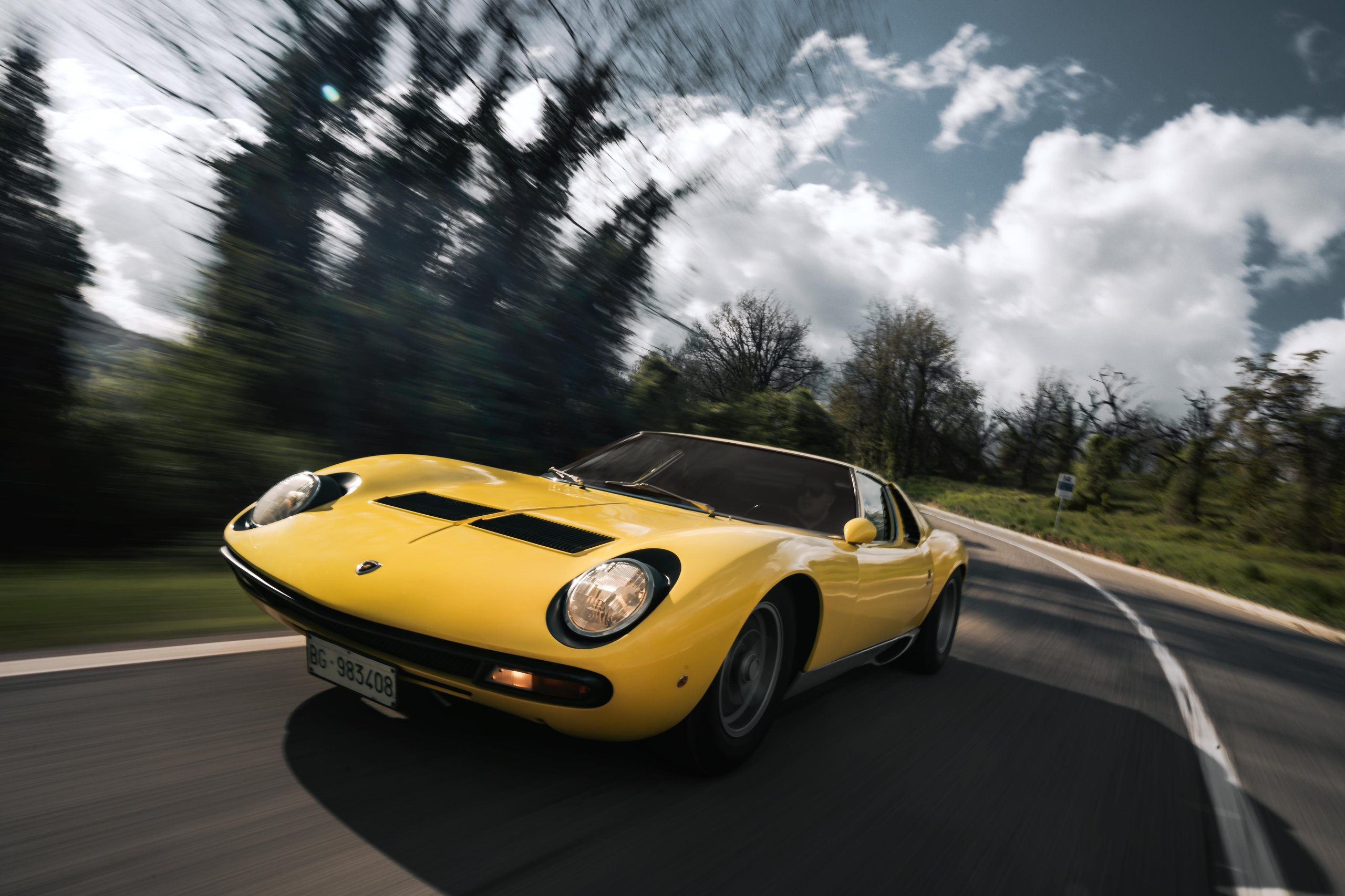
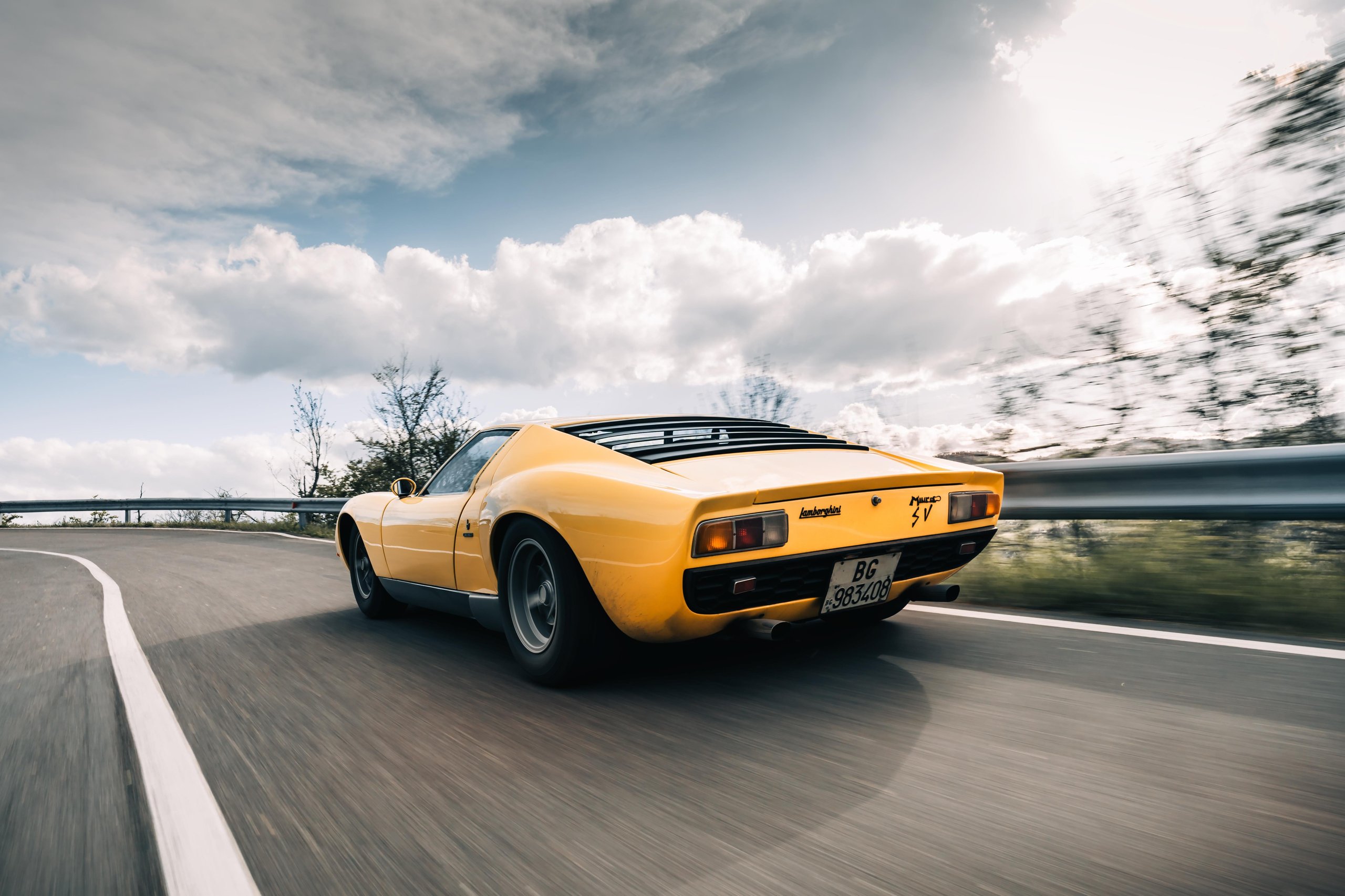
Lamborghini says the SV concept dates to the 1971 Miura SV, and the car’s specifications support the claim. Its 4-liter V12 produced 385 hp, paired with a reinforced body, improved cooling, and a top speed exceeding 280 km/h. Only 150 were delivered. In the early 1970s, that combination of mid-engine architecture, limited production, and a power bump over the standard Miura created something genuinely new: a factory-built evolution designed to be the definitive version of an already legendary car.
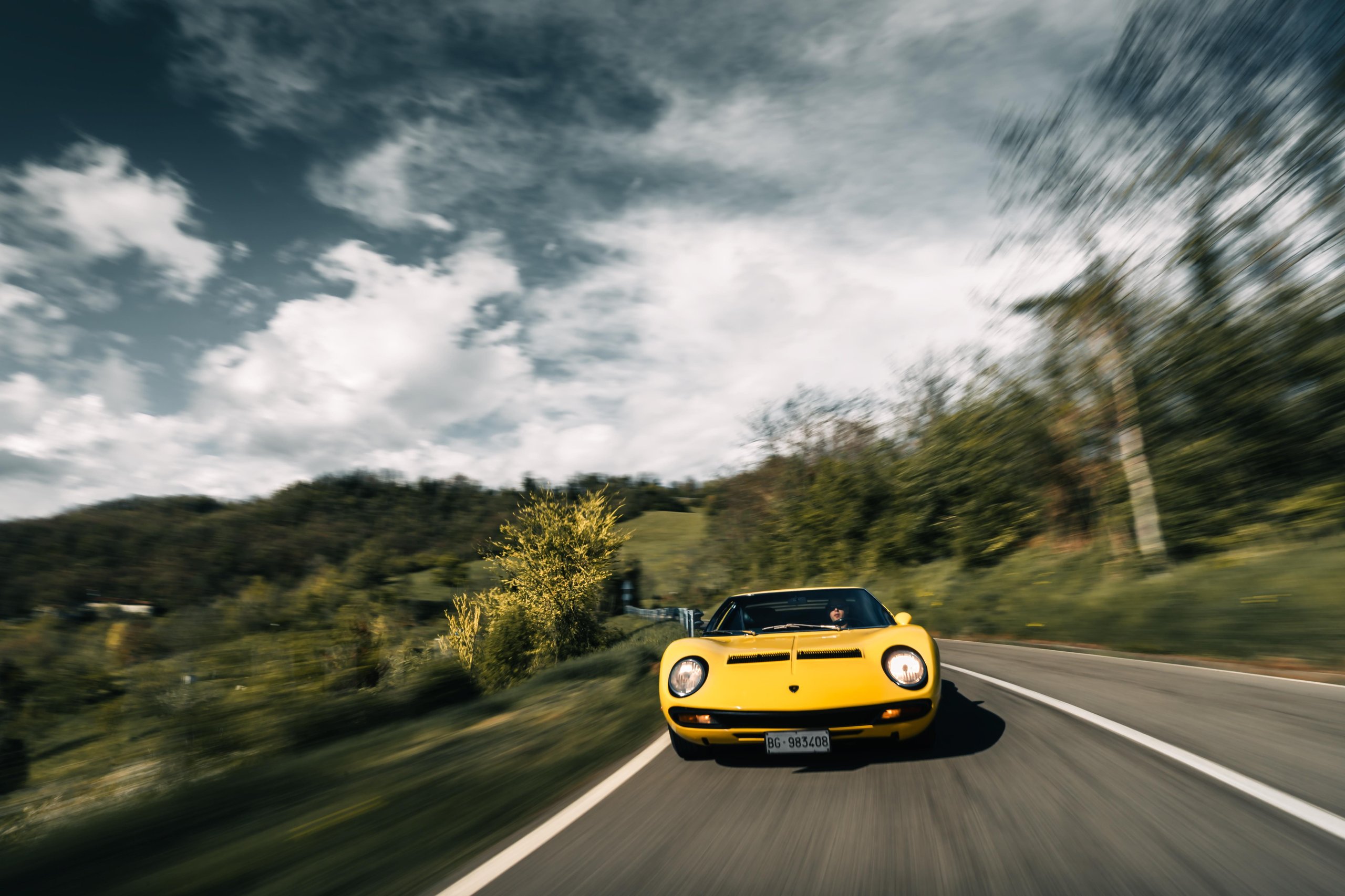
The badge then went dormant for nearly a quarter century. When it returned on the 1995 Diablo SV, the formula was recognizable but updated for a different era. Lamborghini shaved 40 kg from the standard Diablo, refined the aerodynamics with enlarged air intakes, and fitted an optimized suspension. The 5.7-liter V12 produced 510 hp. Crucially, the Diablo SV retained rear-wheel drive, a choice that made it wilder and more demanding than the all-wheel-drive Diablo VT. That decision to keep the SV raw, to resist the urge to make it merely faster in a straight line, set a tone that would carry forward through every successor.

The vibrant yellow Diablo SV navigates a scenic mountain road, showcasing its dynamic performance and classic design. Image: Automobili Lamborghini.
The Modern SV Era: Murciélago and Aventador
The Murciélago LP 670-4 SV, launched in 2009, marked a turning point. For the first time, a Super Veloce wore all-wheel drive. Its 6.5-liter V12 delivered 670 hp, and Lamborghini cut roughly 100 kg from the standard car while adding a prominent rear spoiler and front splitter that gave it an unmistakably track-focused stance. The 350 coupes and 50 roadsters produced during its run made it scarce enough to become an instant collector target.
Stephan Winkelmann, who introduced both the Murciélago SV and its successors, put it plainly in Lamborghini’s official account:
“Every Super Veloce has redefined the limits of performance in its own era while remaining true to the values that have always distinguished Lamborghini: innovation, lightweight engineering, exclusivity and pure driving emotion.”
The 2015 Aventador SV pushed the V12 to 750 hp, dropped the 0-100 km/h sprint to 2.8 seconds, and wrapped the body in carbon fiber to cut mass. Limited to 600 units, it became the car that many enthusiasts still consider the purest modern expression of the brand’s character. Discussion around the Aventador SV consistently returns to one theme: the single-clutch gearbox gave these cars a visceral, almost violent personality that newer dual-clutch systems deliberately smooth away. That tension between refinement and rawness is the central question the Revuelto SV now inherits.

The yellow Lamborghini Murciélago LP 670-4 SV navigates a winding road with speed and precision. Image: Automobili Lamborghini.
Revuelto SV: The Hybrid Chapter
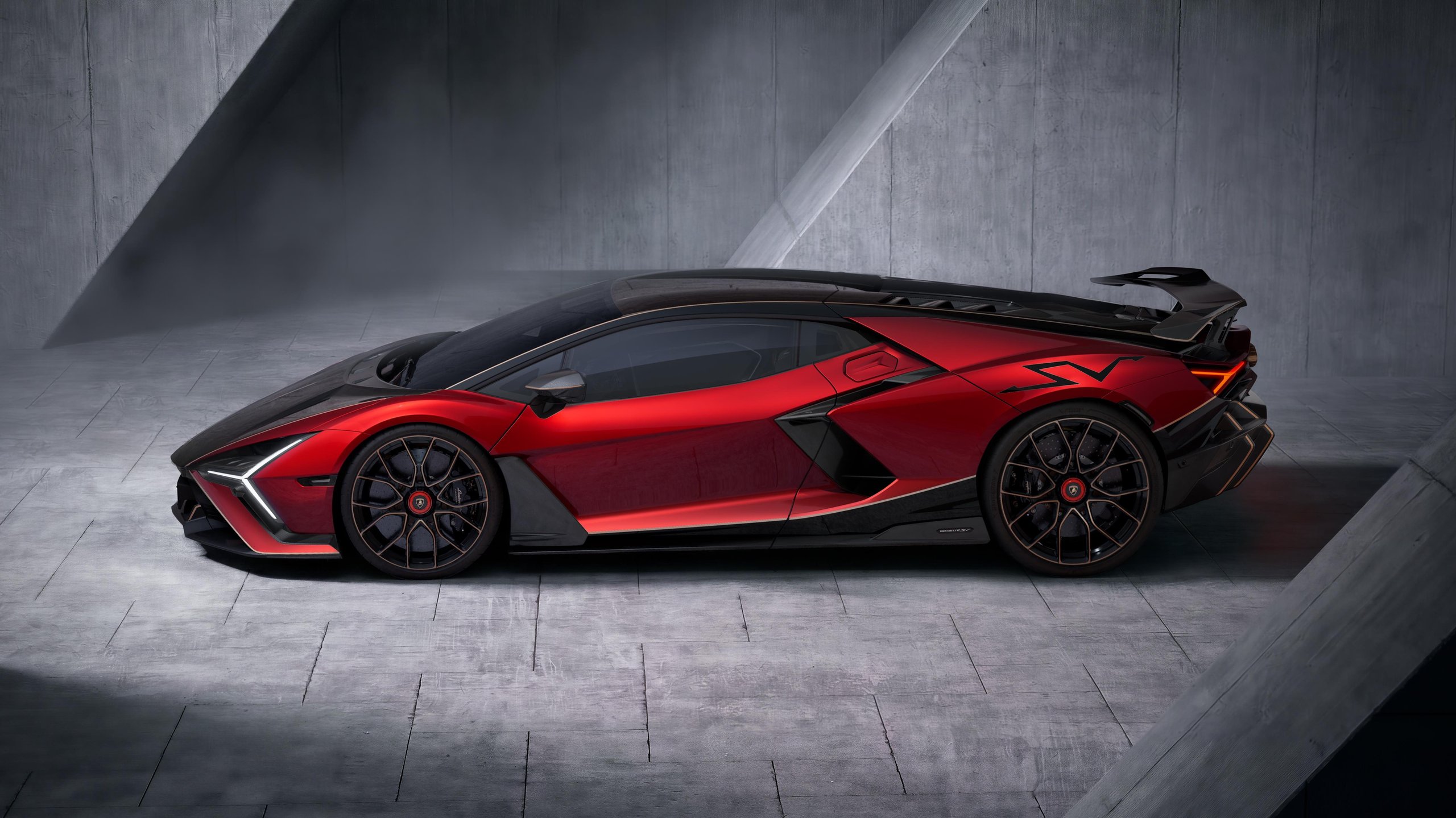
The Revuelto SV is the first Super Veloce to carry a hybrid powertrain, and Lamborghini is clearly aware of how much scrutiny that transition invites. The company says the car delivers 1,065 CV and 1,425 Nm of torque, making it the highest-performing production Lamborghini ever built. The naturally aspirated 6.5-liter V12 remains, paired with electric motors and an 8-speed dual-clutch transmission that replaces the Aventador’s single-clutch unit.
Lamborghini describes enhanced aerodynamics, a newly developed suspension, next-generation braking technology, and a dedicated Pilota driving mode designed to sharpen the connection between driver and car. The 1,963-unit production cap is the largest in SV history, but context matters: the Revuelto platform itself is already in high demand, and the SV treatment represents the most extreme interpretation available.
Multiple Revuelto owners on enthusiast forums describe the dual-clutch gearbox as a transformative improvement for daily usability, though some note that the braking feel during transitions between regenerative and mechanical systems takes adjustment. The SV’s new braking technology and Pilota mode may address exactly that feedback, though Lamborghini’s official material does not specify the changes in granular detail.

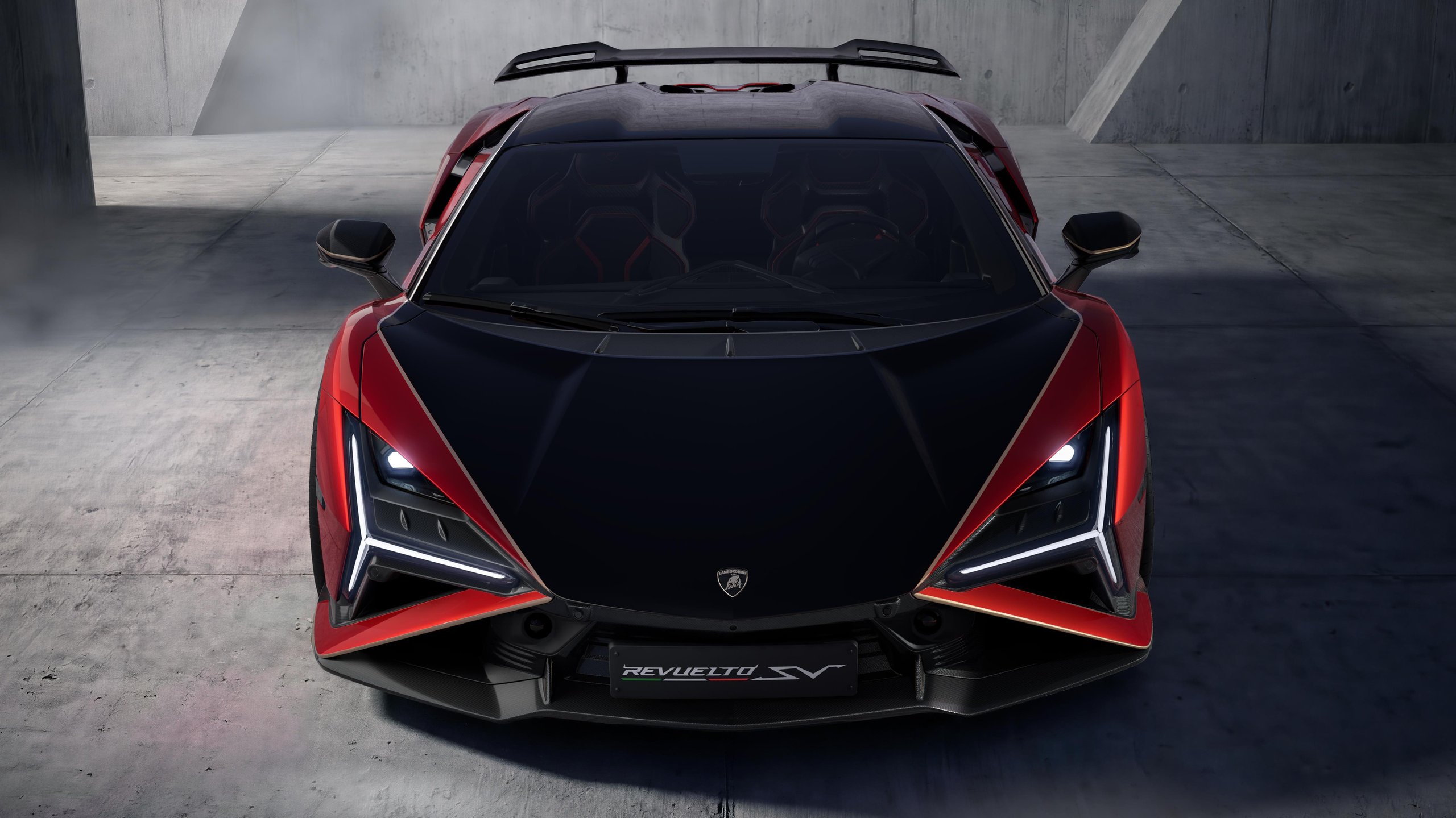
The Lamborghini Revuelto SV is presented from the front-side in a studio, showcasing its modern design. Image: Automobili Lamborghini.
The SV Spec Sheet Across Five Decades
| Model | Year | Engine | Power | 0-100 km/h | Units Built |
|---|---|---|---|---|---|
| Miura SV | 1971 | 4.0L V12 | 385 hp | ~5.5 sec | 150 |
| Diablo SV | 1995 | 5.7L V12 | 510 hp | ~4.5 sec | Not specified |
| Murciélago LP 670-4 SV | 2009 | 6.5L V12 | 670 hp | ~3.2 sec | 400 (350 coupe, 50 roadster) |
| Aventador SV | 2015 | 6.5L V12 | 750 hp | 2.8 sec | 600 |
| Revuelto SV | 2026 | 6.5L V12 Hybrid | 1,065 CV | Not confirmed | 1,963 |
The progression tells a clear story. Power nearly tripled. Sprint times dropped by half. Production numbers grew, but so did global demand for Lamborghini’s V12 cars, meaning the ratio of SV availability to interested buyers likely tightened rather than loosened. Across five decades, the SV formula never changed in principle; it only escalated in execution.
What This Means for Buyers and Collectors
Lamborghini did not disclose pricing for the Revuelto SV in this retrospective, and no confirmed delivery timeline beyond the Monterey Car Week reveal appeared in the official material. What the source does confirm is the 1,963-unit cap and the full retention of Lamborghini’s V12 hybrid architecture, positioning the car as a collector piece with genuine daily capability rather than a garage sculpture.
For prospective buyers, the practical question is allocation. Every previous SV sold out quickly, and the Revuelto SV will almost certainly follow that pattern. Customers already on the Revuelto order list may have priority, though Lamborghini’s official material does not address the allocation process.
The broader signal matters most. By building a hybrid SV, Lamborghini is declaring that electrification and the Super Veloce philosophy are compatible. Federico Foschini, the company’s Chief Marketing and Sales Officer, framed it explicitly: the Revuelto SV is “created for the most passionate collectors and drivers.” Whether the hybrid system enhances or complicates that promise will depend on how the car feels at 8,000 rpm with three electric motors filling in the gaps. The V12 still sits at the center. That much, at least, the SV badge still guarantees.

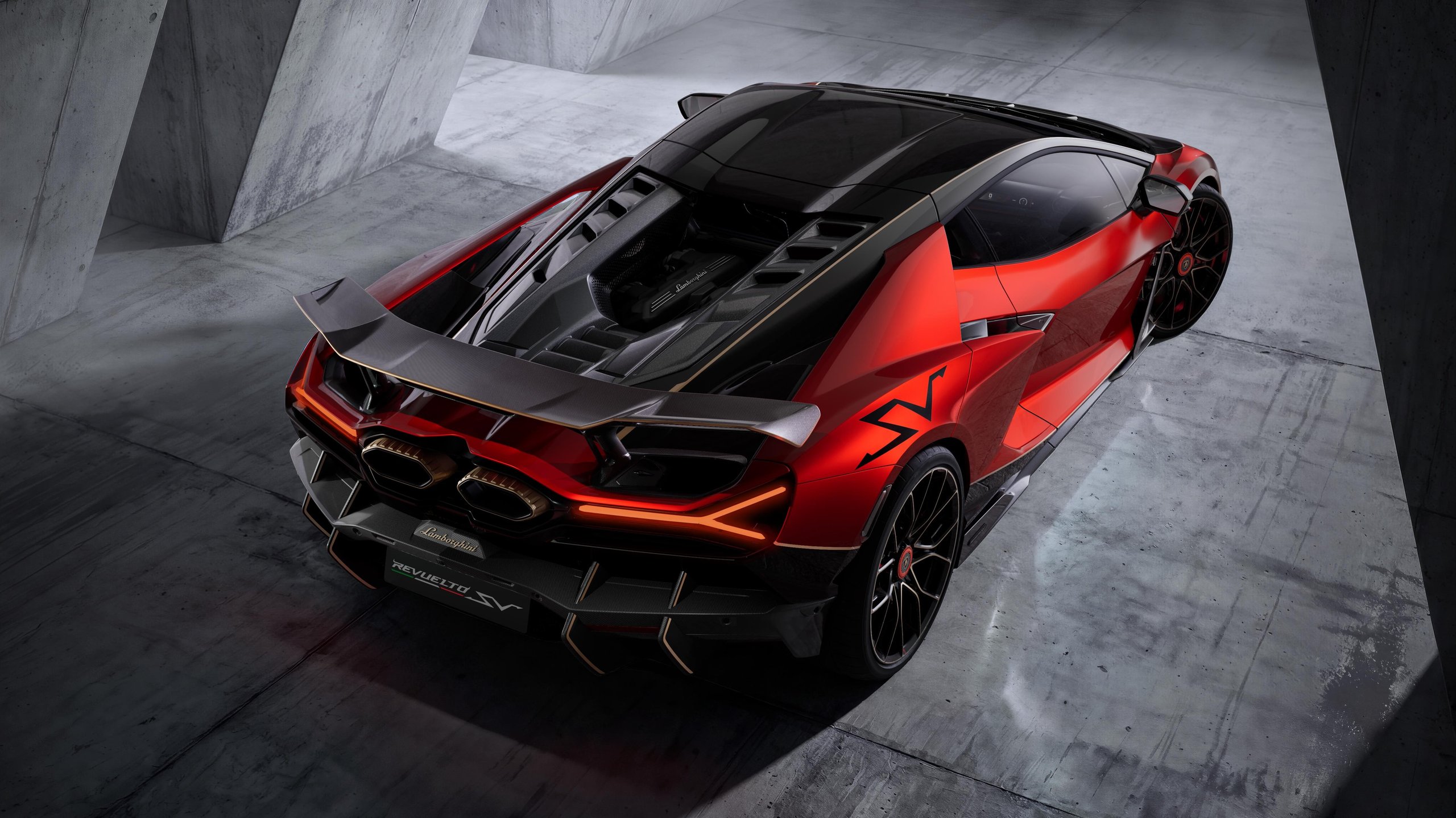
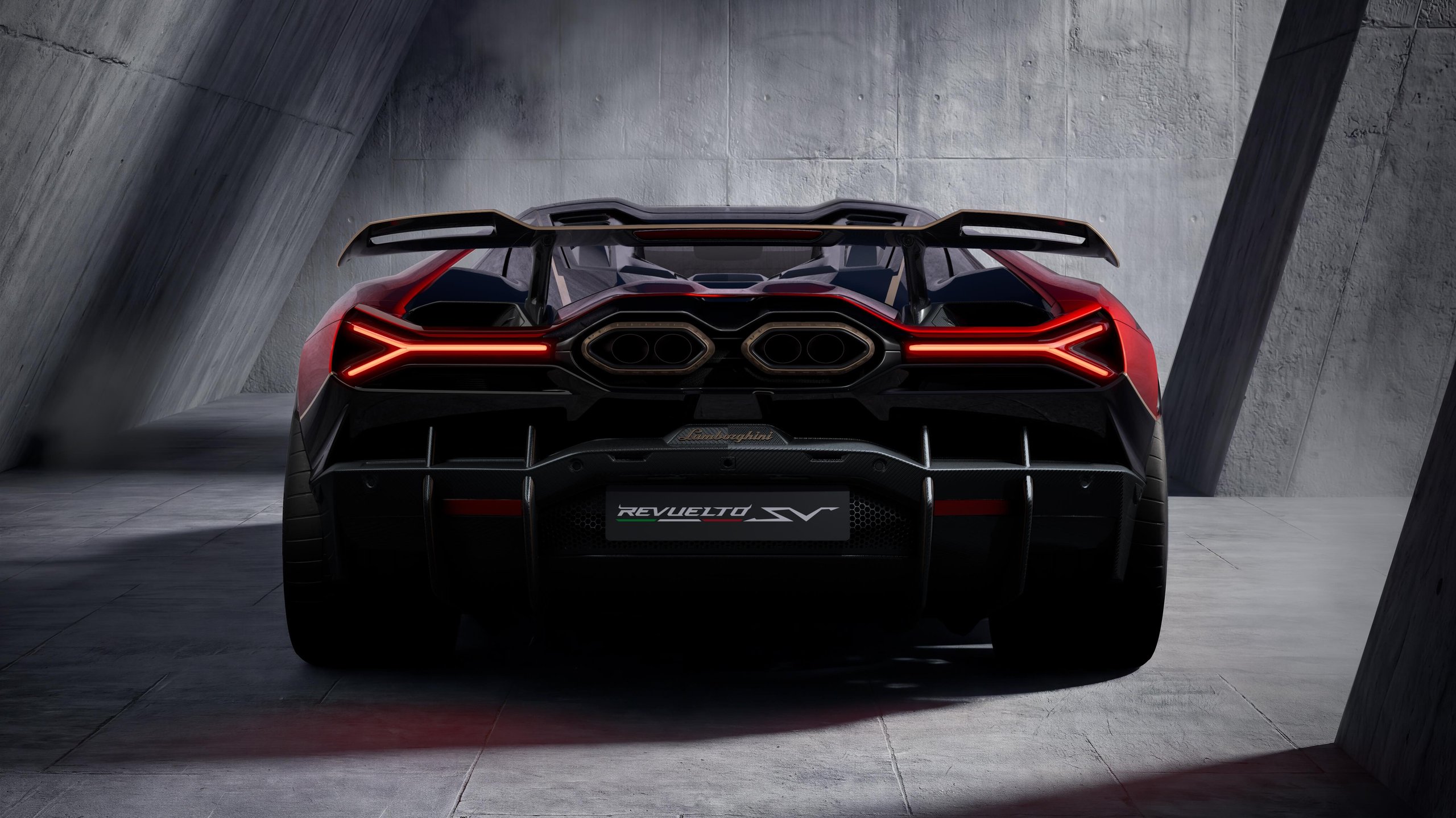
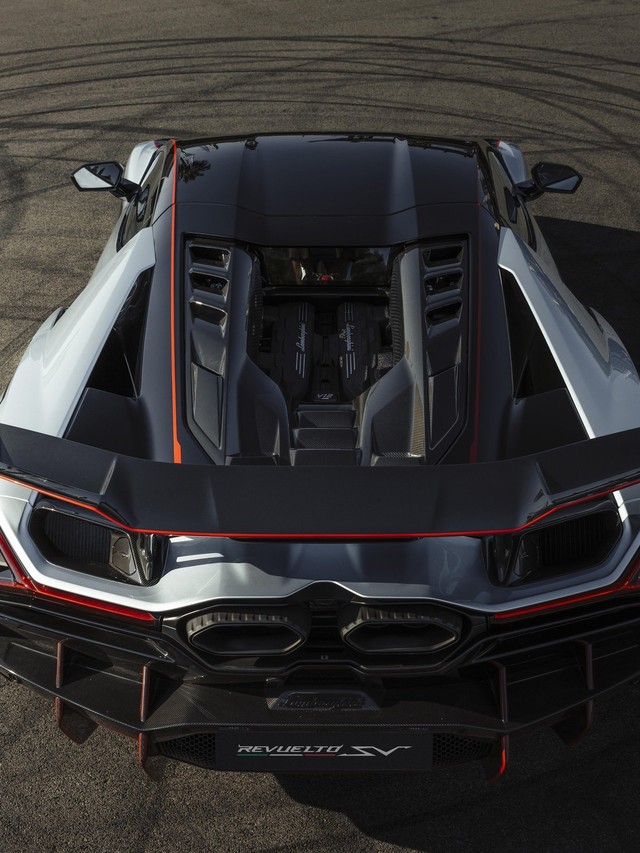
The grey and black Lamborghini Revuelto SV showcases its aggressive rear design and exposed engine on an asphalt track. Image: Automobili Lamborghini.
Gallery