The Moment Lamborghini Stopped Outsourcing Its Identity
Before October 2005, every Lamborghini that rolled out of Sant’Agata Bolognese owed at least part of its shape to someone outside the factory gates. Carrozzeria Touring penned the 350 GT and 400 GT. Bertone gave the world the Miura. Even the Diablo’s final form bore the fingerprints of Chrysler’s styling center in Detroit. The founding of the Centro Stile changed that equation permanently, and October 2025 marks 20 years since the department completed its first car.
Lamborghini describes Centro Stile as the first in-house design department of its kind for a super sports car manufacturer. Whether or not that claim survives every possible qualification, the practical effect is undeniable: from the moment the studio opened, every production model, concept, special edition, and few-off would be directed by Lamborghini’s own heads of design. The decision traces back to Walter de’Silva, then Audi’s brand group head of design, who recommended establishing an in-house center in the early 2000s. Audi’s 1998 acquisition of Lamborghini provided the resources, and the new Centro Stile was formally announced during Lamborghini’s 40th anniversary celebrations in 2003.
What makes this story worth revisiting now is not just the anniversary itself but the sheer volume of consequential cars that followed, and the question of whether a codified design vocabulary, built over two decades by three successive directors, can hold together as Lamborghini navigates the transition to hybrid and eventually electric powertrains. The Temerario, the Lanzador concept, and the freshly unveiled Manifesto all suggest the answer is yes, but the details of how reveal a studio that operates very differently from its rivals.

The Manifesto Concept: A Philosophical Marker, Not a Production Preview
To celebrate the anniversary, Lamborghini unveiled a concept called the Manifesto. Road & Track described it as both a celebration and a teaser, and that framing captures the intent well. The Manifesto is presented as a pure design vision, a declaration of future aesthetic direction rather than a preview of any specific production car.
For enthusiasts accustomed to reading concept cars as thinly veiled production hints, that distinction matters. The Manifesto reportedly distills Lamborghini’s design language into what the company frames as radical purity and powerful presence. Forum and social media reaction, predictably, splits between those who see fresh creative ambition and those who prefer the cleaner lines of earlier eras. The practical takeaway: do not expect the Manifesto’s exact surfaces on a showroom car, but do expect its angular vocabulary and proportional experiments to filter into future models the way the 2017 Terzo Millennio concept influenced later production designs.
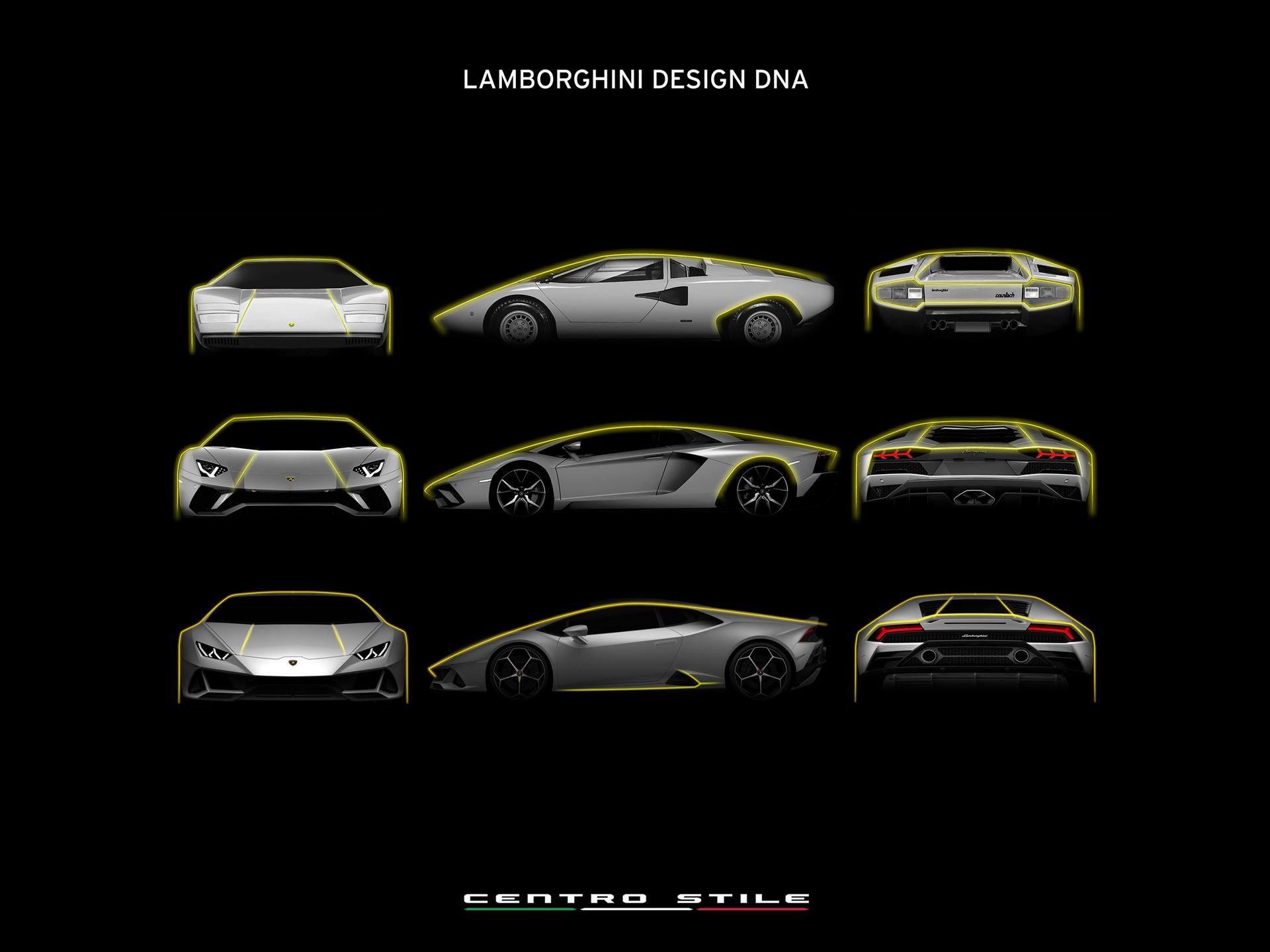
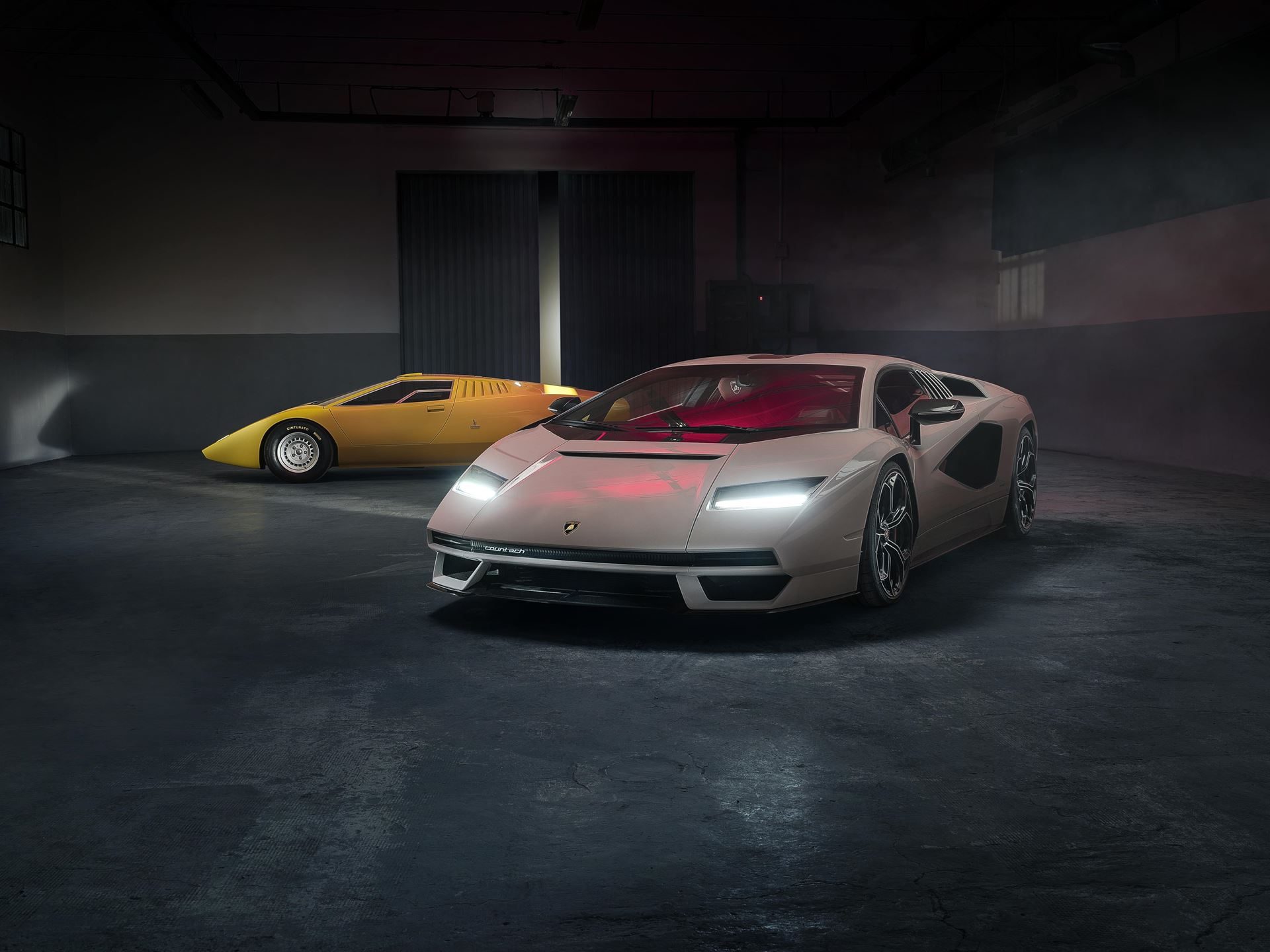
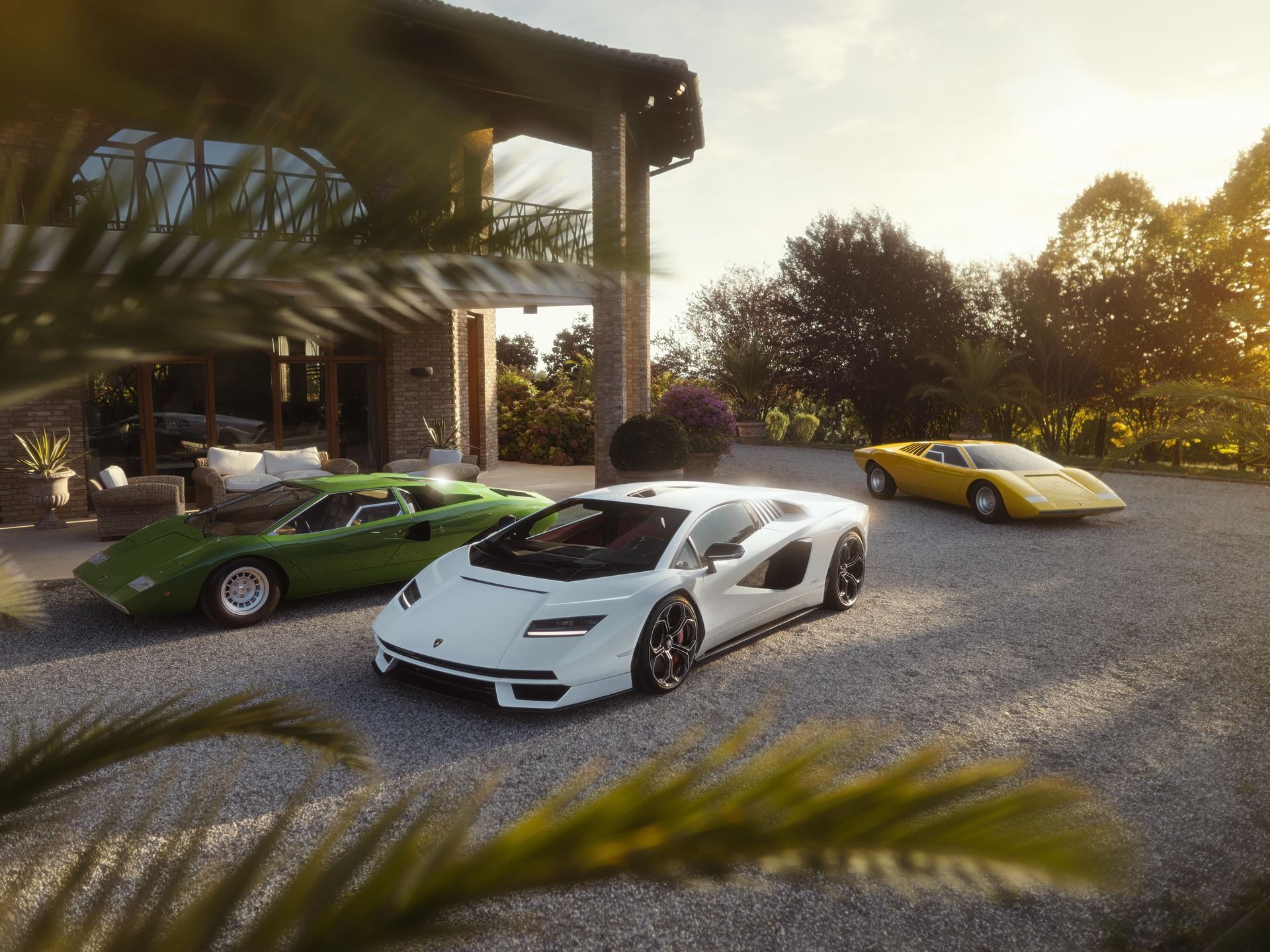
The brand continues to anchor its visual identity in classic cues, including the angular wedge shape that traces an unbroken line from the Countach onward. What shifts from generation to generation is how aggressively those cues are expressed, and the Manifesto suggests the next chapter will push further rather than retreat. That confidence stems directly from the design infrastructure Centro Stile has built over two decades.
Donckerwolke: Building the Foundation
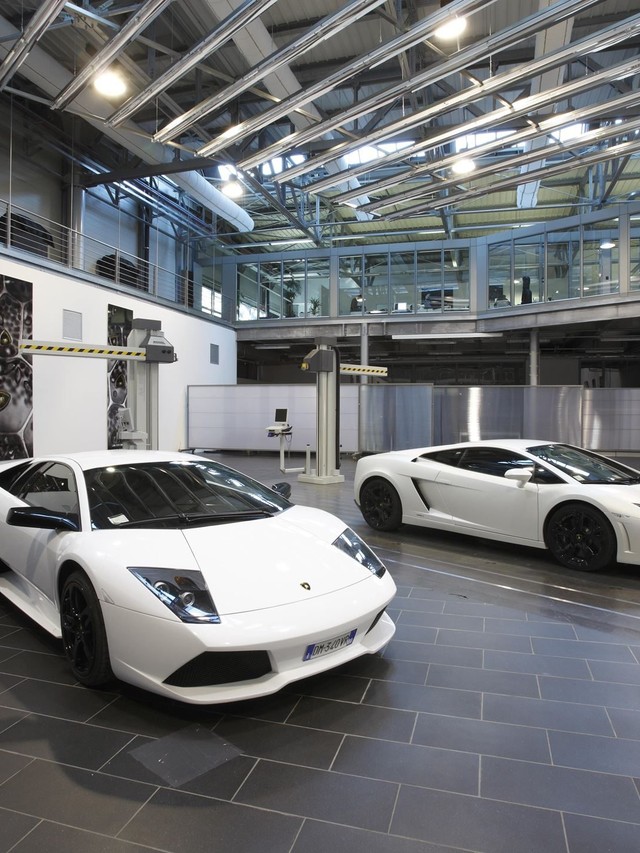
Centro Stile’s story begins with Luc Donckerwolke, a Belgian designer educated in South America and Africa who joined from Audi in 1998 and was appointed head of design in 2003. Before the studio was fully operational, Donckerwolke was already reshaping the brand. He oversaw the restyling of the final Diablo versions and created the two models that would define Lamborghini’s modern era: the V12 Murciélago, launched in 2002, and the V10 Gallardo in 2004.
Borkert, reflecting on that period, called the Murciélago “an extraordinary design advancement” that established a muscular, modern design language with purer lines and taut surfaces. The Gallardo, meanwhile, proved that Lamborghini could build a second product line with its own distinct character while remaining unmistakably part of the family. For a company that had spent decades relying on external carrozzerie, this was the pivotal proof that Sant’Agata could generate its own design vision at volume.
Stephan Winkelmann arrived as President and CEO at the start of 2005, and the Centro Stile was inaugurated later that year. Donckerwolke soon moved on to other roles within the Volkswagen Group, but the vocabulary he established, muscular surfaces, sharp creases, an unmistakable family resemblance across two very different platforms, became the grammar every successor would build on.

Perini: Concepts, Few-Offs, and the Aventador Breakthrough
Filippo Perini took over as head of Centro Stile in 2006, inheriting a small team of just seven designers and an enormous mandate. His tenure produced an extraordinary range of work: the evolved Murciélago LP 640 in 2006, followed by a roadster and the LP 670-4 SuperVeloce in 2009, plus a steady stream of Gallardo derivatives spanning Spyder, Superleggera, and Performante variants.
The 2007 Reventón stands out as a turning point. Lamborghini calls it the first few-off car based on a current platform but delivering a distinctive new design. Perini drew on aeronautical inspiration for sharper lines and more aggressive features, adopting hexagon and Y motifs that would become recurring signatures. More importantly, the Reventón established a template Lamborghini still follows today: use limited-edition models as design laboratories whose ideas migrate into the next generation of production cars. That pipeline, from concept to few-off to series production, is the mechanism through which Centro Stile’s vocabulary renews itself without losing coherence.
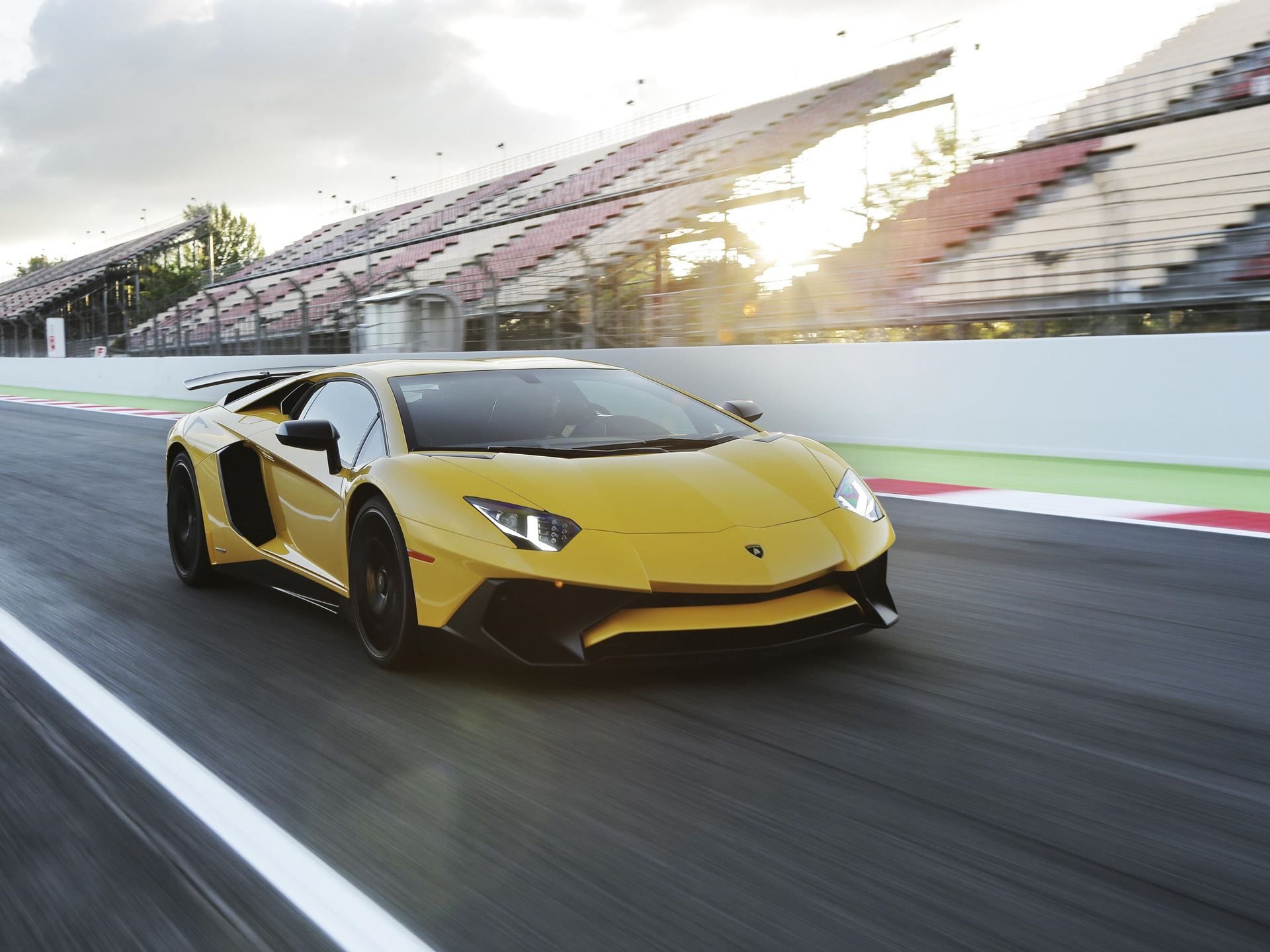
Perini’s defining achievement was the Aventador. Launched in 2011, it was designed and developed entirely in-house, a significant milestone for the studio. The car introduced breathtaking complexities of lines and surfaces that moved Lamborghini’s visual language decisively forward. The Huracán followed in 2013 as successor to the Gallardo, while the Urus concept, unveiled in 2012, laid the groundwork for Lamborghini’s third product line. Alongside production models, Perini’s era produced the 2010 Sesto Elemento, the 2013 Veneno coupé and roadster, and concepts like the 2008 Estoque four-seat GT and the 2014 Asterion PHEV study. Each one tested how far the design language could stretch, and each fed something back into the production pipeline.

Borkert: Scaling Up and Designing for a Hybrid Future
Mitja Borkert arrived from Porsche in 2016 and immediately began expanding the operation. Under his leadership, Lamborghini says the Centro Stile’s studio space doubled and its international team grew to 25 members. His early work included the Aventador S and SVJ, the Huracán Performante, and finalizing the Urus Super SUV, which was unveiled in 2017.
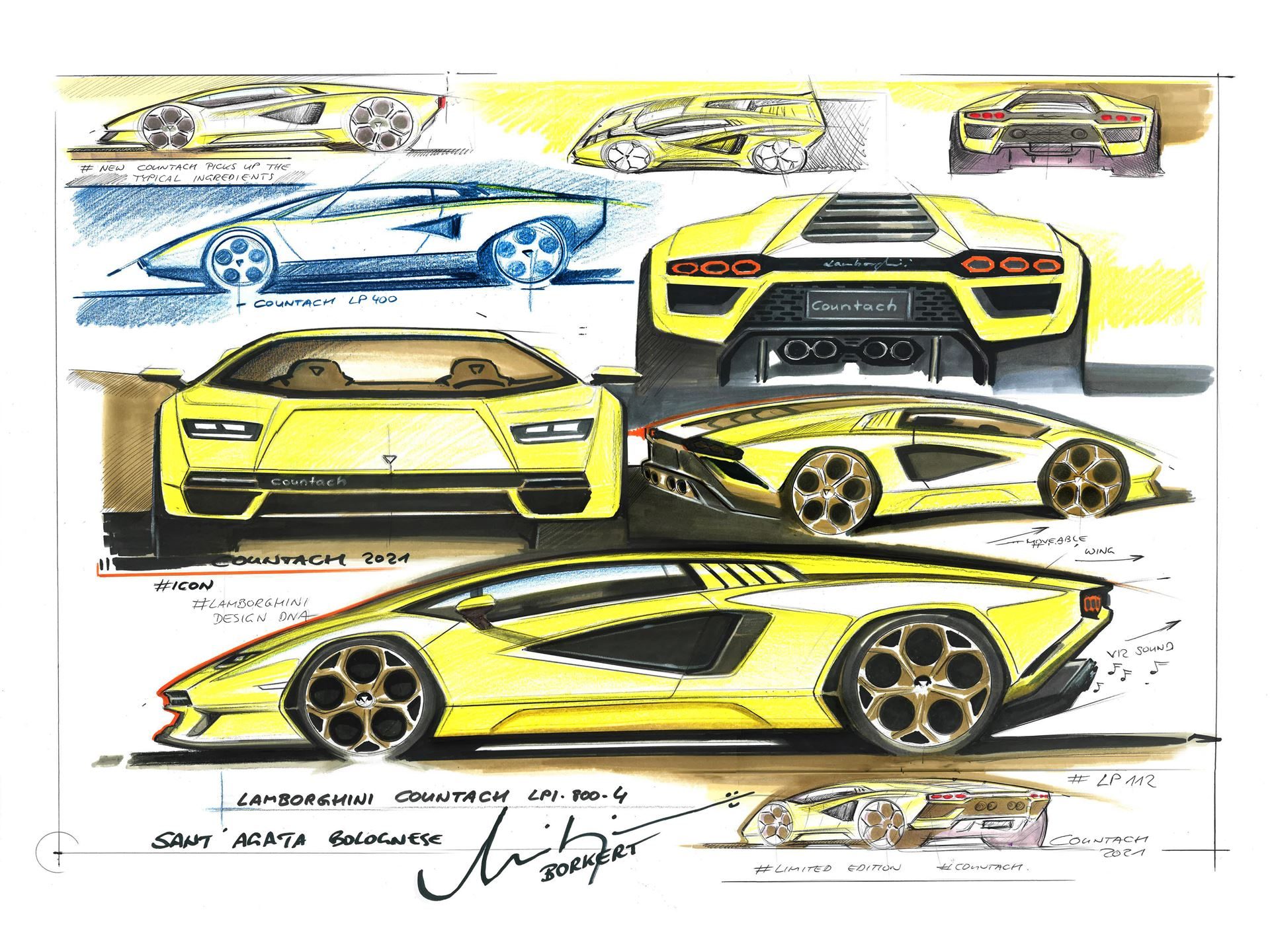
Borkert’s conceptual output pushed the studio into new territory. The Terzo Millennio electric concept, developed with MIT in 2017, imagined a Lamborghini built around supercapacitors and in-wheel motors. The Sián few-off incorporated supercapacitor technology in a production-adjacent form. The Countach LPI 800-4 offered a retrospective glance at heritage combined with contemporary hybrid performance. Each project served a dual purpose: exploring future technology while stress-testing how far the design language could stretch without breaking.
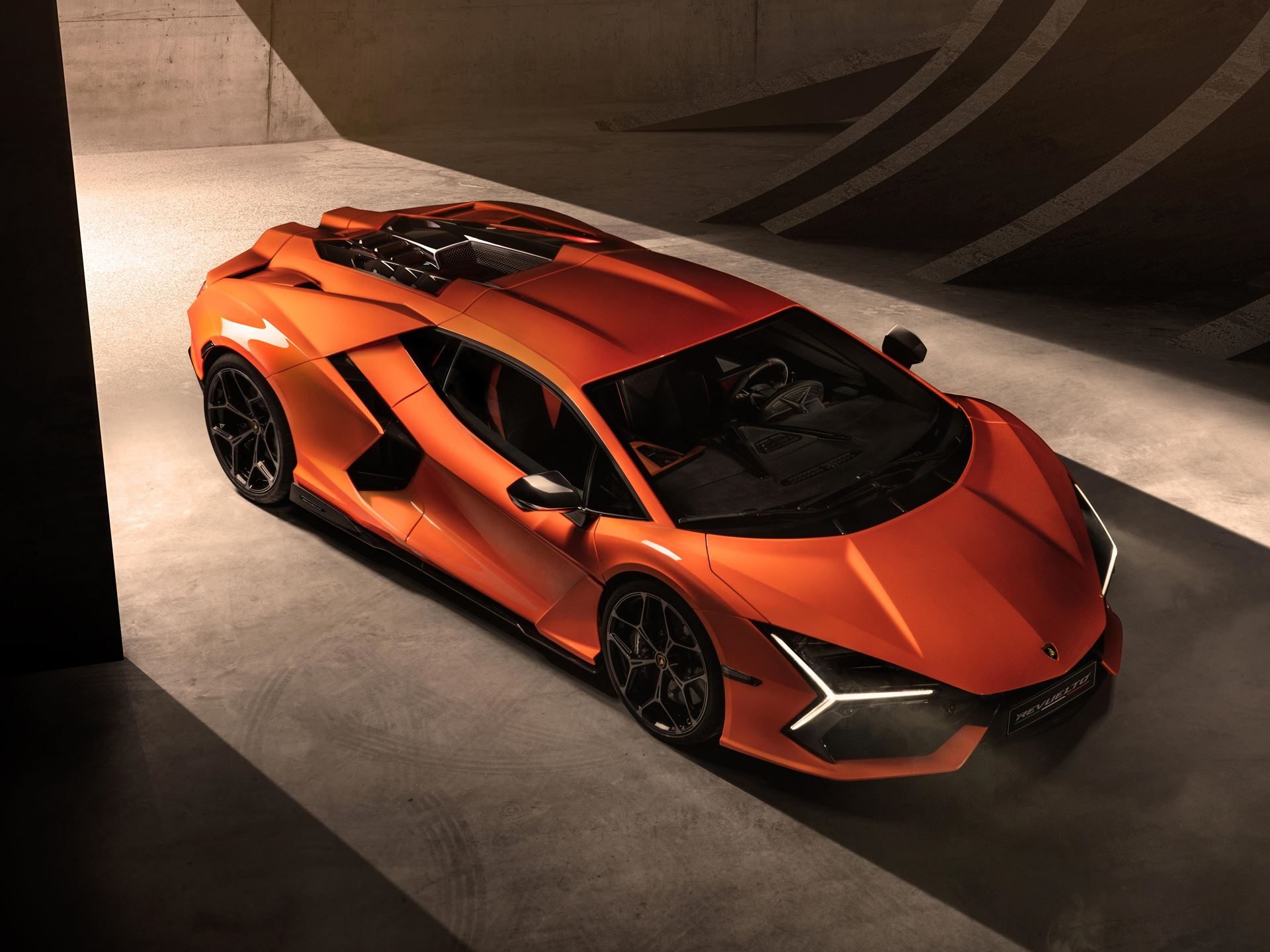
The Revuelto, which succeeded the Aventador in 2023 as Lamborghini’s first High Performance Electric Vehicle (HPEV), represents Borkert’s most complete statement. He describes it as the first model designed from scratch by his team, using what he calls an iconic and essential design language. The Revuelto’s cleaner surfaces and Y-shaped lighting signatures also give the Ad Personam customization team a broader canvas to work with, which is part of the point. Design and personalization feed each other at Centro Stile, and the studio oversees both. That integration, rare among competitors, is a direct consequence of keeping everything under one roof since 2003.

Design DNA: The System Behind the Shapes
An infographic released as part of the anniversary materials maps Lamborghini’s design DNA across the Countach, Aventador, and Huracán, highlighting key design lines in yellow overlays. Side-profile studies trace the evolution from the 350 GT through every major model, and the visual continuity is striking. The wedge silhouette, the cab-forward stance, the aggressive greenhouse proportions: these elements recur across six decades, refined but never abandoned.
The hexagon motif, which Lamborghini’s historical account traces to the 1967 Marzal prototype, appears everywhere from brake cooling ducts to daytime running lights. The Y-shape, prominent since the Reventón era, now defines the Revuelto’s lighting signature and interior architecture. A separate Temerario design infographic from Centro Stile reveals specific elements for the newer car: a sharknose front, an S-duct borrowed from GT3 race cars, exposed tire surfaces, and a high-position exhaust inspired by MotoGP motorcycles.
What competitors often miss when covering Centro Stile is how deliberately these elements function as a system. The hexagon, the Y, the wedge profile are not decorative choices applied model by model. They form a codified vocabulary that allows each new Lamborghini to look unmistakably like a Lamborghini while still surprising. Ferrari historically relied on Pininfarina for decades before bringing design fully in-house, and Porsche’s design studio evolved from its engineering-first culture. Lamborghini’s path was different: a conscious, strategic decision in 2003 to create a dedicated creative center that would safeguard the brand’s visual identity through creative independence. That decision is what makes the Temerario’s sharknose and the Manifesto’s radical surfaces legible as Lamborghinis rather than clean-sheet experiments.

What Comes Next for Centro Stile
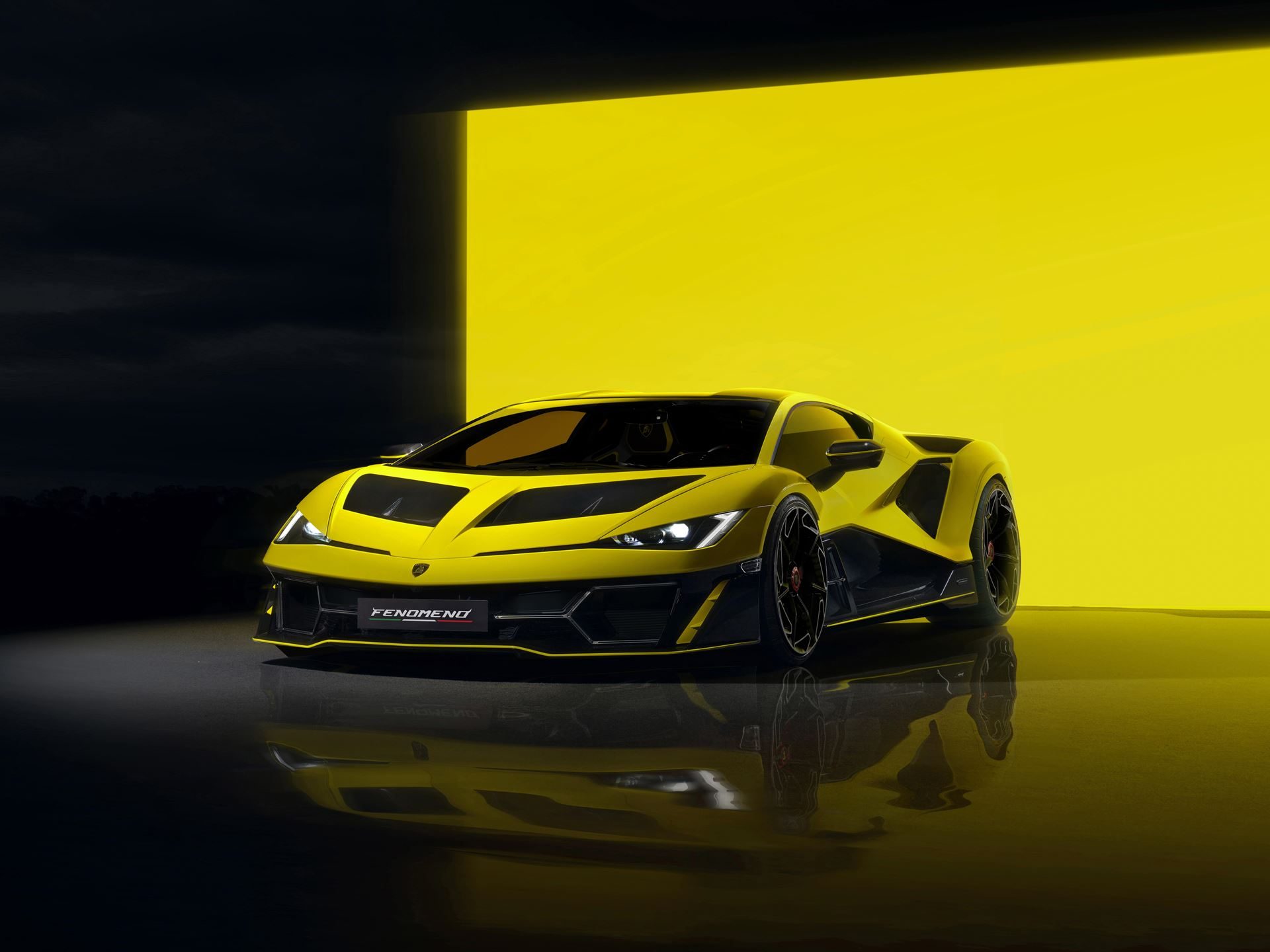
The Lanzador concept, depicted in design sketches signed by Borkert, presents an all-electric 2+2 GT with high ground clearance and the sharp lines of a Lamborghini compressed into a body style the brand has never produced. The Temerario made its dynamic launch this year. The Fenomeno few-off, presented in summer 2025, was explicitly positioned as a celebration of the Centro Stile’s anniversary. Car and Driver reports that Lamborghini’s sales and marketing chief, Federico Foschini, hinted at “crazier” new models, potentially including off-road versions of the Revuelto and Temerario.
The studio’s expansion under Borkert, from seven designers in Perini’s early days to 25 international team members now, means more bandwidth for derivatives, special editions, and the kind of Ad Personam customization that increasingly defines the ownership experience. Lamborghini’s design pipeline is wider than it was a decade ago, and the models emerging from it reflect a studio that operates with both creative freedom and engineering integration.
Borkert frames the challenge plainly: the Centro Stile must look ahead to the next 20 years while drawing from a 60-year catalogue of design history. The tools evolve (3D printing is now routine; AI is under evaluation), but the final decision, he insists, remains human. That insistence circles back to the original thesis. When de’Silva recommended building a dedicated design center in Sant’Agata, the bet was that creative independence would produce a more coherent, more daring visual identity than outsourcing ever could. Twenty years and three design directors later, the cars themselves are the strongest argument that the bet paid off.

Gallery