Polo Storico’s 10th Anniversary and Key Events
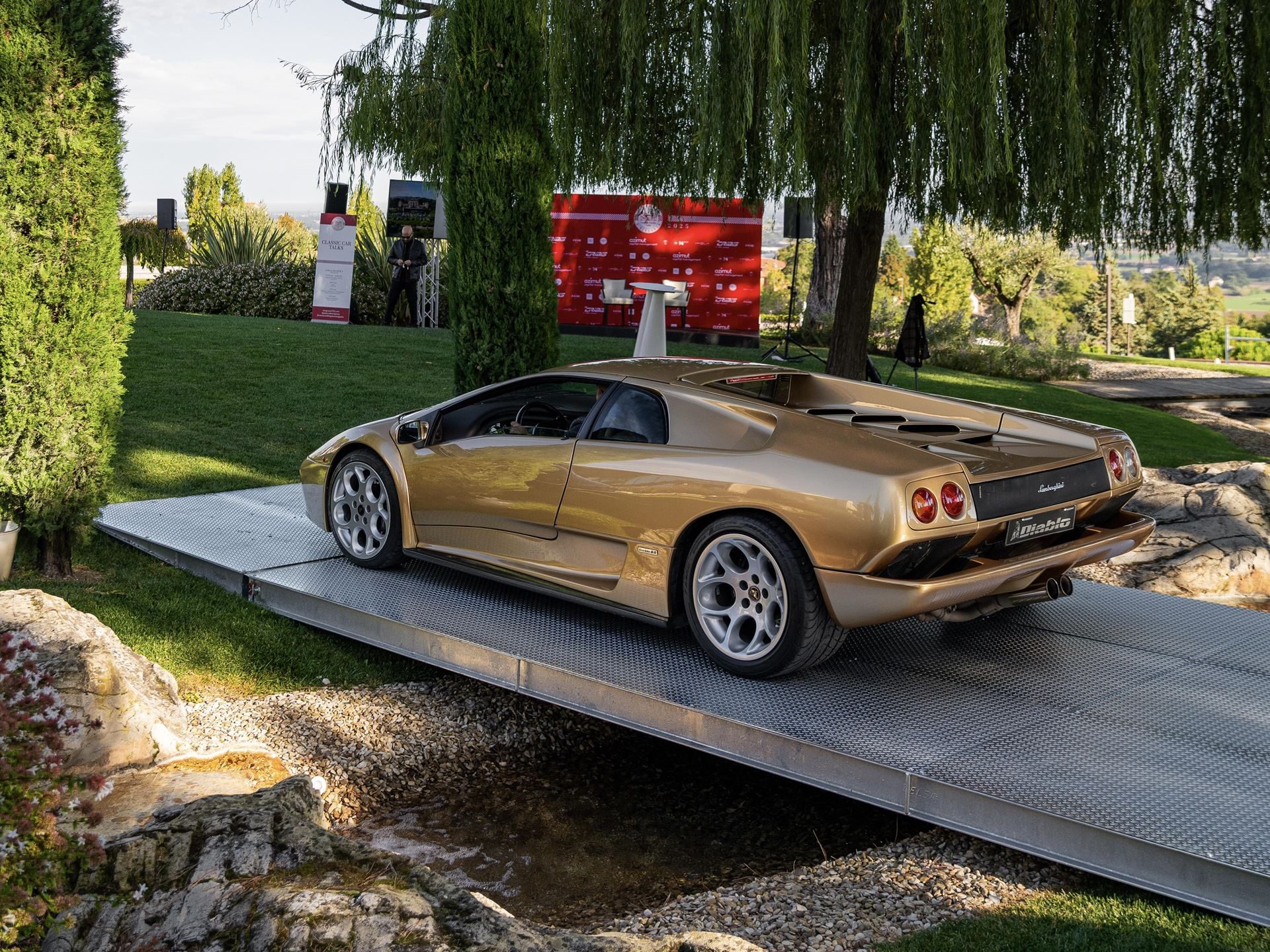
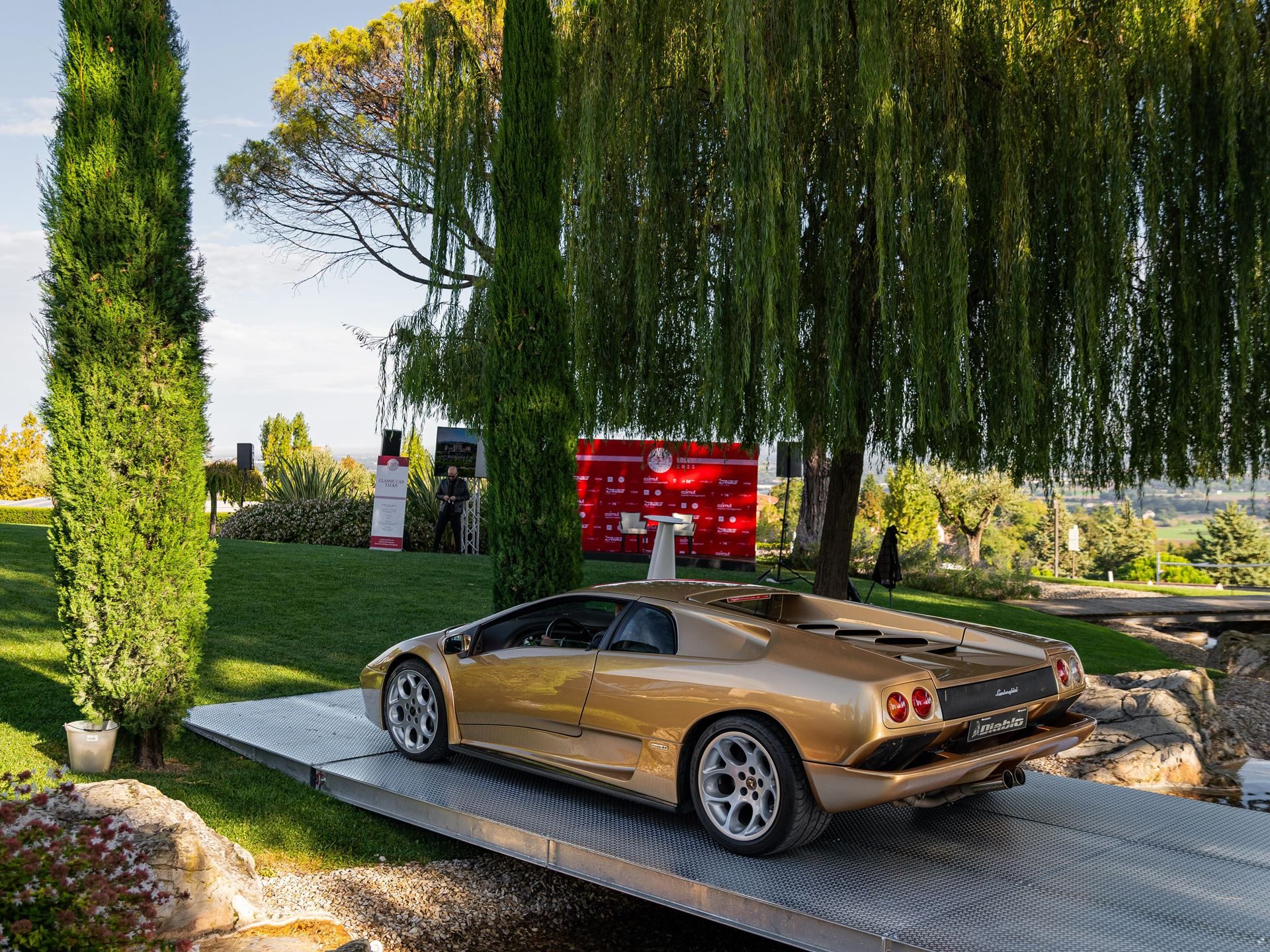
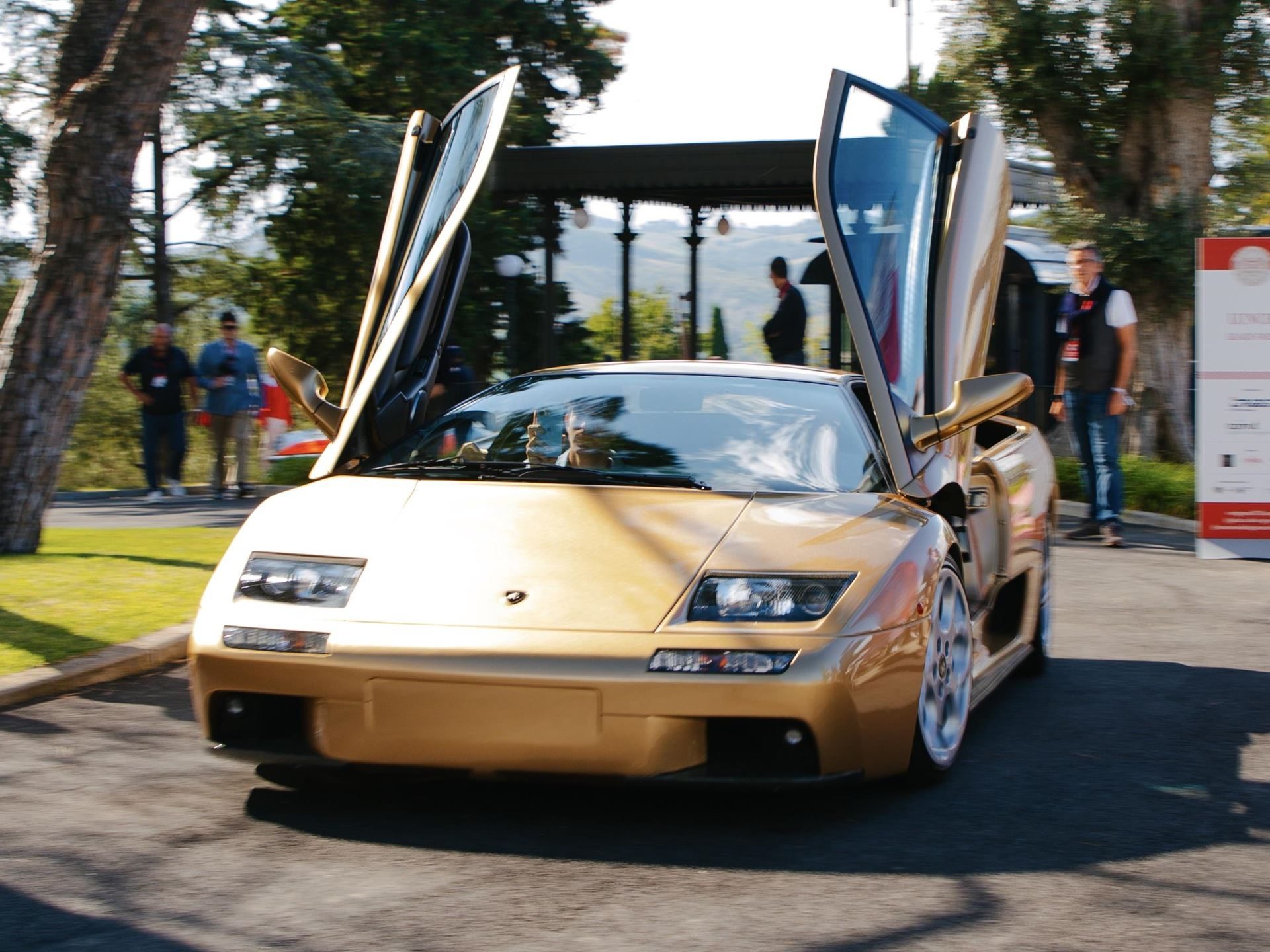
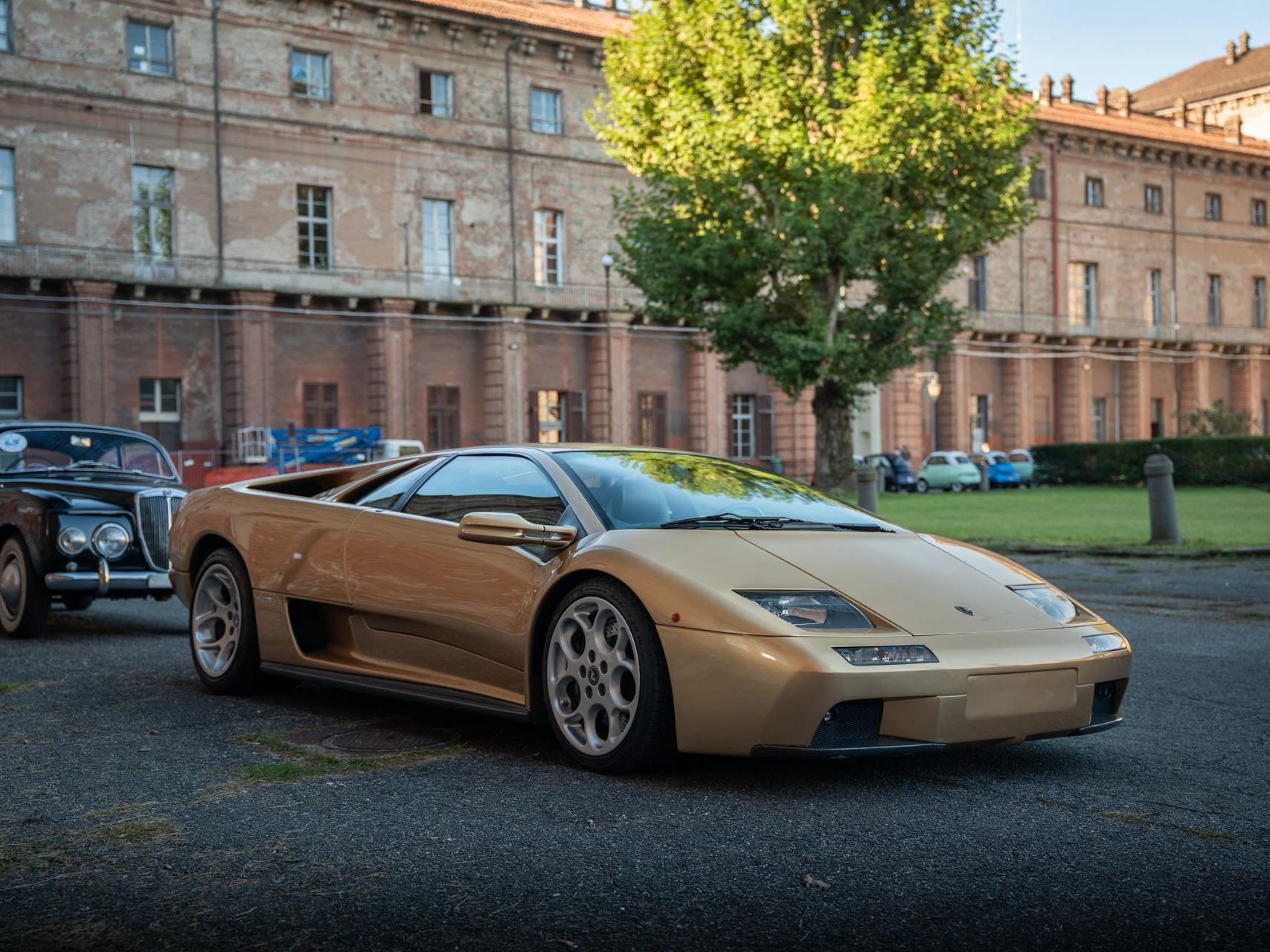
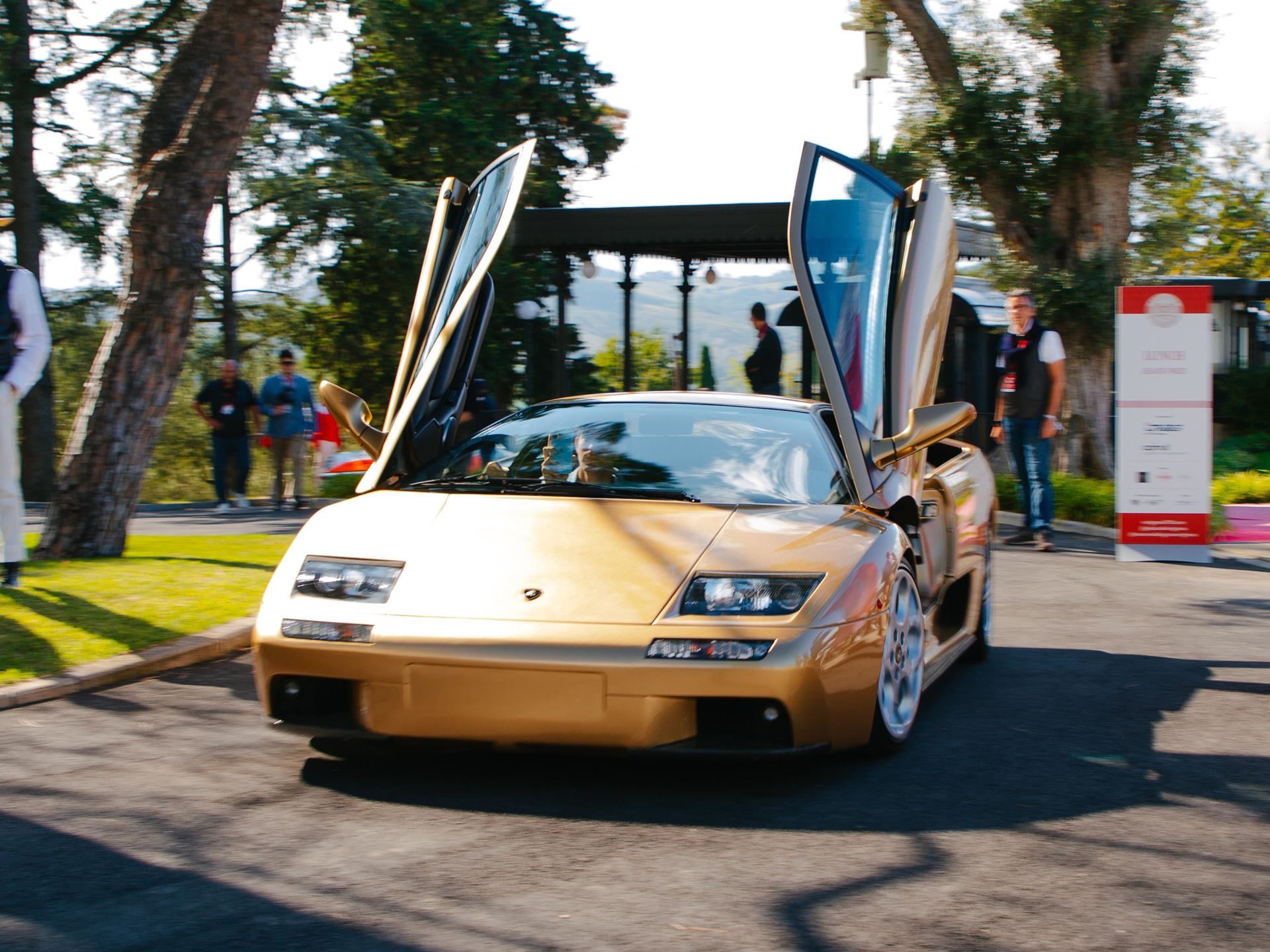
Lamborghini pulled the final Diablo ever produced out of its company collection and sent it to two Italian concours events in a single weekend, turning a pair of milestones into a single argument: that factory-backed provenance shapes how classic Lamborghinis are judged, valued, and preserved. The car appeared first at the Concorso d’Eleganza Varignana 1705 in Castel San Pietro Terme (Bologna), then moved to the Festival CAR in Revigliasco, Moncalieri (Turin) on September 28. The occasion marked 35 years since the Diablo’s debut and a full decade of Polo Storico, the marque’s dedicated heritage division.
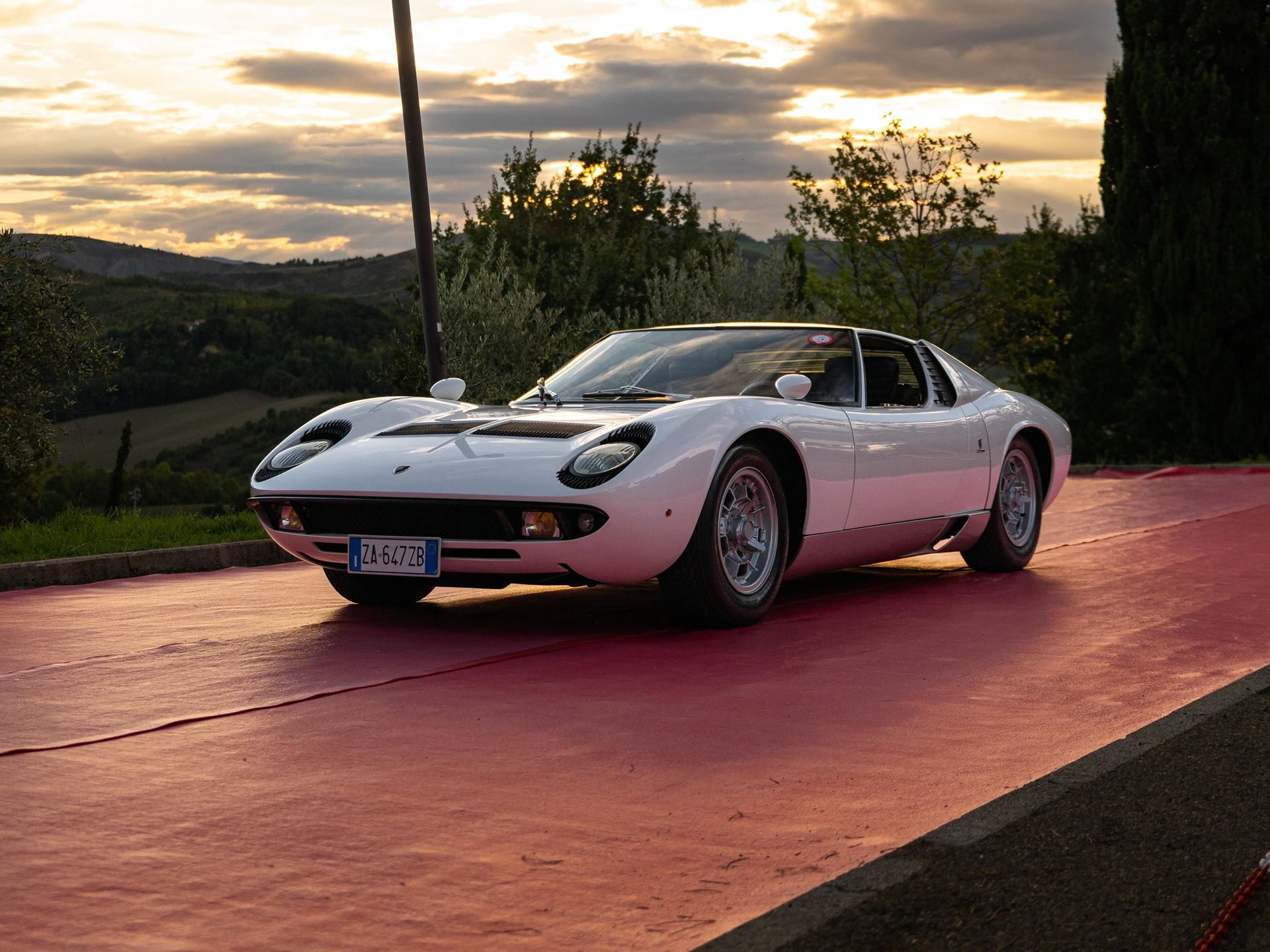
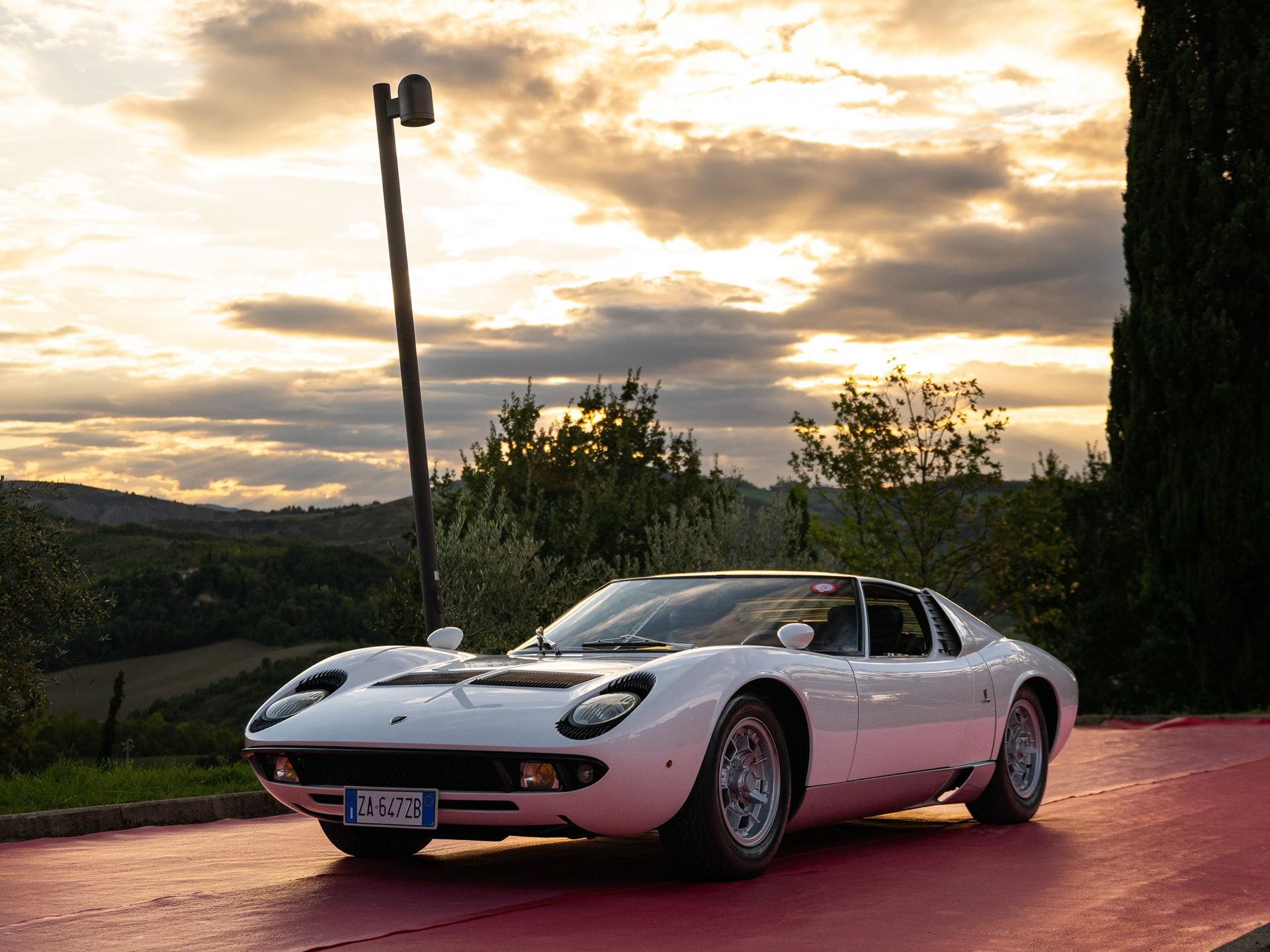
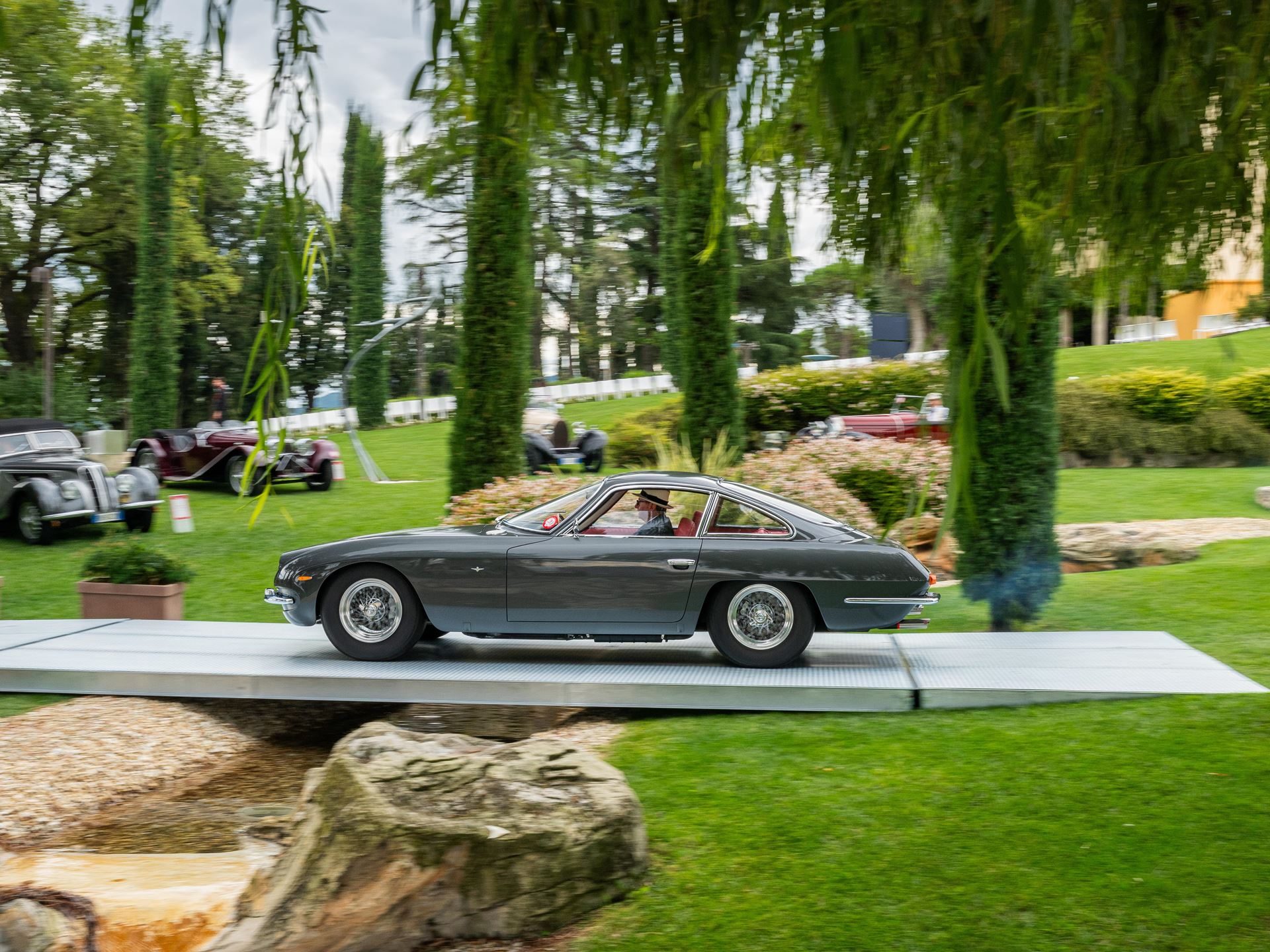
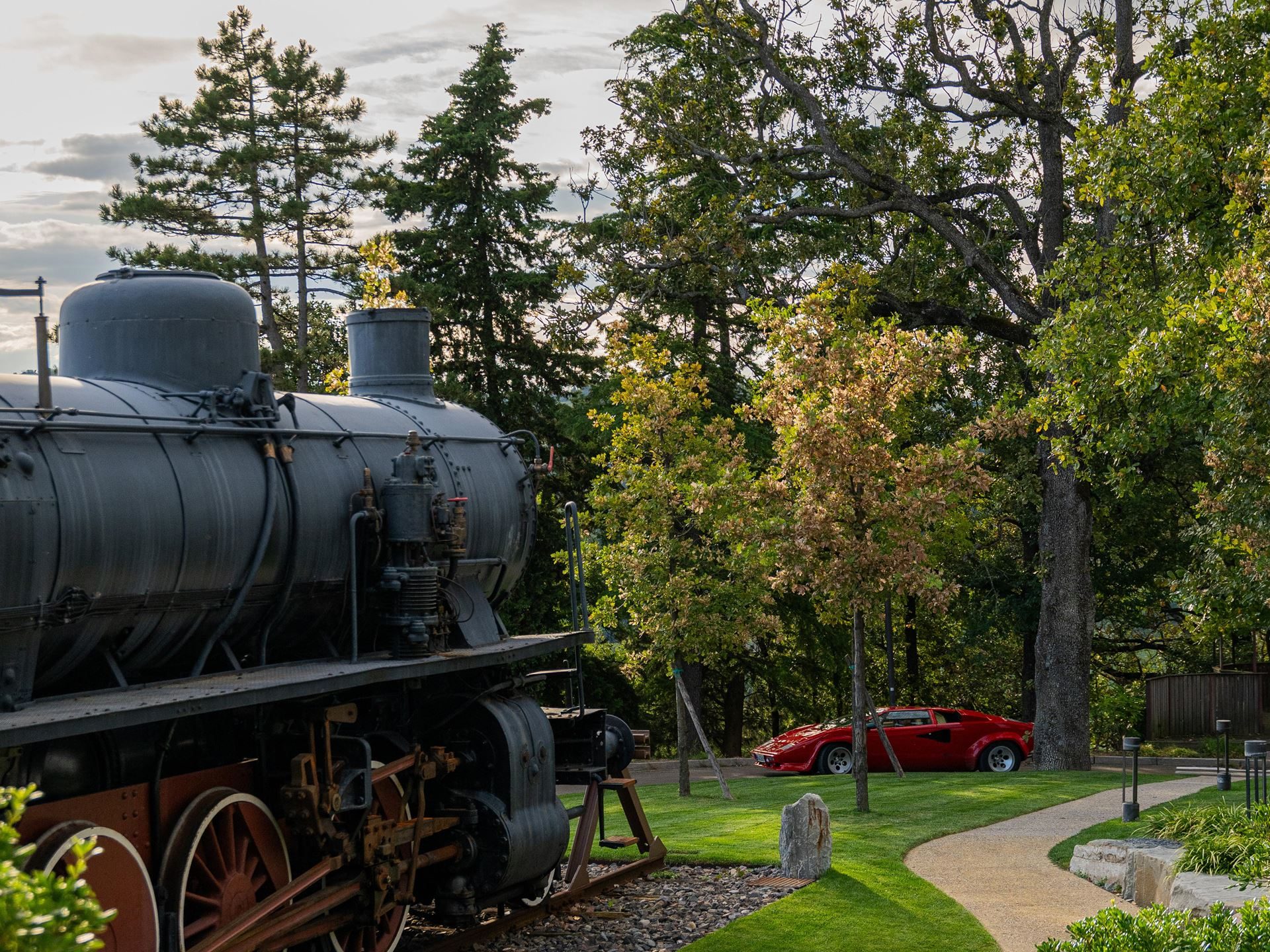
The Varignana field told the story in four cars: a 1965 350 GT, a 1968 Miura P400 certified by Polo Storico, a 1987 Countach 5000 QV from the ASI Bertone Collection, and the final Diablo. Four machines spanning nearly four decades of Sant’Agata Bolognese production, each representing a distinct chapter from grand tourer to mid-engine supercar to V12 flagship.
The practical headline for collectors landed when the Polo Storico-certified Miura P400 won first place in the supercar class at Varignana. Alessandro Farmeschi, Lamborghini’s After Sales Director, pointed to the result as validation that the division’s authenticity work carries weight with concours judges, not only with buyers. That connection between rigorous certification and real-world competitive results runs through everything Polo Storico did during this anniversary weekend.

The ‘Last Diablo’: A Symbol of Heritage and its 35-Year Legacy
The Diablo first debuted in 1990 and remained in production until 2001, according to multiple independent sources. As the successor to the Countach, it carried Lamborghini’s V12 supercar lineage through an era of ownership changes and engineering evolution. The final example ever produced remains in the company’s own collection rather than in private hands, a deliberate act of preservation that speaks to the model’s significance within the brand’s internal narrative and, by extension, to the philosophy behind Polo Storico itself.
Lamborghini chose not to disclose the exact variant, chassis number, or specification of this final car. What the source confirms is that the company treats it as a symbol of a model now celebrating its 35th anniversary, and that it served as the official brand representative at both events. For anyone tracking Diablo provenance, the distinction matters: forum discussions occasionally reference other “last built” Diablos that reached private buyers, but Lamborghini’s own material specifically identifies this car as the final one produced, held in its permanent collection.
The Diablo occupies a peculiar position in the collector market right now. Enthusiast forums reflect growing interest from a younger generation of buyers who grew up with the car on bedroom wall posters and in video games. Farmeschi noted a significant increase in requests for Diablo certifications and restoration services driven by new collectors entering the market. That surge in demand is precisely the kind of pressure that makes Polo Storico’s certification work more consequential than ever: as values climb, the gap between a documented car and an undocumented one widens.

Polo Storico’s Certification: The Gold Standard for Authenticity and Value
Founded in 2015, Polo Storico covers classic Lamborghinis produced between 1963 and 2001. Its core function is assessing the originality of these cars and issuing Certificates of Authenticity, a process Lamborghini positions as central to preserving both the historical record and the integrity of the cars themselves. For a collector market increasingly sensitive to provenance, understanding what that process actually involves is essential.
Polo Storico maintains the factory’s archive of build records, which one report describes as covering chassis, engine, gearbox, axle, and body codes alongside original specifications for paint, trim, wheels, and optional equipment. The certification is granular enough that a replacement gearbox gets noted on the certificate, and a gearbox of a different specification is flagged as a problem for authenticity. That level of detail is what separates a factory certificate from a generic inspection report, and it explains why concours judges at Varignana responded to the Miura the way they did.
One source indicates that full Polo Storico restorations, which include certification as part of the work, can range from roughly €230,000 to €450,000 and take around 18 months to complete. Lamborghini does not publicly disclose a standalone cost for certification alone. Those restoration figures apply to comprehensive work, not a simple paperwork review. Still, for buyers evaluating a classic Lamborghini at auction or through a dealer, the practical takeaway is straightforward: a Polo Storico certificate functions as the factory’s own stamp of provenance, and the Miura’s class win suggests concours judges treat it accordingly.

The Miura: The Original Supercar’s Enduring Appeal and Recent Accolades
A certified Miura P400 taking the top spot in the supercar class at Varignana reinforces something Polo Storico owners already suspect: factory certification is becoming a competitive advantage on the concours circuit, not just a resale talking point. Judges at events like these evaluate condition, originality, and documented provenance, which is precisely what Polo Storico’s certification process is designed to verify. When the documentation is factory-sourced and granular enough to flag a mismatched gearbox, it gives judges confidence that the car standing before them is what it claims to be.
The Miura needs no introduction to this audience. Its transverse mid-engine V12 layout redefined what a road car could be when it appeared in the late 1960s, and well-preserved examples remain among the most sought-after Lamborghinis in existence. Seeing one win under a Polo Storico banner, alongside the final Diablo and a 350 GT representing the company’s very first production model, made the Varignana appearance feel less like a promotional exercise and more like a curated argument for the tangible value of factory-backed authenticity across the brand’s entire heritage arc.

Connecting Heritage to the Future: Diablo’s DNA in Modern Lamborghinis
The Diablo’s 35th anniversary is not merely a backward-looking celebration. The model bridged Lamborghini’s analog era and its modern engineering identity, and the new wave of collectors seeking Diablo certifications suggests the car’s cultural relevance is accelerating rather than fading. As more Diablos enter the certification pipeline, Polo Storico’s archive becomes the definitive reference point for separating genuine provenance from speculation.
Every major Italian and German supercar manufacturer now runs a heritage division. Ferrari operates Classiche, Porsche runs its Classic arm, and Mercedes-Benz maintains a dedicated Classic Center. Lamborghini does not publish detailed comparisons of its program against these rivals, and the source material does not provide the data needed for a rigorous head-to-head. Polo Storico’s scope is defined by a clear boundary: models built between 1963 and 2001, ending with the Diablo. That concentrated mandate may work in its favor compared to competitors whose heritage programs span far larger production volumes and model ranges.
For prospective classic Lamborghini buyers, the relevant question is whether a Polo Storico certificate carries the same weight at auction and on the concours field as a Ferrari Classiche red book. The Varignana result suggests it does, at least in the eyes of Italian concours judges. Whether the broader international market assigns equal value remains an open question, one that will likely become clearer as the Diablo certification wave builds.

Competitive Landscape: Lamborghini Polo Storico vs. Other Heritage Programs
Lamborghini says the double appearance was part of ongoing celebrations for Polo Storico’s tenth anniversary. If the division continues fielding cars from the company collection at this caliber of event, the anniversary year will serve as more than a marketing milestone. It will function as a rolling demonstration of what factory-backed provenance looks like when it meets a concours lawn. For the Diablo generation of collectors now arriving with checkbooks in hand, that demonstration could not be better timed.
Gallery