The SC63’s Indianapolis Performance and Technical Upgrades
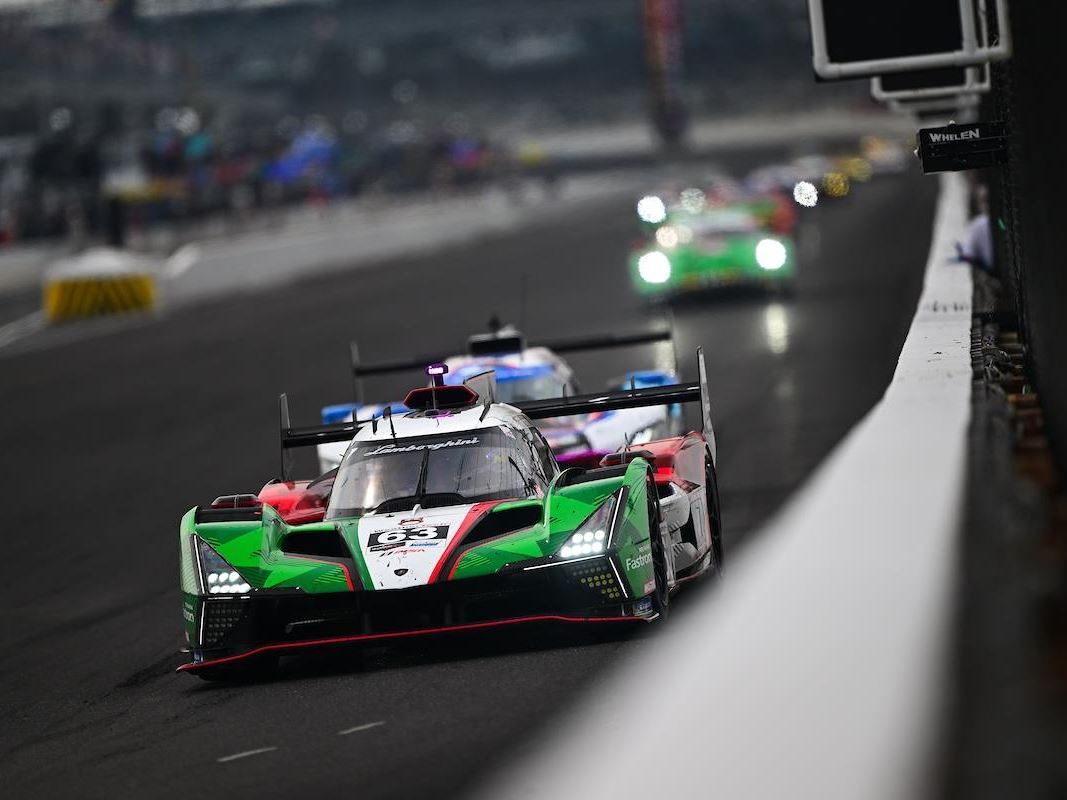
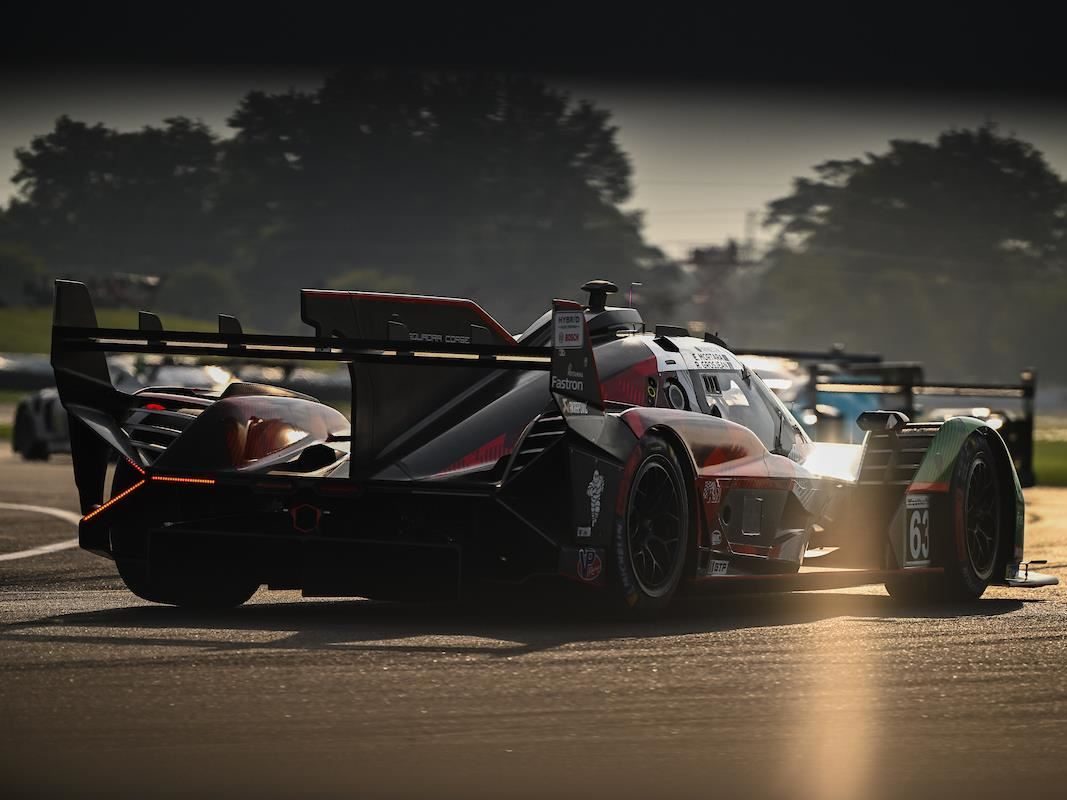
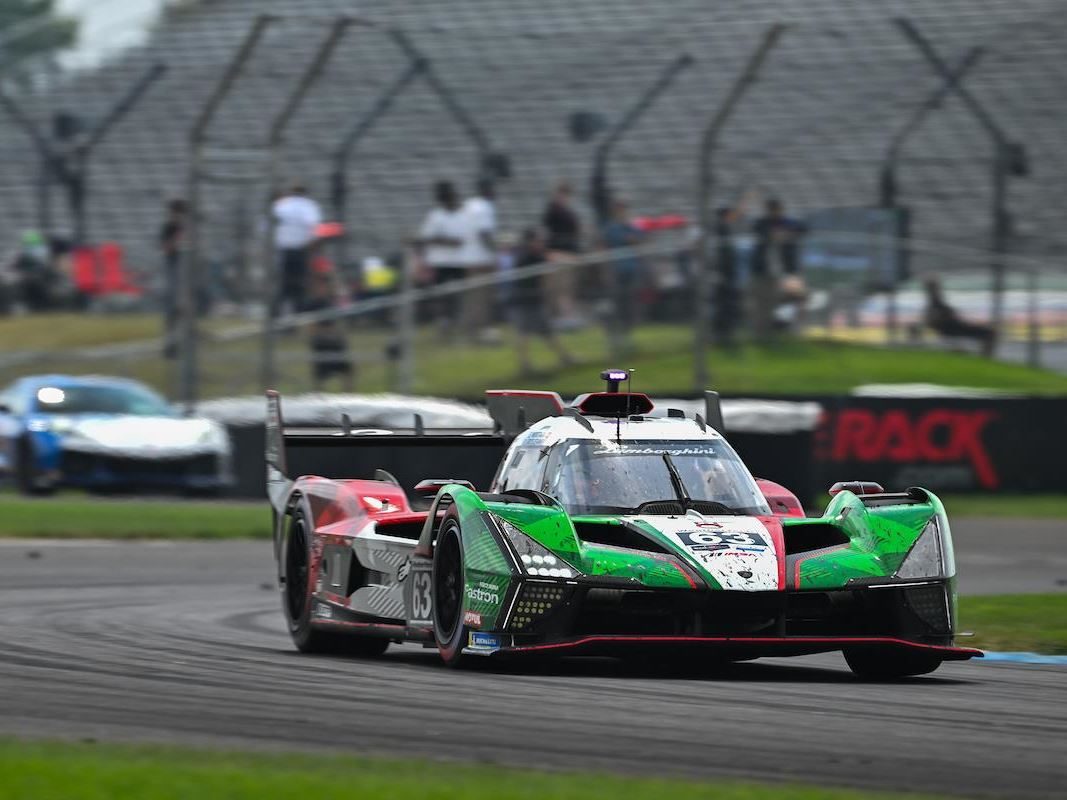
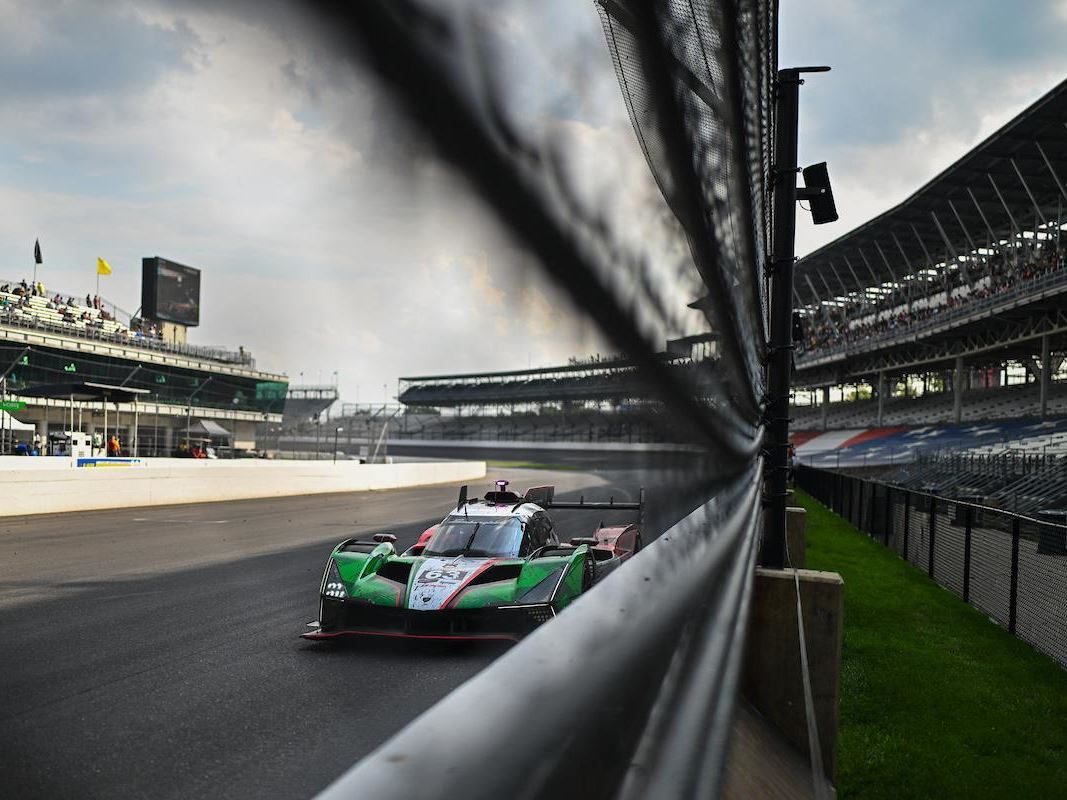
Edoardo Mortara and Romain Grosjean shared the #63 Lamborghini SC63 at Indianapolis Motor Speedway for the penultimate round of the 2025 IMSA WeatherTech SportsCar Championship, and for most of the six-hour race, the result looked like it would finally match the car’s pace. Running in upgraded LMDh specification with a completely new rear suspension, the SC63 climbed from eighth on the grid to fifth after the first round of pit stops and held that territory through the middle hours.
Then a sequence of events in the final hour erased it all. Contact with a lapped Porsche pitched Grosjean onto the grass and prompted a short energy-only pit stop, a gamble aimed at recovering positions in the closing stages. A late full course yellow wiped out that strategy entirely, leaving the car to cross the line in 10th. Lamborghini framed the outcome as a likely top-five finish that slipped away, and based on the verified race sequence, that reads as a fair assessment rather than wishful thinking.
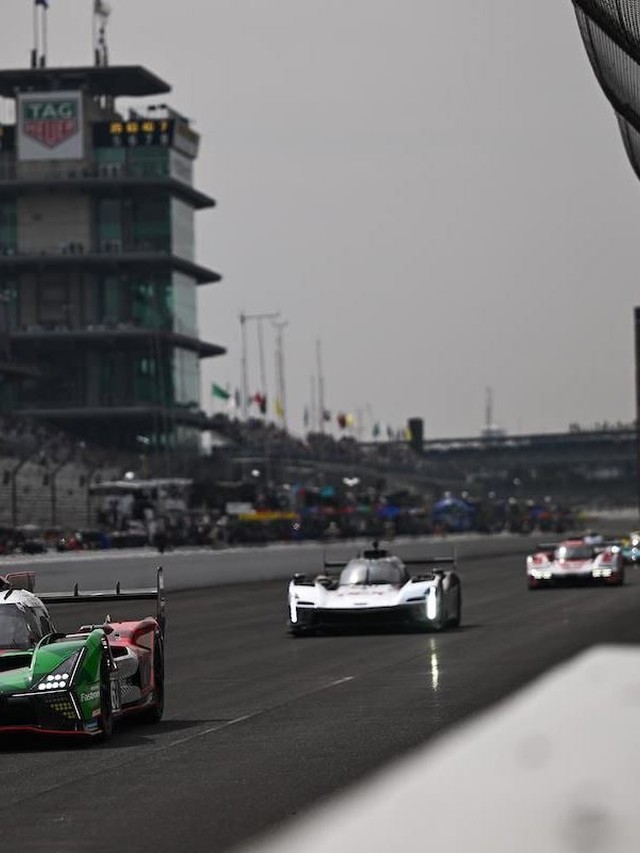
The frustrating result, though, is secondary to what the weekend actually proved. The upgraded SC63 was genuinely quick. In the first GTP practice session, the #63 was eighth quickest. In the second, Grosjean put it fourth. The team spent both sessions running higher fuel loads rather than chasing outright lap times, and Lamborghini says the car was roughly four-tenths of a second off the ultimate best pace before qualifying. For context, at one point during the race itself, all six IMSA GTP manufacturers occupied the top six positions. Four-tenths in that company is a meaningful gap, but a closing one.

Strategic Shift: The SC63’s 2025 IMSA Focus and WEC Sabbatical
Indianapolis was the SC63’s most competitive weekend of the season, which makes the broader context around the program all the more bittersweet. Lamborghini confirmed it will not contest the 2025 FIA World Endurance Championship season. For this year, the SC63 program is limited to IMSA’s five-race Michelin Endurance Cup: Daytona, Sebring, Watkins Glen, Indianapolis, and Road Atlanta.
Lamborghini executives, including CEO Stephan Winkelmann and Head of Motorsport Maurizio Leschuitta, have characterized any future return for the SC63 as “hypothetical.” Officials have indicated the decision represents a pause rather than a permanent end, but no timeline or conditions for a comeback exist in any public statement. Road & Track reported that the SC63 will not be on the grid in 2026 for either WEC or IMSA, citing increased resource demands and a split from funding partner Iron Lynx.
The contrast with Ferrari and Porsche is hard to ignore. Both manufacturers maintain full WEC and IMSA campaigns with multiple cars. Lamborghini’s decision to scale back to endurance-only rounds in a single championship, then step away entirely, raises legitimate questions about how the brand intends to compete at motorsport’s highest level going forward. Squadra Corse appears to be pivoting its resources toward customer racing programs and GT model development, which is where the Huracán GT3 EVO2 and the upcoming Temerario-based GT3 car become the more relevant story.

Engineering Deep Dive: The ‘Evo Joker’ and Future Development Plans
The most significant development at Indianapolis was not the race result. It was the car underneath it.
Lamborghini CTO Rouven Mohr acknowledged that the SC63’s rear suspension carried weaknesses in kinematics and kinematic stiffness, issues the engineering team identified but deliberately delayed addressing in order to collect more data. The Indianapolis round marked the deployment of that fix through the LMDh regulations’ “Evo joker” mechanism, which allows manufacturers a limited number of homologated upgrades during a car’s competitive life.
Both Grosjean and Mortara reportedly expressed satisfaction with the updated suspension. Mohr also outlined further development plans for the SC63, including a second package focused on aerodynamic improvements and additional modifications aimed at weight reduction. Whether those upgrades ever see a race weekend depends entirely on what happens after the program’s upcoming pause.
This is the central tension of the SC63 story right now. The engineering team finally has a car that can fight in the top five, and the tools exist to push it further. The question is whether the program survives long enough for that potential to be realized on track, or whether its real legacy plays out somewhere else entirely.

Impact on Lamborghini’s Road Car Technology and Brand Prestige
One angle that rarely gets explored in race-weekend coverage is what the SC63’s development actually means for the cars Lamborghini sells. The SC63 uses an all-new 3.8-liter twin-turbocharged V8 in a “cold V” configuration, where the turbochargers sit outside the vee angle for improved cooling and a lower center of mass. That architecture, paired with the standardized LMDh hybrid system, represents Lamborghini’s most advanced work in forced-induction hybrid powertrains.
Lamborghini has not drawn a direct line between the SC63’s engineering and any specific future road car. But the broader direction is visible. The Temerario already pairs a twin-turbo V8 with hybrid electric motors, and the suspension and aero lessons learned from two seasons of prototype racing do not simply disappear when a program pauses. Mohr’s outlined future development list for the SC63, aerodynamic improvements and weight reduction, reads like priorities any road-car engineering team would find directly applicable.
Multiple enthusiast forum discussions reflect genuine frustration with the program’s trajectory. The sentiment across communities is that the SC63 was beginning to find real pace just as the program wound down. Whether that accumulated knowledge translates into something tangible for future Lamborghini buyers remains an open question, but the engineering investment is banked regardless of what happens to the race program itself.

GTD Pro and GTD Huracán Results at Indianapolis
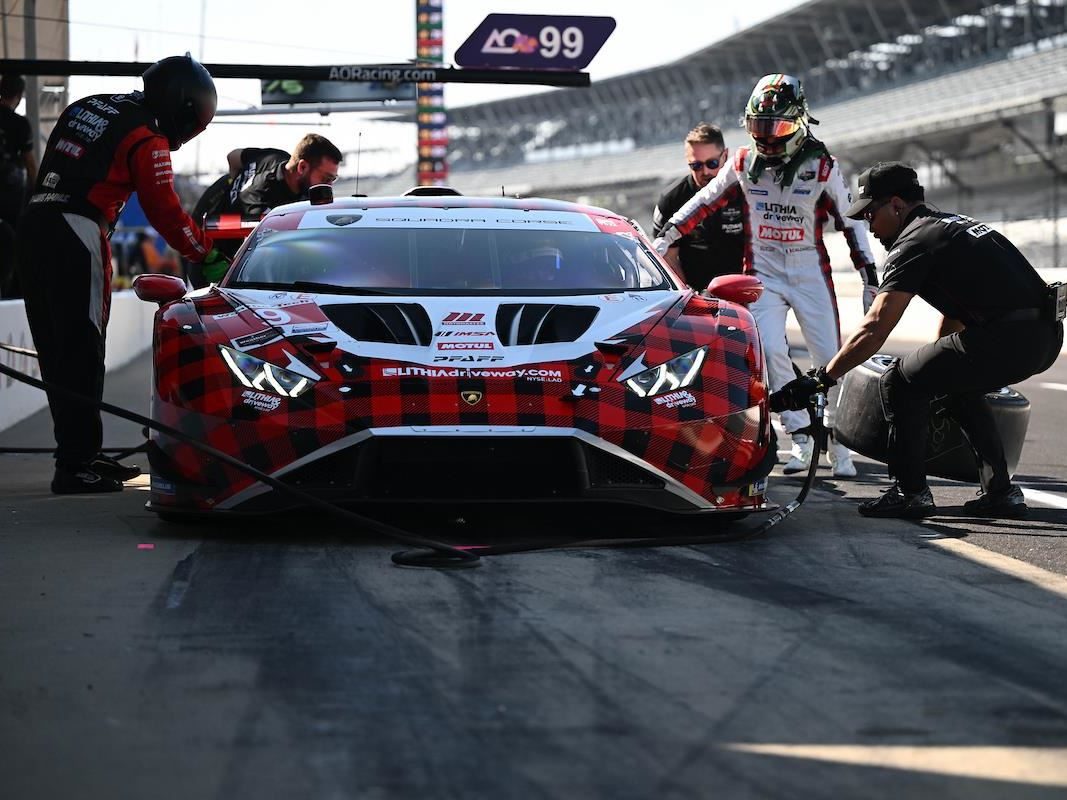
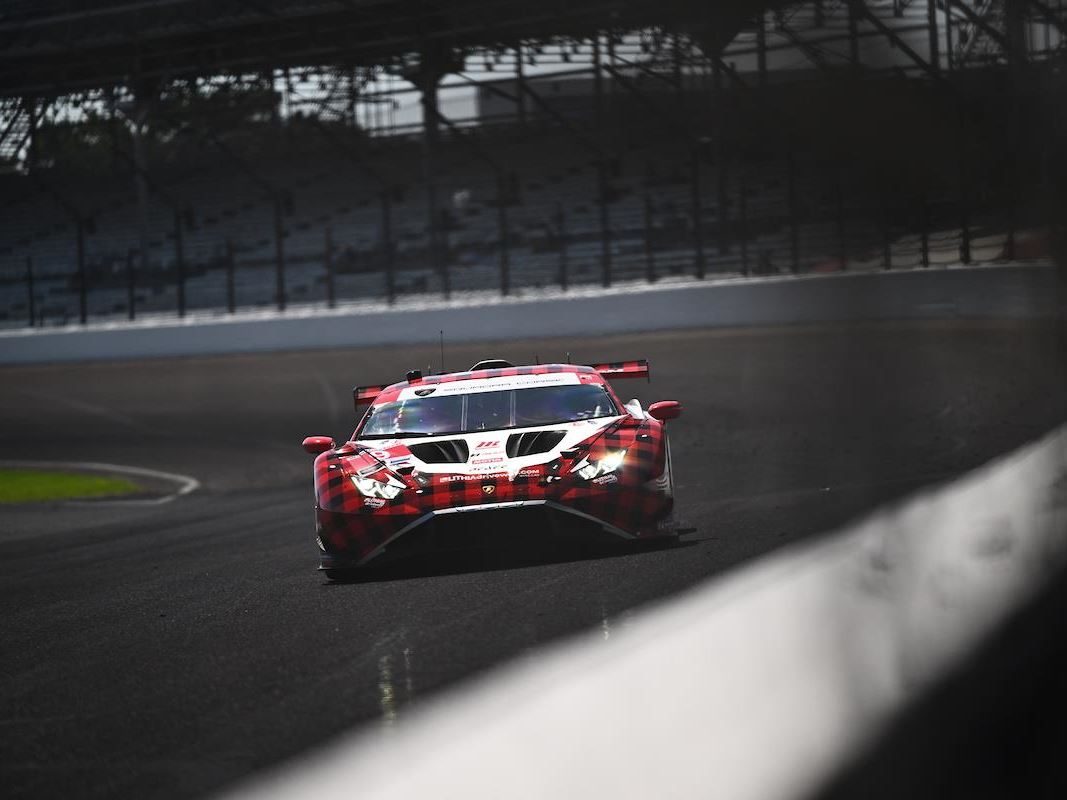
Lamborghini’s GT entries at Indianapolis told their own mixed story. The #9 Pfaff Motorsports GTD Pro Huracán GT3 EVO2, driven by Caldarelli and Mapelli, qualified fifth after posting an identical 1m23.559 time with the #77 Porsche. Caldarelli advanced to third at the start, but contact from another car damaged the Huracán’s rear and dropped it two laps behind the field. Mapelli recovered both lost laps and brought the car home ninth.
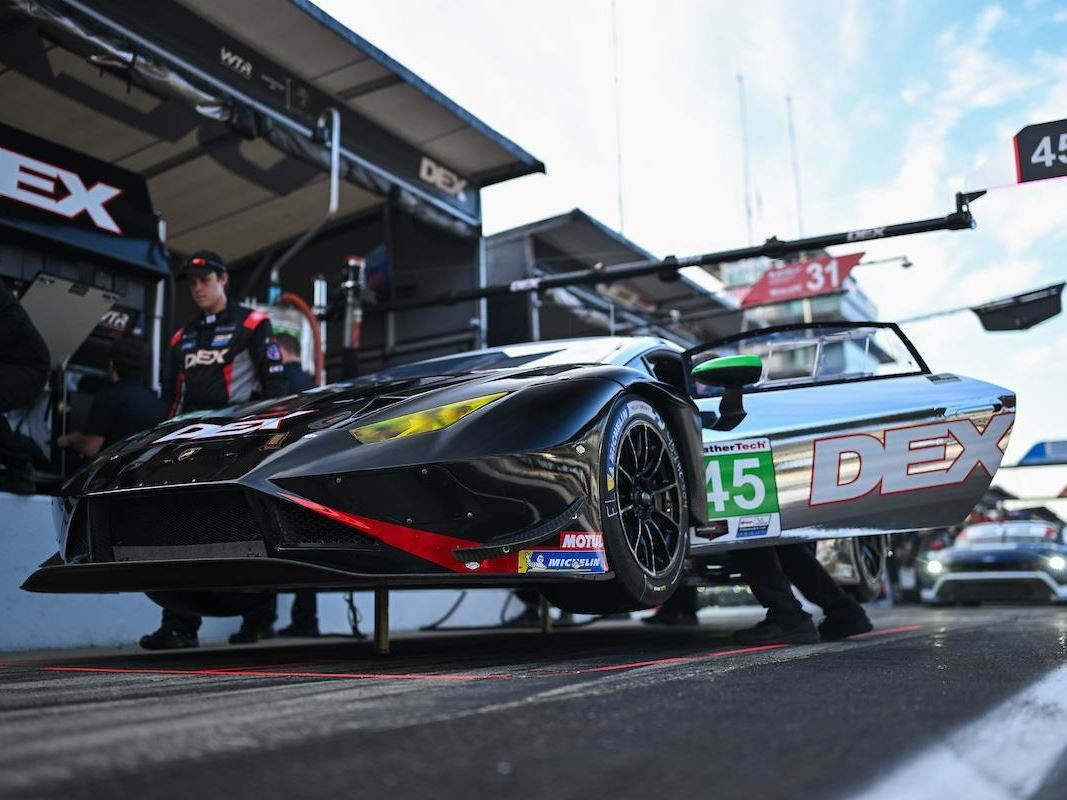
In GTD, the #45 Wayne Taylor Racing entry was the hard-luck story. Running third with over an hour remaining, a mechanical issue forced retirement. The #78 Forte Racing Huracán, already dealing with a gearbox replacement after Friday practice, took a drivethrough penalty for first-corner contact with a Ferrari. Newcomer Filgueiras and Farnbacher brought it to the finish regardless.
The Huracán GT3 EVO2 continues to be Lamborghini’s most consistent racing platform, and its replacement by the Temerario-based GT3 car will be the next major chapter for Squadra Corse’s customer racing operation.

Looking Ahead: Petit Le Mans and Beyond
The 10-hour Petit Le Mans at Road Atlanta on October 9-12 closes out the 2025 IMSA season and the SC63’s competitive life for the foreseeable future. The confirmed 2025 driver pool of Mirko Bortolotti, Romain Grosjean, Daniil Kvyat, and Edoardo Mortara will be drawn from on a race-by-race basis for that finale.
Indianapolis showed that the Evo joker rear suspension upgrade gave the car a genuine step forward in competitiveness. Grosjean put it plainly after the race: the team worked well, the car was competitive all day, and the focus now shifts to ending on a high at Road Atlanta.
For anyone following Lamborghini’s top-tier racing ambitions, that finale carries weight well beyond the championship standings. It will be the last data point before a sabbatical with no confirmed end date, and the last chance to measure how much of the SC63’s hard-won engineering finds its way into the road cars that follow.

Gallery