Alcantara and Lamborghini Super Trofeo: A Renewed Italian Alliance for 2017
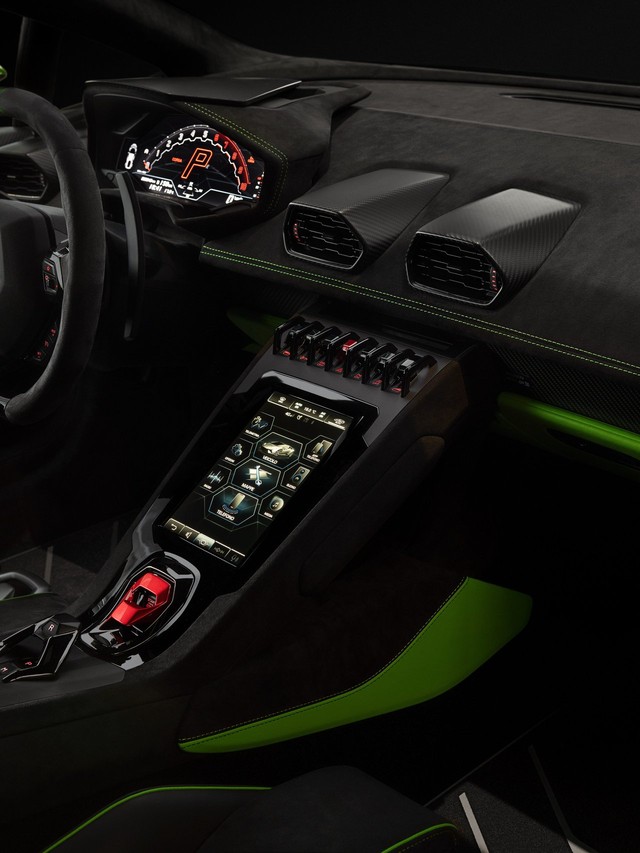
Alcantara confirmed its return as an official partner of Lamborghini Super Trofeo North America for the 2017 season, extending a relationship that places the Italian material company in two very different environments at once. Inside the Huracán Super Trofeo race car, Alcantara lines the dashboard, central tunnel, steering wheel, gear selector, and bucket seats in Nero Ade black, providing the grip and weight savings that matter when a driver is sawing at the wheel through Road America’s Carousel or VIR’s climbing esses. Outside the car, the same material appears in the furniture of the Super Trofeo hospitality lounge, where prospective buyers, current owners, and VIP guests experience it in a context closer to a Milan showroom than a pit lane.
That dual placement is the key to understanding what makes this partnership different from a conventional racing sponsorship. Most deals amount to logo placement on bodywork or barrier signage. Alcantara’s arrangement puts the product literally under the driver’s hands and, simultaneously, under the champagne glasses of the people most likely to write a check for a Huracán road car. Andrea Boragno, Alcantara’s CEO and Chairman, framed the partnership around the material’s combination of lightweight performance, grip, and resistance, qualities that serve both settings. The more interesting read is what this arrangement reveals about Lamborghini’s approach to turning its one-make racing series into a commercial engine for the road car business, a closed loop where performance validation and consumer experience reinforce each other at every round of the calendar.
The Hospitality Lounge as a Rolling Showroom
Lamborghini’s Super Trofeo weekends operate on two parallel tracks. On one side sits the racing grid: gentlemen drivers, aspiring professionals, and factory-supported entrants pushing identical rear-wheel-drive Huracáns through six rounds across North America. On the other, the hospitality program functions less like a corporate tent and more like a curated brand experience that travels from Circuit of The Americas in Austin to Laguna Seca in Monterey, with stops at Watkins Glen, Road America, and VIRginia International Raceway along the way.
Alcantara’s presence in the lounge furniture sounds minor until you consider the audience. The people sitting in those chairs are overwhelmingly current Lamborghini owners or active prospects. They can touch the same material that lines the race car’s cockpit, in a relaxed setting that lets them appreciate its texture and finish without the distraction of a 620-horsepower V10 screaming past at 8,000 rpm. It functions as a tactile showroom, and a persuasive one. When the Ad Personam configurator offers Alcantara as an interior option on a road-going Huracán or Aventador, the person making that selection may already know exactly how the material feels because they handled it at Watkins Glen in June.
Few competitors replicate this specific loop. Ferrari’s Challenge series and Porsche’s Carrera Cup both maintain hospitality programs, but neither integrates a material partner so explicitly into both the race car and the guest experience. The distinction matters because it turns a sponsorship into a product demonstration, and product demonstrations close sales.
What Alcantara Actually Does in a Race Car
Strip away the marketing language and Alcantara’s value in a competition cockpit comes down to three measurable properties: weight, grip, and durability under heat. One source describes the material as a unique blend of polyester and polyurethane, which gives it a suede-like surface texture without the fragility of natural suede. Lamborghini says the material offers high-tech performance through light weight, grip, and resistance, and in a race car environment, each of those qualities earns its place.
Weight savings in an interior might seem trivial when the Huracán Super Trofeo already tips the scales at a dry weight of 1,270 kg (2,800 lb), but every gram removed from above the car’s center of gravity improves handling response. The steering wheel is the most critical contact point. Alcantara’s surface provides consistent grip even when a driver’s gloves are damp with sweat, a property that degrades much faster with leather or rubber coatings over the course of a 50-minute race stint. The material also resists the kind of UV degradation and heat cycling that destroys conventional trim in cars that spend their lives baking on sun-soaked pit lanes between sessions.
One report notes Alcantara’s use as an essential component in some Formula One cars, which gives you a sense of where the material sits in the motorsport hierarchy. It appears on steering wheels, seat inserts, and control surfaces across multiple open-wheel and GT categories. For Lamborghini’s purposes, the race car application validates the material for road car buyers who want to know that their interior trim choice was selected for function, not just aesthetics. That validation feeds directly back into the hospitality lounge, where the same buyers can feel the material for themselves and carry that confidence into the configurator.
The ‘Made in Italy’ Connection That Competitors Cannot Easily Replicate
Both Lamborghini and Alcantara are 100% Italian operations, and the shared national identity is more than a marketing convenience. Lamborghini builds every car in Sant’Agata Bolognese. Alcantara manufactures exclusively in Italy. When the two brands appear together at a Super Trofeo event, the message reinforces something that Lamborghini’s German-owned competitors cannot claim with the same specificity: an unbroken Italian supply chain from raw material to finished supercar.
Porsche is a prominent user of Alcantara as well; the material appears across the GT3, GT4, and various sport-oriented trims in Stuttgart’s lineup. But Porsche cannot wrap that partnership in the same Italian narrative. For Lamborghini, Alcantara becomes part of a broader story about craftsmanship origin, sitting alongside the hand-stitched leather from the upholstery department in Sant’Agata and the forged carbon fiber developed with Callaway. The cumulative effect is a brand identity built on provenance, not just performance numbers.
In the segment where Lamborghini competes, buyers increasingly care about the story behind their car’s materials. The Ad Personam program, which allows customers to specify nearly every interior surface, turns material selection into a personal statement. Knowing that the Alcantara on your steering wheel rim shares its origin story with the car itself adds a layer of coherence that assembled-from-global-suppliers competitors struggle to match. And when that same material appears in the race car and the hospitality lounge at every Super Trofeo round, the provenance story becomes something you can see, touch, and verify firsthand.
From Race Cockpit to Road Car: What This Partnership Means for Owners
The practical takeaway for current and prospective Lamborghini owners is straightforward: the Alcantara available through the Ad Personam configurator is the same material validated in one of the most demanding one-make racing series in the world. That validation matters because Alcantara’s real-world behavior in a road car differs meaningfully from leather.
According to one report, Alcantara enhances luxury while also improving interior longevity and stain resistance. In practice, owners on enthusiast forums describe mixed experiences with long-term maintenance. The material requires periodic cleaning with specific products to prevent matting and discoloration, particularly on high-contact surfaces like steering wheels and seat bolsters. Leather, by contrast, develops a patina that many owners find appealing, while Alcantara’s aging process is less forgiving if neglected. The tradeoff is grip and weight: Alcantara provides a noticeably more secure hand-to-wheel connection in spirited driving, and its weight penalty is negligible compared to heavy leather hides.
For buyers speccing a new Huracán, the decision between Alcantara and leather often comes down to intended use. Track-day regulars and drivers who prioritize tactile feedback tend to gravitate toward Alcantara. Owners who want a low-maintenance grand tourer interior that ages gracefully may prefer full leather. The Super Trofeo partnership gives Alcantara an edge in credibility that pure marketing cannot replicate: when Lamborghini’s own race team chooses the material for a car producing 620 horsepower through the rear wheels alone, the endorsement carries weight.
One detail worth noting for anyone considering a Super Trofeo car itself: the Huracán Super Trofeo’s bucket seats, while wrapped in Alcantara for grip, are notoriously rigid. Multiple owners on enthusiast forums describe the seating position as impressive but unforgiving, which is exactly what you want at racing speed and exactly what you do not want on a Sunday cruise. The road car’s Alcantara application is considerably more comfortable, which is the whole point of the technology transfer. Lamborghini takes what works at the limit and civilizes it for daily use.

The interior of a Lamborghini Huracan showcases a grey Alcantara steering wheel with vibrant orange stitching and accents.
The Huracán Super Trofeo and the 2017 North American Season
The car at the center of this partnership remains one of the more compelling single-make racers available. The Huracán Super Trofeo uses the same 5.2-liter naturally aspirated V10 found in the road car, retuned and managed by a MoTeC control unit to produce 620 horsepower. The chassis is a hybrid carbon and aluminum construction with modified geometry to accommodate a larger front radiator and a sequential racing gearbox at the rear, changes that also improve the car’s aerodynamic profile. The rear-wheel-drive configuration, unusual in an era when the road-going Huracán LP610-4 sends power to all four wheels, sharpens the driving experience and teaches car control in a way that all-wheel-drive systems deliberately mask.
One source reports the Huracán Super Trofeo weighs 335 pounds less than its street-legal counterpart, contributing to a weight-to-power ratio of 2.05 kg per horsepower. That figure puts it in serious company for a customer racing platform, and Lamborghini says the North American series drew increasing numbers of competitors and interest heading into 2017.
The six-round 2017 calendar ran from Circuit of The Americas in May through Road America and VIR in August, reaching Laguna Seca in September before the World Finals at Imola’s Autodromo Enzo e Dino Ferrari in November. Races were live-streamed on squadracorse.lamborghini.com, motortrendondemand.com, imsa.tv, and radiolemans.com, with tape-delayed primetime coverage on CBS Sports Network. Wikipedia lists Hankook as the tire supplier for the series.
The broader significance of the Alcantara partnership sits in its longevity and its structure. Sponsorships that place a product inside both the competition vehicle and the hospitality environment create a closed loop between performance validation and consumer experience. For Lamborghini, that loop reinforces a brand proposition built on Italian materials, Italian engineering, and an ownership culture that treats the race track and the showroom as two expressions of the same idea. Whether you are watching from the lounge or wrestling the car through turn one, the material under your hands is the same.


