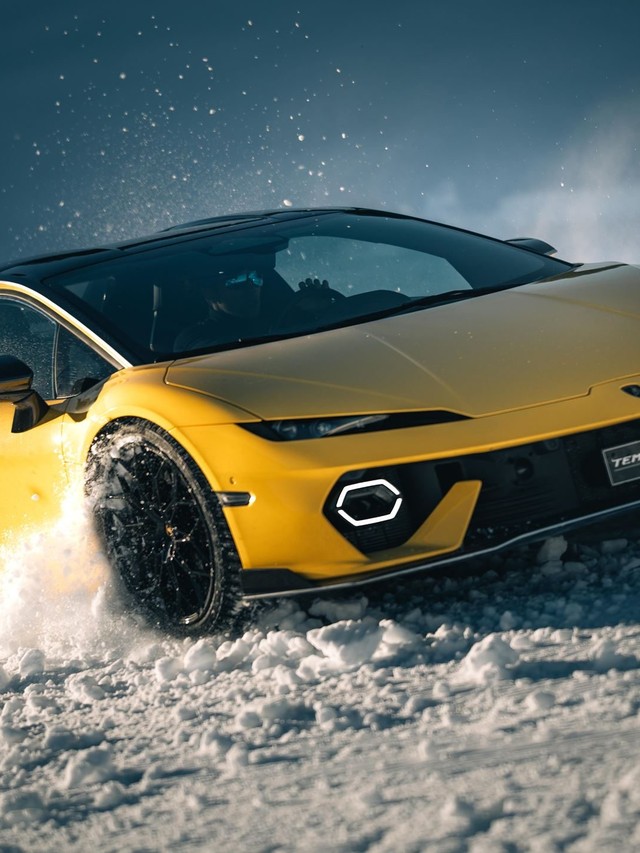
920 CV on Ice: The Temerario’s Hybrid System Gets Its Toughest Test
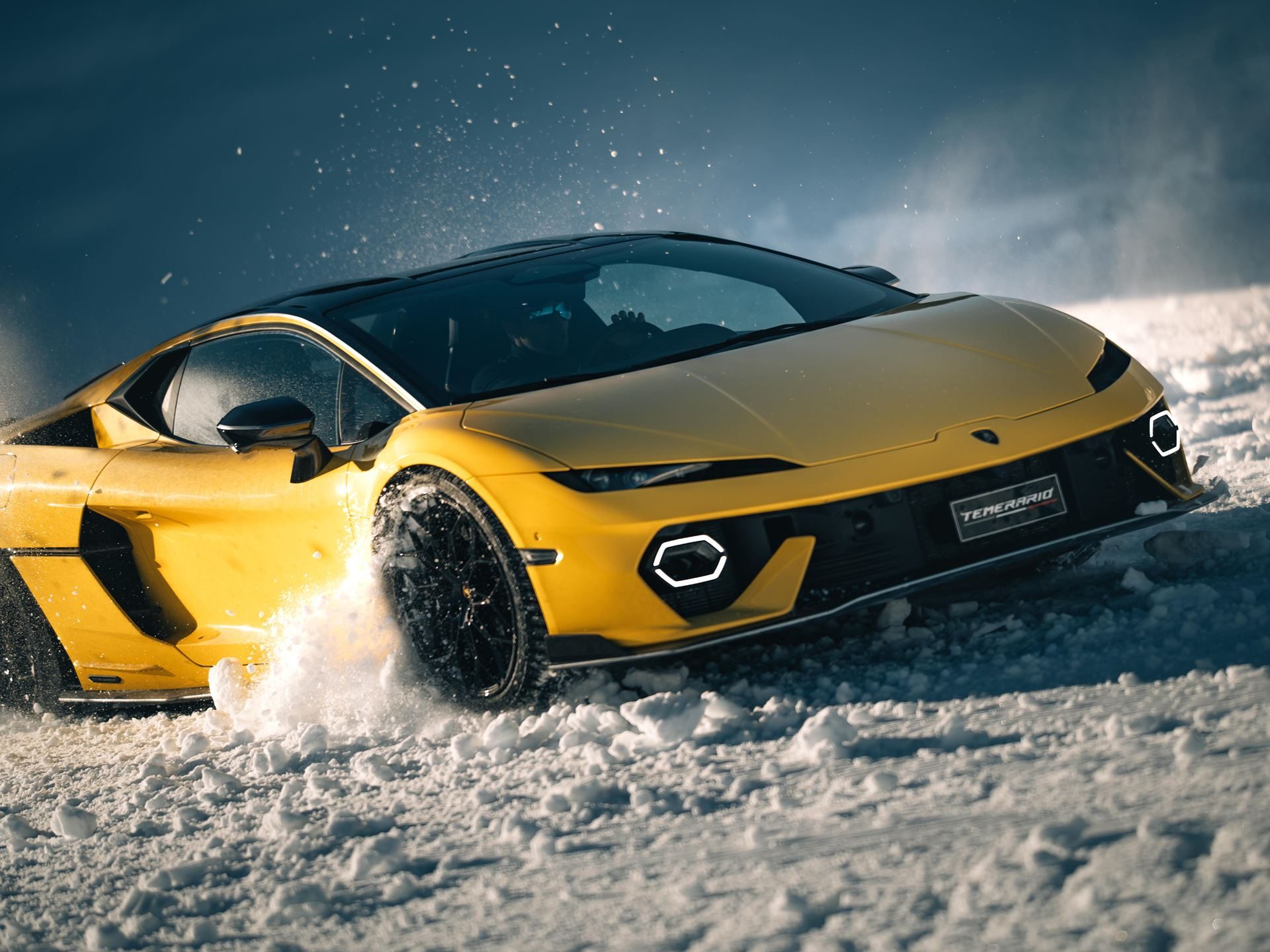
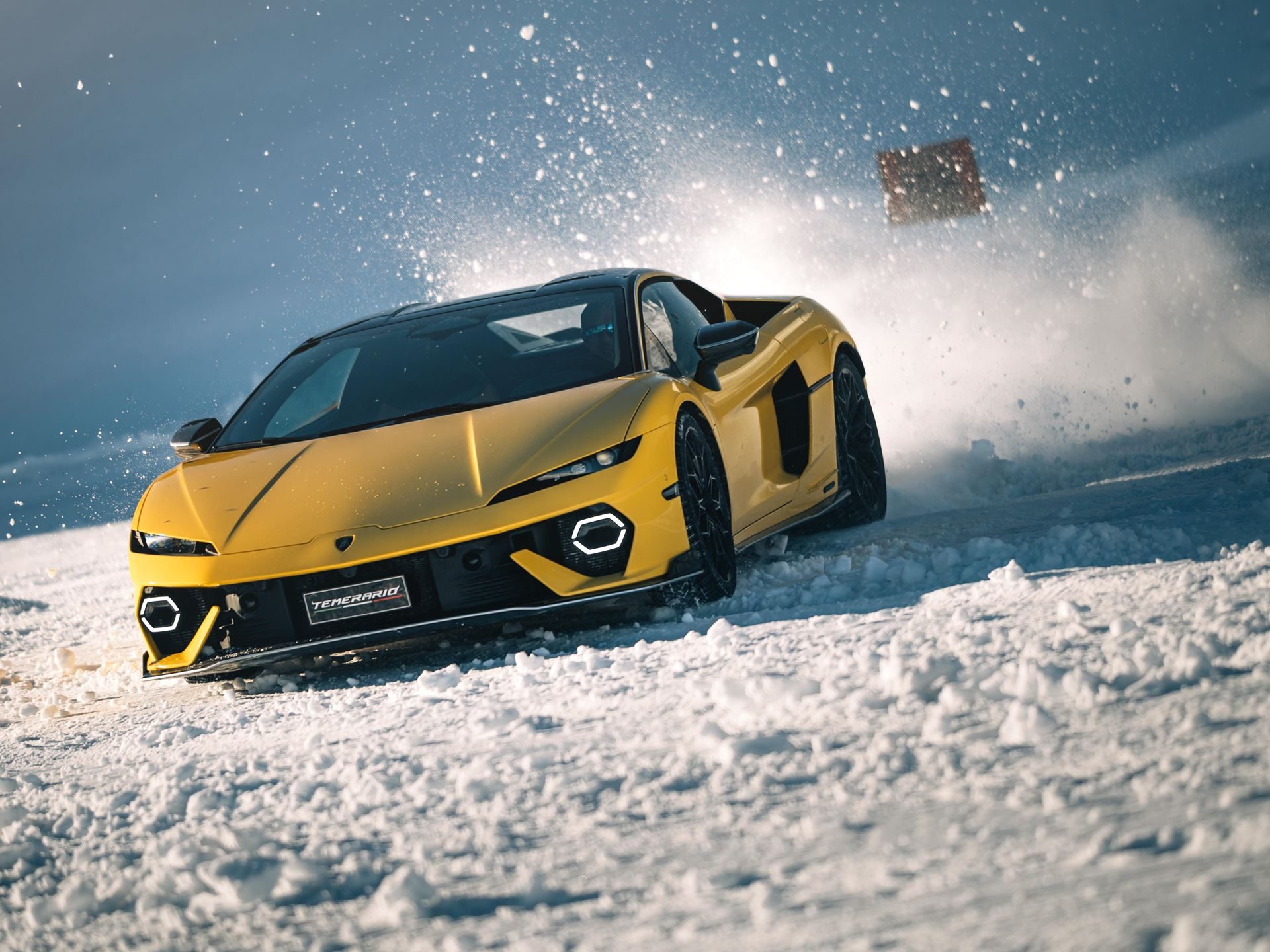
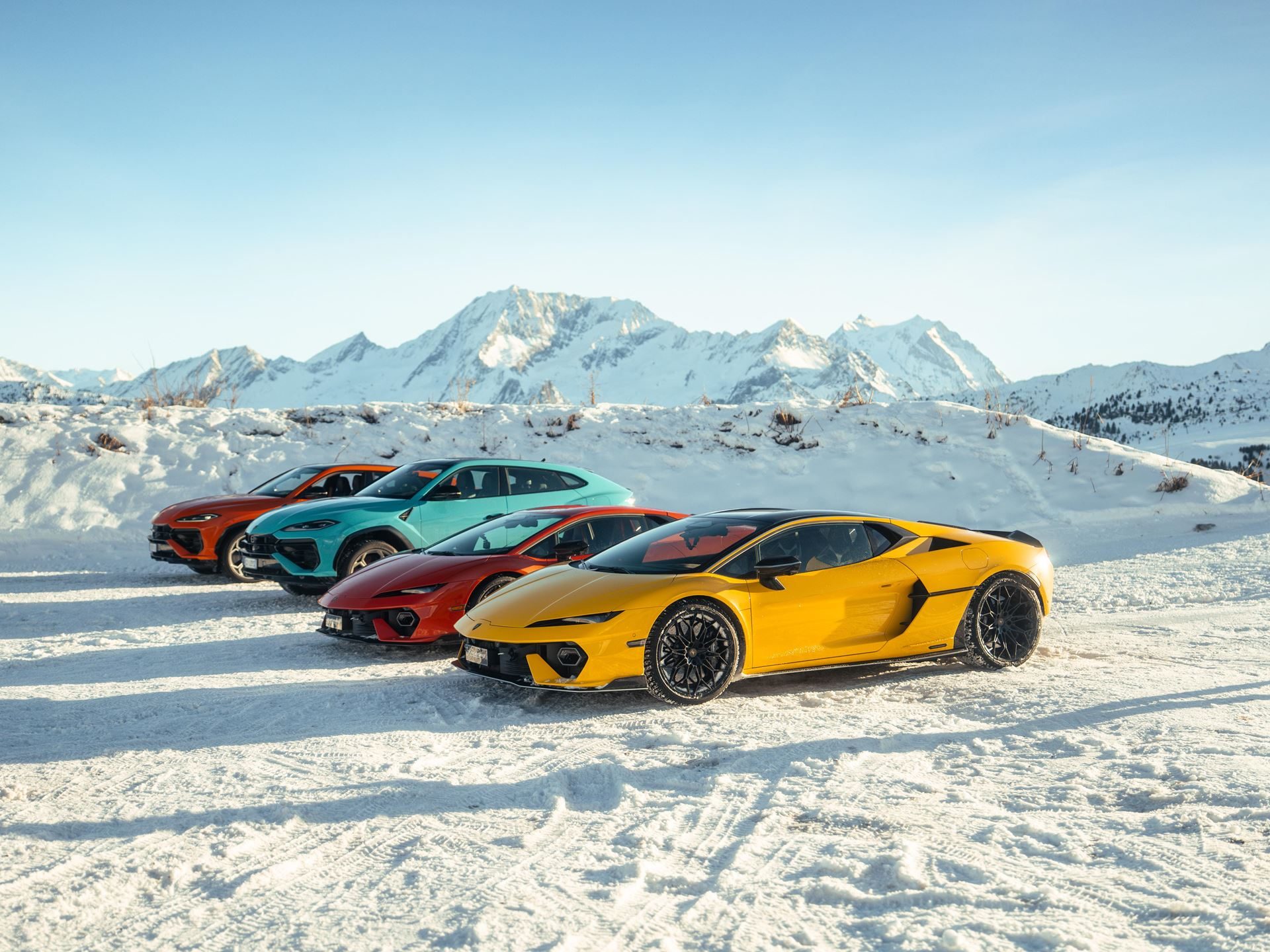
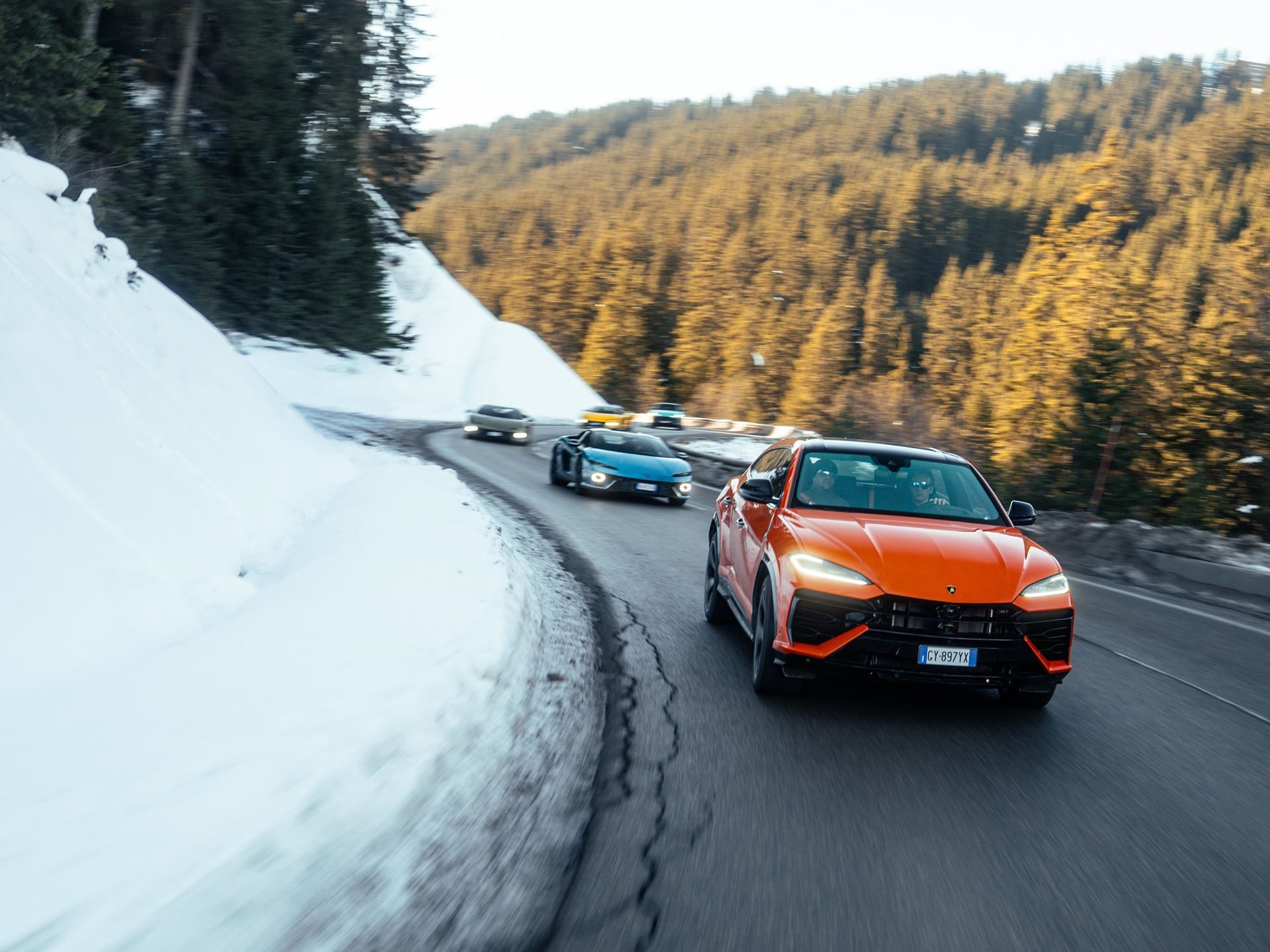
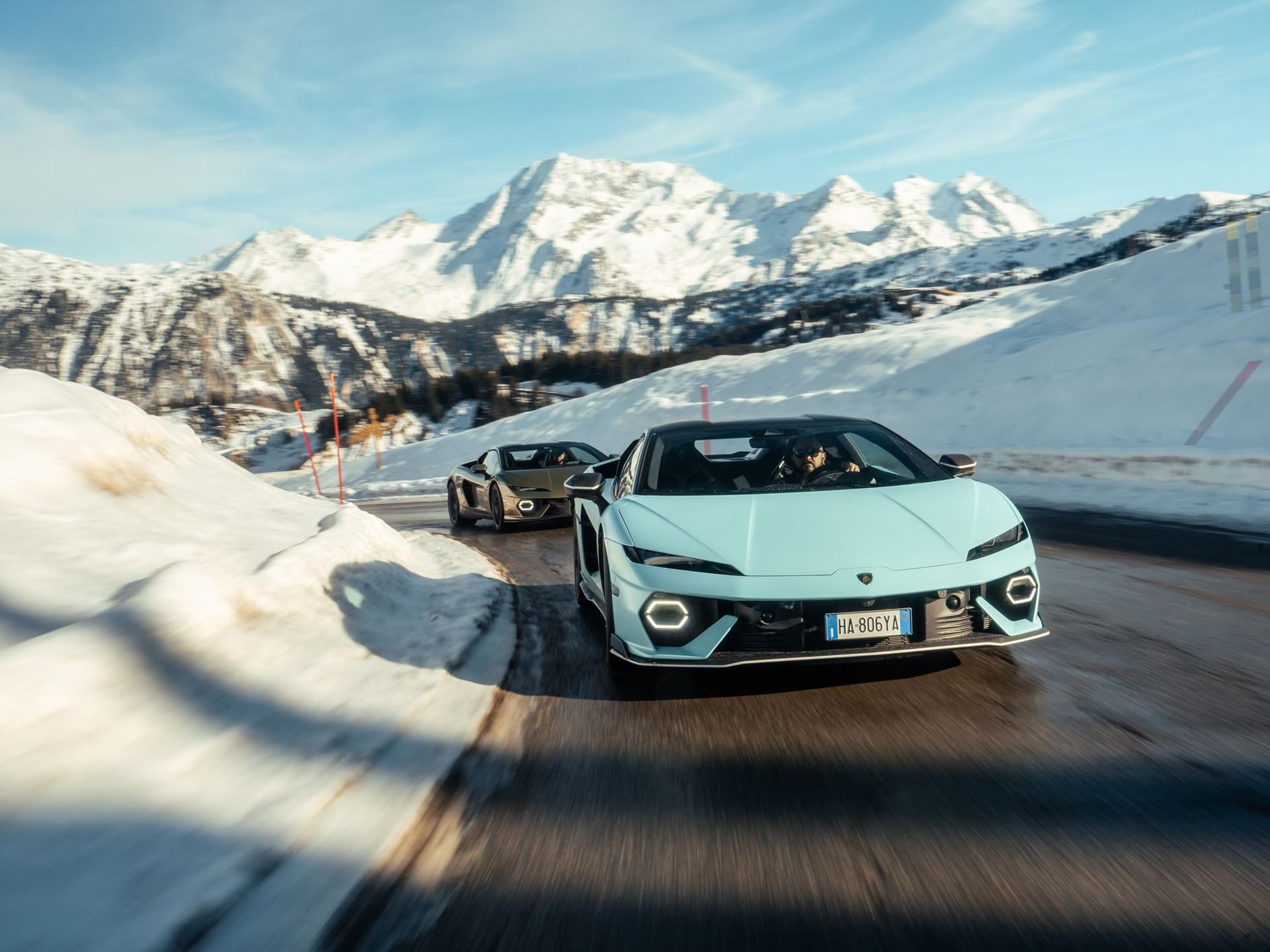
A dedicated ice track in the French Alps is about as hostile an environment as you can throw at a mid-engine supercar producing over 900 horsepower. Lamborghini held the third European edition of #SheDrivesaLambo in Les Trois Vallées in the French Alps, including sessions on a dedicated ice track. The event explored the Temerario’s performance on road in Les Trois Vallées, Courchevel, and included drifting sessions on a dedicated ice track.
The point was not spectacle for its own sake. The Temerario’s hybrid powertrain combines a 4.0-liter twin-turbo V8 with three electric motors for over 920 CV, and Lamborghini says the system is designed to amplify performance rather than compromise it. Ice drifting is one of the clearest ways to prove that claim, because low-grip surfaces expose every weakness in how a powertrain delivers torque. Too much, too suddenly, and you spin. Too little intervention, and the car becomes a nervous, twitchy handful.
What makes the Temerario’s approach distinctive is a dedicated drift mode that works in concert with the hybrid system. Lamborghini’s professional drivers led the drifting sessions, demonstrating how the hybrid system can keep the car in a stable, controllable slide. The company positions this as more than a party trick: it is a demonstration that electrification, when engineered with intention, can make a car more enjoyable to drive at the limit, not less.
Lamborghini highlights the Temerario as the only production super sports car capable of reaching 10,000 rpm, a figure attributed to its all-new twin-turbo V8. That capability demands exceptionally light reciprocating components, aggressive valve timing, and a crankshaft designed to survive rotational forces that would shatter a conventional unit. Lamborghini built this engine from scratch in Sant’Agata Bolognese, and the company clearly wants it understood as a bespoke piece of engineering.
Road & Track described the Temerario as a “technical masterpiece” after driving a prototype, noting the car “revs to 10,000 and loves to slide.” That combination of stratospheric revs and controllable oversteer is precisely what Lamborghini demonstrated on the alpine ice track. For buyers who mourned the Huracán’s naturally aspirated V10, the message is clear: the Temerario may breathe through turbos, but it chases the same emotional highs through sheer willingness to rev.

Replacing the Huracán, Reshaping the Lineup, and a Racing Future
Several automotive outlets describe the Temerario as Lamborghini’s new entry-level supercar, effectively replacing the Huracán. That framing is accurate but incomplete.
The Temerario now carries all of that weight. With the Revuelto as the V12 hybrid flagship and the Urus SE as the plug-in hybrid SUV, Lamborghini boasts a fully hybridized lineup for the first time. In 2024, the company reported global deliveries of 10,687 vehicles, a figure that underscores how much commercial pressure sits on the Temerario’s carbon-fiber shoulders as the entry-level supercar in Lamborghini’s lineup.
On the motorsport side, the transition is already underway. The Temerario GT3 was revealed at the Goodwood Festival of Speed, and multiple outlets report a Temerario Super Trofeo model is anticipated for 2027. One report suggests the GT3 race car will forgo the hybrid powertrain of its road-going counterpart, a pragmatic decision that creates an interesting philosophical split. That divergence will be worth watching closely as the Temerario succeeds the Huracán GT3 Evo as Lamborghini’s customer racing platform.
Forum discussion on Lamborghini-Talk reflects genuine enthusiasm tempered by the inevitable Revuelto-versus-Temerario debate: the V12 flagship carries more traditional Lamborghini DNA, but the Temerario, with its twin-turbo V8 and lighter, more agile character, is positioned as a distinct performance proposition. Lamborghini has not announced official pricing or a specific delivery timeline, so the practical questions of allocation and cost remain unanswered for now.

#SheDrivesaLambo: More Than Just a Drive
Anja Blacha, a mountaineer who summited K2 without supplemental oxygen and completed a solo unsupported expedition to the South Pole, spoke at the event as a mountaineer and explorer.
What separates this from a generic corporate diversity event is the technical depth. Putting her in front of attendees alongside the car she helped develop gives the event a credibility that a celebrity appearance alone cannot replicate.
“As a woman representing a small field in the automotive sector, doing my dream job every day, I couldn’t be happier to share my experiences and receive valuable feedback from empowered and courageous women,” Daniela De Vivo said.
The event’s theme, “Horizon,” was chosen to symbolize clarity, elevation, and the drive to push beyond expectations. The two-day program at Le K2 Palace in Courchevel combined mountain road driving and ice drifting sessions with these curated conversations, creating a format that goes beyond handing someone the keys and filming the reaction. In the context of the Temerario’s hybrid story, the event also served as a real-world proving ground: Lamborghini was confident enough in the car’s low-grip behavior to let non-professional drivers slide it on ice, a meaningful data point. Manufacturers do not invite guests to drift cars that embarrass themselves in those conditions.

Luxury and Lifestyle: The Alps Experience
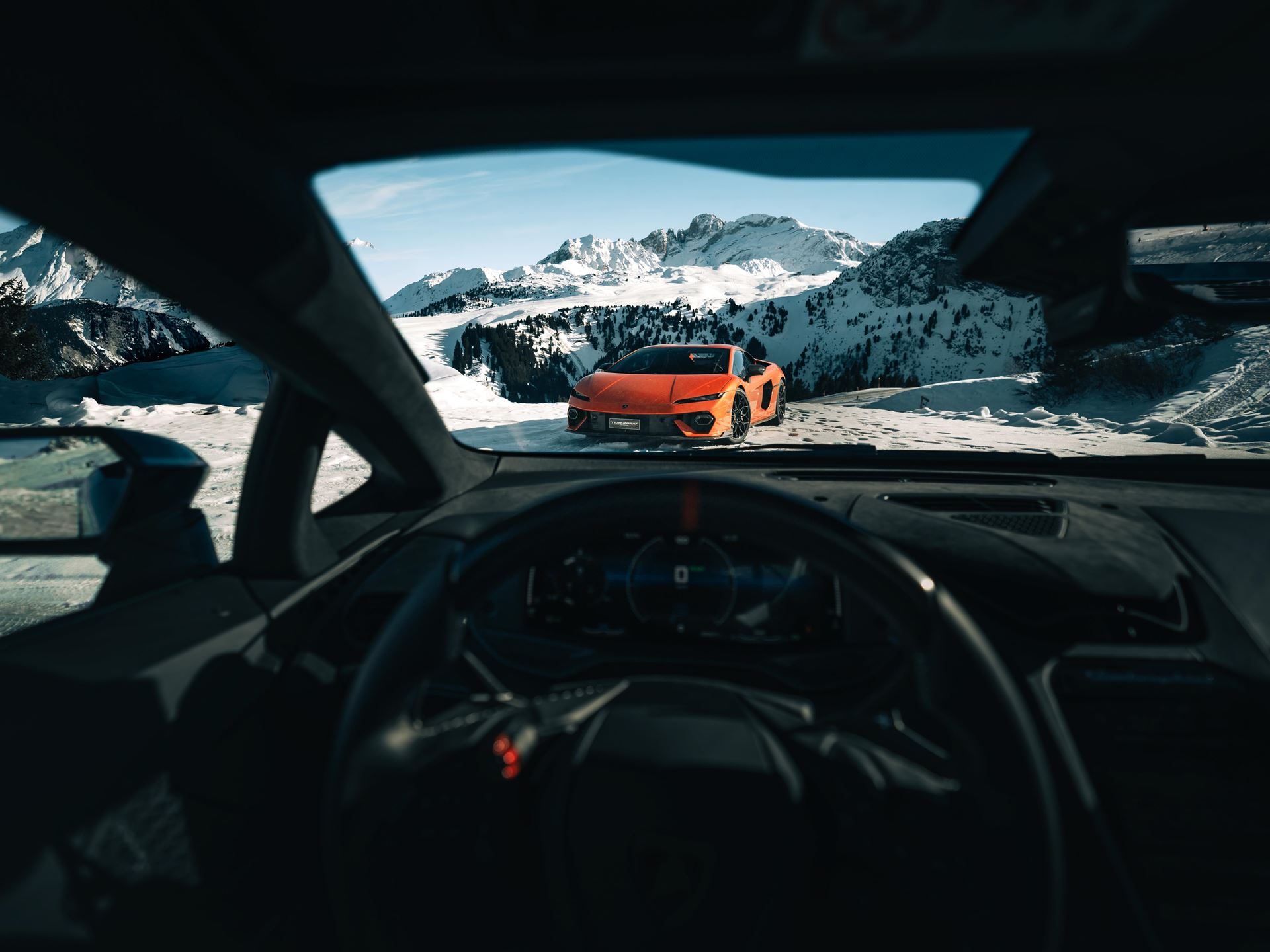
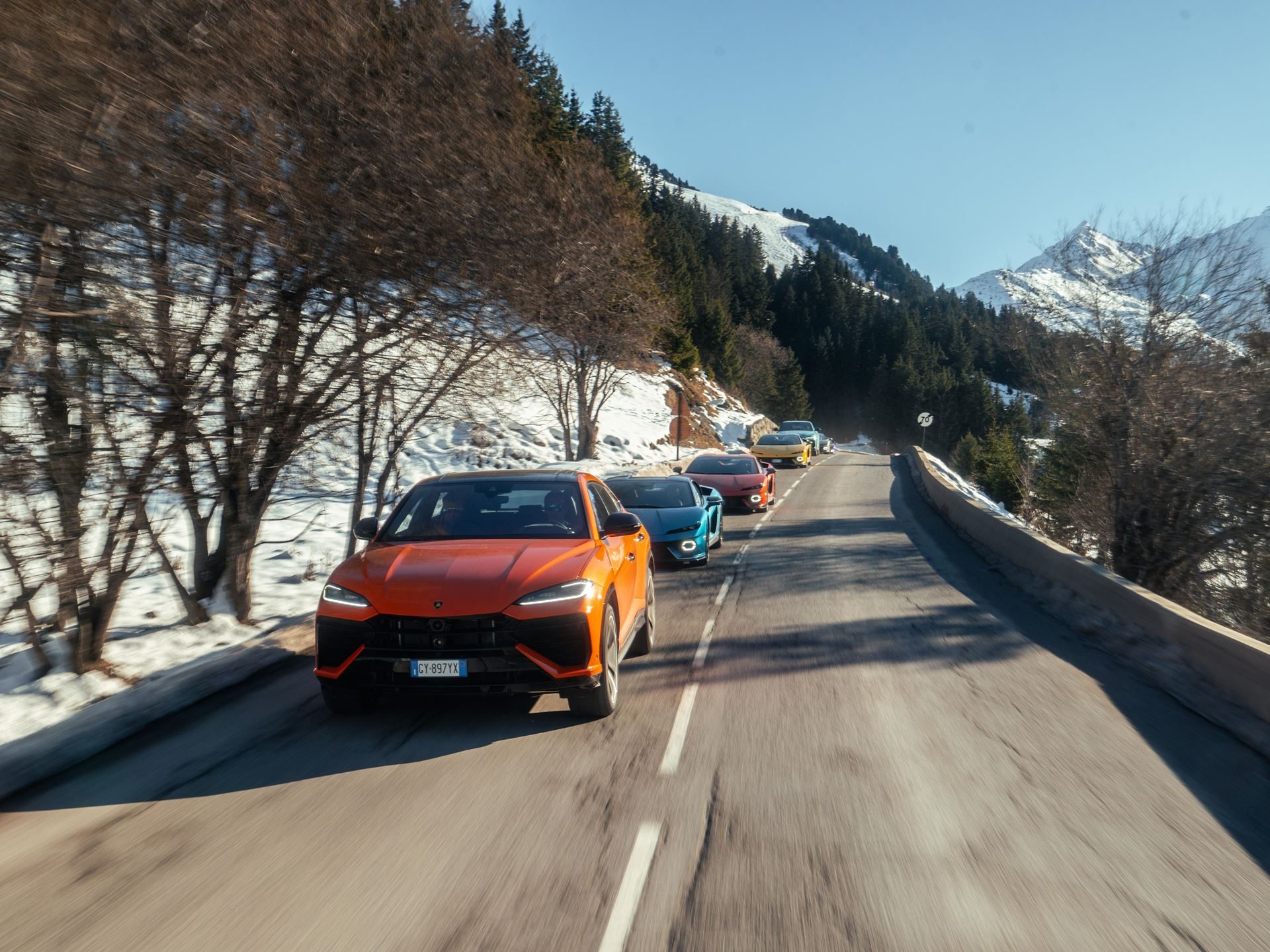
Courchevel and Les Trois Vallées provided more than a scenic backdrop. The alpine setting gave Lamborghini a stage where the Temerario‘s hybrid system could be tested across two very different driving environments in a single event: the unpredictable, low-grip surface of a dedicated ice track and the winding mountain roads that demand precise throttle modulation through elevation changes and varying grip levels.
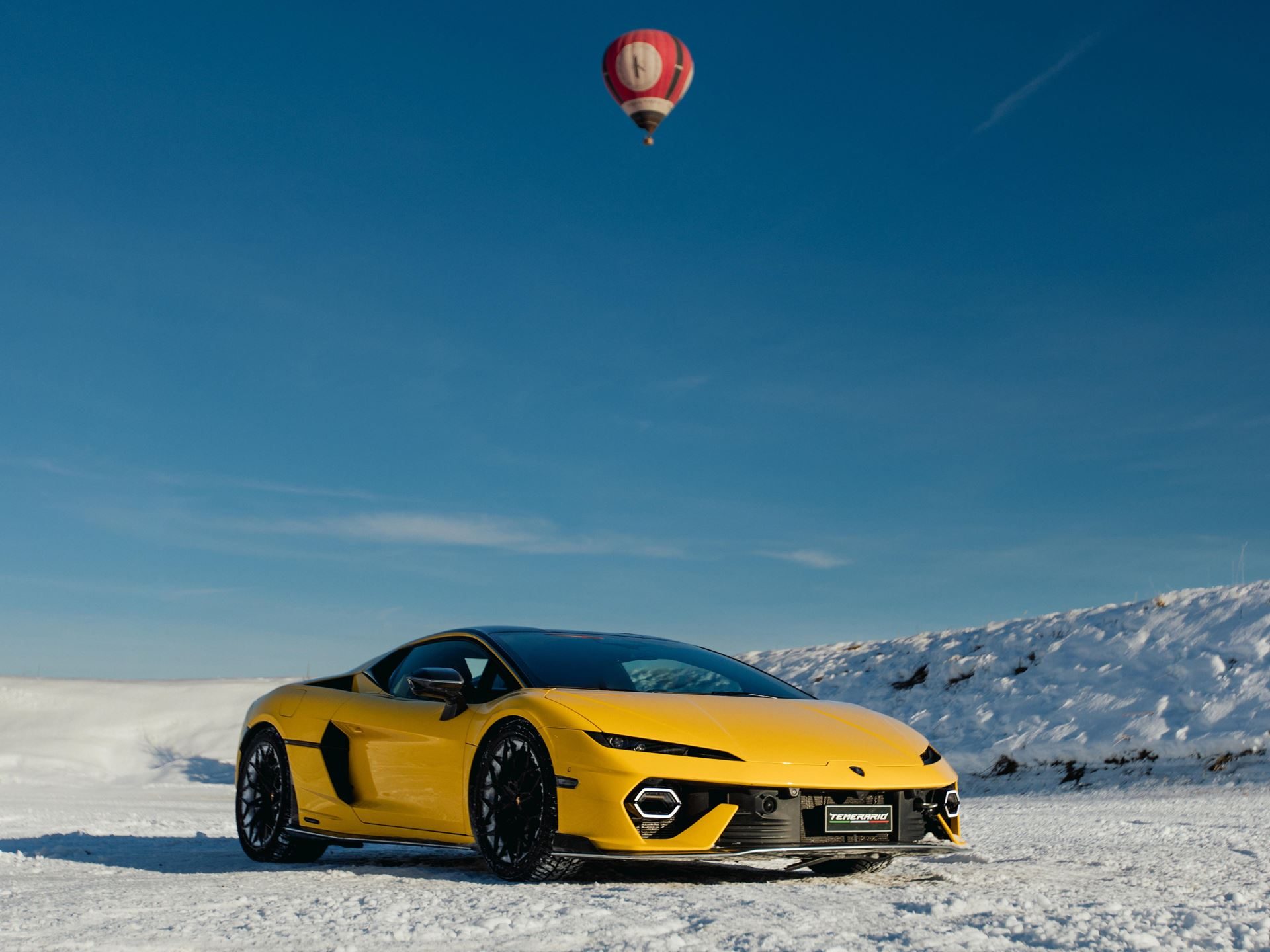
The two-day program at Le K2 Palace wove together the driving sessions with a curated luxury experience. The combination is deliberate. For prospective buyers, the Temerario is not just a set of specifications; it is an object that belongs in a particular world. Placing it against snow-capped peaks and letting guests experience its drift mode between conversations about resilience and engineering ambition reinforces the idea that this car rewards engagement rather than punishing it.
The practical questions remain open. How does the dedicated drift mode interact with the hybrid system at a granular level? For anyone considering the car as a weekend canyon weapon or occasional track day companion, how does the Temerario’s hybrid architecture shape its character compared to the naturally aspirated, mechanically simpler Huracán it replaces? On ice, at least, the Temerario appears to validate the thesis that its hybrid architecture provides genuine control advantages.

Lamborghini’s Broader Hybrid Strategy and What It Means for Supercars
Lamborghini, with three electric motors on both the Temerario and the Revuelto, is betting on a complex architecture where electrification does more than supplement the combustion engine: it actively manages performance delivery in ways that a combustion-only system cannot.
The ice drifting demonstration in Courchevel is a direct illustration of why that complexity matters. On a surface where a conventional rear-biased supercar would demand extraordinary throttle discipline, the Temerario’s hybrid system and dedicated drift mode work together to keep the car composed. Lamborghini builds its vehicles at Sant’Agata Bolognese, and the company says every Lamborghini is conceived, designed, and built in Italy there, adding a dimension of craft to the electrification narrative.
On ice, Lamborghini presents the Temerario’s hybrid technology and drift mode as enhancing control and responsiveness. For a brand that built its reputation on cars that demanded bravery from their drivers, making that bravery rewarding rather than terrifying counts as genuine progress.

Gallery