Shanghai, 22 Cars, and a Brand Strategy Disguised as a Race Weekend
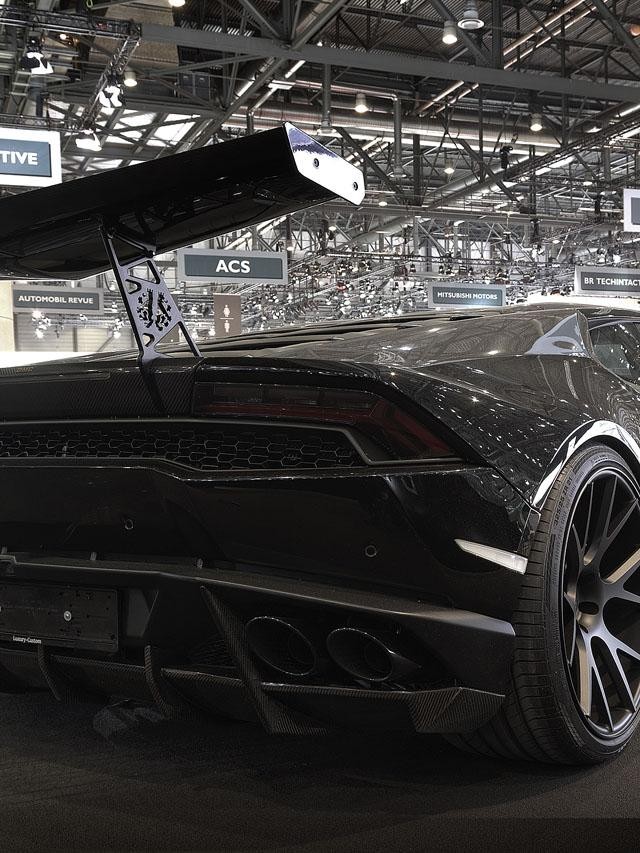
When the 2016 Lamborghini Blancpain Super Trofeo Asia series opens May 21 at the Shanghai International Circuit, 22 Huracán LP 620-2 Super Trofeo race cars will line up on a grid populated by drivers from eight Asian nations. Behind the starting lights, a VIP hospitality operation will function as a rolling dealership event for the company’s wealthiest regional clients. On the surface, this is a one-make race series entering its fifth season. Look closer and it reads like a carefully staged brand activation designed to convert spectators into buyers across one of Lamborghini’s fastest-growing markets.
The Shanghai round marks the eighth time the championship visits the 5.45km circuit, a venue shared with Formula One and MotoGP. Familiarity with the track matters less than what Lamborghini wraps around it: pit lane access for invited guests, Italian fine dining in air-conditioned hospitality lounges, and proximity to the cars and teams that most motorsport events reserve for sponsors and media. Every race weekend doubles as a curated ownership experience pitched at prospective buyers who might never set foot in a showroom otherwise. That duality, racing as retail theater, is the thread running through every decision Lamborghini has made with this series.
The VIP Paddock: Where Lamborghini Sells the Lifestyle, Not the Lap Time
Lamborghini says it entertains VIP guests at every stop on the Asia series calendar, offering what the company describes as premier hospitality and fine Italian dining. The real program, based on available accounts of similar Super Trofeo VIP weekends, goes further: guests typically receive pit lane tours, close access to the Squadra Corse engineering bays, and the kind of behind-the-scenes immersion that makes a road car purchase feel like joining a private club rather than signing a sales contract.
This model borrows from what Ferrari pioneered with its Challenge series and what Porsche refined through Carrera Cup hospitality, but Lamborghini’s version leans harder into exclusivity and spectacle. Ferrari Challenge grids routinely exceed 30 cars; Porsche’s one-make paddocks can feel like well-organized corporate events. Lamborghini’s smaller field of 22 entries in Asia creates a more intimate setting, one where a dealer can introduce a client to a driver over lunch rather than lose them in a crowd. Whether that intimacy translates to sales is a question Lamborghini does not publicly answer, but the company’s continued investment in the format across five seasons suggests the return justifies the cost.
Multiple accounts of Super Trofeo VIP weekends describe a strong sense of belonging to the Lamborghini world, with customers treated as brand ambassadors rather than passive spectators. The practical takeaway for anyone considering a dealer invitation: accept it. Few other supercar manufacturers offer this level of trackside access without requiring you to buy a race car first.
A Solo Grid and What It Signals
The 2016 season marks the first time the Huracán LP 620-2 Super Trofeo lines up alone on the grid, without the outgoing Gallardo Super Trofeo sharing the field. According to MotorAuthority, earlier seasons saw Gallardo and Huracán models compete simultaneously in separate classes. That transitional period is over, and the implications extend well beyond tidier race classifications.
A single-model grid means every car on track runs the same hybrid carbon/aluminum chassis, the same naturally aspirated V10 producing 620 horsepower, and the same rear-wheel-drive layout. Parity tightens. Racing becomes a cleaner test of driver skill and team setup rather than a contest between two generations of hardware. For Lamborghini’s brand narrative, it also simplifies the message: the Huracán is the company’s racing platform, full stop.
The rear-wheel-drive configuration deserves particular attention because it represents a deliberate departure from the road car’s all-wheel-drive system. The switch was designed to accelerate drivers’ preparation for GT racing, where rear-drive cars dominate. A driver who learns throttle management and oversteer correction in a 620-horsepower, 2,800-pound rear-drive Huracán arrives at GT3 competition with instincts already calibrated for the format. Lamborghini’s Squadra Corse division, which developed the car in collaboration with Dallara Engineering, clearly built this machine as a stepping stone, not a dead end. That philosophy ties directly back to the brand strategy: the Super Trofeo is not just entertainment for wealthy clients but a pipeline that feeds Lamborghini’s ambitions further up the motorsport ladder.
Engineering for the Ladder: The Huracán Super Trofeo as a Development Platform
Dallara’s involvement in the Huracán Super Trofeo carries historical weight that most casual observers miss. Giampaolo Dallara, the firm’s founder, worked on the legendary Miura before establishing his own engineering company. Decades later, his team helped Lamborghini build a race car that bridges the gap between gentleman driver and professional competitor.
The aerodynamics package tells the story of a car engineered for adjustability rather than outright downforce: a ten-position rear wing, front and rear diffusers, and adjustable front air intakes allow teams to tune the car for circuits as different as Shanghai’s long straights and Suzuka’s technical corners. According to TheRacersGroup, the car runs Brembo/PFC brakes with steel discs, a 6-speed sequential gearbox electrically actuated by Marelli, and driver-accessible controls including 12-position racing ABS and 9-position traction control. That level of adjustability teaches drivers to think about setup, not just steering inputs, reinforcing the series’ role as a training ground rather than a trophy cabinet.
Competition divides into Overall, Pro-Am, and Amateur podiums, a structure that keeps gentlemen drivers competitive within their peer group while giving faster amateurs a visible pathway upward. MotorAuthority notes that the Huracán was slated for development into a GT3-spec car, replacing the Gallardo GT3. The Super Trofeo series, then, functions as the bottom rung of a racing ladder that Lamborghini intended to extend all the way to international GT competition. That ladder now reaches to the Temerario GT3, which Lamborghini built entirely in-house, a development that would have been harder to justify without the years of customer racing data the Super Trofeo program generated. MotorAuthority reports a weight saving of about 330 pounds compared to the road-going Huracán, achieved through the stripped interior, FIA roll cage, and carbon-intensive construction, yielding a weight-to-power ratio of 4.5 lbs/hp. The result is a machine that rewards commitment and punishes laziness, exactly the qualities a manufacturer wants associated with its brand.
New Circuits, New Markets: Suzuka and Buriram Join the Calendar
Two additions to the 2016 calendar reveal where Lamborghini sees growth potential and how the series serves as a market-opening tool. Suzuka in Japan (June 11-12) and Buriram in Thailand (July 23-24) join the rotation alongside established stops in China, Malaysia, and other Asian venues. The 12-round season spans six race weekends, with each event featuring two 50-minute sprint races.
Suzuka needs no introduction to motorsport fans. Its figure-eight layout and high-speed esses represent one of the most demanding driver challenges in Asia. Buriram, by contrast, signals Lamborghini’s interest in Southeast Asian markets where supercar sales remain smaller but growing. Staging a race weekend at the Chang International Circuit puts the brand in front of Thai enthusiasts and regional media who might otherwise only encounter Lamborghini through social media or a Bangkok showroom. Each new circuit is simultaneously a sporting venue and a pop-up brand experience, the same dual purpose that defines the Shanghai opener.
The season culminates at Circuit Ricardo Tormo in Valencia, Spain, where the Asia, Europe, and North America series converge for a world final. For Asian drivers, that convergence represents the payoff: a chance to measure themselves against competitors from more established racing markets. Three new Chinese drivers join the 2016 field, though Lamborghini has not disclosed their specific backgrounds or development status. Their presence reinforces the series’ role as a regional talent pipeline, even if the details of that pipeline remain opaque.
Patient, Deliberate, and Very Italian
Ferrari Challenge and Porsche Carrera Cup both run larger grids and longer histories than the Super Trofeo Asia series. Lamborghini does not compete on scale. Instead, the company competes on exclusivity and on the directness of the connection between its one-make series and its GT racing program. The Huracán Super Trofeo’s rear-drive layout and adjustable aero package create a car that demands more from its drivers than a typical gentleman racer series. That difficulty is the point.
For anyone watching the Super Trofeo from the outside, the practical question is whether Lamborghini’s smaller, more curated approach to customer racing produces better brand loyalty than Ferrari’s or Porsche’s volume-driven models. Lamborghini has not published data on conversion rates from VIP guest to car buyer, and no independent source has quantified the relationship. What the five-season track record in Asia does confirm is that the company keeps investing in this format, adding circuits, refining hospitality, and building the racing ladder that now extends from Super Trofeo through GT3 to the factory’s own endurance programs.
The strategy is patient, deliberate, and very Italian: sell the experience first, and the car follows. When those 22 Huracáns fire up at Shanghai on May 21, the sound will carry across the paddock to the hospitality lounges where Lamborghini’s next customers are finishing their espresso. That is not an accident. It is the whole point.
Gallery


