A Founding Year Turned Into a Design Language
Most automakers celebrate round anniversaries. Lamborghini celebrates 63. The company, founded on May 7, 1963, turned that specific year into something competitors do not attempt: a recurring signature appearing in exclusive models, race cars, and even cross-brand collaborations with Ducati. The number appears on carbon fiber aero elements, race car liveries, and configuration sheets, each time carrying the same quiet message about where the brand started and where it believes it still belongs.
According to Stephan Winkelmann, Chairman and CEO of Automobili Lamborghini, “63 is much more than a number: it is a symbol that expresses our essence. Celebrating it means continuing to evolve while remaining faithful to our roots.” That quote, delivered ahead of the brand’s 63rd anniversary gathering at the Imola circuit on May 9 and 10, frames the approach precisely. Where other manufacturers take different approaches to marking milestones, Lamborghini treats its founding year as a persistent watermark. The number does not announce itself on a banner. It shows up on a rear quarter panel, a race car’s door, a motorcycle’s flank.
For buyers and collectors, this distinction carries real weight. A “63” designation on a Lamborghini signals a specific tier of exclusivity and intent, not a calendar coincidence. It means Sant’Agata considered the model important enough to stamp with the brand’s origin code.
Where 63 Appears, and Why Each Instance Tells a Different Story
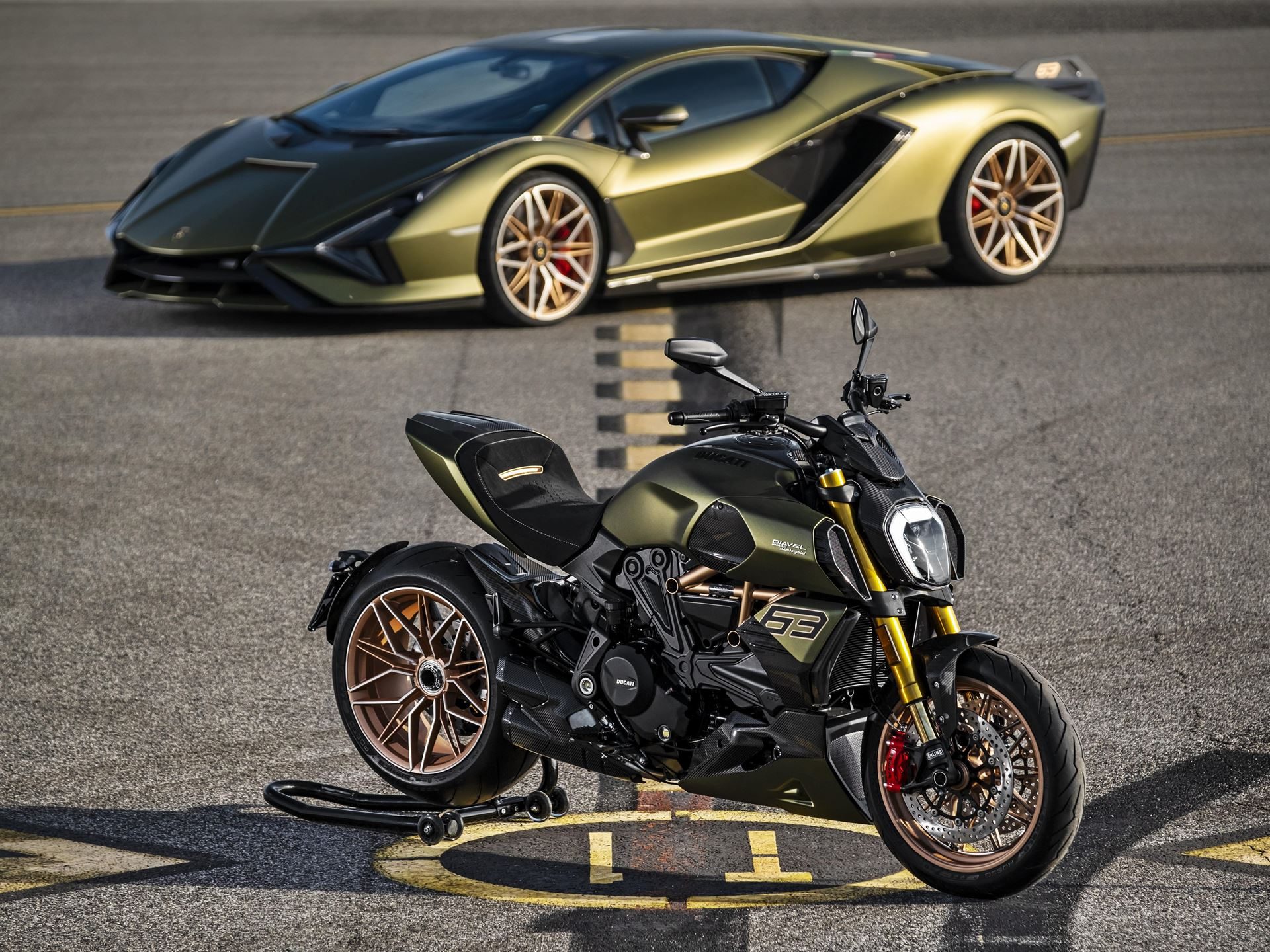
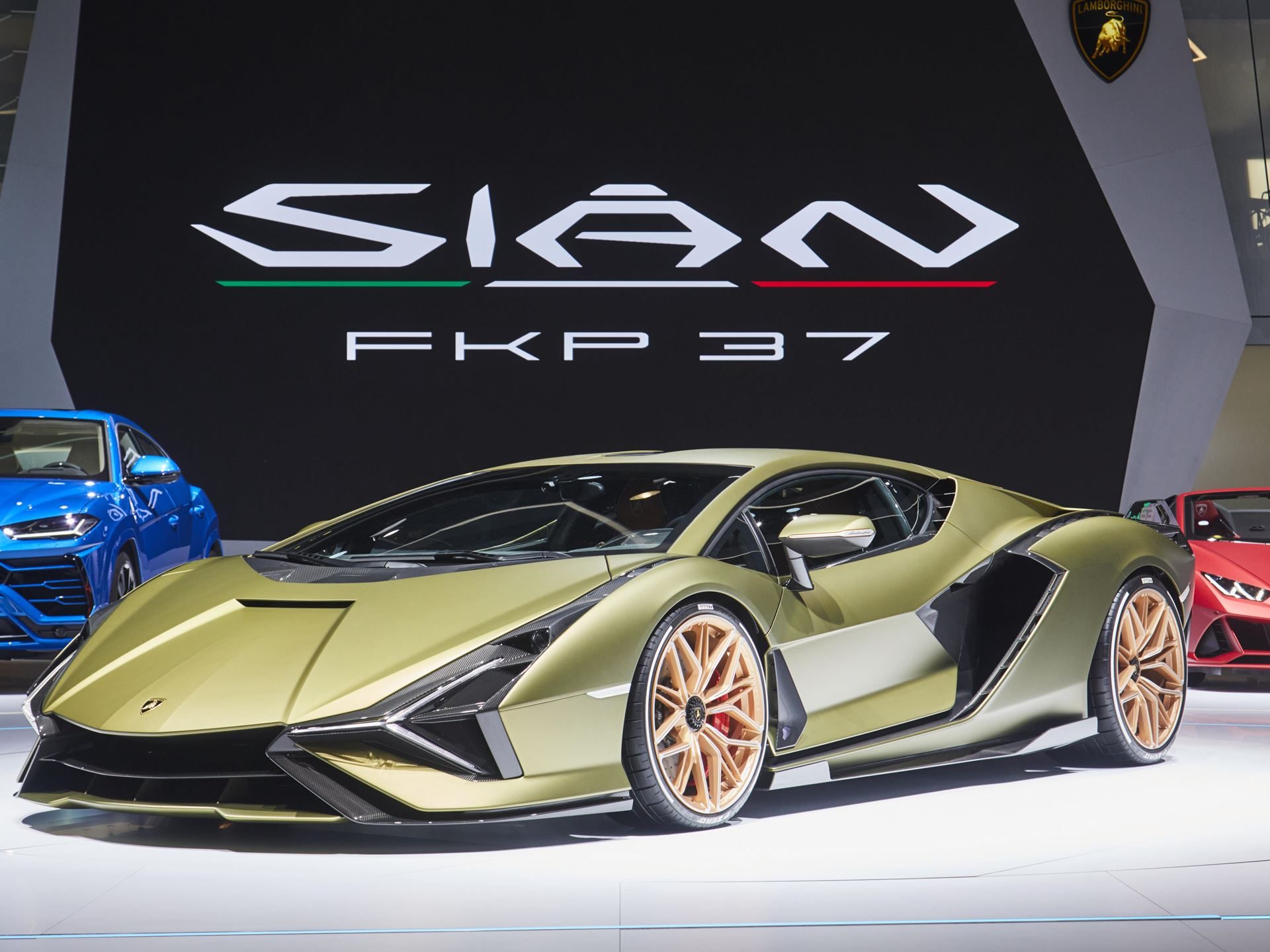
The most significant use of the number to date belongs to the Sián FKP 37, Lamborghini’s first hybrid model. Limited to exactly 63 units, the Sián marked the first chapter of Lamborghini’s hybrid era, and the production cap was the founding year made tangible. Every buyer knew the number. Every buyer knew why. The matte gold example visible at anniversary events carries a prominent “63” emblem on its carbon fiber rear quarter panel, a detail that reads as restrained on a car this dramatic.
The Aventador SVJ 63 and its Roadster sibling featured the number prominently. Both models used the number as a key element within the SVJ family. The grey SVJ 63 Roadster, finished with red accents and a bold “63” graphic on the hood, demonstrated how the number could function as both heritage marker and visual identity.
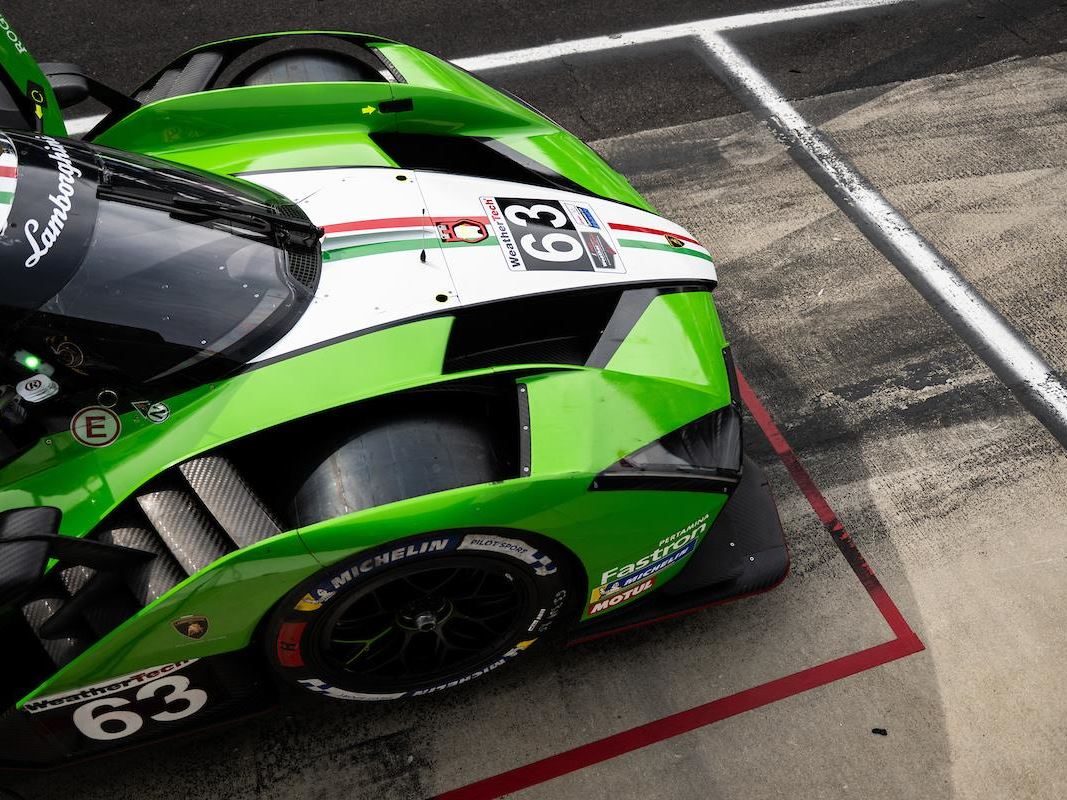
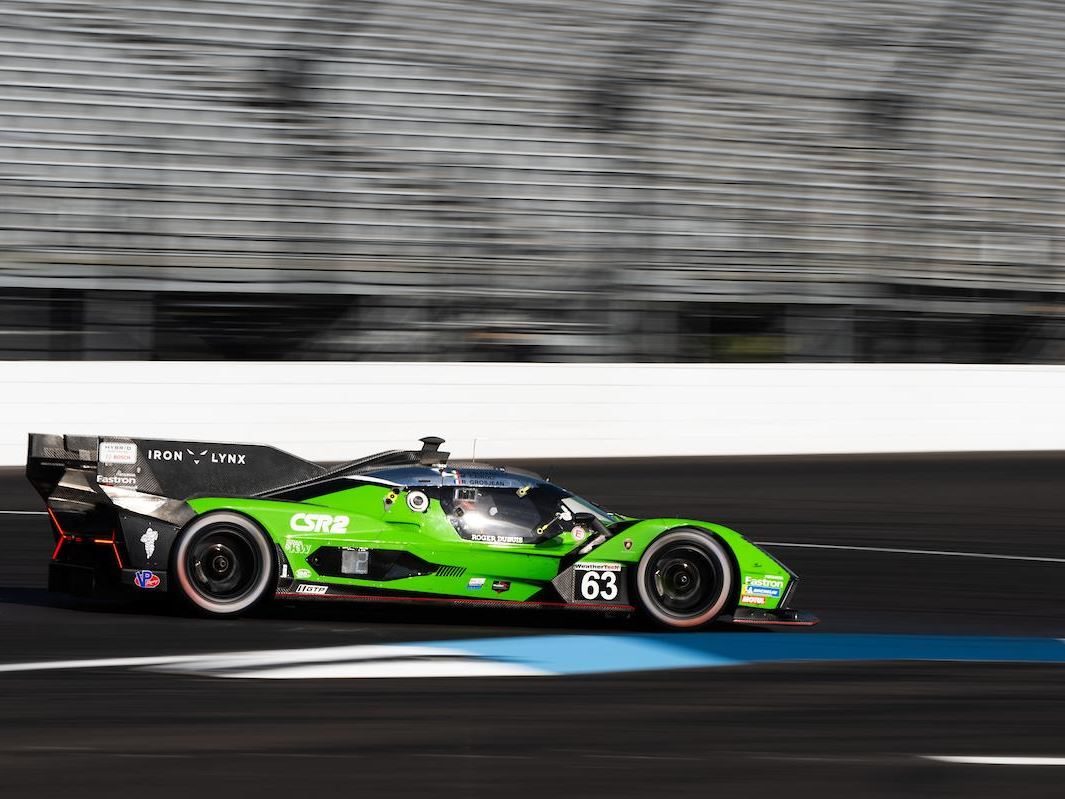
In motorsport, the connection runs deeper. The SC63, Lamborghini’s hybrid prototype, wears the number 63 on its flanks as it competes in endurance racing. The SC63 represents a new phase of the brand’s recent history, and the choice to assign it the founding-year number was deliberate: this car carries the brand’s credibility into championship competition where results, not heritage, determine standing. That credibility extends to the people running the program. Giorgio Sanna, who oversees Lamborghini’s motorsport operations, has been central to building the SC63 program from a customer-racing foundation into a factory-backed prototype effort. Sanna’s background spans decades of working with Lamborghini’s Squadra Corse division — the factory racing arm that manages everything from one-make series for road-car owners through to prototype endurance campaigns — which means the SC63 project carries deep institutional knowledge alongside the founding-year number on its doors.
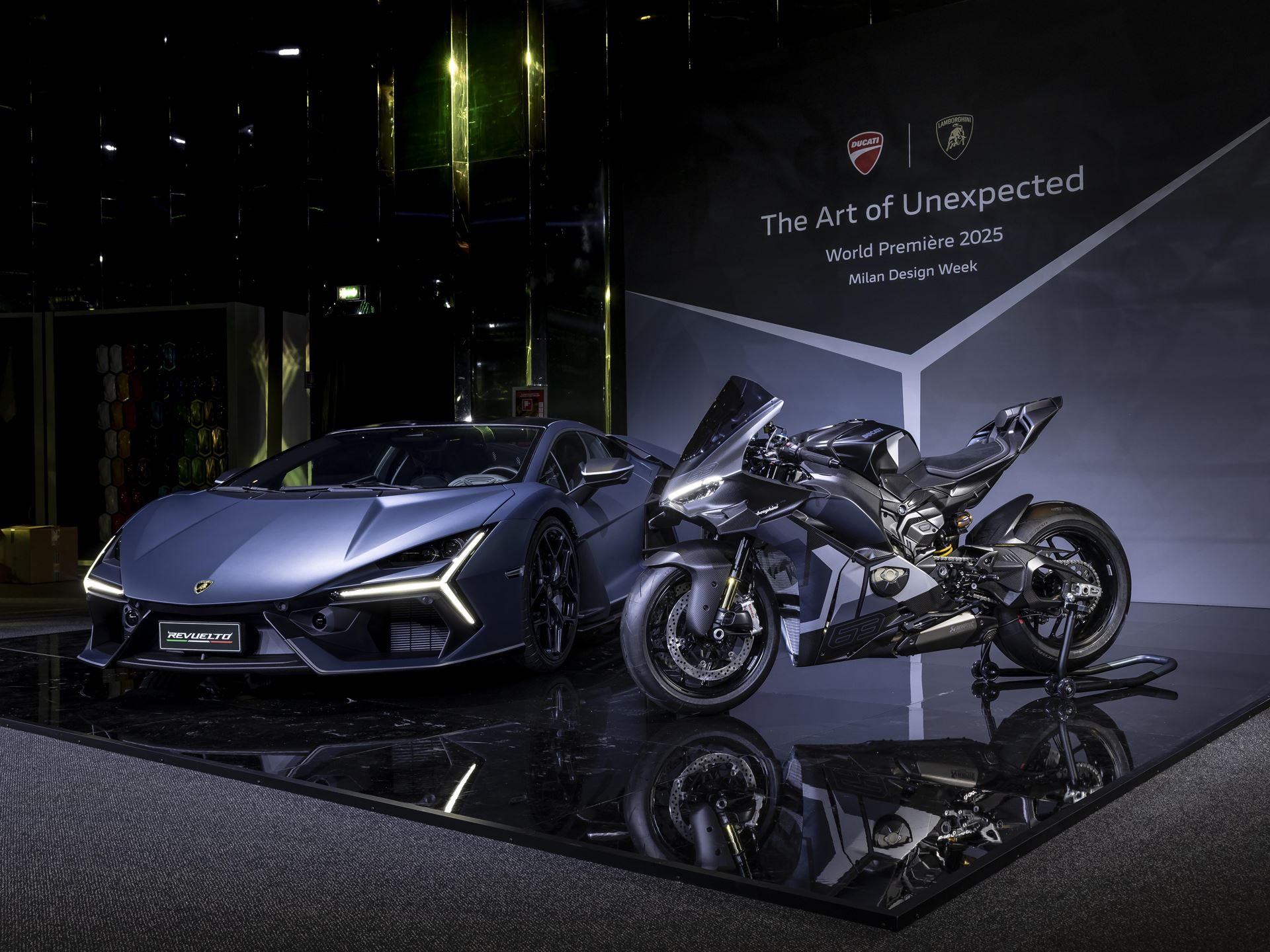
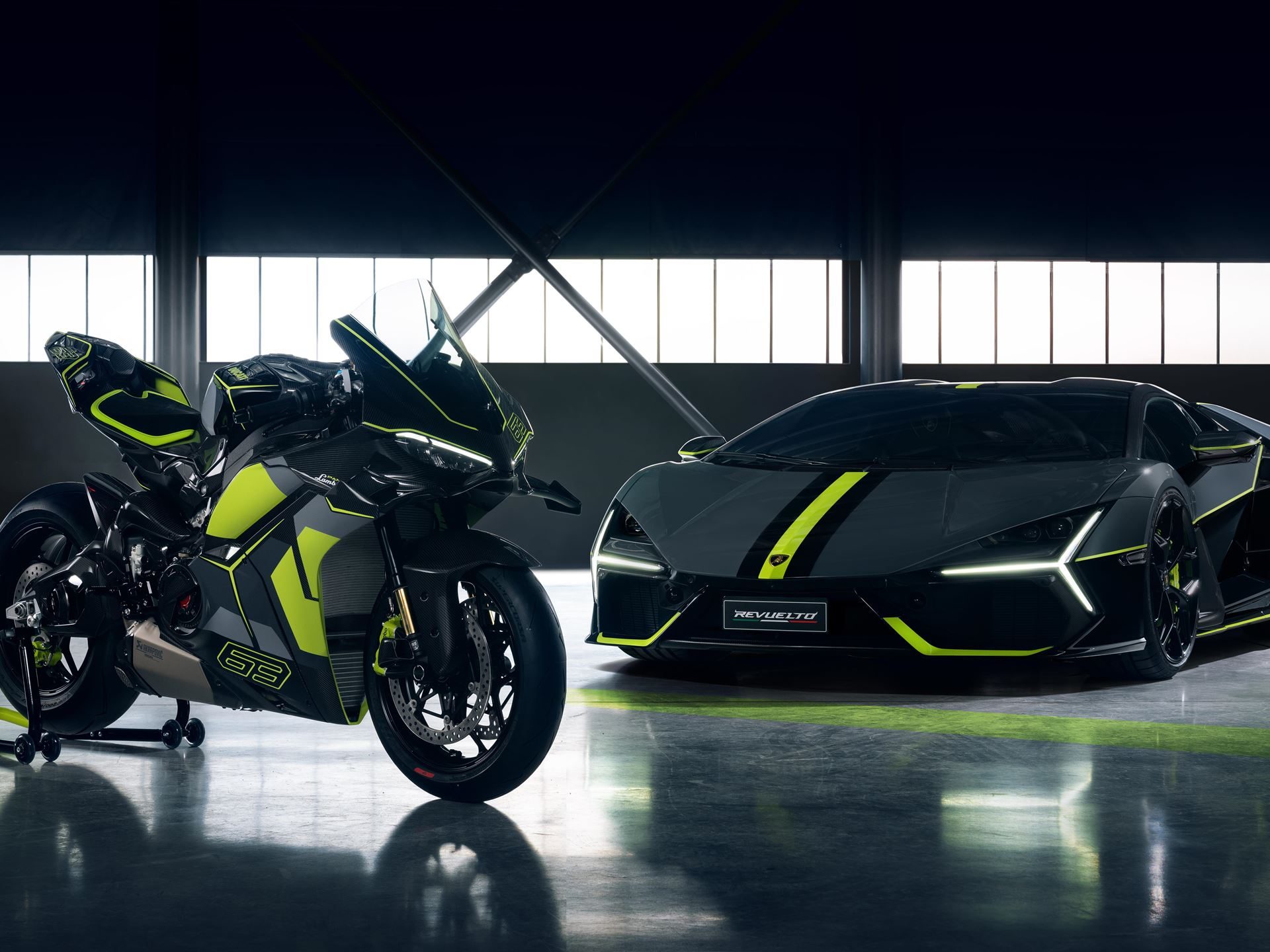
Then come the Ducati collaborations. The Diavel 1260 Lamborghini and the Panigale V4 Lamborghini Speciale Clienti both incorporate the “63” motif, extending the code beyond four wheels entirely. Seeing the Sián and Diavel parked together in matching gold livery, both wearing the same number, makes the cross-brand approach unmistakable. The “63” treatment functions as a visual handshake between two Italian performance brands that share a philosophy of extremes.

From the First V12 to Imola: The Engineering Thread
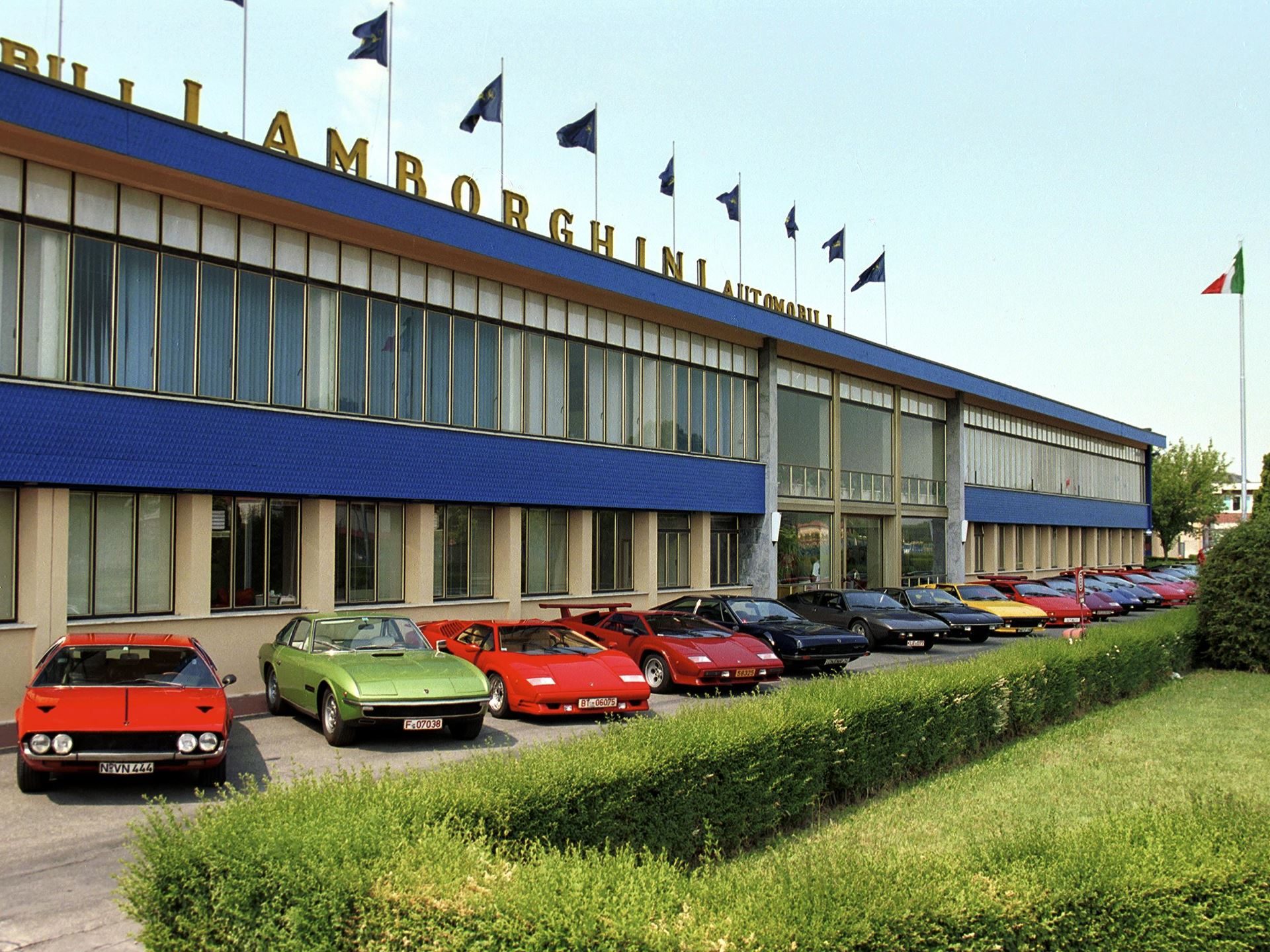
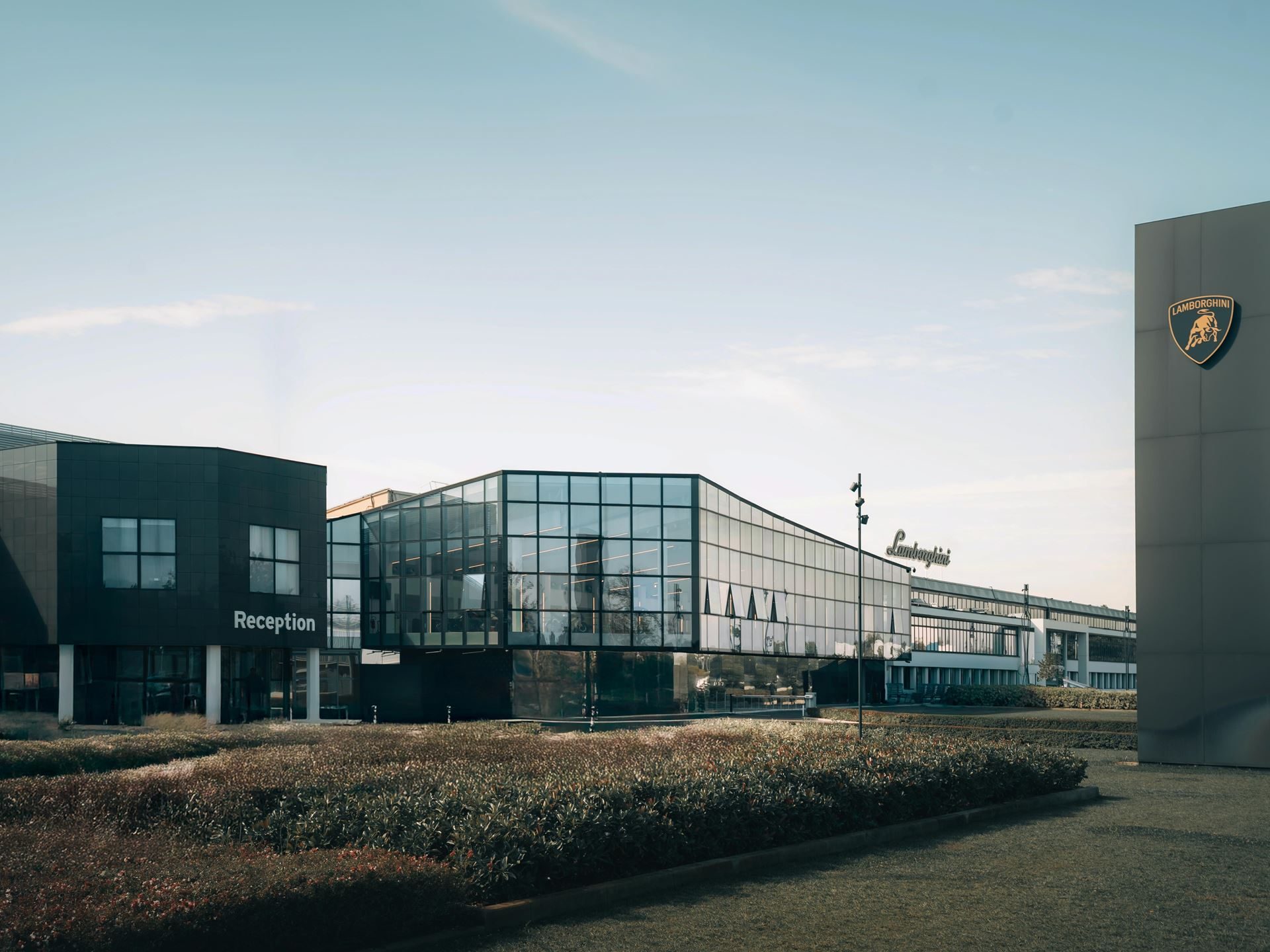
Lamborghini says its 3.5-litre V12 engine first fired on a test bench on October 2, 1963, less than five months after the company’s founding. Ten days before the Turin Motor Show debut, on October 20, the 350 GTV prototype was presented to the Italian press at the Sant’Agata factory, with the building itself still under construction in the background. That image — a car more finished than its own birthplace — captures the urgency Ferruccio Lamborghini brought to the project. He established the company with a vision to create competitive, distinctive automobiles that would follow no one else’s rules.
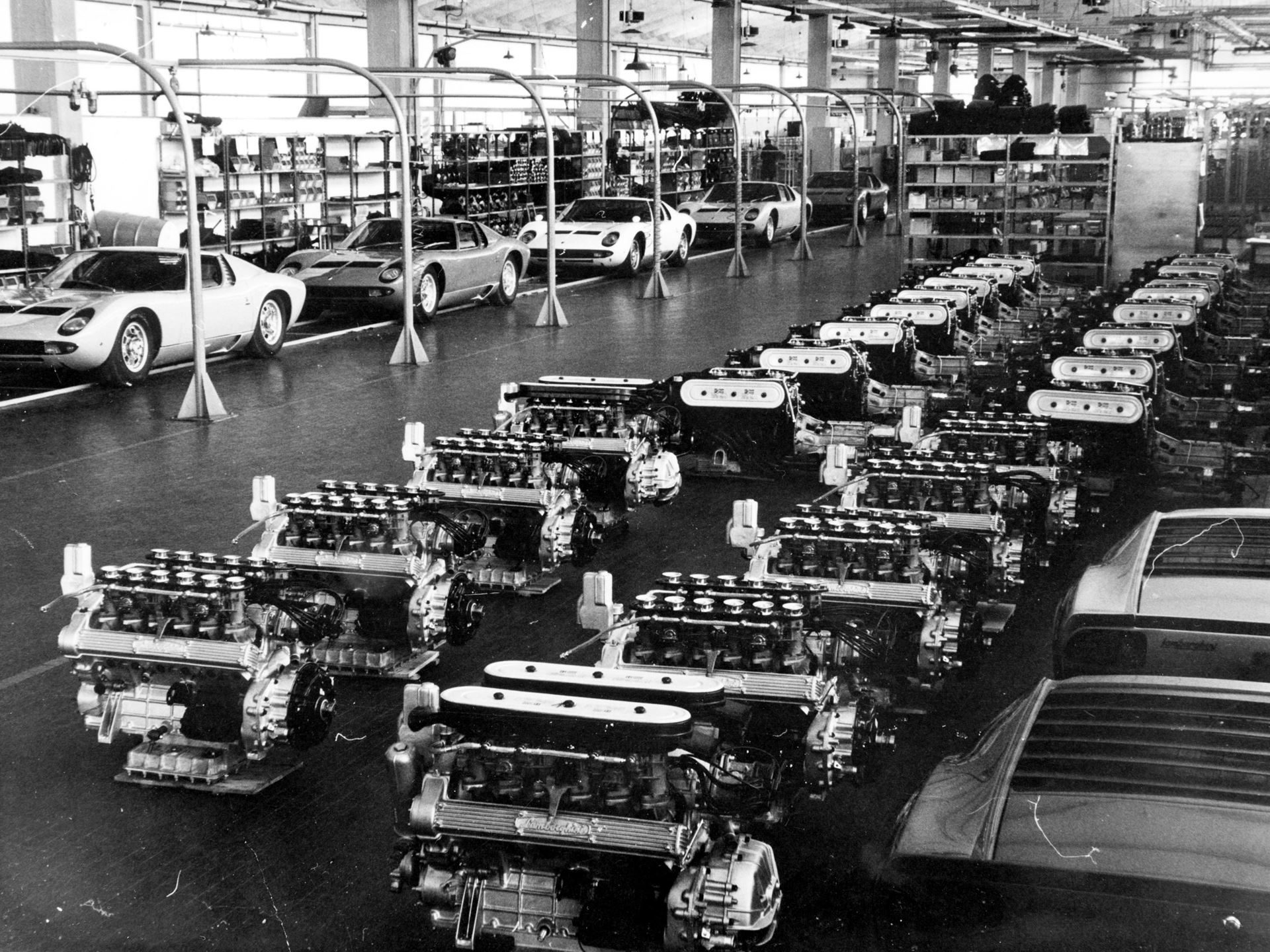
The V12 architecture born in that moment survived, evolved, and defined the brand for six decades. A vintage factory photograph from that era shows multiple chassis on the assembly floor alongside rows of V12 engines, each one hand-assembled. The scale is modest by modern standards, but the ambition visible in those images is not.
That founding ambition has a direct institutional heir in the motorsport program Sanna has built. The competitive intent embedded in the SC63 prototype is identical to Ferruccio’s original declaration: build something capable of challenging the best without copying anyone. When the SC63 lines up against factory LMDh entries from Porsche, BMW, and Cadillac at circuits like Spa-Francorchamps and the Nürburgring, the number 63 on its flanks is not decoration — it is a claim that this brand started here and has returned to exactly the same territory, sixty years on.
What connects that 1963 test bench to the SC63 racing today is not just lineage but philosophy. The Temerario-based replacement will carry the “63” philosophy into an entirely new platform generation, continuing the thread from Ferruccio’s workshop floor to modern endurance paddocks.

Giallo Maggio and the Collector’s Eye for Detail
The subtlest expression of the “63” code might be a paint color. Giallo Maggio — a shade named in homage to May, the month of the company’s founding — is increasingly chosen by customers for their most exclusive configurations, which suggests the color functions as a quiet membership signal among collectors.
This kind of detail matters in a market where personalization drives both margin and emotional attachment. A buyer who specs Giallo Maggio on a Revuelto or Urus is not selecting a color from a chart. They are encoding a piece of brand history into the car’s skin. It adds a layer of meaning that generic metallic yellows cannot replicate. For anyone considering a bespoke Lamborghini build, Giallo Maggio represents exactly the kind of specification choice that appreciates in cultural value over time — a founding-month reference that will only become more recognizable as the brand continues to emphasize the “63” motif.
Owners on enthusiast forums tend to gravitate toward these historically loaded specifications when building cars they intend to keep long-term. The “63” editions of the Aventador SVJ, for instance, are valued by collectors precisely because the number carries provenance that generic trim levels do not. The same logic applies to Giallo Maggio: it is a color with a story, and stories hold value.
The Squadra Corse connection amplifies this. When a buyer specs Giallo Maggio on a Revuelto and then sees the same founding-month yellow appear on trackside equipment at an Arena event, the color stops being a personal choice and becomes part of a shared visual grammar. That coherence — paint code to race livery to anniversary gathering — is not accidental. It is managed, across programs that Sanna’s team coordinates alongside the road-car brand, so that the motorsport language and the collector-specification language reinforce each other at every touchpoint.

Lamborghini Arena at Imola: The Community Dimension
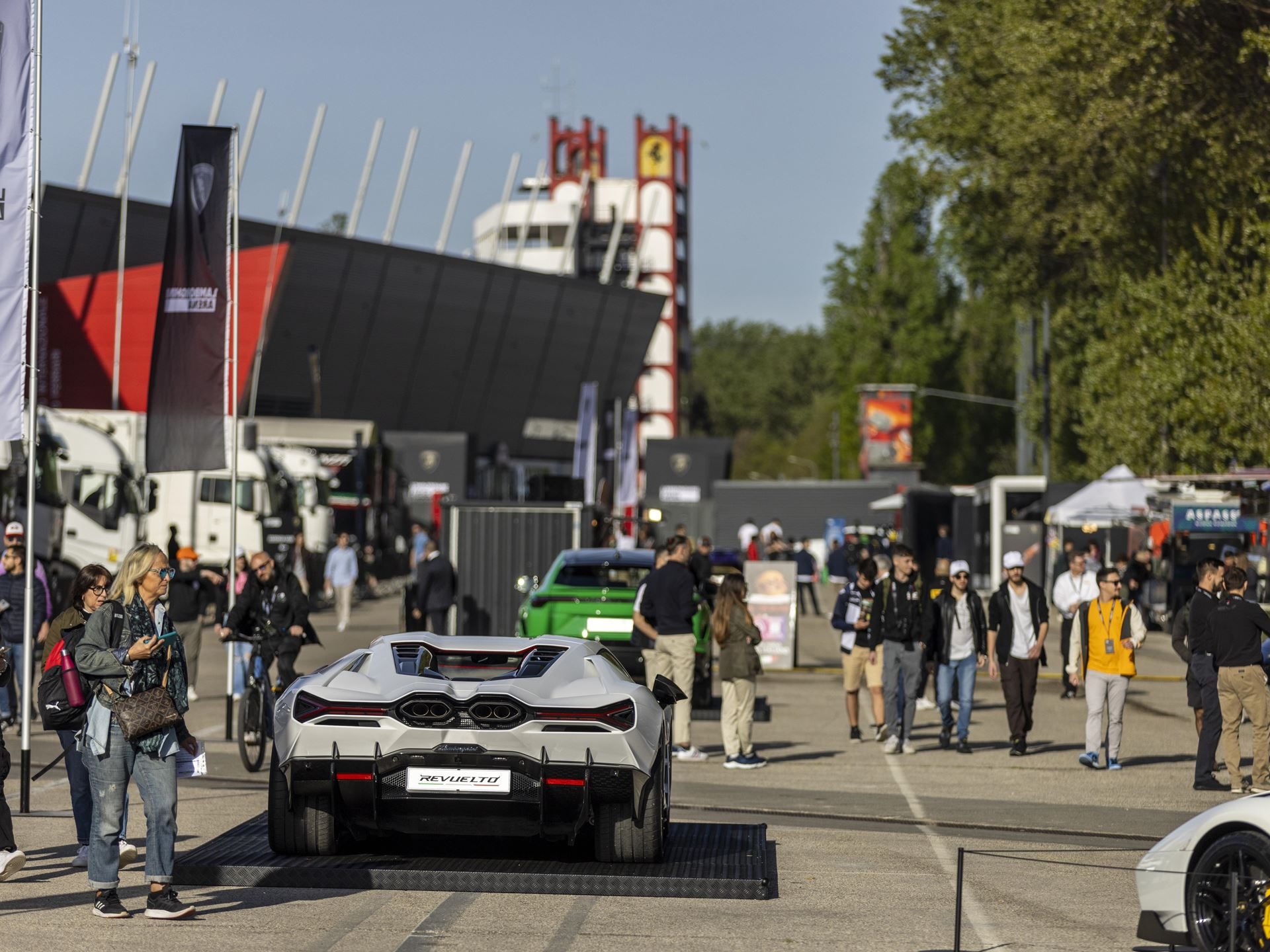
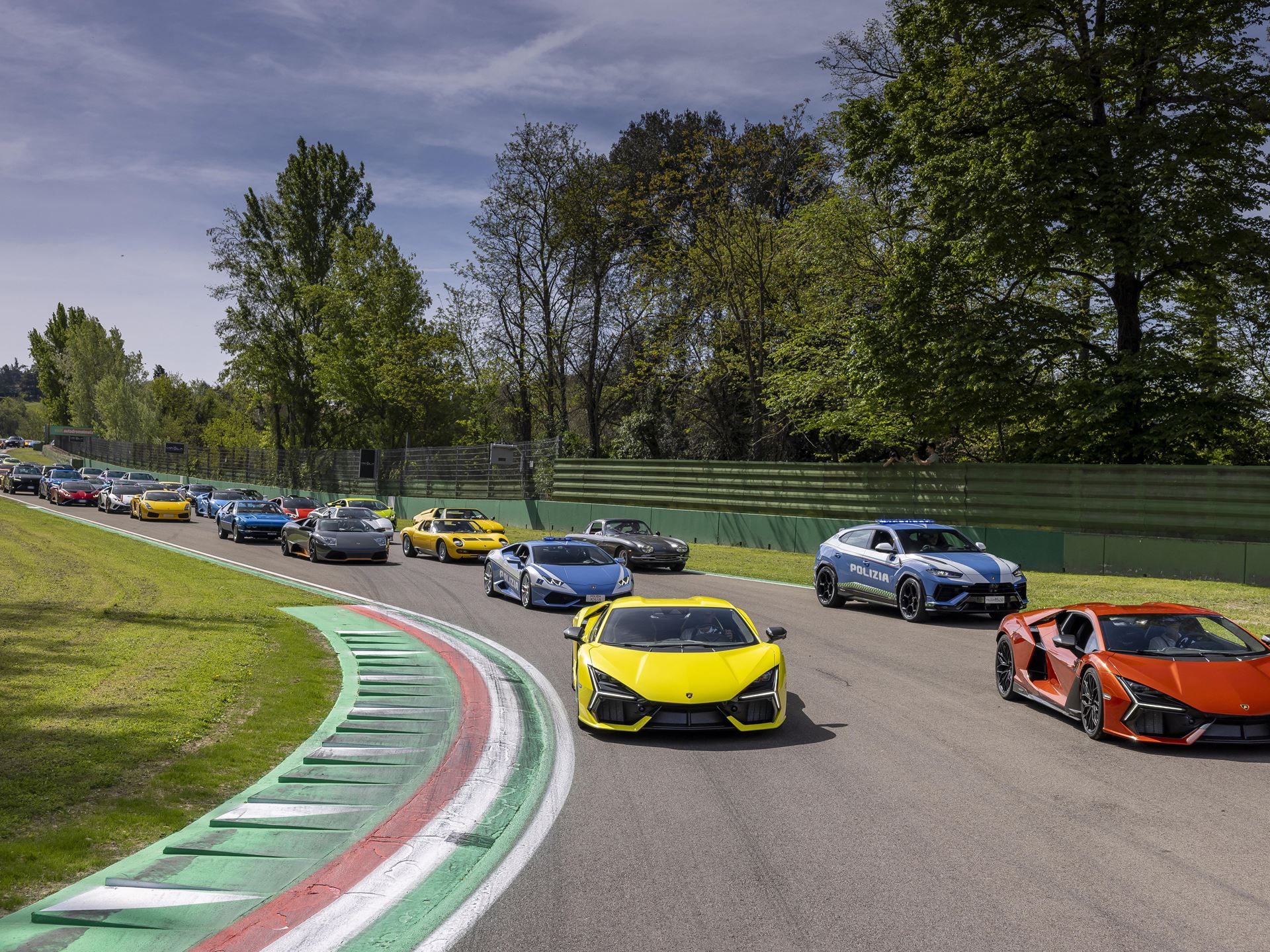
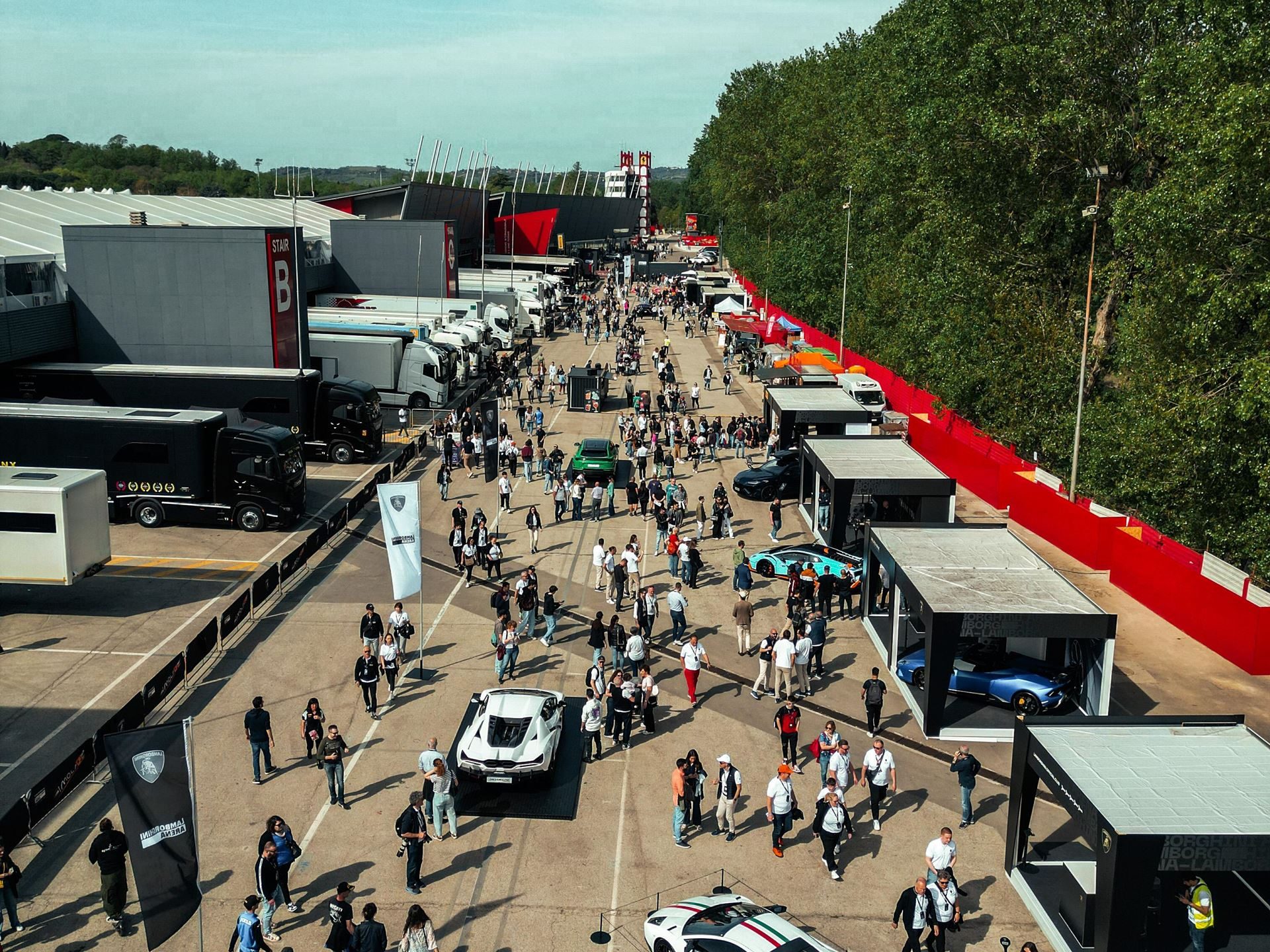
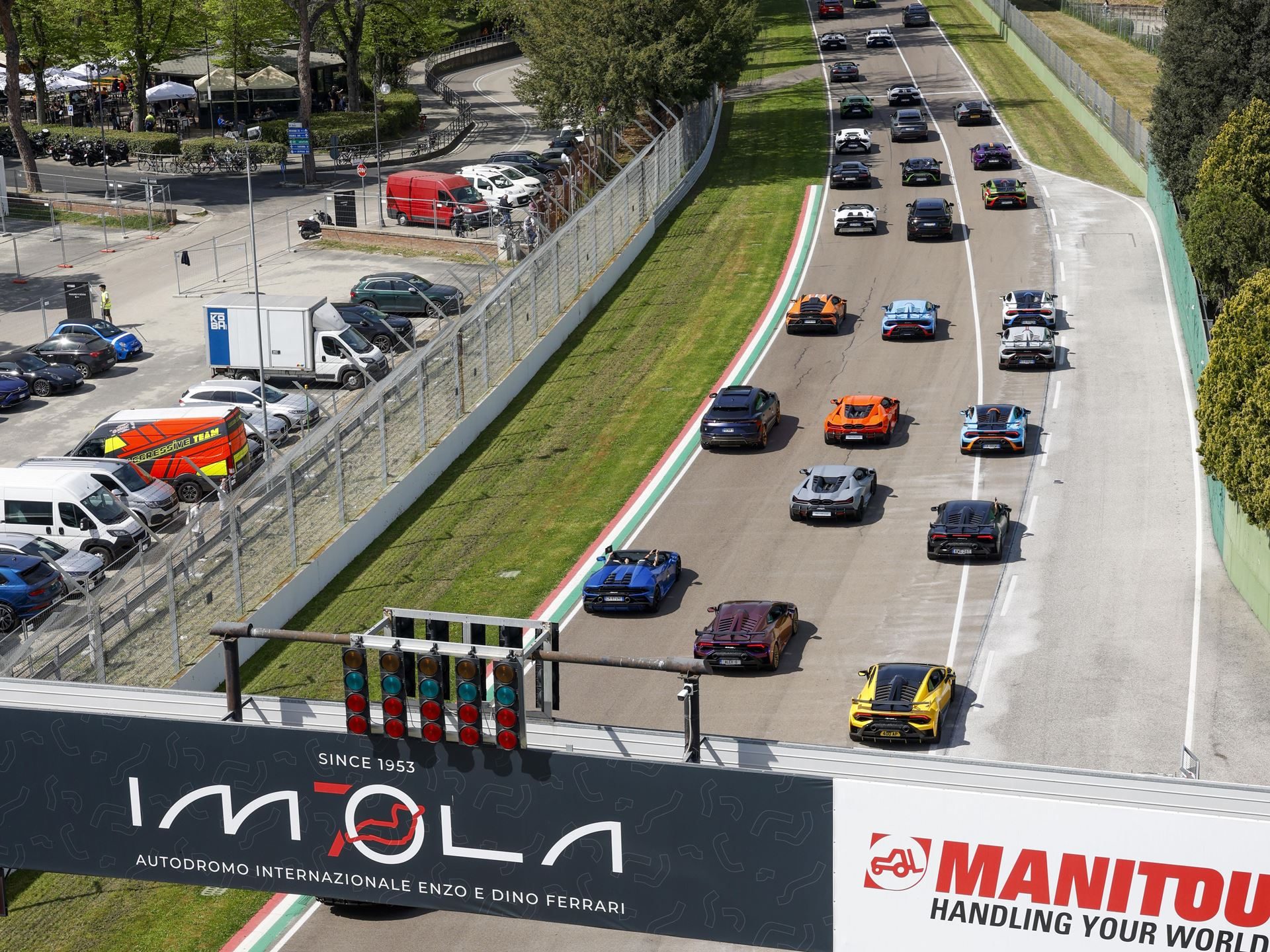
The Lamborghini Arena event at the Imola circuit, scheduled for May 9 and 10, serves as the physical expression of the anniversary. This second edition of the event (following an inaugural gathering in 2024) transformed the circuit’s paddock into a hub combining track driving for road cars, and the event schedule included the second round of Lamborghini’s one-make racing activity, along with a village area with displays spanning the brand’s history. Seeing a convoy of current models — from a yellow Revuelto to a Urus — streaming past Imola’s start/finish gantry captures what these events deliver: access to a legendary circuit in cars that most owners rarely push beyond highway speeds.
Imola itself carries weight. Choosing it over a convention center or a hotel ballroom signals that Lamborghini views its anniversary as a performance occasion, not a corporate one. Winkelmann’s framing of the event as a chance to “share this moment with our community” sounds like standard CEO language, but the venue choice backs it up. You do not rent Imola to give speeches. You rent Imola to drive.
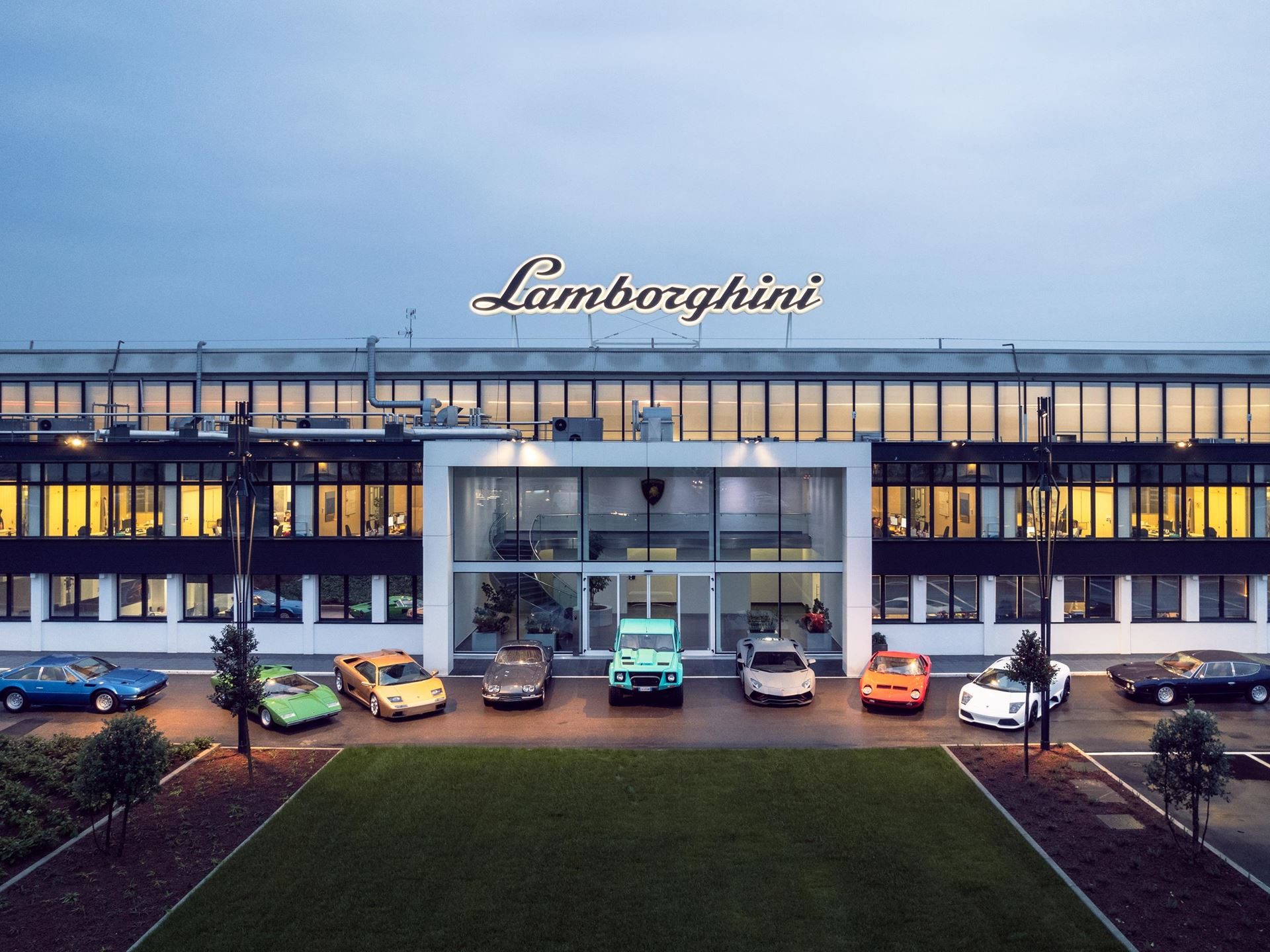
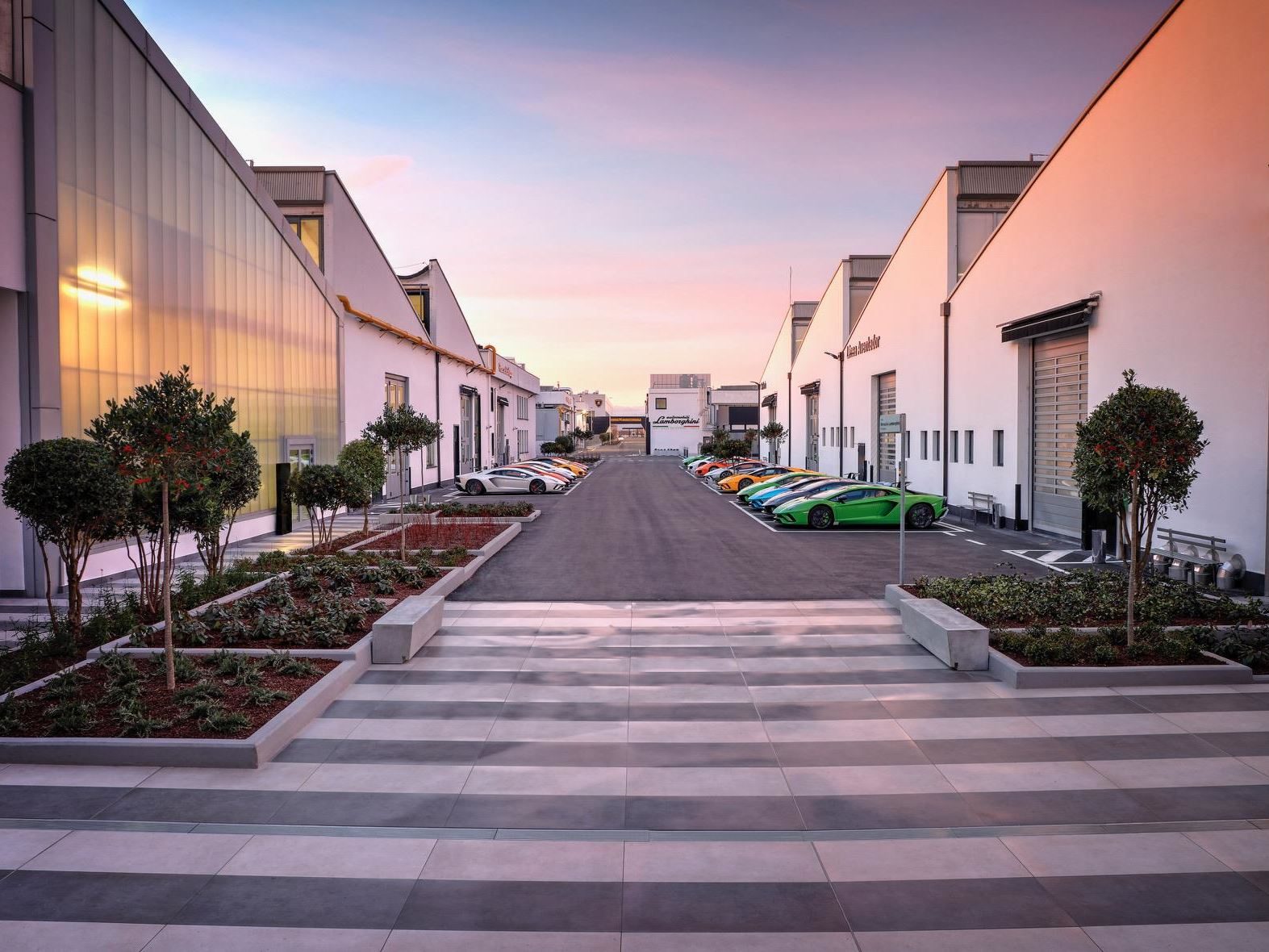
The infrastructure connecting Sant’Agata Bolognese to circuits across Europe — from Imola to Spa-Francorchamps to the Nürburgring — reflects a brand that invests in keeping its owners behind the wheel. Giorgio Sanna’s Squadra Corse team provides the operational backbone that makes this possible: the same engineers who prep the SC63 for endurance racing also run the one-make series and the owner track programs that fill the Arena event’s schedule. That continuity of personnel is what separates an Arena weekend from a driving experience offered by a rental company. The knowledge in the paddock is factory-grade, not hired-in hospitality.

How Lamborghini’s Heritage Approach Differs From Its Rivals
Different manufacturers take different approaches to celebrating anniversaries and heritage. Some create special-edition cars that wear milestone years on their bodywork. Others build anniversary packages around specific model lineages. Both approaches work, but they are episodic. They mark a moment, then the brand moves on to the next product cycle.
Lamborghini’s “63” approach operates differently. The number does not appear on a single anniversary car and then vanish. It recurs across model lines, across decades, across product categories. The Sián carries it. The Aventador SVJ carries it. The SC63 race car carries it. The Ducati collaborations carry it. Even a paint shade, Giallo Maggio, carries it by implication. The effect is cumulative rather than commemorative.
For collectors, this creates a different kind of value proposition. A limited anniversary edition is rare because of production numbers. A Lamborghini “63” model is rare for the same reason, but it also belongs to a larger visual and philosophical family that grows with each new expression. Owning one “63” car connects you to every other “63” car in the lineage. That cross-referencing effect is something no competitor currently replicates at the same scale.
Ferrari’s XX Programme, for context, applies a somewhat analogous logic — track-only specials like the FXX-K Evo that belong to a managed family of extreme machines and carry a shared visual identity. But the XX Programme’s connection to a founding year or origin number is thinner; the cars are unified by exclusivity and track eligibility, not by a date. The Lamborghini “63” recurrence is more specific: every car bearing it points back to a single day in May 1963 and draws its meaning from that precision.
The practical takeaway for anyone watching the Lamborghini lineup: when the number 63 appears on a future model or specification, it will carry the accumulated weight of every previous use. The Temerario, which will replace the Huracán across both road and racing applications, seems like a natural candidate for a “63” variant. Whether Lamborghini chooses to deploy it there remains to be seen, but the pattern is now too well established to abandon.
What Lamborghini has done — methodically, across road cars, race cars, motorcycles, paint codes, and anniversary events run by the same factory operation that fields its prototype racers — is convert a founding date into a brand asset. The number 63 is no longer a date on a plaque in Sant’Agata. It is a recurring claim that this company knew exactly what it was from the moment it existed, and that every version of “63” you see today is evidence it was right.
Gallery