A Supercar Brand Stages a Fashion Show, and It Looked Exactly How You’d Expect
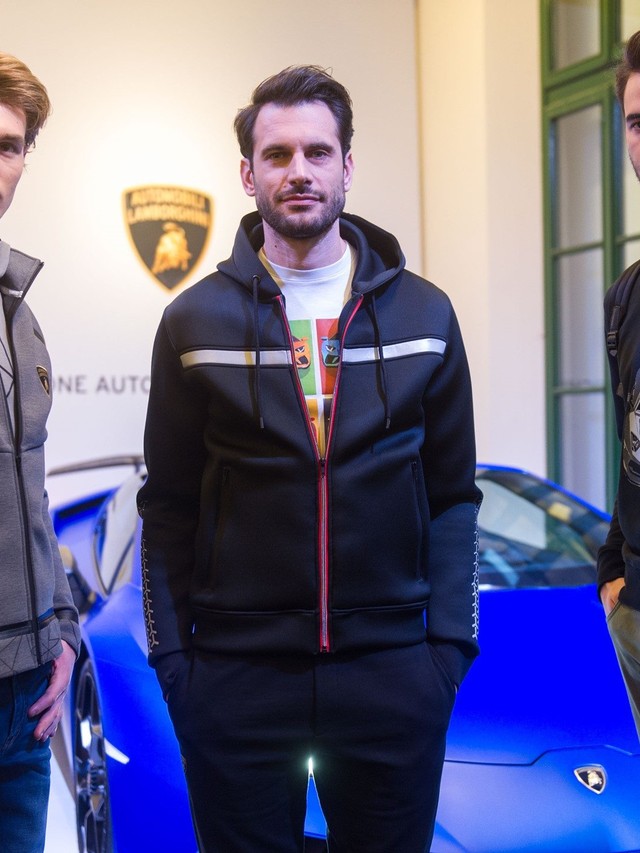
Collezione Automobili Lamborghini chose the Limonaia of Villa Vittoria in Florence, steps from the Fortezza da Basso, to debut its Fall-Winter 2019-20 ready-to-wear collection at Pitti Uomo. The staging was curated to the last detail: a Huracán Performante Spyder occupied the floor alongside the apparel racks, while pieces from the Authentic Living furniture line, a collaboration with Italian woodworking house Riva 1920 designed by Karim Rashid, filled out the remaining space. An afternoon cocktail reception followed, with DJ sets by Mazay and Milan-based producer Andrea Mazzantini drawing media, influencers, and assorted VIP guests.
Placing a V10 open-top supercar next to a clothing rack sends a specific message: the bull logo on your jacket connects to the same design house responsible for that car. Lamborghini wanted visitors to walk into a complete brand world, not a pop-up shop with some polo shirts. Whether the garments actually deliver on that promise is a separate question, but the presentation left no ambiguity about the intent, or about the larger business shift happening behind the scenes.
Selling the Lamborghini Lifestyle Beyond the Garage
Lamborghini describes the collection as built around blending formal and informal elements, positioning it as a transfer of the same design philosophy found in its cars. The garments are pitched at a buyer who wants versatile pieces suitable for travel, daily wear, and the occasional paddock visit.
The real proposition underneath is straightforward: Lamborghini wants to monetize the enormous gap between the number of people who admire the brand and the number who can park one in their garage. A branded hoodie or a pair of sneakers bearing the fighting bull is the most accessible entry point into the Lamborghini universe. For existing owners, branded apparel functions as a tribal signal at concours events, track days, and dealership gatherings. For aspirational buyers, it keeps the brand present in daily life. Either way, the commercial logic is sound, provided the product quality justifies the premium over generic athletic wear.
Lamborghini’s broader merchandise catalog already spans clothing for men, women, and children, alongside accessories using materials like Italian silk and carbon fiber accents. The Fall-Winter 2019-20 line represents a more focused, fashion-forward push within that ecosystem, and the key to understanding it lies not in the garments themselves but in the licensing deal that made them possible.
The Swinger International Deal: Why Lamborghini Outsourced Its Wardrobe
The bigger news buried inside the Pitti Uomo event is structural. Lamborghini confirmed a licensing agreement with Swinger International for the development, production, and distribution of the entire Collezione Automobili Lamborghini line. Previously, the apparel program was managed directly by the automaker in Sant’Agata Bolognese.
Katia Bassi, then Lamborghini’s Chief Marketing Officer, framed the decision around Swinger International’s experience working with established brands and a distribution network spanning retailers, dealerships, and e-commerce. The practical translation: Lamborghini recognized that designing supercars and distributing fashion are fundamentally different businesses. Outsourcing to a specialist licensee allows broader global reach without requiring the automaker to build retail logistics expertise from scratch.
This is the pivot that matters for long-term brand watchers. A licensing model can scale quickly, but it also introduces risk. If the licensee prioritizes volume over quality, the brand takes the reputational hit, not the manufacturer. Bassi’s emphasis on Lamborghini design remaining the constant reference point signals awareness of that tension, and it explains why the Pitti Uomo presentation worked so hard to anchor the clothing in the visual language of the cars.
Design DNA on a Hanger: What Connects the Car to the Clothing
Lamborghini says the collection draws on the same visionary design approach found in its Centro Stile studio, the in-house team responsible for every production car’s exterior and interior. The apparel visible in promotional imagery features subtle branding and modern, athletic silhouettes rather than the oversized logos that plagued early automotive merchandise efforts across the industry.
That restraint matters. A decade ago, most supercar-branded clothing looked like pit crew surplus. The shift toward understated design, where brand identity lives in cut, material, and construction rather than a billboard-sized logo, mirrors what luxury fashion houses learned years earlier. Whether Lamborghini’s execution matches that ambition depends on the actual fabrics and construction, details the company left largely unspecified beyond broad claims about innovative technologies and high-quality contemporary design.
Lamborghini’s identity is loud, angular, confrontational. Translating that energy into a wearable jacket without veering into costume territory is the real design challenge, and it is precisely the kind of challenge that benefits from a licensing partner with fashion industry expertise rather than an automaker’s in-house team learning on the job.

Three models showcase the latest Automobili Lamborghini Fall/Winter collection in front of a stunning blue Huracan.
How Lamborghini’s Lifestyle Strategy Compares to Ferrari and Porsche
Lamborghini is hardly the first supercar maker to extend into fashion. Ferrari operates a dedicated fashion line and maintains high-profile collaborations, including partnerships with sportswear brands. Porsche Design, meanwhile, built an entirely separate luxury goods company that sells everything from sunglasses to kitchen appliances, operating with its own retail stores and an aesthetic that leans toward industrial minimalism rather than automotive drama.
Lamborghini’s approach sits between those two poles. The Swinger International partnership suggests a strategy closer to Ferrari’s licensing model than Porsche Design’s standalone brand. The advantage is speed to market and lower overhead. The disadvantage is less control over the retail experience and product consistency. Porsche Design succeeds partly because its restrained aesthetic translates cleanly into consumer goods. Lamborghini’s louder, more angular identity demands a different kind of discipline to keep wearable clothing from tipping into costume.
The brand’s broader lifestyle ambitions extend well beyond clothing. As Car and Driver reported, Lamborghini later expanded into a luxury yacht collaboration, suggesting the Pitti Uomo debut was an early chapter in a much wider strategy to plant the bull logo across luxury categories. Each extension tests the same core question the apparel line raised first: can the business architecture behind these products match the intensity of the brand itself?
What Enthusiasts Should Actually Take Away
Lamborghini did not announce specific pricing for the Fall-Winter 2019-20 collection, and detailed material specifications remain thin. What the Pitti Uomo debut does confirm is that the company committed to professionalizing its apparel business through external expertise rather than treating it as a dealership afterthought.
For buyers interested in the collection, the practical advice is simple: evaluate the garments at retail the way you would any premium clothing purchase. The Lamborghini name adds aspirational value, but a jacket still needs to fit well, use quality materials, and justify its price against competitors in the same bracket. The licensing shift to Swinger International should, in theory, improve availability through broader retail and online channels compared to the previous in-house model.
The Pitti Uomo event itself was a polished piece of brand theater, executed with the same attention to atmosphere that characterizes Lamborghini’s car launches. The more interesting story remains the business architecture underneath: a supercar company learning to scale its identity into new categories without losing the intensity that makes the brand worth wearing in the first place.


