The Core Question: Brand Expansion or Dilution?
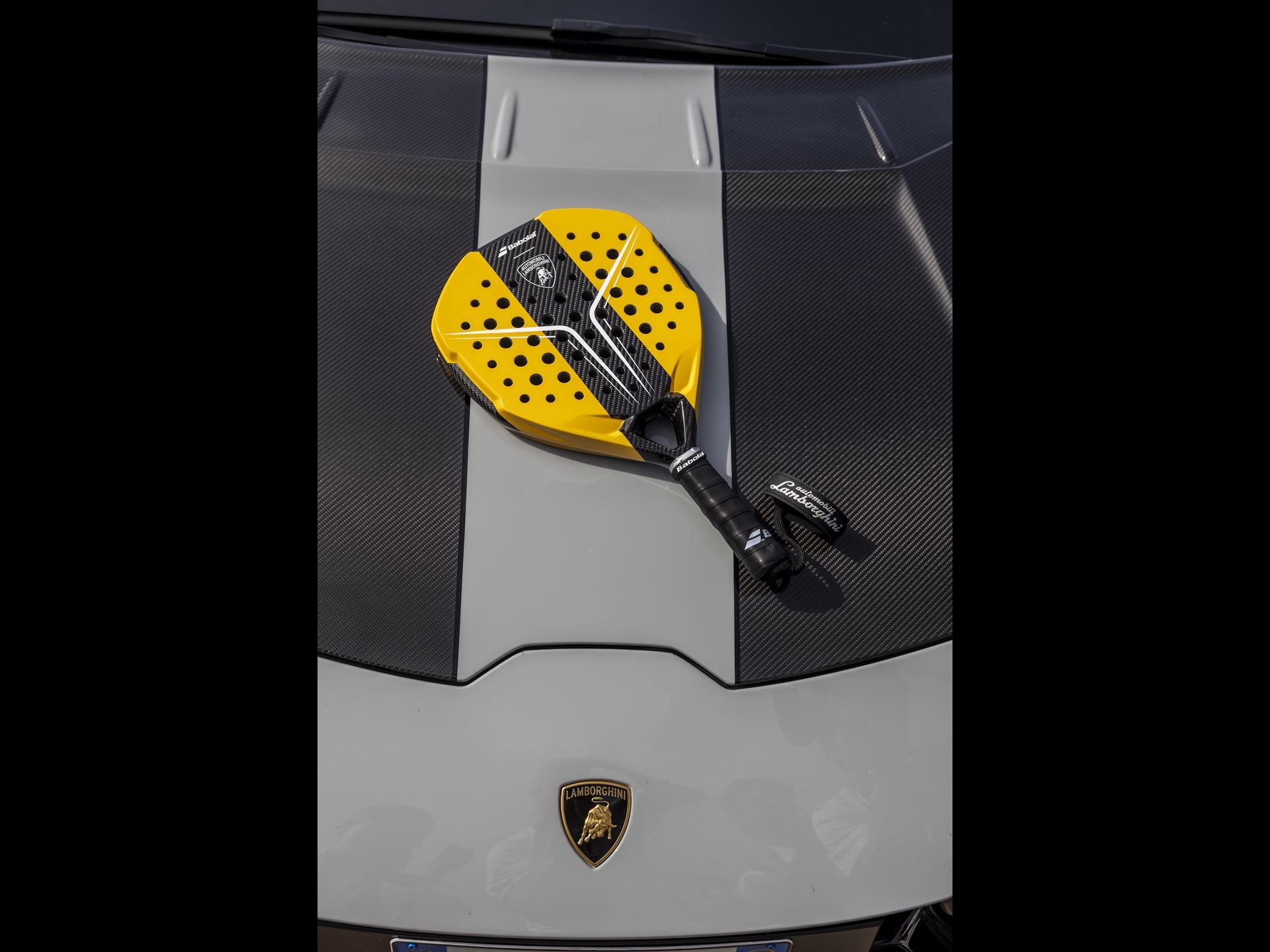
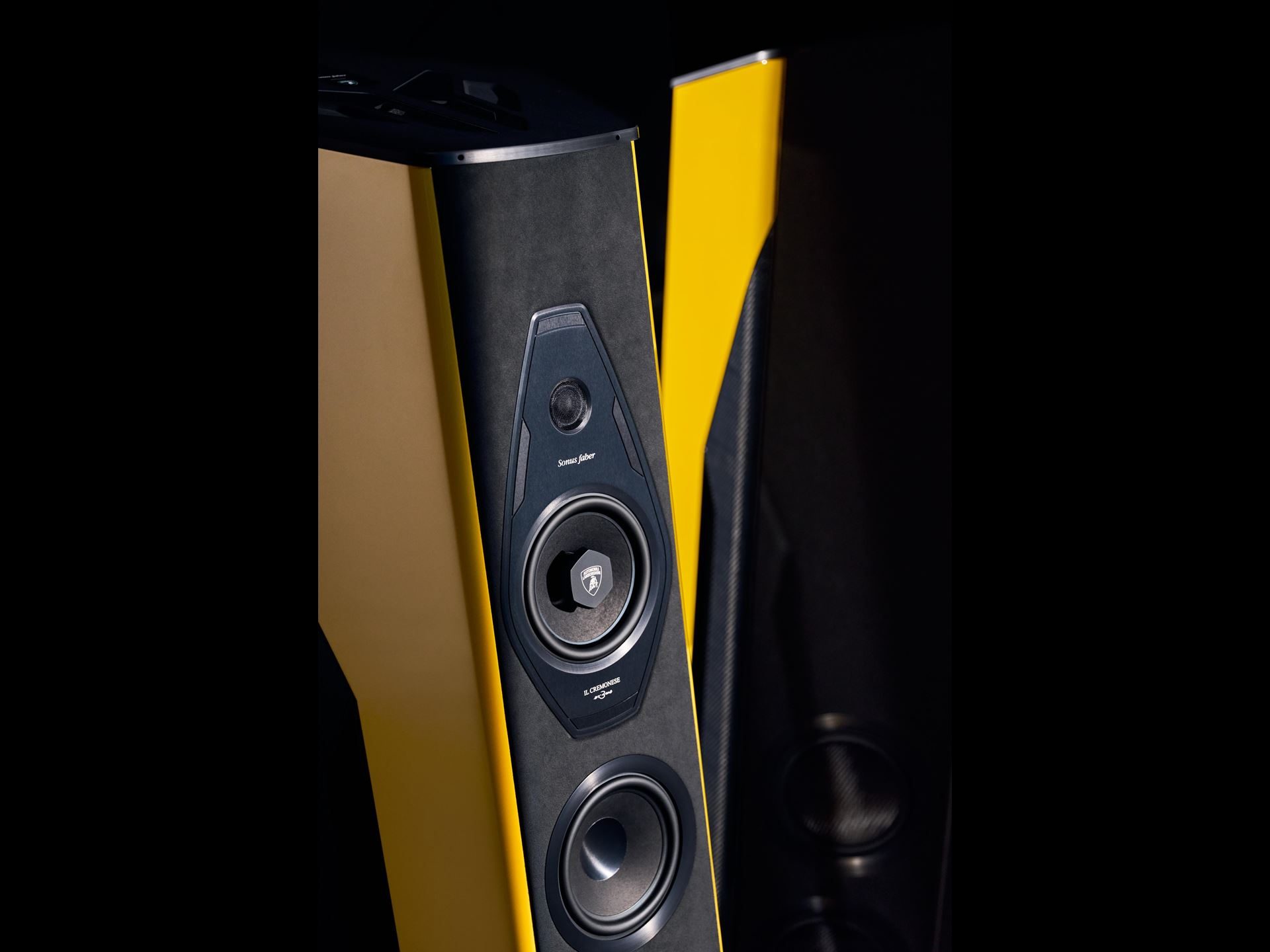
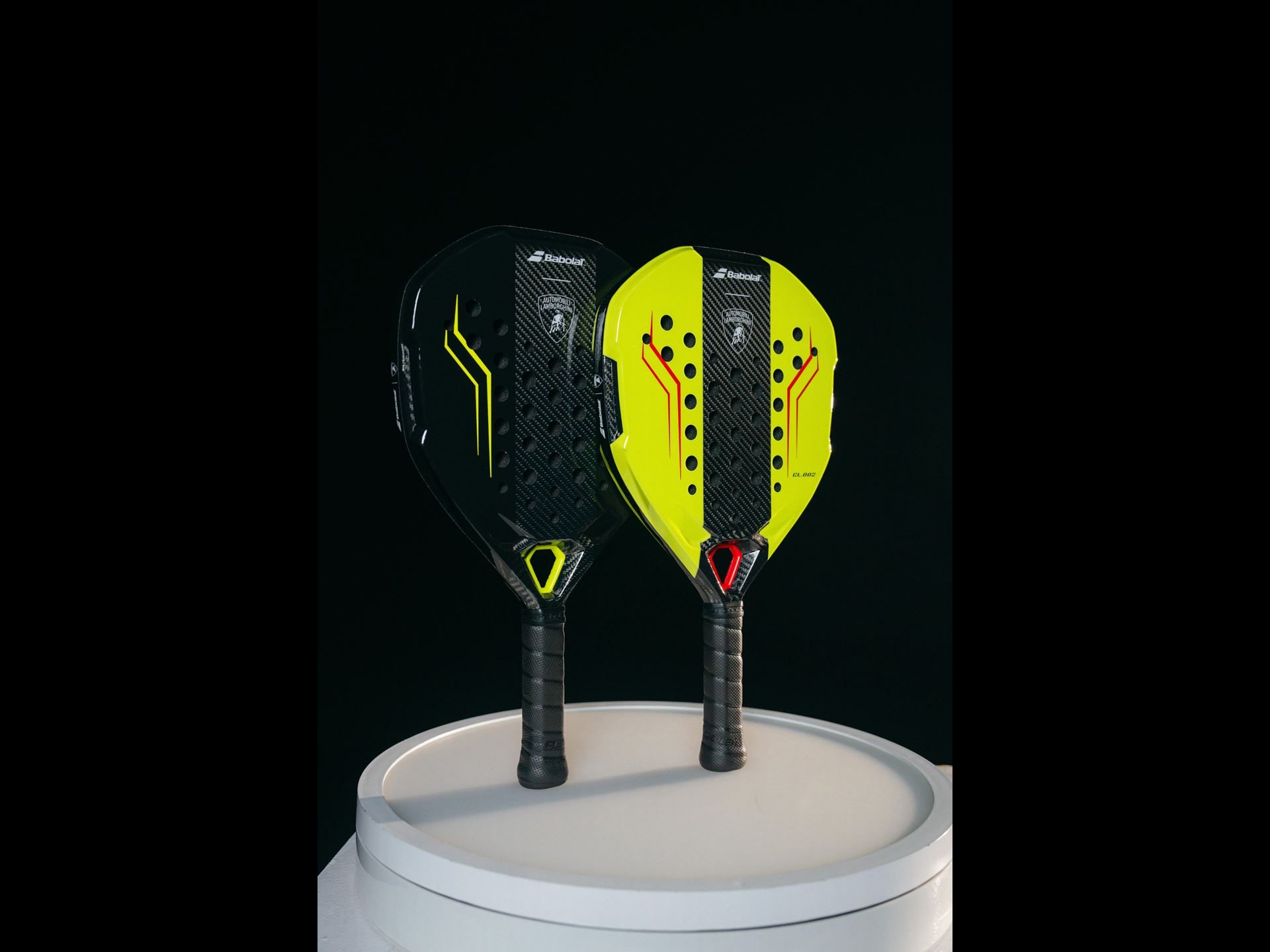
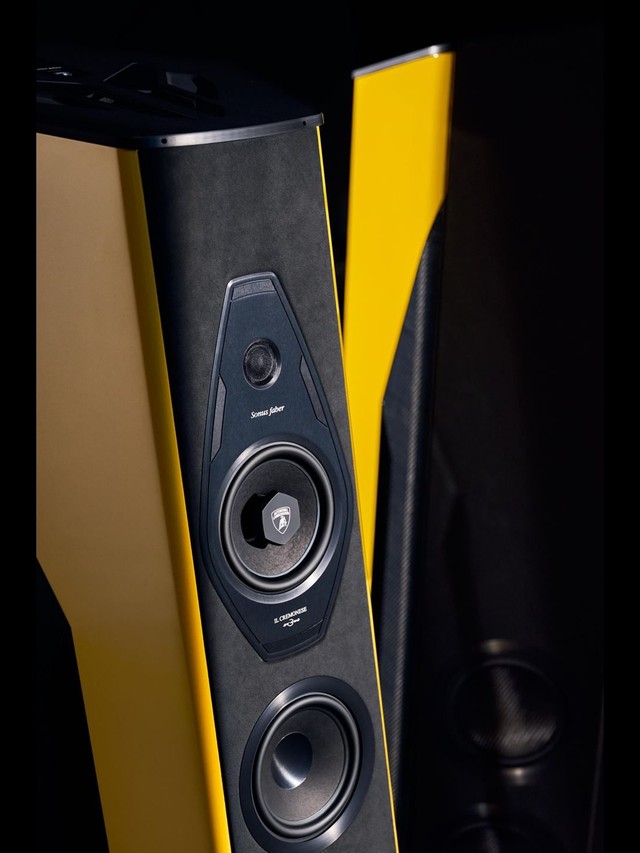
The BL001 padel racket is produced at Lamborghini’s Sant’Agata Bolognese plant’s specialist carbon fiber department. Sonus faber created the Il Cremonese Ex3me – Automobili Lamborghini Edition, a limited-edition floorstanding speaker. Lamborghini’s reach now extends so far beyond the supercar that it forces a question the enthusiast community cannot avoid: does this portfolio strengthen the brand, or does it sand down the very exclusivity that makes a Lamborghini a Lamborghini?
The answer hinges almost entirely on execution. The line between brand extension and brand erosion tends to fall on whether a collaboration involves genuine engineering transfer or simply a logo on a product that could exist without it. The evidence for that claim varies significantly depending on which product you examine.
Engineering Beyond the Engine: Performance Collaborations
The strongest case for Lamborghini’s lifestyle strategy starts with the Babolat padel rackets. Three models (BL001, BL002, BL003) target different player profiles, using the same carbon fiber and Koridion foam as Lamborghini super sports cars. According to Lamborghini, the BL001 is produced at the Sant’Agata Bolognese plant’s specialist carbon fiber department.
That distinction matters. The engineering goal mirrors the automotive one: reduce weight while maintaining structural rigidity, with direct effects on response and control. Whether a padel player can genuinely feel the difference between a Sant’Agata carbon fiber racket and a high-end competitor built elsewhere remains an open question.
The Ducati collaborations occupy similar territory. The Diavel 1260, Streetfighter V4, and Panigale V4 were each reinterpreted in Lamborghini style while maintaining the identities of both brands. Both brands share the same roots in Motor Valley and the same focus on performance and design precision. It lamborghini was inspired by the Sián FKP 37, and Lamborghini says the collaboration raised the profile of both marques.
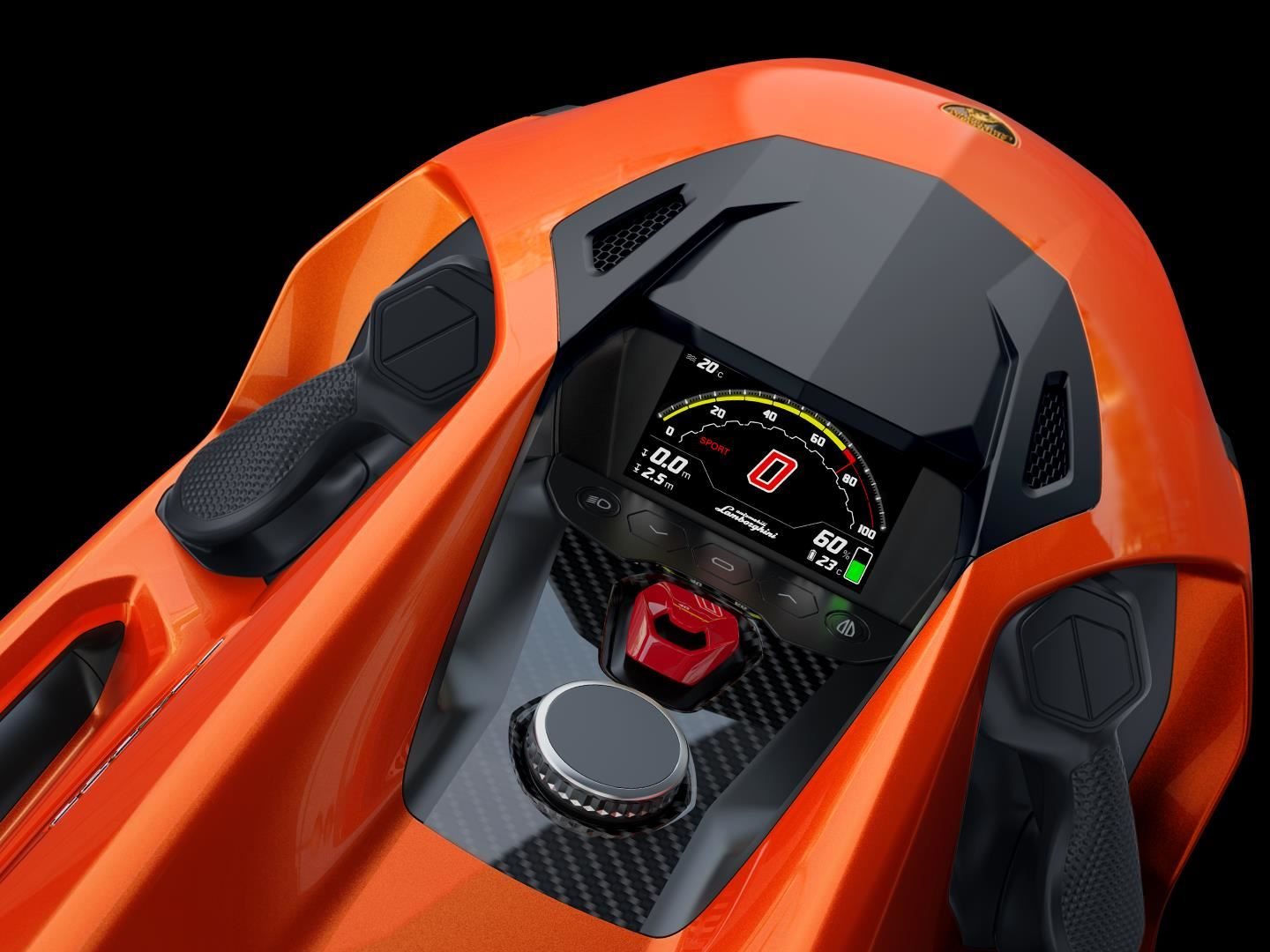
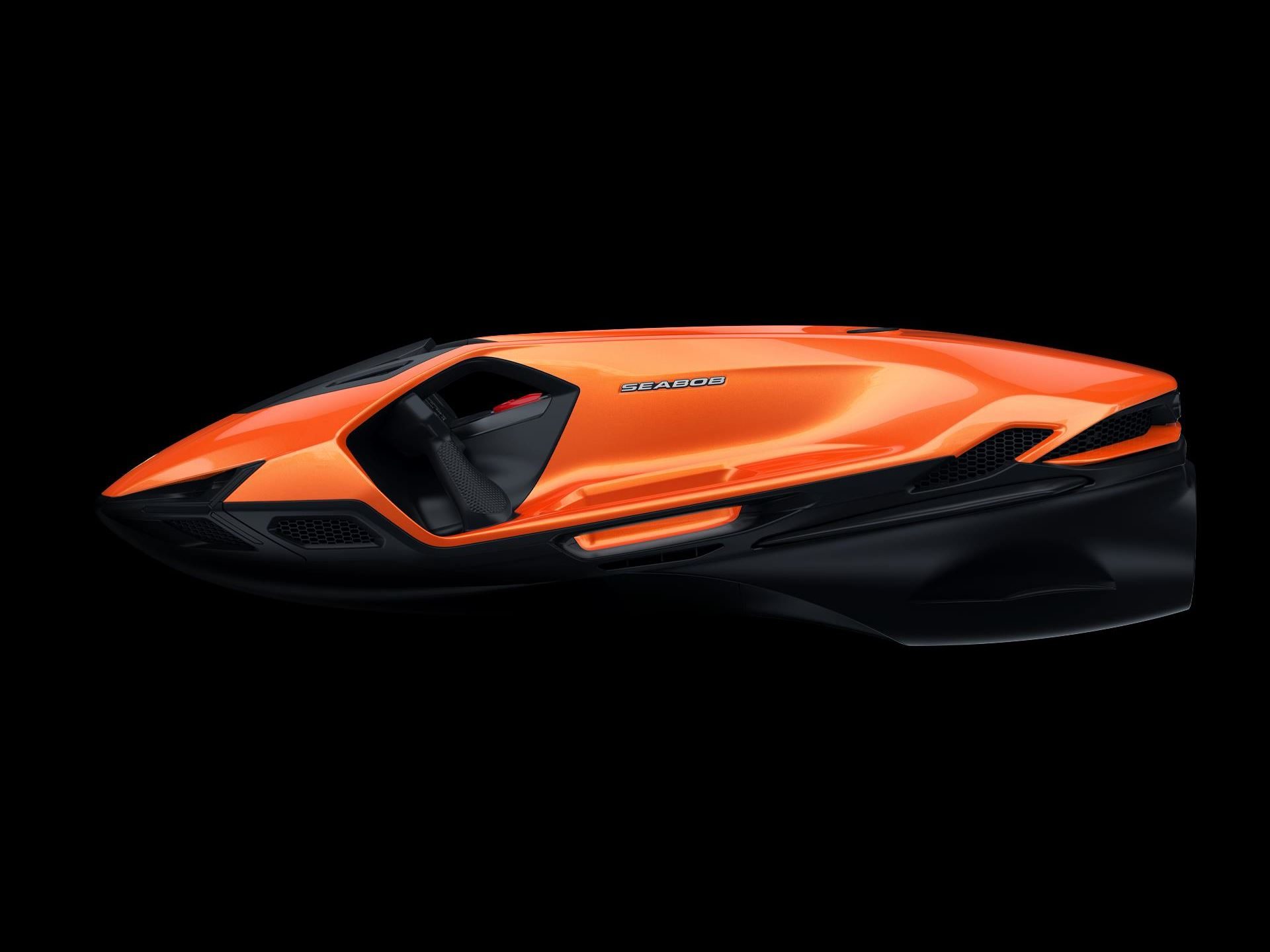
The CAYAGO SEABOB SE63 pushes into less familiar territory. Developed from the ground up for Lamborghini rather than reskinned, the watercraft features sharply sculpted body lines that echo supercar design language. Whether the engineering beneath those styling cues delivers a meaningfully different experience from a standard SEABOB is something Lamborghini’s press materials do not address.

Living the Lamborghini Life: Real Estate and Interiors
The collaboration with Dar Global translates Lamborghini’s design codes into physical architecture at Benahavís, on the Costa del Sol. Architecture with bold lines and premium materials inspired by Automobili Lamborghini design, bringing the brand’s proportions and character to an exclusive residential community. It looks expensive. It looks angular. Lamborghini provides no pricing or sales data for the villas.
The Sonus faber partnership makes a more convincing case for genuine integration. The Il Cremonese Ex3me – Automobili Lamborghini Edition, a limited-edition floorstanding speaker, uses exposed carbon fiber as part of its structure, not just its cosmetic skin. Shapes and materials draw from supercar instrument panels and steering wheels.
The Babolat and Sonus faber collaborations involve materials and engineering transfer, while the real estate project is described in terms of design codes, bold lines, premium materials, proportions, and character. That gap illustrates the central tension running through the entire lifestyle portfolio.

Fashion and Collectibles: Accessibility and Exclusivity
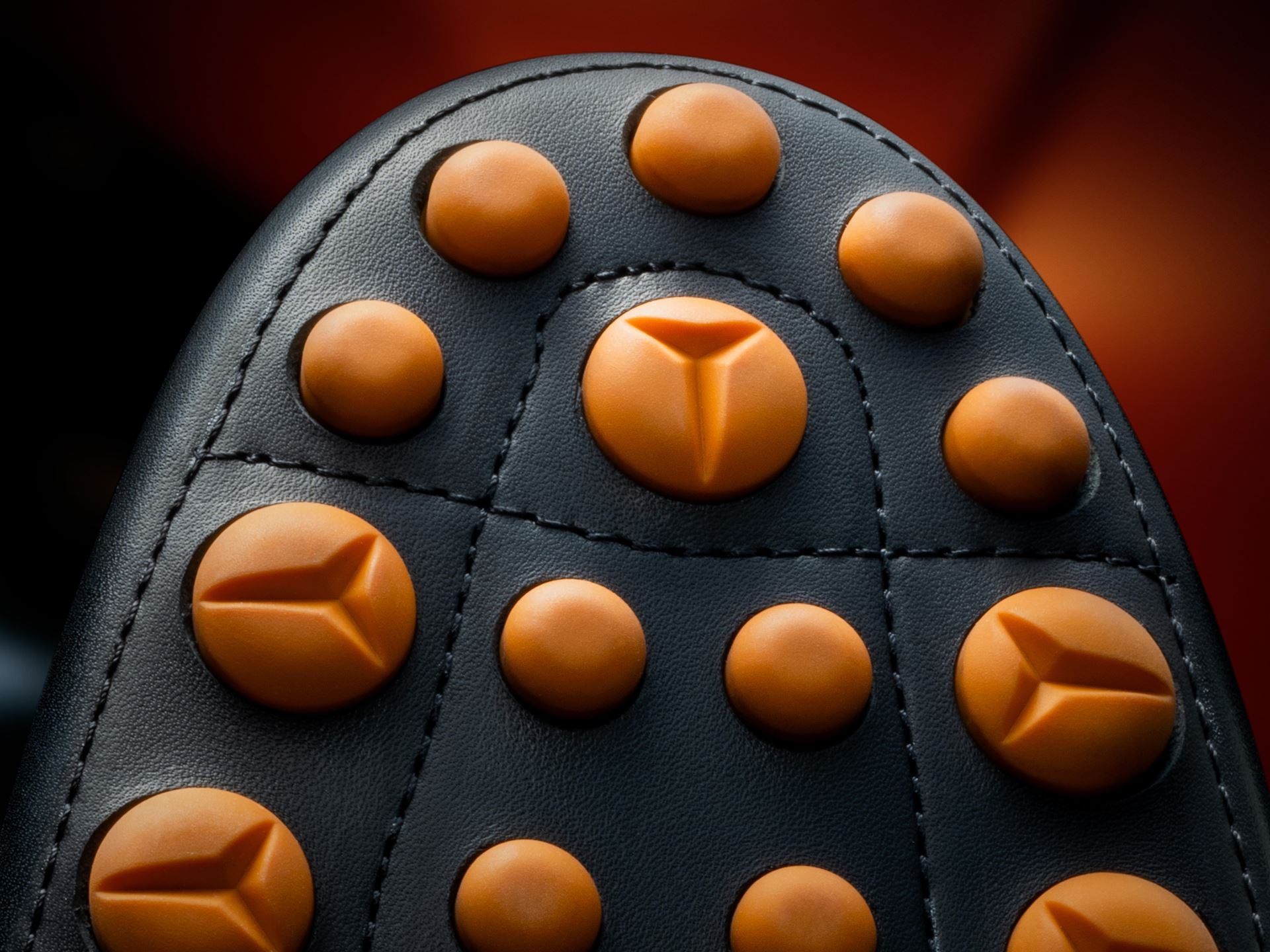
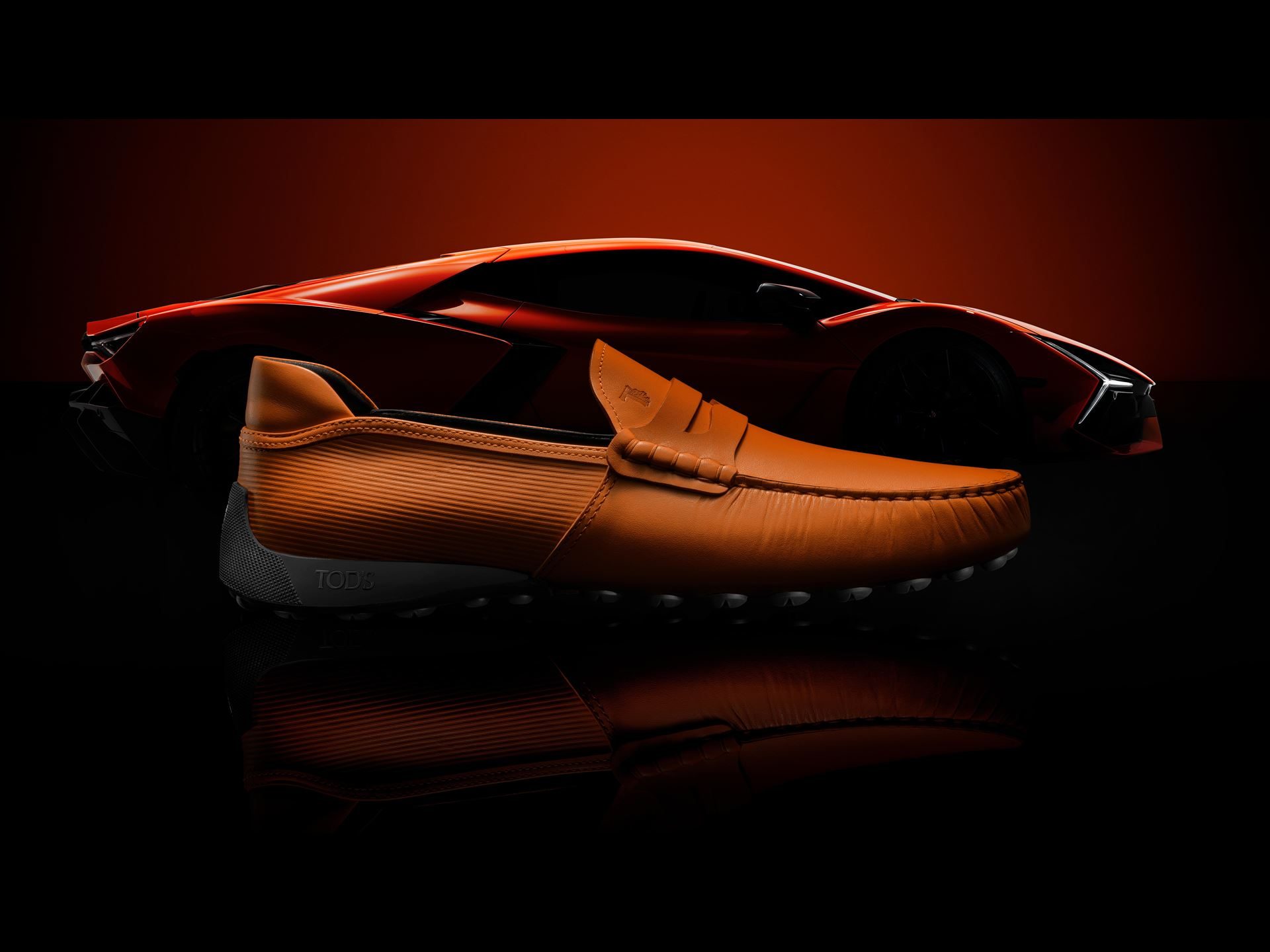
The Tod’s collaboration reinterprets the shoemaker’s iconic Gommino loafer and sneakers using selected leathers, clean lines, and meticulous attention to detail. The most telling design element sits on the sole: Lamborghini’s unmistakable Y integrated into the loafer sole. It is a subtle touch, the kind of detail only the wearer would notice, and that subtlety is arguably the point.
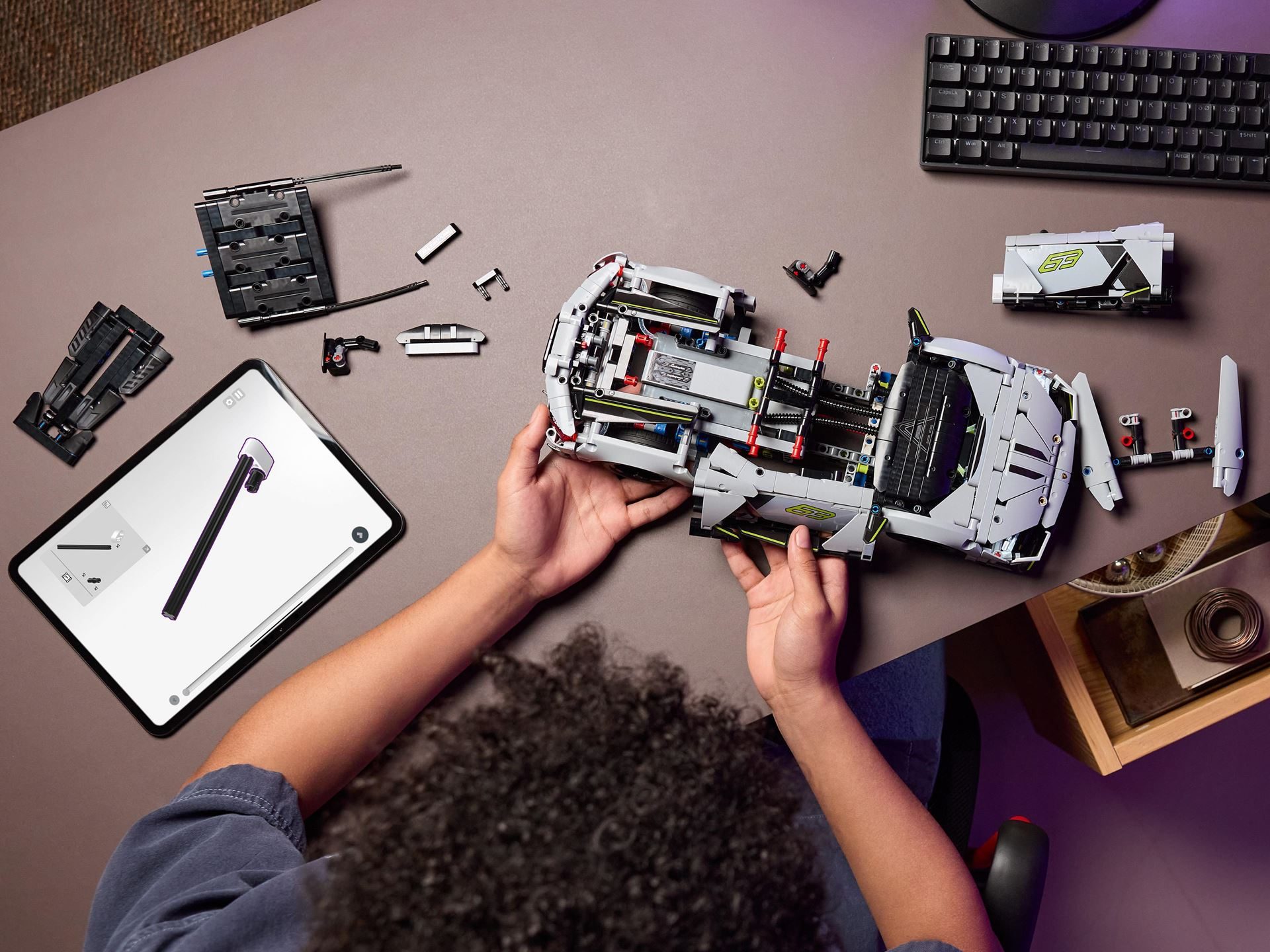
The LEGO Technic remote-control Revuelto, complete with an app-based driving system, and the Hot Wheels die-cast collection occupy a fundamentally different space. The Hot Wheels die-cast cars make Lamborghini’s design language accessible to a wide range of audiences, from youngsters to car enthusiasts, and bring the Lamborghini universe into the world of collecting and lifestyle. The LEGO Revuelto combines immediacy, innovation, and engagement. Lamborghini frames this as bringing its universe into the world of collecting and lifestyle.
The fashion tier is interesting because it creates visible, wearable brand touchpoints outside the garage. Whether that enhances or dilutes the ownership experience depends on personal taste.

Mitja Borkert’s Vision: The Architect of Lamborghini’s Design Future
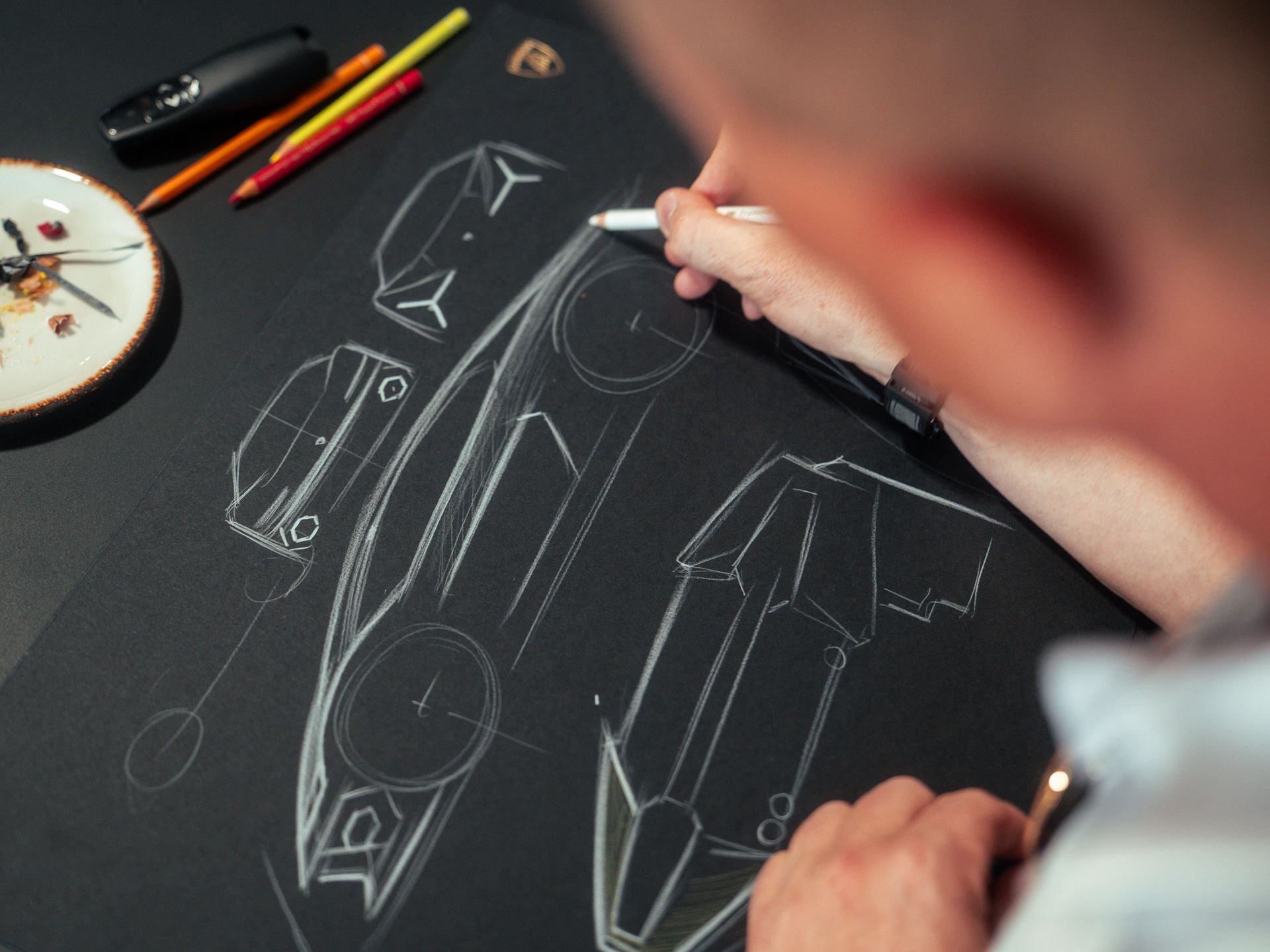
Mitja Borkert, Lamborghini’s Design Director since April 2016, sits at the center of this entire strategy. Coming up to ten years with the brand, he works directly with every partner to ensure that Lamborghini’s design DNA is authentically represented. His stated philosophy is unambiguous: each partner works directly with Lamborghini’s design team to ensure proportions, colors, and detail quality are “authentically Lamborghini,” as he puts it, “not a mere suggestion, but a precise representation of who we are.”
The Terzo Millennio concept is considered key in defining modern Lamborghini design, introducing Y-shaped front DRLs and a rear light signature that became a reference point for many subsequent production design elements. The Temerario’s hexagonal side air intake and rear shoulder design trace directly back to that concept.
Borkert also oversees the Temerario GT3, Lamborghini’s first in-house-built racing car. That project, combined with the lifestyle collaborations, reflects his role as Design Director across an extraordinarily wide range of products. Lamborghini recently received its first Red Dot awards for design.

The ‘Y’ Factor: Unpacking Lamborghini’s Signature Aesthetics
The hexagon and the Y-shape function as Lamborghini’s visual grammar. Sources note that these motifs have long been part of Lamborghini design. When these elements show up on a Tod’s loafer sole or a Babolat racket face, they connect to an established visual language that spans multiple product categories.
That consistency is what separates a genuine design extension from a logo slap. The Y-motif works because it is specific enough to be identifiable and translates across product categories.
The practical takeaway for Lamborghini enthusiasts weighing any of these products: look for the depth of design integration, not just the badge. The BL001 padel racket, built at Sant’Agata, and the Sonus faber speaker, with its carbon fiber structure and instrument-panel-inspired forms, both involve meaningful materials and engineering transfer. Lamborghini provides no public metrics for how it measures success in these extensions, and until it does, the only reliable gauge is whether each product stands up on its own merits once you look past the shield logo.

Gallery