A Decade of Living History: Lamborghini Polo Storico Opens Its Workshop Doors
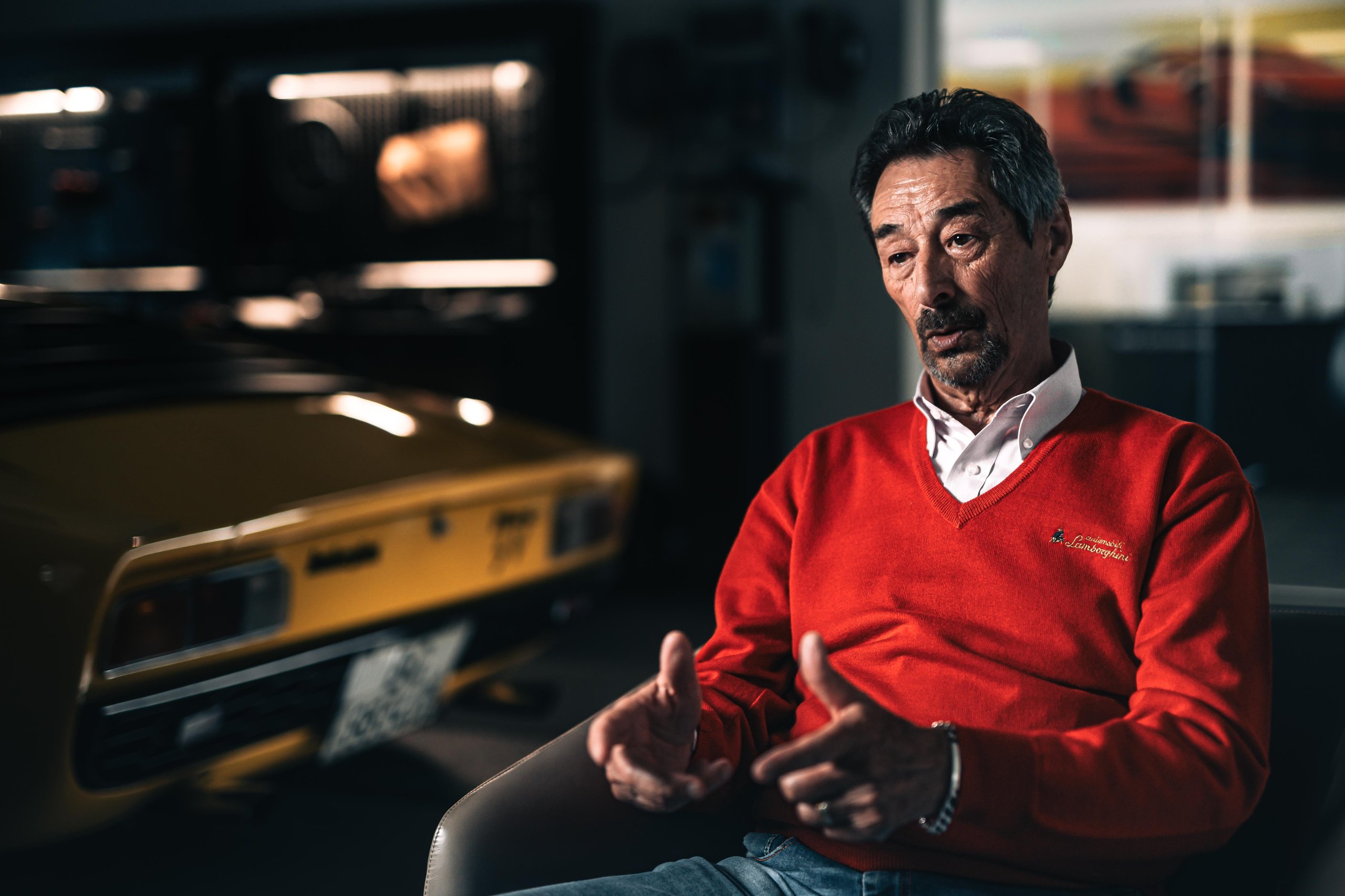
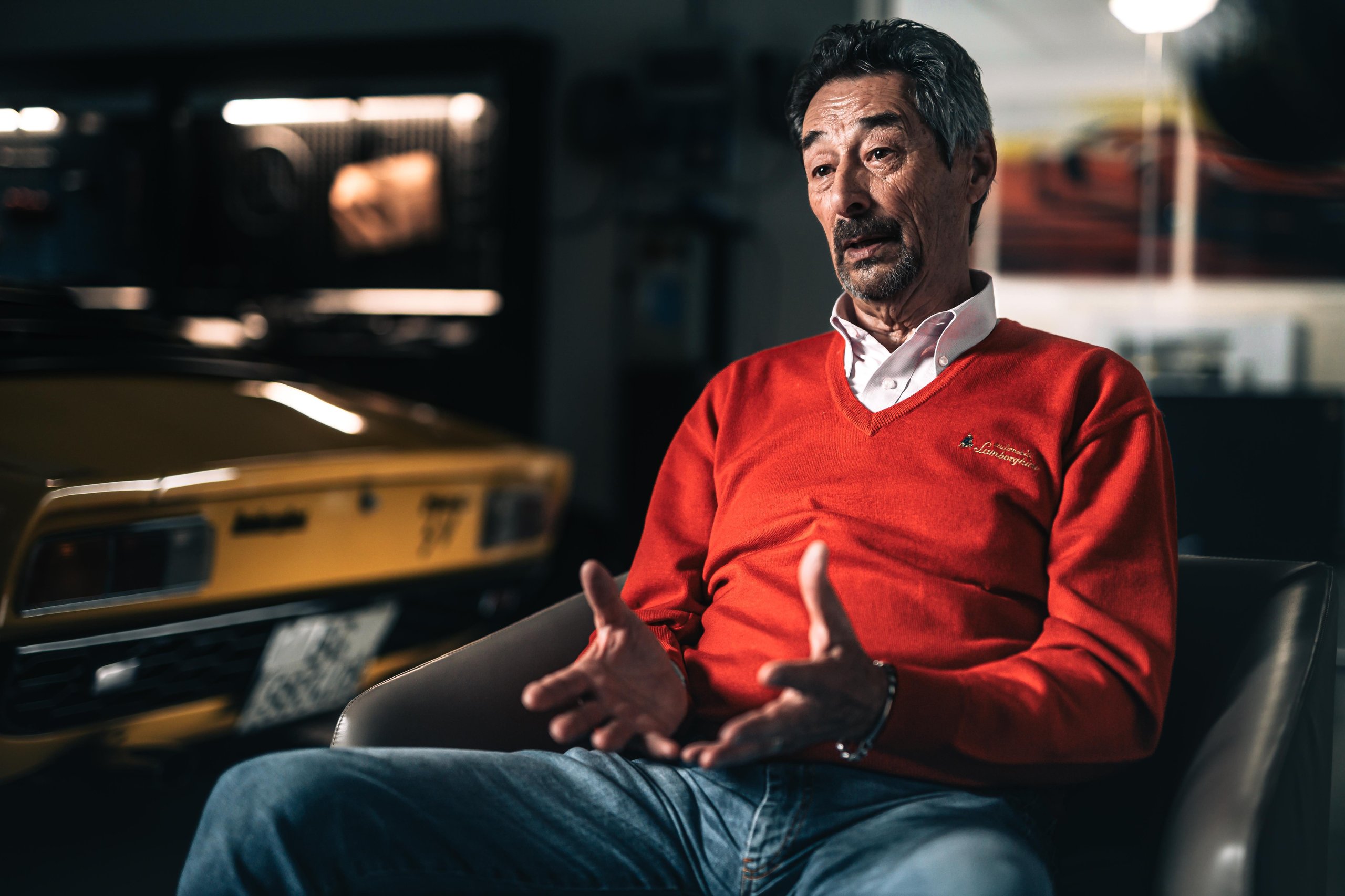
Lamborghini Polo Storico marked its tenth anniversary by doing something unusual for a heritage division: it invited a group of international guests into the workshop at Sant’Agata Bolognese and asked them to work. Not observe. Not sip espresso while technicians performed for the cameras. Participants spent time alongside Polo Storico’s own restorers and, crucially, alongside the Comitato dei Saggi, the small group of retired Lamborghini employees whose personal memories fill gaps that no blueprint or digitized document can cover.
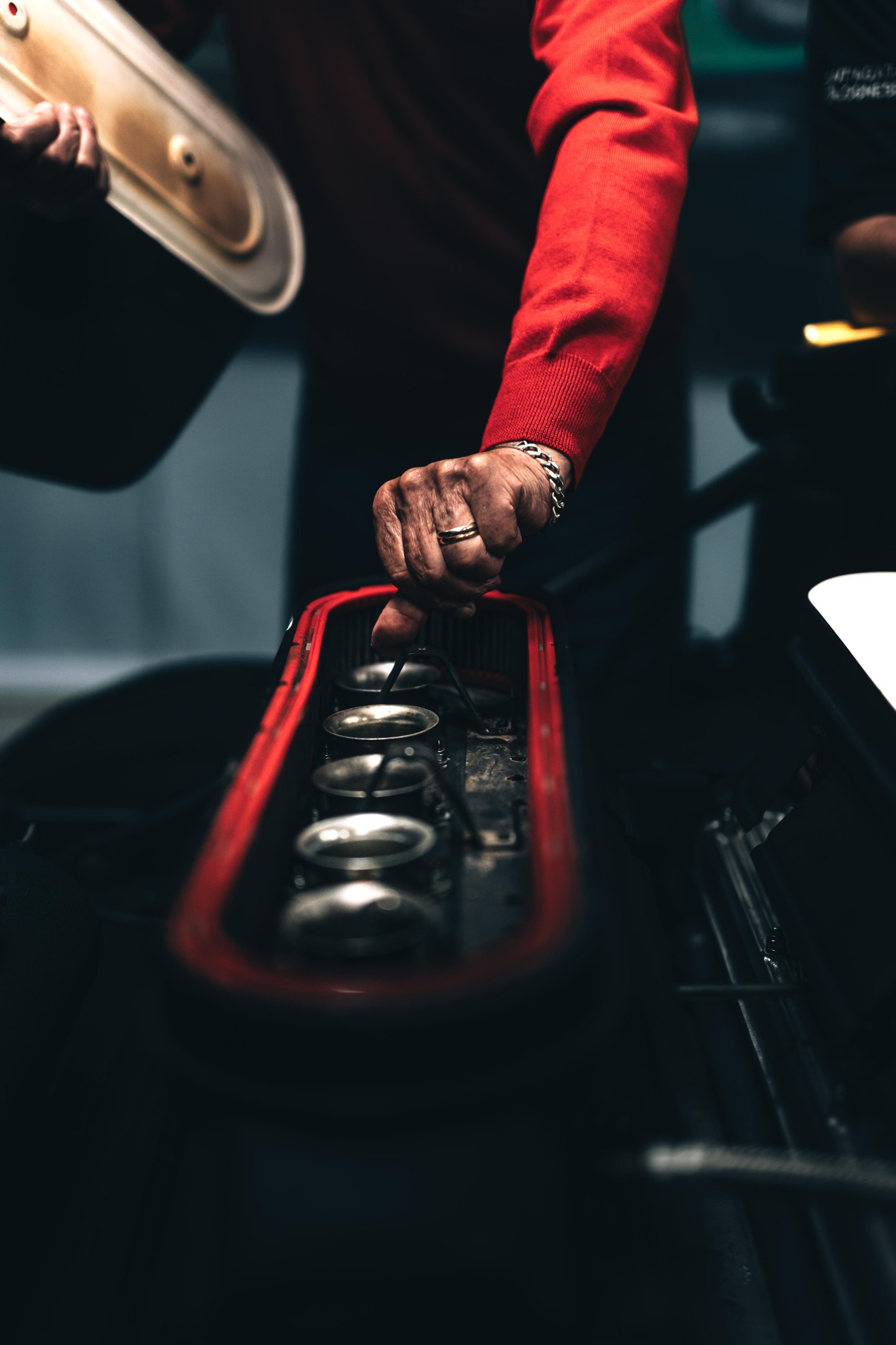
The activities faithfully reproduced daily work inside the department. Guests consulted the historic archive, verified authenticity documentation, conducted road tests, and got their hands into workshop tasks on Miura and Countach carburetors. Pirelli collaborated on the initiative as well, sharing its own expertise in reconstructing original tire specifications for historic Lamborghini models. The message was pointed: the real value of Polo Storico does not live in its tooling or its paint booth. It lives in the heads of the people who built and homologated these cars decades ago.
Established in 2015, the department covers Lamborghini’s historic cars from the 350 GT through the final versions of the Diablo. Over that decade, Polo Storico completed more than 40 restorations and issued over 200 certifications of authenticity, while digitalizing more than 30,000 historical documents to enrich the company archives. Stephan Winkelmann, Chairman and CEO of Automobili Lamborghini, emphasized that Polo Storico represents a cornerstone of the company’s commitment to heritage and tradition. Those numbers are respectable, but the anniversary celebration deliberately shifted the spotlight away from statistics and toward the three men whose knowledge cannot be scanned into a database.

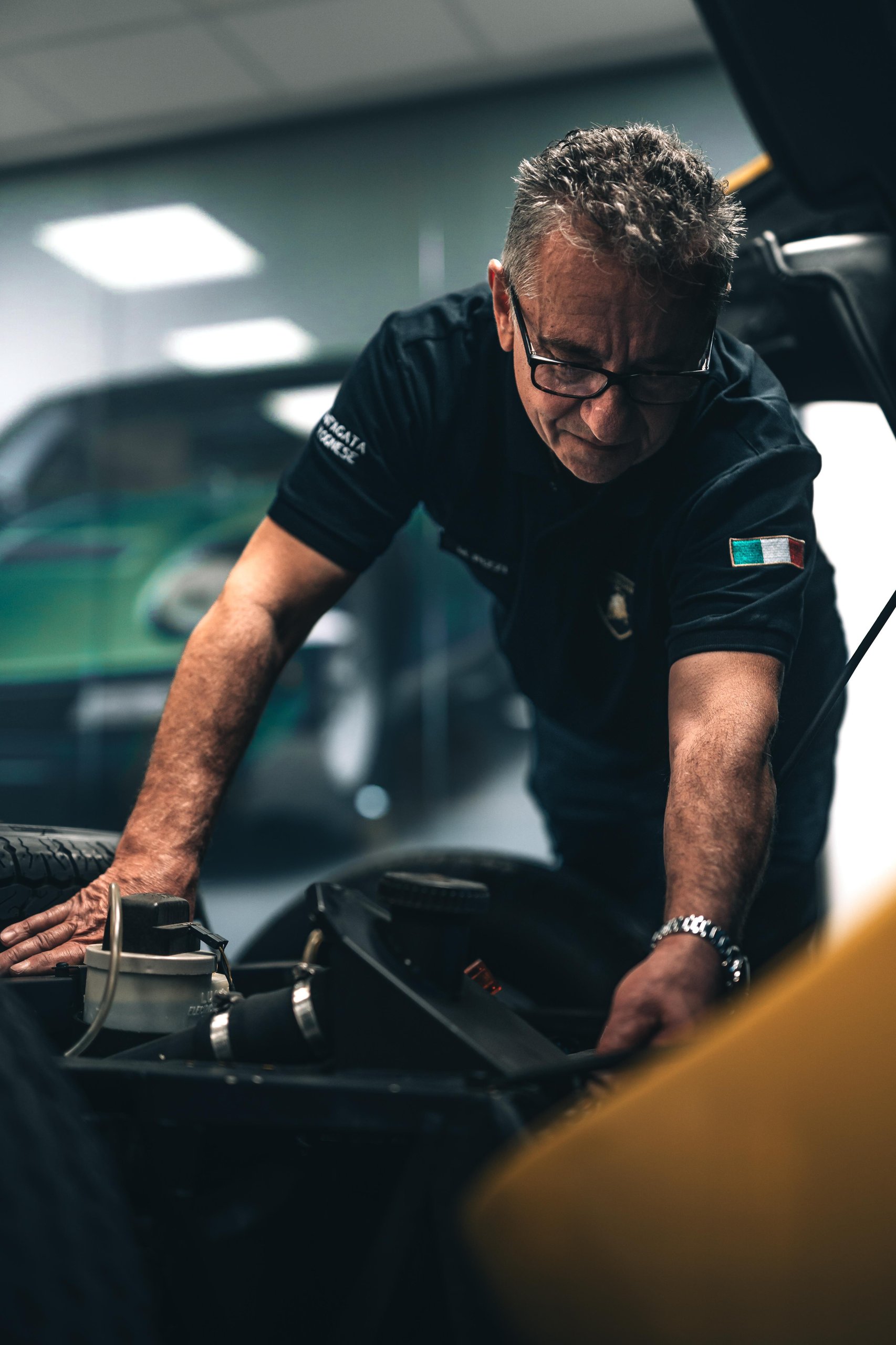
Two experts meticulously examine the engine bay of a classic Lamborghini Miura, ensuring every detail is perfect.
The Comitato dei Saggi: Lamborghini’s Most Irreplaceable Asset
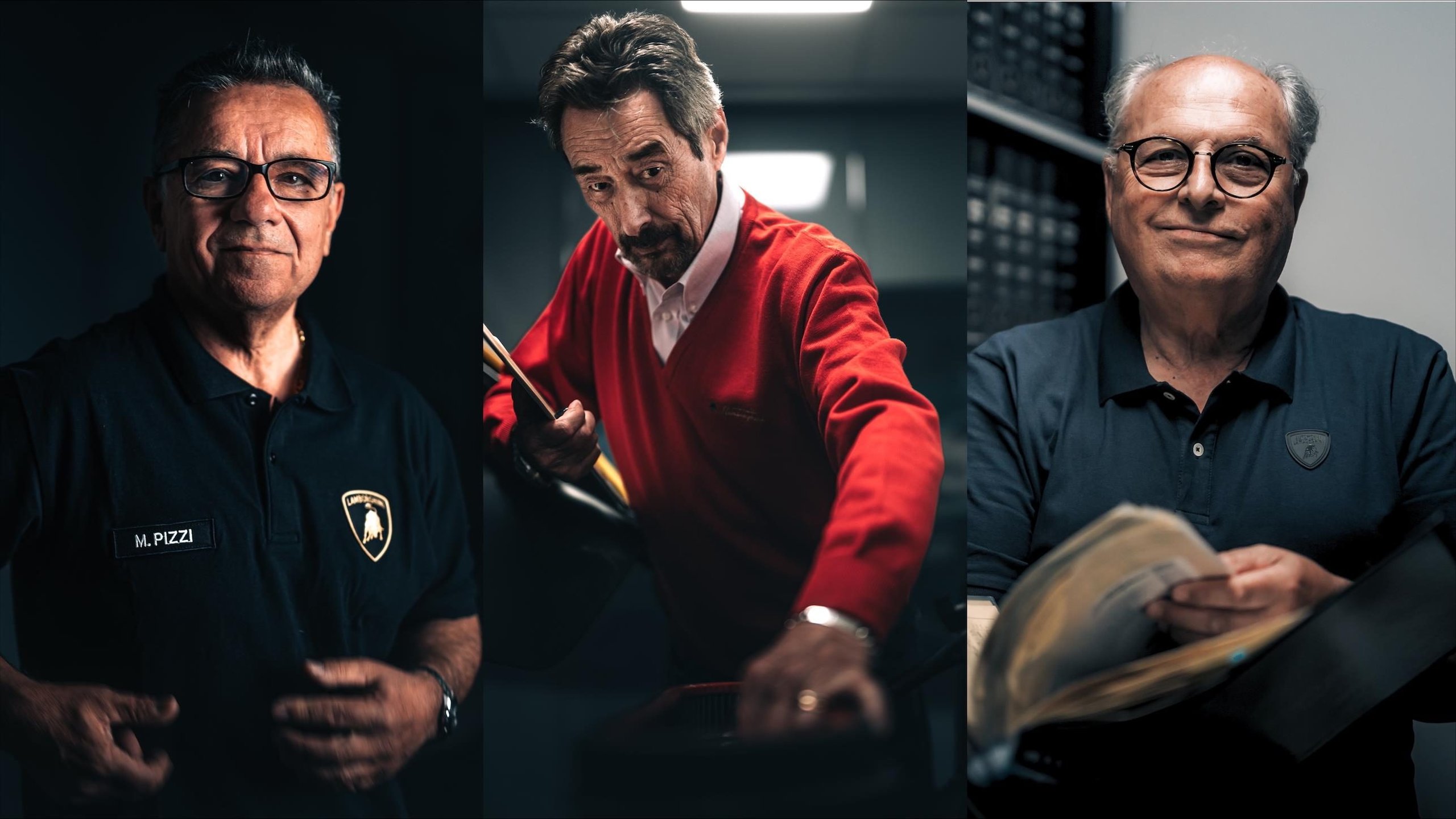
The Comitato dei Saggi was established in 2017 and named in memory of engineer Paolo Stanzani, one of the defining technical figures in the company’s history. Historically, the committee included automotive legends such as Giampaolo Dallara and Mauro Forghieri. The current roster is composed of individuals far less famous to the general public but arguably more consequential for the daily work of keeping classic Lamborghinis authentic.
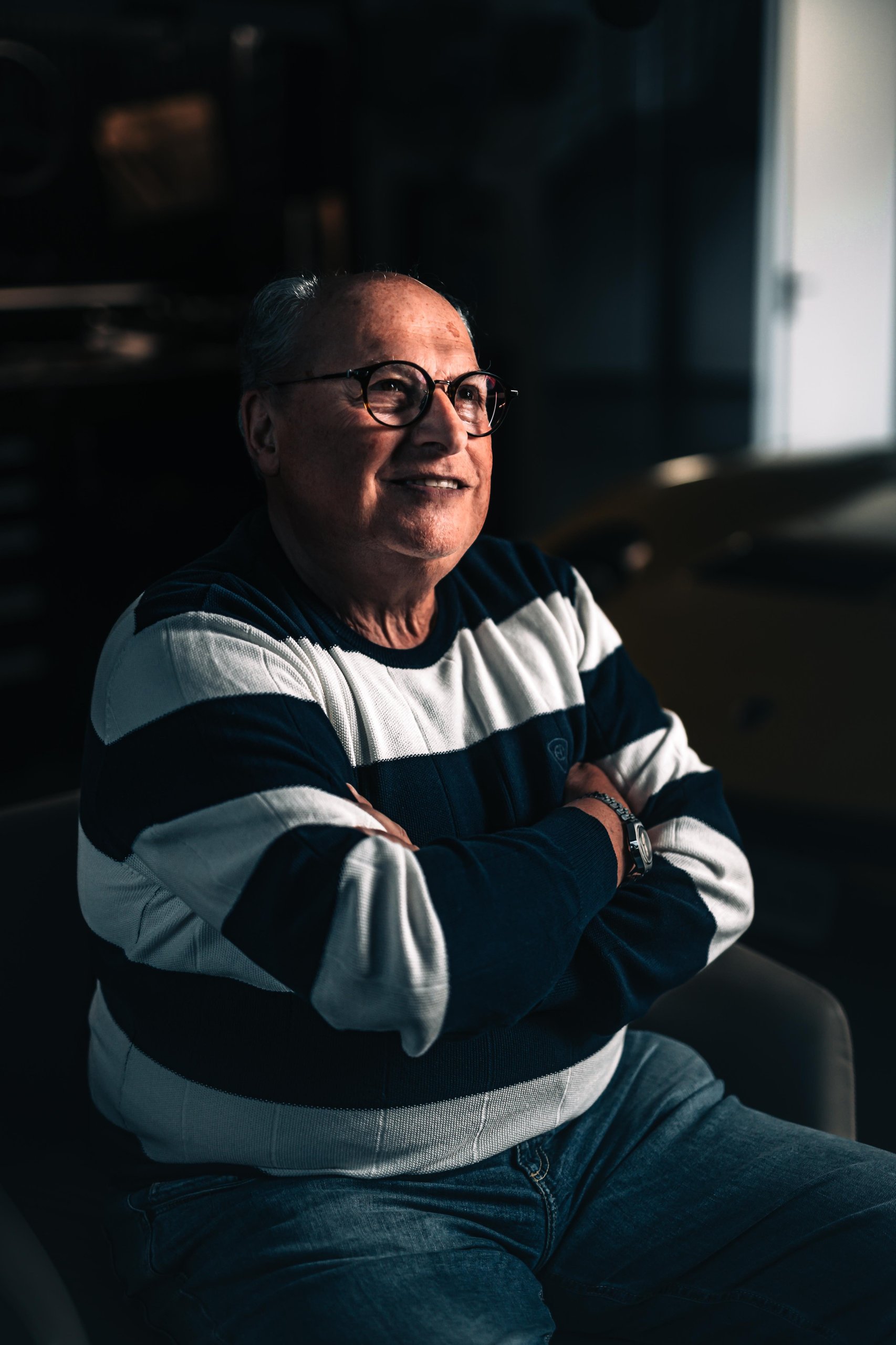
Walter Rinaldi worked at Lamborghini from 1966 to 2010, witnessing the birth of every car the factory produced from the 350 GT to the Murciélago. He started as a production forklift operator and eventually became head of production procurement and the purchasing office. That trajectory matters because it means Rinaldi knows not just what parts went into these cars, but where they came from, how they were sourced, and what substitutions were made on the production line when a supplier fell short. Procurement memory of that kind is almost impossible to reconstruct from paperwork alone.
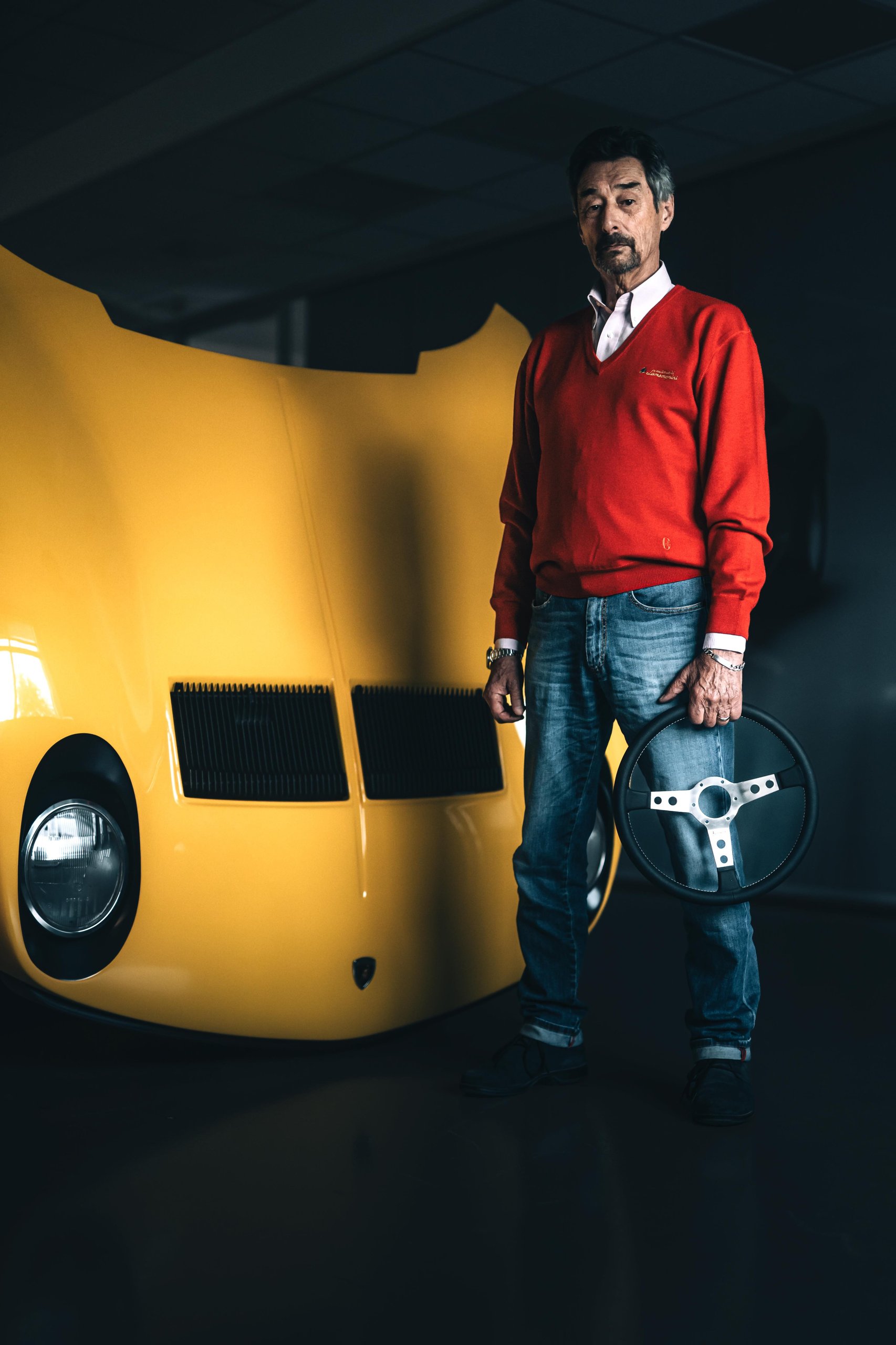
Giancarlo Barbieri began as an engine technician, working alongside Stanzani, Dallara, and the legendary test driver Bob Wallace. Lamborghini says Barbieri was personally responsible for the homologation of the Countach and the Diablo across all their versions and markets. Homologation is the kind of arcane, regulation-heavy work that generates mountains of paperwork in theory. In practice, especially during the turbulent ownership changes Lamborghini endured in the 1980s and 1990s, much of that institutional knowledge was carried in the heads of the people who did the work. When Polo Storico needs to verify whether a specific Countach variant was legally configured for a particular market, Barbieri can answer questions that the archive cannot.
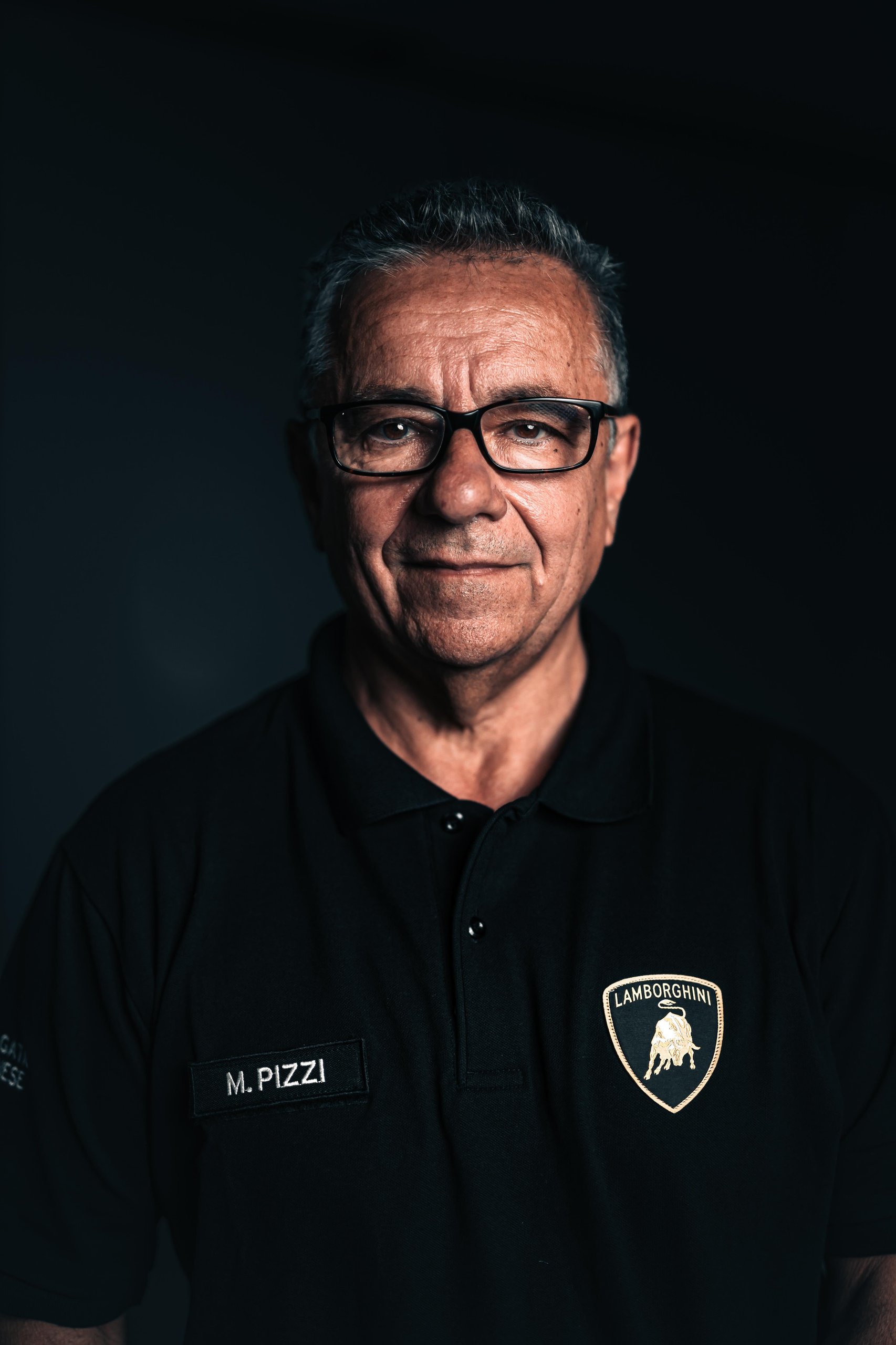
Massimo Pizzi, the third current expert, spent his entire Lamborghini career in the electrical and electronics sector. He started as an electrician on the Countach production line and rose to head of electrical systems in Research and Development. Lamborghini says his contributions extended to iconic limited-production cars including the Sesto Elemento and the Veneno. For collectors, Pizzi’s knowledge is particularly valuable because electrical systems in classic Italian cars are notoriously idiosyncratic, and wiring harness documentation from the 1970s and 1980s is often incomplete or contradictory.

Expert hands meticulously review a technical drawing, ensuring precision in every detail of the restoration process.
The Unwritten Manual: Why Undocumented Knowledge Determines Authenticity
Expertise that exists in a person’s experience and judgment rather than in any written record is well understood in industrial contexts. What makes Lamborghini’s situation distinctive is the sheer volume of production history that was never formally documented, or was documented and subsequently lost during the company’s multiple ownership transitions from the Chrysler era through Megatech, V’Power, and finally the Volkswagen Group acquisition in 1998.
Consider a practical scenario. A collector submits a Miura for Polo Storico certification. The archive contains the original build sheet, but it lists a component that does not match what is physically on the car. Is the car incorrect, or was a factory substitution made during production that nobody recorded? Without someone who was on the floor at Sant’Agata in 1969, that question can become an expensive and unresolvable dispute. The Saggi exist precisely to close those gaps, and their expertise carries real financial weight in a market where a certified Miura SV commands a significant premium over an uncertified example.
Lamborghini’s own track record with the Saggi’s input is visible in several high-profile restorations. One of Polo Storico’s early triumphs was the Miura SV #4846, unveiled in 2016 at the Amelia Island Concours d’Elegance before claiming Best in Class at Salon Privé. Another project saw the Miura SV #5030 undergo a 2,000-hour restoration, showcased at Techno-Classica Essen. A particularly touching example was the Miura P400 #3165, restored and delivered to Giampaolo Dallara for his 80th birthday. The most ambitious project of all: the 1971 Countach LP 500 prototype, destroyed in crash tests over 50 years ago, rebuilt from scratch using archival documents and firsthand accounts in a 25,000-hour labor. That reconstruction would have been flatly impossible without the kind of personal, undocumented recollections that the Saggi provide.

An illuminated, aged blueprint hangs on a tool board, guiding the meticulous restoration process.
How Lamborghini’s Heritage Approach Compares to Ferrari and Porsche
Every major European supercar manufacturer now operates a heritage division. Ferrari Classiche certifies and restores classic Ferraris. Porsche Classic supplies original parts and offers factory restorations. Both are well-resourced, professional operations with strong reputations, but their emphasis tends to fall on documented processes, original parts supply chains, and factory-standard procedures. Lamborghini’s Comitato dei Saggi represents a fundamentally different bet: that the most critical knowledge for authenticating a 1960s or 1970s Italian supercar is the kind that was never written down in the first place.
The distinction matters for collectors because the classic Lamborghini market operates under conditions that differ from the classic Ferrari market. Lamborghini’s production volumes in the 1960s and 1970s were tiny, its corporate record-keeping was inconsistent across multiple ownership changes, and many of its most important cars were hand-built with variations that would never appear on a formal specification sheet. In that environment, a committee of retirees who physically assembled, tested, and homologated these cars provides a layer of verification that no amount of archival digitization can replicate.
From an owner’s perspective, the practical takeaway is straightforward: if you own a classic model within Polo Storico’s mandate (350 GT through Diablo), the window to benefit from this living expertise is finite. Rinaldi, Barbieri, and Pizzi are not young men. Lamborghini appears to recognize this urgency, which is part of what makes the anniversary celebration and the accompanying series of four short films, each focusing on a pillar of Polo Storico’s work (the Historic Archive, the Comitato dei Saggi, restoration activities, and authenticity certification), feel less like corporate marketing and more like a genuine effort to capture institutional memory before it is lost.

A skilled technician, M.
What Classic Lamborghini Owners Should Know Going Forward
Lamborghini has not disclosed pricing for Polo Storico restorations or certifications, and the company does not publicly list eligibility criteria beyond the model range. Owners can access Polo Storico’s services through authorized Lamborghini dealerships, which serve as the intake point for restoration and certification requests. What the anniversary event makes clear is that the department’s value proposition extends well beyond mechanical work. A Polo Storico certification carries weight in the collector market precisely because it represents verification by people who were present when these cars were conceived, built, and tested.
The tenth anniversary celebrations began in Saint Moritz in February and will continue in the United States during the Pebble Beach Concours d’Elegance from August 16 to 18, before concluding in Italy at the Auto e Moto d’Epoca show in Bologna from October 23 to 26. For collectors attending Pebble Beach, the Lamborghini Club of America is also hosting its inaugural Serata Campioni concours-style event during Monterey Car Week, which suggests a growing ecosystem of heritage-focused activity around the brand.
The deeper question, one that Lamborghini’s official material does not directly address, is how the company plans to transfer the Saggi’s undocumented expertise to the next generation of Polo Storico technicians. The video series and the immersive guest experience are visible steps in that direction, but whether Lamborghini is conducting more systematic knowledge-capture efforts behind the scenes remains unknown. For owners of classic models, the practical implication is clear enough: engaging Polo Storico sooner rather than later means your car benefits from the direct input of people who remember what the factory floor looked like in 1967. That kind of provenance is worth more than any certificate alone.

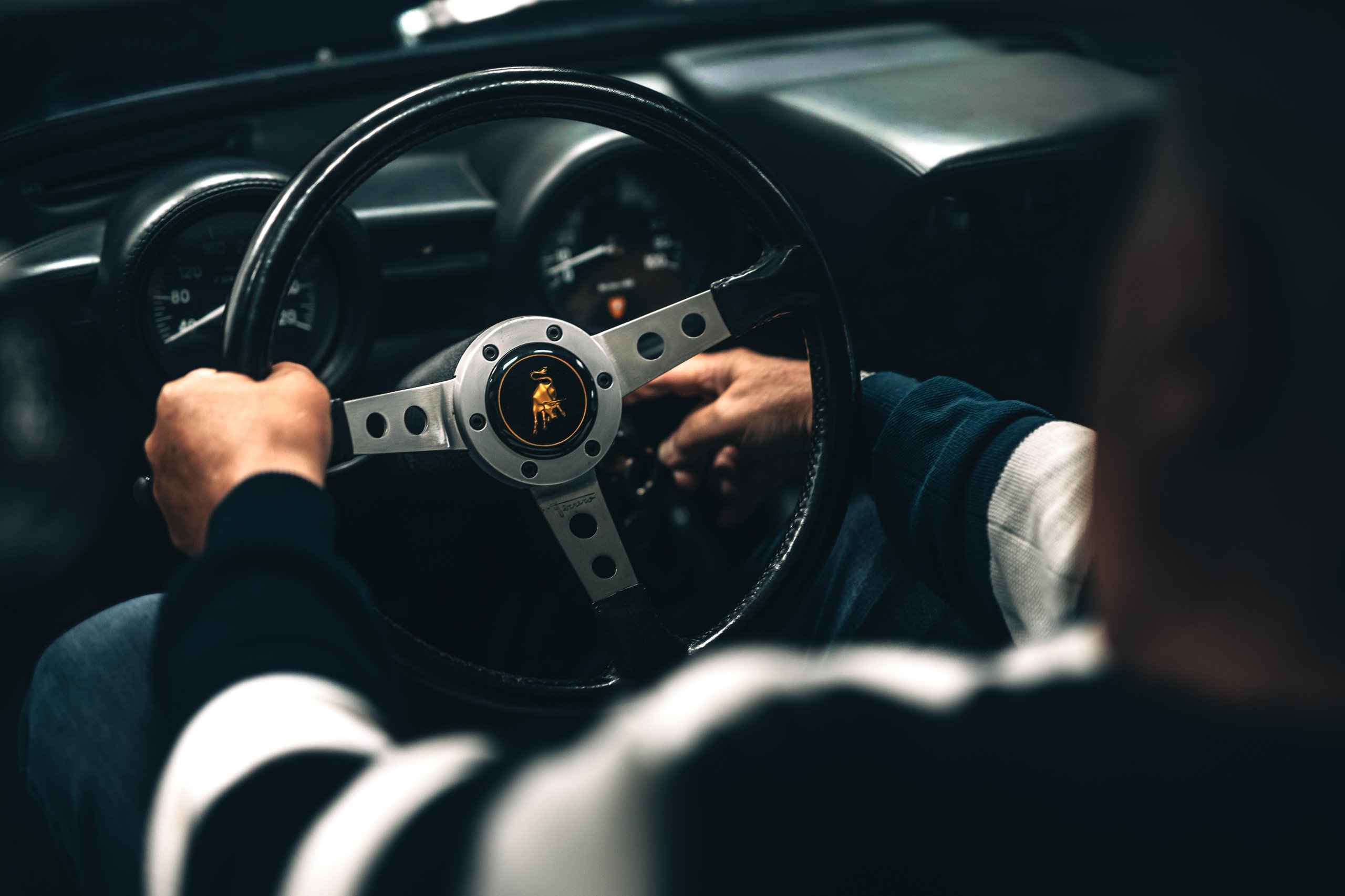
Hands grip the classic steering wheel of a Lamborghini Miura, ready for a timeless drive.
Gallery