A Race Weekend Measured by More Than Lap Times
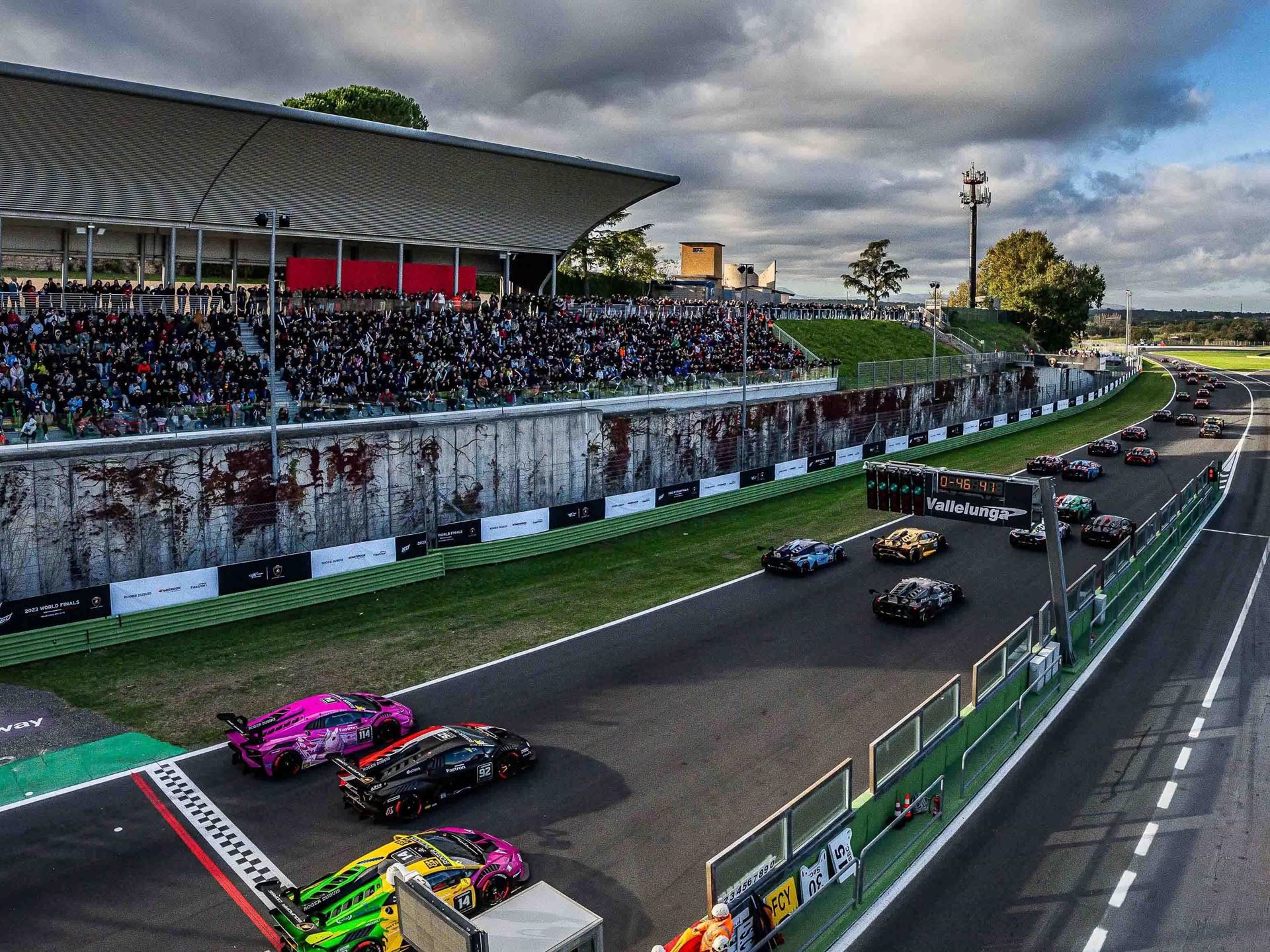
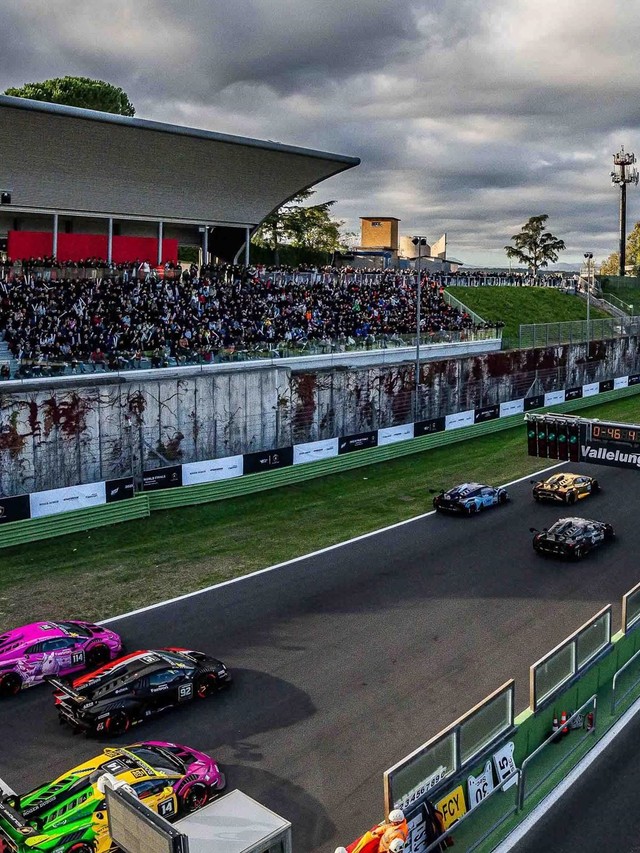
When dozens of Huracán Super Trofeo cars circulate a circuit all day, sustainability is not the first word that comes to mind. Yet the 2023 Lamborghini Super Trofeo World Finals, held November 16 through 19 at the Vallelunga circuit outside Rome, earned exactly that distinction. TÜV Italia, an independent certification body covering environment, quality, energy, and safety, validated the event’s emissions and waste reduction targets and awarded ISO 20121 recognition, confirming the organization met environmental, social, and economic sustainability criteria.
Lamborghini’s Chairman and CEO Stephan Winkelmann received the certificate from Francesco Scarlata of TÜV Italia. ISO 20121 is an event-management standard, not a vehicle or corporate certification. It evaluates how an event is planned and run: sourcing, waste, energy, transport, and social impact. Applying it to a race weekend is a deliberate operational choice, and one that reveals how seriously Squadra Corse is embedding sustainability into the fabric of its flagship competition program.

From Misano to Vallelunga: Scaling the Framework
Vallelunga was not Squadra Corse‘s first attempt. The division secured its initial ISO 20121 certification for the Misano leg of the 2022 Super Trofeo Europe season, a single round of a regional series. The 2023 World Finals represent a considerably larger undertaking: a multi-day international championship finale with teams, drivers, and guests traveling from every Super Trofeo regional series worldwide.
That jump in scale is the real test of any sustainability framework. More people, more logistics, more catering, more temporary infrastructure. According to Lamborghini, its sustainability efforts date back to 2009 and have progressively expanded across the company, including the racing division. The Vallelunga certification suggests Squadra Corse is treating sustainable event management as a repeatable process rather than a one-off exercise, building operational muscle that grows with each successive event. Whether that process extends to future World Finals or other Squadra Corse events remains unconfirmed, but the trajectory from regional round to global finale points toward a program designed to scale further.
Behind the Certification: Specific Sustainability Initiatives at Vallelunga
The measures Lamborghini describes paint a picture of operational discipline applied across the entire event footprint rather than a single headline gesture.
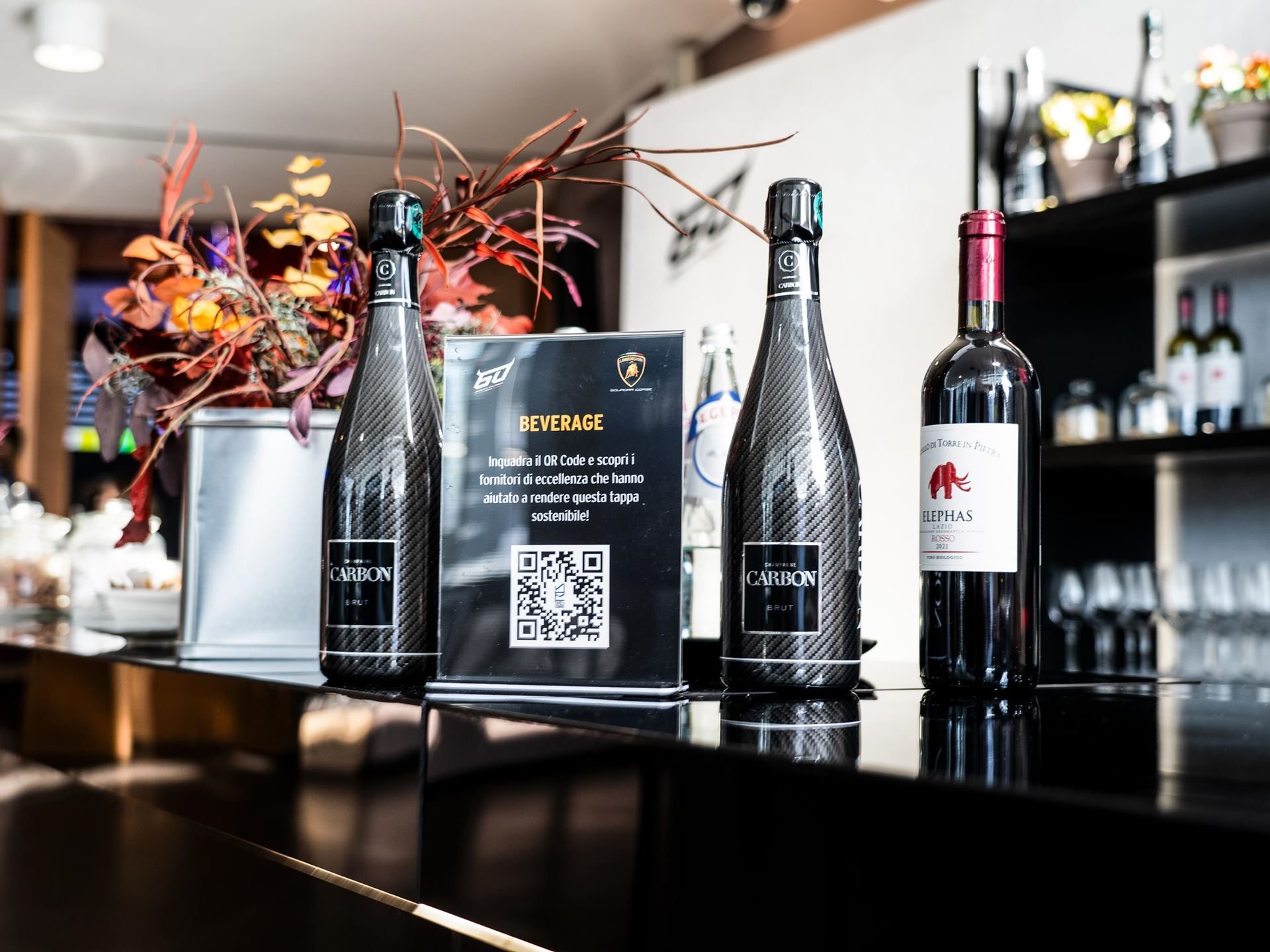
Catering relied on 100% recycled or certified paper and bio-compostable cutlery. Over 40% of catering products were sourced from local vendors involved in sustainable initiatives. A meal recovery program, run in partnership with Rome’s Food Bank, recovered and donated more than 500 meals to the San Giovanni Battista parish over the race weekend.
Energy management received particular attention. Lamborghini reports that high-efficiency air conditioning and LED strip lighting achieved an average power consumption of 0.005 kWh per square meter, against a target of 0.100 kWh per square meter. That factor-of-twenty margin below the benchmark suggests the target was set conservatively or the infrastructure was exceptionally efficient; the company did not detail how the measurement footprint was defined.
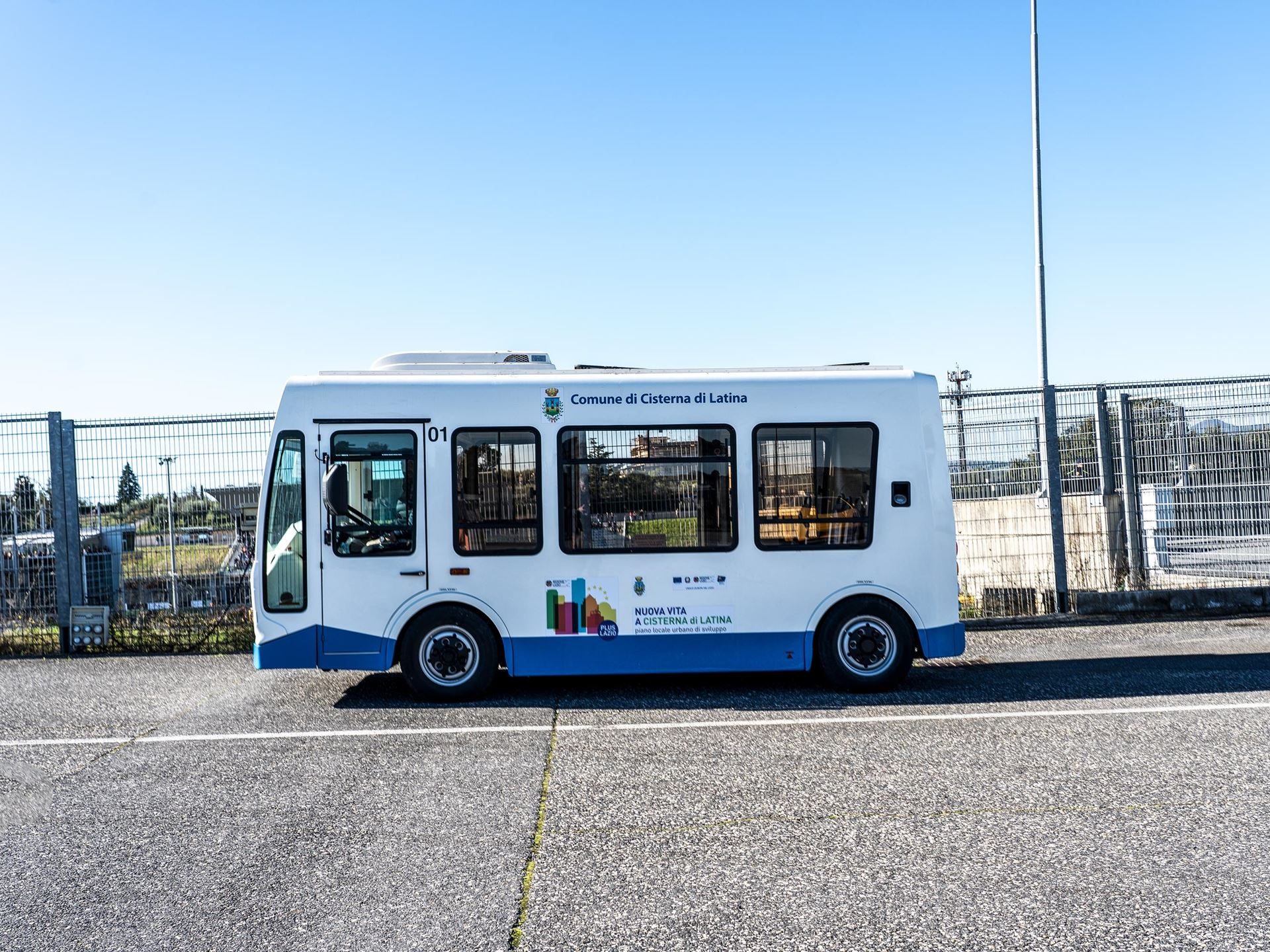
Paddock mobility leaned on 15 electric golf cars and eight electric scooters, allowing drivers and team members to move around the circuit without combustion-powered transport. Sustainability training and awareness sessions rounded out the program, reaching hundreds of participants including team members, drivers, and guests. Taken together, these initiatives show a certification earned through granular operational planning, not a glossy offset purchase.

Setting Standards in Sustainable Motorsport
Publicly documented ISO 20121 certifications for manufacturer-backed one-make racing events are rare enough that direct comparisons are difficult. Ferrari, Porsche, and other brands with customer racing programs promote various sustainability initiatives, but the specific step of submitting a race weekend to third-party ISO 20121 auditing and publishing the result is not something widely reported across the competitive landscape.
That rarity does not automatically make Lamborghini a leader. It means the brand chose a verifiable, auditable framework and invited an external body to grade the result. The practical significance for anyone who follows Squadra Corse closely is that Lamborghini is building an operational track record in sustainable event management. If regulatory or sponsor expectations around event sustainability tighten in the coming years, that track record becomes a competitive asset for attracting teams and partners to the Super Trofeo series.
One detail worth watching: as Squadra Corse transitions its customer racing platform from the Huracán to the next generation, the sustainability framework built around these events could become part of the package that differentiates the Super Trofeo experience from rival one-make series. Racing programs compete for team entries and sponsor dollars, and demonstrable sustainability credentials increasingly factor into those decisions.
What This Means for Lamborghini Enthusiasts
For Super Trofeo participants or spectators who attend the World Finals, the direct impact is modest but tangible: bio-compostable catering materials, electric paddock transport, locally sourced food, and a meal recovery program that channeled over 500 surplus meals to a local parish. The event experience is being managed with the same precision Squadra Corse applies to race logistics.
For the broader Lamborghini community, the certification is a data point rather than a transformation. It confirms that the racing division is applying structured sustainability standards to its flagship events, validated by an independent third party. It does not tell us anything about future race car powertrains, product strategy, or corporate emissions targets. Those are separate conversations.
The progression from a single regional round in 2022 to the global World Finals in 2023 suggests an expanding program rather than a static one. Whether that expansion continues, and whether it influences how teams and sponsors evaluate the Super Trofeo series against alternatives, will be the more interesting story to track in the seasons ahead.
Gallery