800 CV on Lava Rock: The Urus SE Gets an Adventure Format
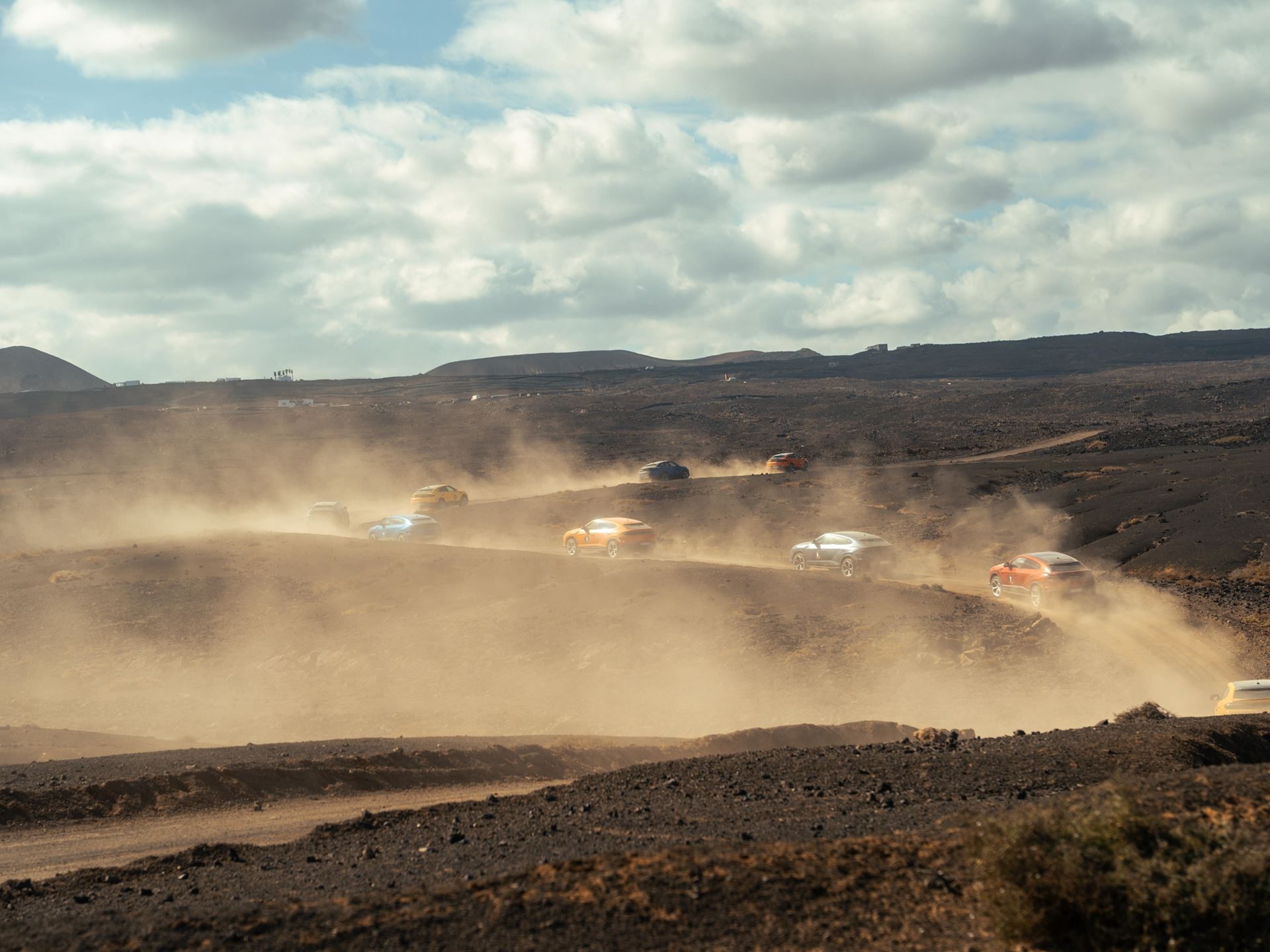
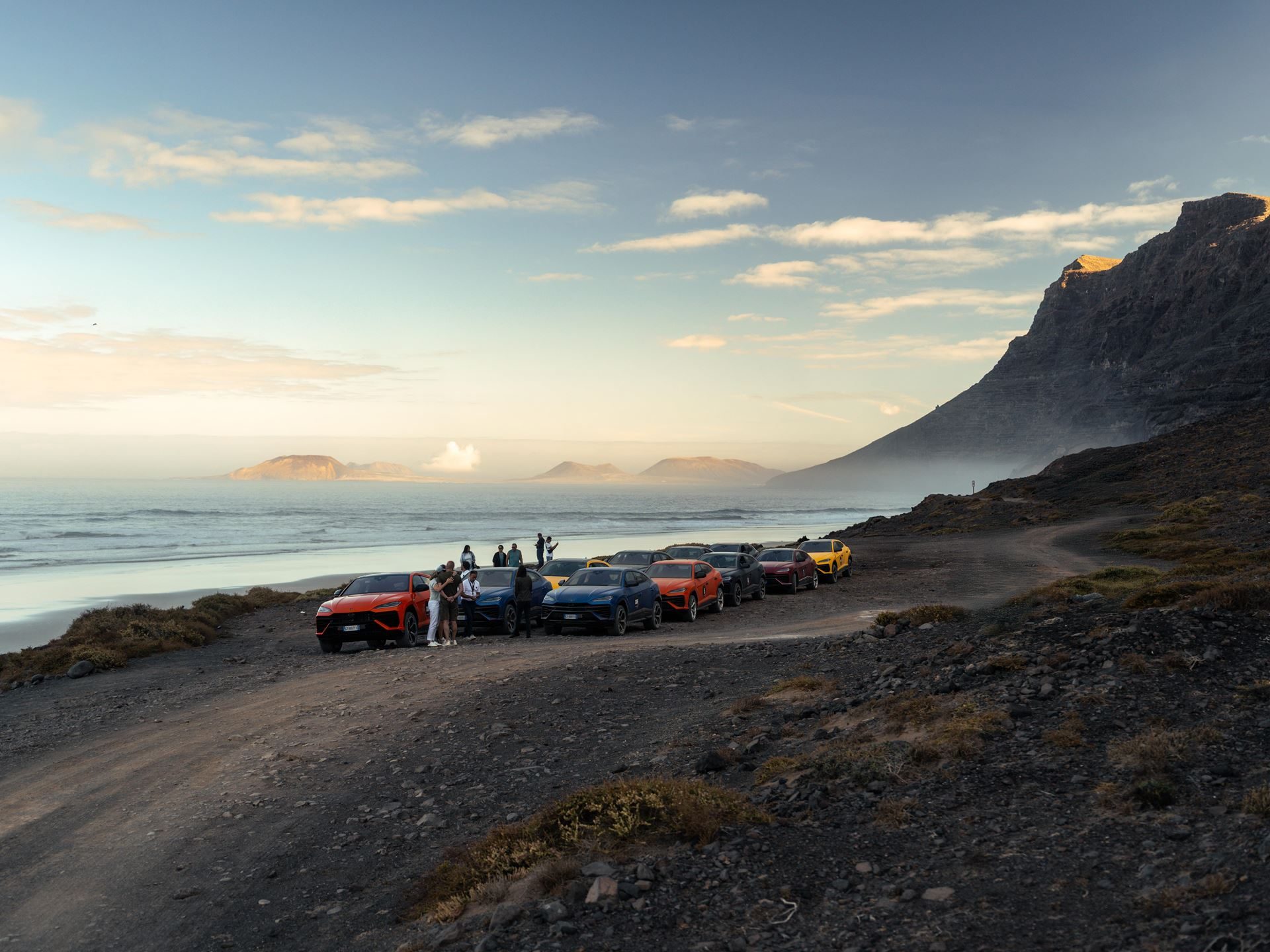
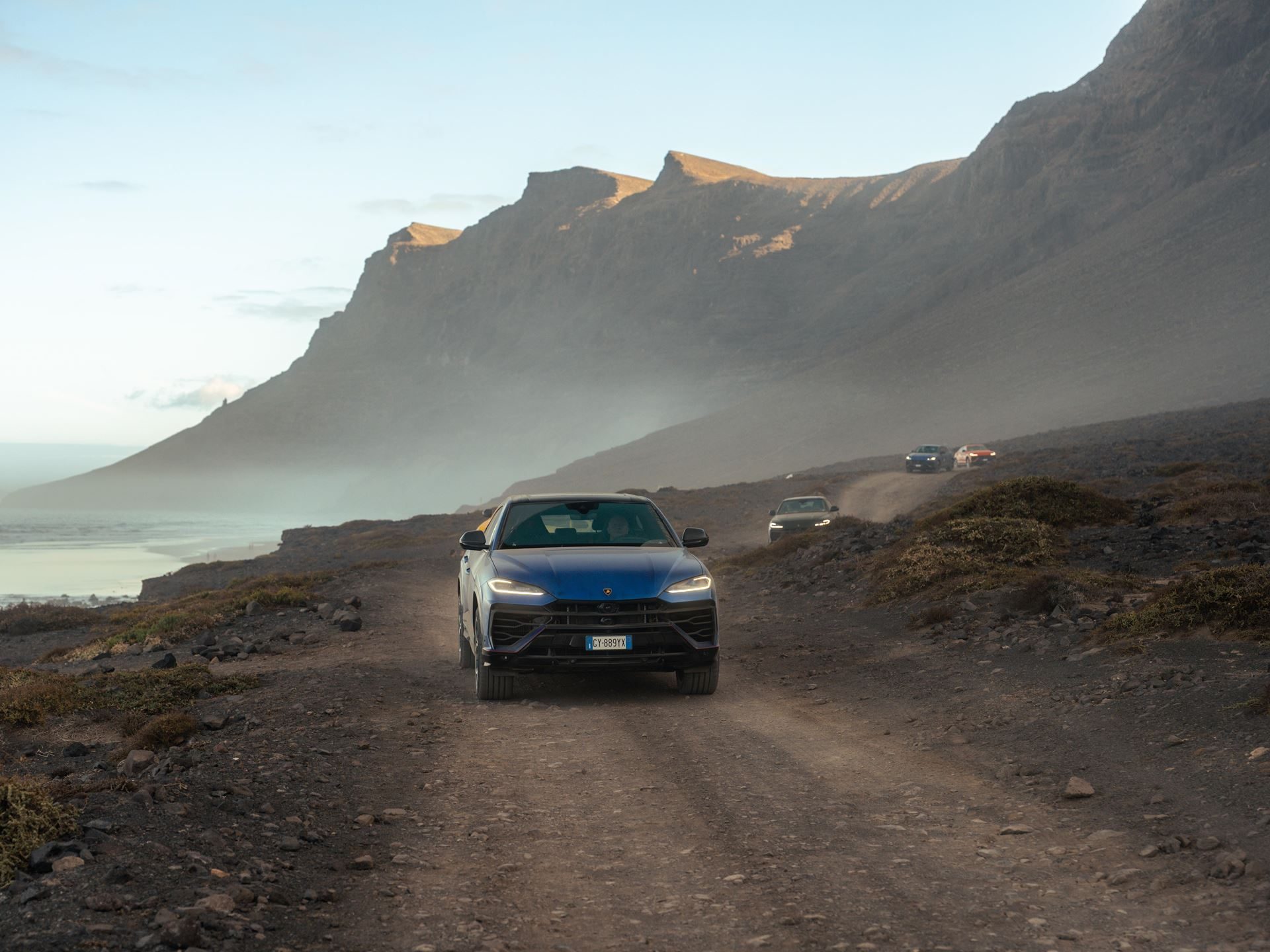
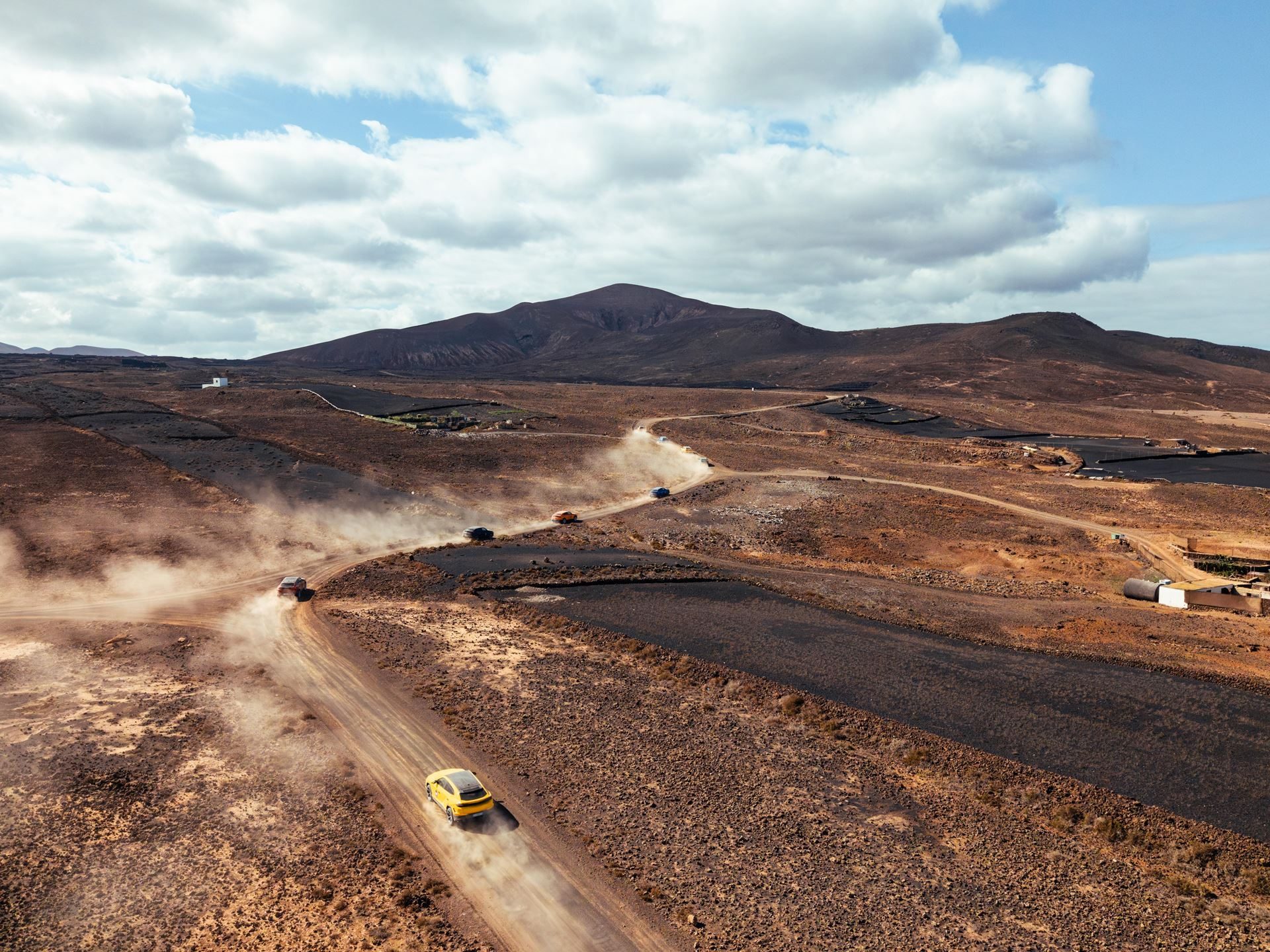
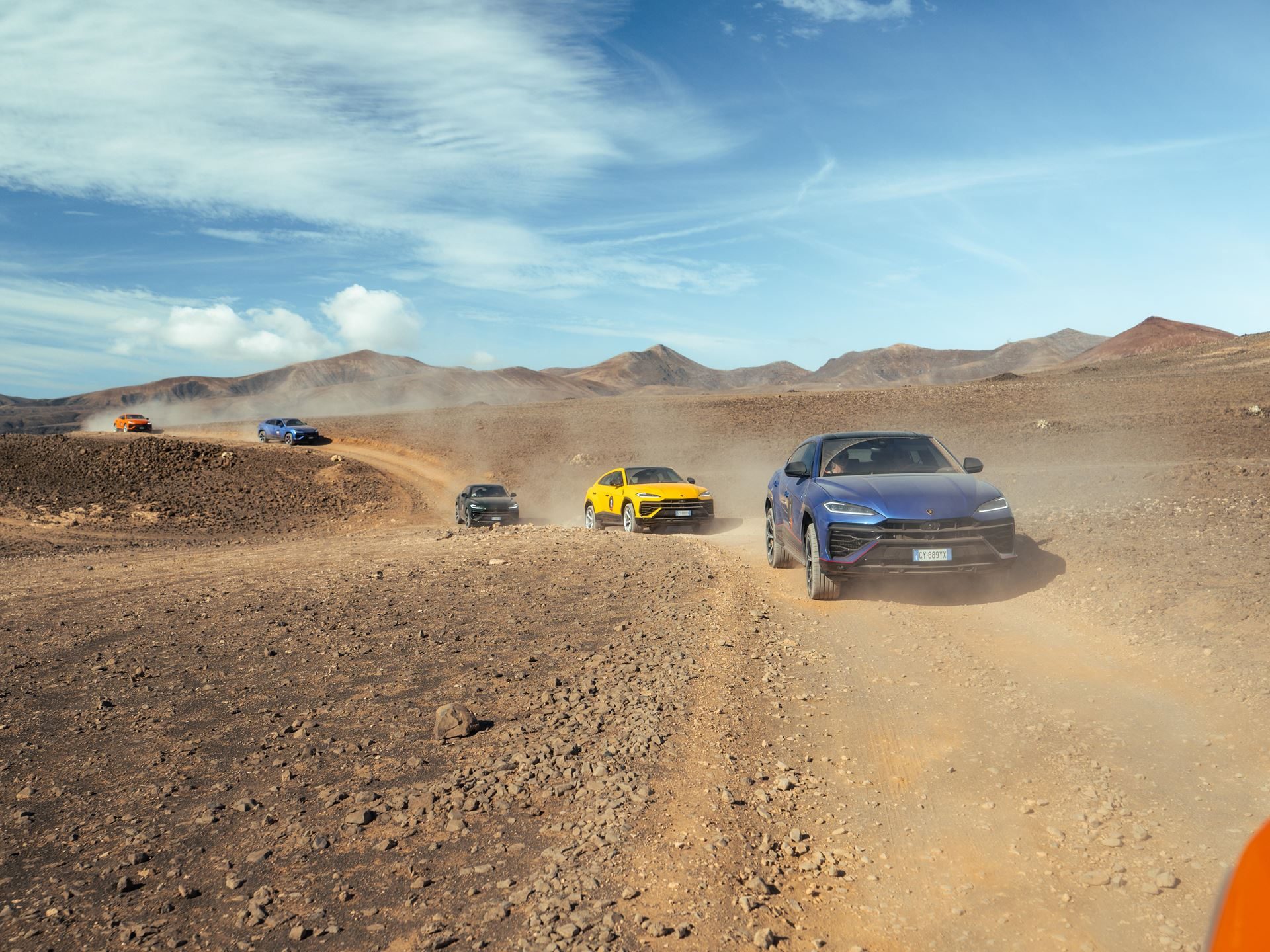
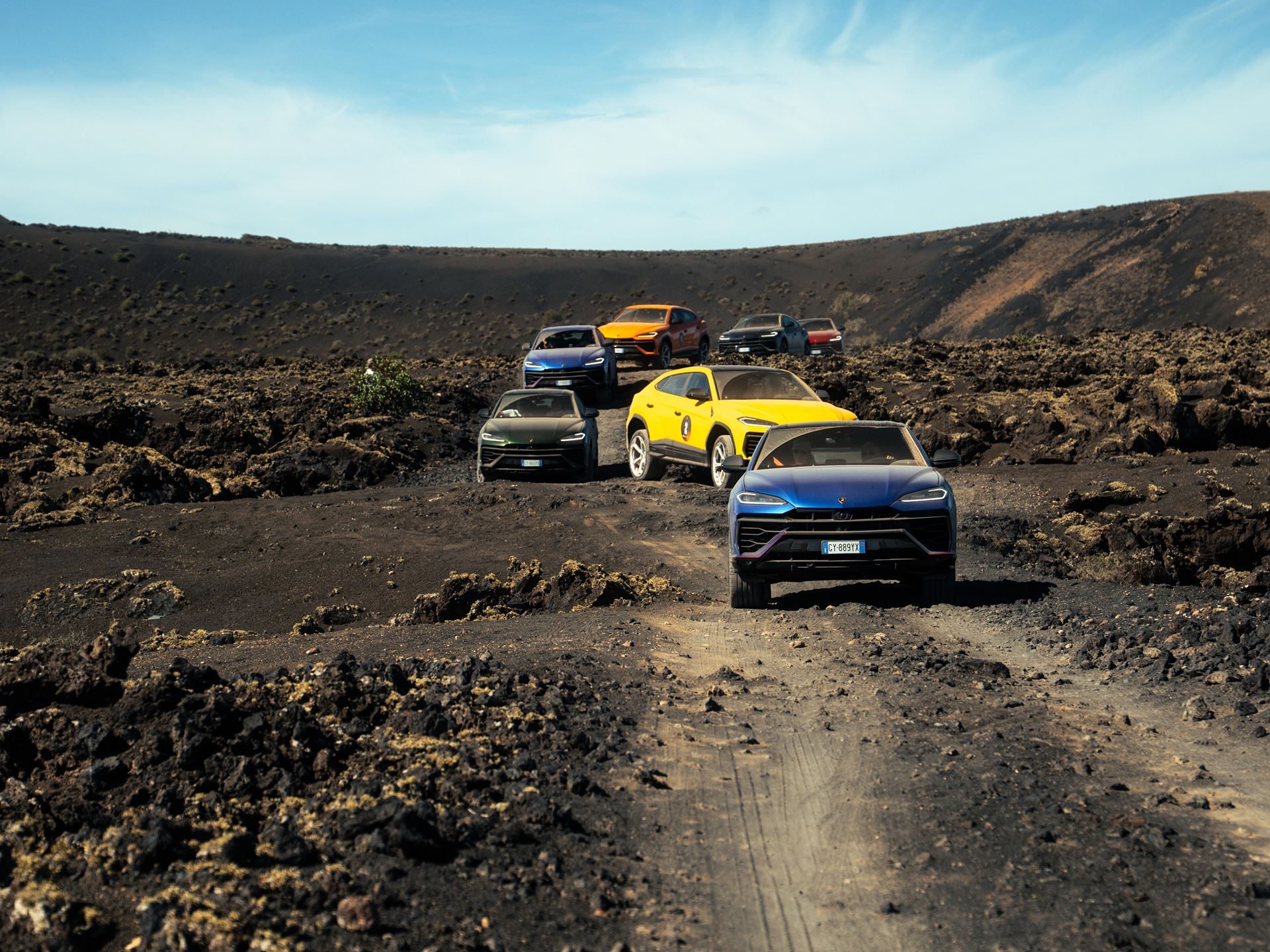
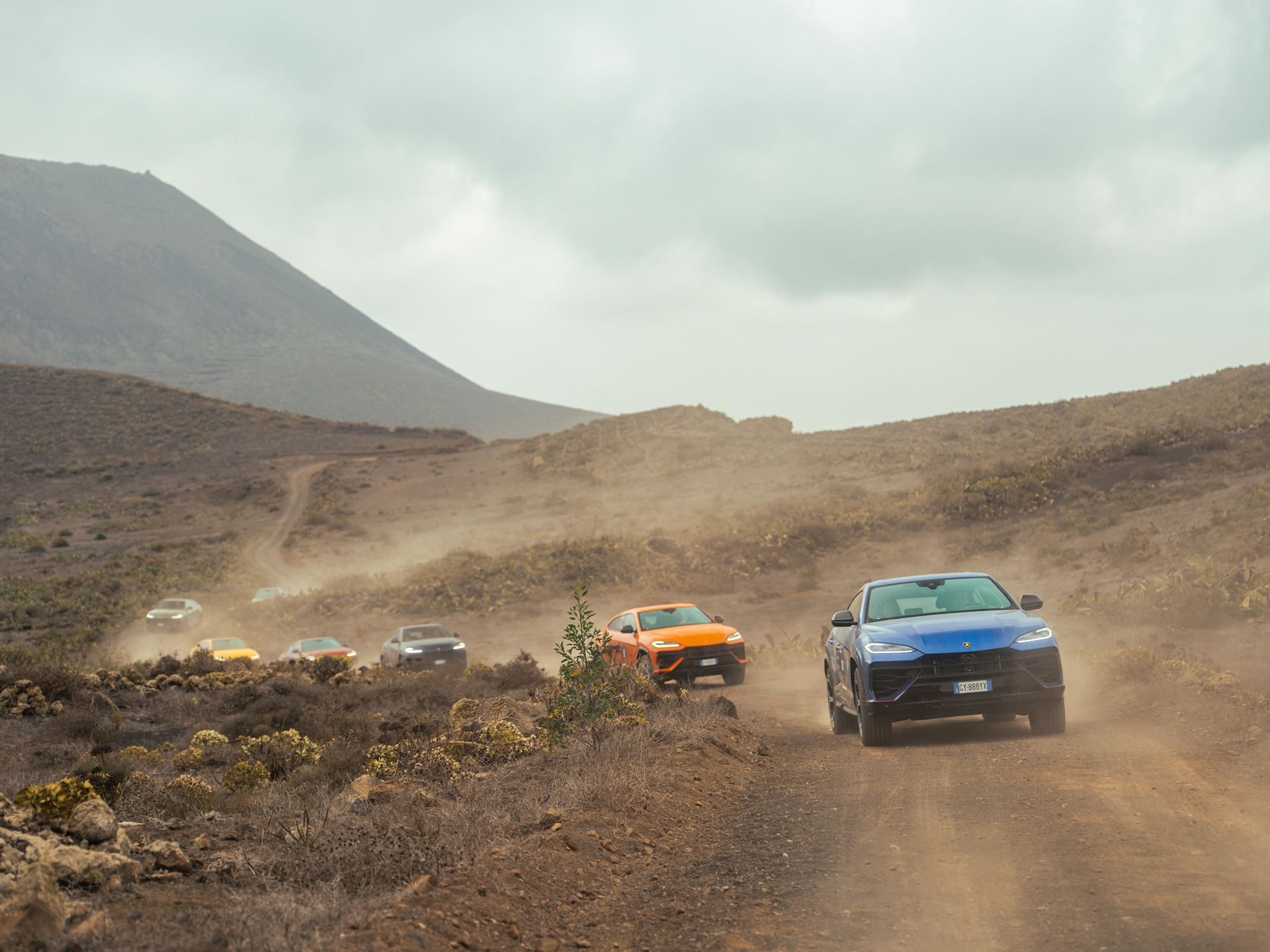
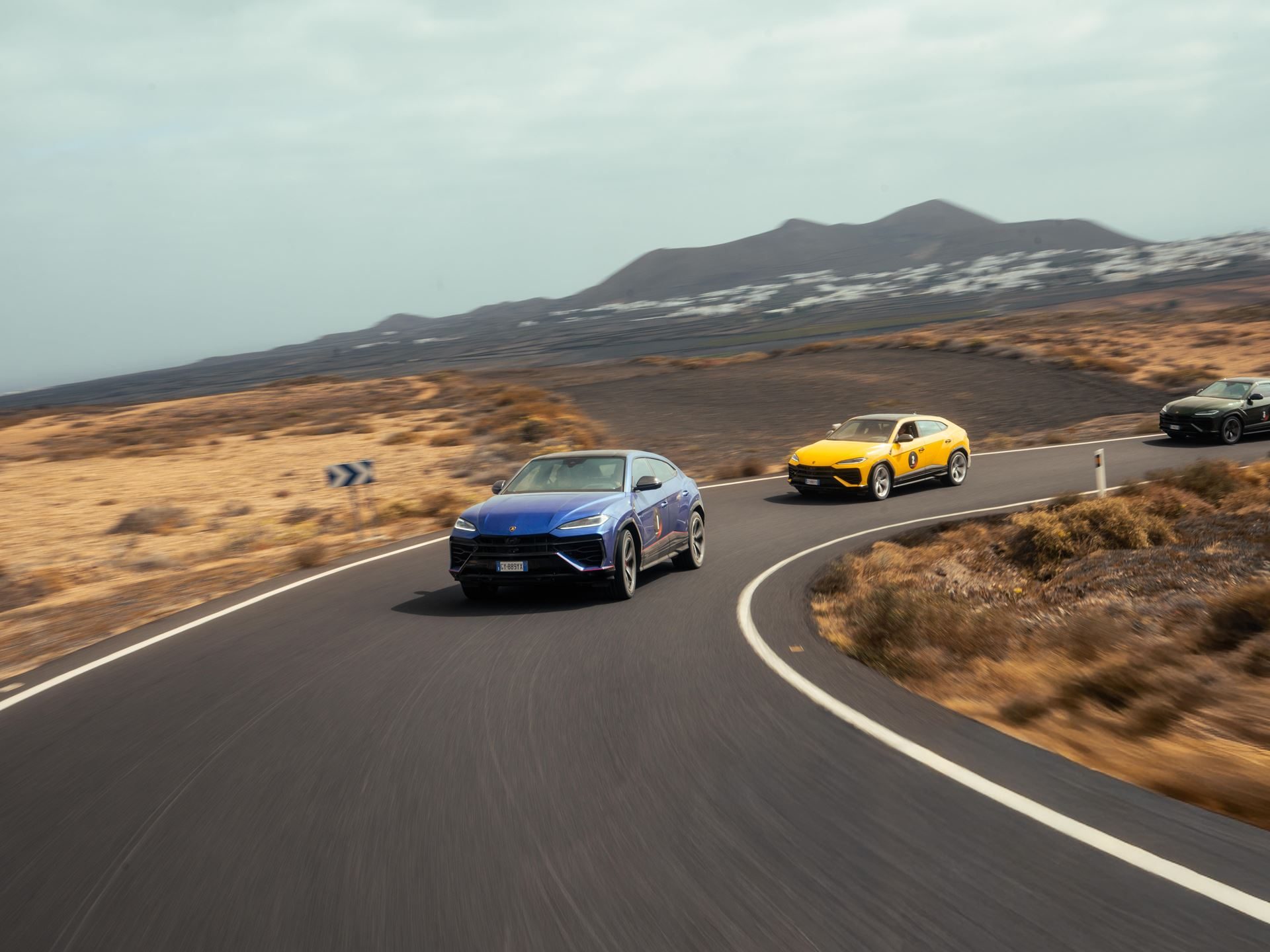
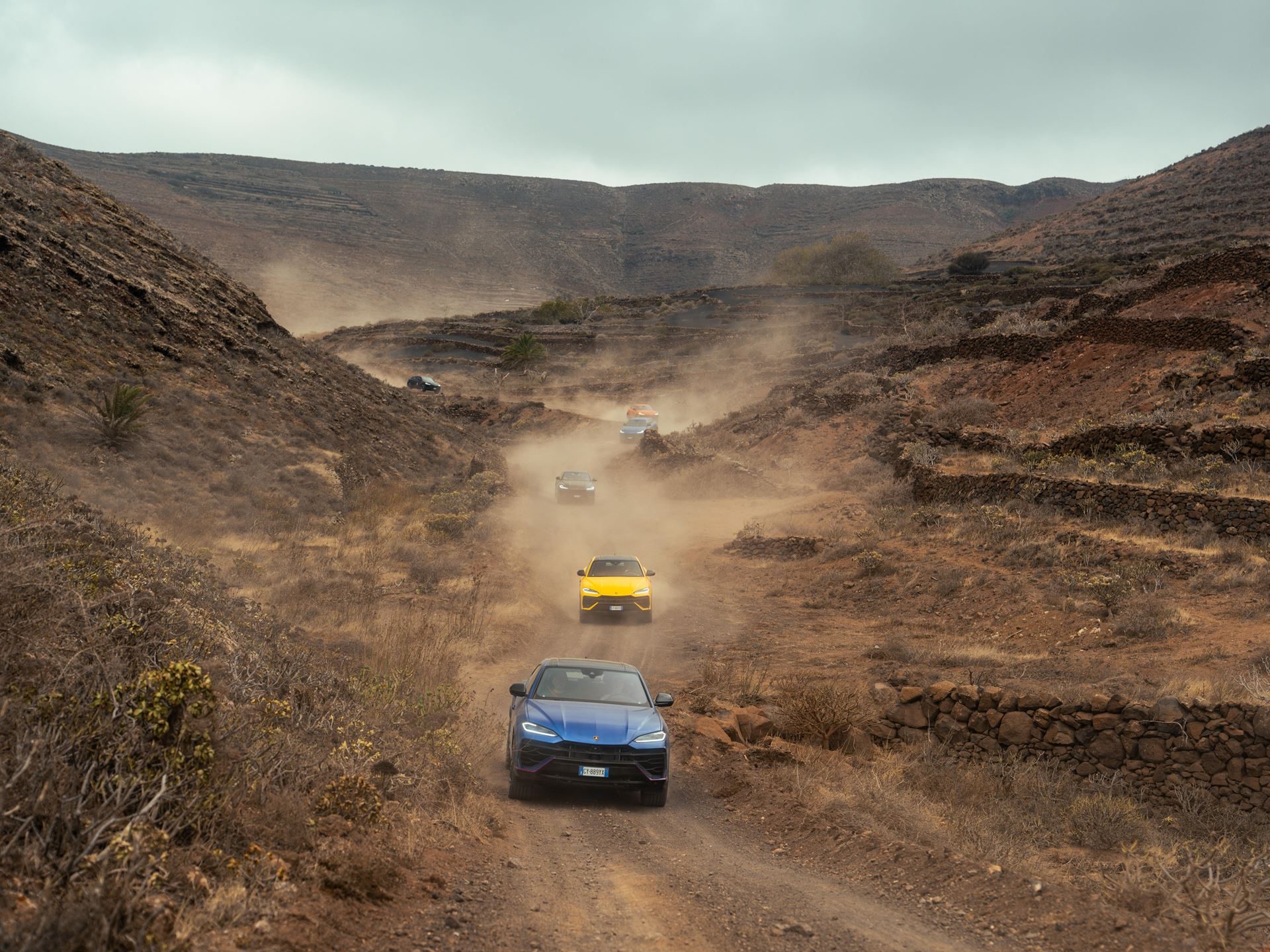
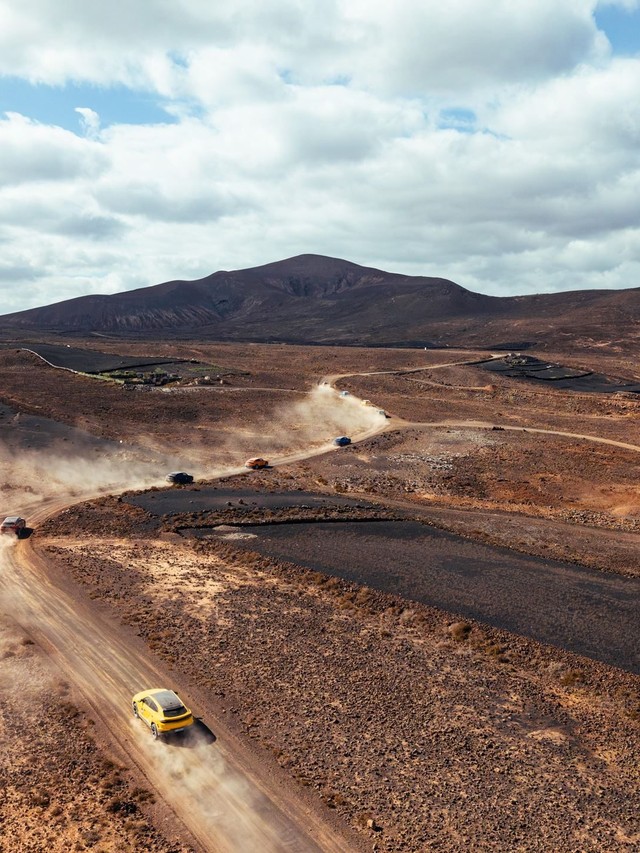
A plug-in hybrid Super SUV and a volcanic island in the Atlantic make for an unlikely pairing, but that tension is exactly the point Lamborghini wanted to stage. The company’s Esperienza Avventura program brought its 800 CV Urus SE to Lanzarote in the Canary Islands for a four-day driving event designed to push the brand’s first electrified SUV across terrain no brochure photograph can fully communicate: black lava fields, unpaved coastal tracks, and winding mountain roads. Convoys of brightly colored Urus models trailed plumes of volcanic dust against a backdrop of craters and open ocean, and the message was unmistakable. Lamborghini’s electrification strategy, branded Direzione Cor Tauri, is not a concession to regulation. It is a performance play, and the company chose one of Europe’s most punishing landscapes to prove it.
Lamborghini structures its customer experiences into three programs. Esperienza Dinamica Corsa focuses on track driving and skill development. Esperienza Giro covers scenic, culture-rich routes. Avventura, the format used here, targets remote and rugged destinations where vehicles face conditions well beyond polished European tarmac. For the Urus SE, that distinction matters. This is the model Lamborghini positions as a genuine all-terrain performer, not a boulevard cruiser with off-road styling cues, and Lanzarote gave the company a stage to demonstrate that claim in front of paying customers.
The Urus SE represents Lamborghini’s first plug-in hybrid Super SUV and a key pillar of the Direzione Cor Tauri roadmap. Sending it bouncing across volcanic dirt is a confident statement about where Lamborghini believes plug-in hybrid technology belongs in the performance hierarchy, and every section of this event, from the engineering underneath the car to the curated hospitality around it, reinforced that conviction.

The Hybrid Powertrain and a New Approach to Torque Distribution
Direzione Cor Tauri only works as a performance narrative if the hardware backs it up, and the engineering story of the Urus SE centers on the integration of a re-engineered 4.0-liter twin-turbo V8 with an electric powertrain. Lamborghini says the V8 alone produces 620 CV and 800 Nm of torque; the combined system output reaches 800 CV and 950 Nm. Those numbers position the Urus SE as a substantial step beyond the outgoing Urus S and explain why Lamborghini chose terrain this demanding for a customer showcase.
More revealing than the headline output, though, is what Lamborghini introduced underneath. The Urus SE features a new centrally located longitudinal electric torque vectoring system, a first for the model. Lamborghini says this system works alongside the transfer case and an all-new electronic limited-slip differential to distribute power more precisely across the axles. In practical terms, that architecture should allow the car to manage traction on loose volcanic gravel, hardpacked dirt, and tarmac within the same drive, adjusting torque bias continuously rather than relying on the driver to select a fixed off-road mode and hope for the best.
For prospective buyers weighing the Urus SE against rivals, this torque vectoring layout is the detail worth studying. Most competing luxury SUVs rely on conventional mechanical or electronically controlled differentials at the axles. Lamborghini’s approach uses the electric motor’s instant torque response as part of the vectoring logic itself, which, if it works as described, could make the Urus SE feel more agile and planted during transitions between surface types. Lamborghini calls the result “the most fun-to-drive Super SUV in the world.” That is marketing language, of course, but the engineering underneath gives it at least a plausible foundation, and it ties directly to the Direzione Cor Tauri thesis: electrification as a tool for sharper dynamics, not merely cleaner tailpipe numbers.

Where the Urus SE Sits in a Crowded Super SUV Field
Lamborghini does not operate in a vacuum, and the Urus SE’s electrified versatility reads differently when placed alongside its closest competitors. The Ferrari Purosangue, Porsche Cayenne Turbo E-Hybrid, and Aston Martin DBX707 all chase the same buyers, yet each takes a different philosophical approach to the idea of a high-performance SUV. Ferrari explicitly discourages off-road use of the Purosangue, positioning it as a four-door GT. Porsche offers genuine plug-in hybrid capability in the Cayenne but frames the car primarily around on-road refinement and lap times. Lamborghini, with the Urus SE and events like Esperienza Avventura, leans into versatility as a brand differentiator, and that versatility is inseparable from the Direzione Cor Tauri strategy: the electric motor does not just lower emissions, it enables the torque vectoring that makes rough-terrain confidence possible.
Sending a fleet of Urus SE models across unpaved volcanic terrain is a deliberate competitive signal. It says: this car can do what those cars will not attempt. Whether individual owners will ever replicate a Lanzarote-style adventure on their own is debatable (most super SUVs accumulate their miles on school runs and highway commutes), but the capability itself becomes part of the ownership proposition. Buyers who spec a Urus SE know the car was designed to handle exactly this kind of punishment, and that knowledge shapes how the vehicle feels even on a dry, smooth freeway.
Lamborghini confirmed 10,687 global deliveries in 2024, and while the company did not break out model-specific figures, the Urus line remains the volume anchor of the brand. Keeping that model competitive and compelling against an increasingly sophisticated field of rivals is not optional. It is existential.

Direzione Cor Tauri: Electrification as Strategy, Not Apology
Lanzarote gave the Urus SE a dramatic stage, but the broader significance lies in what the car represents within Lamborghini’s corporate trajectory. Direzione Cor Tauri, the brand’s long-term decarbonization and electrification strategy, now touches every model in the lineup. The Revuelto pairs a V12 with three electric motors. The Temerario combines a twin-turbo V8 with electric assistance. The Urus SE completes the picture as the plug-in hybrid SUV. In each case, electric power augments performance rather than replacing the combustion character, and the Lanzarote event was designed to make that principle tangible rather than theoretical.
Lamborghini lists WLTP figures for the Urus SE at 2.08 l/100km combined fuel consumption and 51.25 g/km CO2 emissions. Those numbers reflect the favorable conditions of the WLTP test cycle with a charged battery, and real-world consumption will vary considerably depending on how often the owner plugs in and how aggressively they drive. Still, the regulatory benefit is clear: the Urus SE can be sold in markets with strict emissions targets without the penalties that a purely combustion-powered SUV of this output would attract.
Lamborghini says its Sant’Agata Bolognese production facility has maintained carbon-neutral status for over a decade, adding another layer to the Direzione Cor Tauri positioning. The company is building a narrative where performance and environmental responsibility coexist, and the Urus SE is the most visible expression of that narrative for the majority of Lamborghini’s customer base. The choice of Lanzarote, an island shaped by the philosophy of artist and environmentalist Cesar Manrique (who dedicated his career to harmonizing human creation with natural landscapes), reinforced that messaging with deliberate precision. Manrique’s island and Lamborghini’s electrification roadmap share a common logic: work with nature’s forces rather than against them.

Beyond the Steering Wheel: How Lamborghini Curates the Full Experience
Esperienza Avventura is not a press launch. It is a customer event, and the distinction shapes every element of the itinerary. Guests arrived to an aloe vera workshop celebrating one of Lanzarote’s native plants, dined at Michelin-starred restaurants, traded horsepower for actual horses on a volcanic-trail ride, and watched sunsets from catamaran decks. Driving occupied the centerpiece of each day, but Lamborghini wrapped it in cultural and gastronomic programming designed to make the trip feel like a curated journey rather than a glorified test drive.
This approach separates Lamborghini from competitors who host more conventional track days or scenic drives. Ferrari’s Esperienza and Porsche’s Travel Club both offer premium driving events, but Lamborghini’s Avventura format deliberately pushes into adventure-tourism territory. The horseback riding, the local food culture, the architectural stops: these are the details that turn a four-day drive into a story owners tell at dinner parties for years. They also reinforce the Direzione Cor Tauri message in a subtler register. By embedding the Urus SE in an environment defined by ecological sensitivity and cultural preservation, Lamborghini frames its hybrid SUV as a vehicle that belongs in these landscapes rather than one that merely passes through them.
For buyers considering a Urus SE, the Esperienza program is worth factoring into the ownership equation. Access to events like this is part of what the purchase price buys, and Lamborghini uses these programs to build the kind of brand loyalty that keeps customers coming back for their second or third car. Forum discussions among Urus owners reflect genuine interest in these curated trips, and the consensus leans toward viewing them as a meaningful ownership perk rather than a marketing exercise.

What Buyers Should Take Away
Lamborghini did not announce pricing for the Urus SE at this event, and delivery timelines were not part of the Lanzarote program’s scope. Several important ownership questions remain open: real-world electric-only range, battery capacity details, and how the plug-in hybrid system behaves over tens of thousands of miles in daily use. Early owner reports on enthusiast forums describe the Urus SE as reliable in initial ownership, though the sample size remains small and the hybrid components introduce long-term maintenance variables that the older, purely combustion Urus did not carry.
What the Lanzarote event does confirm is Lamborghini’s conviction that electrification and rugged capability are not opposing forces. The new longitudinal electric torque vectoring system, the electronic limited-slip differential, and the combined 800 CV output are engineered for exactly the kind of mixed-surface driving that Esperienza Avventura demands. Direzione Cor Tauri, as a corporate strategy, lives or dies on whether the cars themselves feel better because of their hybrid systems, not merely compliant. On the volcanic trails of Lanzarote, with the torque vectoring managing grip across surfaces that shift from gravel to hardpack to tarmac within a single corner, Lamborghini made its case in the most public way possible.
For buyers who want a Super SUV that can handle a gravel road in Patagonia or a volcanic trail in the Canaries with the same composure it brings to the autobahn, the Urus SE is Lamborghini’s answer. Whether it delivers on that promise in independent testing remains to be seen, but the company is clearly willing to put the car in situations where failure would be very public.

Gallery