Two Announcements, One Heritage Argument
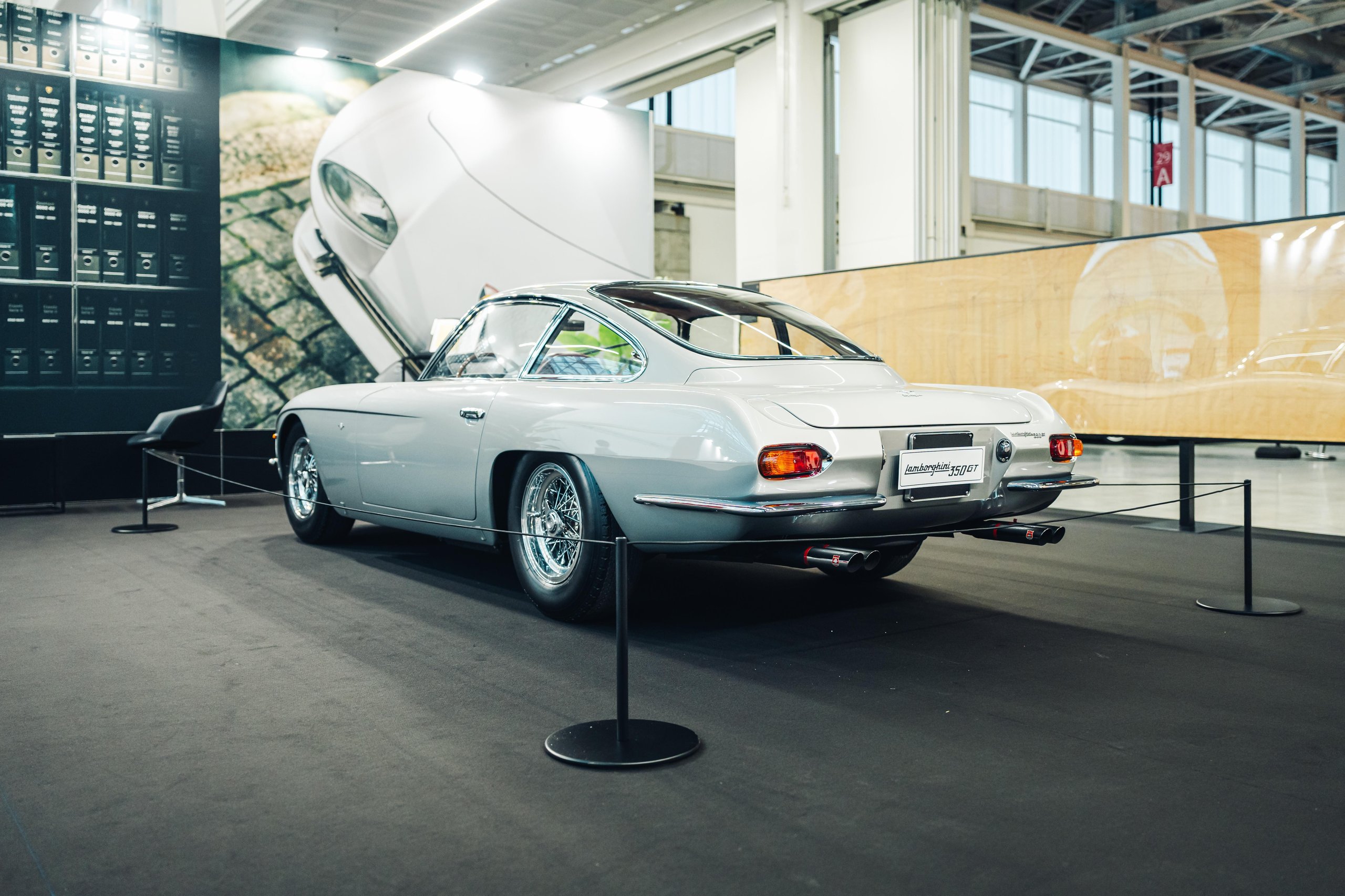
At Auto e Moto d’Epoca in Bologna, Lamborghini staged a double act that bookends its entire history. On one side of the Polo Storico stand sits the 350 GT chassis no. 2, the oldest surviving Lamborghini production car, currently undergoing official authenticity certification. On the other, figuratively at least, sits the future: a newly confirmed Polo Storico Tour for 2026, organized to mark the Miura’s 60th anniversary.
The pairing is deliberate. Placing the car that started everything next to the promise of an exclusive driving tour built around the car that made the world pay attention, Lamborghini connects its founding identity as a grand touring house with the mid-engined revolution that followed just two years later. For collectors and prospective buyers of classic Lamborghinis, the message is unmistakable: the factory wants your cars in its orbit, and it plans to reward that loyalty with experiences no independent restorer or aftermarket specialist can replicate.
Giuliano Cassataro, Lamborghini’s Head of After Sales, framed the logic plainly. The 350 GT represents where the story began. The Miura tour represents where Polo Storico intends to take its client relationships next. The show itself, running through October 26th in BolognaFiere’s Motor Valley hall, wraps up a full year of tenth-anniversary programming for the heritage department.

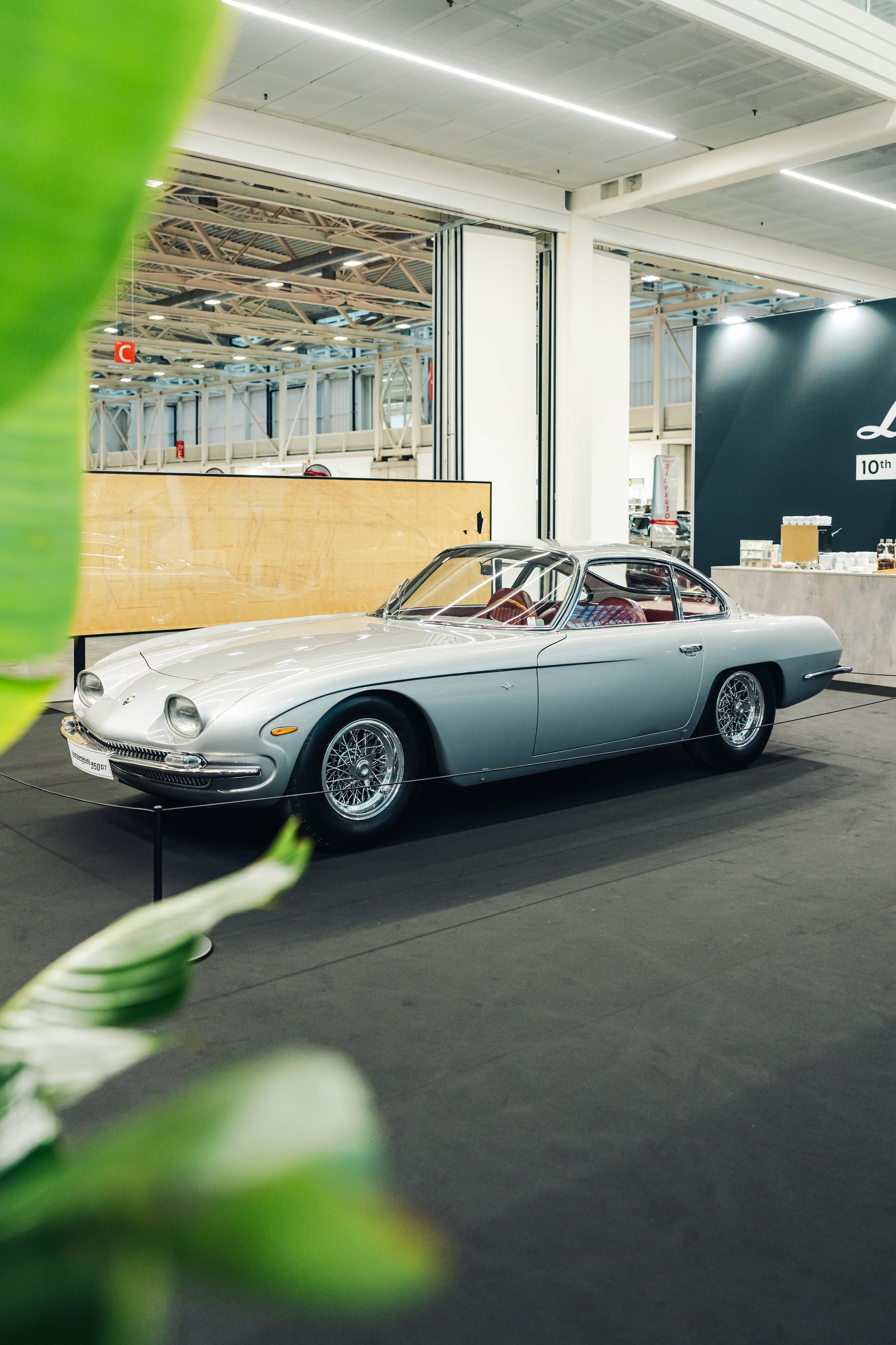
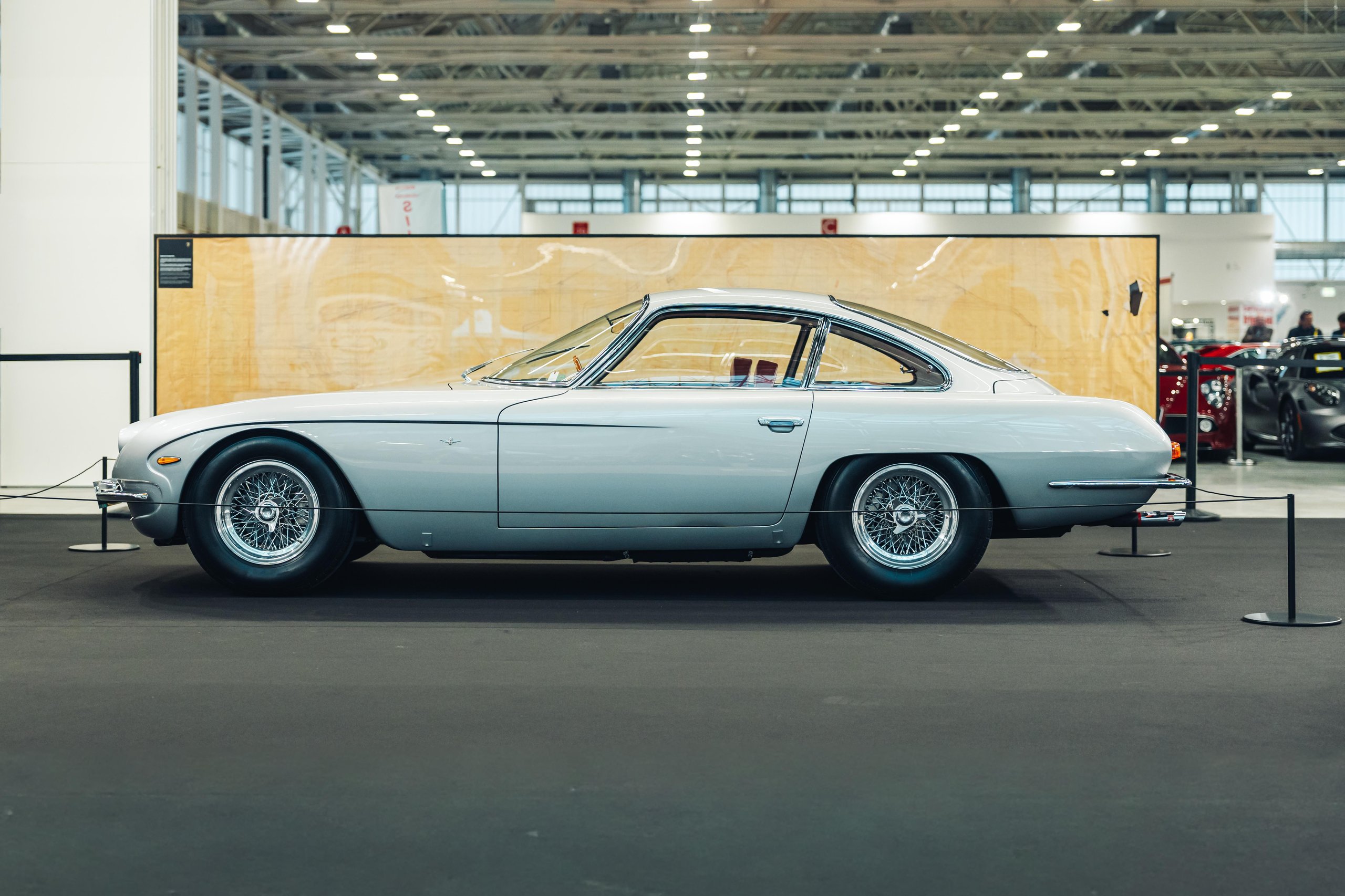
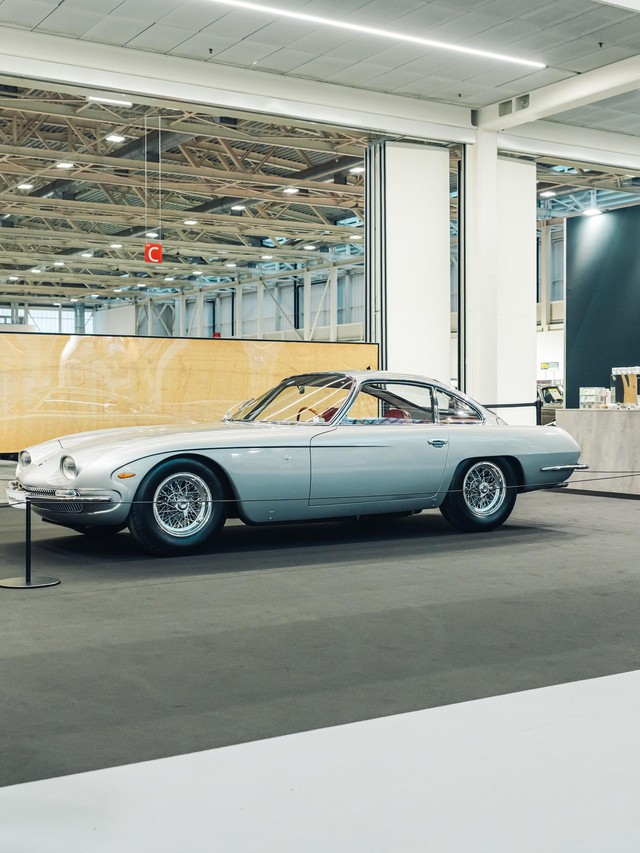
A pristine silver Lamborghini 350 GT takes center stage at the Polo Storico 10th Anniversary exhibition.
Why Chassis No. 2 Matters More Than Its Age
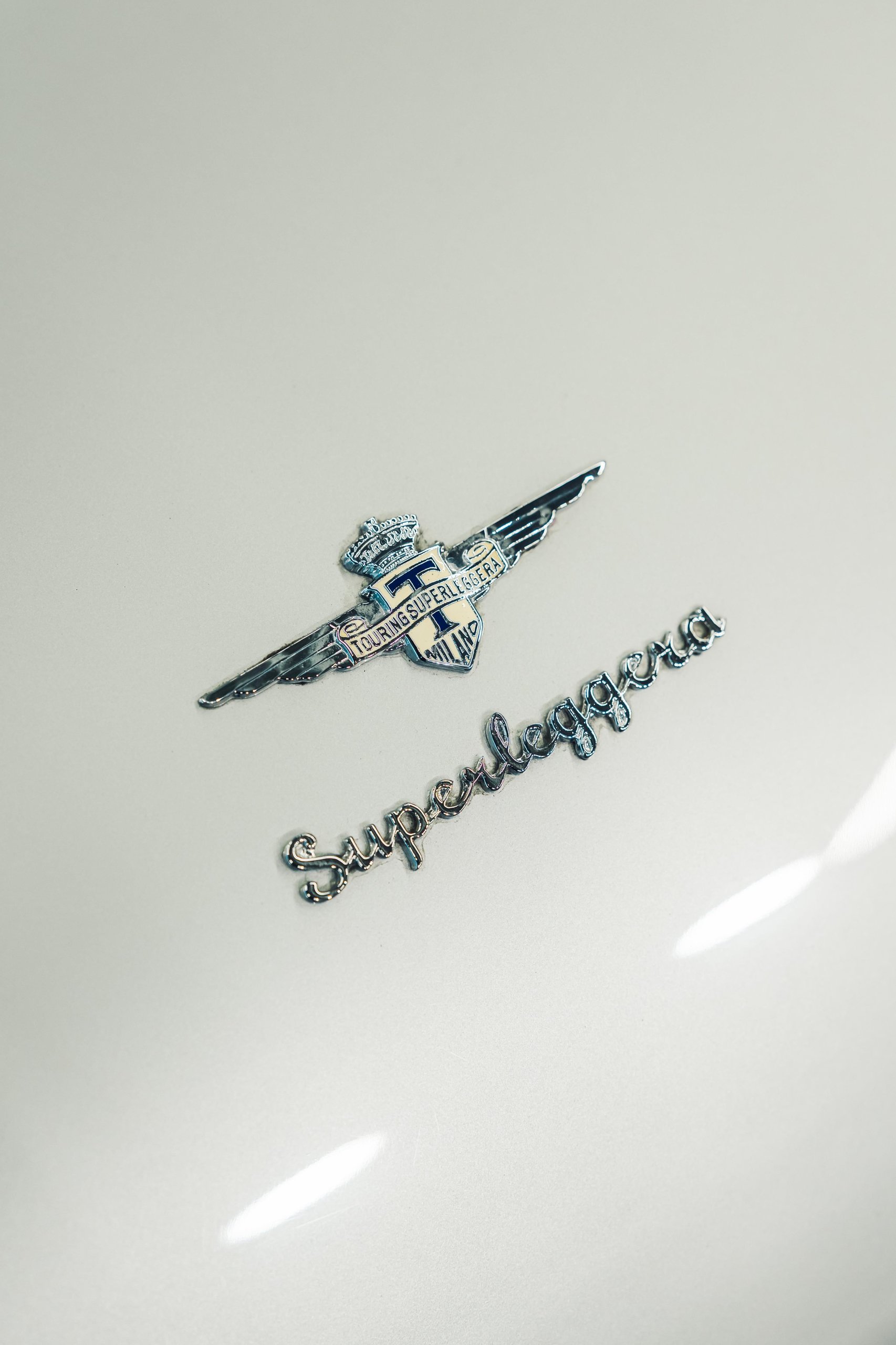
Calling the 350 GT chassis no. 2 the “oldest surviving Lamborghini” tells you when it was built. It does not tell you why it matters. First presented at the 1964 Geneva Motor Show, the 350 GT was Ferruccio Lamborghini‘s opening argument against Ferrari: a refined grand tourer powered by a 3.5-liter V12 originally designed by Giotto Bizzarrini and adapted for production by Paolo Stanzani. Carrozzeria Touring built the body using its Superleggera construction, a lightweight tubular-frame technique that gave the car a sophistication its Maranello rivals respected, even if they would never have admitted it publicly.
Chassis no. 2 carries one detail that separates it from every other 350 GT. On its hood sits a rare prototype Lamborghini logo rendered in white and black, one of Ferruccio’s earliest branding experiments. The golden bull on a black shield that every Lamborghini owner recognizes today came later. Seeing the alternate version in person is a reminder that the entire visual identity of the brand was still fluid when this car rolled out of Sant’Agata Bolognese.
The car is currently undergoing Polo Storico’s authenticity certification process, which involves an Experts Committee (the Comitato dei Saggi) cross-referencing every component, from chassis numbers to interior trim, against the factory’s historical archive. If the car passes, Polo Storico issues a certificate verifying originality. If it does not, discrepancies are documented and the certificate is withheld. For a car this early in the production run, certification would effectively make it the most thoroughly documented Lamborghini in existence.
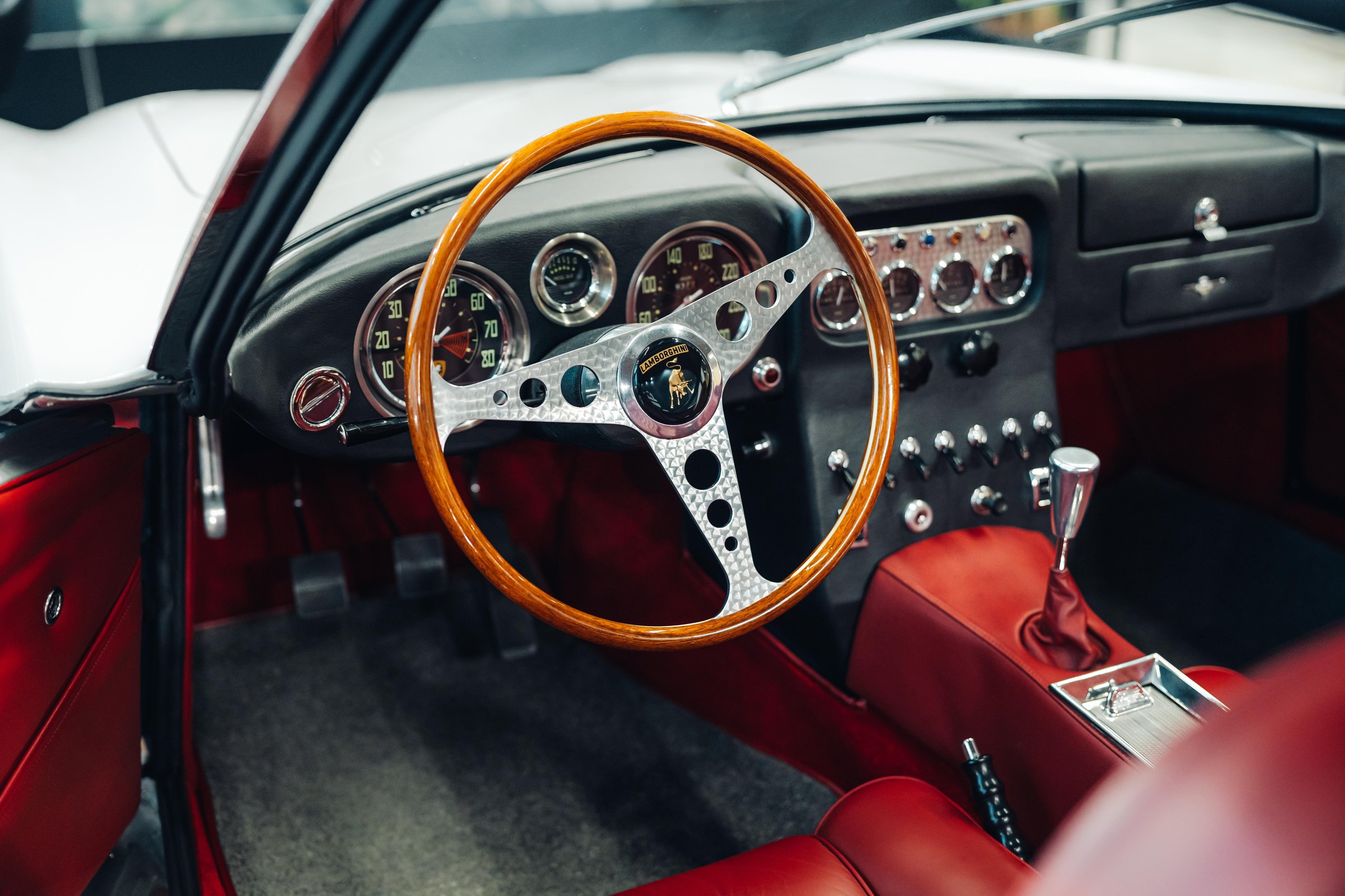
Displayed alongside the car is a recently surfaced 1:1 scale technical drawing from 1963, detailing the 350 GT’s interior layout. Lamborghini says this is the oldest document preserved in its historical archive, a collaboration artifact from the Carrozzeria Touring partnership that shows how the cabin proportions and gauge placement were resolved before the first production car was assembled.

The elegant interior of a classic Lamborghini 350 GT features a wooden steering wheel and vintage instrumentation.
Ten Years of Polo Storico: What the Department Actually Does
Established in 2015 at the Sant’Agata Bolognese headquarters, Polo Storico operates across four pillars: archive management, certification, restoration, and original spare parts supply. Its mandate covers every production Lamborghini from the 350 GT through the final Diablo variants, a span that includes some of the most sought-after collector cars on the planet.
Restoration work combines in-house mechanical expertise with external specialists for bodywork and interiors, all under Polo Storico’s supervision. The department produces original-specification spare parts that owners can order through authorized Lamborghini dealers, and Pirelli collaborates on reconstructing period-correct tires for historic models, a partnership that matters enormously for cars whose owners actually drive them rather than display them behind velvet ropes.
The labor intensity of this work is considerable. One reported restoration of a separate 350 GT, chassis number 0121, required 1,150 hours for body and interior work and 780 hours for mechanical components. That scale explains why Polo Storico restorations remain rare; the department reportedly completed four full restoration projects in its early years, including a Miura, an LM002, and a Countach.
More recently, Polo Storico hosted international guests for an immersive experience where they worked alongside factory technicians on historic models. The hands-on format, which reportedly included a 1967 400GT 2+2, a 1990 Countach 25th Anniversary, a 2001 Diablo SE 6.0, and an LM002, suggests the department is evolving beyond pure preservation into experiential programming. That shift is the thread connecting a decade of archival rigor to the Miura tour announcement.

An intricate technical drawing, possibly a blueprint for a classic Lamborghini, is showcased at an exhibition.
The 2026 Miura Tour: What We Know and What Remains Open
Lamborghini confirmed that the Polo Storico Tour will take place in 2026 to celebrate the Miura’s 60th anniversary. Beyond that single sentence, the company offered almost nothing: no routes, no participant limits, no eligibility criteria, no pricing.
What we can infer from Polo Storico’s existing programming and the broader classic-car tour landscape fills in some of the blanks. Factory-supported heritage tours at this level, whether organized by Lamborghini, Ferrari Classiche, or Porsche Classic, typically involve curated multi-day routes through scenic regions, with mechanical support vehicles trailing the convoy. Participant counts tend to be small, often under 50 cars, and eligibility usually requires the car to hold some form of factory certification or provenance documentation. That chassis no. 2 is undergoing certification at the same moment the tour is announced may not be coincidental: Lamborghini could be positioning certification as a prerequisite for future heritage events.
For Miura owners, the practical question is whether the tour will be open to all variants (P400, S, SV, and the rare Jota-specification cars) or limited to specific models. Lamborghini produced roughly 764 Miuras across all versions between 1966 and 1973, so the eligible pool is finite by definition. Owners who want to participate would be wise to begin any outstanding certification or restoration work now, given the lead times involved.
The broader signal is that Polo Storico is transitioning from a service department into an events and community platform. Restoration and parts supply generate revenue, but curated driving experiences generate loyalty and, crucially, keep classic Lamborghinis visible and active rather than locked away in climate-controlled garages.

A stunning yellow Lamborghini Miura SV gracefully navigates a scenic mountain road, showcasing its timeless design and dynamic presence.
Heritage as Competitive Strategy
Lamborghini is not the only manufacturer investing in its back catalog. Ferrari Classiche operates a well-established certification and restoration program, and Porsche Classic supplies over 80,000 original parts for air-cooled and water-cooled models alike. Both programs predate Polo Storico and benefit from larger production volumes and deeper archives.
Where Lamborghini holds an advantage is scarcity. Fewer than 150 350 GTs were built. Miura production totaled under 800 cars. Countach numbers, depending on the variant, range from a few hundred to just over 2,000. Every classic Lamborghini that receives factory certification or restoration becomes a more visible ambassador for the brand, and the small production numbers mean each car carries outsized cultural weight. A certified 350 GT at a concours event tells a different story than one of several thousand certified 911s.
The competitive risk is one of scale. Ferrari and Porsche can afford dedicated heritage facilities, global parts distribution, and year-round event calendars because their classic-car populations justify the investment. Polo Storico operates with a smaller client base, and historically, forum discussion among vintage Lamborghini owners reflects mixed experiences with factory support for older models. The tenth-anniversary push and the Miura tour suggest Lamborghini recognizes the gap and intends to close it, at least for its most iconic nameplates.
For collectors weighing a classic Lamborghini purchase, the trajectory matters. A factory heritage department that actively certifies, restores, and now organizes exclusive driving tours adds tangible value to ownership. It also creates a two-tier market: cars with Polo Storico documentation will increasingly command premiums over those without it. The 350 GT chassis no. 2, once certified, will sit at the very top of that hierarchy.

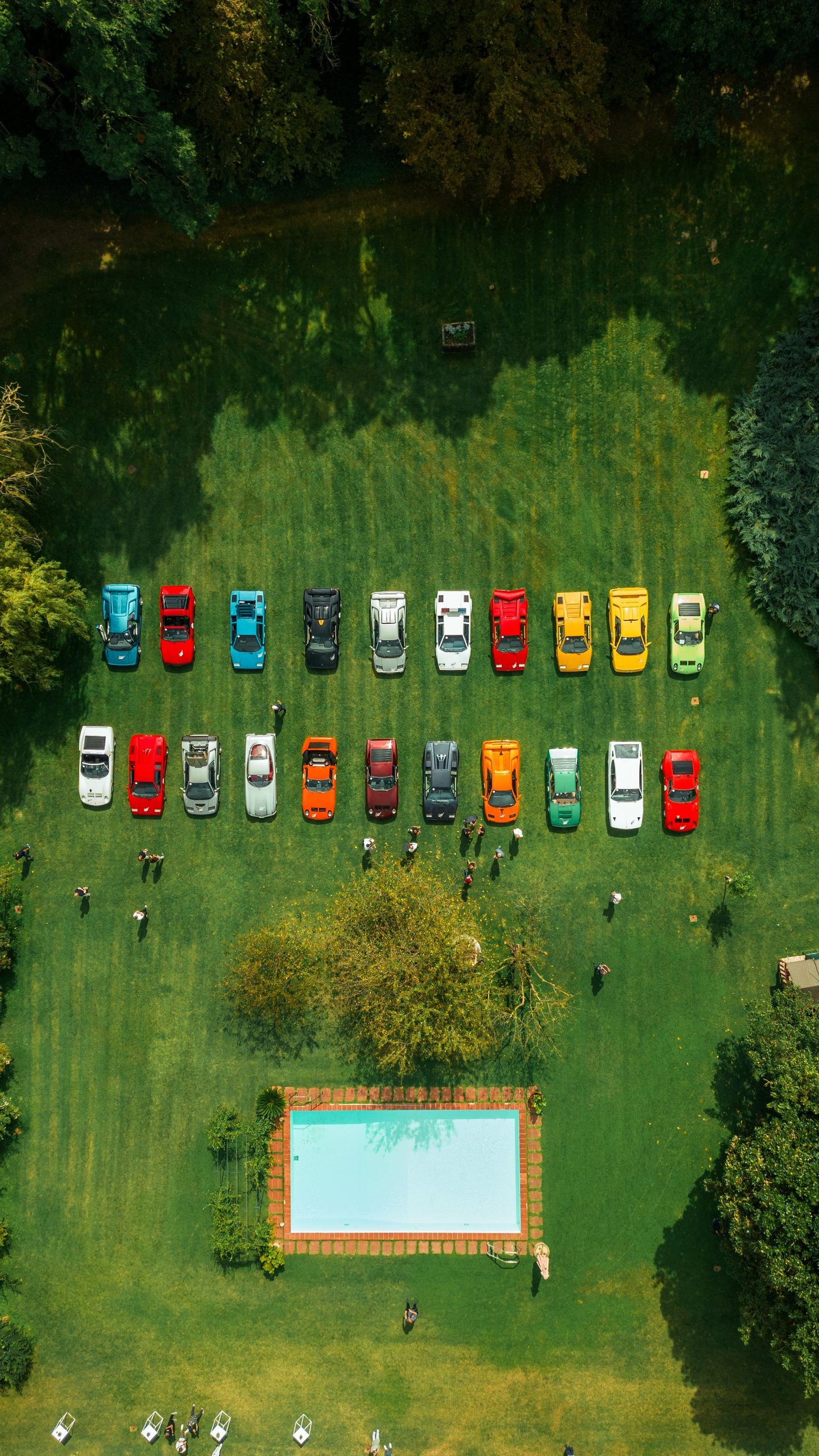
A stunning array of classic Lamborghini supercars and grand tourers are gathered on a lush green estate.
What This Means for Lamborghini Owners and Collectors
The dual announcement at Bologna is, at its core, a statement about where Lamborghini sees value in its own history. The 350 GT proves the factory can trace its lineage to a single, specific car and authenticate it with documentary rigor. The Miura tour proves the factory intends to make that history participatory rather than purely archival.
Owners of classic Lamborghinis who want to engage with Polo Storico’s services should note the department’s four-pillar structure: archive access, certification, restoration, and parts. Original spare parts can be ordered through authorized dealers, removing some of the guesswork and provenance anxiety that comes with sourcing components on the open market. Certification, when granted, provides a factory-backed provenance record that increasingly influences auction results and private-sale negotiations.
No further details about the 2026 tour’s format, cost, or routes have been confirmed. What the announcement does confirm is intent. Polo Storico spent its first decade building credibility as a restoration and certification authority. Its second decade, if the Miura tour is any indication, will be about converting that authority into experiences that bind classic owners more closely to Sant’Agata Bolognese. For a brand whose modern lineup now includes hybrid V12s and twin-turbo V8s, keeping the naturally aspirated heritage alive through events like this is both commercially shrewd and, for enthusiasts, genuinely welcome.

A classic silver Lamborghini Islero convertible gracefully navigates a scenic mountain road, leading a convoy of vintage beauties.
Gallery