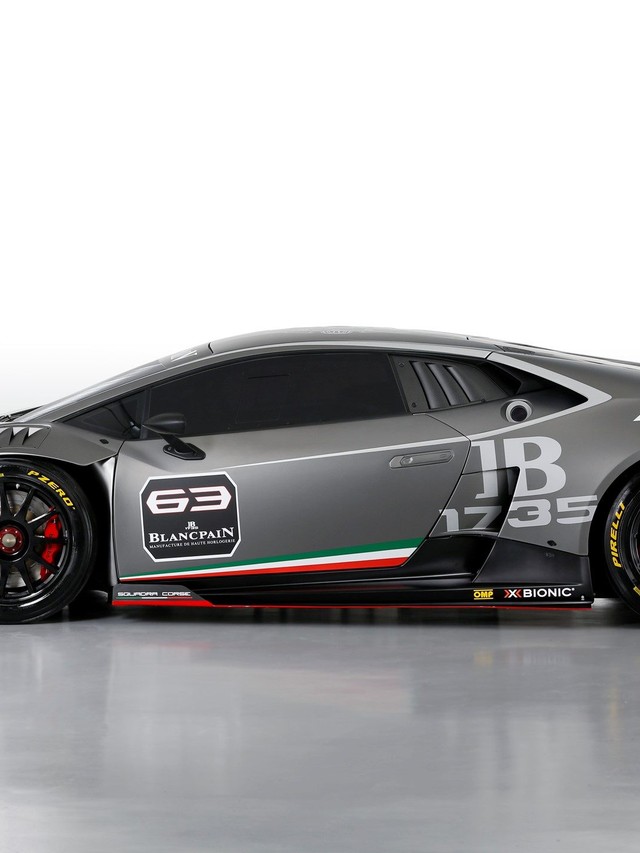
Two Announcements, One Strategy: The Huracán GT3 Arrives with Corporate Backing
Lamborghini confirmed its Huracán GT3 for the 2015 Blancpain Endurance Series grid, a five-round European championship whose calendar includes the grueling Spa-Francorchamps 24-hours race. Alongside that racing debut, the company named Indonesian oil and energy giant PERTAMINA as the official technical partner for all Lamborghini Squadra Corse activities going forward.
Either announcement alone would be routine motorsport news. Together, they reveal something more calculated: Lamborghini assembling the financial and engineering foundation to compete seriously in the most talent-dense category of global GT racing, rather than simply running its own one-make series on the margins.
Why GT3 Racing Matters More Than a Trophy Series
The Huracán LP 620-2 Super Trofeo already serves as the centerpiece of the Lamborghini Blancpain Super Trofeo series across Europe, Asia, and North America. That one-make championship controls the variables: every car on the grid wears a Raging Bull, and the competition stays inside the family. Useful for driver development and brand spectacle, but limited as a proving ground.
GT3 racing operates on entirely different terms. Ferrari, Porsche, Audi, McLaren, and Bentley all field factory-supported or customer-run cars under the same Balance of Performance regulations. Winning at Spa or Monza in a GT3 field means beating those rivals outright, under conditions designed to keep the competition close. The strategic distinction is plain: the Super Trofeo builds community, while GT3 builds credibility. That difference shapes everything about how Squadra Corse allocates resources.
One source indicates the Huracán GT3 was developed as a direct replacement for the Gallardo FL2 race car, meaning this platform transition mirrors the road car handover. The Gallardo served Lamborghini well in customer racing, but the Huracán’s newer chassis architecture, with its aluminum and carbon fiber hybrid construction, offered a fundamentally more competitive starting point for a purpose-built racer.
PERTAMINA: More Than a Logo on the Bodywork
Technical partnerships in motorsport range from glorified sticker deals to genuine engineering collaborations. Lamborghini designated PERTAMINA as the official technical partner for Squadra Corse, a role that goes beyond traditional sponsorship. The partnership eventually led to PERTAMINA’s Fastron synthetic lubricants being used across all Lamborghini competition vehicles, from Super Trofeo to GT3.
For a racing operation scaling up from a single one-make series to multi-manufacturer endurance competition, a dedicated lubricant partner matters in practical terms. Endurance races at Spa or Paul Ricard push engines through thermal cycles that a sprint race never replicates, and lubricant formulation directly affects reliability over 24-hour stints. That Lamborghini secured this kind of technical resource before the Huracán GT3 turned a competitive lap suggests the partnership was part of the expansion plan, not an afterthought bolted on once the car proved quick.
From Road Car to Race Car: The Huracán’s Layered Competition Strategy
Lamborghini structured the Huracán’s racing presence as a deliberate ladder. The Super Trofeo sits at one level: according to one racing group’s specifications, it weighs 1,270 kg dry, produces 620 horsepower from its naturally aspirated 5.2-liter V10, and runs a 42/58 percent weight distribution. It competes exclusively against other Huracáns.
The GT3 car steps into open competition. Web sources indicate the Huracán GT3 produces approximately 576 horsepower at 8,000 rpm from a race-prepared version of the same V10, paired with rear-wheel drive and a dry weight around 1,230 kg. The lower power figure reflects GT3 homologation requirements and Balance of Performance adjustments rather than any engineering shortcoming. Dallara, the Italian motorsport engineering firm, collaborated on the GT3’s development, contributing aerodynamic work and structural refinements that widened the body and added a manually adjustable rear wing.
This layered approach gave privateer teams a natural progression path. A gentleman driver could cut teeth in the Super Trofeo, learn the Huracán’s behavior, and graduate to GT3 competition with a familiar platform underneath. That kind of ecosystem loyalty keeps customers buying Lamborghini race cars instead of switching to a rival manufacturer when ambitions grow.
Competitive Context: Entering a Crowded, Proven Field
By 2015, the Blancpain Endurance Series grid already featured established GT3 machinery from Ferrari, Porsche, Audi, and others. Lamborghini entered as a relative newcomer with factory-level GT3 ambitions, having relied on the aging Gallardo platform for its previous efforts. The Huracán GT3 needed to prove itself against cars backed by seasons of development data and mature customer team infrastructure.
Lamborghini did not publish detailed technical comparisons at launch, and the company left specific team allocations and customer pricing unannounced. What the debut established was intent. Squadra Corse committed to the most visible endurance racing platform in Europe, backed by a technical partner with resources to support long-term development. The Huracán GT3 would eventually evolve through EVO and EVO2 specifications, with the latter competing in the FIA World Endurance Championship’s LMGT3 class. That longevity validated the original decision to build the program on a solid foundation rather than chase a quick result.
What This Meant for Owners and Enthusiasts
For Lamborghini owners who never intend to race, a competitive GT3 program still carries real value. Motorsport success reinforces the engineering narrative that justifies the purchase price of a road car. When a Huracán GT3 finishes on the podium at Spa, it lends credibility to the road-going Huracán parked in the garage, even if the two cars share more philosophy than actual components.
The practical takeaway for buyers watching this announcement in 2014 was straightforward: Lamborghini was investing in competitive infrastructure at a level the brand had not previously sustained. The PERTAMINA partnership provided financial stability, the Dallara collaboration brought proven race engineering, and the Blancpain Endurance Series offered global visibility. For anyone considering a Huracán purchase, the message was that this platform would receive serious factory attention for years to come. Looking back now, with the Temerario GT3 recently debuted at Goodwood as Lamborghini’s first fully in-house competition car (as Autoblog reported), the original Huracán GT3 program clearly delivered on that promise and set the template Squadra Corse still follows.


