A Camera-Equipped Hive and 600,000 Environmental Sensors
Lamborghini marked World Bee Day by detailing the latest expansion of its apiary in Lamborghini Park, the seven-hectare green space adjacent to its Sant’Agata Bolognese production facility. Launched in 2016 with eight hives, the apiary now counts twelve, supporting a population of approximately 600,000 bees. Of those, 120,000 forage daily across the surrounding territory.
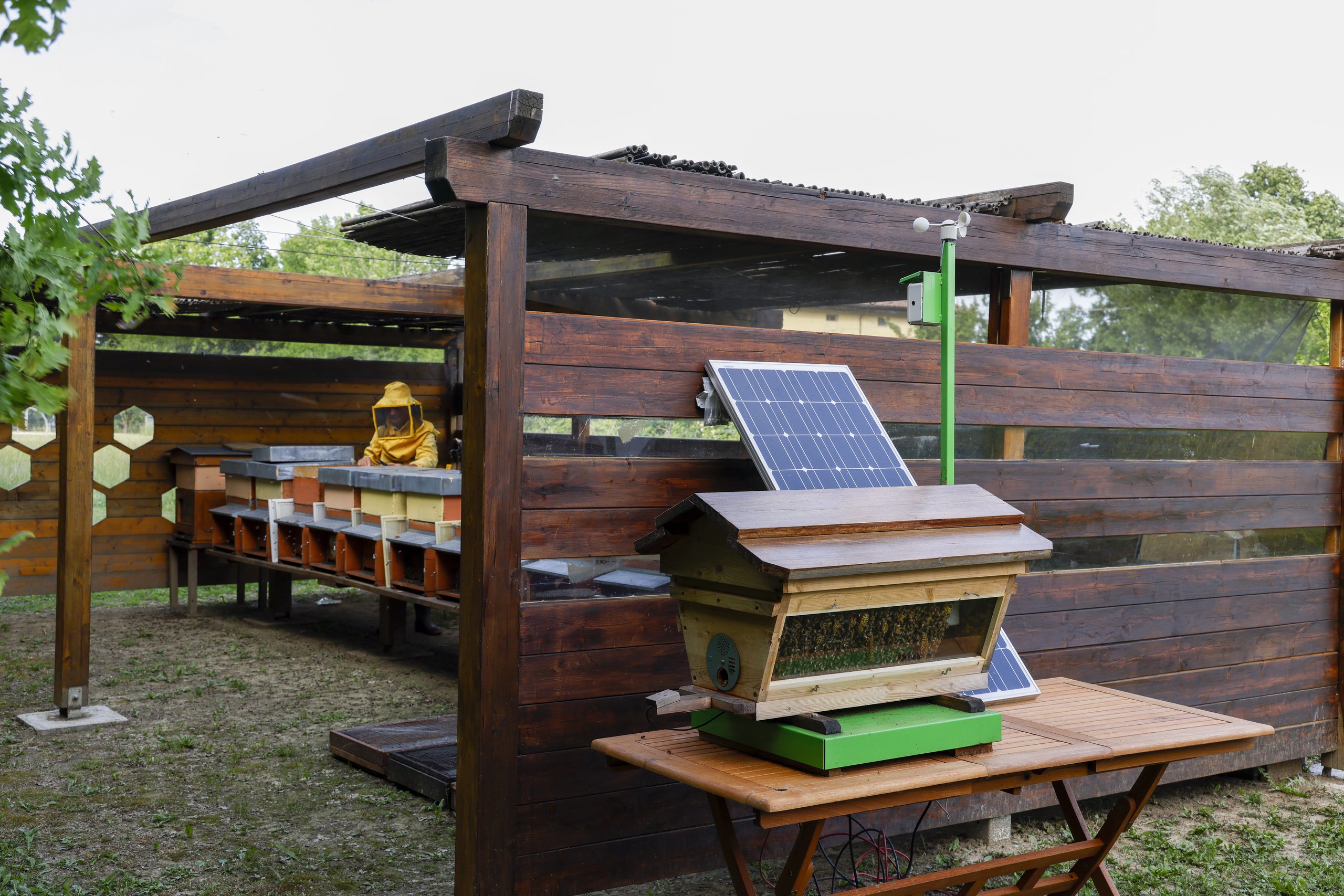
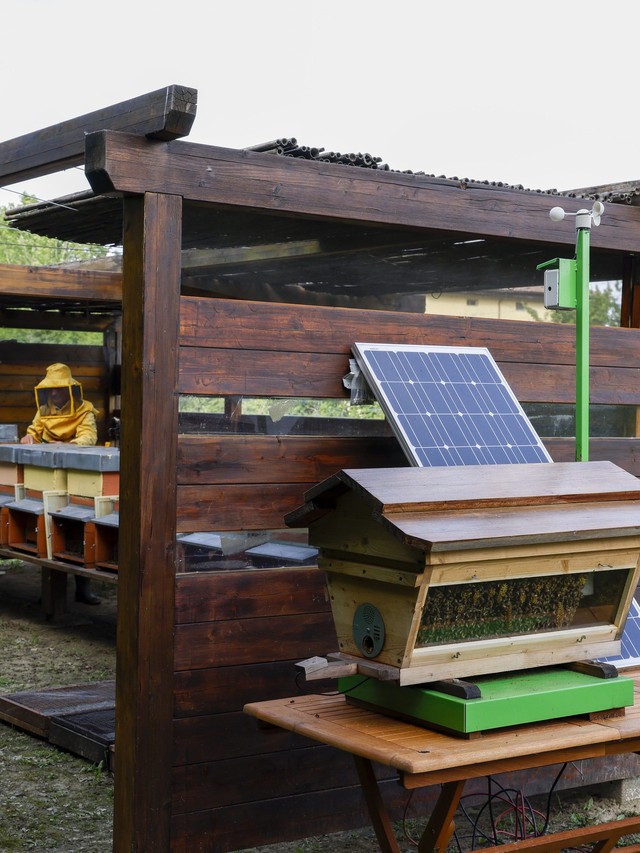
The newest addition is what Lamborghini calls a “technological beehive,” developed with support from the Audi Environmental Foundation. Two video cameras, one internal and one external, allow entomological experts to observe colony behavior in close detail without disturbing the hive. The footage feeds into a broader data-collection effort that goes well beyond counting bees: by analyzing hive matrices like honey, wax, and the bees themselves, researchers can detect pesticides, heavy metals, aromatic compounds, dioxins, and other environmental pollutants circulating within a roughly 3 km radius of the factory.
For a company whose primary output involves 6.5-liter V12s and twin-turbo V8s, the project represents a genuinely unusual form of self-accountability. Lamborghini is, in effect, using its own backyard as a living laboratory to measure what its operations and the surrounding agricultural and urban activity release into the local environment. That willingness to generate real, localized environmental data, rather than simply purchasing offsets or issuing pledges, is the thread that runs through every layer of this initiative.

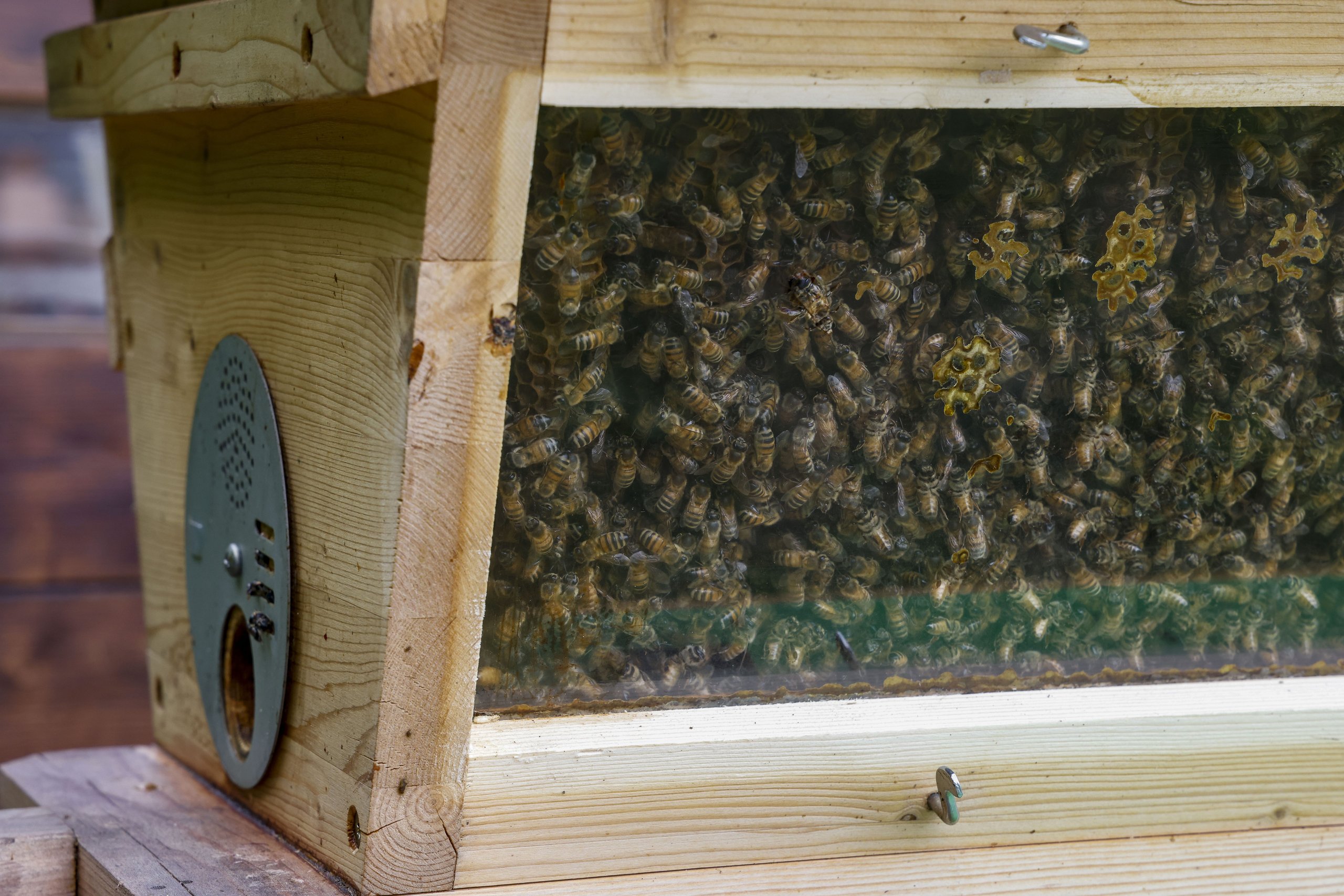
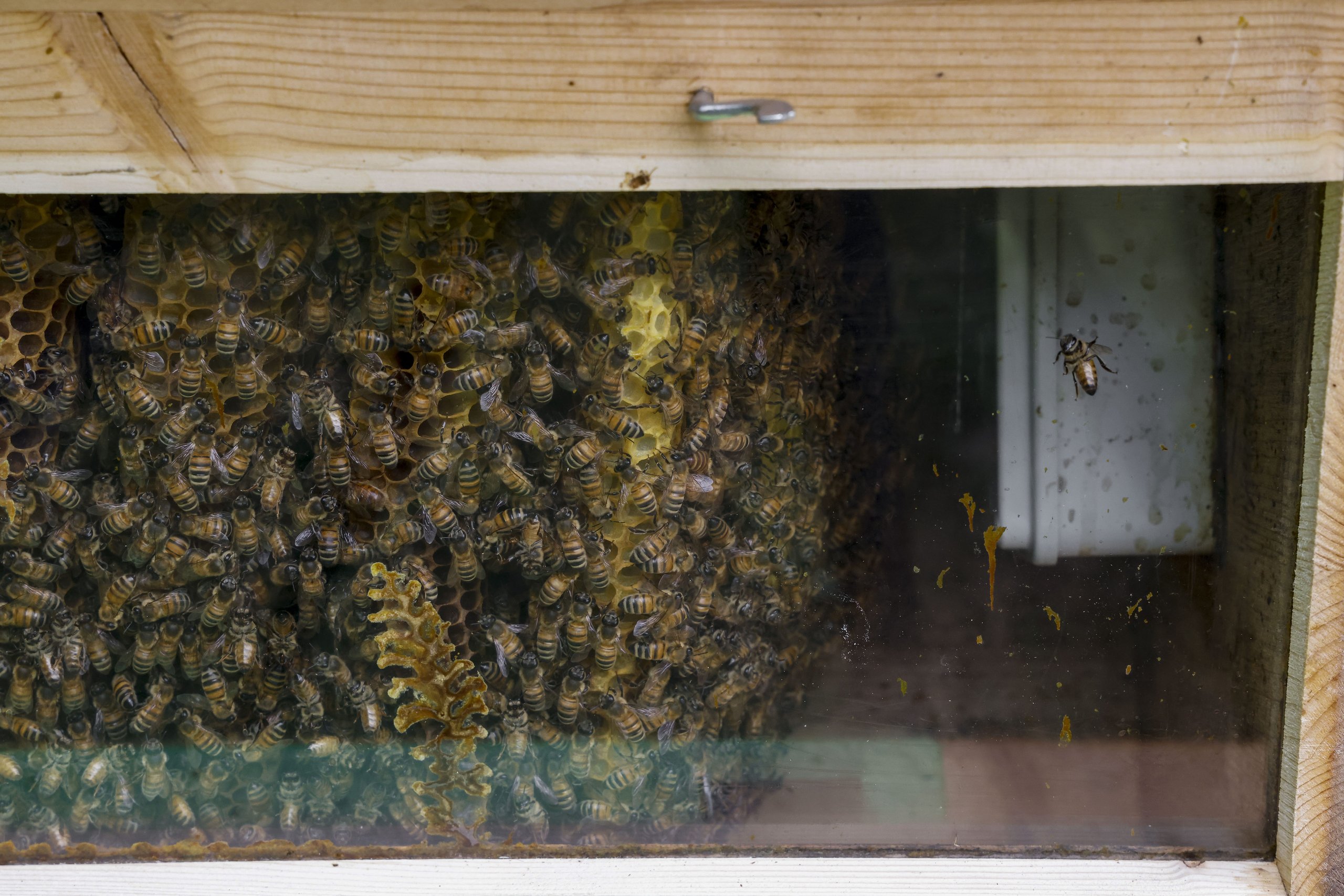
A transparent observation beehive offers a glimpse into the bustling activity of a healthy bee colony.
Why a Supercar Manufacturer Keeps Bees
The cynical reading is obvious: a luxury automaker planting trees and keeping bees to soften the optics of building 200-mph carbon-fiber exotics. If the bee project were just a photo opportunity with branded beekeeper suits, that reading would hold.
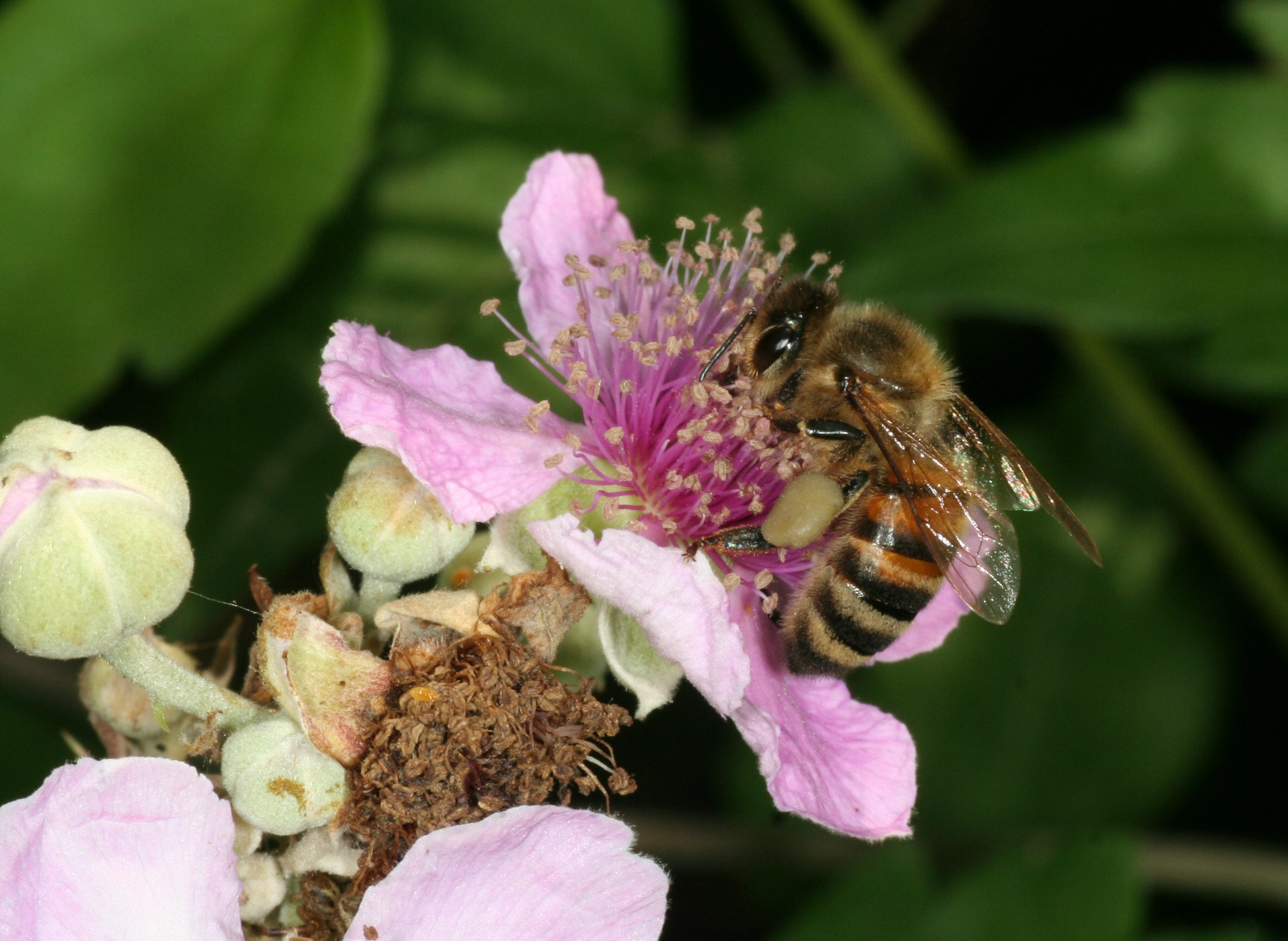
The science, though, is more rigorous than most corporate sustainability gestures in the automotive world. Bee biomonitoring works because foraging bees function as mobile sampling stations. Every trip to collect nectar and pollen within that 3 km radius picks up trace contaminants from soil, water, air, and vegetation. When experts periodically analyze the hive matrices, they get a composite environmental snapshot that traditional fixed-point monitoring stations cannot replicate at the same spatial resolution or cost.
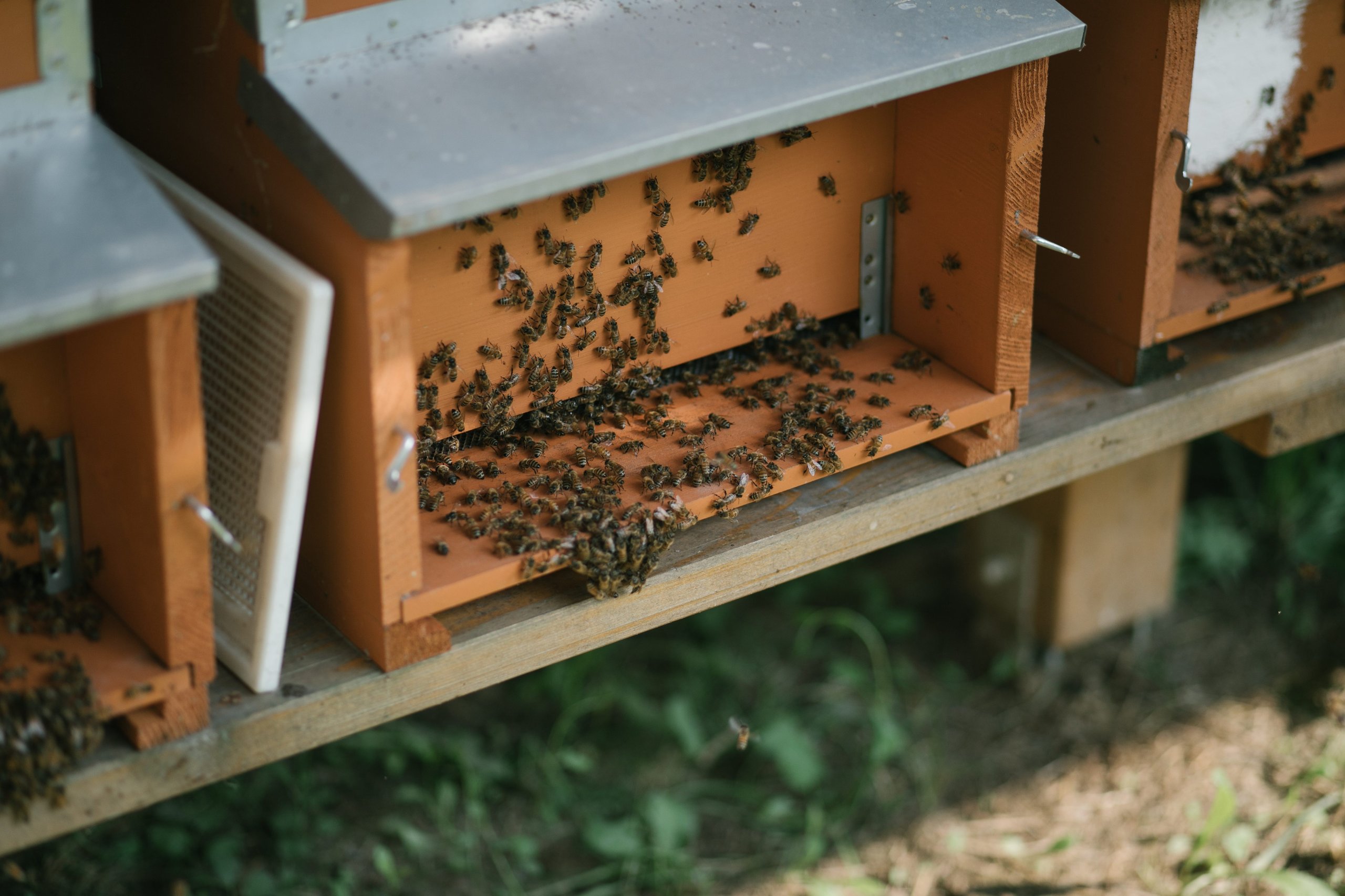
Lamborghini says the project now also includes an experimental study of solitary bee colonies. Unlike social honeybees, solitary bees forage within a much tighter radius of about 200 meters, and each female cares for her own offspring rather than serving a queen. Reed houses placed inside Lamborghini Park and near the production site give researchers a way to monitor very specific, localized areas, complementing the broader picture the honeybee hives provide. In miniature, it amounts to a two-tier sensor network: wide-area coverage from the honeybees, granular data from the solitary species.
Most luxury and performance brands lean on carbon offset purchases, tree-planting pledges, or sustainability reports heavy on aspirational language and light on measurable local impact. Lamborghini’s approach actually generates usable environmental data tied to a specific geography. That distinction matters, because it anchors the company’s environmental credibility in something observable rather than something purchased.

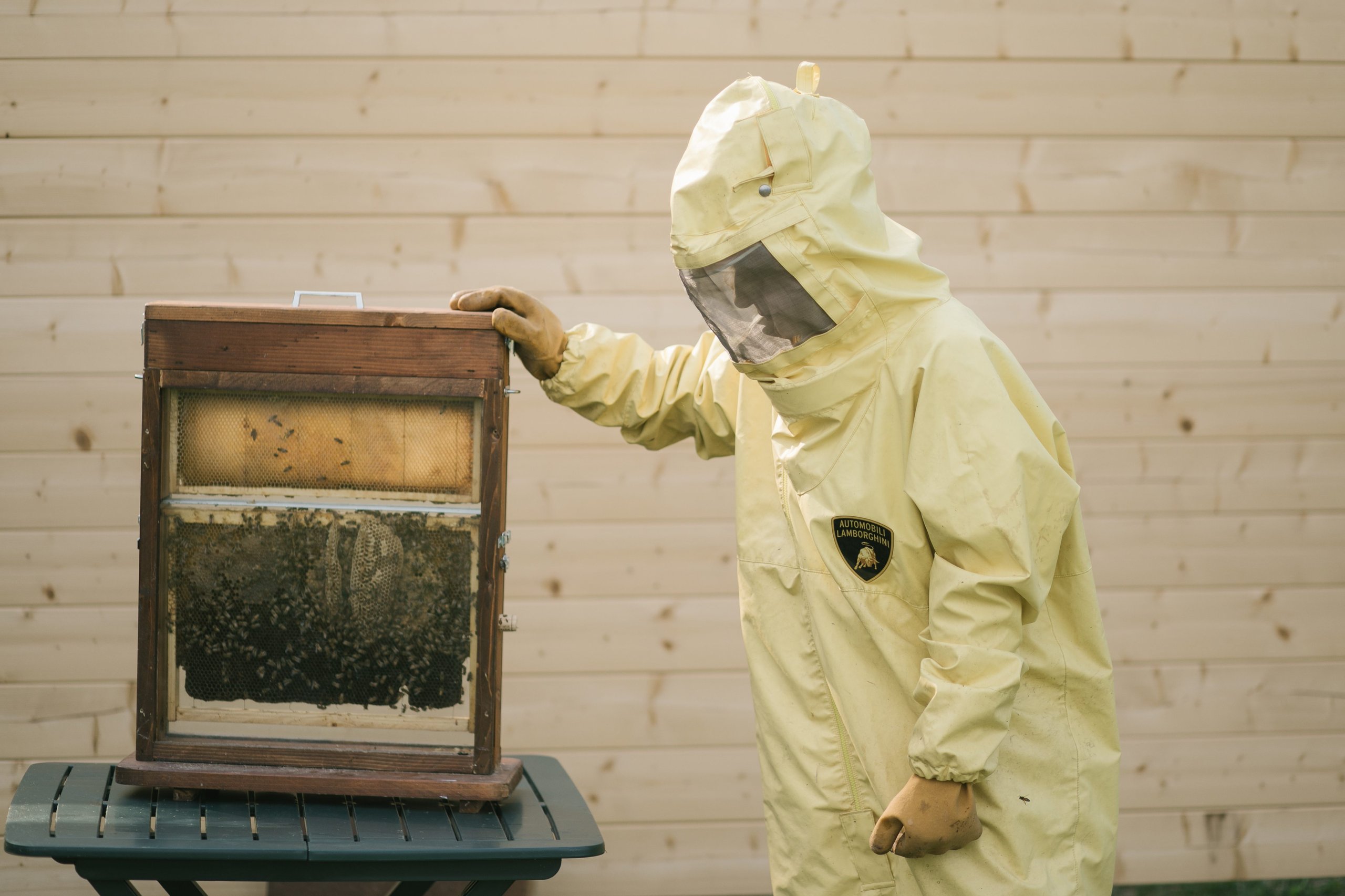
A beekeeper in a Lamborghini-branded suit carefully examines a honeycomb frame, demonstrating dedication to bee care.
How the Apiary Fits Into Lamborghini’s Broader Environmental Record
Lamborghini says its environmental sustainability strategy dates to 2009, and the company earned CO2 neutral certification in 2015. That certification, according to Lamborghini, remains in place even after a significant expansion of the production site in Sant’Agata Bolognese. The bee project launched the following year, making it one of the longer-running environmental monitoring programs in the supercar segment.
Lamborghini Park itself spans seven hectares and contains over 10,000 plants, serving as a biodiversity corridor accessible to employees, the local community, and researchers. It is not a walled-off corporate garden; it functions as a shared green space that also happens to generate environmental data, reinforcing the idea that Lamborghini’s sustainability effort is rooted in its physical surroundings rather than in abstract commitments.
The timeline deserves attention because it predates much of the automotive industry’s recent pivot toward sustainability messaging. When Lamborghini installed its first hives, the industry conversation was still dominated by diesel emissions scandals and the early ramp of Tesla’s Model 3. A company building naturally aspirated V10 and V12 supercars was quietly running a biomonitoring apiary, and almost nobody noticed. Online reaction, when it surfaces at all, tends toward surprise. Discussion on the r/Beekeeping subreddit, for instance, reflected a mix of genuine admiration and amusement that a supercar manufacturer was investing in hive technology.

A charming wooden bee hotel provides a safe haven for solitary bees, nestled amongst lush green foliage.
What the Data Actually Tells Lamborghini (and What It Doesn’t)
The most interesting question the official material leaves unanswered is what Lamborghini has actually done with the data. The company confirms the apiary can detect pesticides, heavy metals, and dioxins in the environment surrounding the factory, but it does not disclose specific findings, threshold levels, or any corrective actions taken as a result of the monitoring.
That gap matters. A biomonitoring program that generates data but never reports results publicly is, at best, an internal quality-control tool. At worst, it risks looking like a sustainability prop. Lamborghini could significantly strengthen the project’s credibility by publishing periodic environmental reports tied to the apiary data, even in summary form. Whether the company plans to do so remains unclear.
What the source does confirm is that the project continues to expand in scope: more hives, more species under study, and more sophisticated observation technology. The addition of the Audi Environmental Foundation’s camera-equipped hive suggests the VW Group sees value in the initiative beyond a single brand’s PR calendar. If the technological beehive model proves effective, it could plausibly be replicated at other VW Group production sites, though no such plans are documented.
For Lamborghini enthusiasts, the practical takeaway is straightforward. The brand’s environmental credibility rests not on buying carbon credits or making pledges about a distant electrified future, but on a quiet, ongoing, data-generating project in its own backyard. Whether that data ever becomes public will determine whether this remains a feel-good story or evolves into something with real accountability.

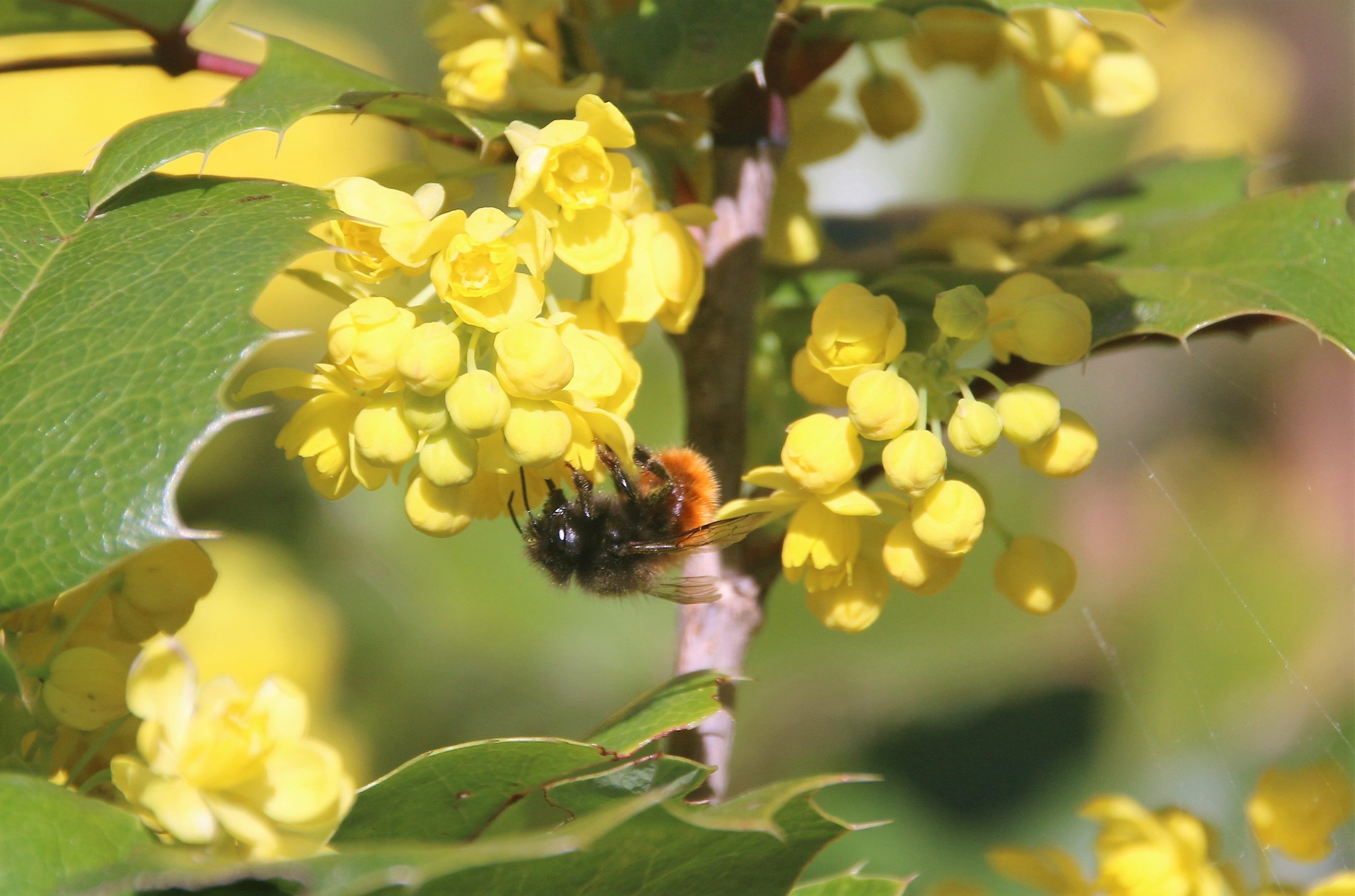
A fuzzy bumblebee carefully navigates into a bamboo tube, finding shelter within a natural bee hotel.
Luxury, Responsibility, and the Supercar Brand in 2021
Lamborghini’s bee project does not promise to offset emissions generated halfway around the world. It monitors the air, soil, and water quality in the exact place where the cars are built. For a brand whose identity is rooted so deeply in a single small Italian town, that geographic specificity carries weight. Sant’Agata Bolognese is not just a factory location for Lamborghini; it is the origin story. Monitoring its environmental health with this level of scientific infrastructure says something about how the company views its relationship with that place.
None of this makes a hybrid V12 any greener in absolute terms, and nobody should confuse an apiary with a decarbonization strategy. But as a signal of institutional seriousness about environmental impact, measured at the most granular level possible, Lamborghini’s bee project stands apart from the industry’s more common approach of writing large checks and issuing glossy reports. The bees, at least, produce real data. The open question is whether Lamborghini will let the rest of us see it.
Gallery