Brand Expansion or Brand Dilution? The Real Question Behind Lamborghini’s Lifestyle Push
When a company that builds super sports cars starts putting its name on padel rackets, floor-standing speakers, and hillside villas in southern Spain, the question practically asks itself. Is Lamborghini expanding its empire, or stretching its identity thin?
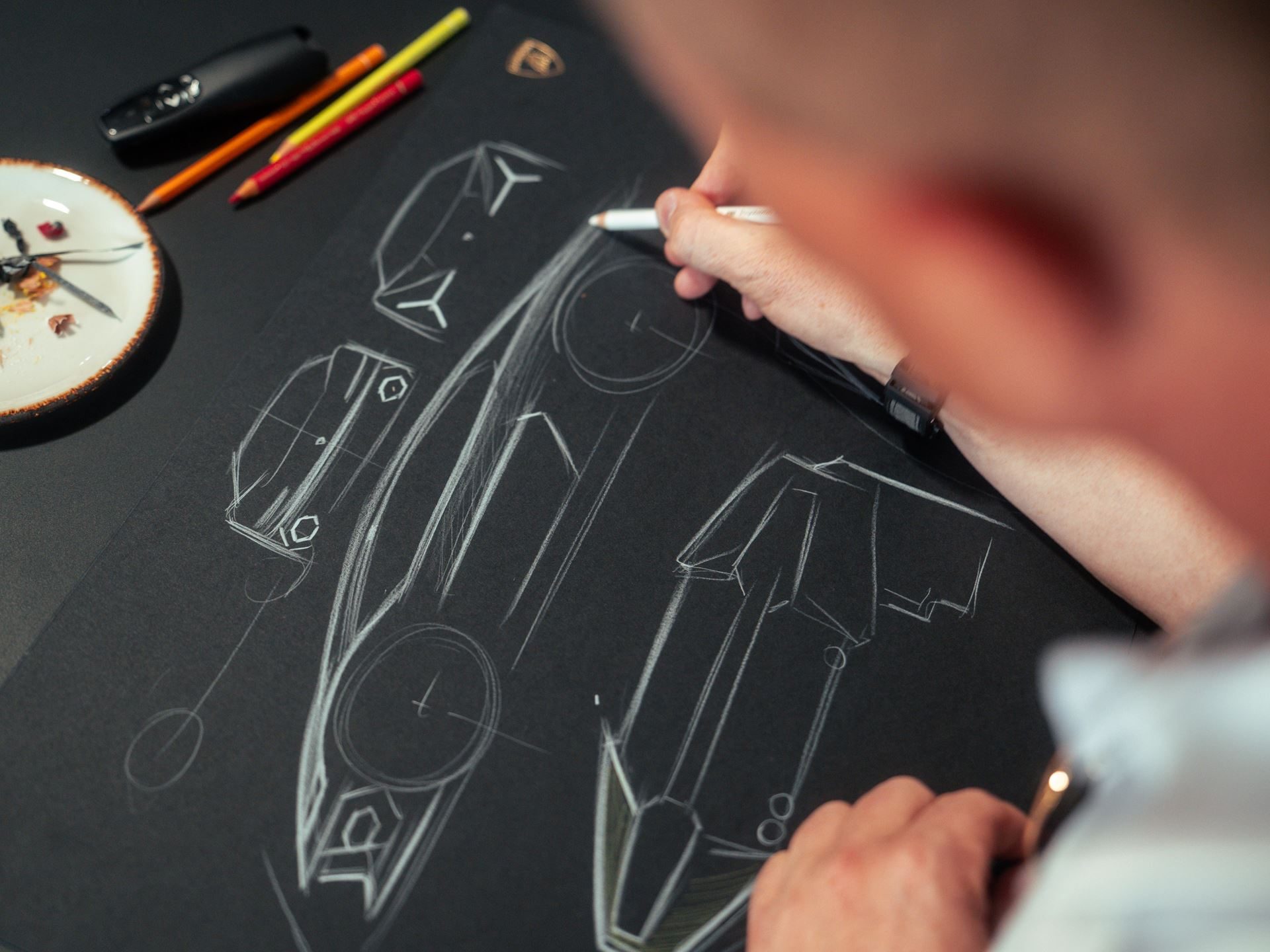
It is a fair question, and one that the brand’s own enthusiast community debates with surprising intensity. The answer, as with most things involving Sant’Agata Bolognese, turns out to be more nuanced than the hot take allows. Lamborghini says it works directly with every partner to ensure proportions, colors, and quality of details represent a precise expression of the brand, not a loose suggestion. Design Director Mitja Borkert frames the process as a creative challenge taken as seriously as car design itself.
The skeptic’s concern is understandable. Luxury brands have a long, occasionally embarrassing history of licensing their names onto products that cheapen the core proposition. Think of the perfume-and-sunglasses licensing blitz that diluted several fashion houses in the early 2000s. But Lamborghini’s approach, at least on paper, looks different. Rather than simply licensing a logo, the company claims to embed its engineering methodology and materials science into collaborative products. Whether that distinction holds up in practice depends on which collaboration you examine.
For context, Lamborghini’s collaborations span sports/performance products, real estate and home interiors, fashion, and toys/model cars/collectibles. The strategy carries more risk, but also more surface area for reaching people who may never configure a Revuelto but still feel a genuine connection to the brand. For existing owners, the calculation is different: does a Lamborghini-branded SEABOB parked next to your yacht enhance the ownership experience, or does seeing the shield on a toy car make it feel less exclusive?

Engineering Beyond the Car: When Sant’Agata’s Carbon Fiber Department Builds a Padel Racket
Of all the collaborations Lamborghini has announced, the Babolat padel rackets are the most fascinating from a pure engineering standpoint, and the one that most clearly separates this initiative from a typical licensing deal.
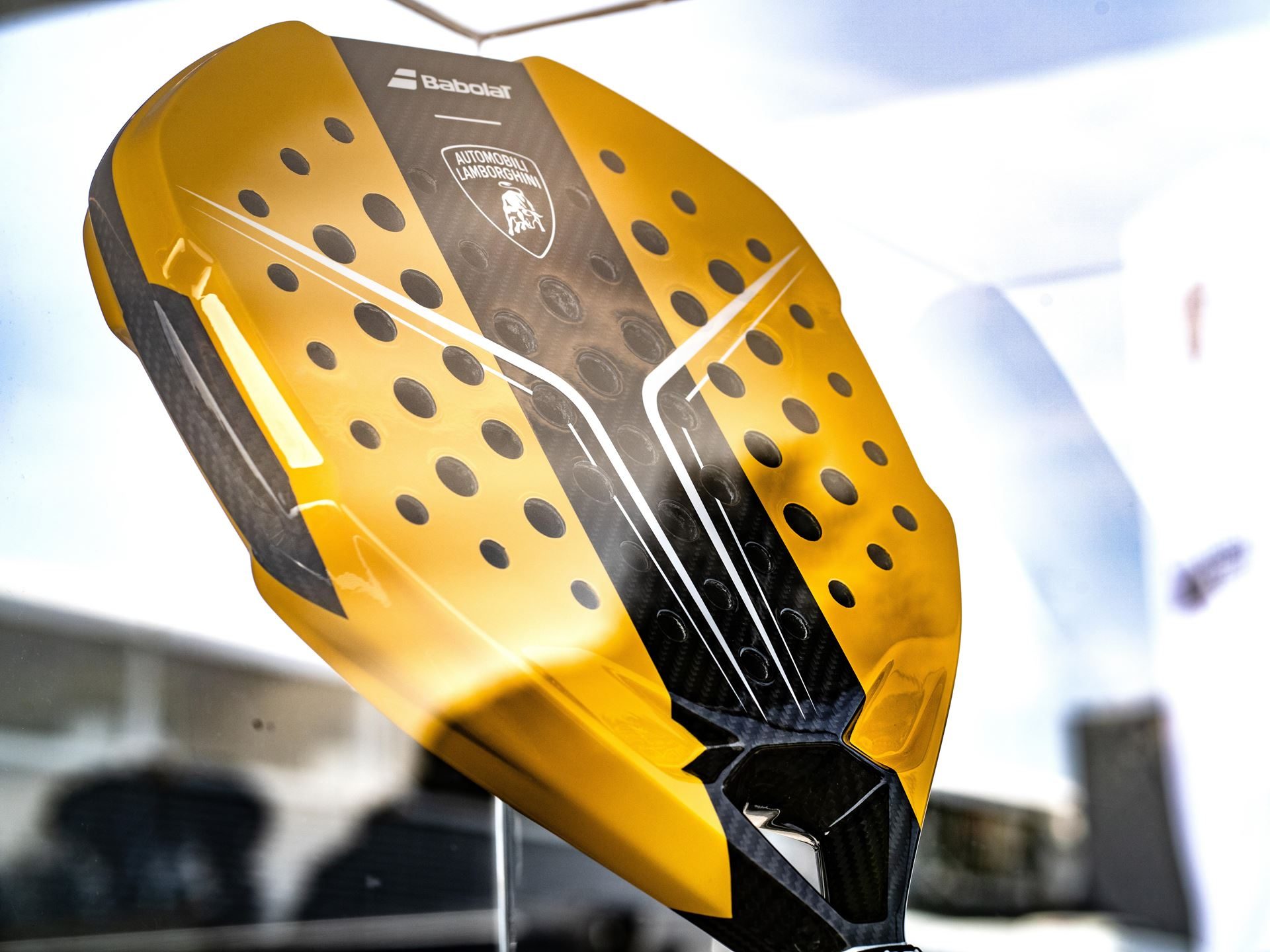
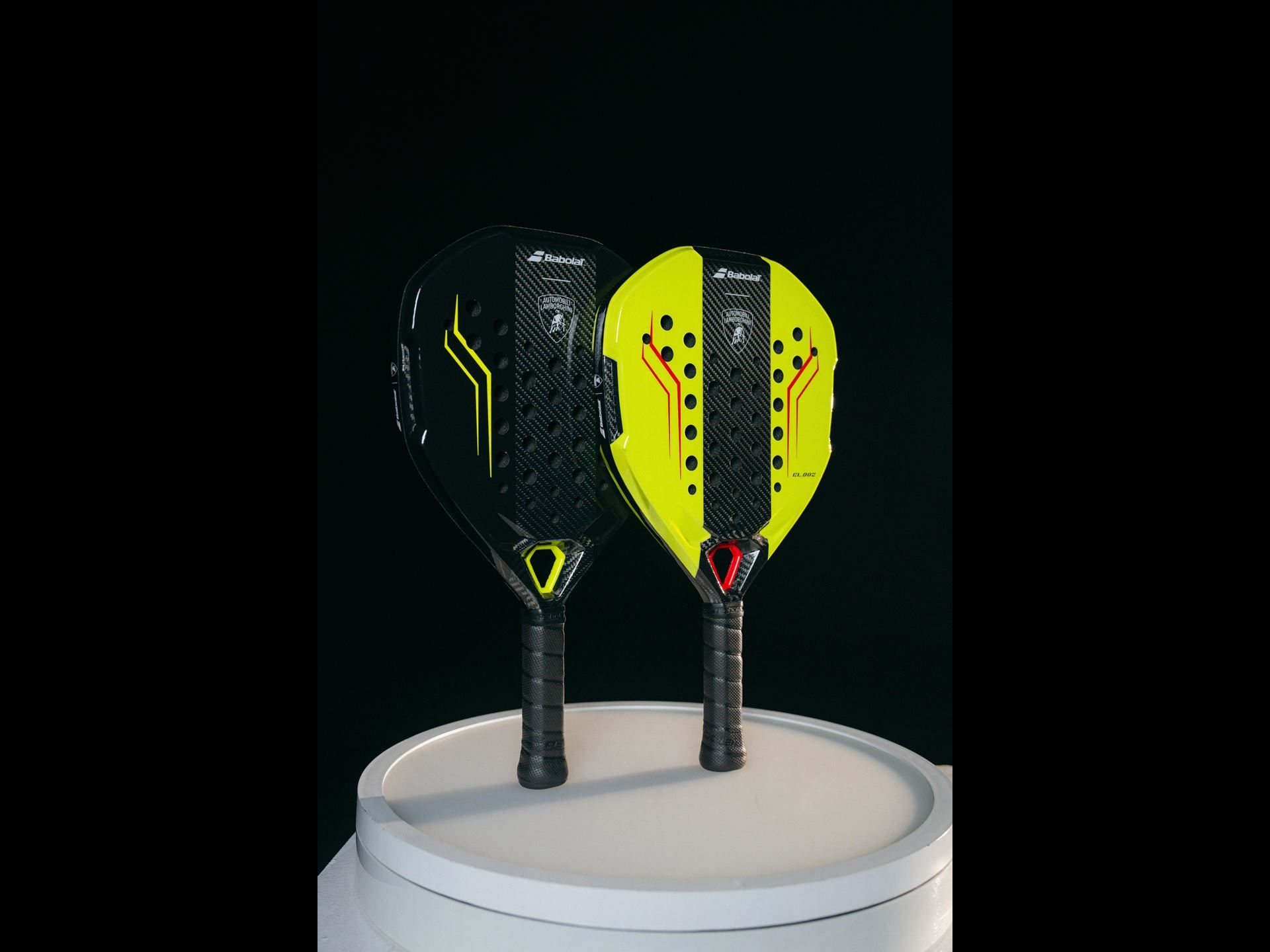
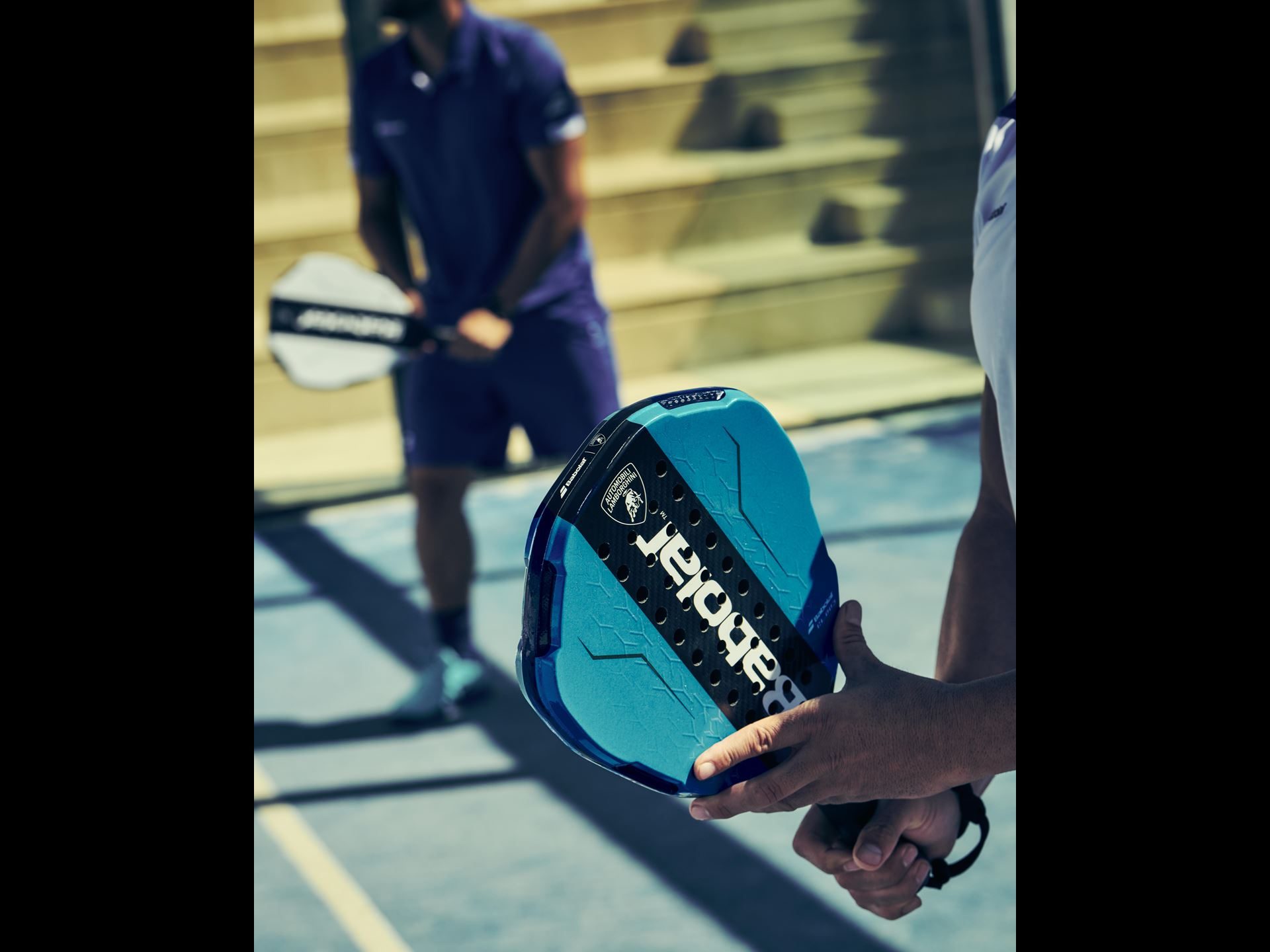
Lamborghini says the BL001 padel racket was produced in the company’s own specialist carbon fiber department at the Sant’Agata Bolognese plant. According to Lamborghini, the rackets use the same carbon fiber, the same Koridion foam, and the same fundamental approach applied to its super sports cars: reducing weight while maintaining structural rigidity.
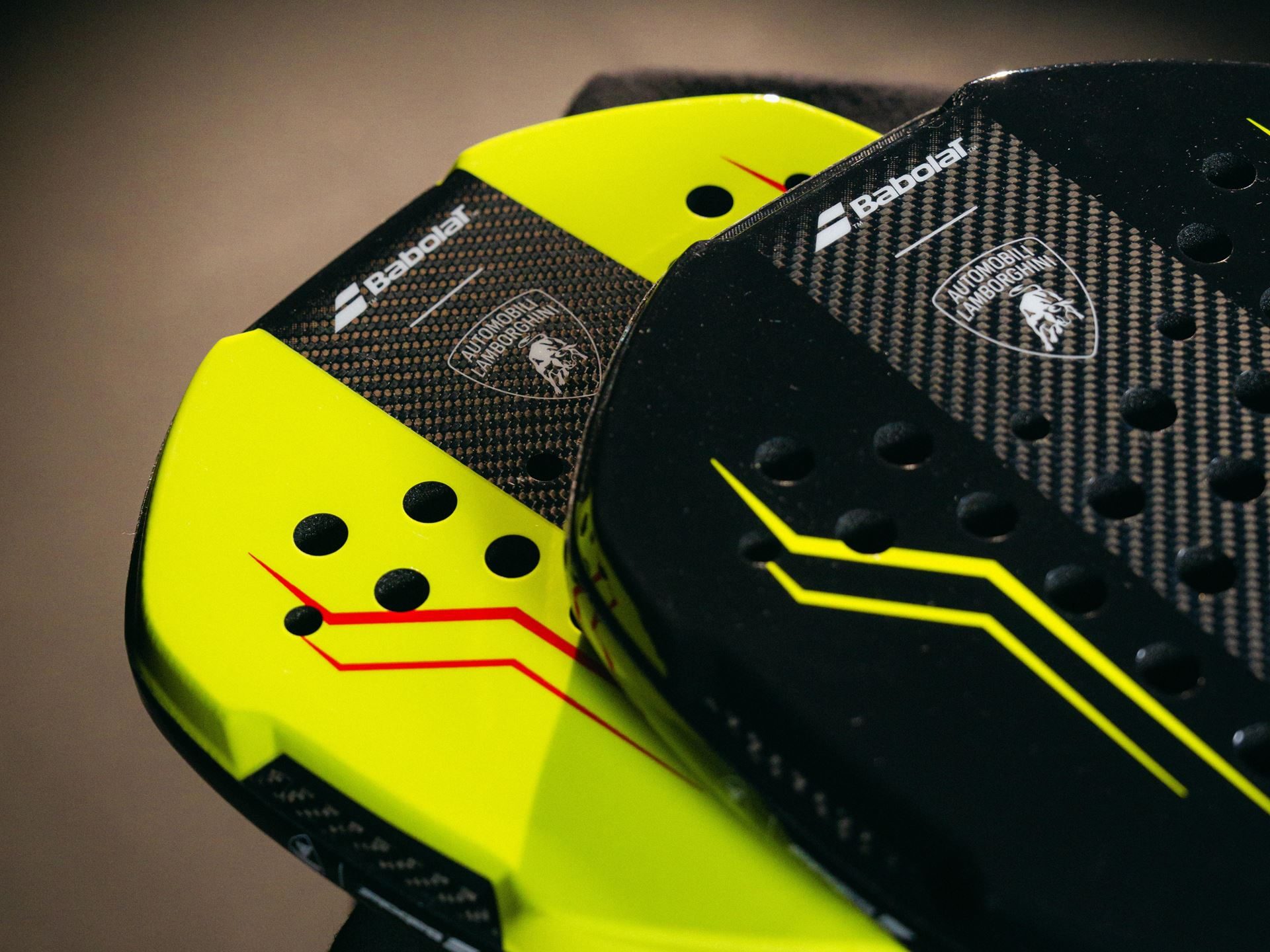
This matters because carbon fiber is not a monolithic material. The way it is laid up, the resin system used, the curing process, the foam core selection: all of these variables determine how a structure responds to dynamic loads. In a supercar, that translates to chassis stiffness and crash performance. In a padel racket, it translates to response and control during play. The physics are different, but the engineering philosophy of optimizing the strength-to-weight ratio is identical. Three models exist (BL001, BL002, and BL003), each designed for different player profiles, which suggests genuine performance differentiation rather than cosmetic badge engineering.
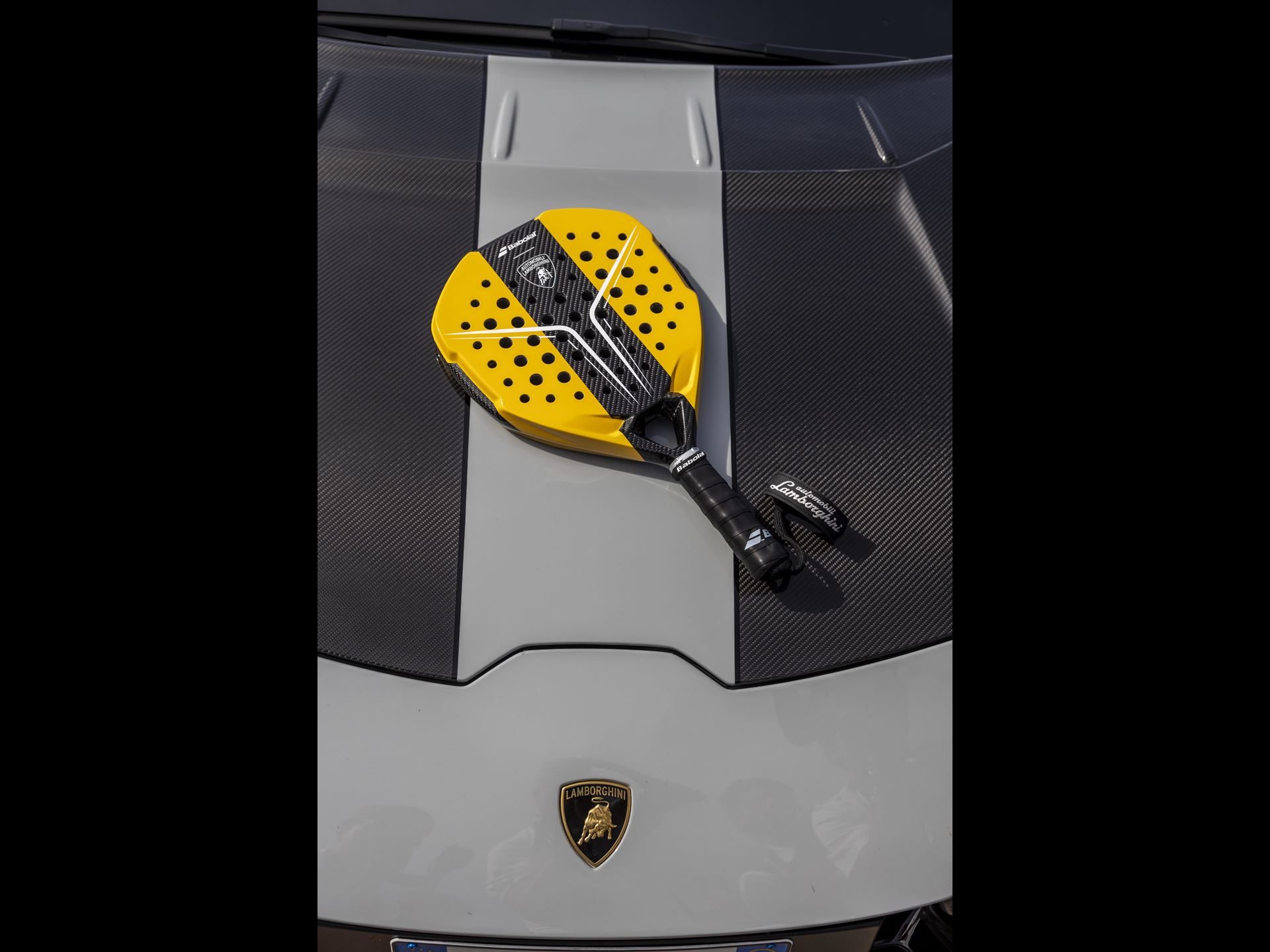
The visible carbon fiber weave pattern on the rackets, clearly apparent in product images alongside prominent Lamborghini and Babolat branding, reinforces the material connection. A yellow-and-black colorway photographed resting on the carbon fiber-striped hood of a Lamborghini makes the visual link unmistakable. Here is the practical takeaway for anyone considering one: if the manufacturing pedigree is real (and production at Sant’Agata’s own carbon fiber department is a verifiable claim), these rackets represent something genuinely different from a logo slapped onto off-the-shelf equipment.

The Lamborghini Lifestyle Ecosystem: Villas, Watercraft, Speakers, and Shoes
Beyond the padel court, Lamborghini’s collaboration portfolio reads like the wish list of someone who wants their entire life to look like the inside of a Centro Stile mood board.
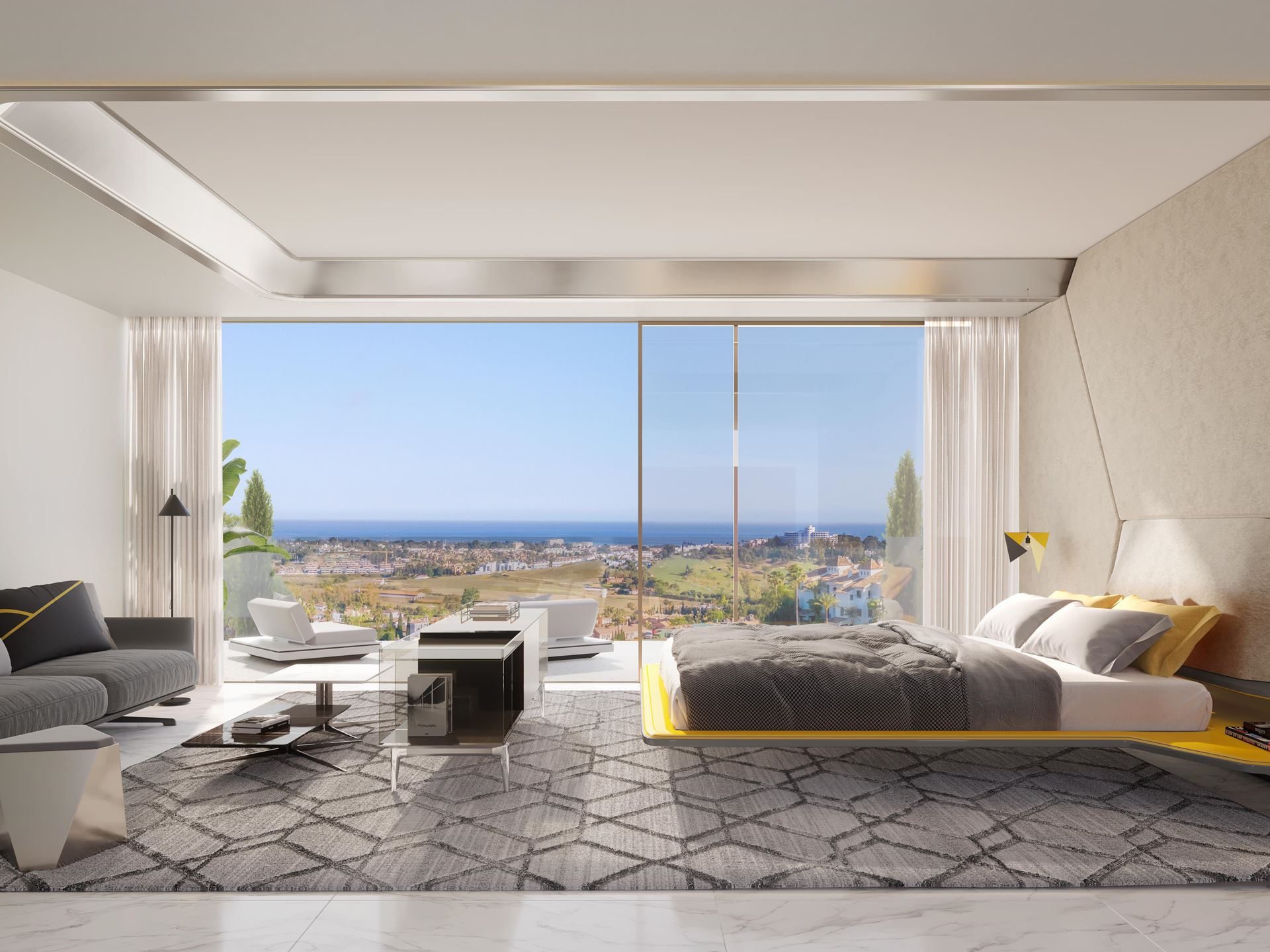
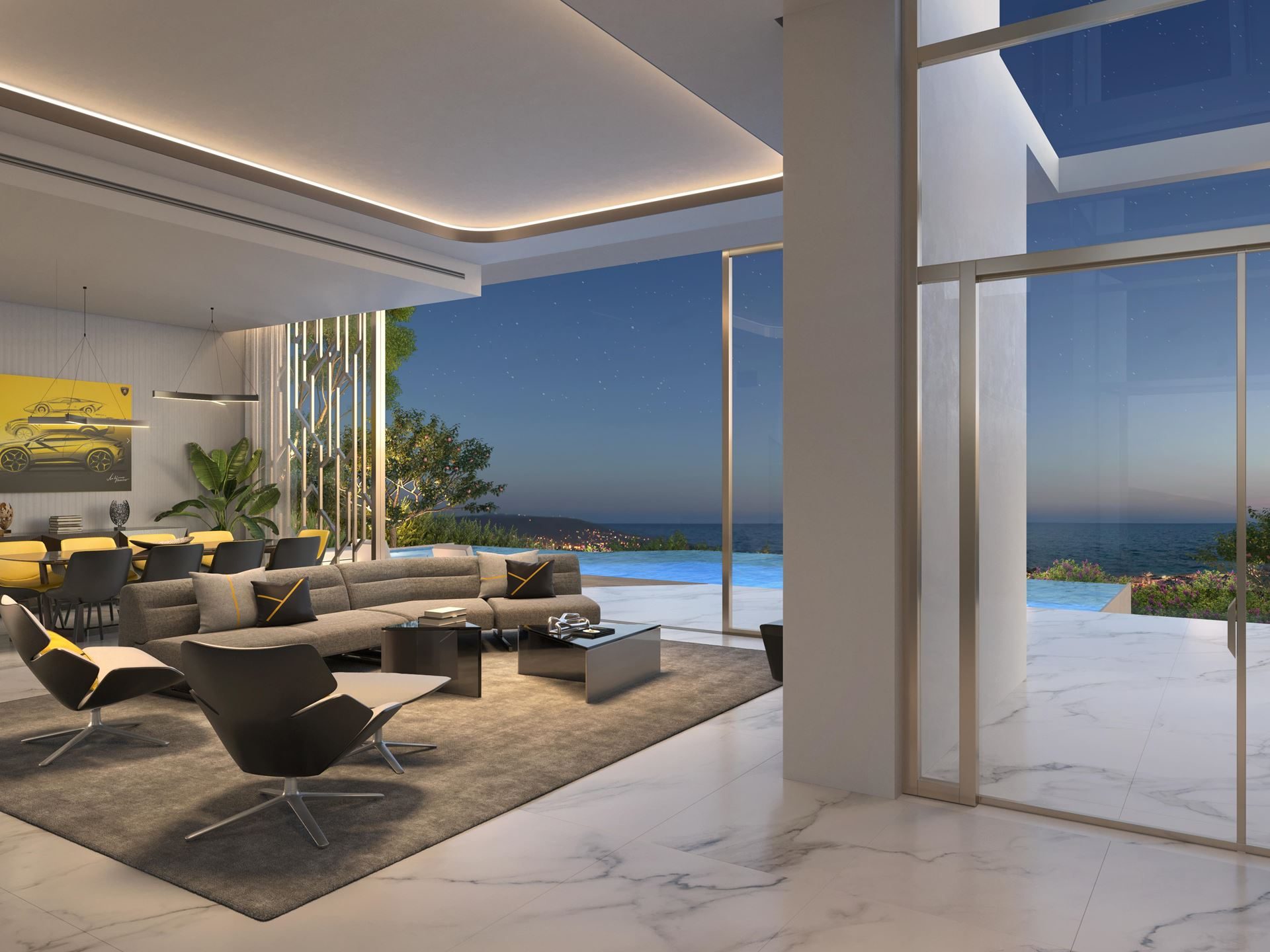
The partnership with Dar Global brings Lamborghini’s design language to a residential community in Benahavís, along Spain’s Costa del Sol. Lamborghini says the architecture features bold lines and premium materials inspired by its automotive design, translating the brand’s proportions and character into physical spaces. Images show a sprawling hillside development overlooking the ocean, with modern homes and private pools integrated into the landscape. Whether the interiors genuinely reflect Lamborghini’s angular aesthetic or simply carry the badge remains to be seen by prospective buyers, but the concept of branded luxury residences is a growing trend among supercar manufacturers.
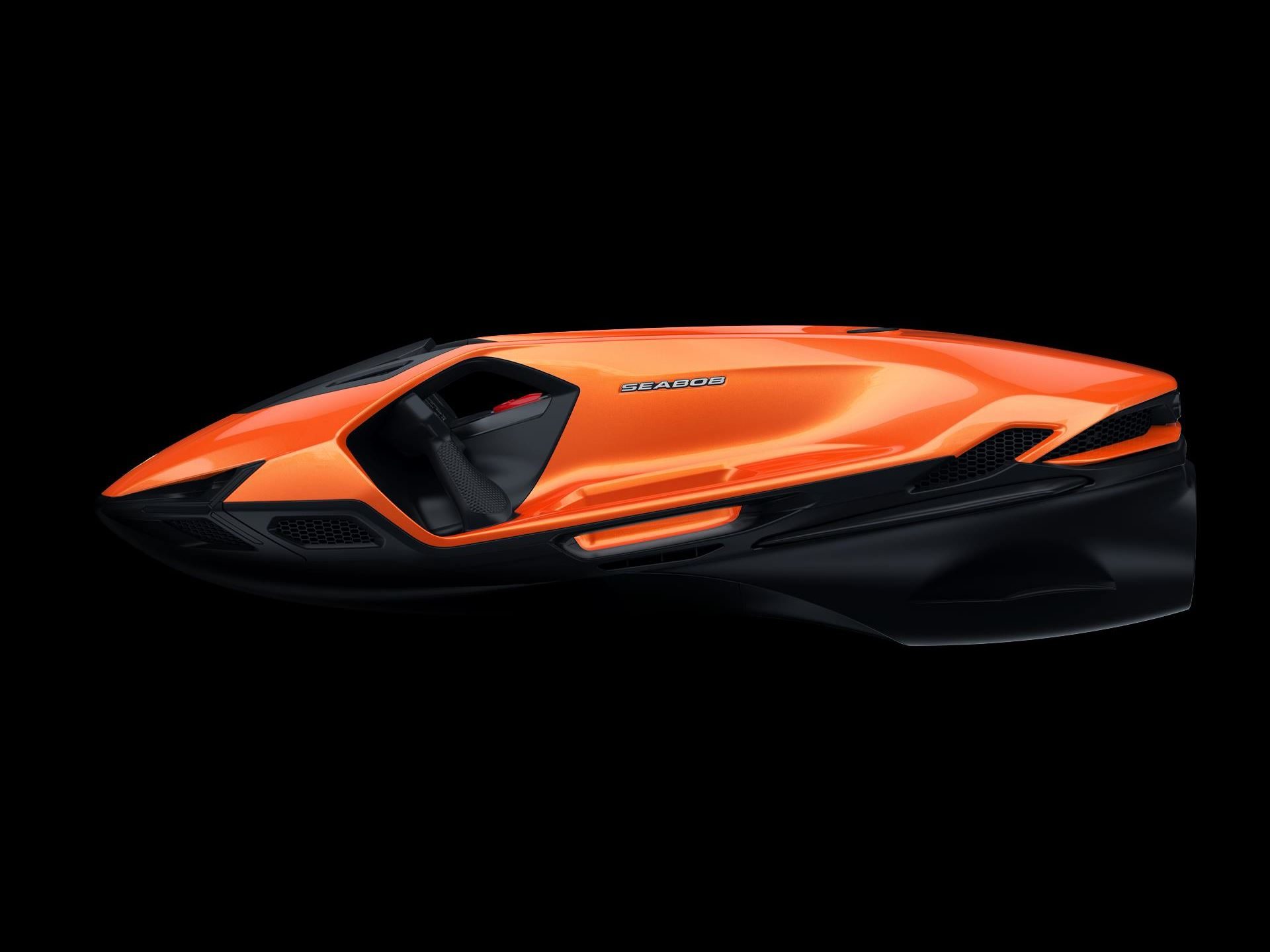
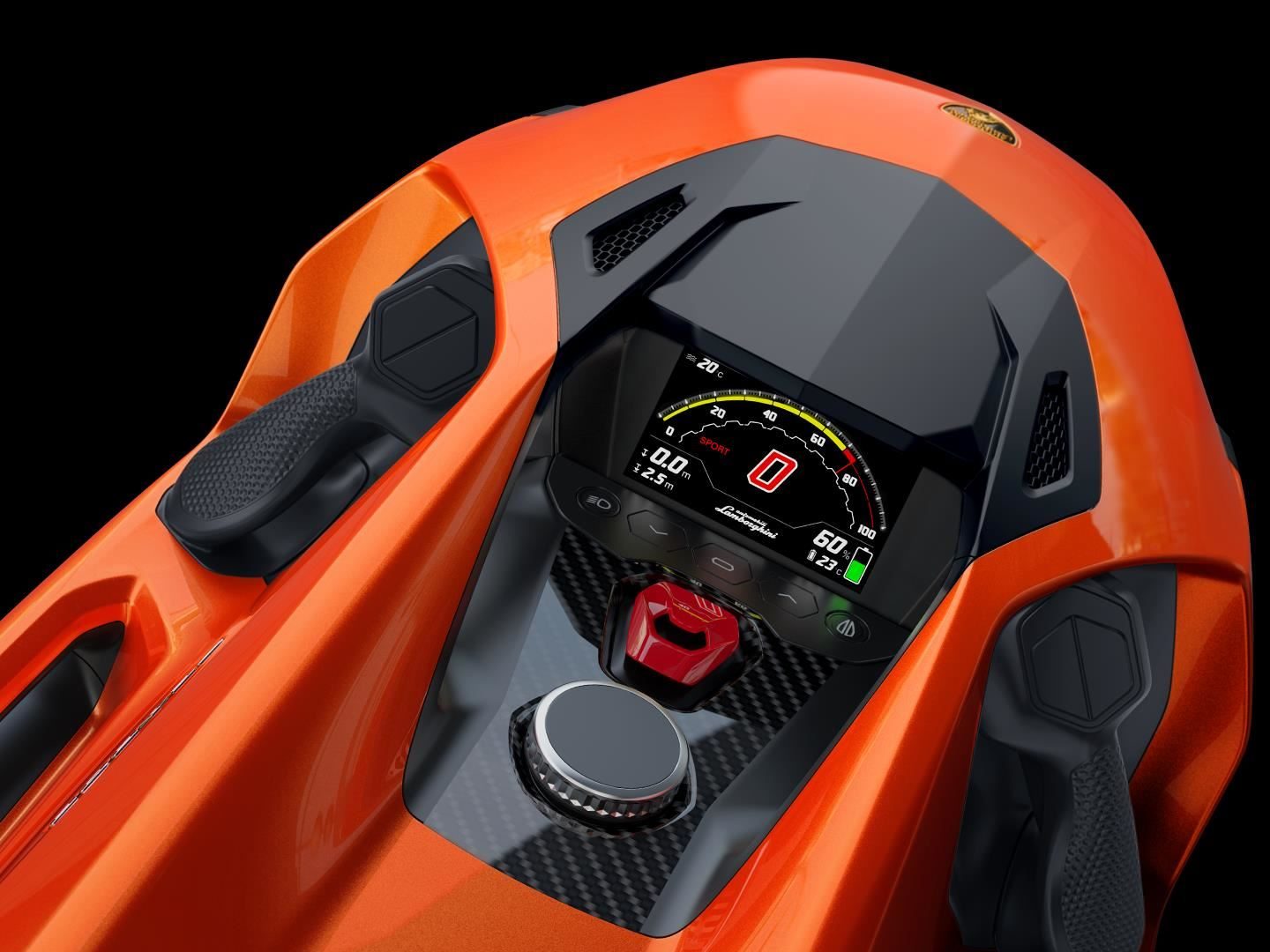
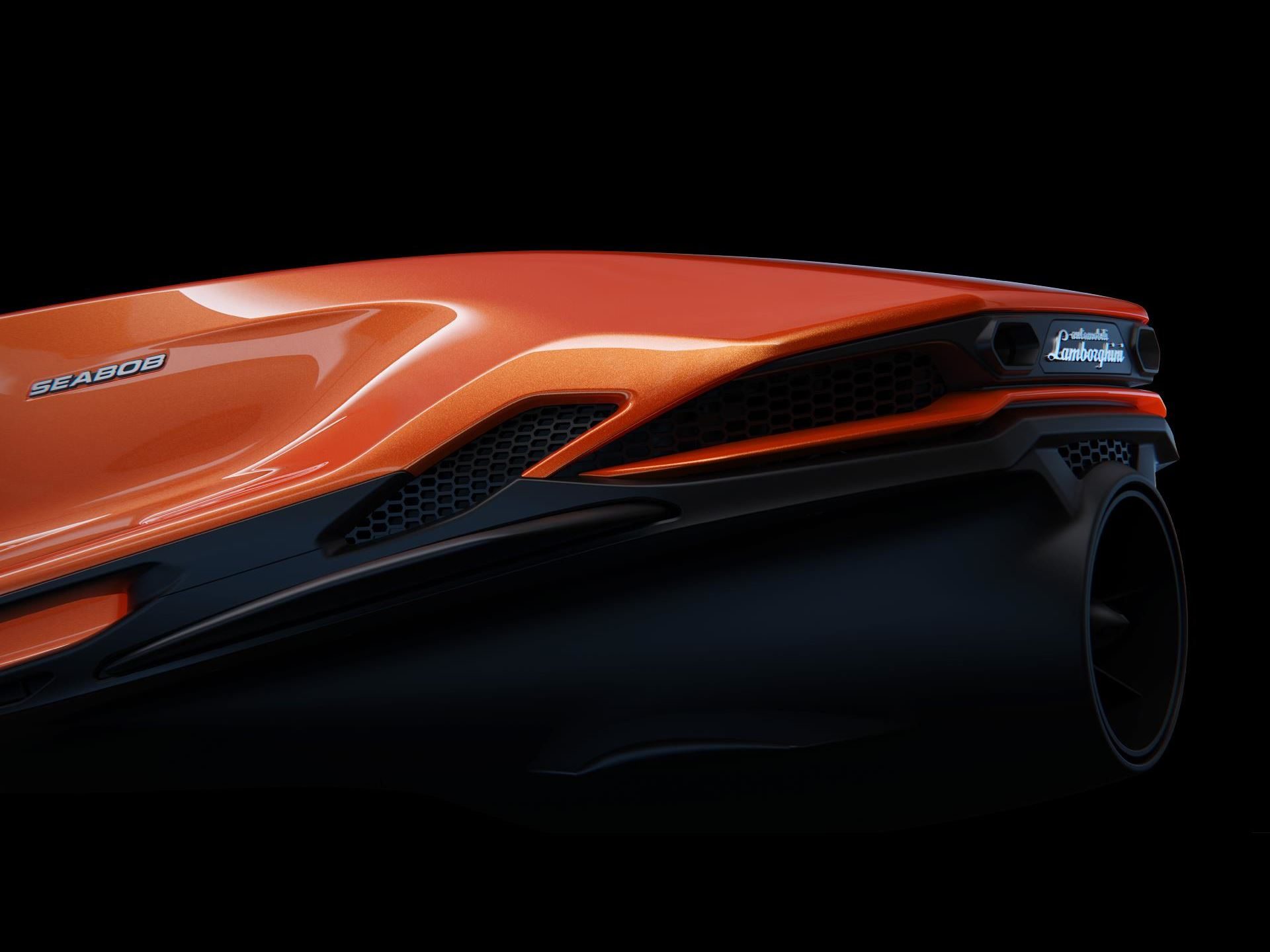
On the water, CAYAGO developed the SEABOB SE63 specifically for Automobili Lamborghini. According to the brand, every detail from the power button to the sculpted body lines reflects signature Lamborghini liveries, aiming to translate the driving sensation to a waterborne experience.

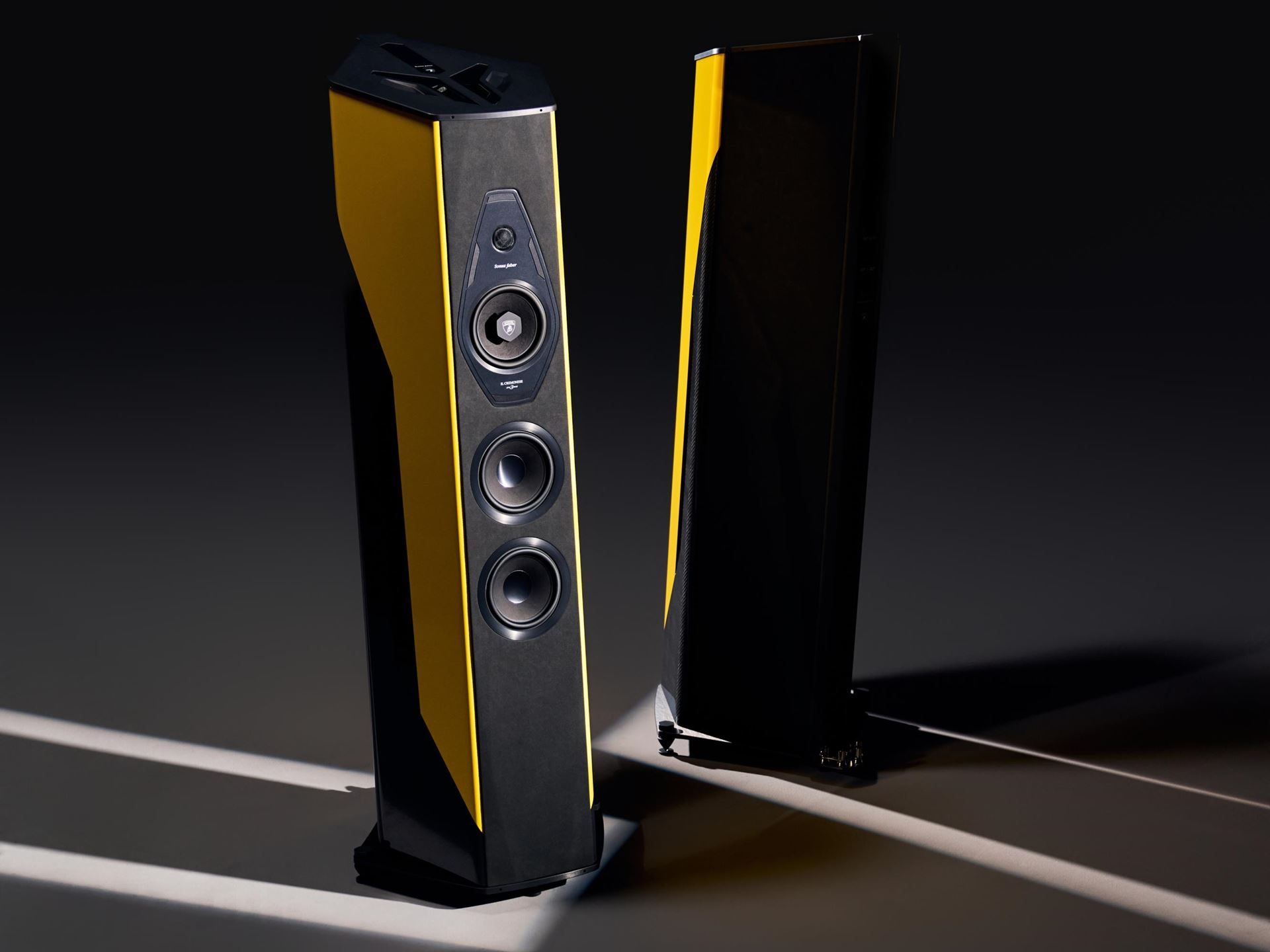
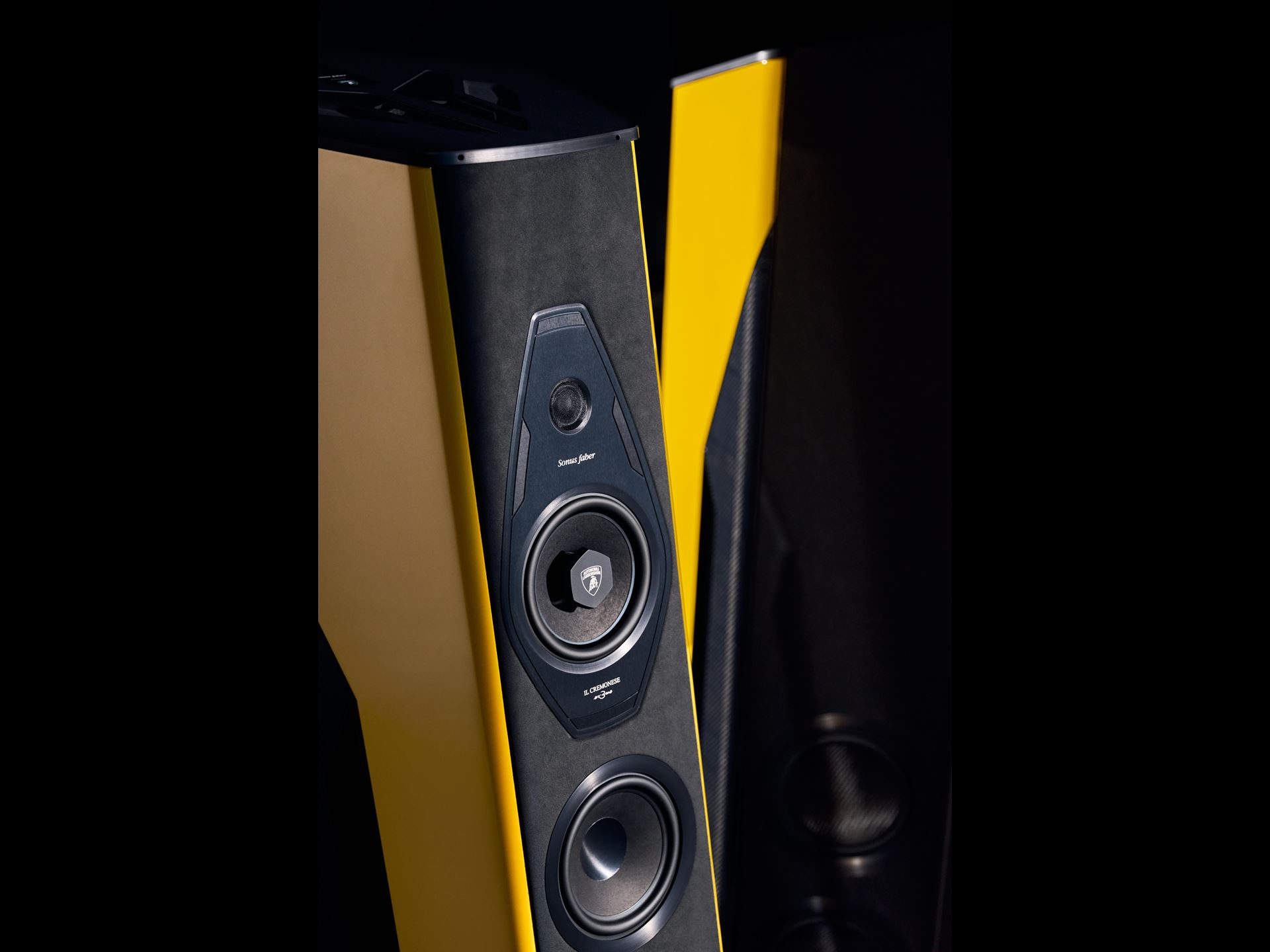
The Sonus faber collaboration produced the Il Cremonese Ex3me, Automobili Lamborghini Edition, a limited-edition floorstanding speaker. Lamborghini says it features exposed carbon fiber and shapes inspired by super sports car instrument panels and steering wheels. The formal language of Lamborghini is described as an integral part of the product’s structure, not just a cosmetic overlay.

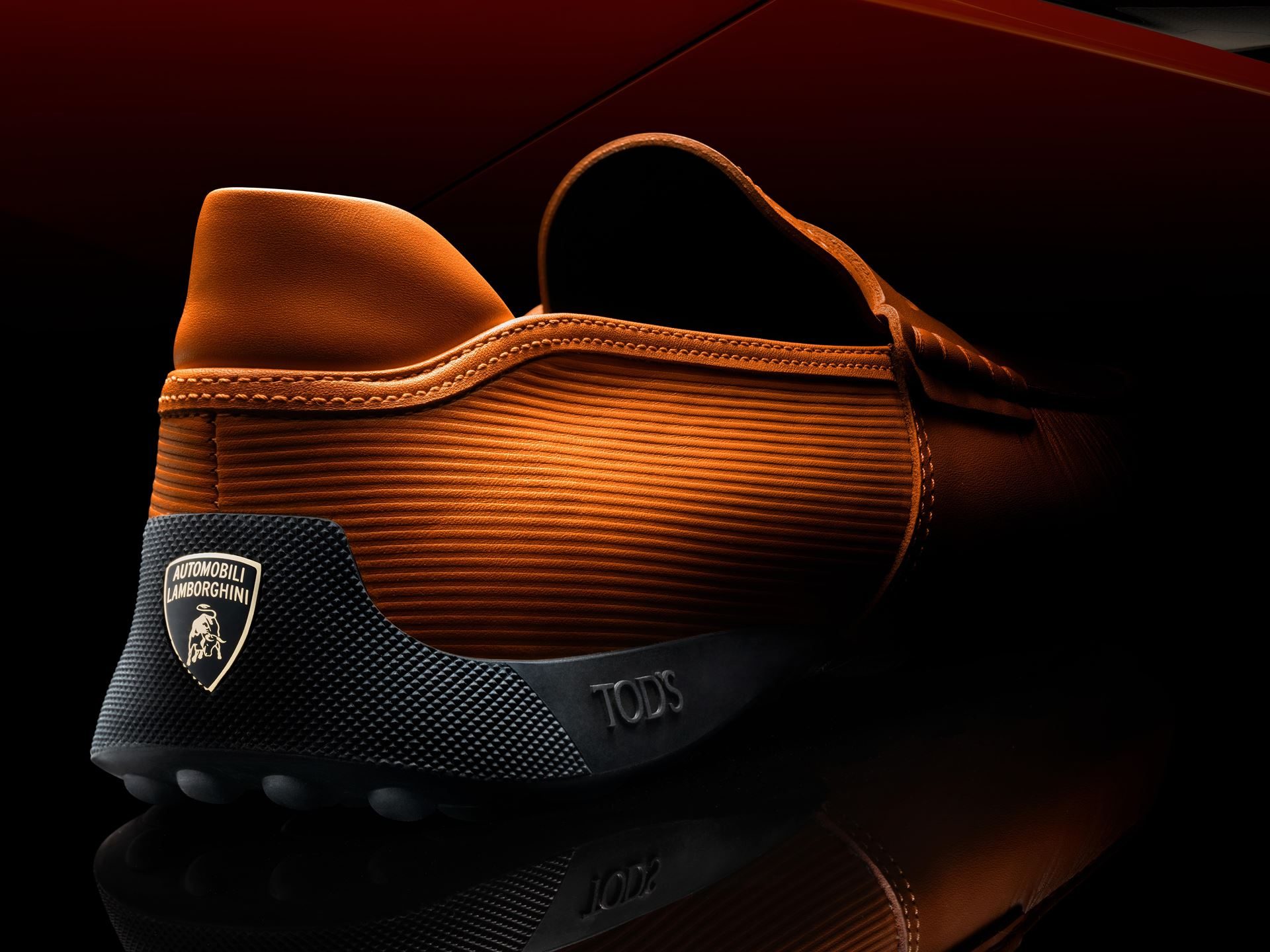
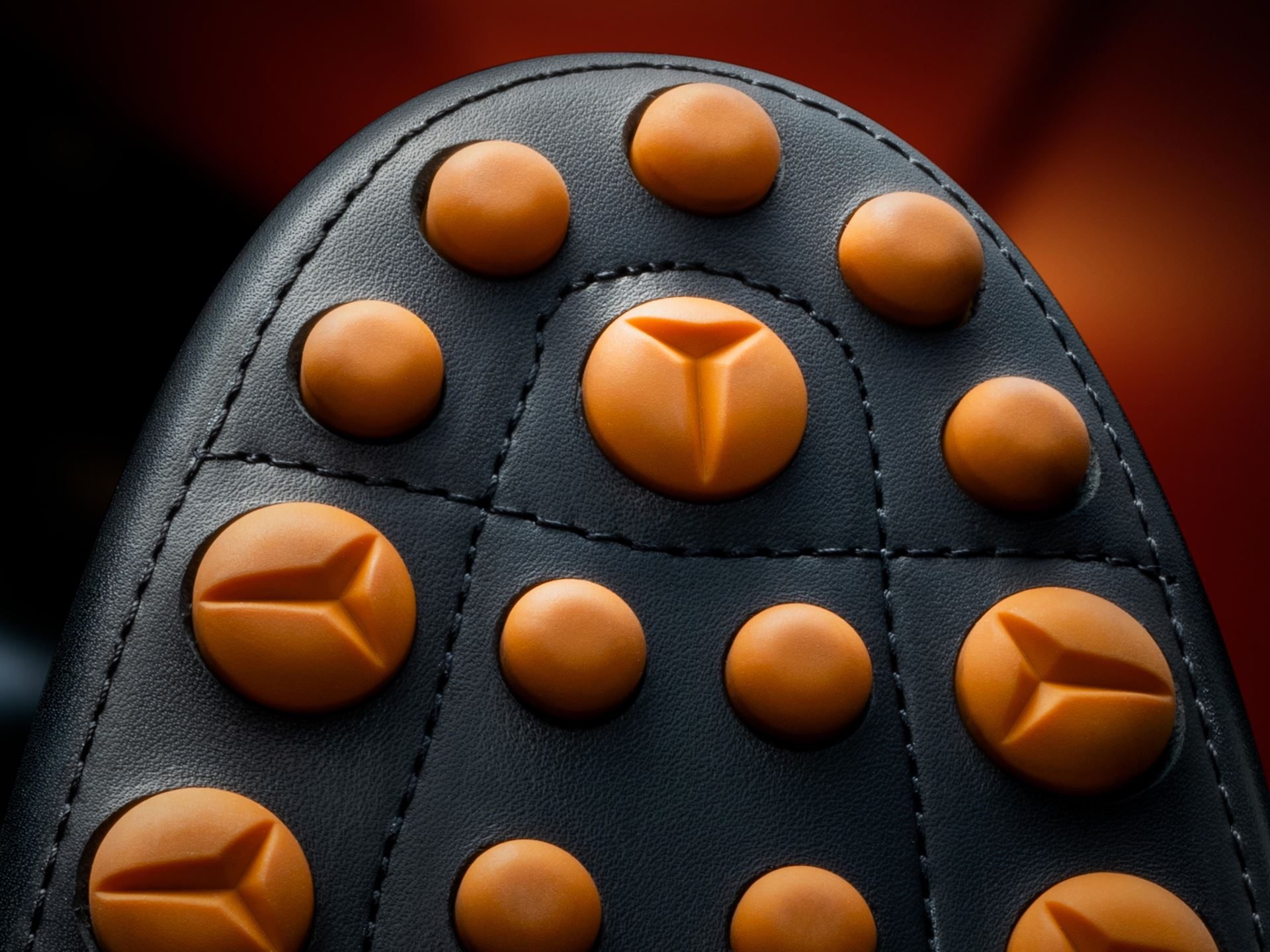
Then there is the Tod’s collaboration. The partnership reinterprets Tod’s sneakers and iconic Gommino loafers using selected leathers and clean lines. Lamborghini says the unmistakable “Y” motif is integrated into the sole of the loafer, a subtle detail that speaks to the kind of owner who appreciates a discreet nod rather than a billboard. Among the many collaborations, the Tod’s partnership arguably best captures the artisanal, leather-centric identity that defines Lamborghini interiors. Owners who have spent time speccing an Ad Personam interior will recognize the shared obsession with material quality.

Cultivating the Next Generation: LEGO, Hot Wheels, and Roblox
The most strategically interesting part of Lamborghini’s brand extension play is not the products aimed at current buyers. It is the ones aimed at people who cannot yet drive.
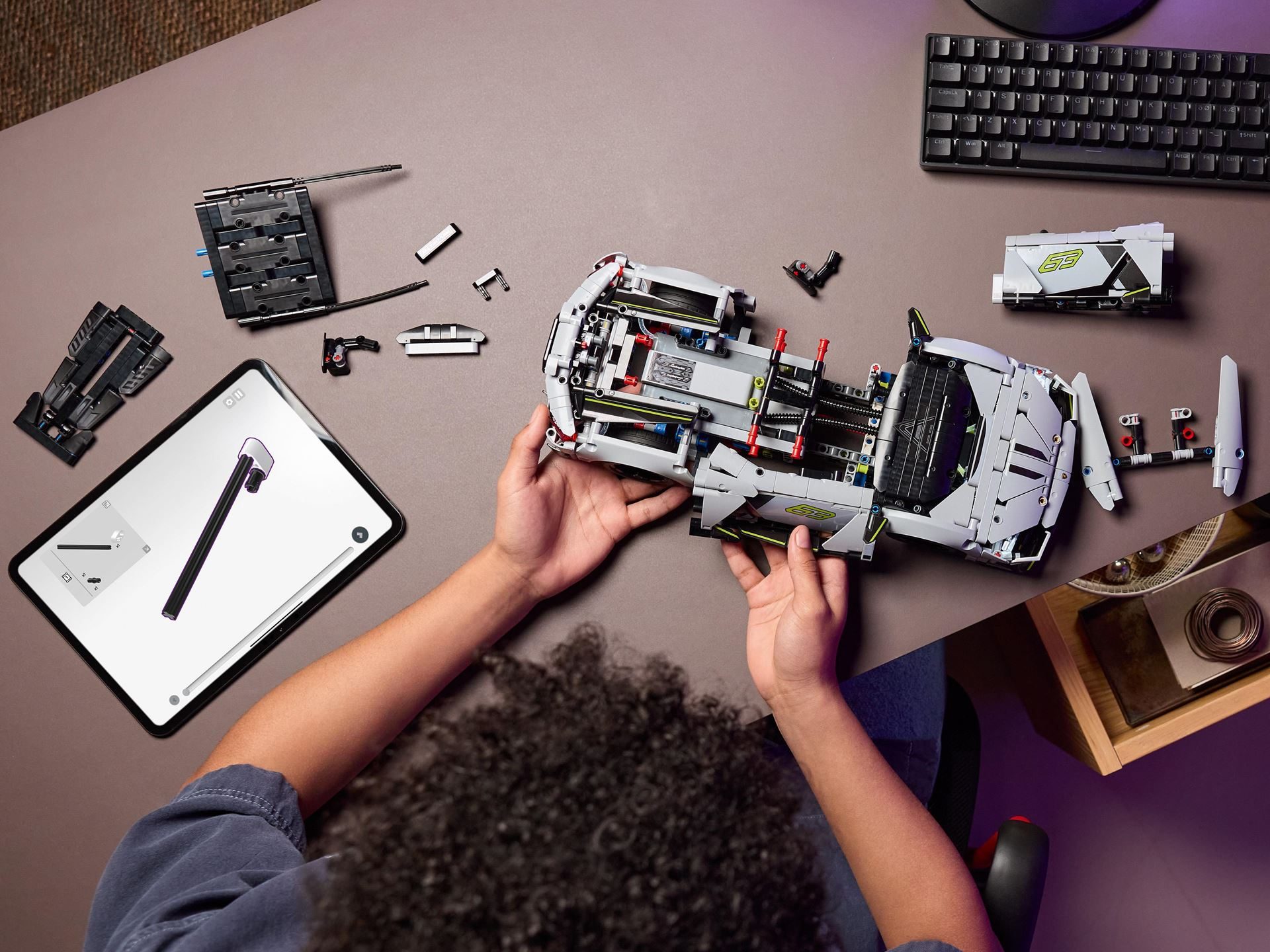
The LEGO Group has developed a remote-control Revuelto model with an app-based driving system, transforming Lamborghini’s first HPEV into a product that blends play with brand immersion. Hot Wheels produces die-cast cars and a 1:64th scale collection of Lamborghini models, making the brand accessible to audiences ranging from young children to adult collectors. These partnerships are not new territory for supercar brands, but they represent a deliberate long-term investment in brand recognition.
The digital side is perhaps more telling. A Roblox experience called “Lamborghini Lanzador Lab” places the Lanzador concept car into a stylized virtual environment, complete with glowing wheels and futuristic backdrops visible in promotional imagery. The logic here is straightforward: the average Roblox player is a teenager today and potentially a high-net-worth individual in 15 to 20 years. If the first supercar brand they associate with excitement and aspiration is Lamborghini, that is a marketing investment with a very long payoff horizon.
One observation worth making: Lamborghini has historically punched above its weight with younger audiences compared to Ferrari or McLaren, partly because the brand’s visual language is so extreme and instantly recognizable. A seven-year-old can draw a Countach from memory. That organic advantage in youth recognition is something these toy and digital partnerships are designed to reinforce rather than create from scratch. The question is whether a Roblox presence enhances that cool factor or makes it feel corporate. Early indications from the gaming community suggest the former, but the execution will matter more than the announcement.
The Full Collaboration Portfolio
For reference, here is the complete list of current Lamborghini design collaborations covered in this initiative:
| Sector | Partner | Product |
|---|---|---|
| Sports / Performance | Babolat | BL001, BL002, BL003 padel rackets |
| Motorcycles | Ducati | Diavel 1260, Streetfighter V4, Panigale V4 |
| Watercraft | CAYAGO | SEABOB SE63 |
| Real Estate | Dar Global | Benahavís villas, Costa del Sol, Spain |
| Audio | Sonus faber | Il Cremonese Ex3me, Automobili Lamborghini Edition |
| Fashion | Tod’s | Sneakers and Gommino loafers |
| Toys / Collectibles | The LEGO Group | Remote-control Revuelto with app-based driving |
| Toys / Collectibles | Hot Wheels | Die-cast cars and 1:64th scale collection |
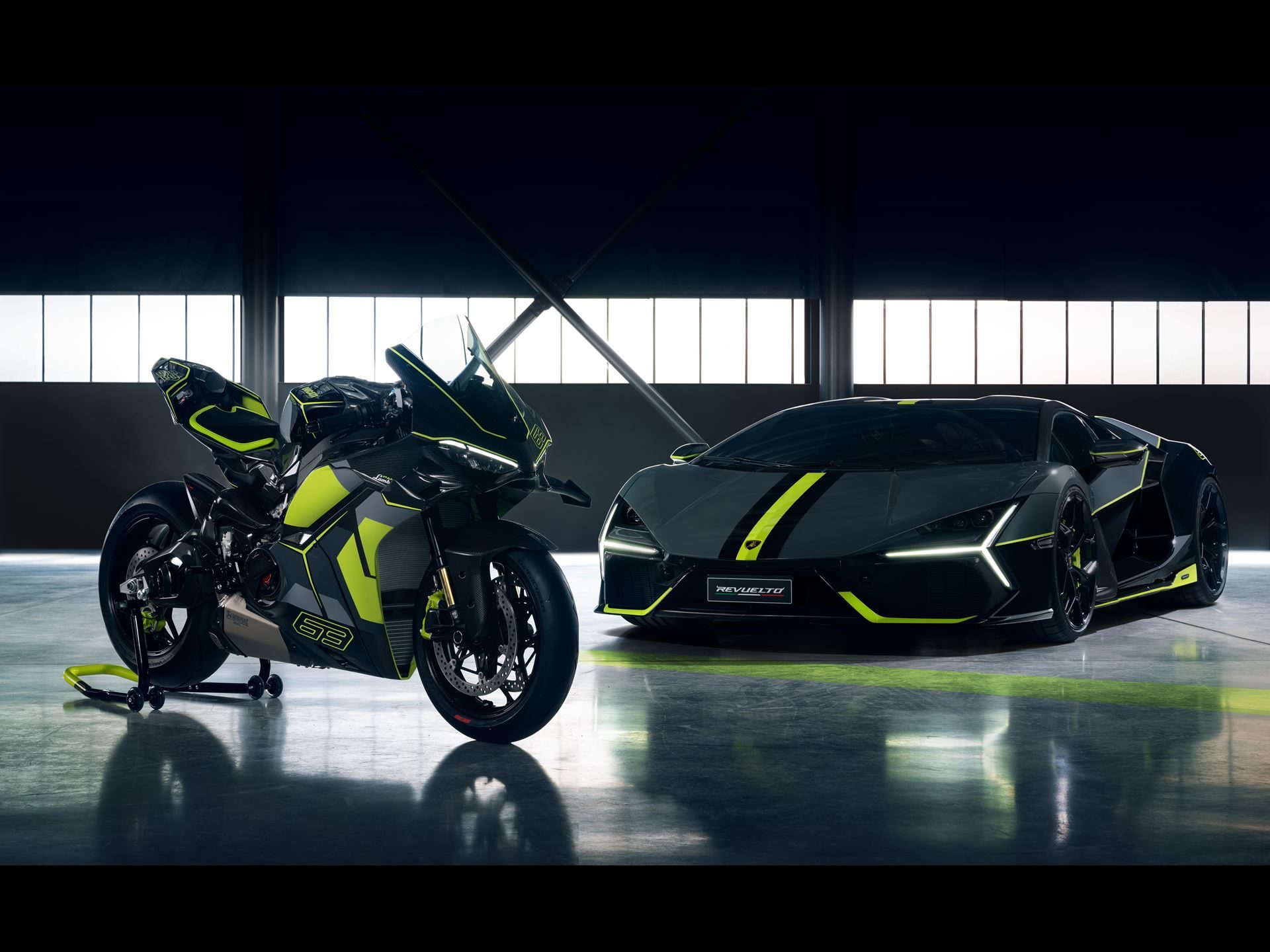
What unites these partnerships, according to Lamborghini, is a shared process: Lamborghini says it works directly with every partner to ensure its design DNA, including proportions, colors, and quality of details, is authentically represented. The Ducati collaboration is particularly interesting because both brands share Motor Valley roots and a focus on performance precision, making the design crossover feel organic rather than forced.
For now, the portfolio represents one of the most ambitious lifestyle extension strategies in the supercar world, and one that Lamborghini enthusiasts will be watching closely.
Gallery