The Hint Nobody Is Supposed to Notice
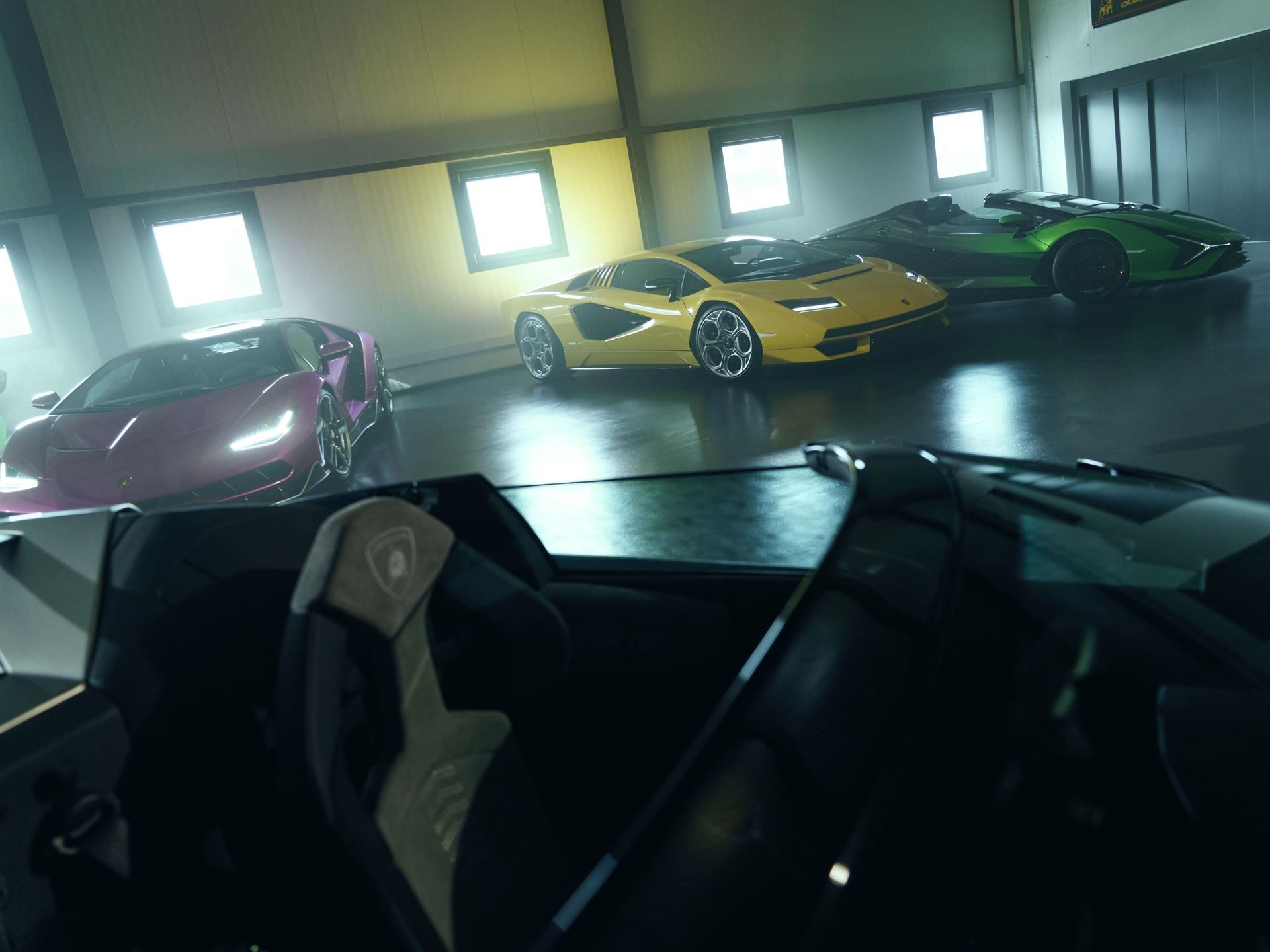
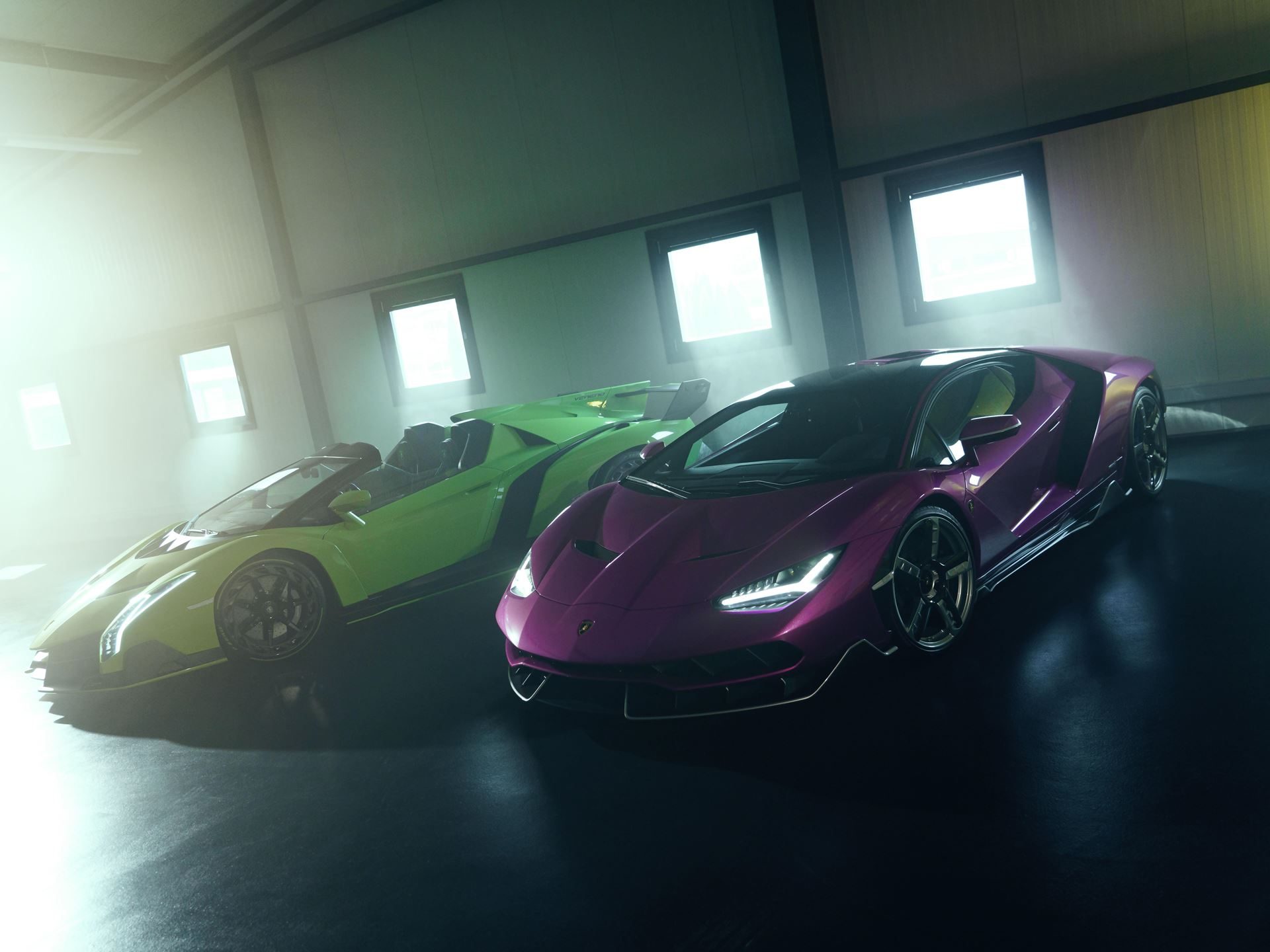
- Lamborghini has published a formal retrospective of its V12 Few Off Roadster lineage, covering the Reventón, Veneno, Centenario, and Sián Roadsters.
- The timing is conspicuous: duPont Registry reports that a new few-off model called the Fenomeno was introduced last year, yet it is entirely absent from this official history.
- Some Few Off Roadsters have served as technology incubators for Lamborghini’s production cars, making the next chapter more than a collector’s trophy.
When a manufacturer with Lamborghini’s flair for drama publishes a carefully curated retrospective of its most exclusive V12 roadsters, the natural question is not “what’s included?” but “what’s missing?” The brand’s April 2026 press release walks through the Reventón, Veneno, Centenario, and Sián Roadsters, celebrating a lineage that stretches conceptually back to the one-off 1968 Miura Roadster. It is a polished, thorough history.
It is also, possibly, a deliberate setup.
According to duPont Registry, a new few-off model named the Fenomeno was introduced “last year.” The publication speculates that Lamborghini’s retrospective could hint at an upcoming new limited-production roadster. If that timeline is accurate, the Fenomeno’s omission from this official recap is either an oversight (unlikely, given Lamborghini’s marketing precision) or a calculated tease.
For collectors and prospective buyers already on Lamborghini’s short list, the practical takeaway is straightforward: if a Fenomeno Roadster is coming, the allocation process has almost certainly already begun behind closed doors. These cars are never ordered through a dealership configurator. They are offered, quietly, to clients with deep purchase histories and existing relationships with Sant’Agata Bolognese.
Why Lamborghini Builds Cars It Could Never Profit From
The Few Off program is easy to misunderstand if you look at it purely through a financial lens. Very limited production runs, extensive carbon fiber use for some models: none of this scales. Lamborghini’s approach has a distinct characteristic. Some Few Off models have functioned as proving grounds for technologies that later appear in future Lamborghini models.
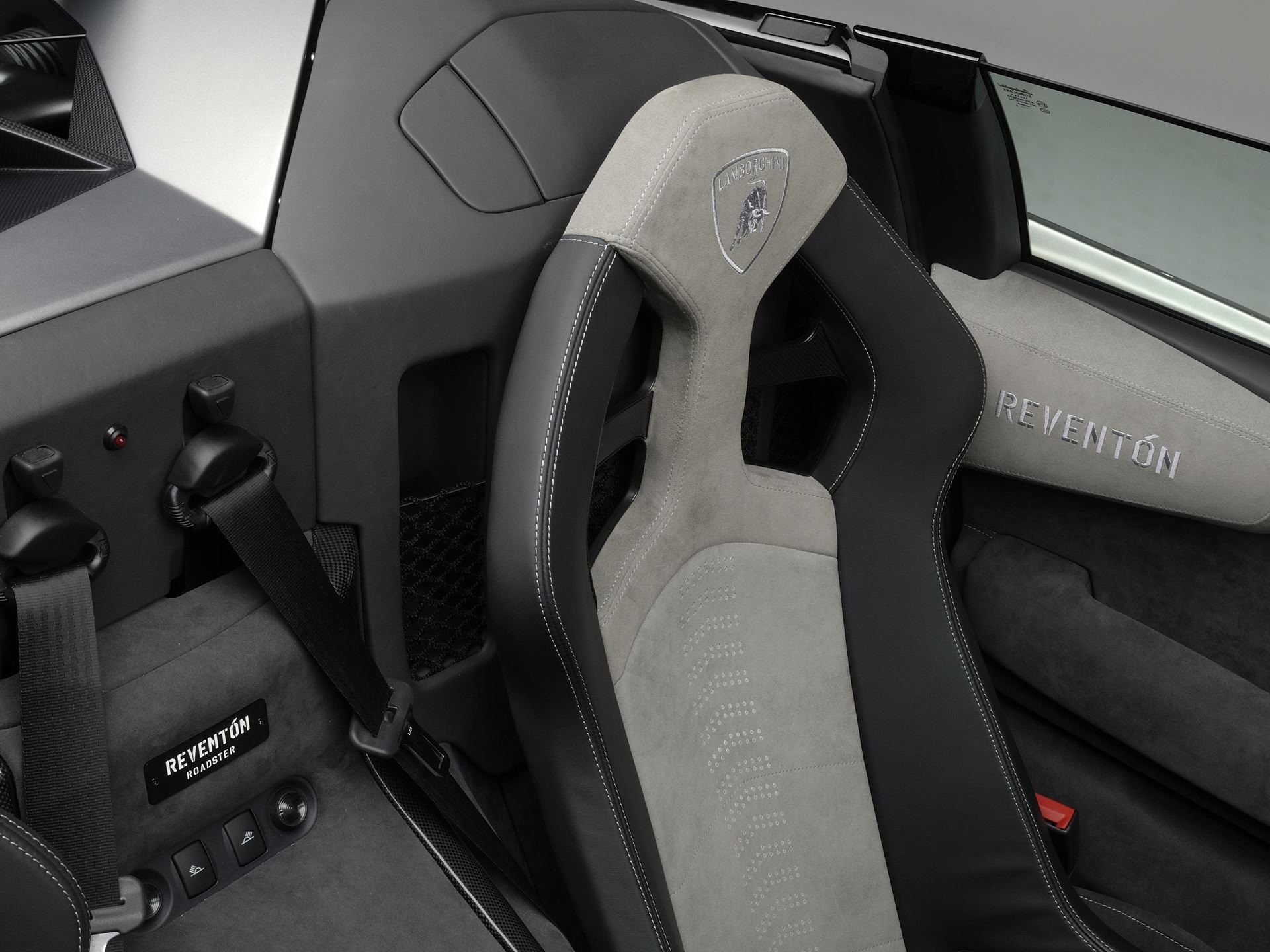
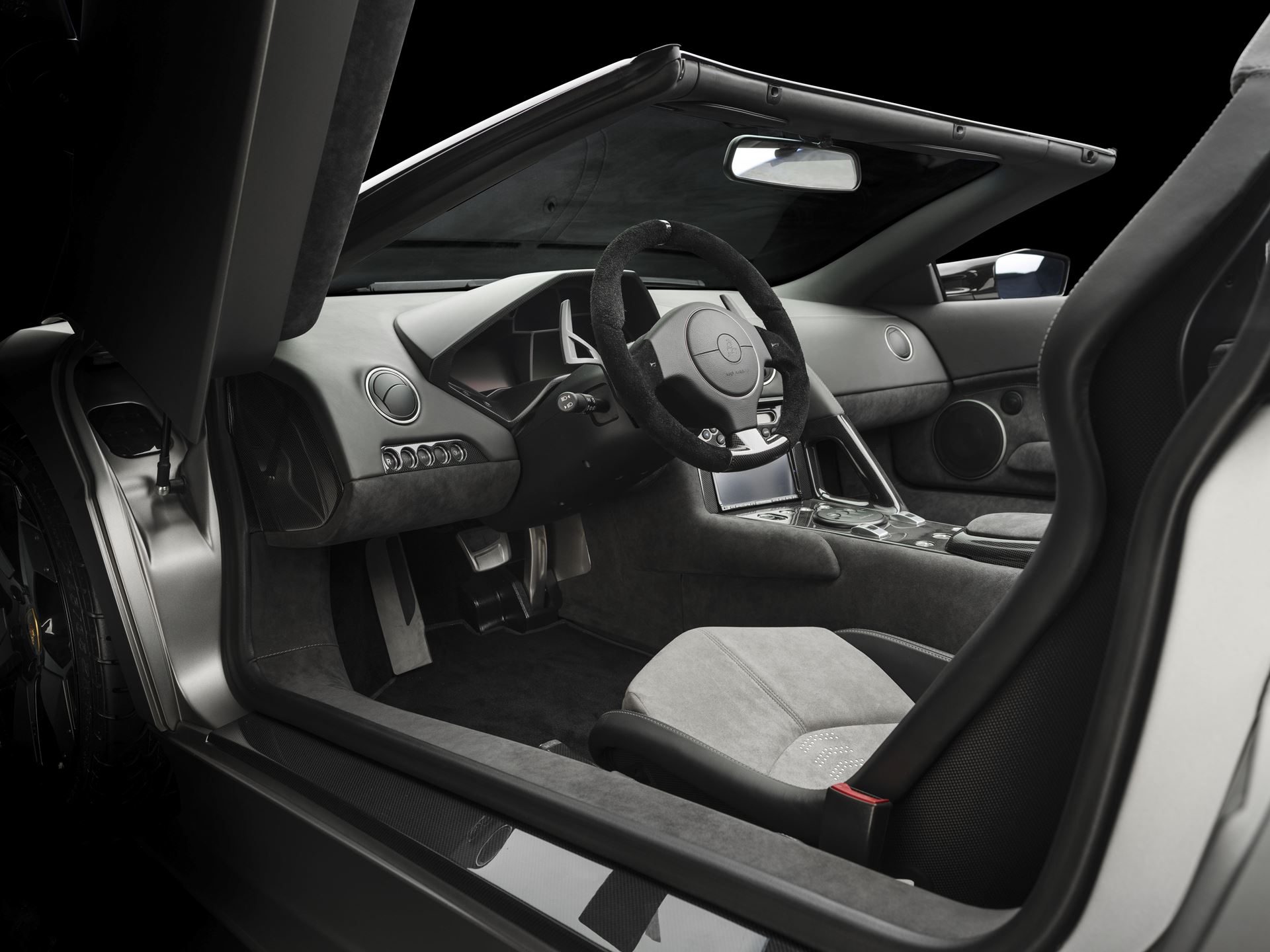
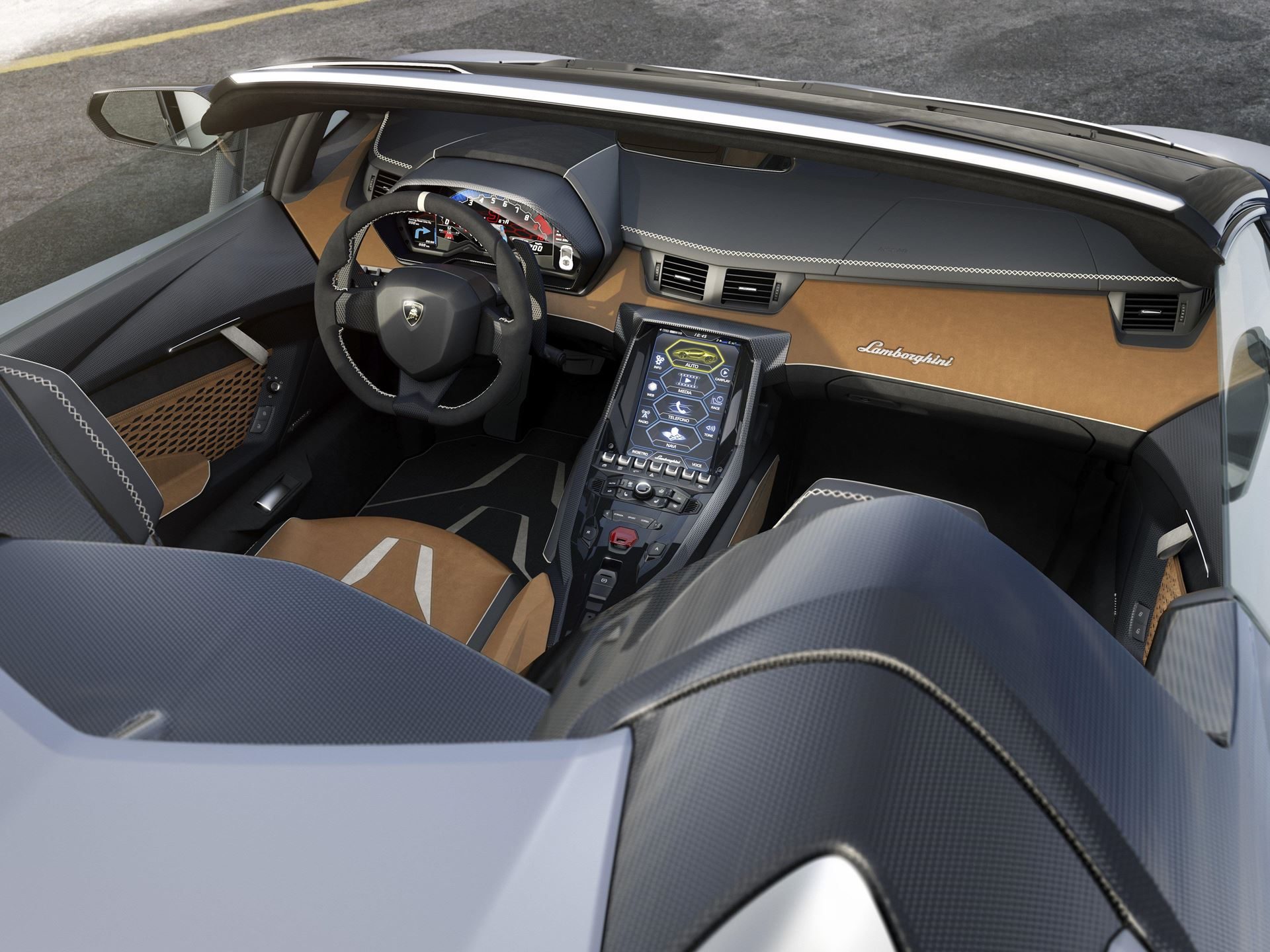
The Reventón Roadster, for example, was the first Lamborghini equipped with a fully digital instrument cluster featuring three LCD displays. Lamborghini notes the Centenario Roadster introduced rear-wheel steering and a central infotainment touchscreen, both of which later returned in future Lamborghini models. The Sián Roadster pioneered the brand’s hybrid V12 architecture.
“When we created the Reventón Roadster, we wanted to further demonstrate Lamborghini’s technological capabilities, as we do with every few-off model,” says Stephan Winkelmann, Chairman and CEO of Automobili Lamborghini.
This is the part competitors rarely explain: some Few Off cars are not vanity projects. They are R&D vehicles disguised as collector trophies. The clients who pay for the privilege are, in effect, funding Lamborghini’s next technological leap while receiving something genuinely irreplaceable in return.
Reventón Roadster: The One That Started Everything
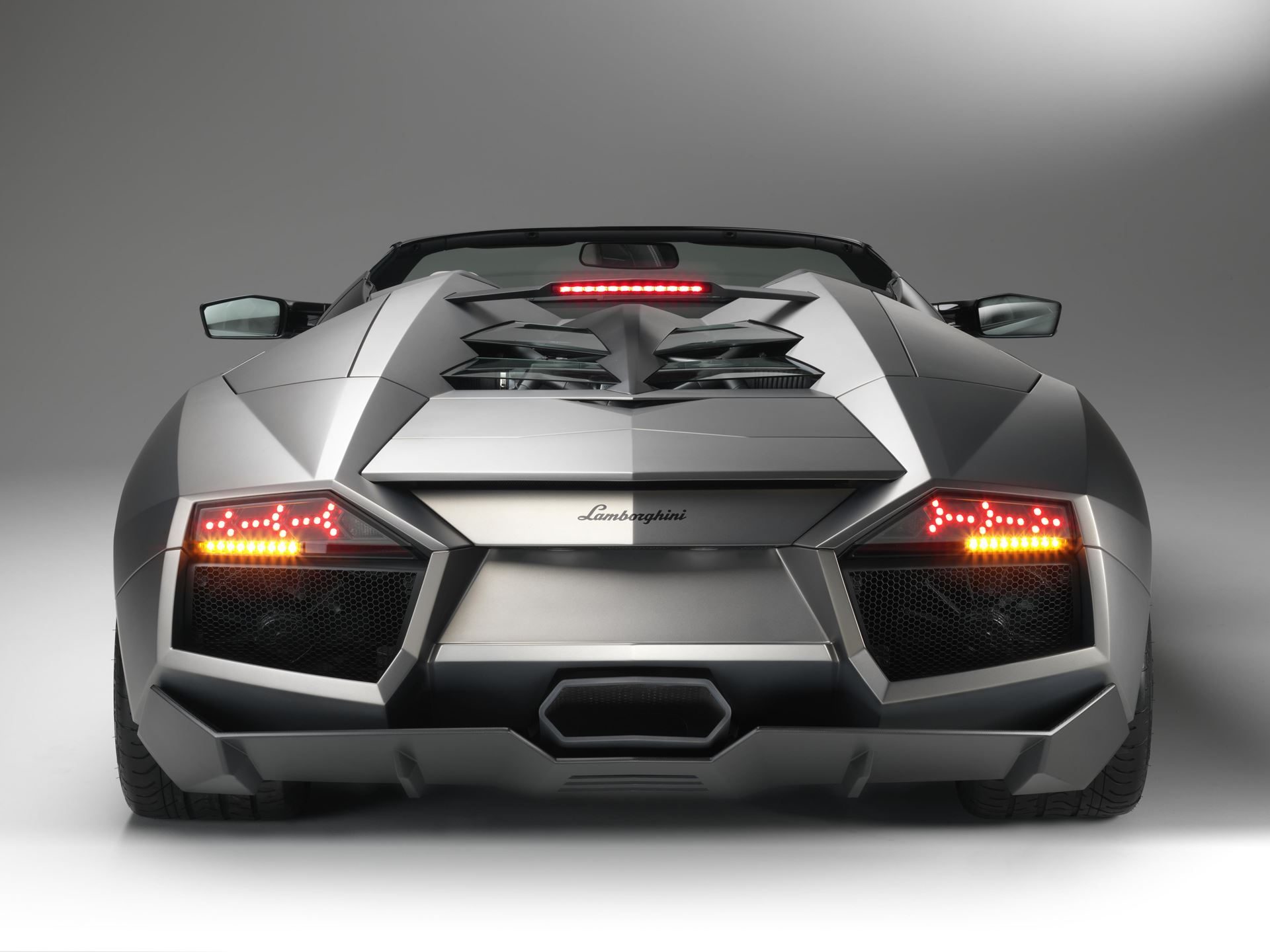
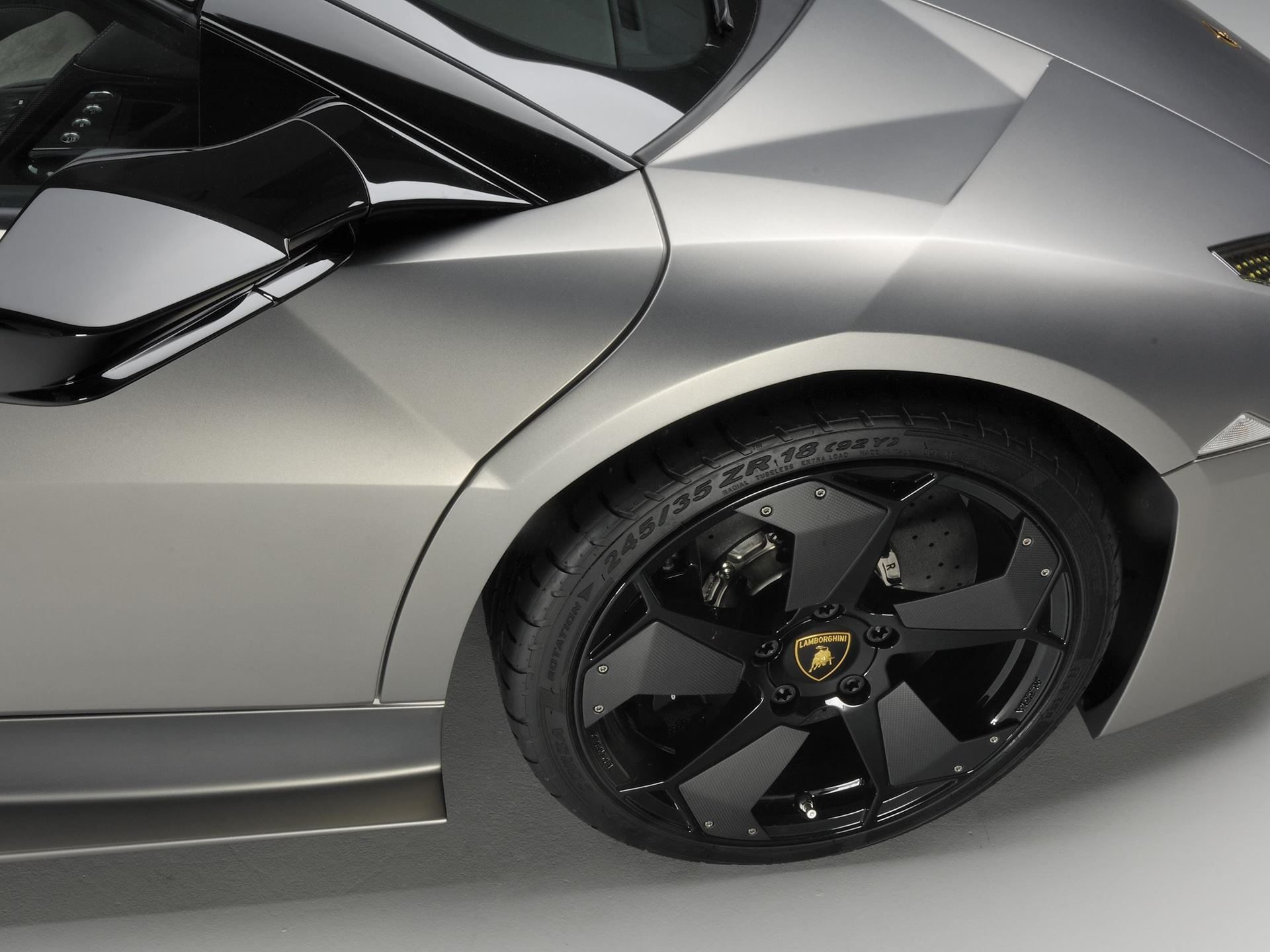
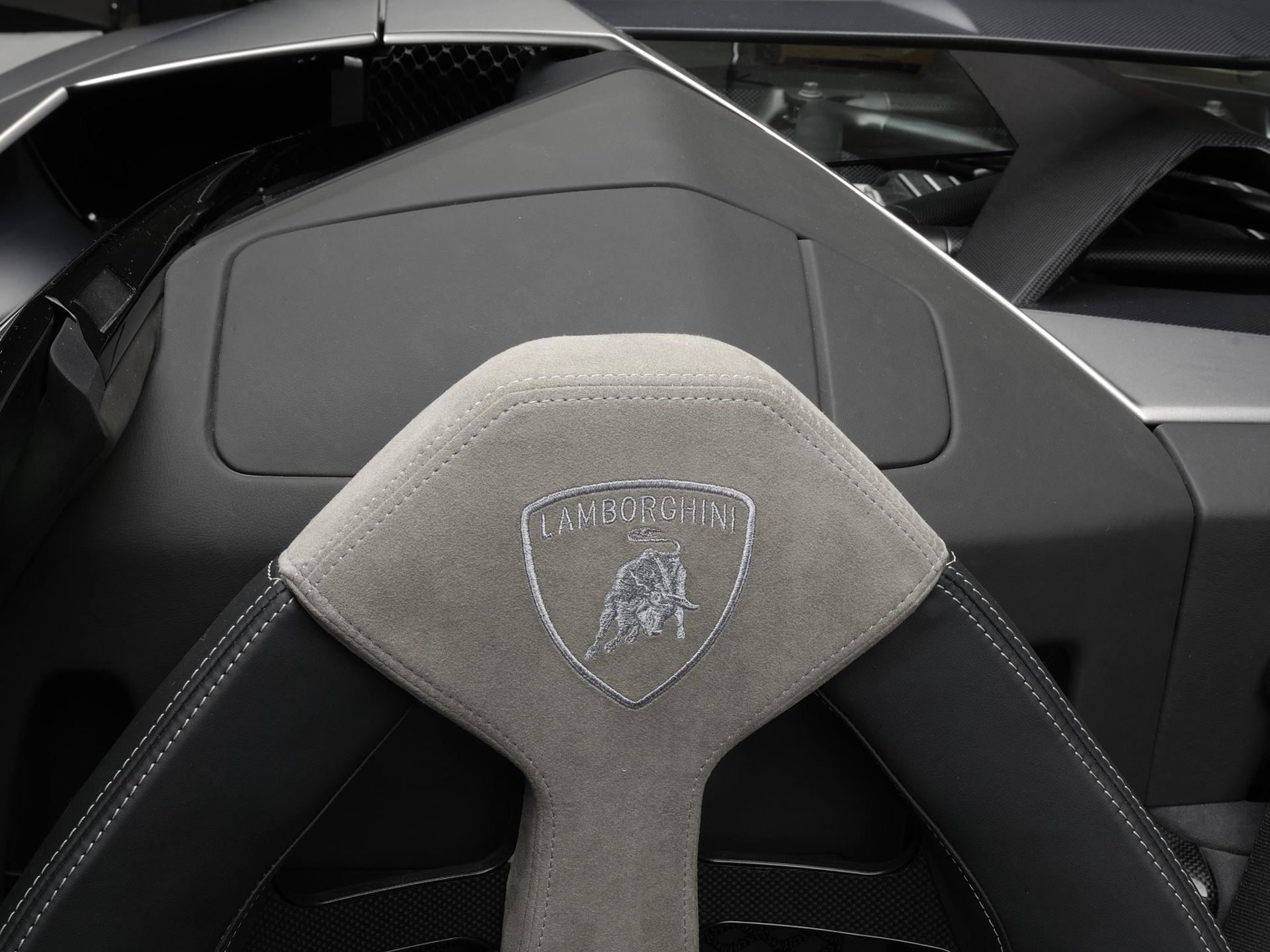
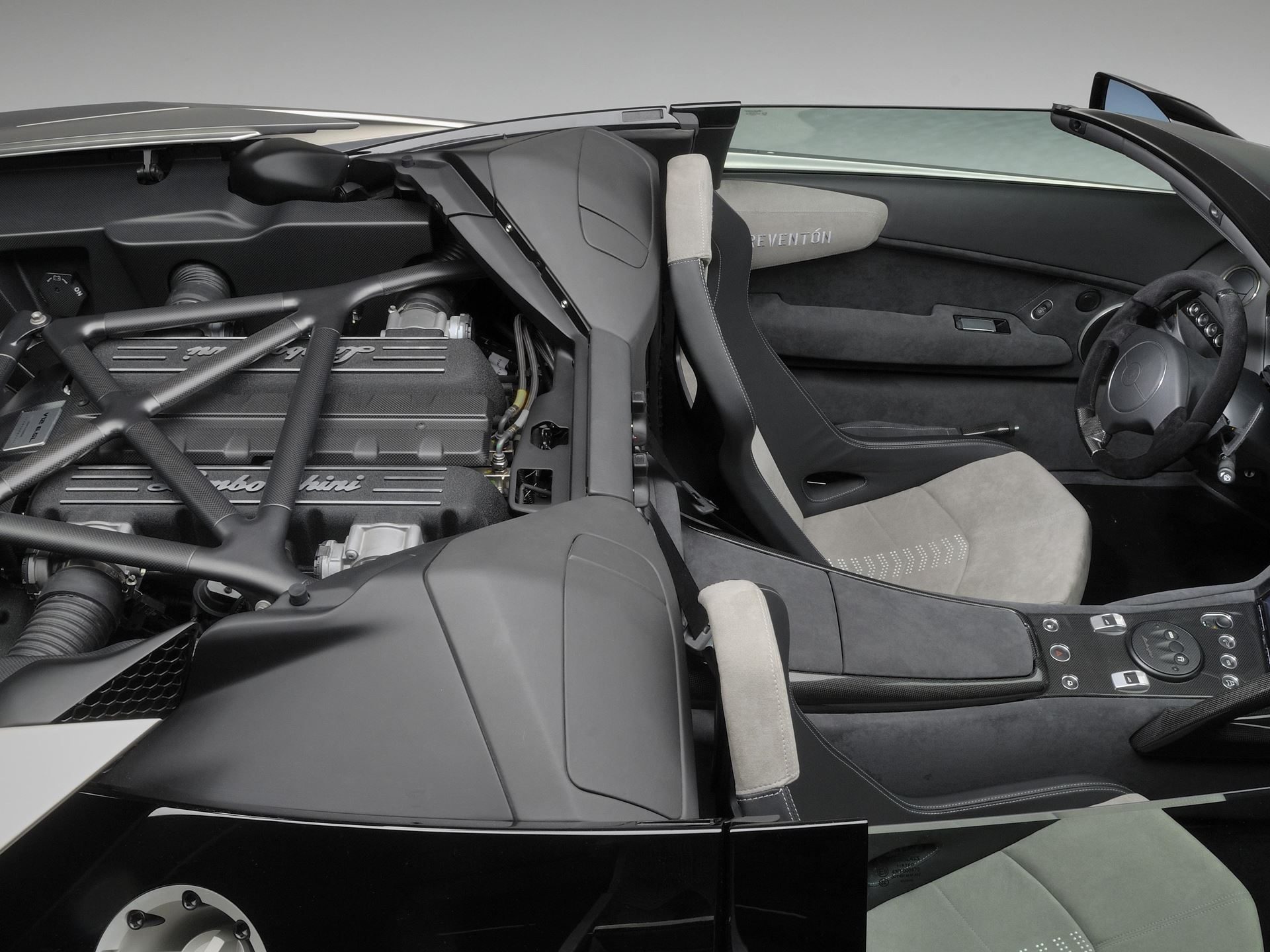
The Reventón Roadster debuted in 2009 and remains one of the most visually aggressive open-top cars Lamborghini has ever produced. Only 15 units were built, complementing 20 coupé versions. Its design, inspired by fighter jets, gave it a matte grey, angular aesthetic that looked like nothing else on the road or, frankly, on the planet.
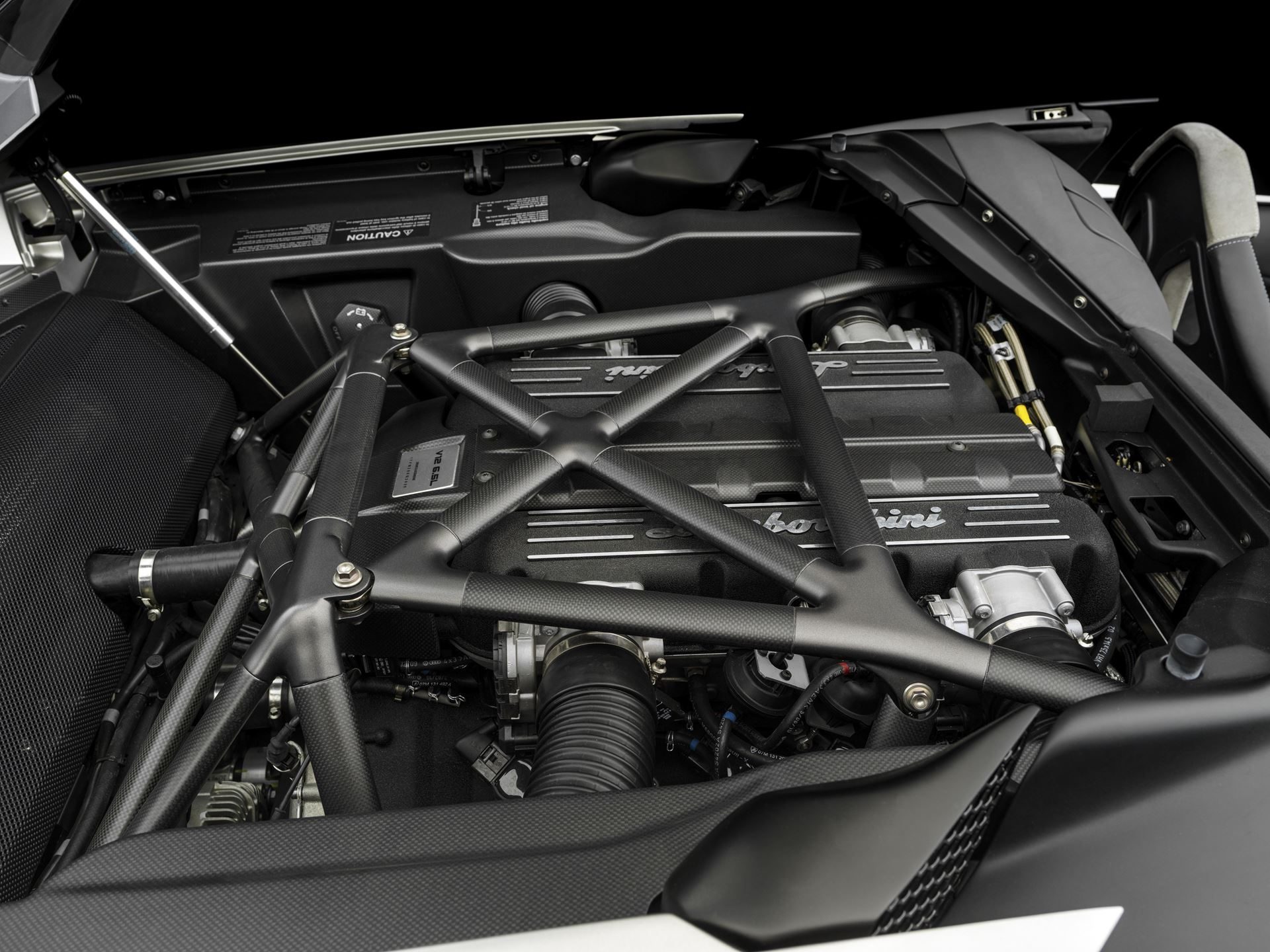
Power came from a naturally aspirated 6.5-liter V12, producing 650 CV. It achieved 0-100 km/h in 3.4 seconds and a top speed over 340 km/h. Those numbers have been eclipsed many times since, but the Reventón’s significance was never about lap times. Lamborghini states the car pioneered extensive use of carbon fiber reinforced polymer body panels and a hybrid chassis featuring steel and CFRP reinforcements.
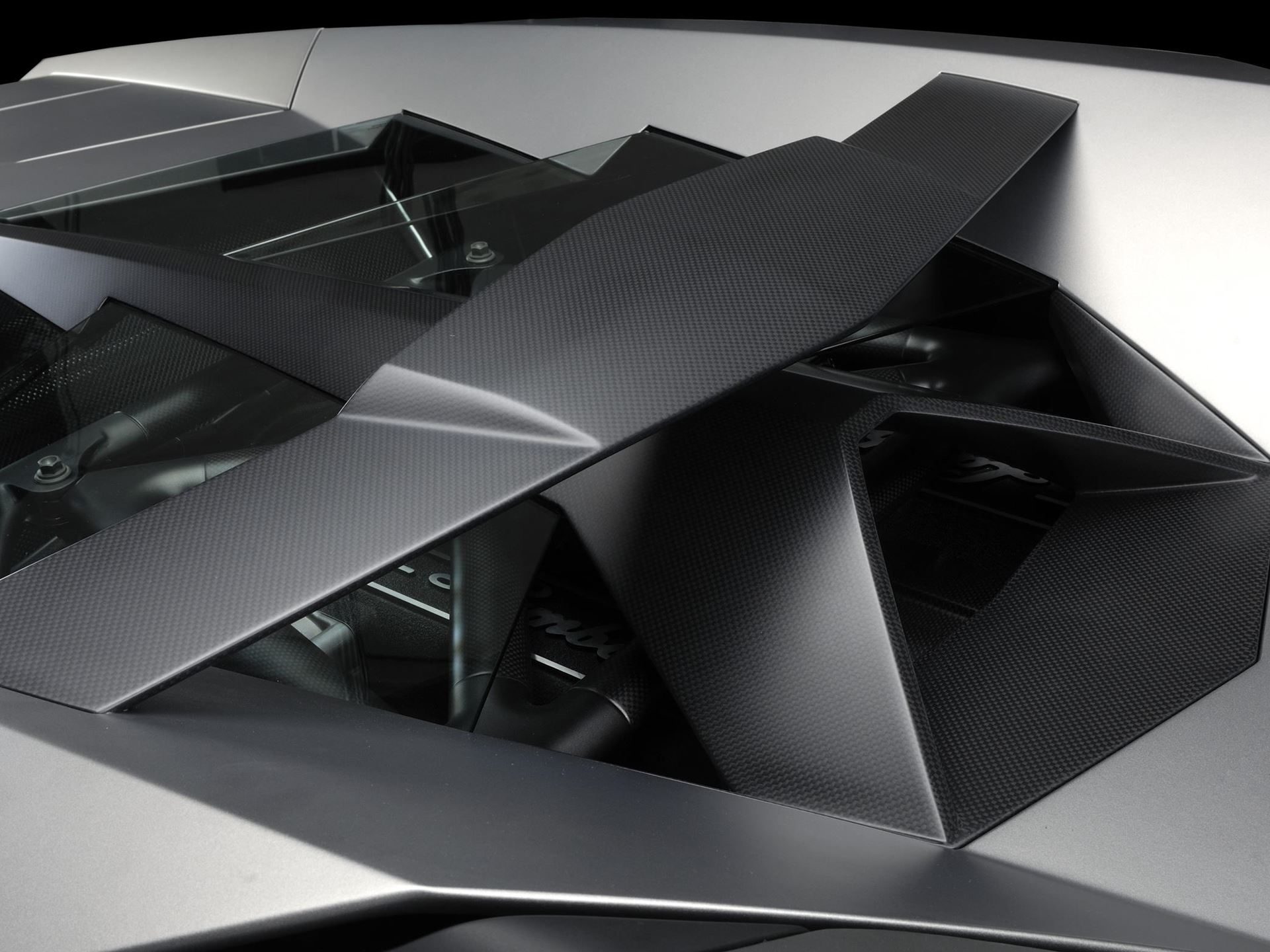
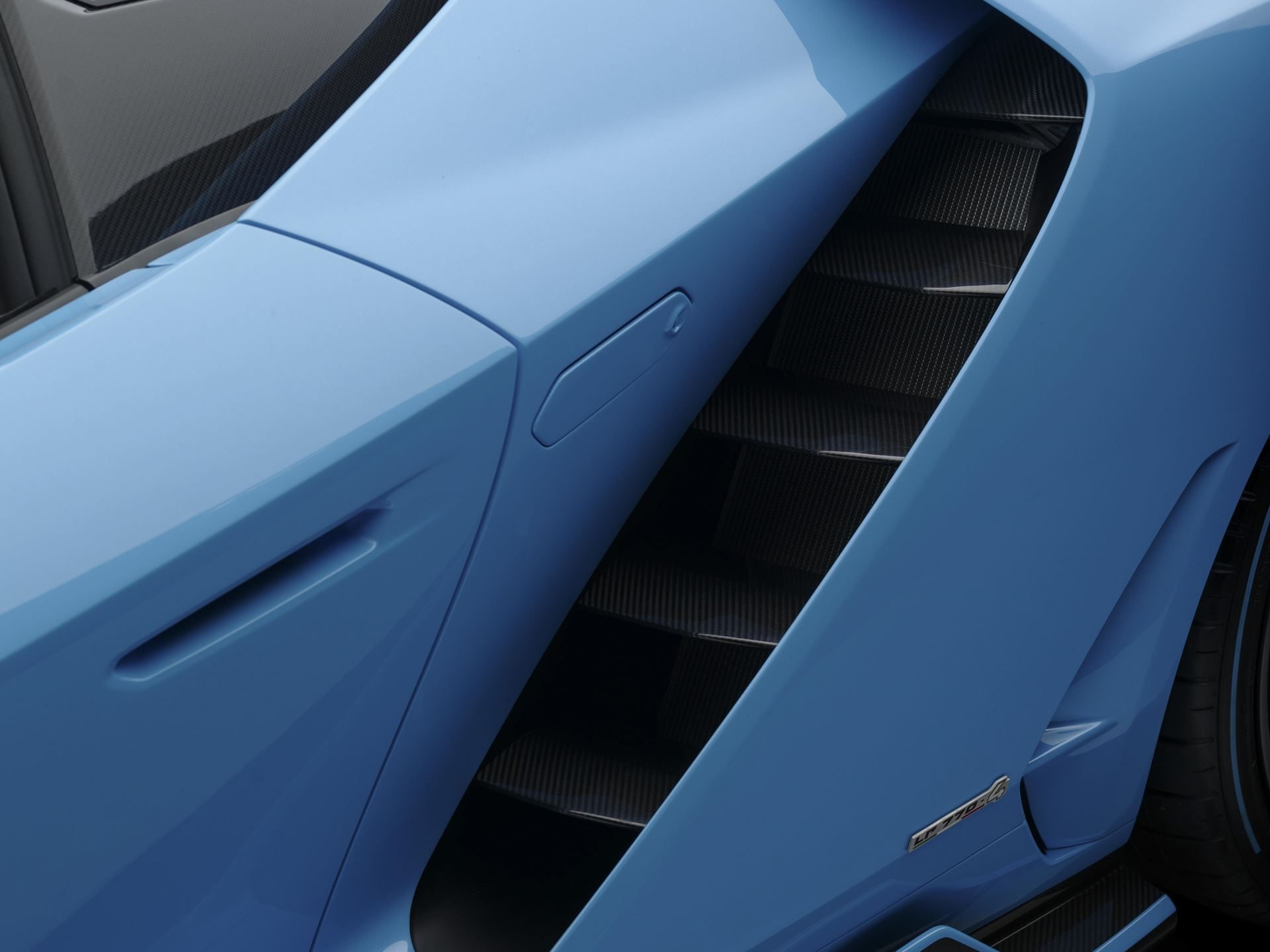
Look at the studio images closely and the stealth-fighter DNA is unmistakable: sharp creases running the length of the body, intricate carbon fiber louvers over the engine bay, glass panels offering glimpses of the V12 beneath. One Lamborghini-Talk forum member who saw the car at its Frankfurt debut in 2009 described it simply as “just stunning,” and years later another owner on the same forum called it “a piece of ART.” Those reactions have not faded. The Reventón Roadster set the template for everything that followed.

Veneno and Centenario: Escalation in Every Direction
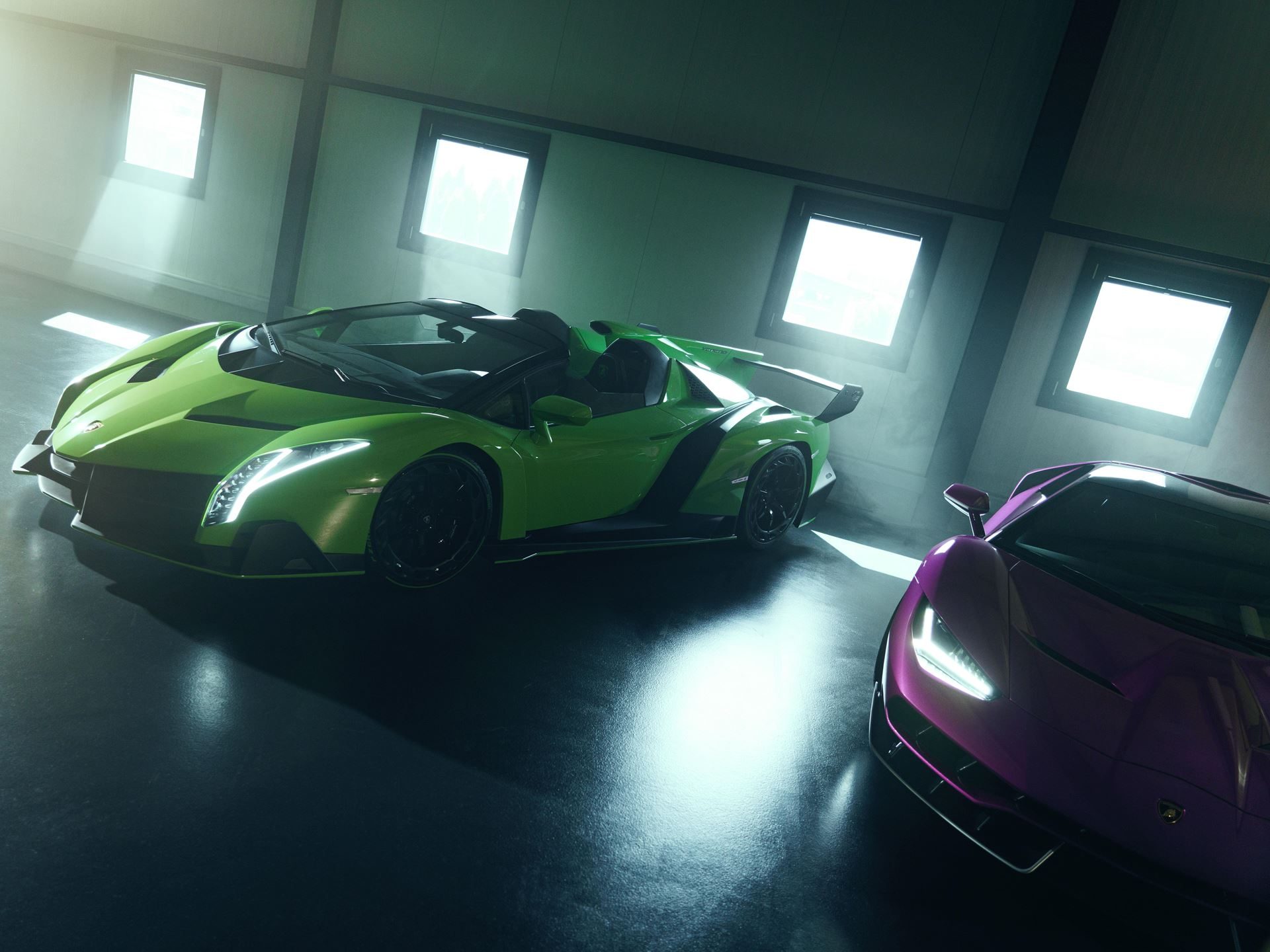
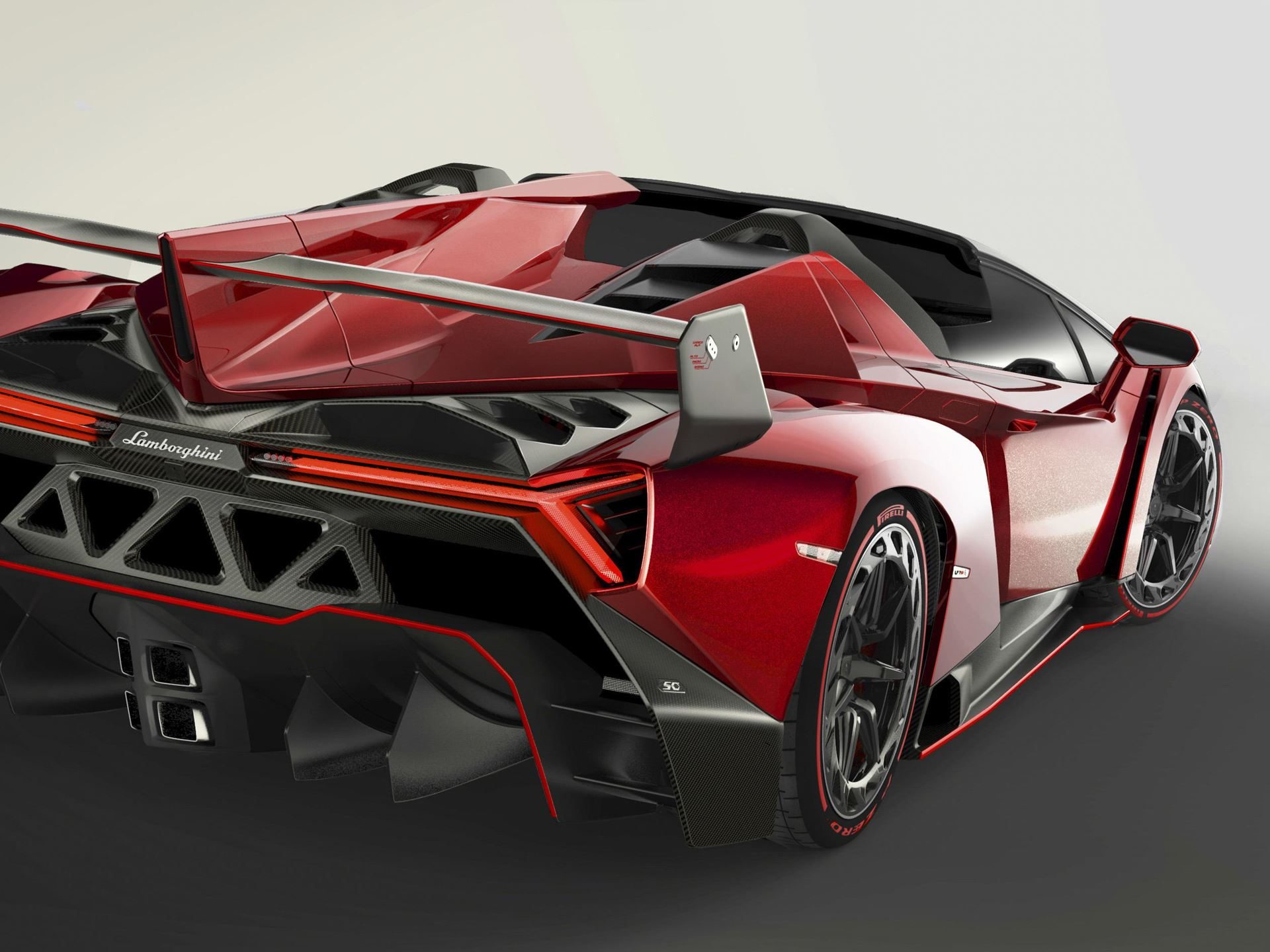
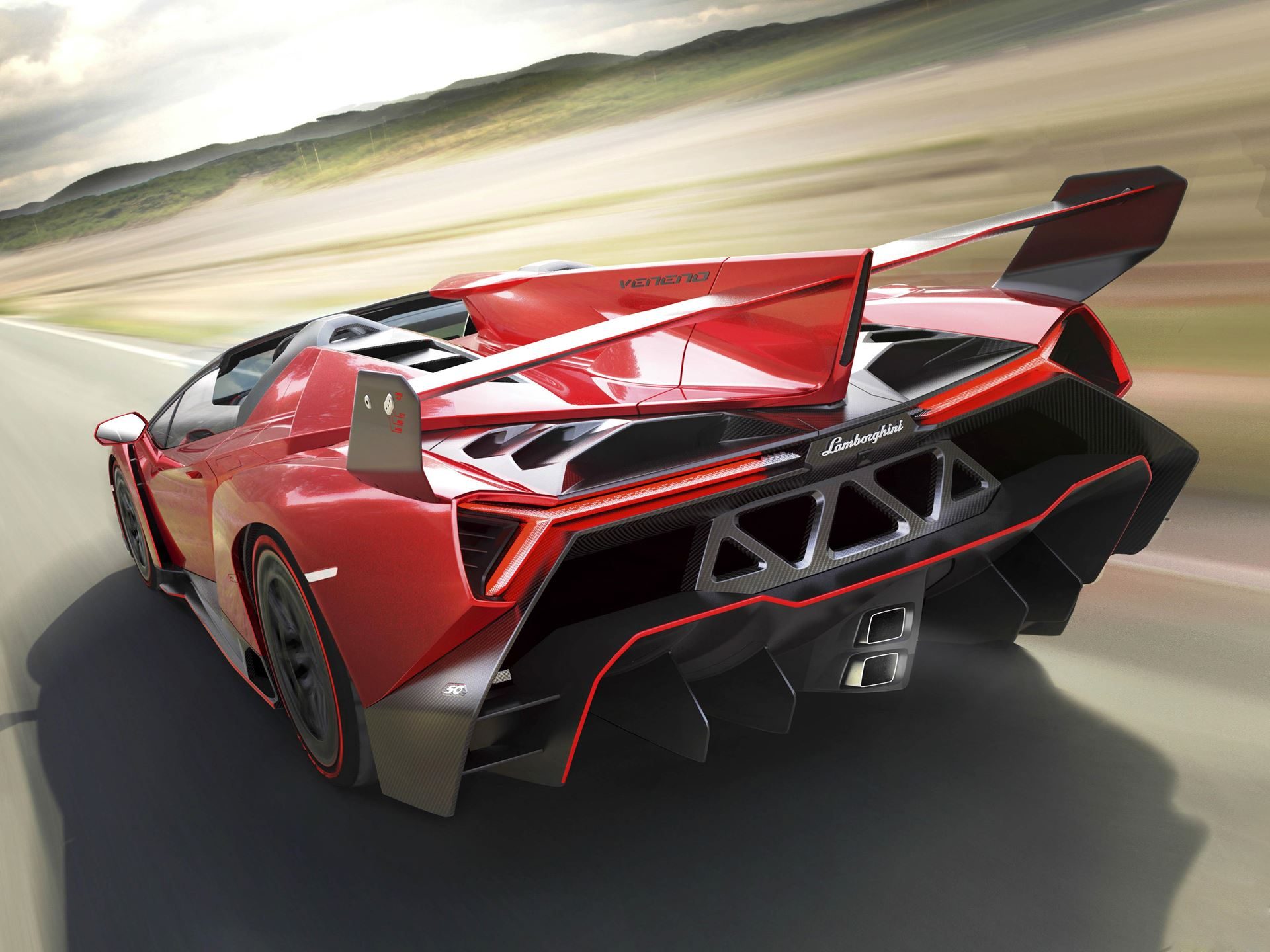
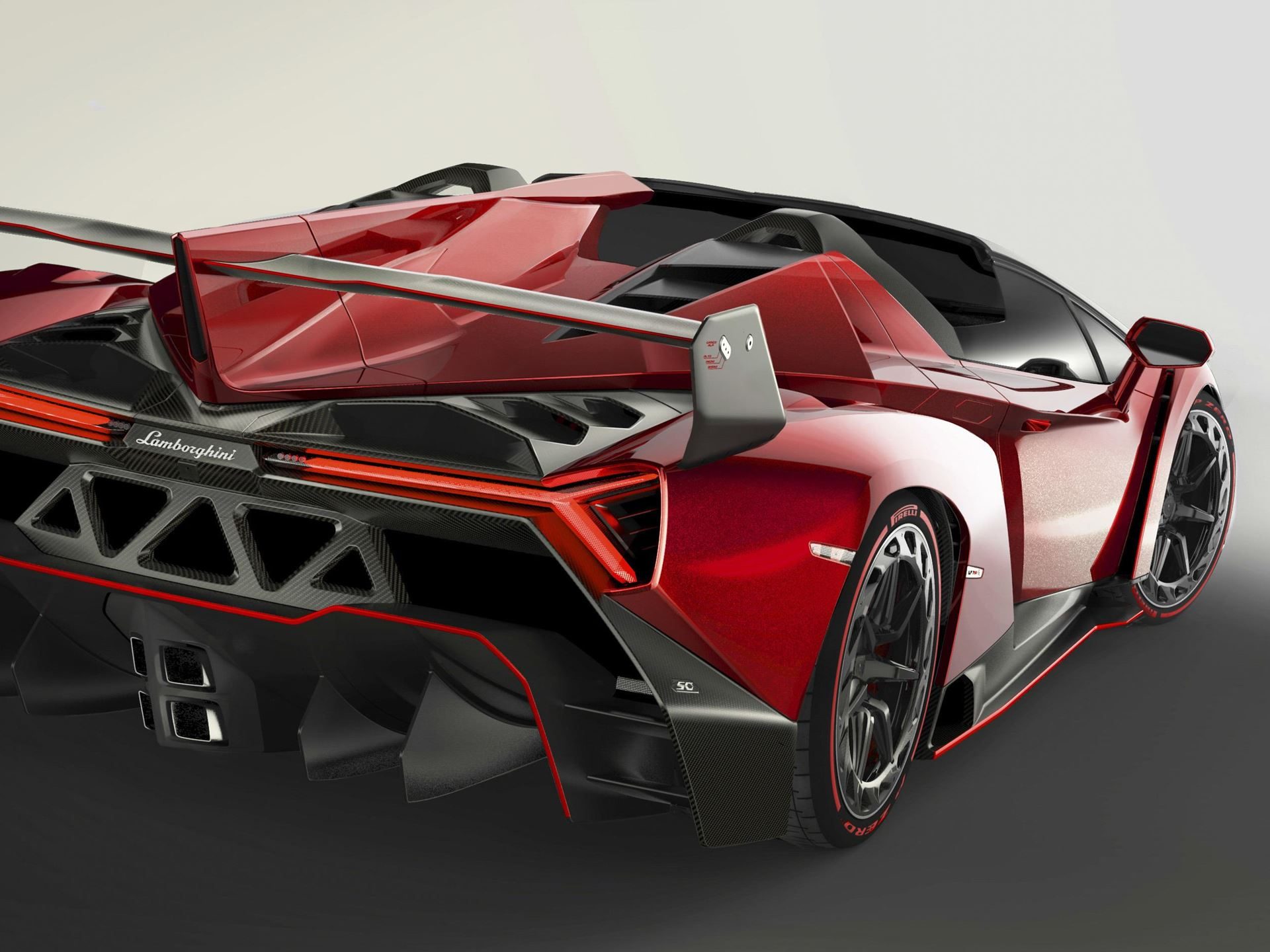
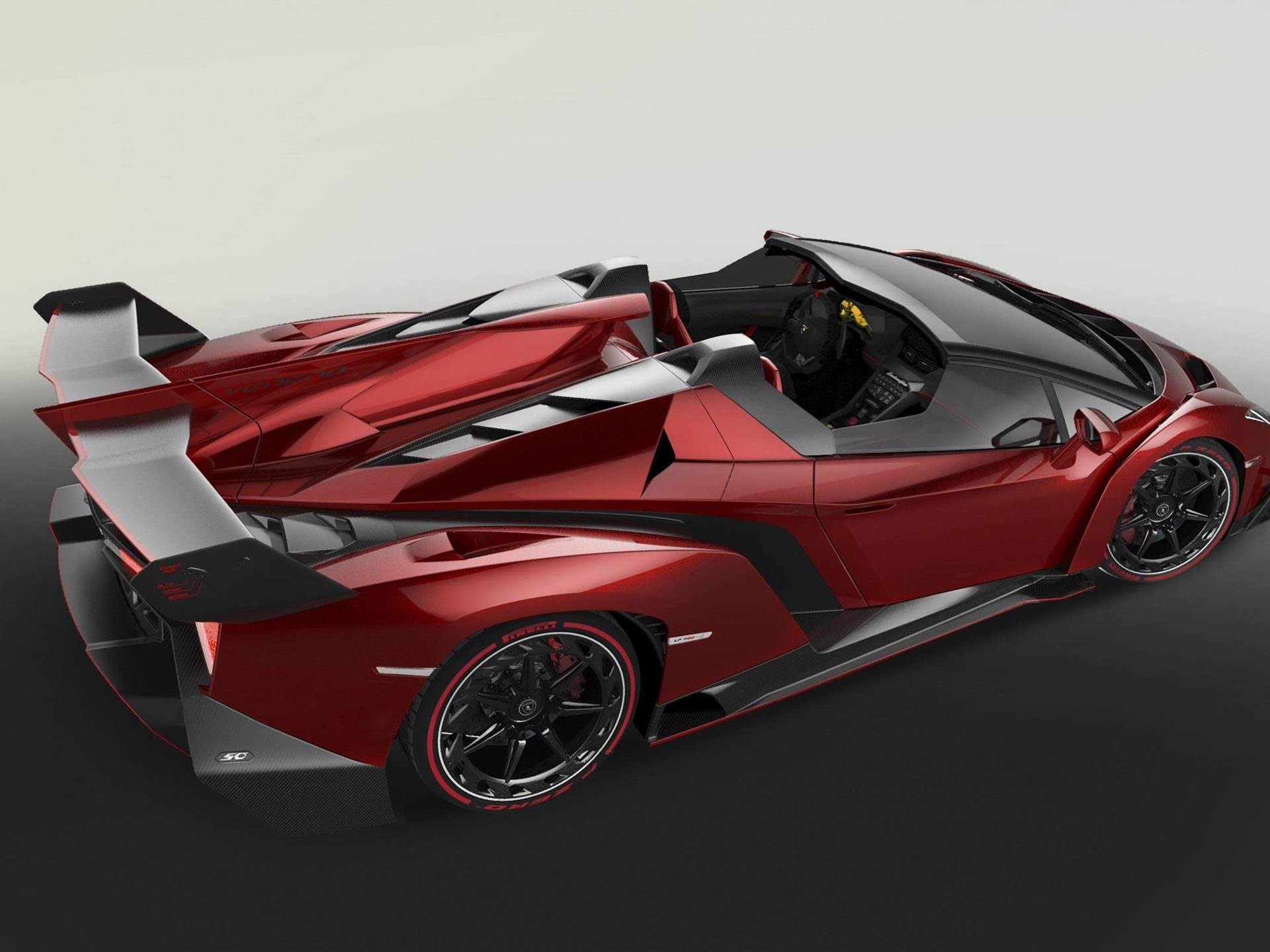
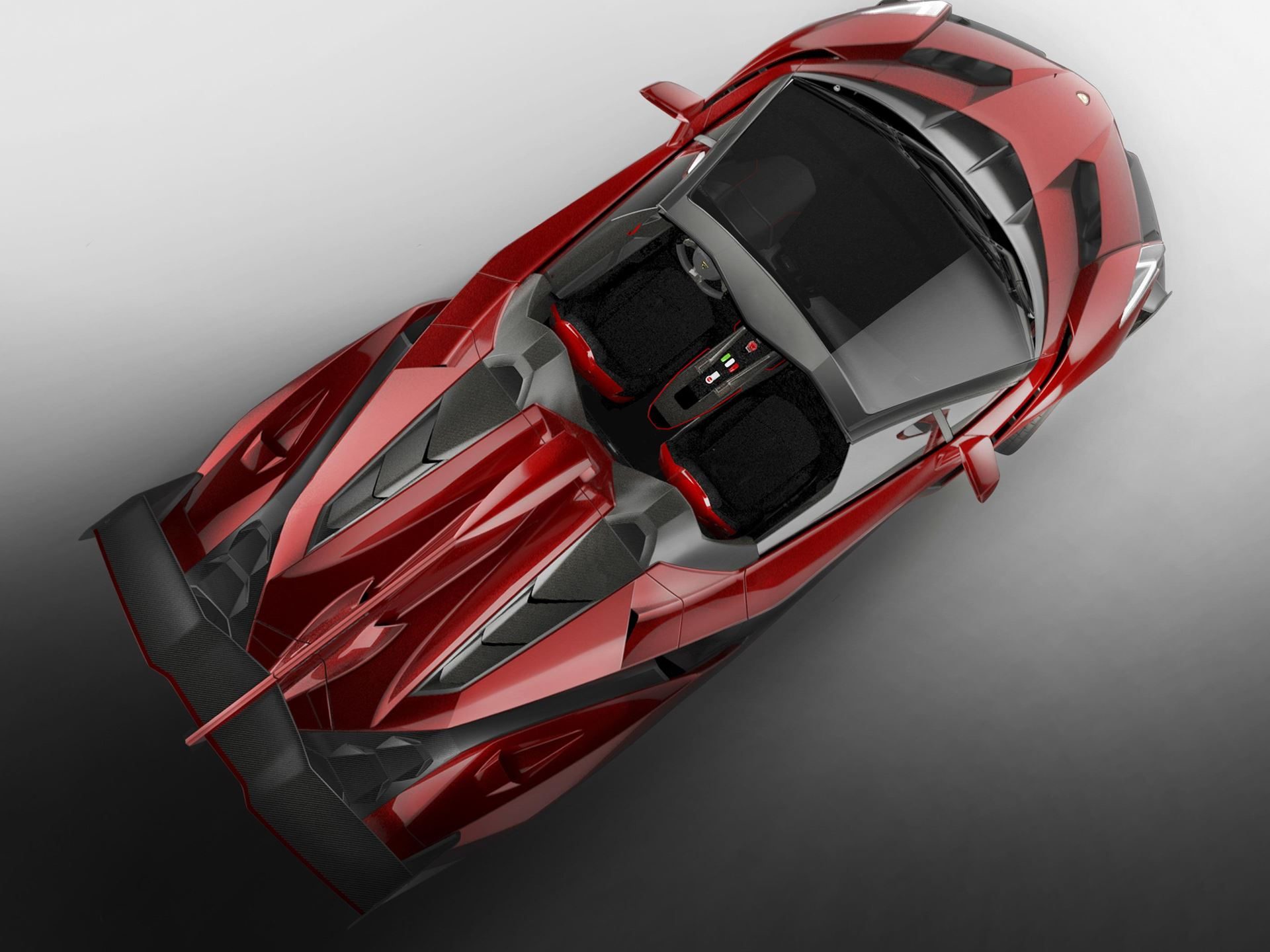
If the Reventón proved the concept, the Veneno Roadster obliterated any remaining restraint. Introduced in 2014 (its coupé counterpart was created to commemorate Lamborghini’s 50th anniversary, according to the manufacturer), only nine units of the Roadster were ever produced. Its 6.5-liter V12 generated 750 CV, cutting the 0-100 km/h sprint to 2.8 seconds and pushing top speed to 355 km/h.
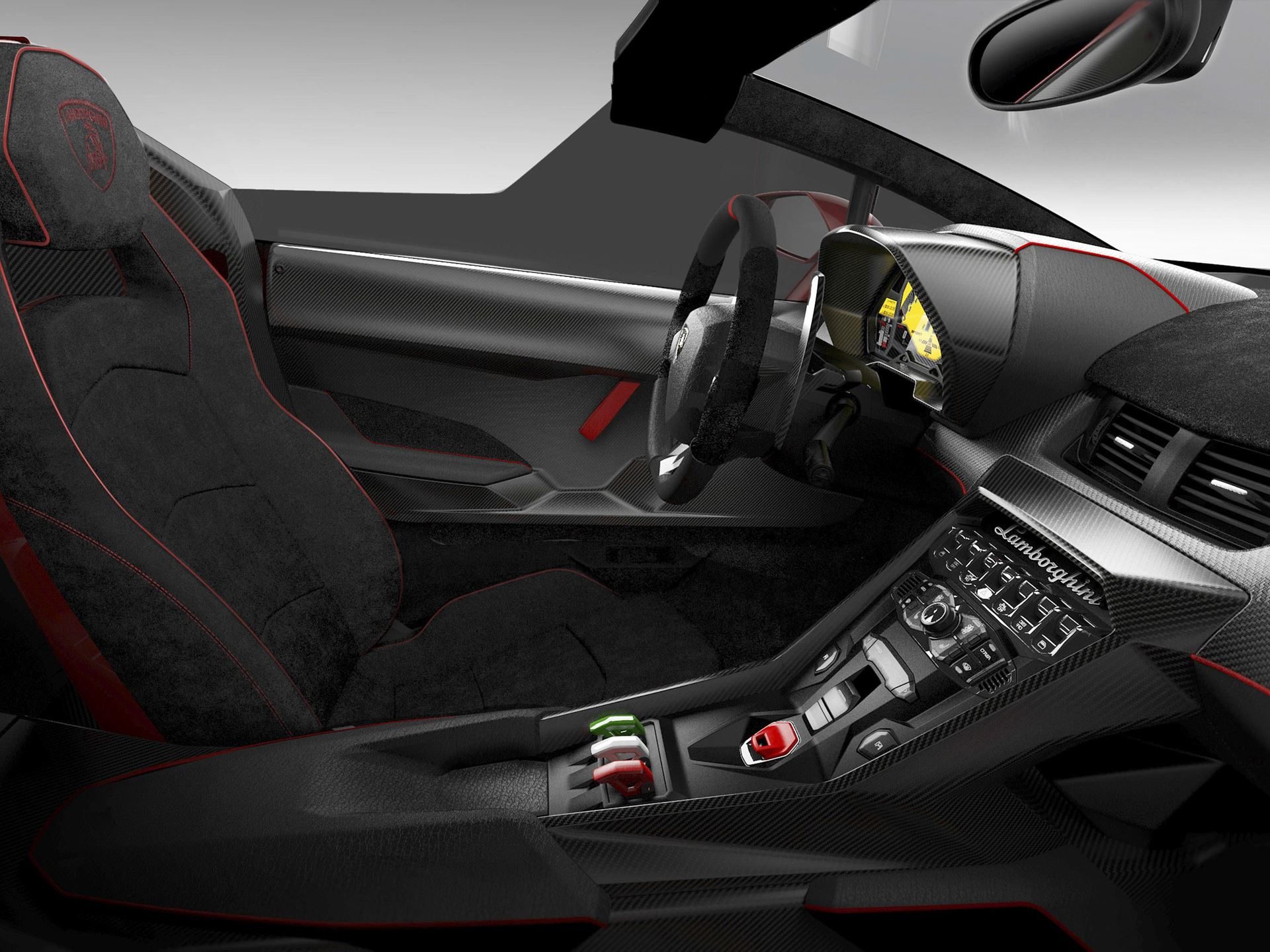
The Veneno Roadster showcased dramatic bodywork, including large wings, exposed aerodynamic elements, and extensive carbon fiber, with patented Carbon Skin® material used for interior components. Reddit discussions about the Veneno reveal just how polarizing it remains: some users have called it “the ugliest thing Lambo has ever made,” while others consider it their all-time poster car. One forum discussion from 2014 reported the Veneno Roadster’s price at $4.4 million. Love it or loathe it, nobody has ever confused it for anything else on the road.
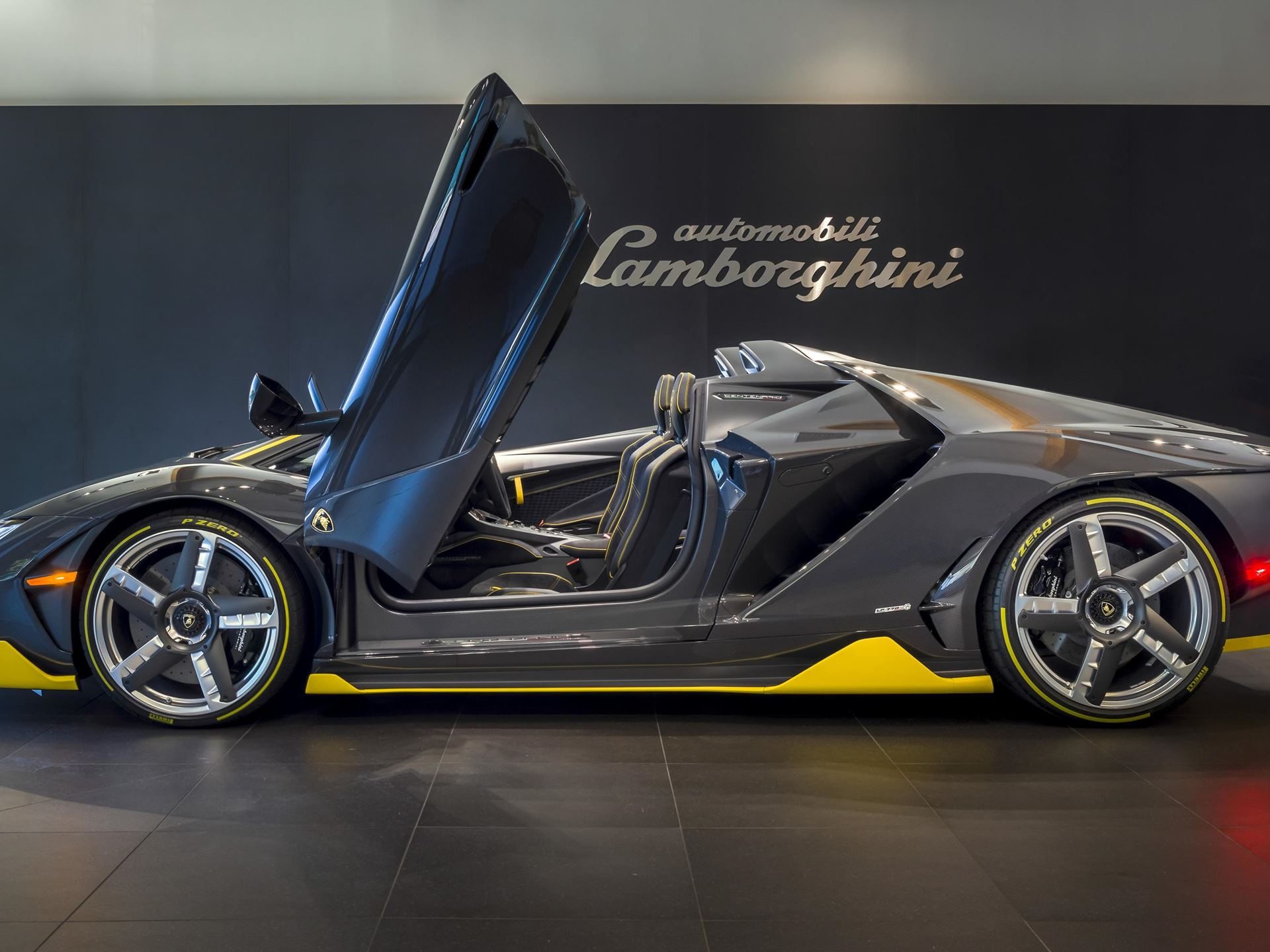
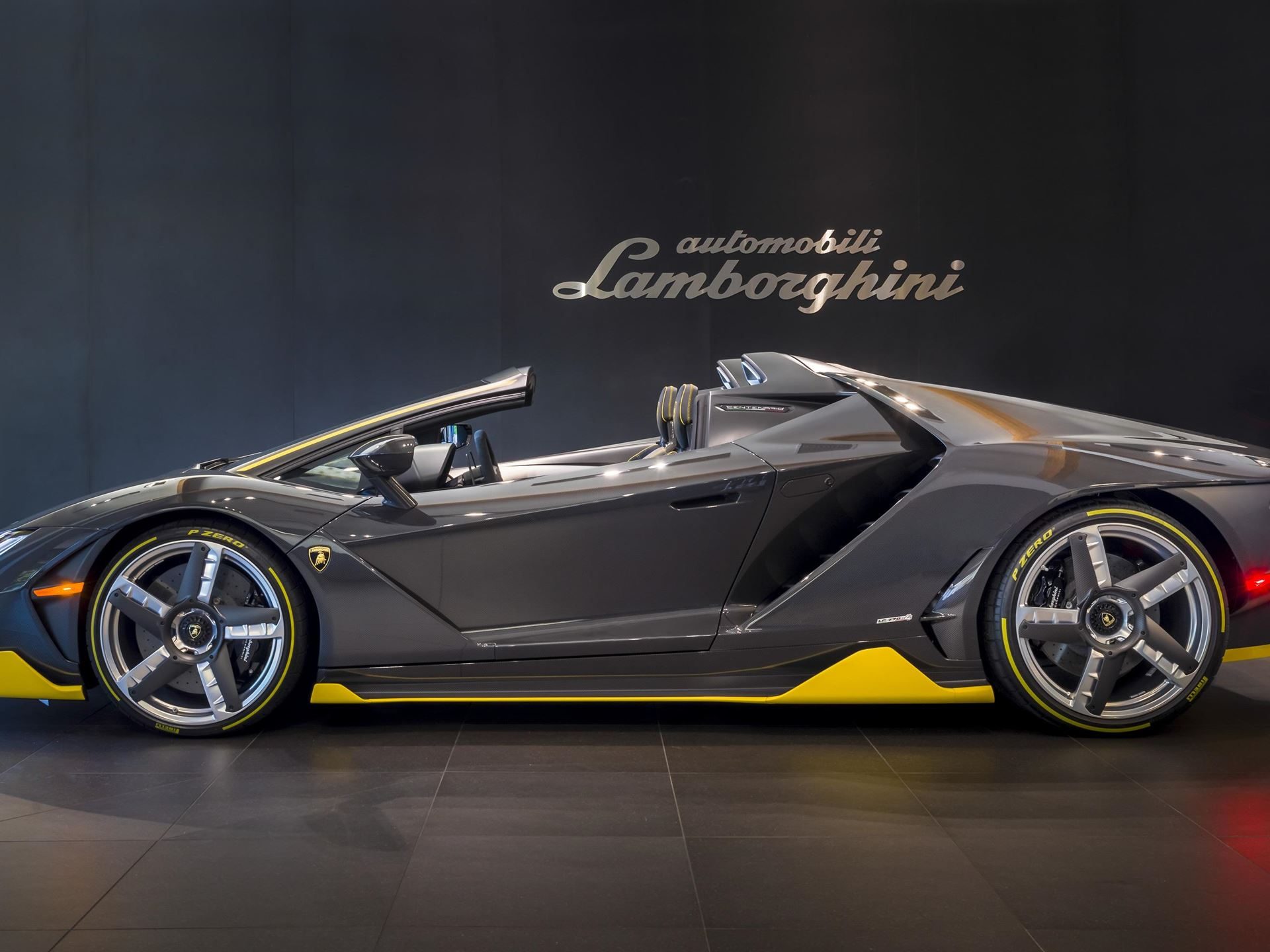
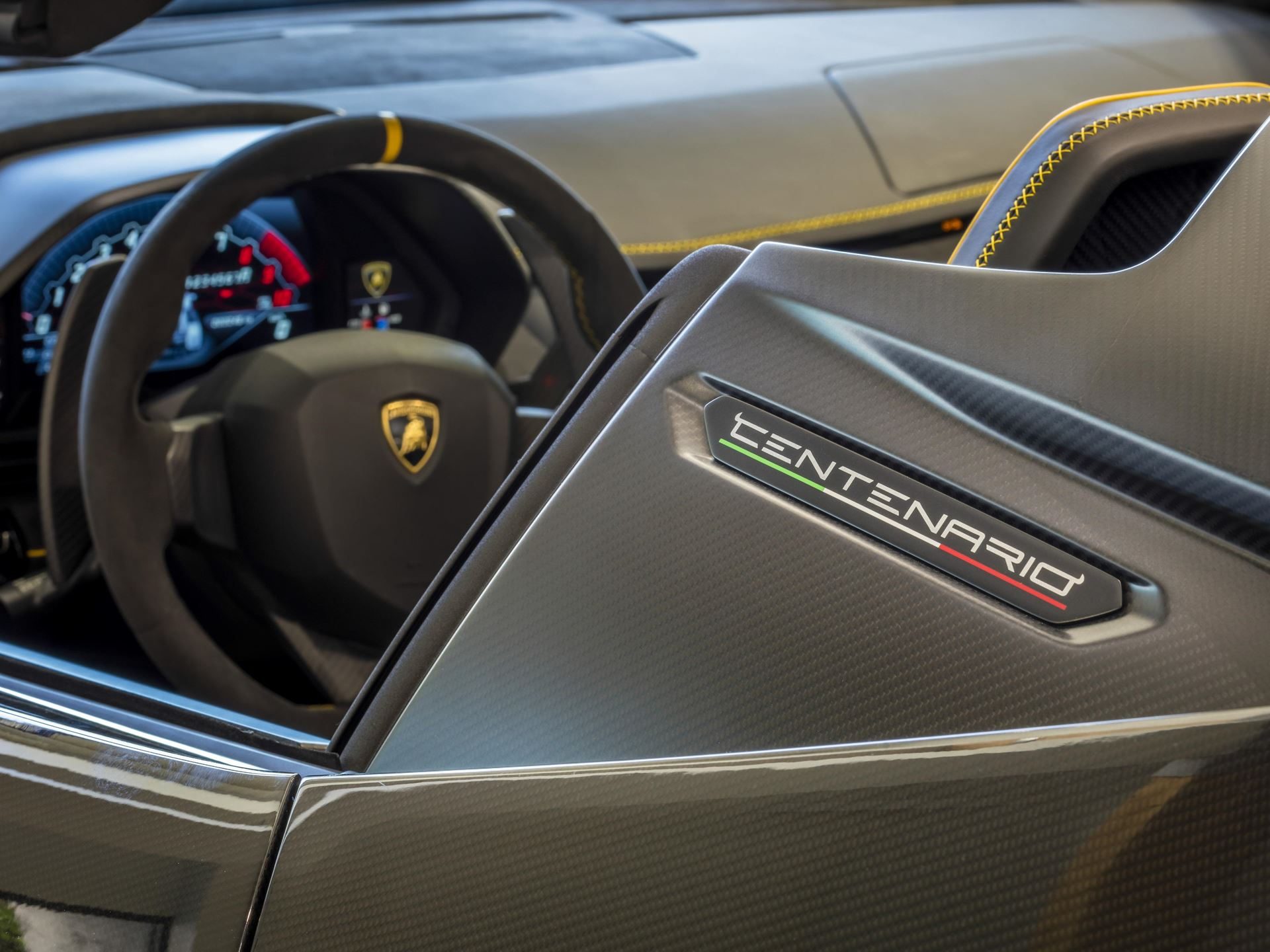
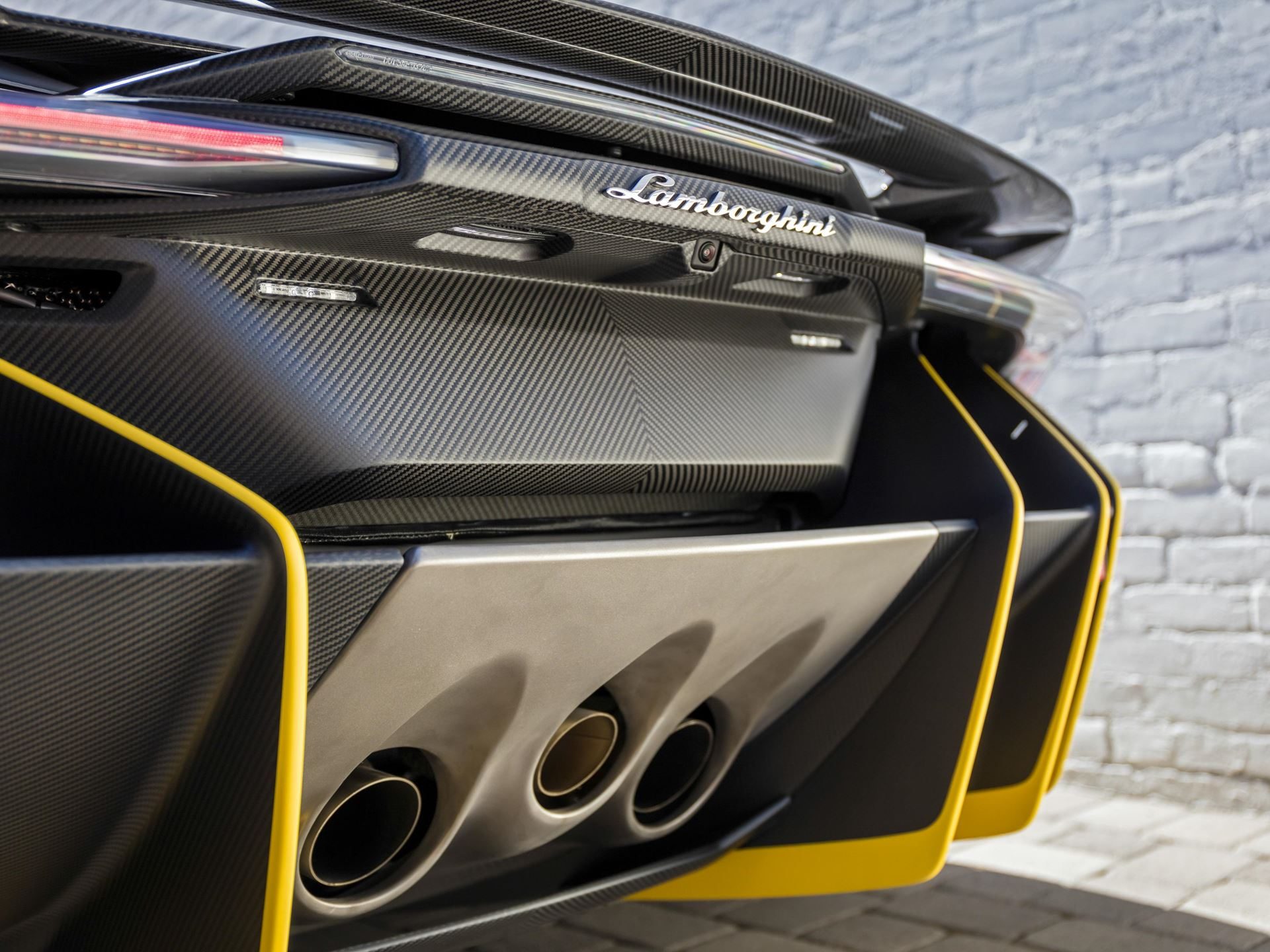
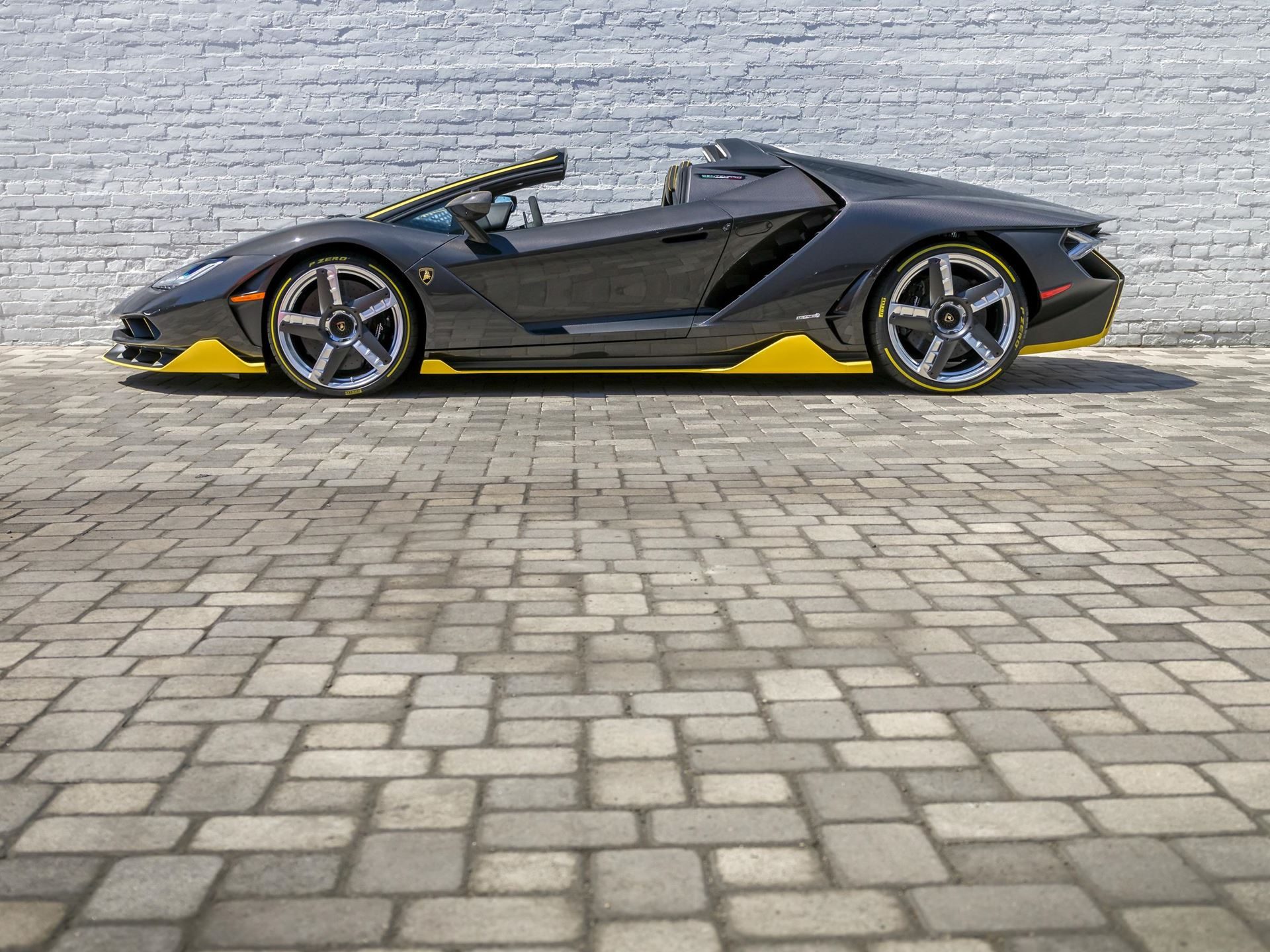
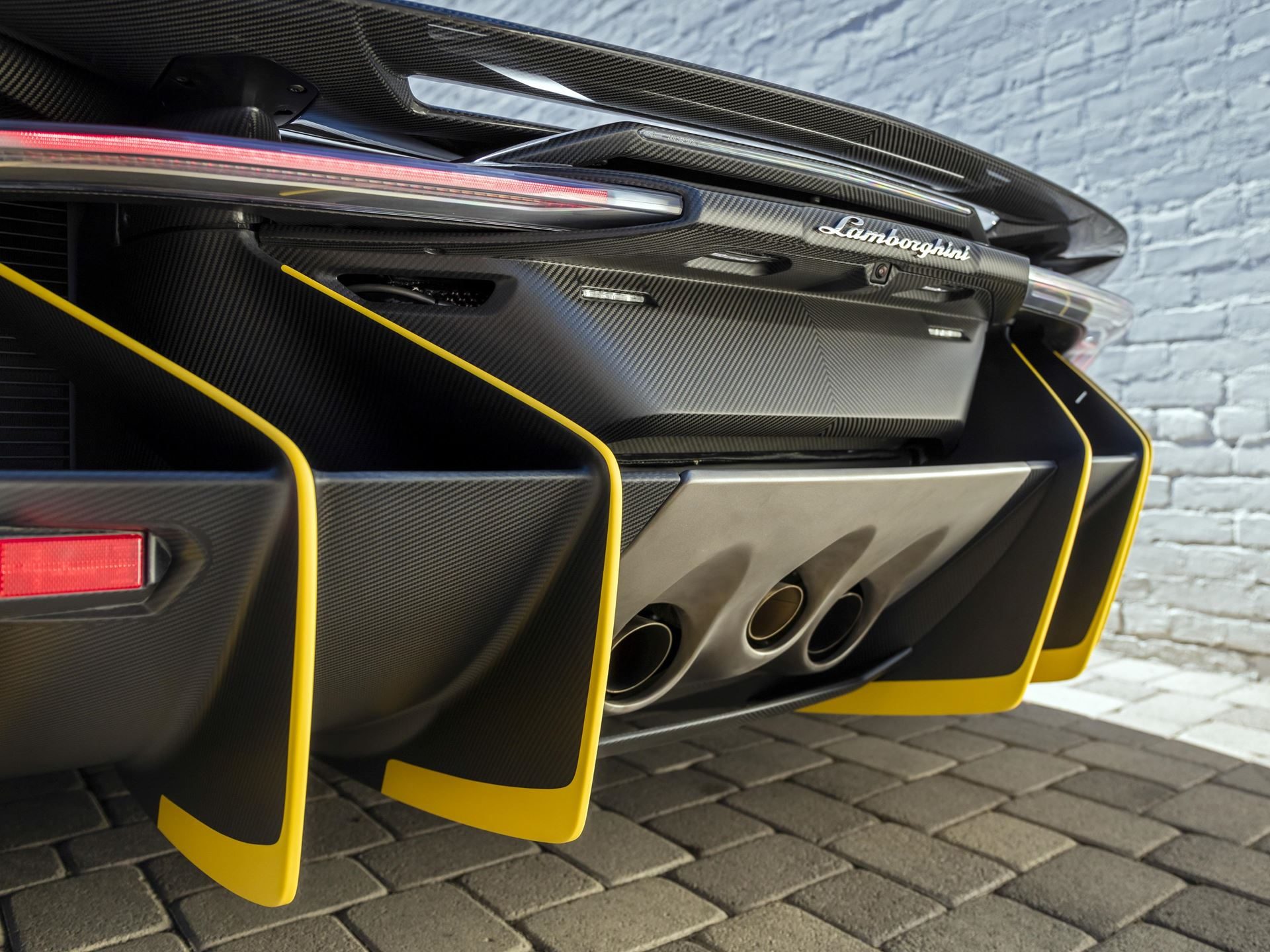
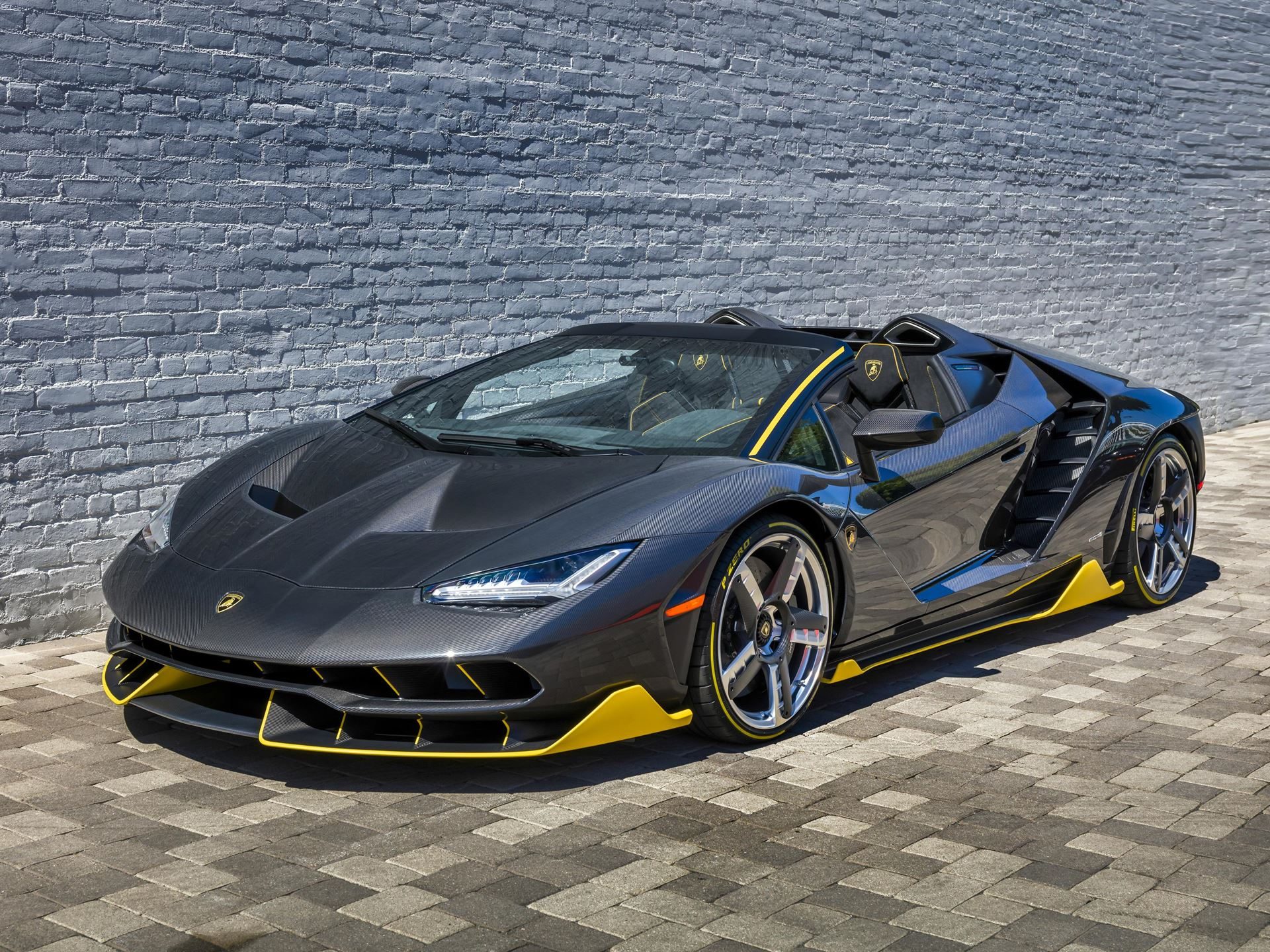
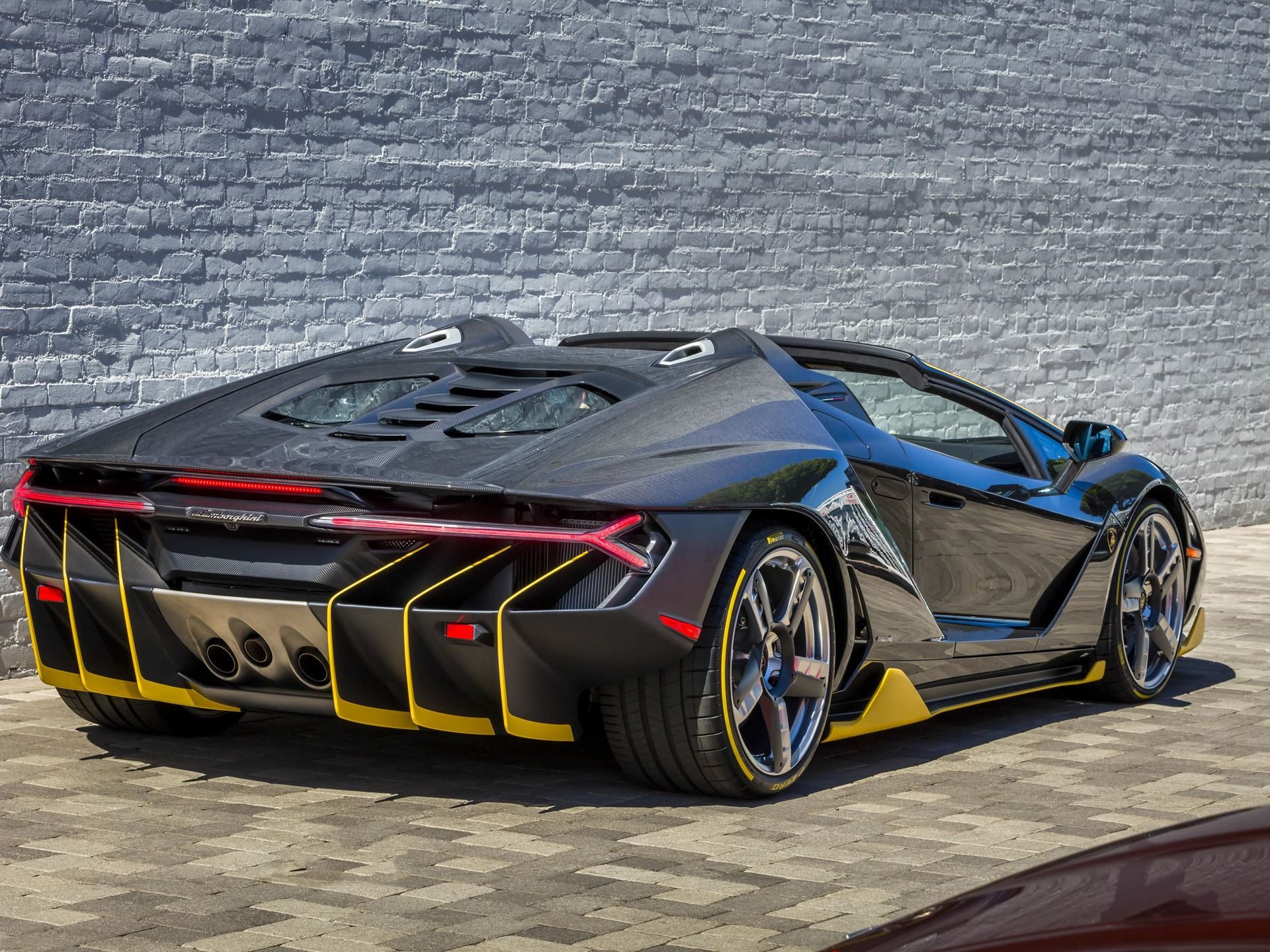
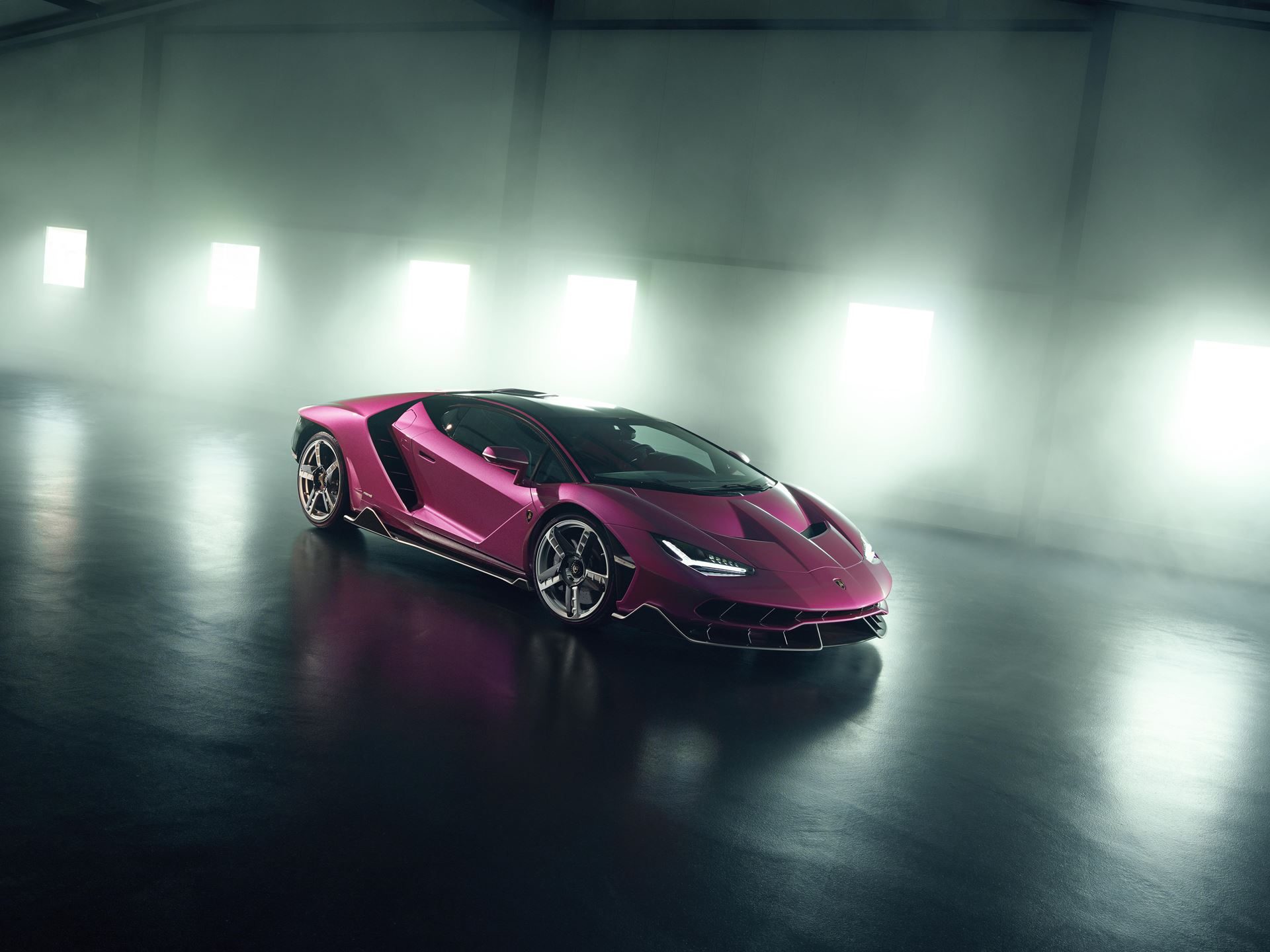
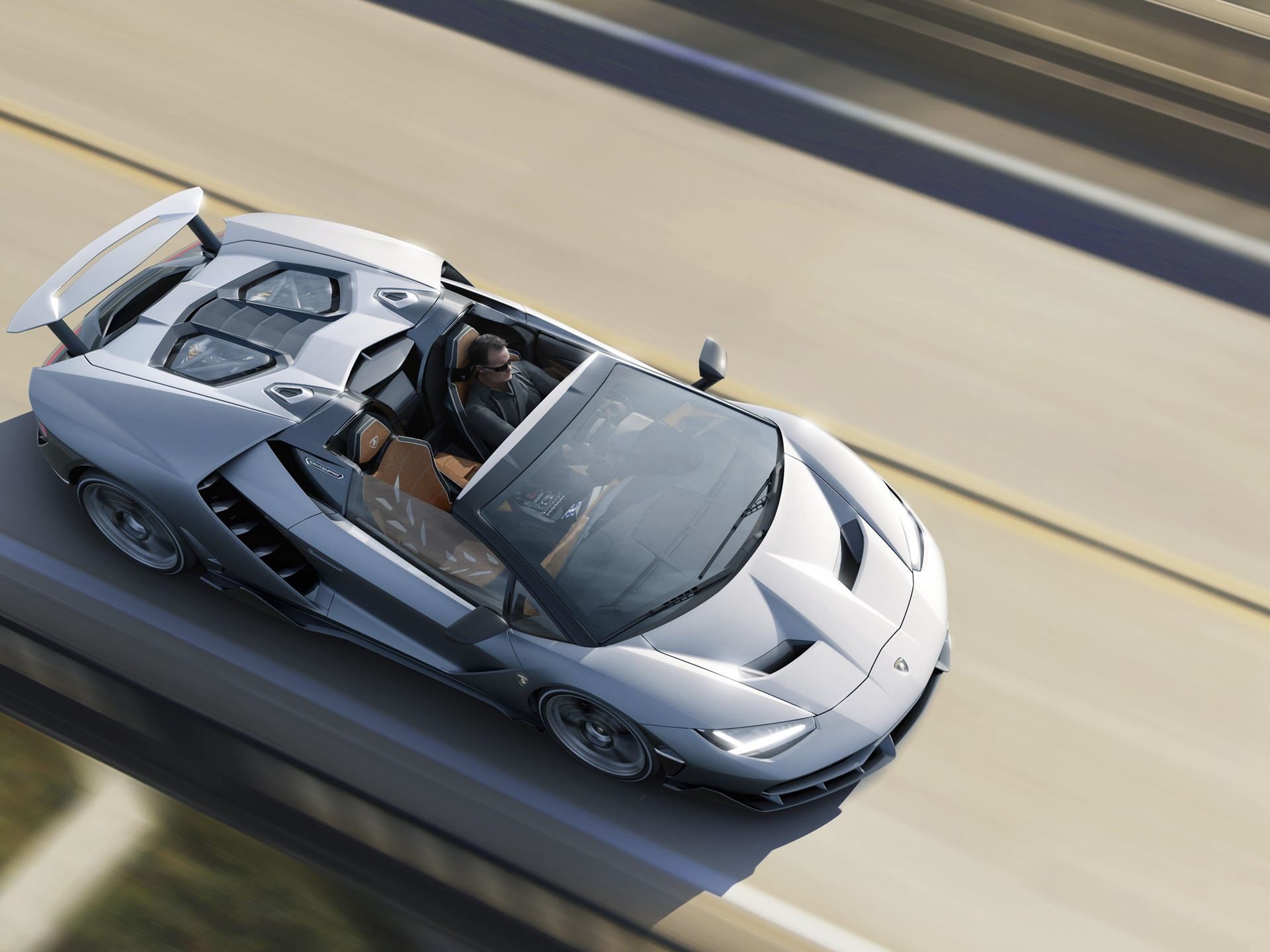
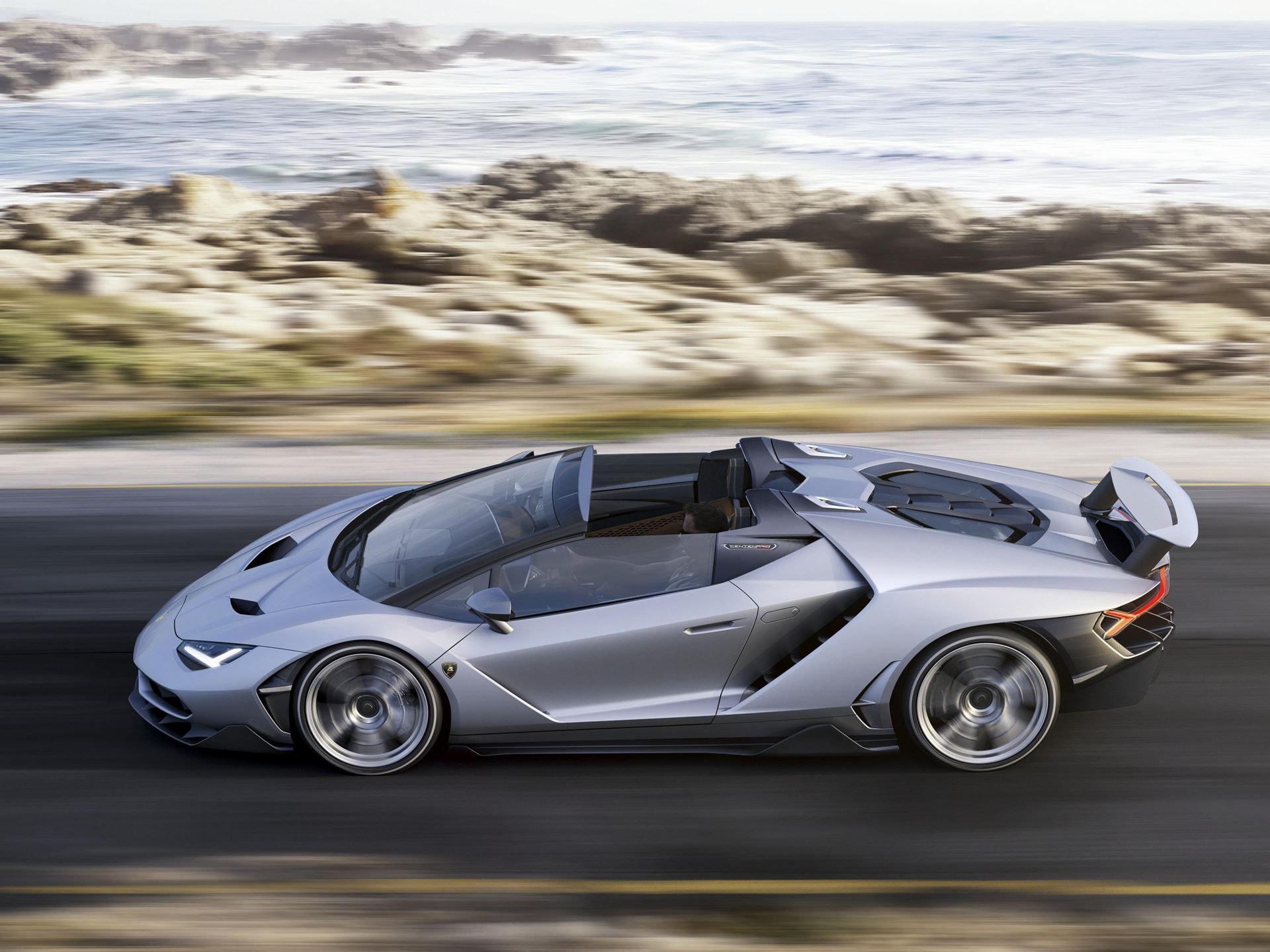
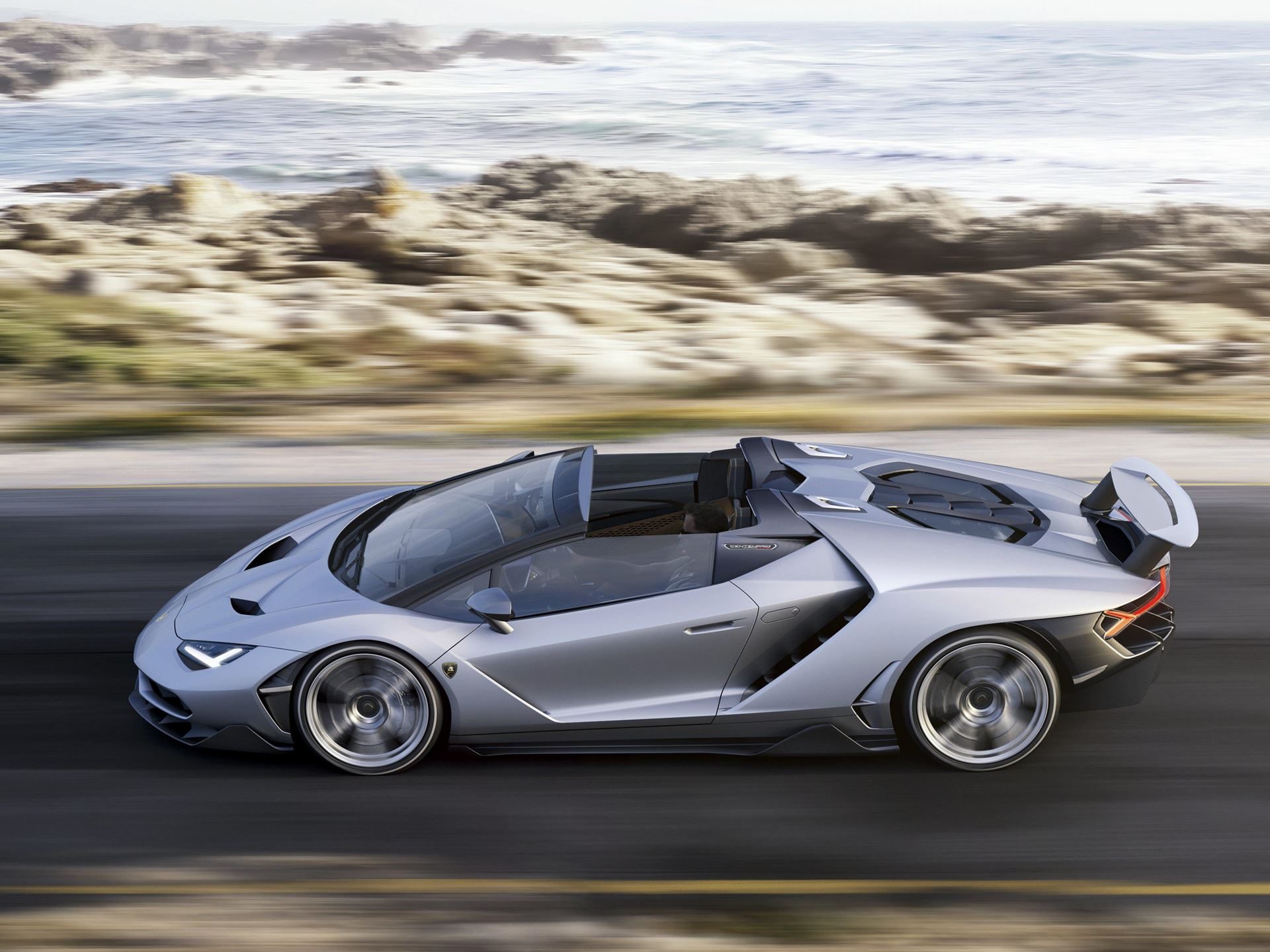
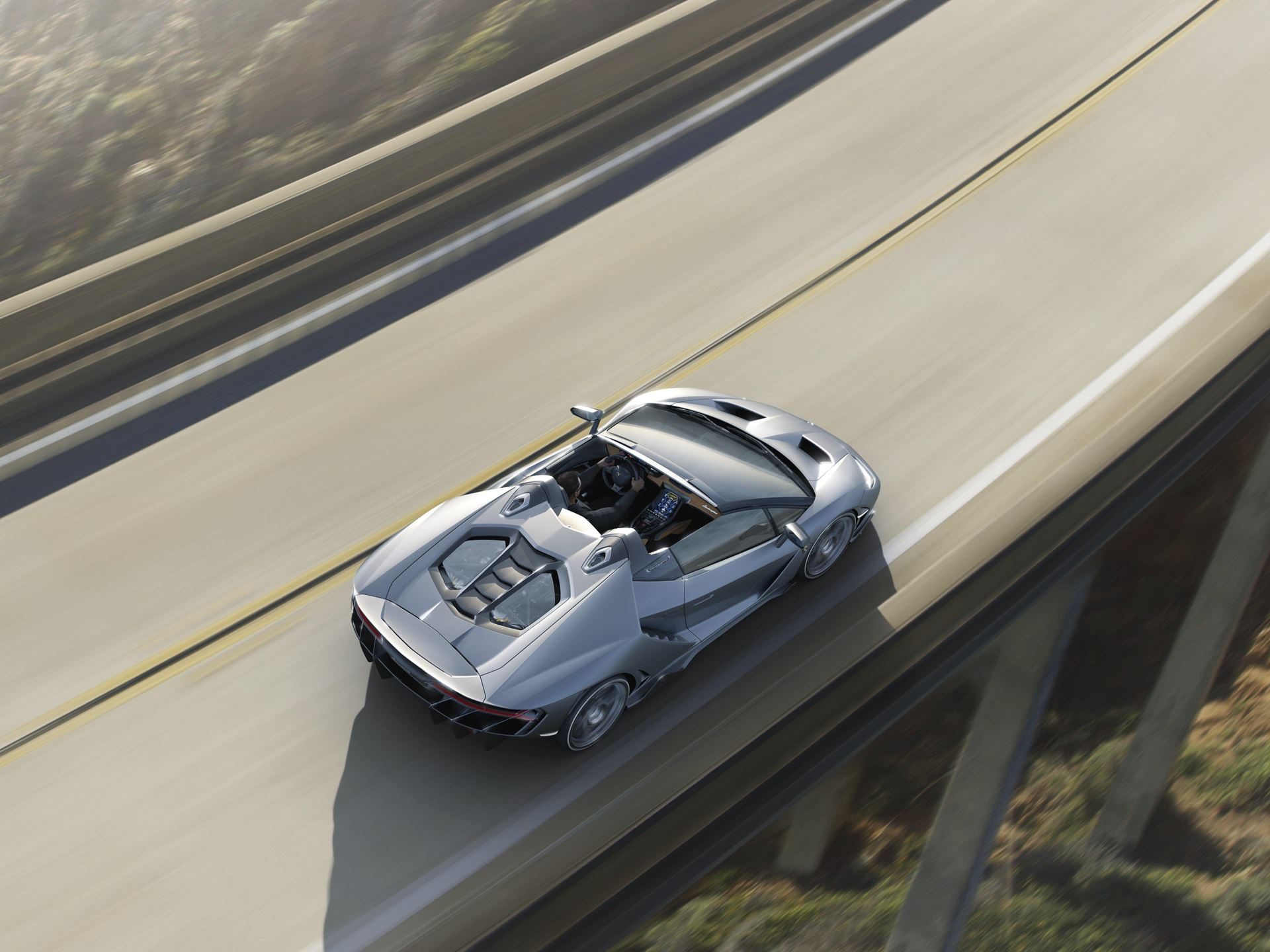
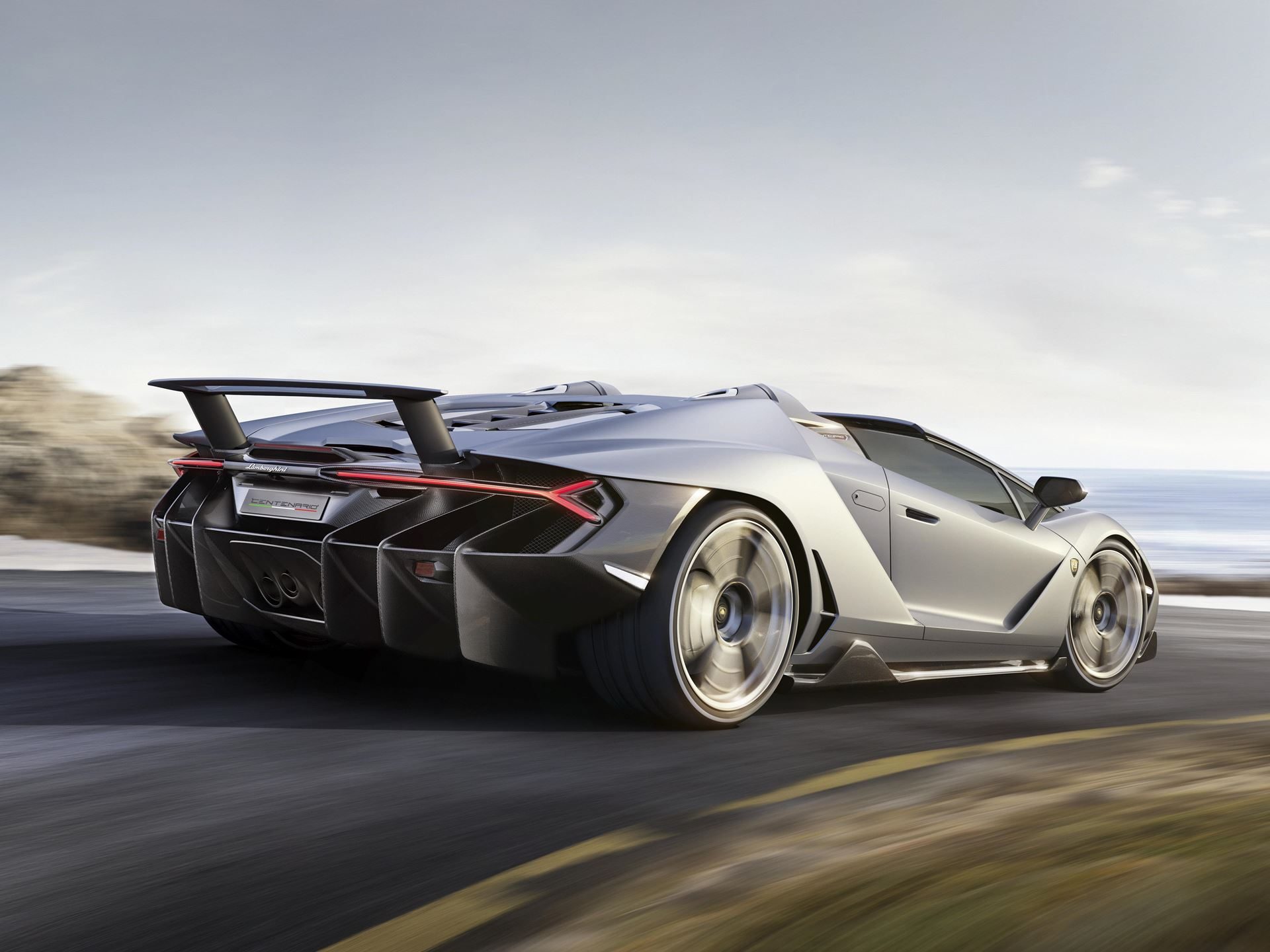
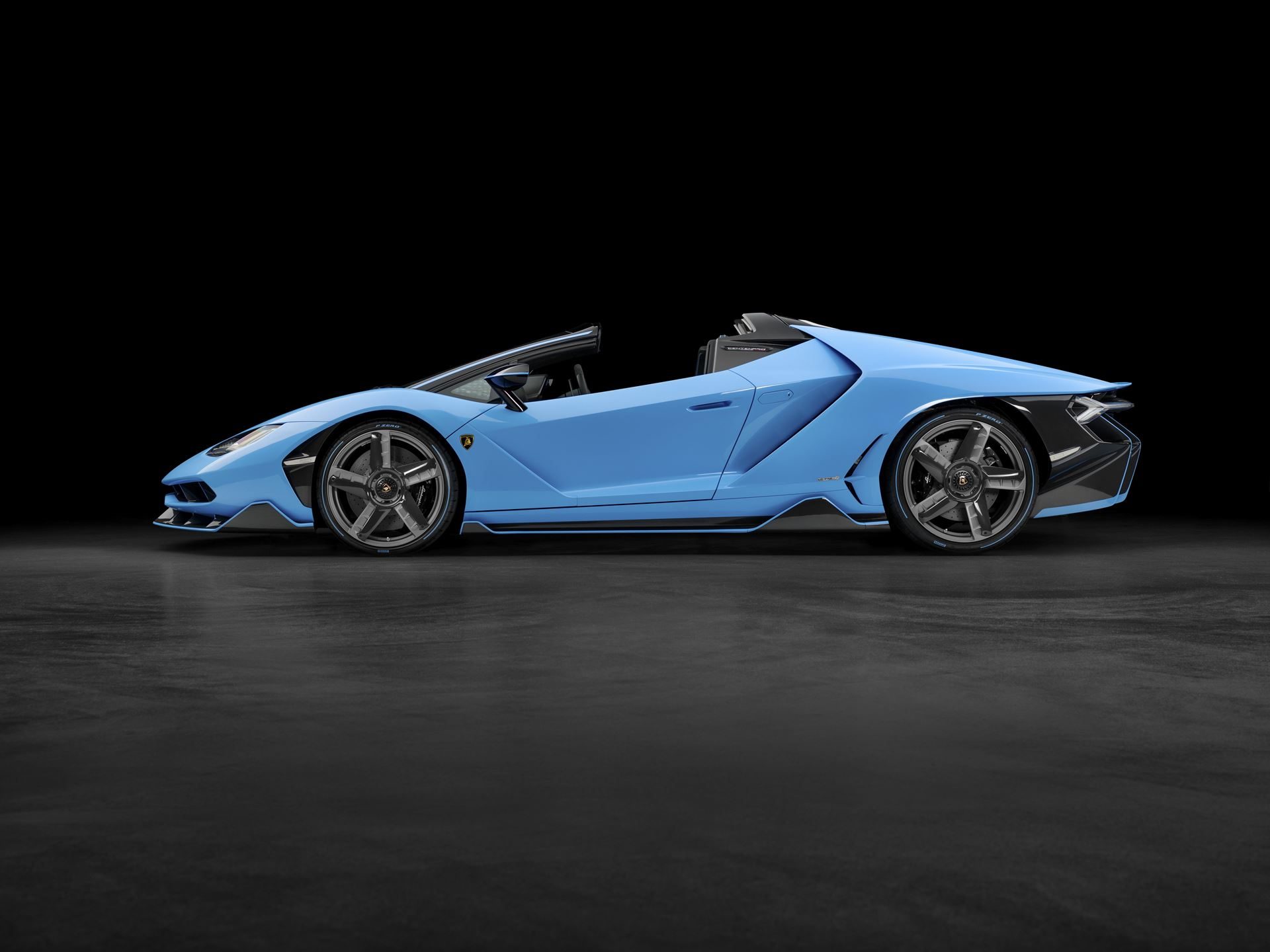
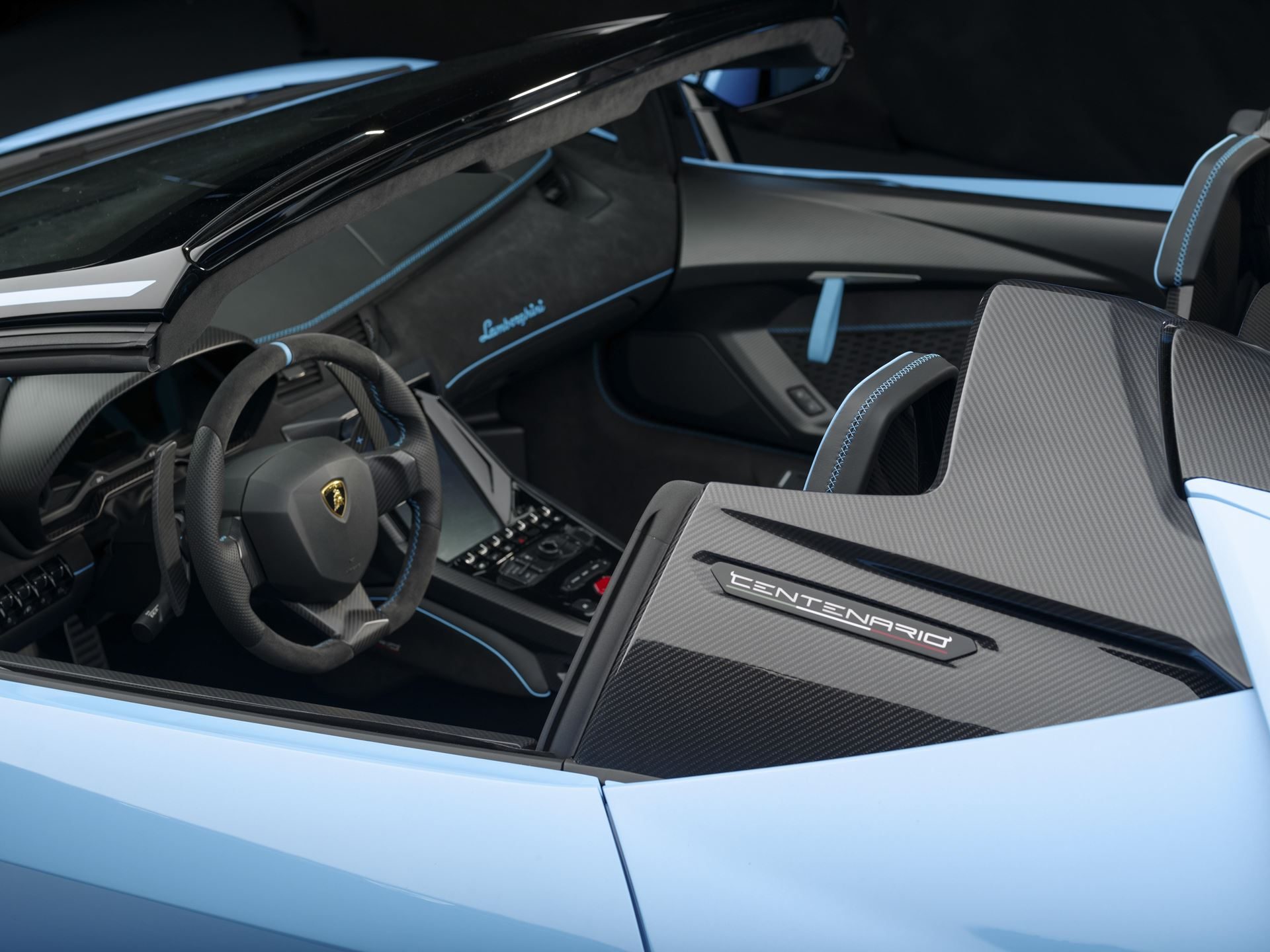
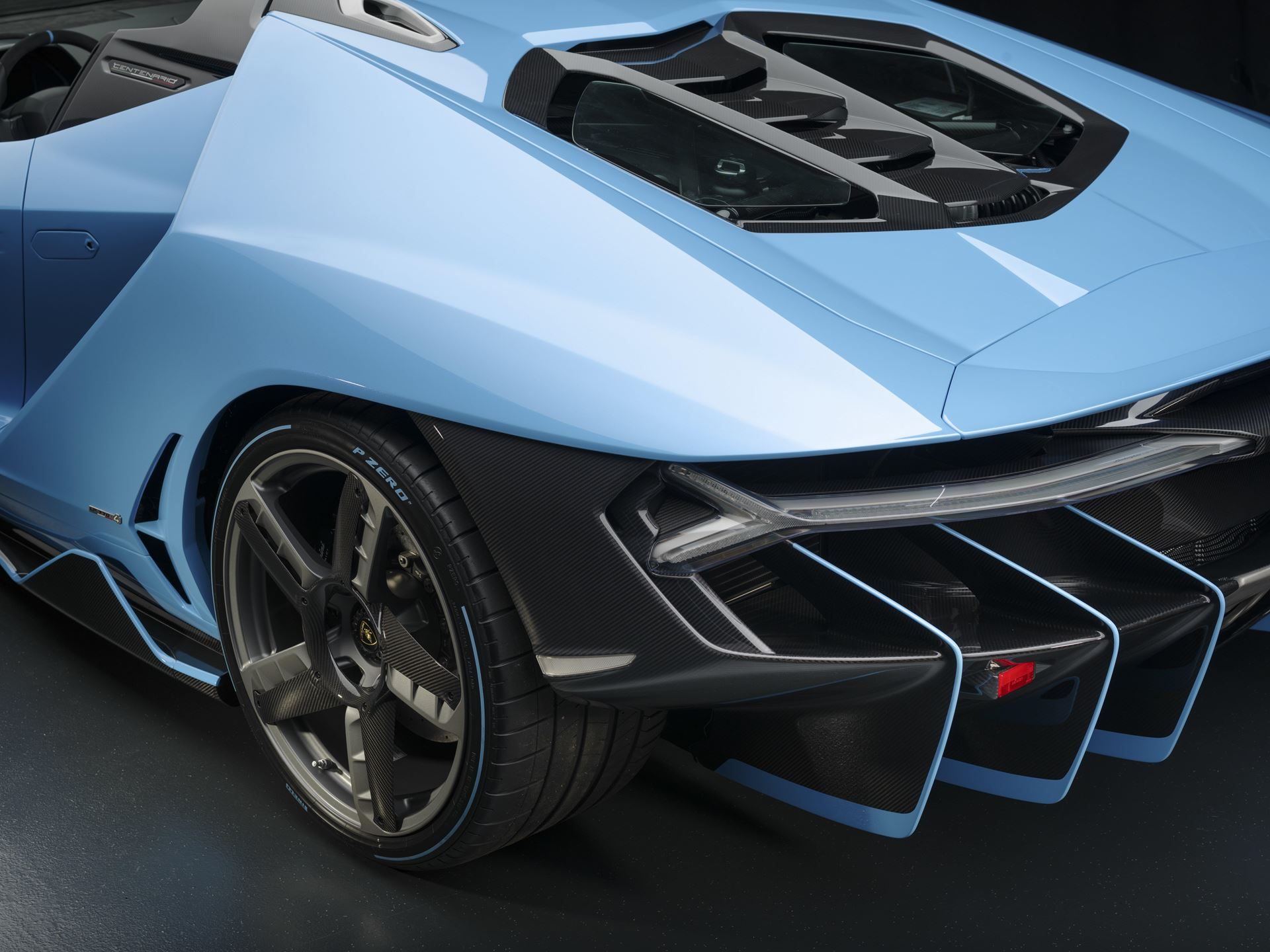
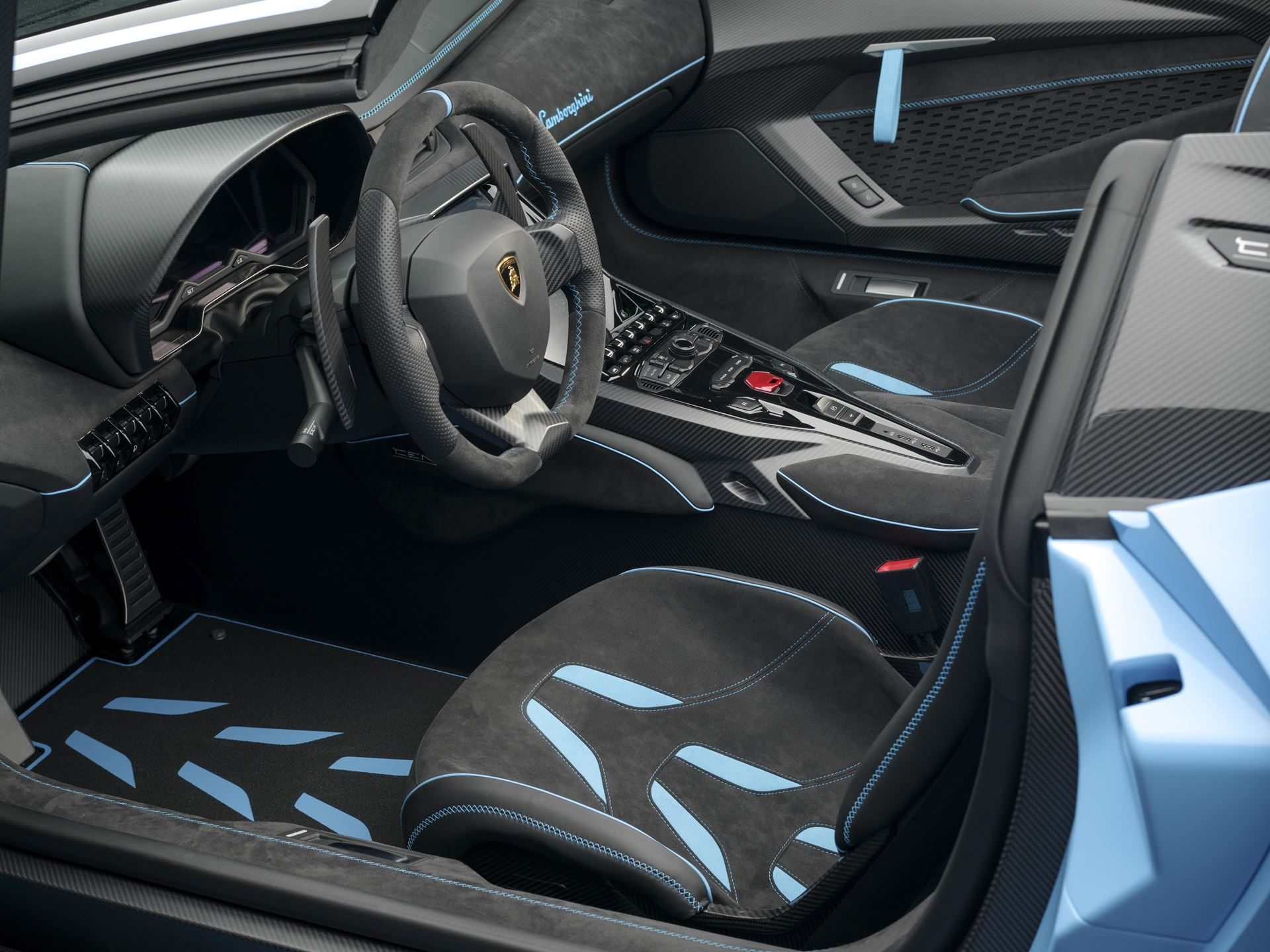
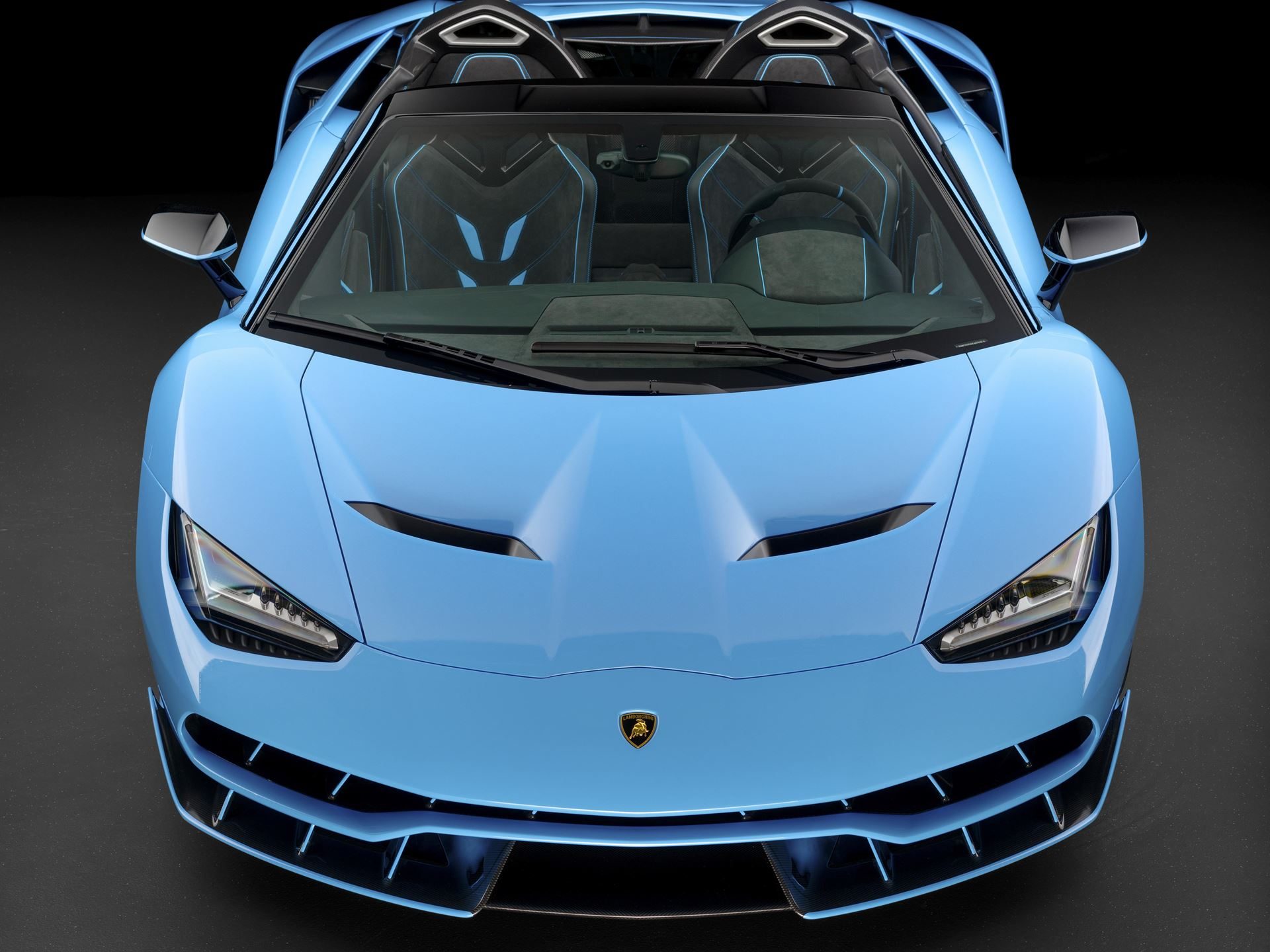
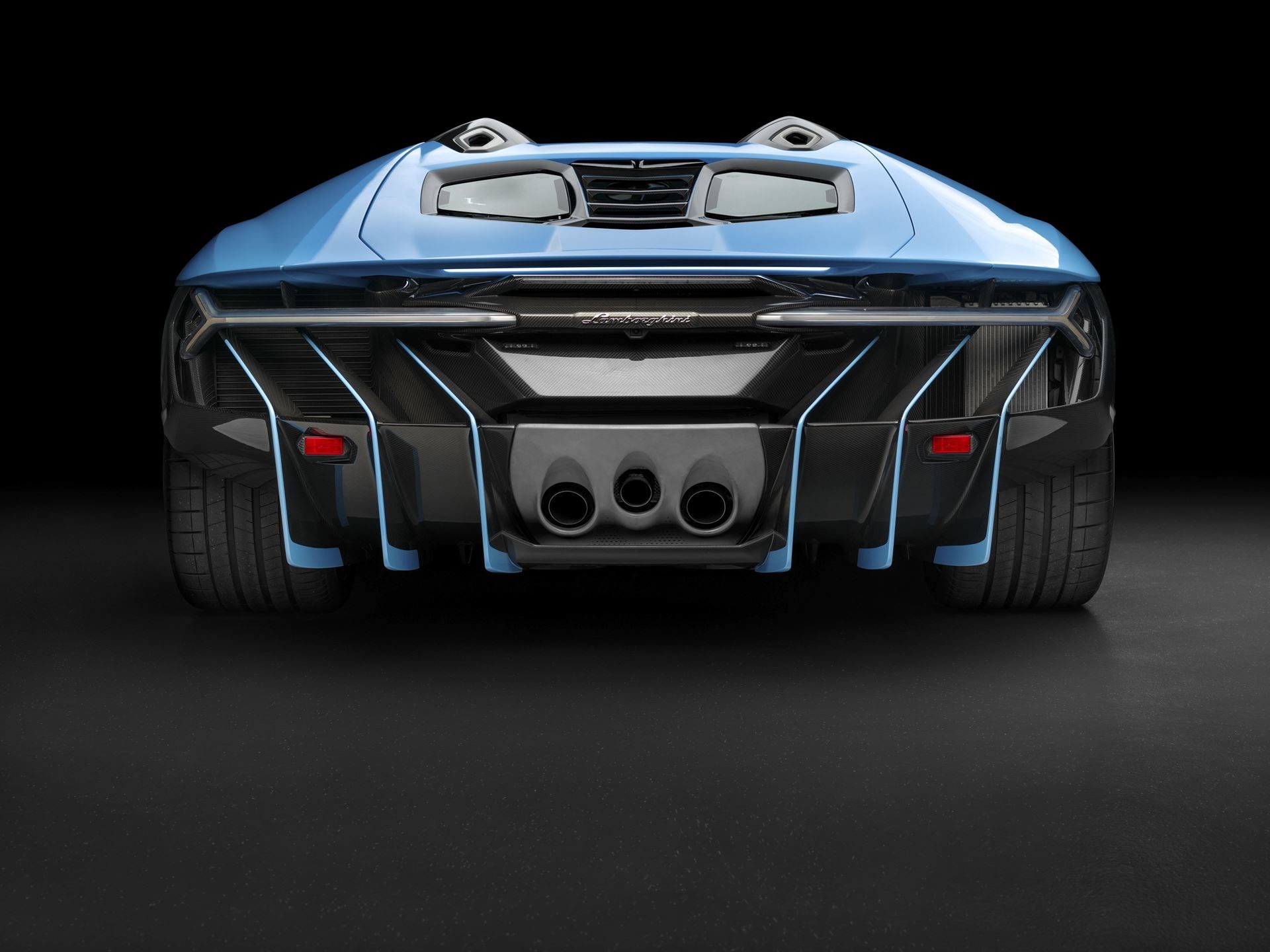
The Centenario Roadster arrived in 2016, honoring the 100th anniversary of company founder Ferruccio Lamborghini. Production was capped at 20 units. Its naturally aspirated 6.5-liter V12 produced 770 CV, matching the Veneno’s 2.8-second 0-100 km/h time while exceeding 350 km/h. Where the Veneno was pure aggression, the Centenario channeled its extremity into technological sophistication. Lamborghini notes it introduced a central infotainment touchscreen and rear-wheel steering, technologies that later returned in future Lamborghini models.
| Model | Year | Units | V12 Output | 0-100 km/h | Top Speed |
|---|---|---|---|---|---|
| Reventón Roadster | 2009 | 15 | 650 CV | 3.4 sec | 340+ km/h |
| Veneno Roadster | 2014 | 9 | 750 CV | 2.8 sec | 355 km/h |
| Centenario Roadster | 2016 | 20 | 770 CV | 2.8 sec | 350+ km/h |
| Sián Roadster | 2020 | 19 | 819 CV (hybrid) | N/A | N/A |
Sián Roadster: Where the V12 Went Electric
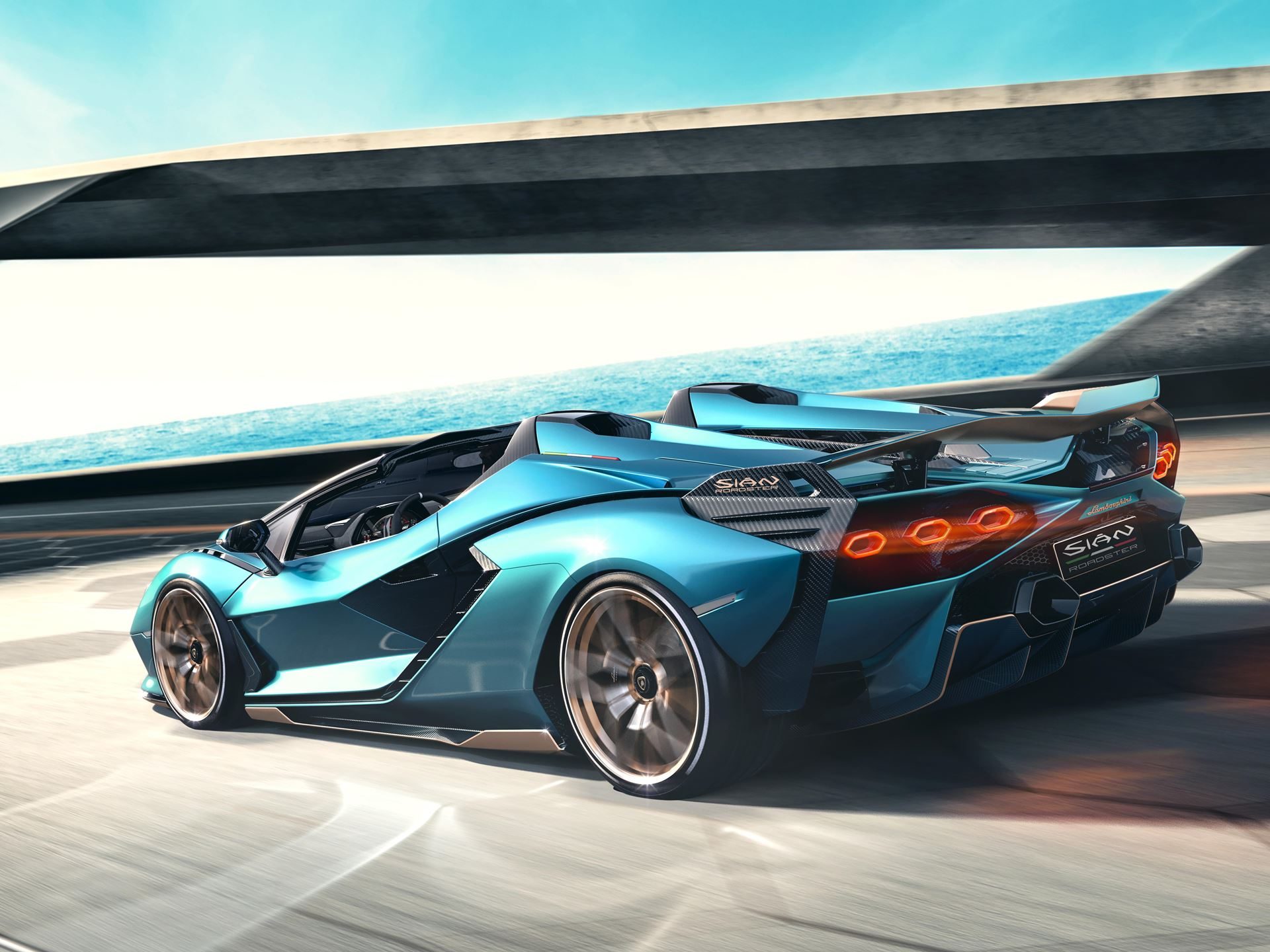
The Sián Roadster, launched in 2020 with just 19 units, represents the most significant philosophical shift in the Few Off lineage. It was the first Lamborghini Few Off roadster to integrate a traditional V12 engine with hybrid technology. The naturally aspirated 6.5-liter V12 was coupled with a 48-volt electric motor integrated directly into the gearbox, delivering a combined output of 819 CV.
What made the Sián’s hybrid approach unusual was its energy storage approach. This was a system designed to enhance the V12 experience rather than replace it, a distinction that matters enormously to Lamborghini’s core audience.

The Competitive Landscape: How Lamborghini’s Approach Differs
Lamborghini’s Few Off Roadsters occupy a distinct position in this landscape. They are forward-looking rather than nostalgic: the Reventón referenced fighter jets, not the Miura. The Veneno looked like it arrived from a decade that had not happened yet. And some models doubled as technology demonstrators, with certain innovations later appearing in future Lamborghini models.
The open-top format is itself a differentiator. The heritage of Few Off roadsters originates with the 1968 Miura Roadster, a singular Bertone creation, and every subsequent model in the series has been designed from the outset to deliver its most extreme experience with nothing between the driver and the sky.
Whether the Fenomeno, if it materializes as a roadster, continues this trajectory or charts an entirely new course remains the most interesting unanswered question in the ultra-exclusive supercar segment right now.

Gallery