Why a Brown Miura SV Matters More Than You Think
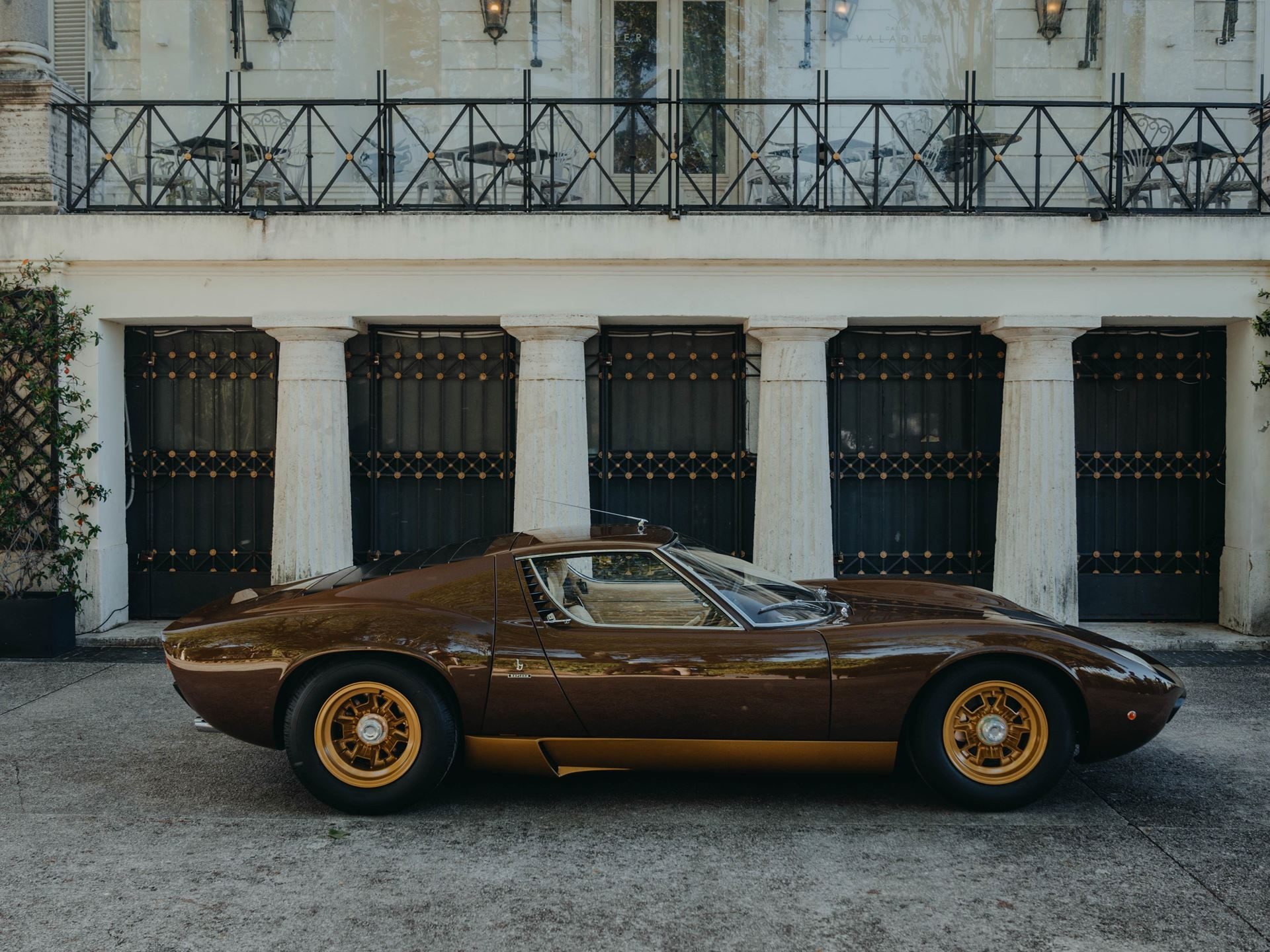
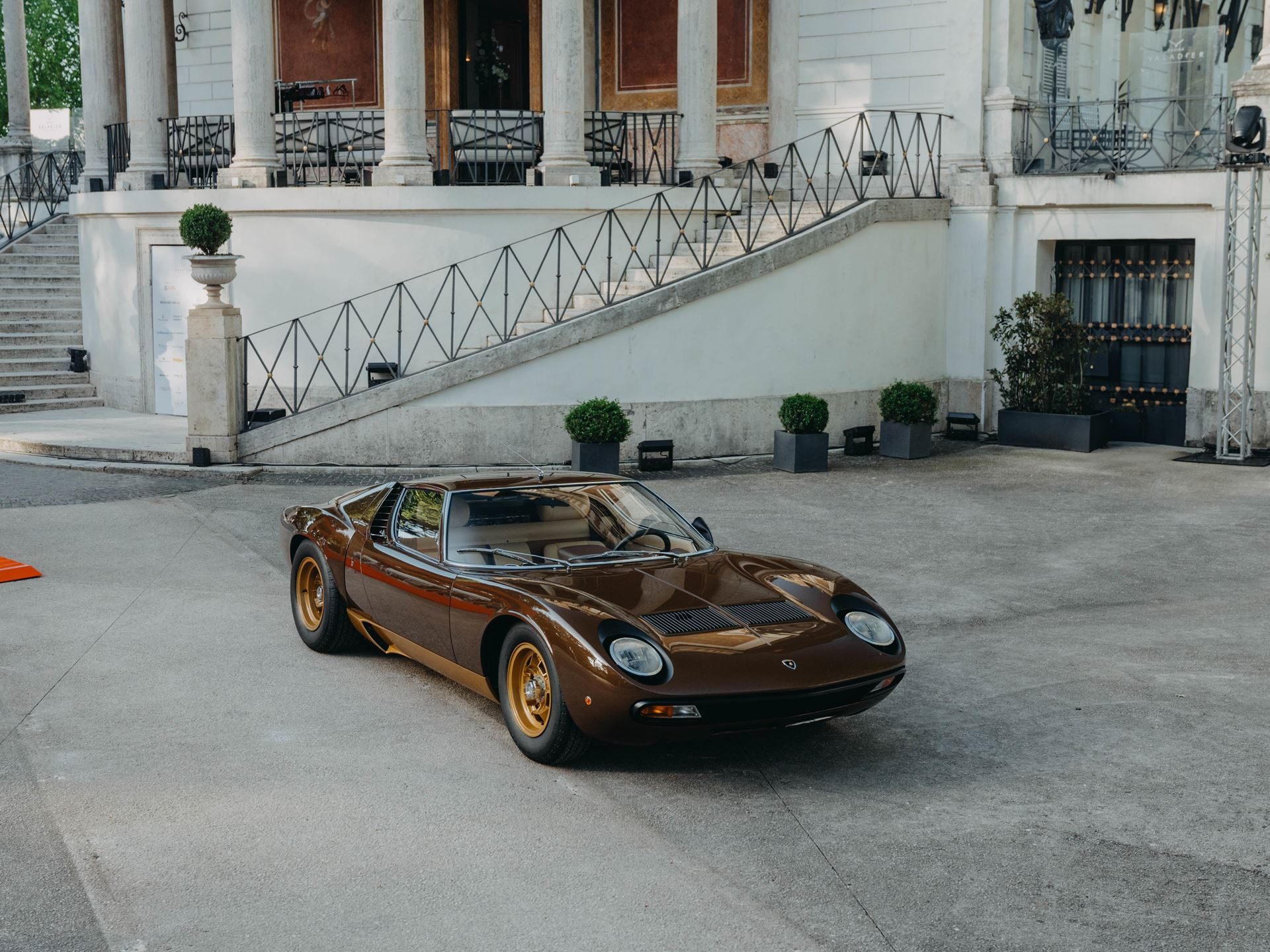
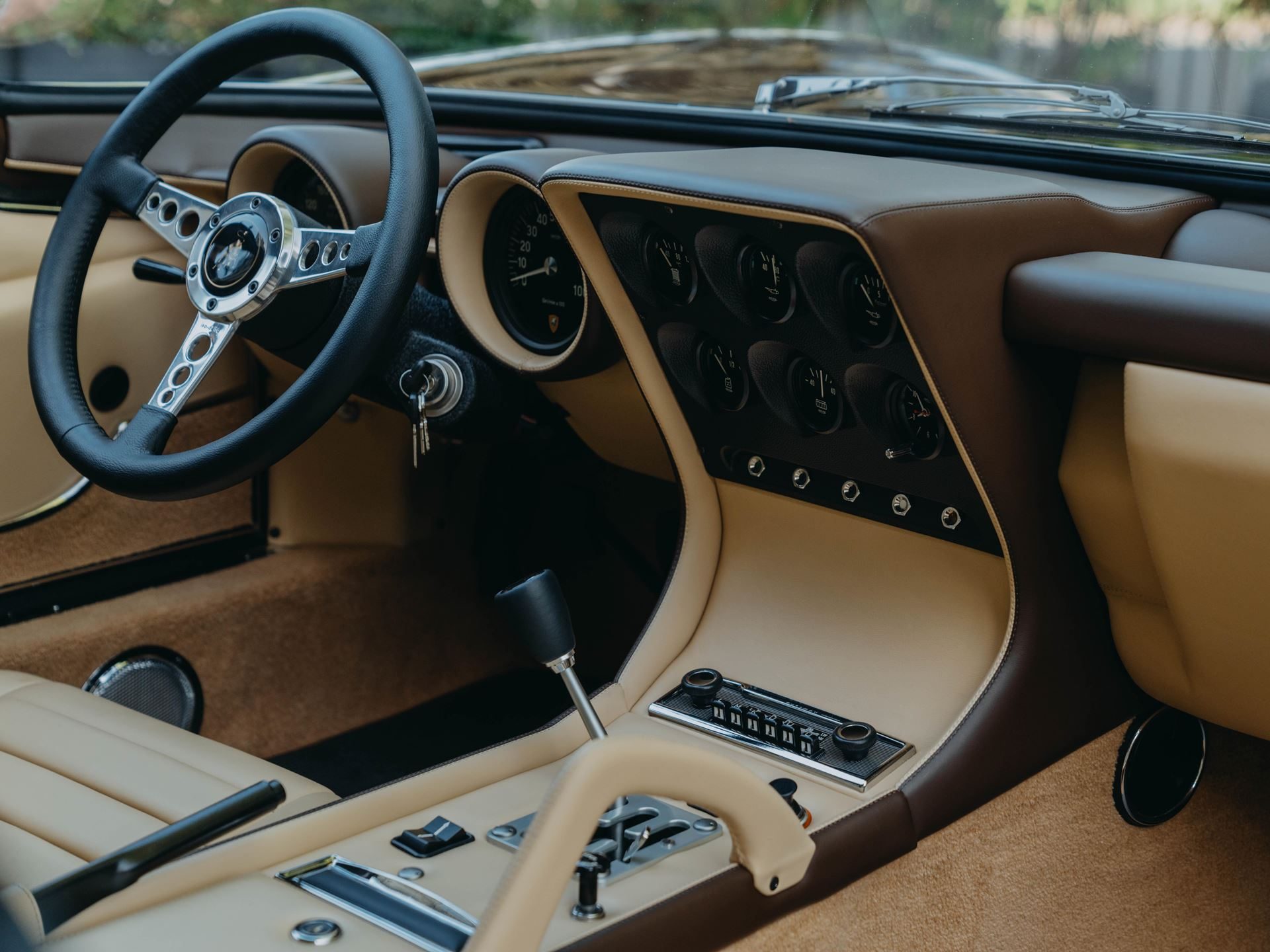
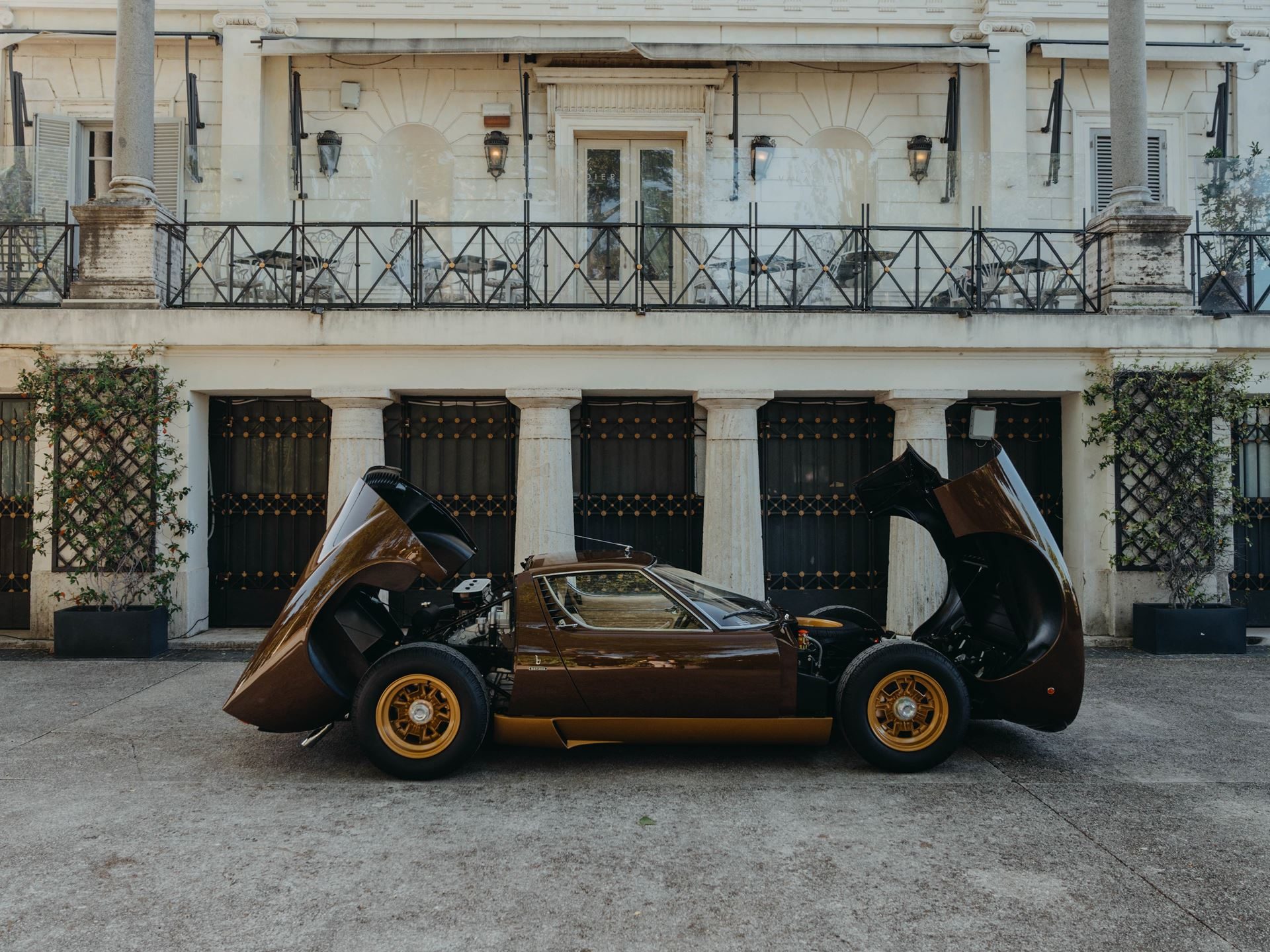
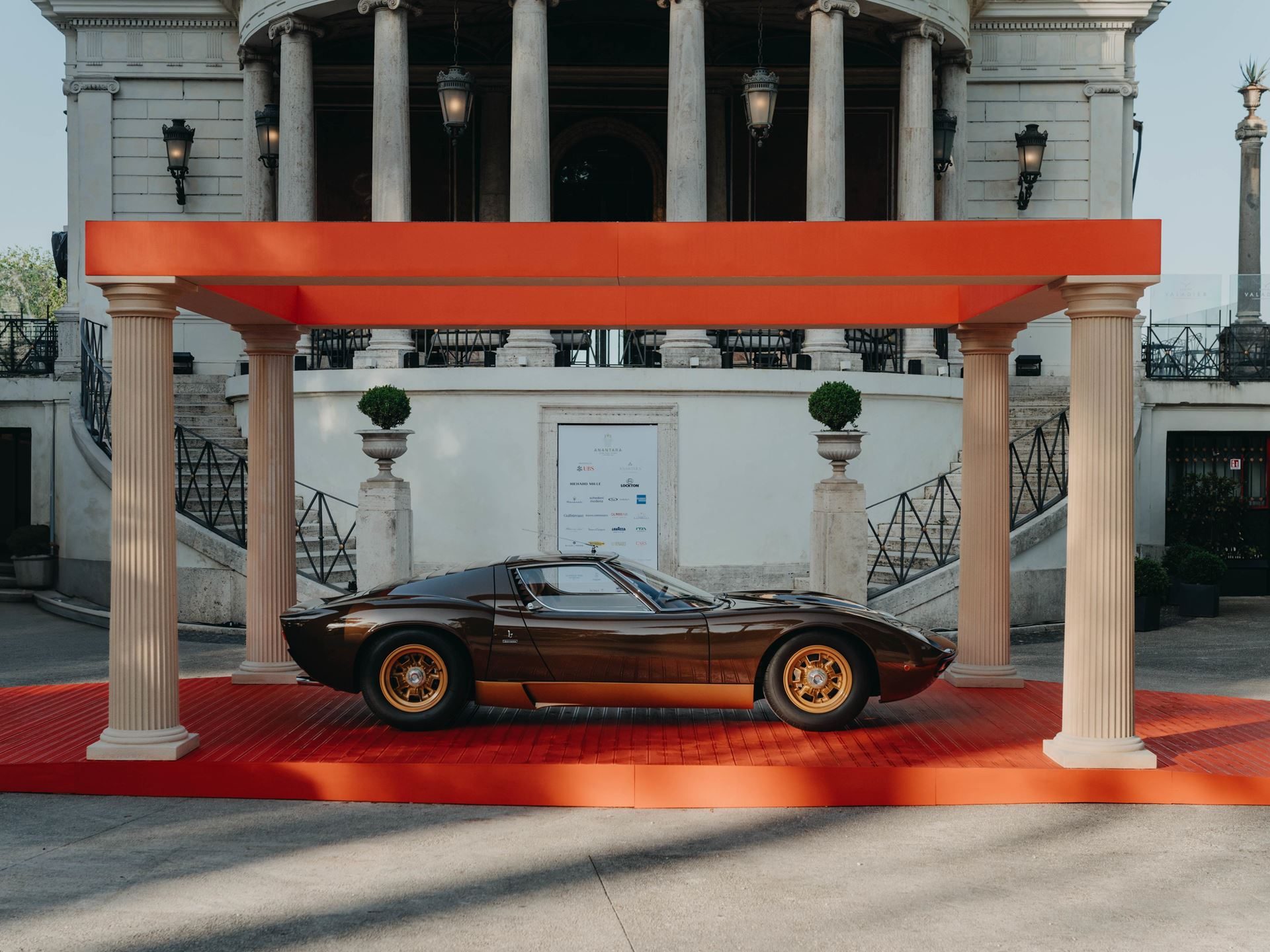
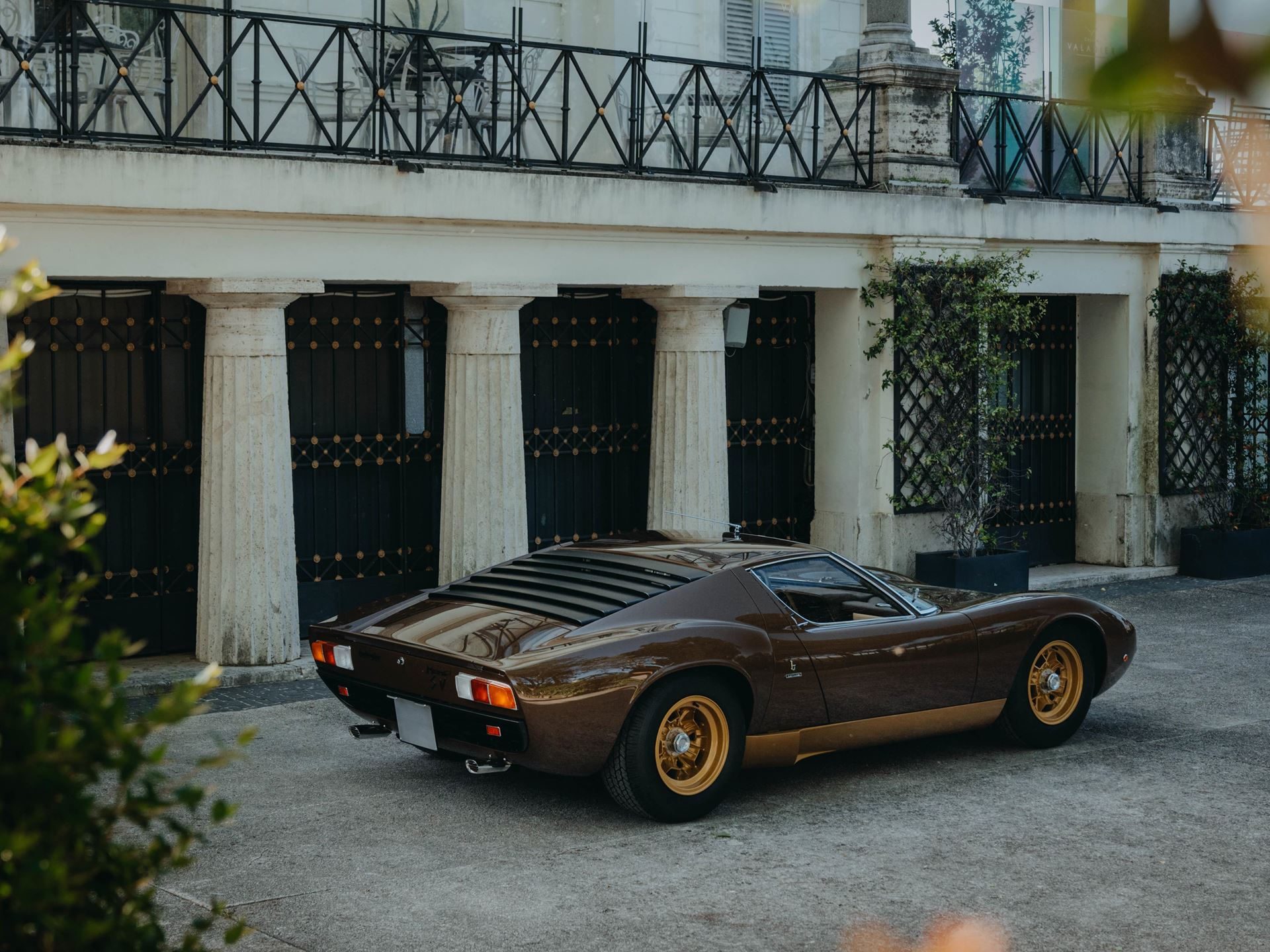
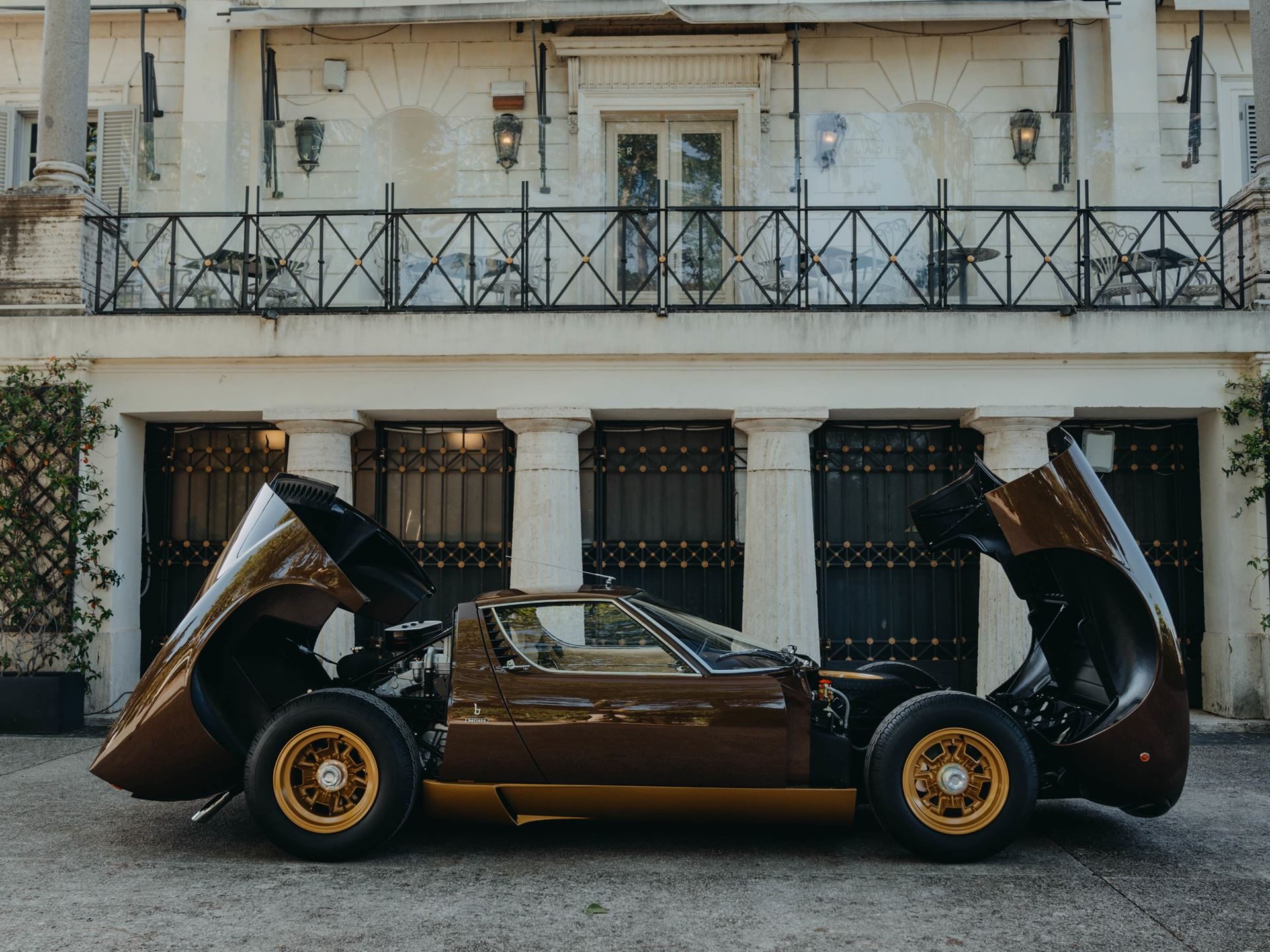
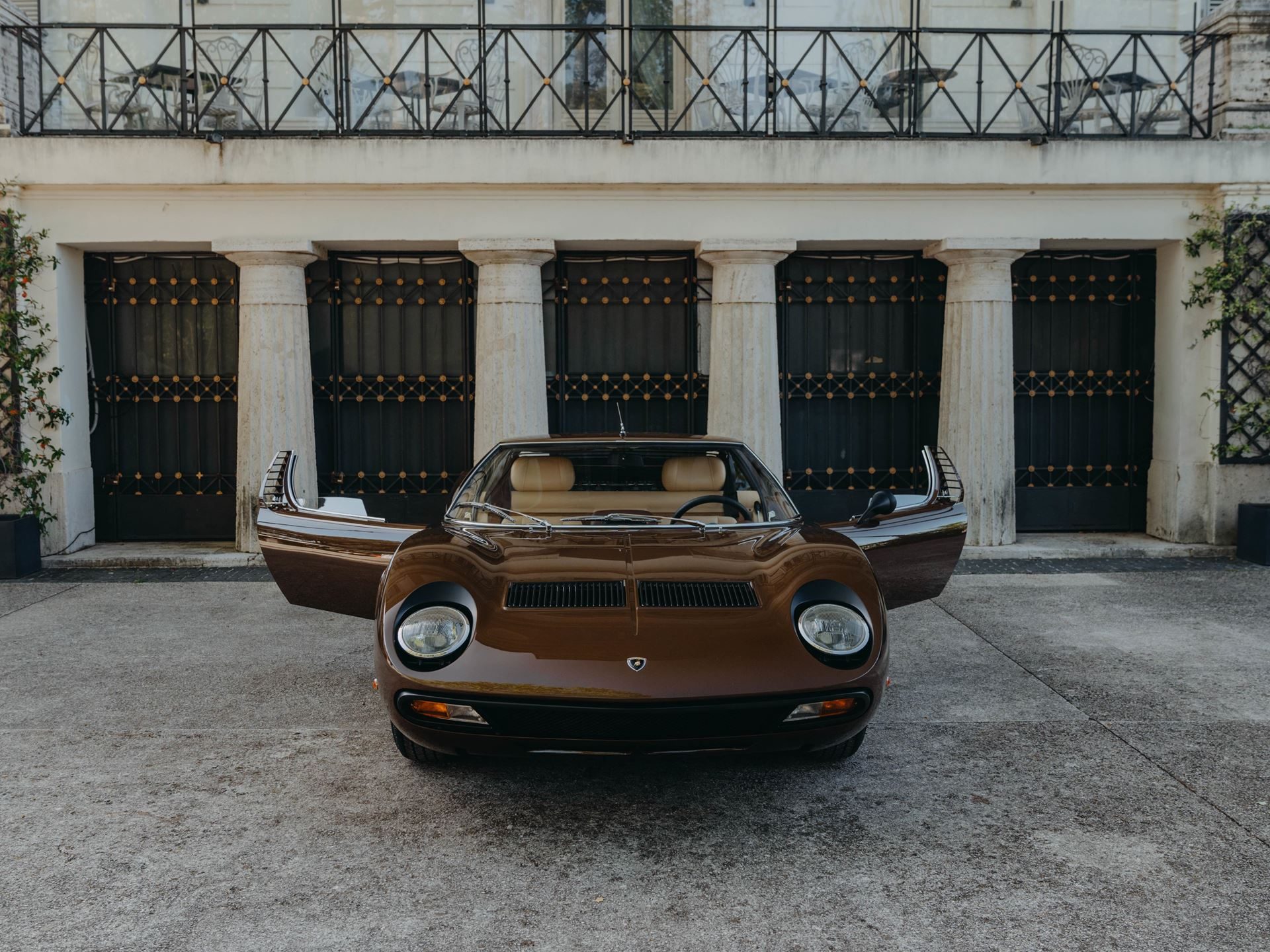
A 1972 Miura SV arrived at Sant’Agata Bolognese in late 2023 in a configuration not matching its original factory build. The interior wears Senape, matched to the car’s production year. The shade evolved over time and across different Lamborghini models, so pinning down the exact chromatic specification for this particular car demanded in-depth historical research starting from the production sheet.
The Miura celebrates its 60th anniversary this year, and the SV represents the final chapter of a lineage widely credited with defining the modern mid-engine supercar blueprint. One source estimates that only about 120 to 150 Miura SV examples were ever produced. That rarity, combined with the car’s foundational role in Lamborghini’s identity, makes the difference between a “close enough” restoration and a factory-certified one more than academic.

The Financial Weight of a Polo Storico Seal
Lamborghini does not publish a price list for Polo Storico restorations, and the cost of this specific Miura SV project remains undisclosed. What the available reporting does indicate is that a full Polo Storico restoration can run upward of $450,000, with timelines extending to around three years in some cases. Previous Polo Storico Miura restorations have taken about 19 to over 20 months in cited examples; Polo Storico also reconstructed the first Countach LP 500 prototype from 1971.
The practical question for owners considering the program is whether that investment pencils out. Lamborghini says the authenticity and historical accuracy of this car are now certified by Polo Storico.
Beyond the Paint Code: What Polo Storico Actually Corrected
The scope of work on this SV went well beyond a respray. Lamborghini says the restoration began with the original production sheet, which confirmed the car’s original characteristics. On the exterior, the team returned the front fender grilles, the door handle fins (with their correct rounded edges), and the rear louvers to proper configuration. The octagonal center-lock hubs were restored, and the exhaust tips were swapped to the correct “Bob-type” design, named after Bob Wallace, Lamborghini’s historic test driver and one of the figures who helped bring the Miura to life.
Inside, the reconstruction reinstated air conditioning preparation, hazard lights, a more compact steering wheel, and an extended handbrake lever. Each of these details sounds minor in isolation. Taken together, they represent the difference between a car that looks like a Miura SV and one that matches its original build specification in every measurable way. The brown and tan interior, with its more compact steering wheel, reflects that philosophy down to the last stitch.
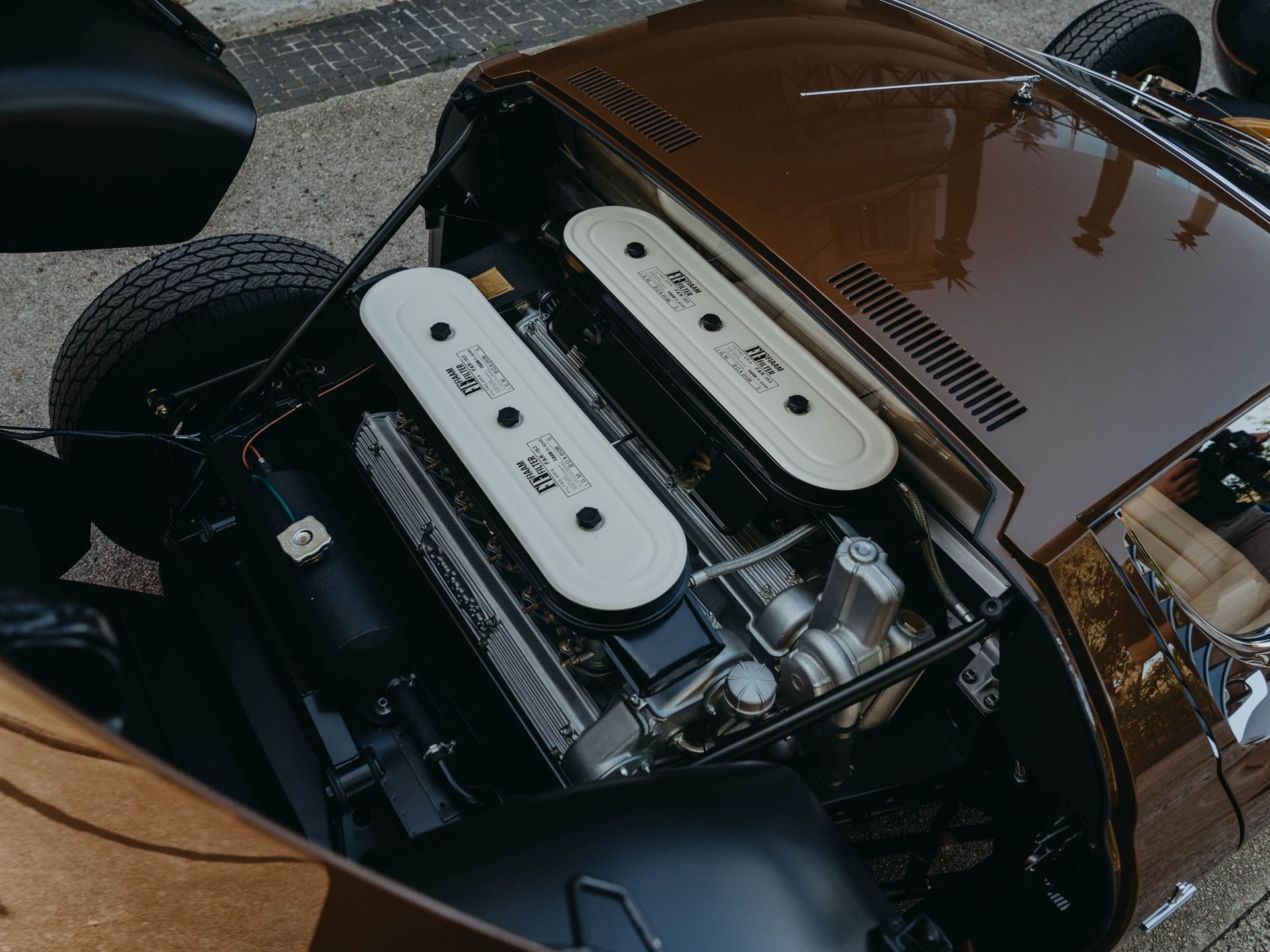
One source notes that the SV eliminated the headlight “eyelashes” found on earlier Miura models, giving it a cleaner front fascia. According to one report, later SV models also benefited from independent lubrication for the engine and gearbox. Polo Storico’s task was not merely to make the car beautiful again but to ensure every detail was analyzed and returned to correct configuration through historical and documentary research starting from the production sheet.

Polo Storico vs. Ferrari Classiche and Porsche Classic
Factory restoration and certification programs represent a distinct tier of provenance for classic car owners, and the question for Lamborghini owners is where Polo Storico stands among them.
Polo Storico is the official custodian of Lamborghini’s heritage, with access to the original production sheets and historical records that allow it to confirm a car’s original characteristics and chromatic specification. Polo Storico used the production sheet and additional historical research in Sant’Agata Bolognese during the restoration, including to identify the correct chromatic specification for the 1972 Miura SV.
For Lamborghini collectors, this matters in a practical way. Forum discussions across the classic Lamborghini community reflect deep respect for specialists who have spent decades working on Miuras. But the production sheet, the ability to verify a specific paint code against factory records from 1972: Polo Storico’s role as the brand’s official heritage custodian means that level of archival verification is performed there.

The Miura’s Immortal DNA and a 60th Anniversary Worth Celebrating
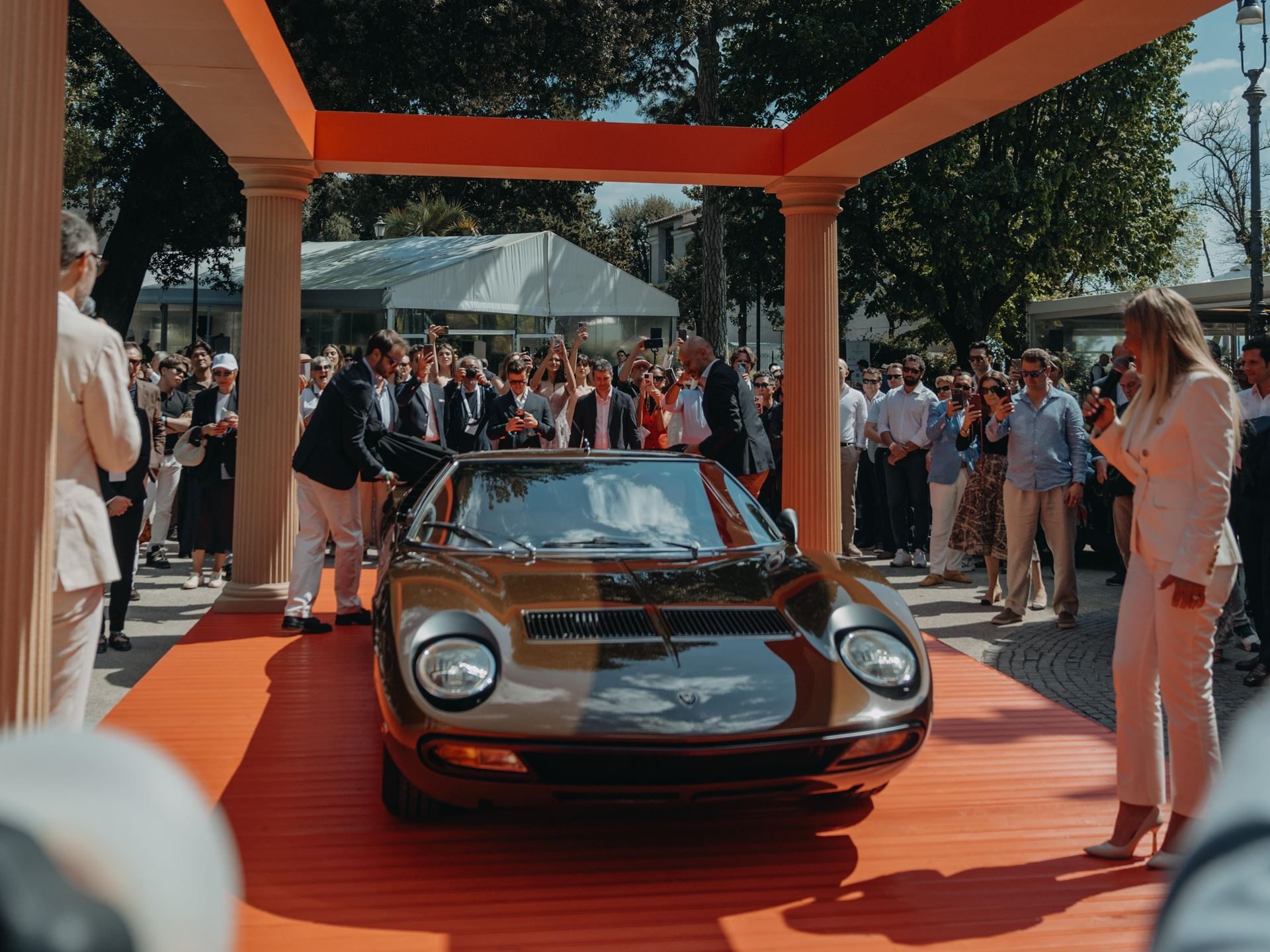
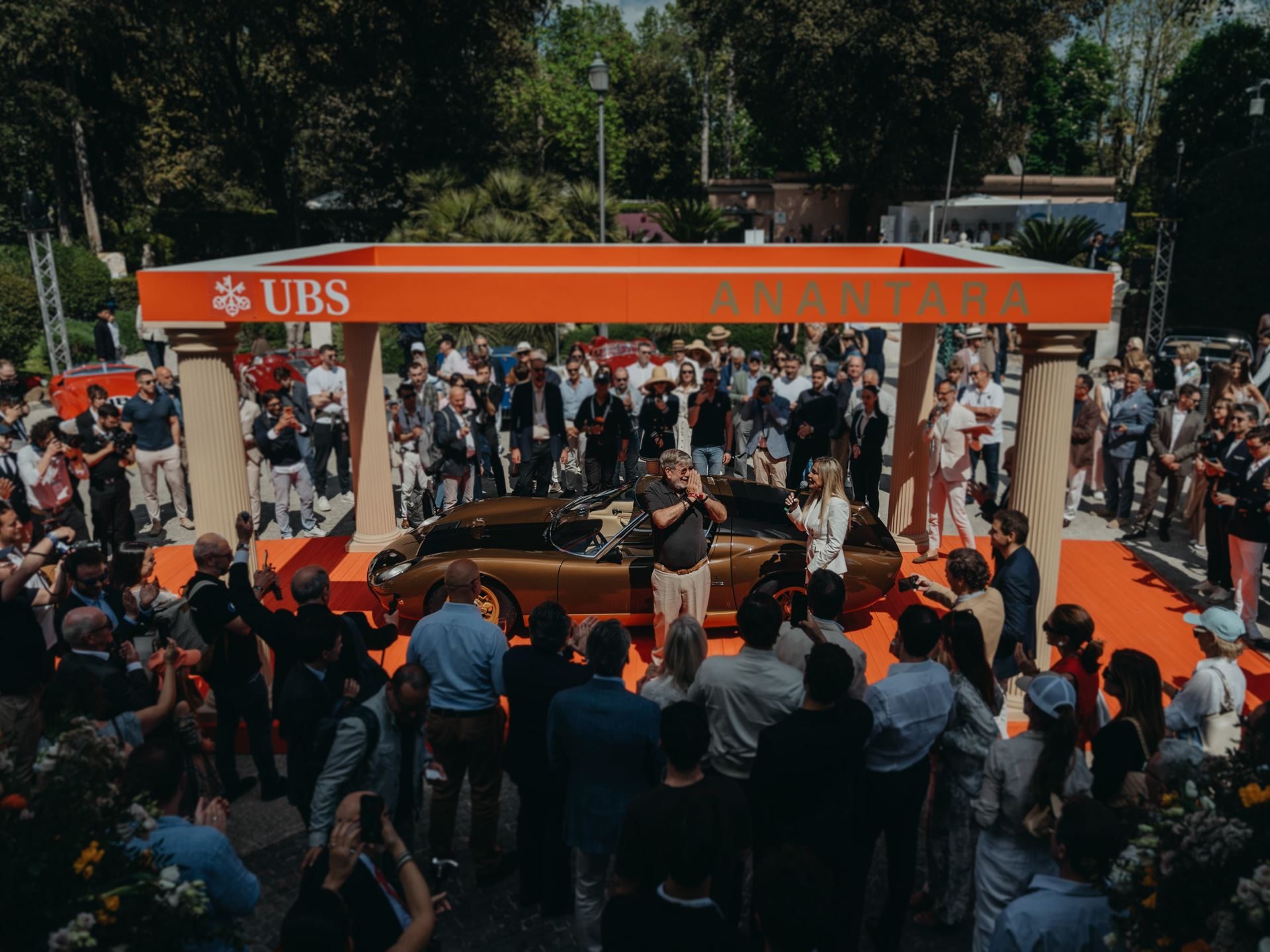
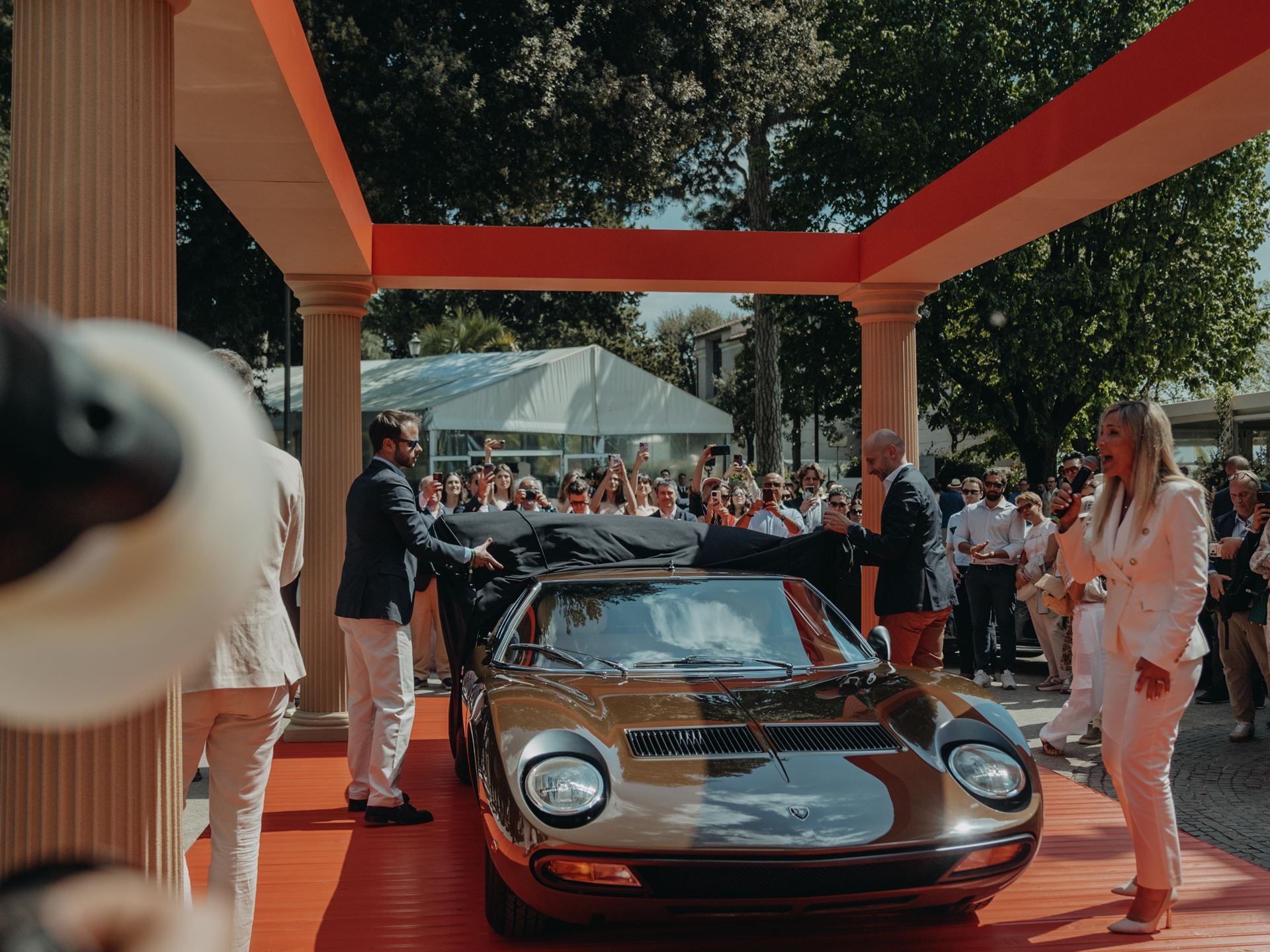
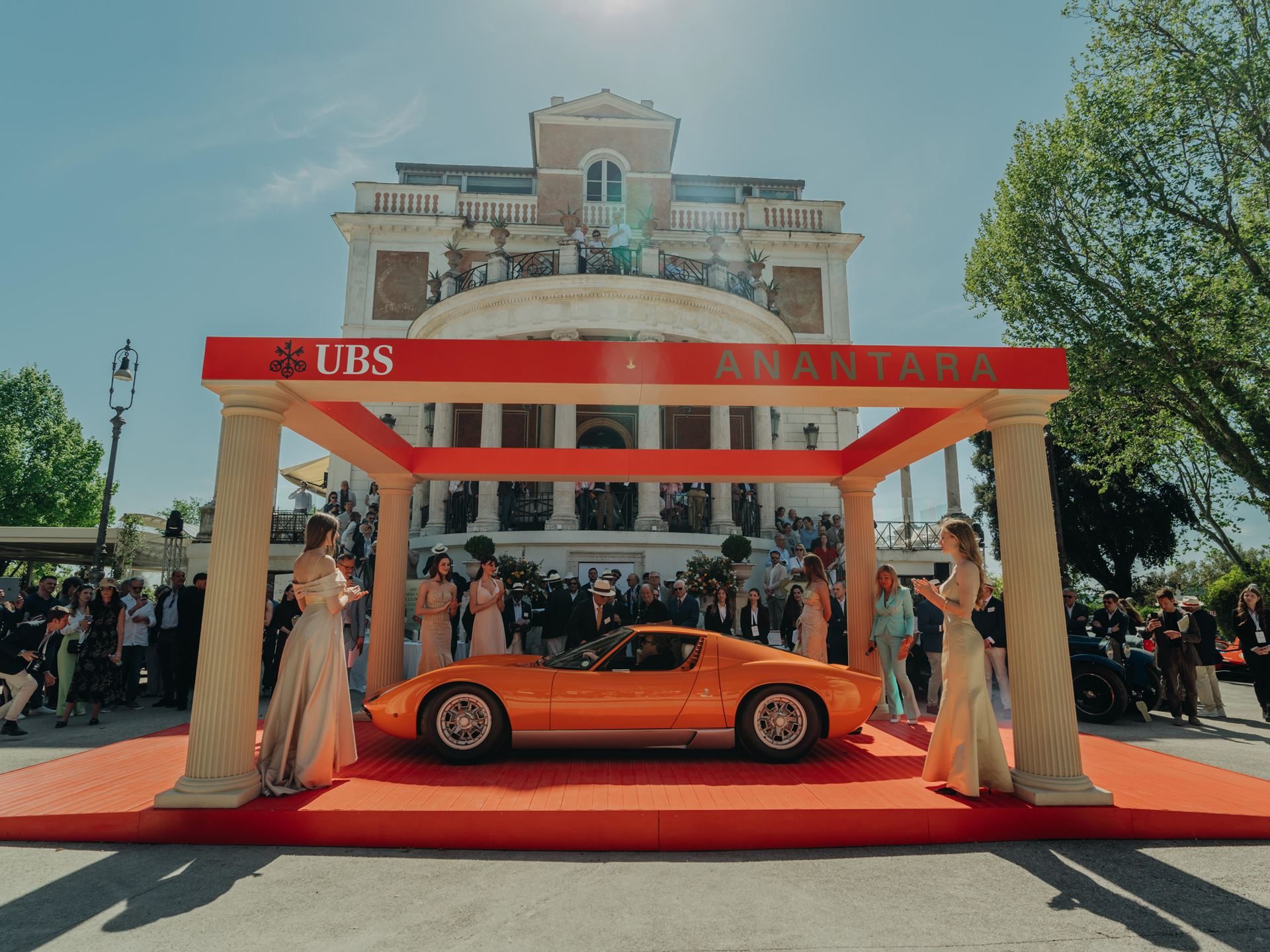
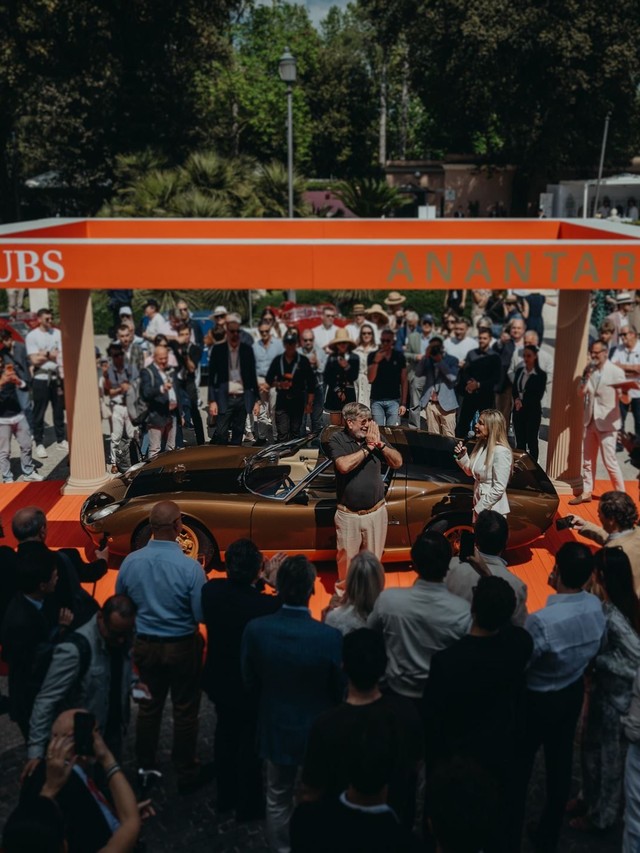
The Miura SV was not the only Lamborghini drawing attention at the Concorso Roma. A 1968 Miura P400, famous for its appearance in the opening scene of the 1969 film The Italian Job, took first place in its class and received the special award “La vettura di Cinecittà” for its connection to cinema. Contrary to longstanding myth, the car was not destroyed during filming. Polo Storico confirmed its identity and completed its own restoration and certification in 2019, timed to the film’s 50th anniversary. Two 1989 Countach 25th Anniversary models also competed, entered by their owners. The car was officially presented to the public at Casina Valdier, and Lamborghini Polo Storico presented the restored Miura SV to journalists, clients, and enthusiasts on April 18.
The restoration was showcased on the Miura’s 60th anniversary, but the real significance runs deeper. The Miura, brought to life by figures including Marcello Gandini and Gian Paolo Dallara, is credited with defining the modern mid-engine supercar layout. Polo Storico’s work on this SV reflects the archival rigor and official custodianship that only the factory can bring to such a project.
For anyone considering a Polo Storico restoration of their own classic Lamborghini, the consistent advice from those who have navigated the process is to plan early. Establishing contact with Polo Storico before the car arrives in pieces appears to be the wisest first step.

Gallery