Seventh Place, Lead Lap, and a Prototype That Survived Sebring
When the #63 Lamborghini SC63 crossed the finish line at the 2024 12 Hours of Sebring in seventh place, the result looked modest on paper. The context rewrites the story entirely. This was the SC63’s first competitive outing on American soil, only its second race weekend anywhere in the world, and it completed 12 hours at one of the most punishing circuits in endurance racing on the same lap as the overall winner. Hundredths of a second separated the #63 from the sixth-placed BMW at the flag.
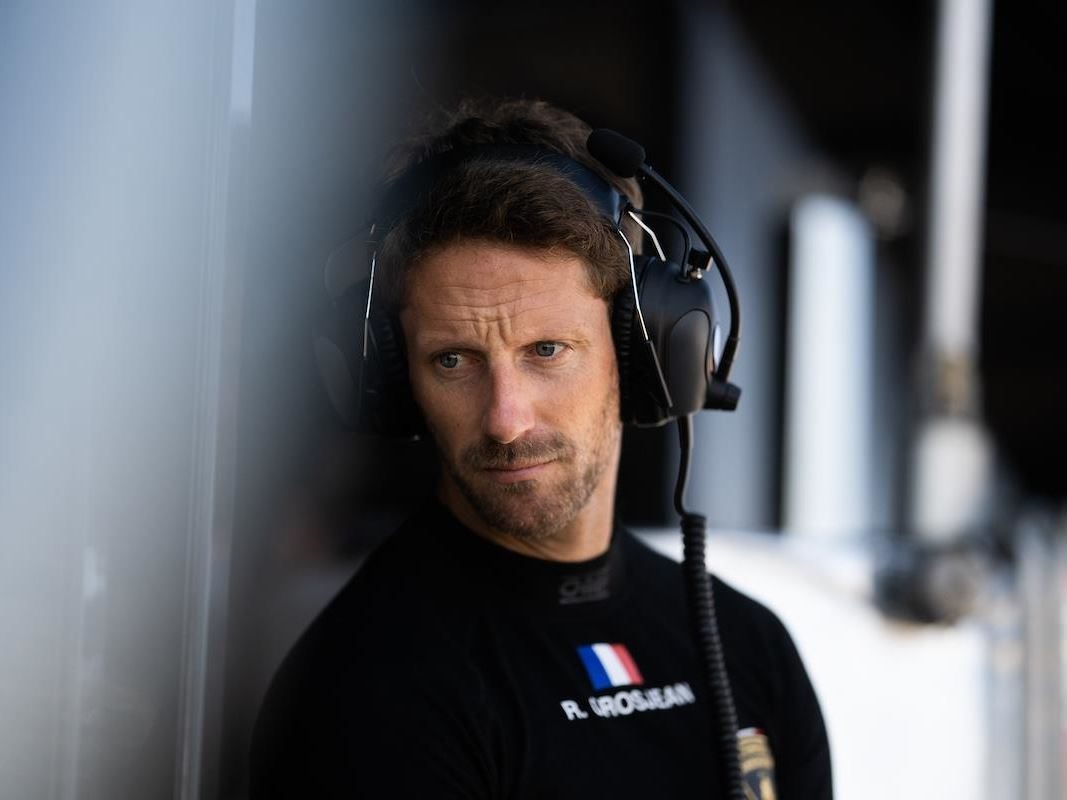
Matteo Cairoli, Andrea Caldarelli, and Romain Grosjean shared driving duties for the Iron Lynx entry. Cairoli qualified the car eighth. The only significant mechanical drama over the full race distance was a loose door in the final four hours, which forced an unscheduled pit stop and briefly dropped the car a lap down. Smart strategy during a Full Course Yellow recovered that lap. For a brand-new LMDh prototype, that level of mechanical composure across 12 hours of concrete-patched, bone-jarring Sebring tarmac is the kind of result engineers celebrate quietly and strategists build on loudly.
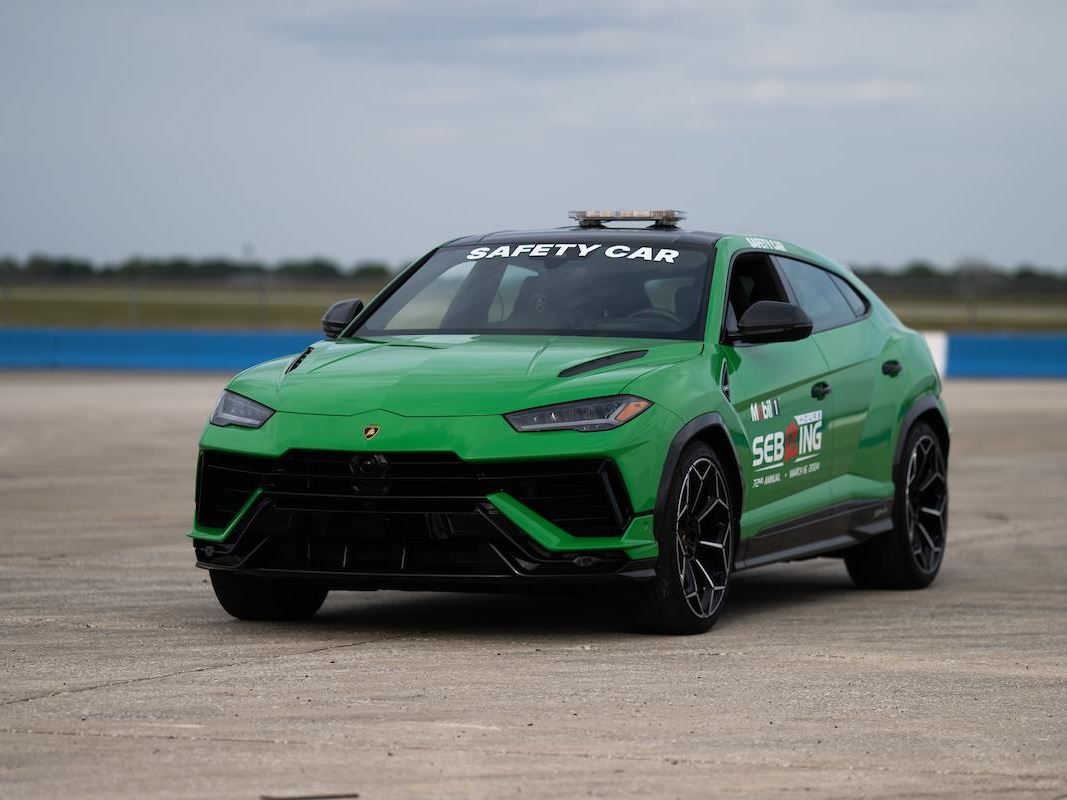
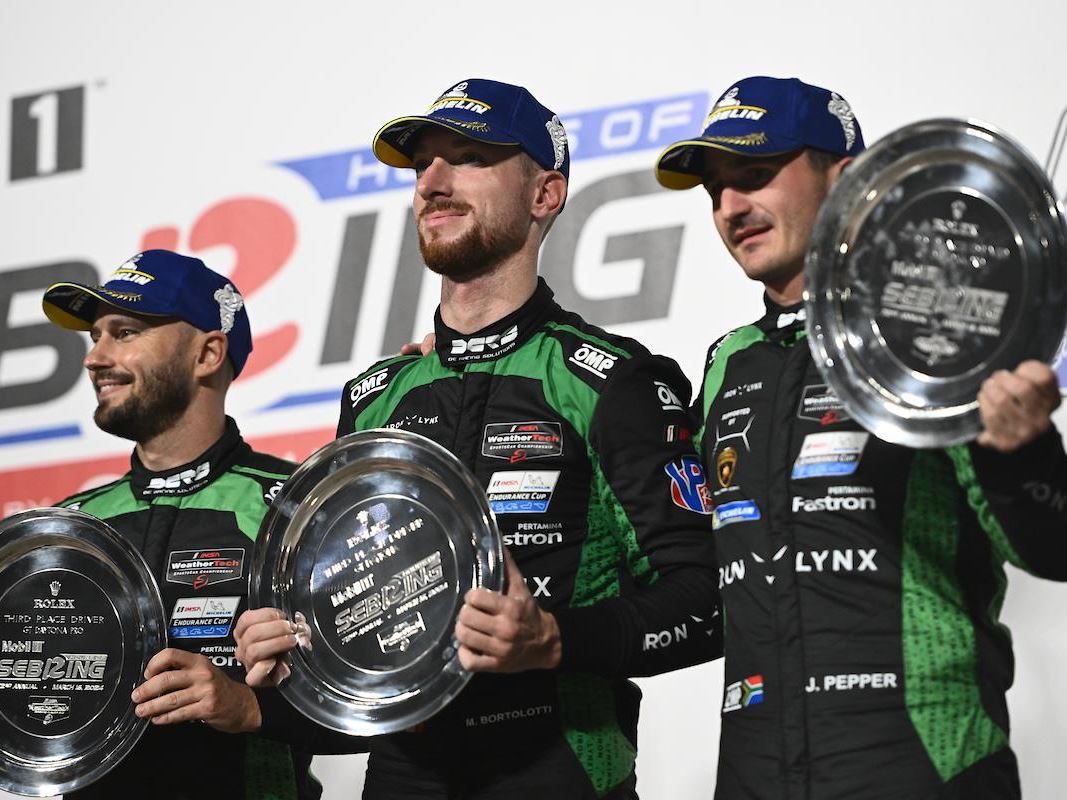
The same weekend delivered a bonus: the #19 Iron Lynx Huracán GT3 EVO2, driven by Mirko Bortolotti, Franck Perera, and Jordan Pepper, grabbed a last-lap podium in GTD Pro after a penalty was assessed to the #77 Porsche. Two classes, two meaningful results, and a Urus Performante leading the field under 12 Full Course Yellow periods as the official safety car. Lamborghini’s presence at Sebring was hard to miss.
Why Sebring Breaks New Race Cars
Sebring International Raceway occupies a former World War II airfield in central Florida, and the racing surface still carries that heritage in the worst possible way. Concrete slabs join asphalt patches at irregular intervals, transmitting violent shocks through suspension, chassis, and drivetrain on every single lap. Twelve hours of that punishment is a stress test that exposes weaknesses no amount of simulation can fully predict.
For a new LMDh prototype running only its second race, the variables multiply fast. Tire degradation behaves differently on Sebring’s abrasive surface than on smoother European circuits. Suspension geometry gets tested at frequencies that amplify any marginal compliance issue. Cooling systems work overtime in Florida’s March humidity. The bumps themselves can rattle loose anything borderline secure, which is exactly what happened to the SC63’s door.
Lamborghini says the car completed 18 laps in practice and posted the 10th quickest time, with early issues on the bumpy surface rectified quickly. During a qualifying simulation, the #63 briefly sat second with a best lap of 1m49.492 before Cairoli ultimately qualified eighth. That qualifying pace hinted at raw speed the team could not yet fully exploit over a race distance. But the fact that the car’s hybrid powertrain, Ligier-based chassis, and bespoke twin-turbo V8 all survived 12 hours without a significant failure is the data point that mattered most for the engineers back in Sant’Agata Bolognese.

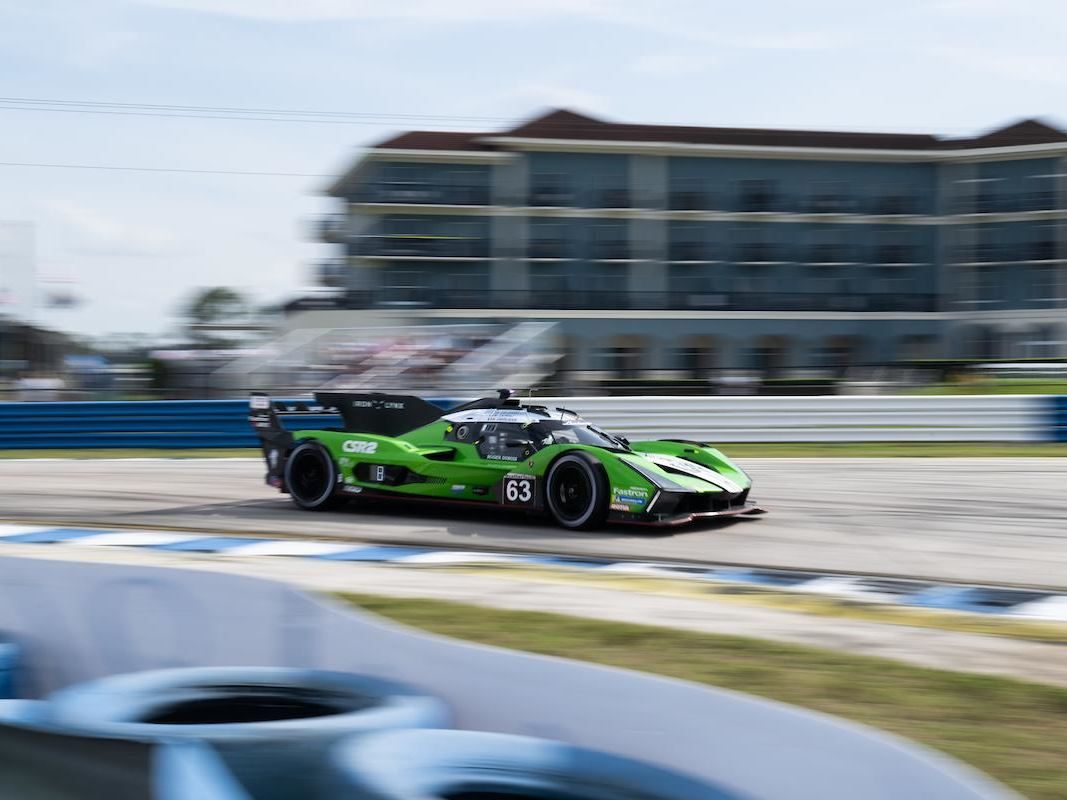
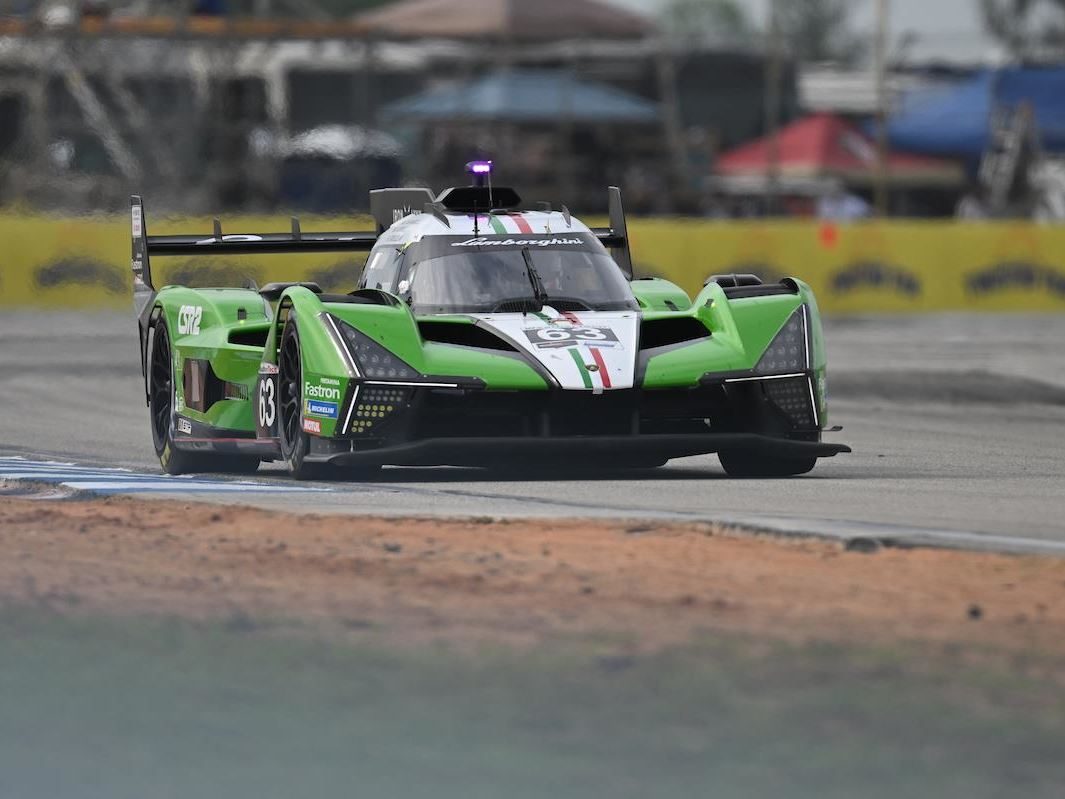
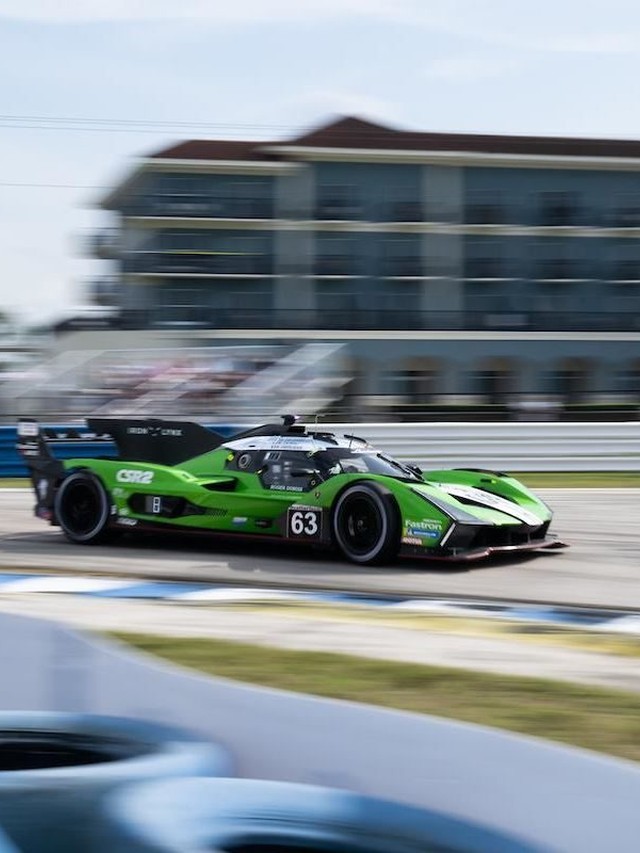
The Lamborghini SC63 navigates a challenging turn with precision and speed on the race circuit.
A Debut in Context: How Other LMDh Programs Stumbled Early
Finishing on the lead lap in your second race ever sounds reasonable until you consider how other manufacturer LMDh and GTP programs fared in their opening chapters. Porsche’s 963 and Cadillac’s V-Series.R both experienced mechanical retirements and reliability setbacks in their early endurance outings. Acura’s ARX-06 needed multiple rounds before its pace consistently translated into clean finishes. The pattern is consistent: new prototypes break things, and the development curve is measured in seasons, not weekends.
The SC63’s result looks even more notable when you factor in the car’s unique engineering architecture. Where most LMDh competitors use established racing engine platforms, Lamborghini developed a bespoke V8 twin-turbo unit mated to the spec hybrid components mandated by the regulations. That engine, paired with a Ligier-supplied chassis, gave Squadra Corse less inherited reliability data to lean on compared to rivals drawing from years of prototype or GT engine development. Seventh, on the lead lap, with a loose door as the only real drama, was a statement about the fundamental soundness of the package. Caldarelli’s post-race assessment captured the team’s mindset with characteristic candor:
“To finish the race was our target, fighting was not really the target so to be able to do that is all down to the team.”
They knew where they stood: prove the car can survive, then worry about closing the gap to the front.

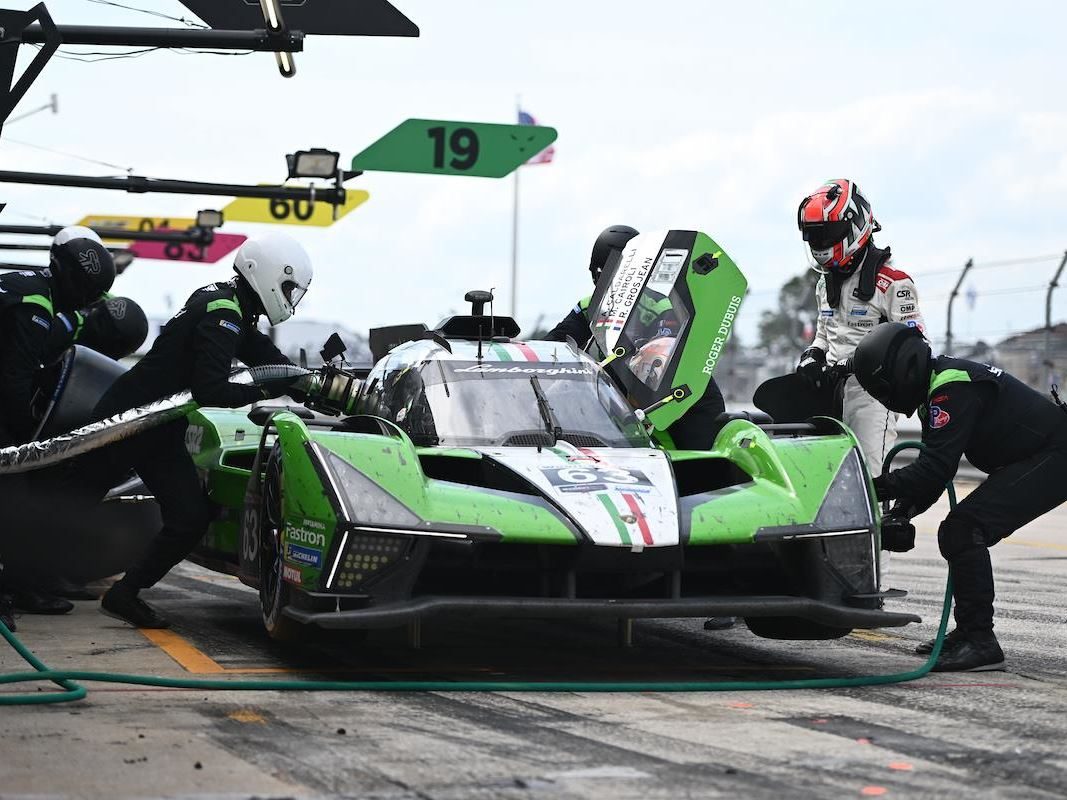
The Lamborghini SC63 undergoes a rapid pit stop under the bright lights of the Sebring night.
The GTD Pro Podium and Lamborghini’s Customer Racing Depth
The SC63 grabbed the headlines, but the #19 Huracán GT3 EVO2‘s third-place finish in GTD Pro tells its own story about the breadth of Lamborghini’s racing ecosystem. Five Huracán GT3 EVO2 entries competed across the GTD Pro and GTD classes at Sebring, a fleet that reflects the platform’s popularity with customer teams.
Bortolotti, Perera, and Pepper fought through a turbulent race to keep the #19 in contention. The car slipped to sixth in the closing stages before a penalty reshuffled the order on the final lap, promoting them onto the podium. Opportunistic? Absolutely. But staying close enough to capitalize when others falter is precisely what endurance racing rewards. The #78 Forte Racing entry finished fifth in GTD, while the #60 car recovered from a spin and drive-through penalty to take sixth in GTD Pro. The #83 Iron Dames entry was less fortunate, withdrawing after a throttle pad change required extensive repairs behind the pit wall.
The Huracán GT3 EVO2 remains the backbone of Lamborghini’s customer racing business. Its ability to deliver results across multiple teams and classes, even at a race as demanding as Sebring, reinforces why the transition to the upcoming Temerario-based GT3 car carries such high stakes. Customer teams buy into ecosystems, not just cars, and results like these keep that buy-in strong.

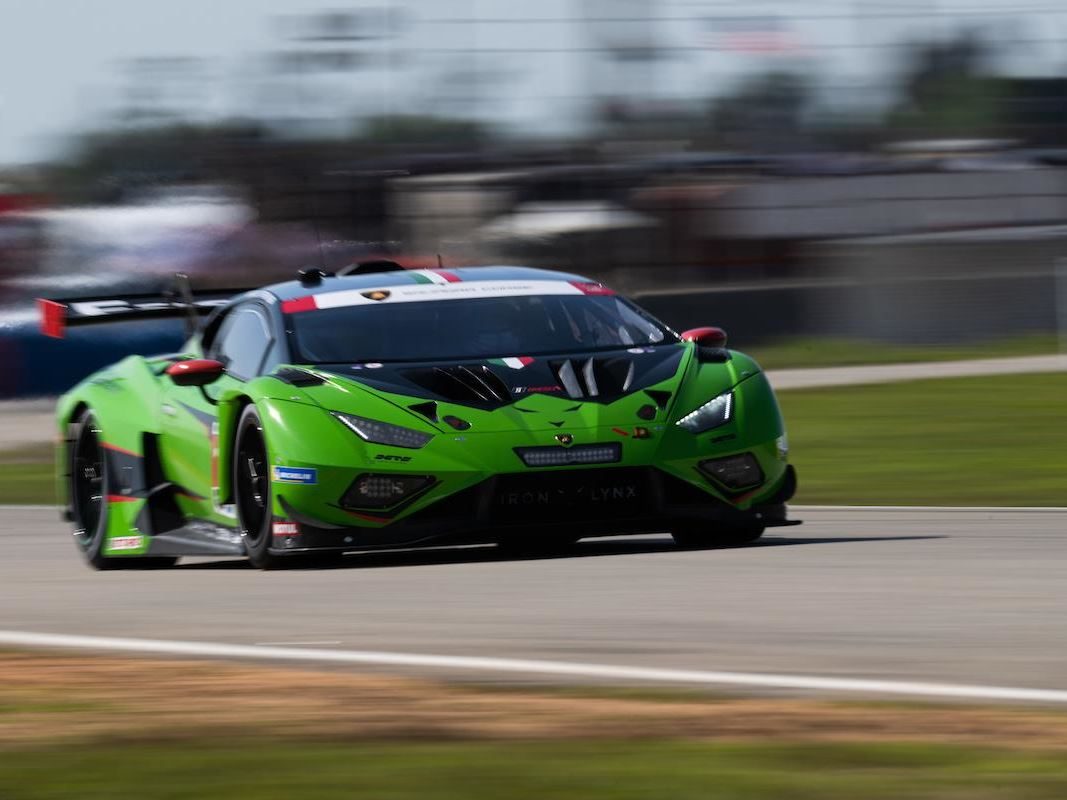
The Lamborghini Huracán GT3 EVO2 leads the charge, with the SC63 following closely behind on the circuit.
What Came After Sebring, and Why the Debut Still Matters
The SC63’s Sebring performance gains a sharper edge when viewed against what followed. Lamborghini confirmed it would not enter the 2025 FIA World Endurance Championship season. Reports indicate that the WEC program was paused because new regulations requiring a minimum of two cars in the Hypercar class did not align with Lamborghini’s strategy. For the 2025 IMSA season, the SC63 competed exclusively in the five-race Michelin Endurance Cup rather than the full championship calendar.
According to Road & Track, Lamborghini announced a further pause of the SC63 program for 2026, citing a strategic decision to refocus resources. The 2025 season brought mixed results: the SC63 reportedly retired early from the 24 Hours of Daytona due to a suspected powertrain issue, a stark contrast to the mechanical composure shown at Sebring a year earlier. One report noted that a revised suspension, described as an “evo joker,” was deployed to address weaknesses in kinematics and stiffness, and that Lamborghini CTO Rouven Mohr explained the mechanical suspension directly affects aerodynamic performance, making aero improvements the next development priority.
All of which makes the 2024 Sebring result more interesting in retrospect, not less. The car proved its fundamental architecture could endure one of the most physically demanding races on the calendar. The challenges that emerged later, from suspension tuning to powertrain durability at Daytona, are the kind of iterative problems every new prototype program confronts. Sebring showed the foundation was sound. Building on it turned out to be the harder part.

The Lamborghini SC63 illuminates the track as it pushes through the night during the endurance race.
What Sebring Tells Us About Lamborghini’s Motorsport Commitment
Lamborghini’s decision to enter LMDh racing was never going to produce instant victories. The company acknowledged as much. Rouven Mohr’s post-race assessment at Sebring was characteristically direct:
“We are aware that we need to close the gap to the front of the field, which is still quite far away at the moment. But we have put a lot of effort into this weekend and it has given us extra motivation to fight again in the next round.”
The practical takeaway for anyone following Lamborghini’s motorsport trajectory is straightforward: the SC63 program represents a long-term investment in engineering credibility, not a short-term trophy hunt. Finishing on the lead lap at Sebring in a car’s second-ever race proved the concept. The subsequent program adjustments, including the WEC withdrawal and the scaled-back IMSA schedule, reflect the realities of running a single-car effort against manufacturers with deeper prototype racing experience and larger budgets.
Forum discussion among enthusiasts reflects this tension. Online communities tracking the SC63 recognized the Sebring result as genuinely impressive for a debut, while also expressing concern about the program’s pace of development and long-term funding. That split reaction captures the honest state of affairs: the car showed it belongs, but belonging and winning occupy very different places on the development timeline.
For anyone watching Lamborghini’s first serious factory prototype effort, Sebring 2024 remains a meaningful marker. The car survived. The team learned. And the engineering foundation that held together for 12 hours on Florida’s worst tarmac gave Squadra Corse something concrete to build from, even as the program’s competitive ambitions required recalibration.

The Lamborghini SC63 blazes through the night, a streak of green and light on the endurance circuit.
Gallery