A Rolling Showroom Across Six Continents
Lamborghini did not mark its 60th anniversary with a single gala or a limited-edition press conference. Instead, the company built a calendar of events stretching from January through November 2023, touching every major market where it sells cars. Celebrations opened on January 19 with a remodeled Lamborghini Museum in Sant’Agata Bolognese, continued through owner rallies in Japan, the UK, Italy, the United States, and China, and will close with the Super Trofeo World Finals at Vallelunga in Rome. The scope is deliberate. This is a brand activation campaign disguised as a birthday.
What separates it from a typical anniversary press tour is the layering: exclusive owner driving events sit alongside a public concours d’elegance in Bologna, a brand-new open-access festival at Vallelunga, and an art collaboration unveiled in Tokyo. Lamborghini says official clubs in 24 countries, representing more than 1,600 members, are organizing their own local tours and pilgrimages to the factory. The company positioned all of it under a single exhibition title, The Future Began In 1963, which tells you everything about the intended message. At a moment when the Aventador has ended production, the Revuelto is arriving as the first hybrid V12, and the Urus is rewriting the financial profile of the company, Lamborghini is using its heritage year to argue that its next chapter will be as consequential as its first.

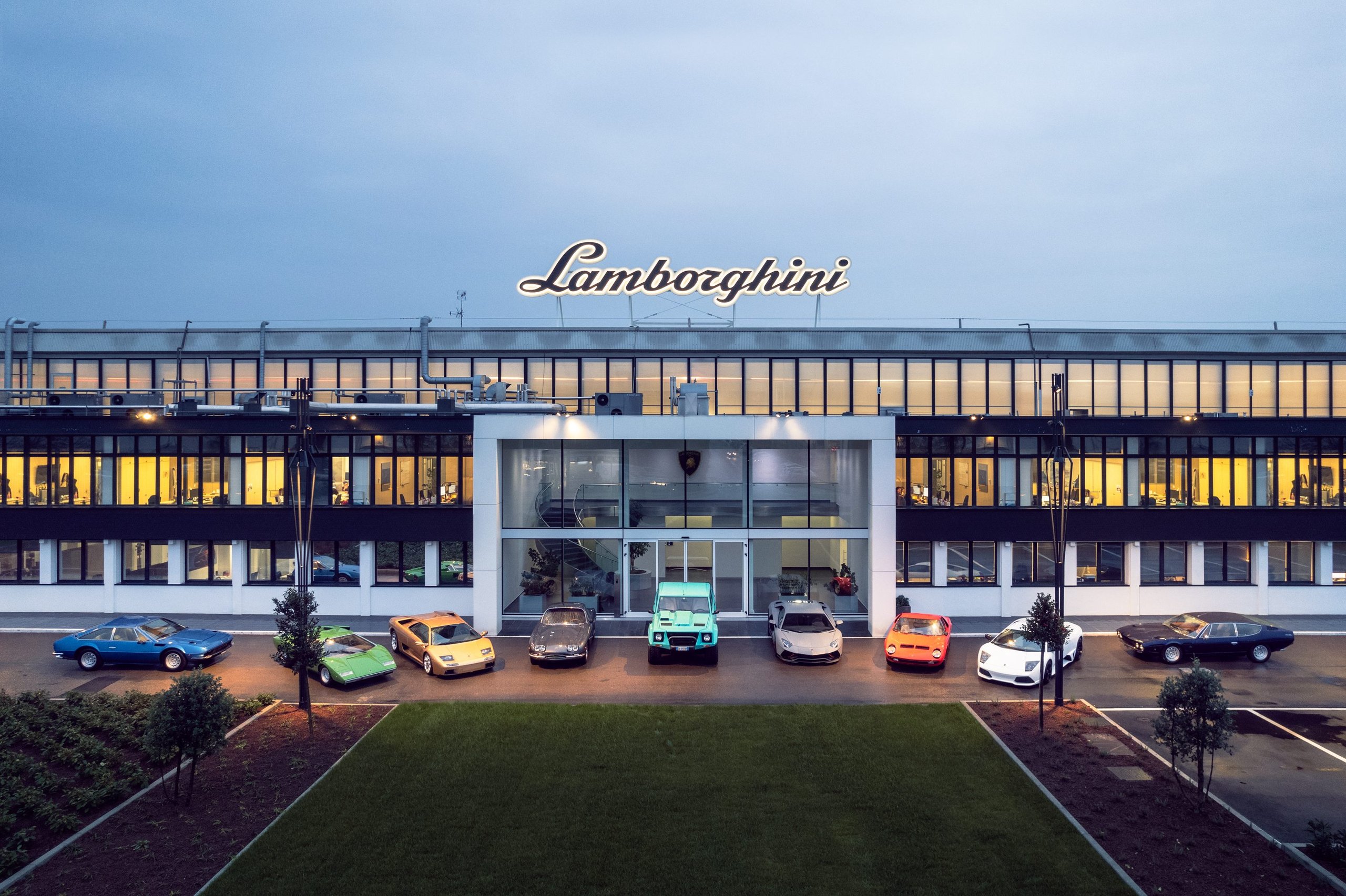
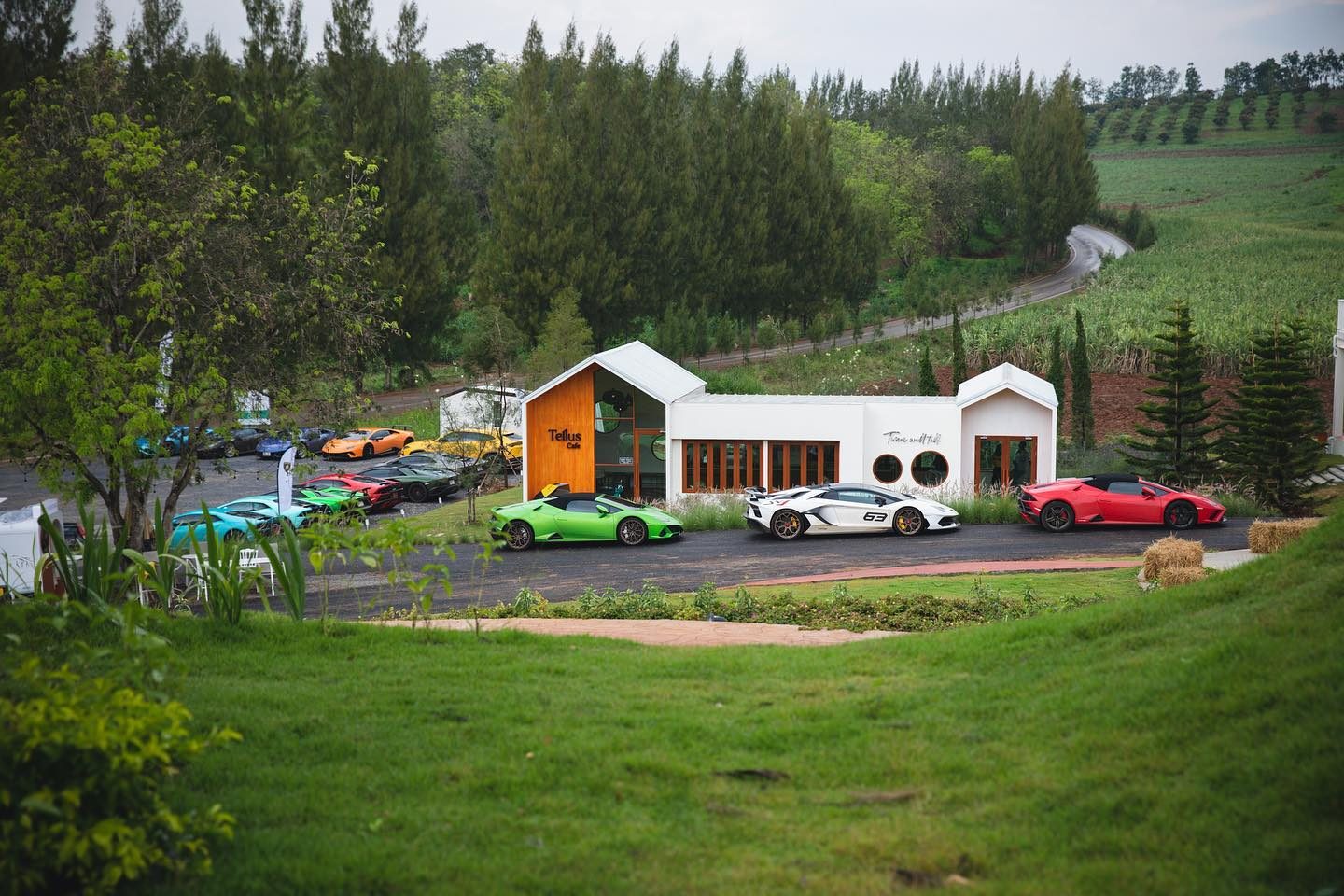
A vibrant collection of Lamborghini vehicles and enthusiasts gather for a special event at a modern facility. Image: Automobili Lamborghini.
Why the Anniversary Strategy Matters to Owners and the Brand’s Future
Supercar companies do not spend a full calendar year orchestrating events on four continents because they enjoy party planning. An anniversary year gave Lamborghini a narrative framework to connect the dots between its heritage and a product lineup about to undergo the most radical transformation since the Miura.
For current owners, these events function as loyalty infrastructure. Driving rallies through Tuscany or gathering at Silverstone reinforce the sense of belonging to a club that money alone cannot buy. For prospective buyers, especially those cross-shopping a Ferrari 296 GTB or a McLaren 750S, the message is that Lamborghini offers an ownership experience with a depth of community engagement that rivals struggle to match at this scale. The practical takeaway for anyone on a waiting list or considering a spec: the brand is investing heavily in the post-purchase relationship, which tends to support residual values and makes the ownership proposition stronger than a spec sheet alone.
Lamborghini’s approach also reflects a broader industry pattern. As electrification reshapes powertrains, heritage becomes a competitive moat. Porsche leaned on its racing DNA for its 75th anniversary. Ferrari used its 75th to reinforce the Prancing Horse mystique. Lamborghini, characteristically, chose a more public and participatory route, opening its celebrations to fans and not just owners, a distinction worth noting.

Stephan Winkelmann celebrates Lamborghini's 60th anniversary with a commemorative sign. Image: Automobili Lamborghini.
From Sant’Agata to the World: The Key Stops
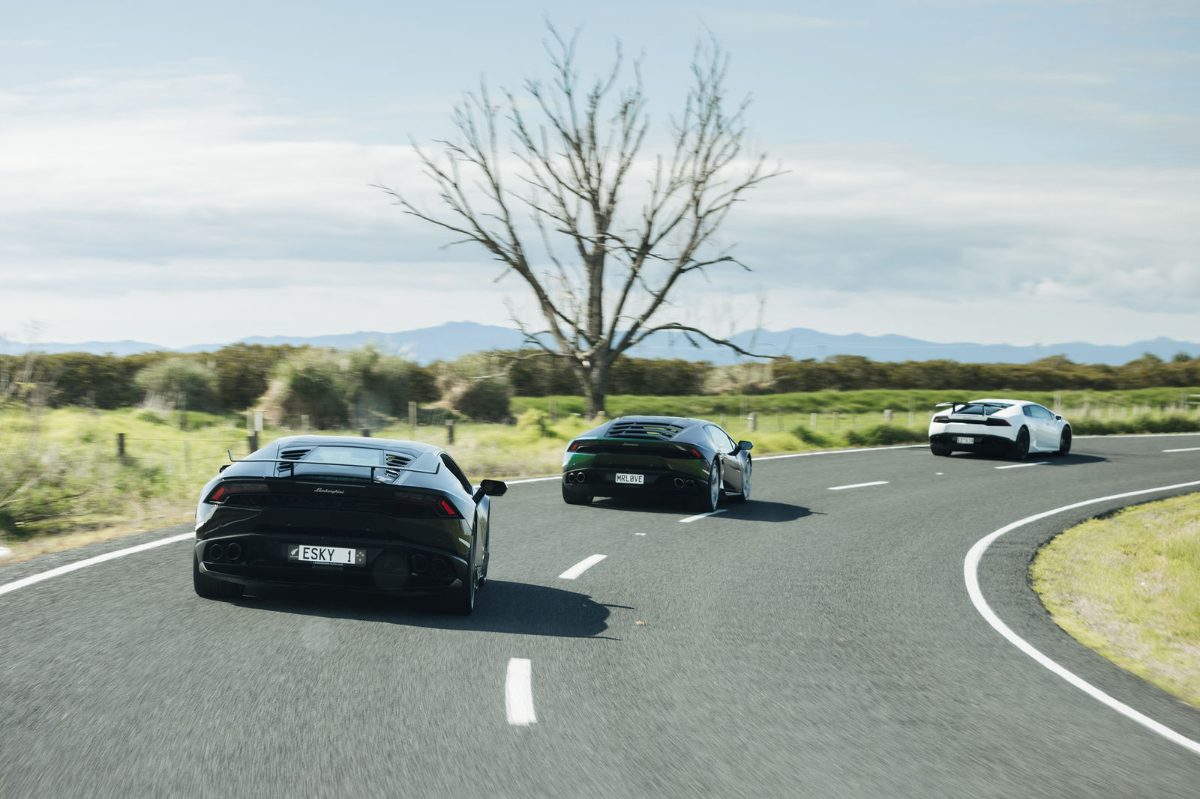
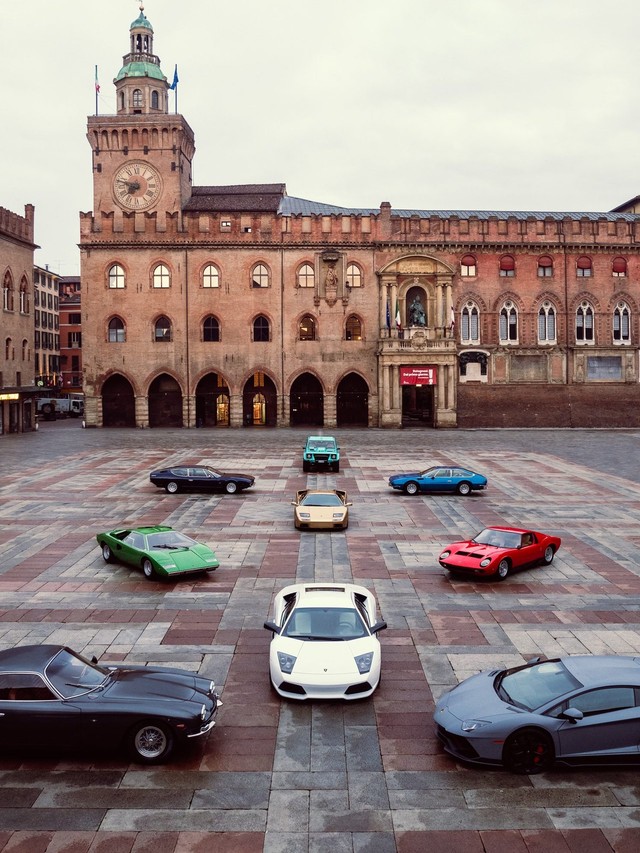
The event calendar reads like a greatest-hits tour of Lamborghini’s global footprint. Lamborghini Day Japan on February 23 in Suzuka was the first international stop, a smart choice given that Japan remains one of the brand’s most significant collector markets. Lamborghini Day UK followed on April 29 at Silverstone, where over 300 owners were expected. The Italian leg featured the 60° Anniversario Giro, a multi-day driving tour through the country that culminated on May 28 in Bologna’s main square with the Concorso in Piazza, a concours d’elegance and public festival.
That Bologna event deserves a closer look. Concours events in the supercar world are typically velvet-rope affairs. Opening one to the general public in a major Italian city square, surrounded by hundreds of Lamborghinis and their owners, is a community-building move that few competitors attempt at this scale. It invites casual fans into the brand’s orbit in a way that a closed dealer event simply cannot, and it reinforces the anniversary year’s central argument: that Lamborghini’s cultural reach extends well beyond its sales volume.
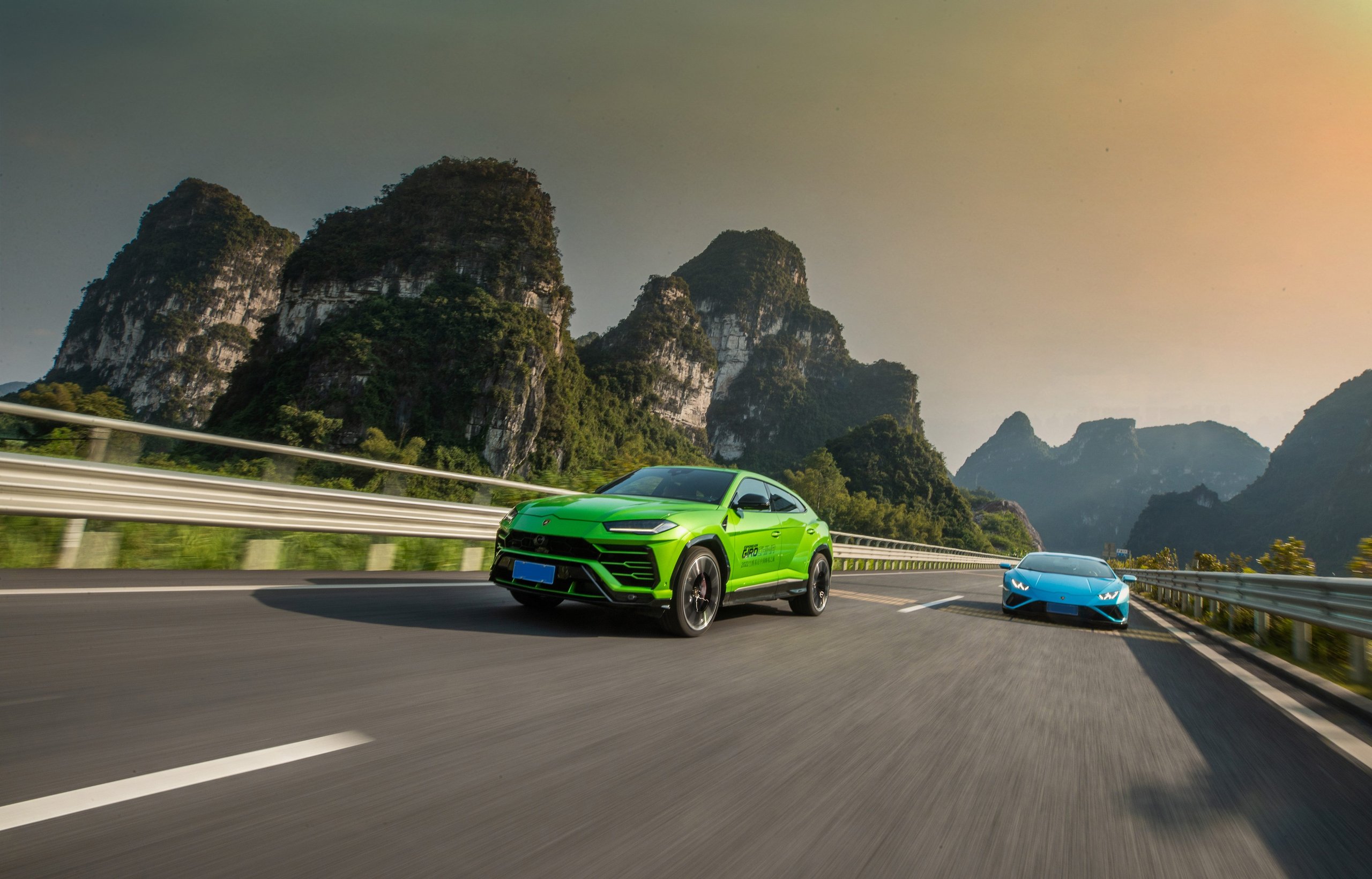
The United States, which Lamborghini identifies as its most important market, gets its own summer Giro. China, the brand’s second-largest single market, follows in September with the ninth consecutive Giro China, capped by a 60th Anniversary Gala Dinner. Also in September, Lamborghini Polo Storico, the division responsible for heritage preservation and restoration, will run a dedicated classic-car tour through Italy. October brings the inaugural Lamborghini Festival at Vallelunga, open to all fans, and November closes the year with the Super Trofeo World Finals at the same circuit. Japan, UK, Italy, US, China: each event tailored to its local audience but unified under the same anniversary branding.

A magnificent display of Lamborghini's heritage, with models from various eras gracing a historic Italian piazza. Image: Automobili Lamborghini.
The Miura’s Shadow Over Six Decades of Design
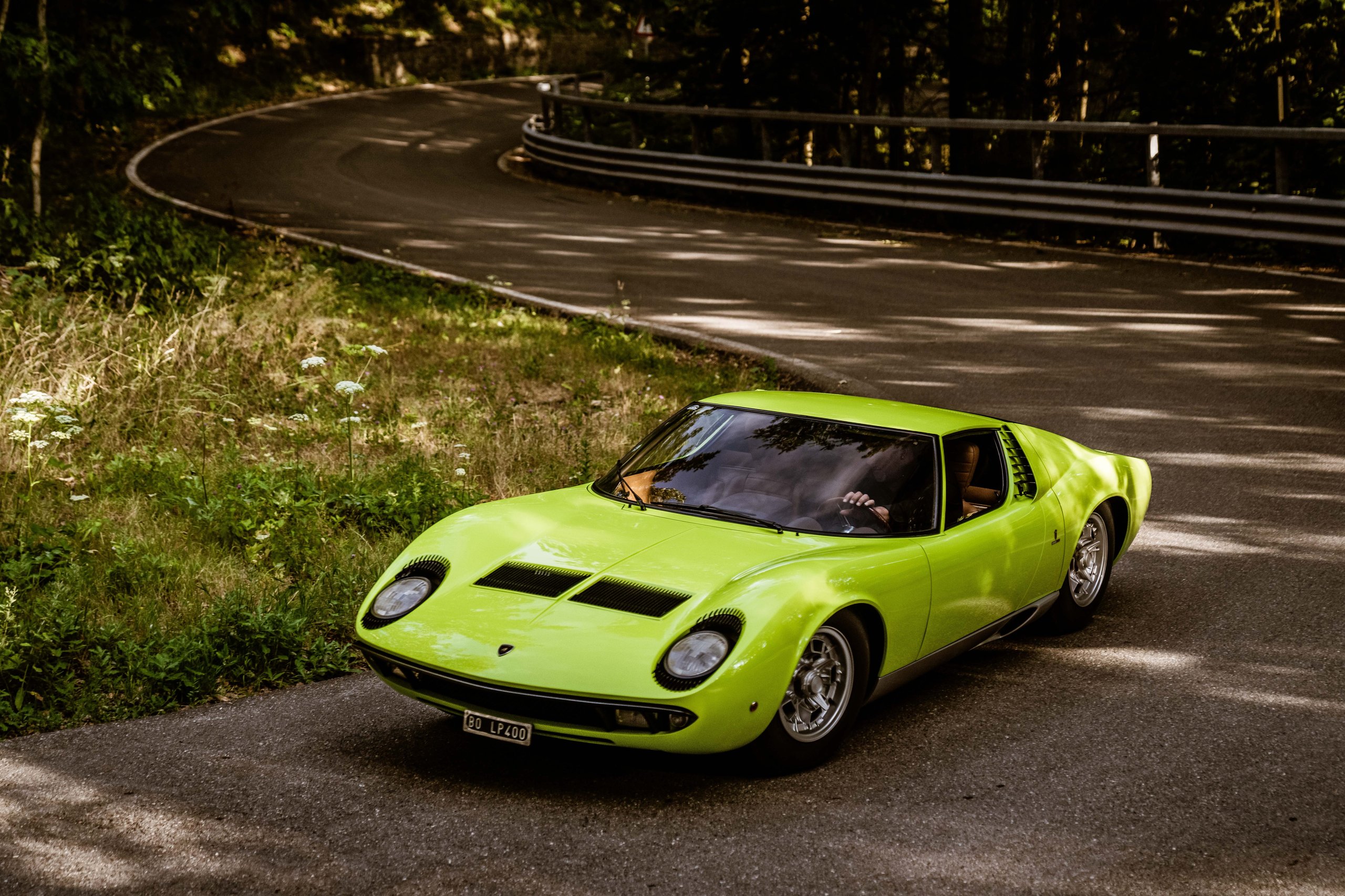
Lamborghini says the Miura coined the term “supercar,” and while automotive historians can debate the semantics, the car’s influence on the company’s identity is beyond dispute. The mid-engine, transverse V12 layout that Giotto Bizzarrini and the engineering team developed in the mid-1960s established a template that still resonates: young engineers, radical ideas, and a willingness to ignore what everyone else considered sensible. Marcello Gandini’s bodywork did the rest.
That founding ethos runs through every generation that followed. The Countach redefined supercar proportions in the 1970s. The Diablo pushed power figures into territory that made insurance underwriters nervous. The Murciélago brought Lamborghini into the Audi era with better build quality and the same theatrical presence. Each car carried the Miura’s DNA forward: mid-engine, dramatic, engineered to provoke a reaction. On enthusiast forums, the Miura’s enduring visual impact remains a frequent topic, with discussion threads regularly circling back to the idea that a car designed by engineers in their twenties still looks contemporary enough to stop traffic. That kind of design longevity is rare in any industry, and it gives Lamborghini a heritage asset that appreciates rather than ages.
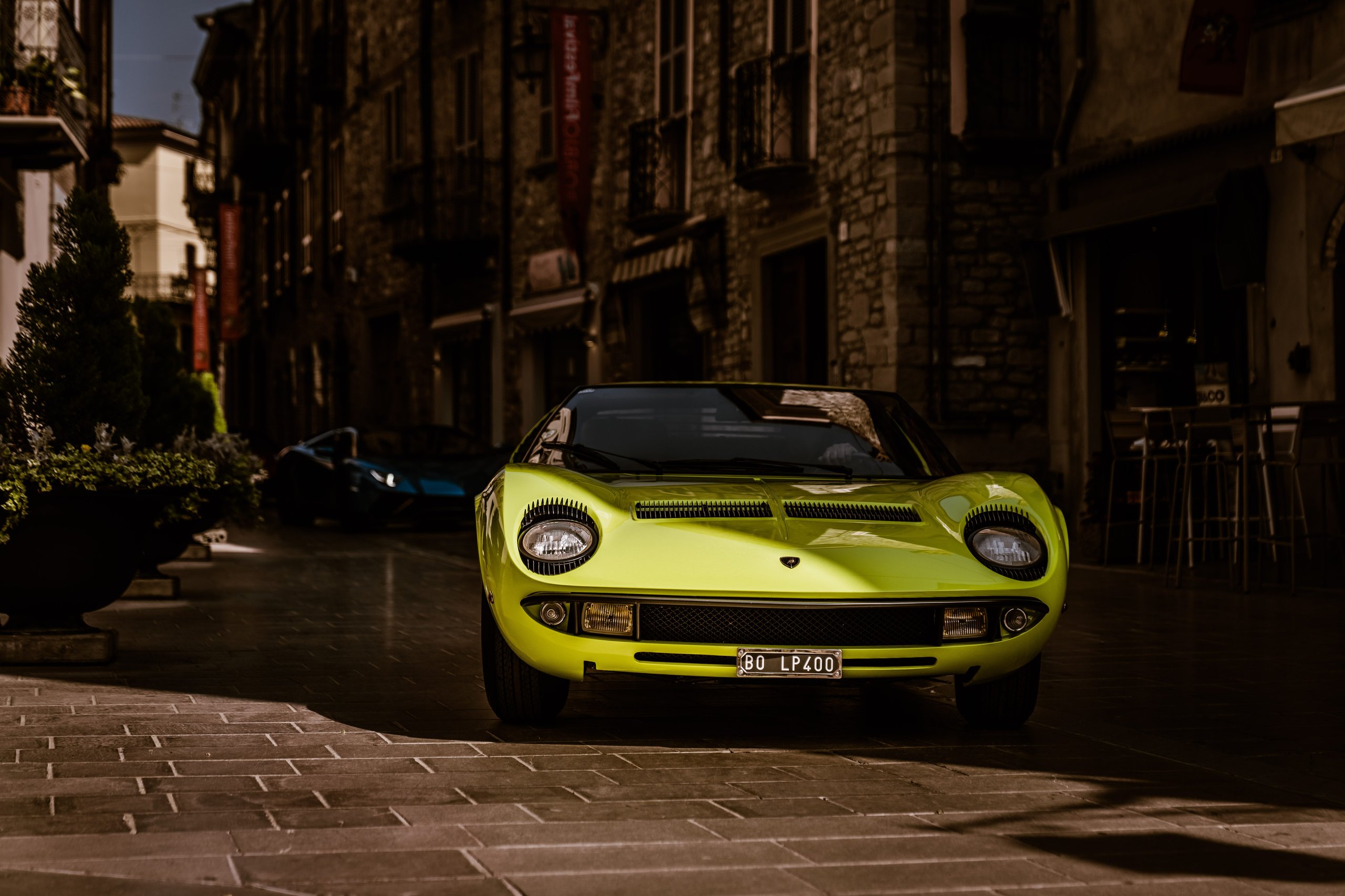
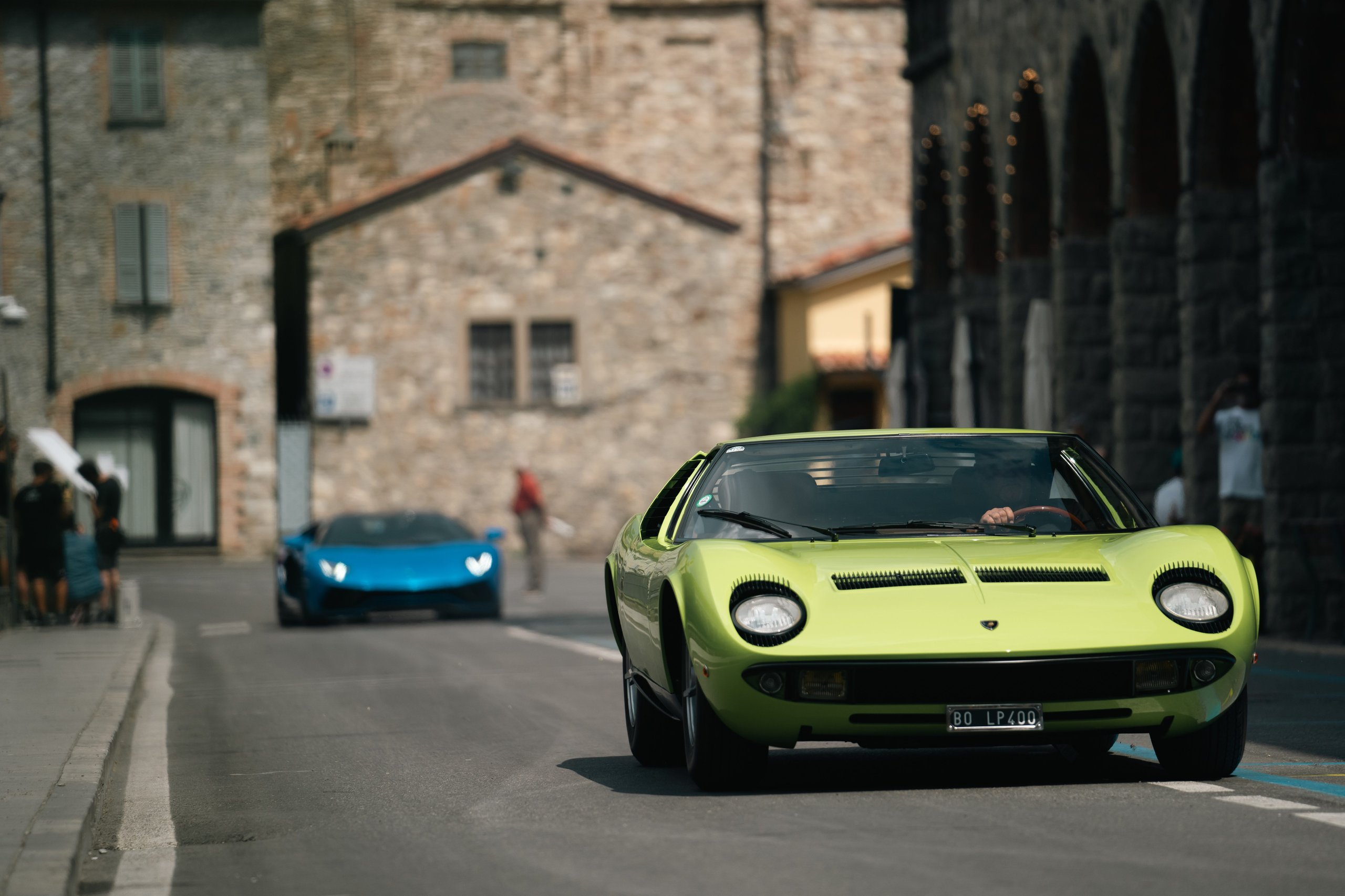
It also explains why the anniversary celebrations lean so heavily on placing old and new cars side by side. A Miura parked next to a Revuelto is not just a photo opportunity; it is the thesis of the entire year made visible.

A stunning lime green Lamborghini Miura cruises along a scenic country road as the sun sets over the Italian landscape. Image: Automobili Lamborghini.
Art, Limited Editions, and Signals of What Comes Next
Beyond the driving events, Lamborghini used the anniversary year to plant some interesting creative flags. One source reports that the brand collaborated with Japanese contemporary artist IKEUCHI on a project titled Chasing the Future, unveiled in Tokyo. The collaboration reportedly produced two works: the Time Gazer, a large-scale art piece incorporating original Lamborghini parts, and the Huracán STO Time Chaser_111100, described as a one-of-a-kind limited edition. According to that same reporting, IKEUCHI repurposed parts from past anniversary models, including the Countach 25th Anniversary and the Aventador LP 720-4 50th Anniversary, to build the car. Stephan Winkelmann is quoted as saying the piece “truly blends tradition and innovation, the past and the future.”
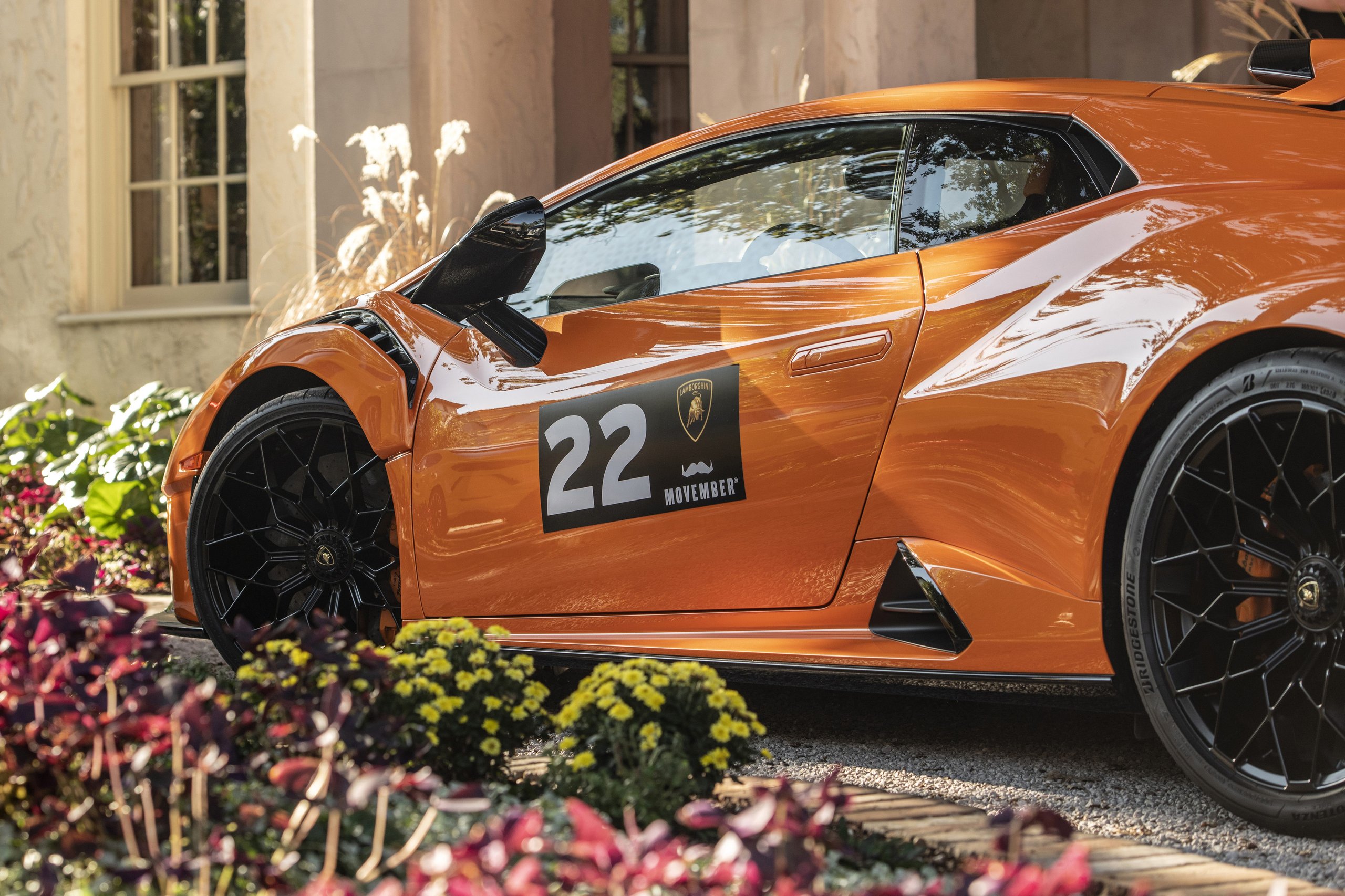
Lamborghini also released three 60th Anniversary editions of the Huracán (the STO, Tecnica, and EVO Spyder), each limited to 60 units. One report indicates these were unveiled during Milan Design Week in April 2023, featuring unique liveries, new color shades, a “1 of 60” carbon-fiber plate, and the anniversary logo painted on the doors and embroidered on the seats. These cars are already surfacing at auction with minimal mileage, which tells you something about how owners view them: as collectibles first, drivers second.
The broader signal is worth watching. Lamborghini chose to anchor its anniversary products around the Huracán, a naturally aspirated V10 platform at the end of its lifecycle. The Revuelto and the hybrid Urus SE represent the company’s next act. By celebrating what came before with such deliberate ceremony, Lamborghini is building an emotional bridge between the naturally aspirated era and the electrified future. Whether that bridge holds depends on whether the new cars deliver the same visceral experience, a question the company clearly wants to answer on its own terms.

A breathtaking nocturnal display of numerous Lamborghini supercars gathered under the night sky. Image: Automobili Lamborghini.
How Lamborghini’s Playbook Compares to Its Rivals
Ferrari celebrated its 75th anniversary in 2022. Porsche marked its 75th in 2023, the same year as Lamborghini’s 60th. All three brands used their milestones to reinforce identity, but the execution differed in revealing ways. Ferrari leaned on exclusivity and product launches, keeping most celebrations within its existing ownership ecosystem. Porsche emphasized its motorsport heritage and engineering breadth, from the 911 to the Taycan. Lamborghini, by contrast, made a deliberate choice to include the public. The Concorso in Piazza in Bologna, the Vallelunga Festival, and the open-invitation structure of many events suggest a brand that wants to expand its audience, not just reward existing customers.
That distinction matters commercially. Lamborghini’s sales volume is smaller than Ferrari’s or Porsche’s, and the Urus already proved that broadening the brand’s appeal does not dilute it. The 60th anniversary events extend that logic into the experiential realm. If a teenager in Bologna watches a Miura roll through Piazza Maggiore alongside a Revuelto, Lamborghini gains something no advertisement can buy: a memory tied to the brand before that person ever earns enough to visit a showroom.
The company was established on May 7, 1963. Sixty years on, it occupies a peculiar and enviable position in the market: younger than Ferrari, smaller than Porsche, and somehow more culturally visible than either when it comes to the poster-on-the-wall test. The anniversary celebrations are designed to make sure that remains true for the next decade, regardless of what powers the engine.

A classic yellow Lamborghini Miura and a modern blue Aventador drive through a historic street. Image: Automobili Lamborghini.
Gallery